John Berger – Ways of Seeing
Ways of Seeing is a 1972 television series of 30-minute films created chiefly by writer John Berger and producer Mike Dibb. It was broadcast on BBC Two in January 1972 and adapted into a book of the same name.
It is very interesting video talking about how wee see things.
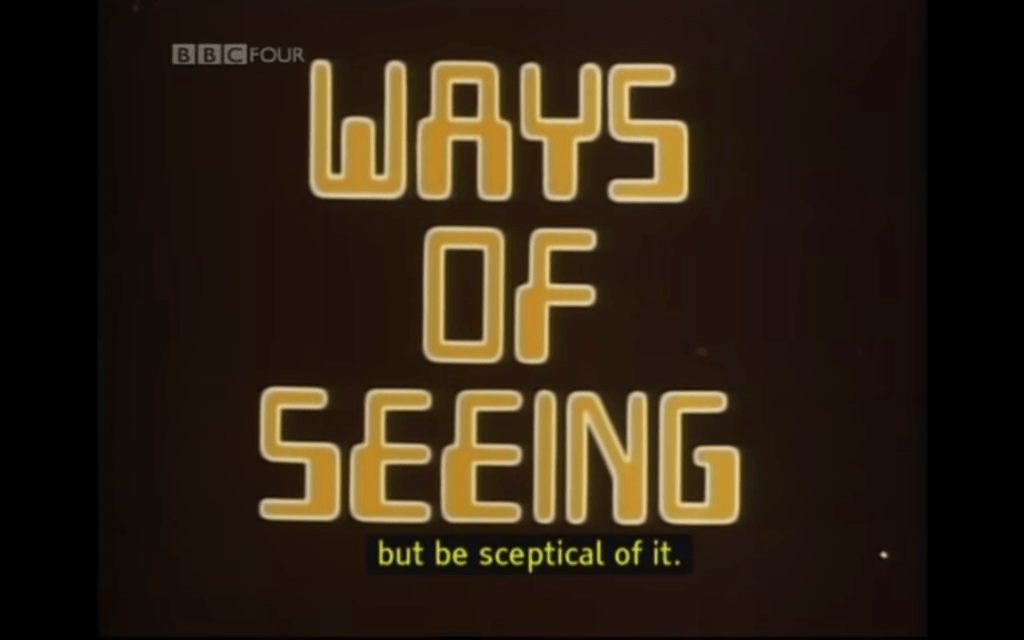
John Berger is saying that we see the paintings of many years ago in a different ways – is usually on a way we haven’t see them before , on a way nobody saw them before – is because of ourselves and the situation we live in.
Appearance is traveling in – we see the image with our eyes and the content goes to our brain – travels to our mind and makes us think or feel something.
With the invention of camera things change – we don’t need to be on front of things to see them and appearance travel across the world – anybody anywhere can see the image captured with the camera.
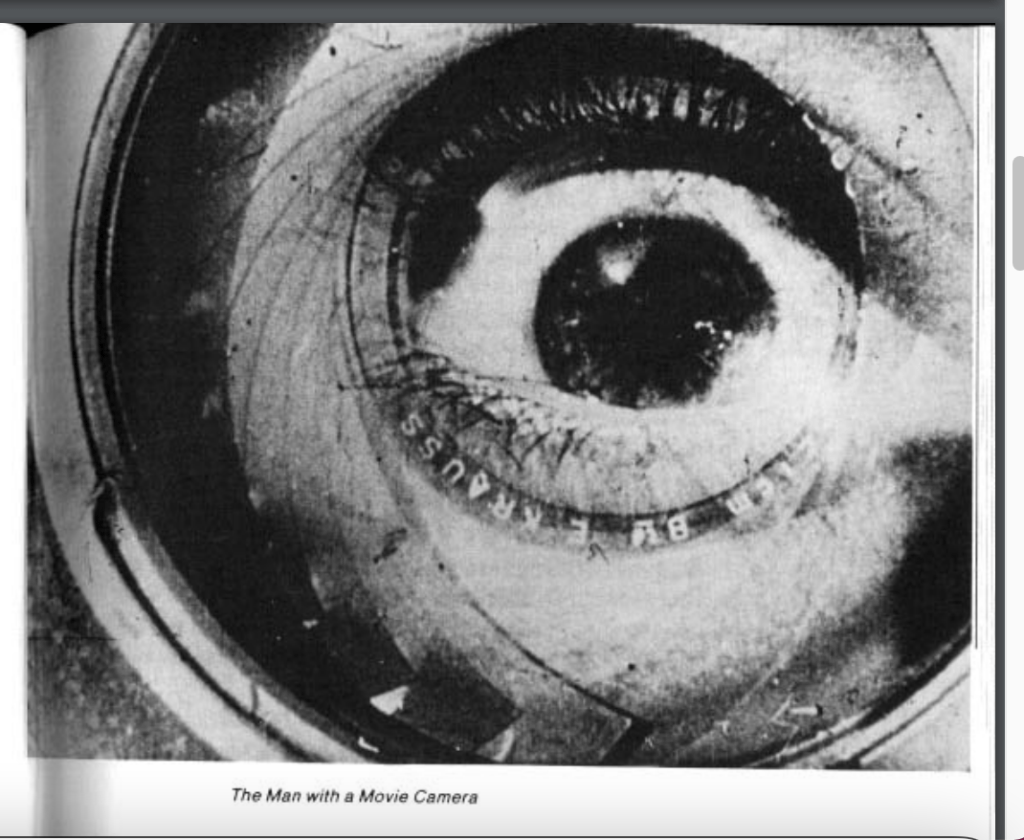
Dziga Vertov (Russian film director) wrote a manifesto in 1923 about the camera “The mechanical eye, the camera, rejecting the human eye as crib sheet, gropes its way through the chaos of visual events, letting itself be drawn or repelled by movements, distending time, dissecting movement, or, in contrary fashion, absorbing time itself, swelling years, this schematizing processes of long duration inaccessible tot the normal eye.
I am kino-eye. I am a builder. I have placed you, whom I’ve created today, in an extraordinary room which did not exist until just now when II also created it.
My path leads to the creation of a fresh perception of thee world. I decipher in a new way a world unknown to you.”
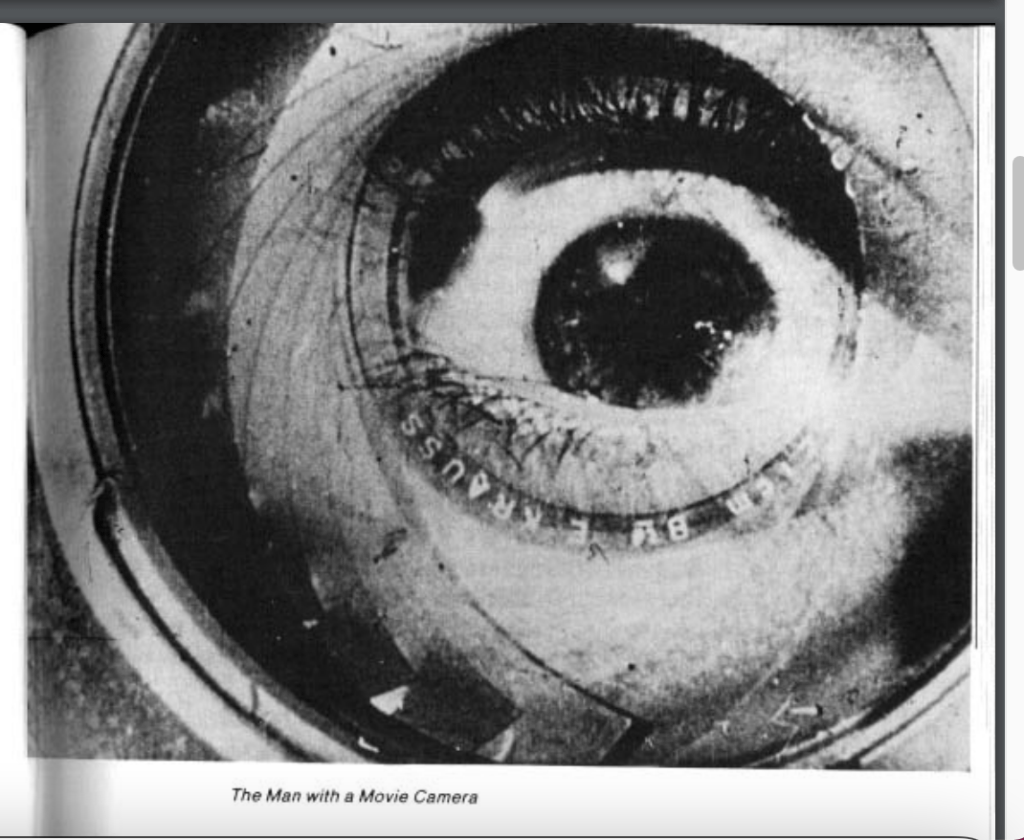
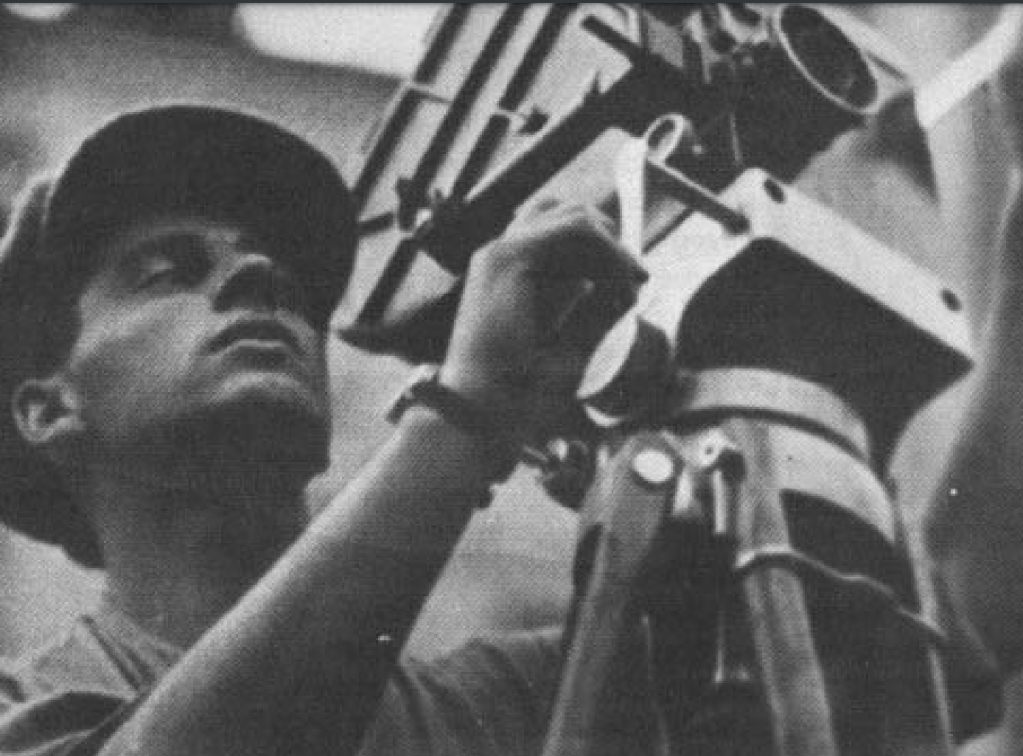
The invention of the camera has change not only what we see but how we see it. The camera can reproduce a painting and make it available at any size, anywhere and used for any purpose.
When paintings are reproduced they become a form of information.
They have deeper meaning beyond what they show on the surface.
They can also be a valuable document of how the painter saw the world.
He is saying that every portrait is telling us “I once existed and I looked like this”
Every painting preserves a moment, unrepeatable moment.
Today, color photography performs the same thing as the oil paintings from years ago. (he talks about this in lecture 4)
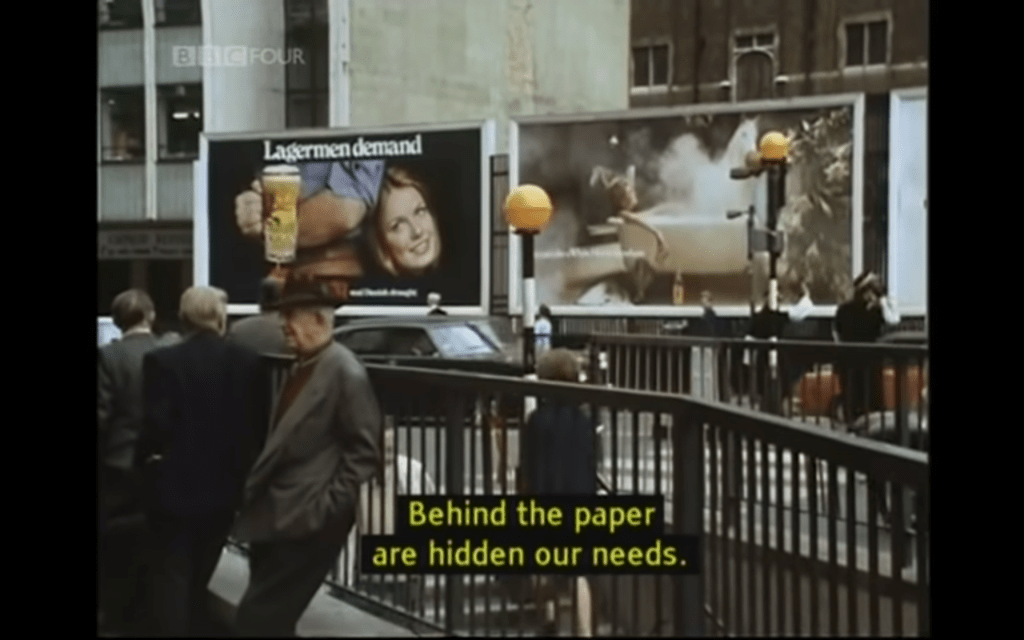
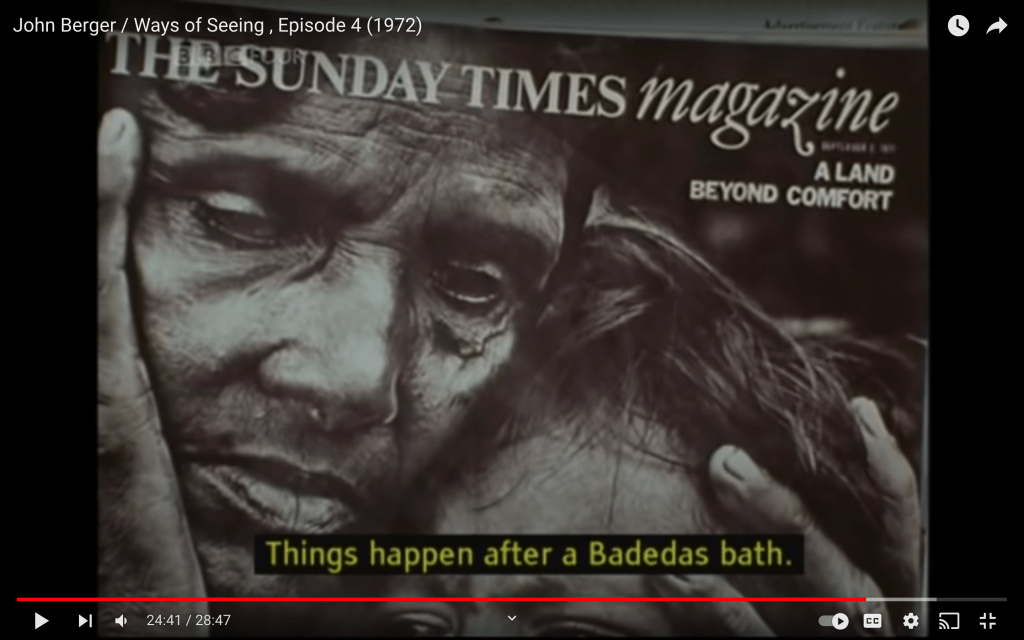
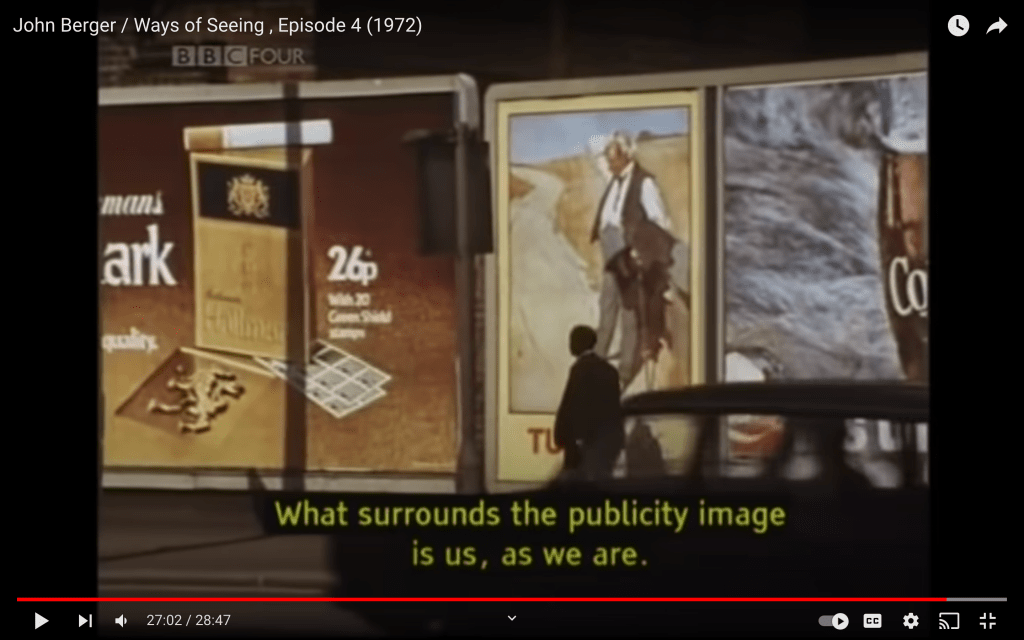
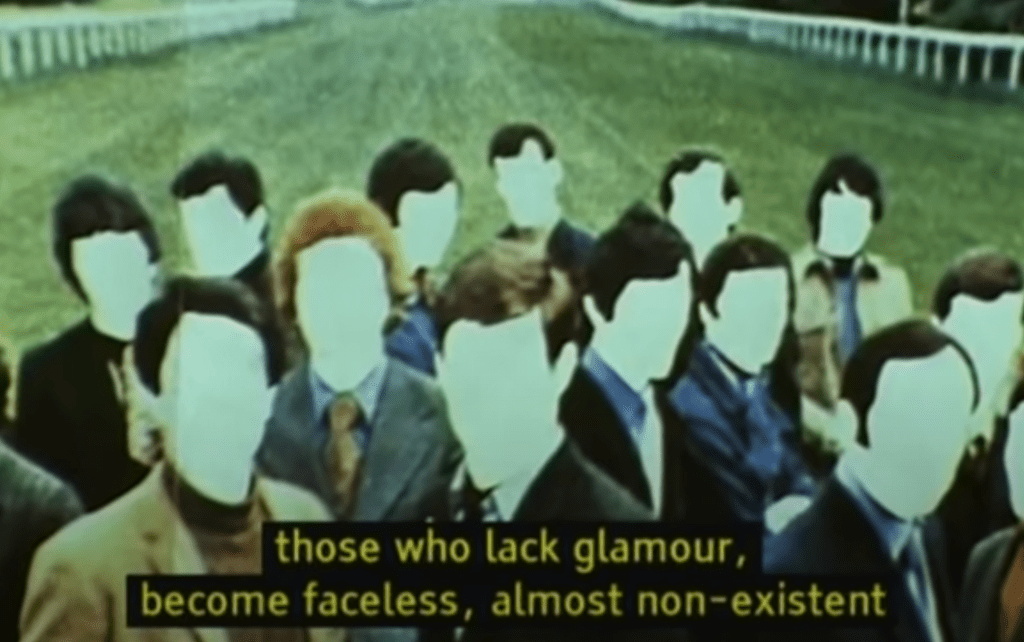
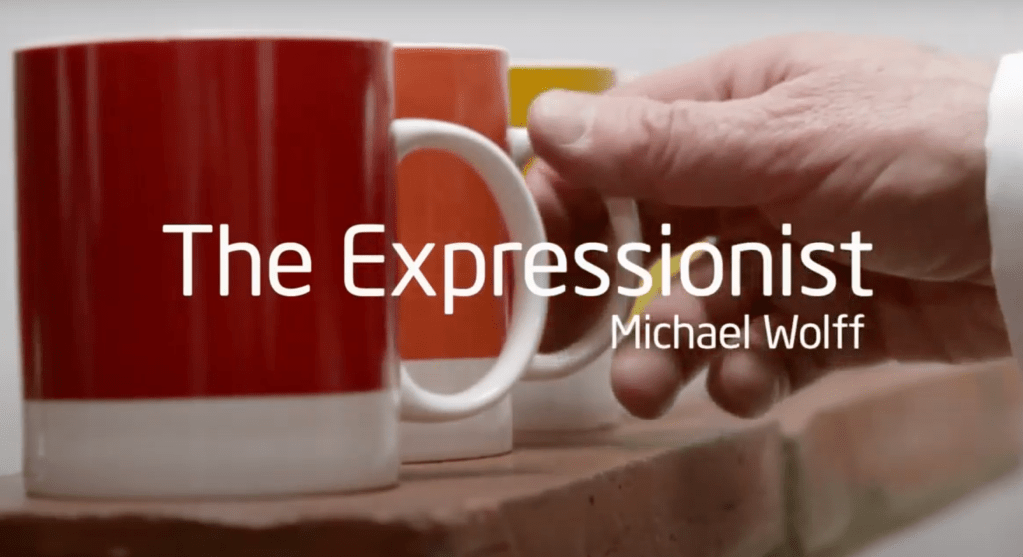
Thee videos of John Berger remind me of Michel Wolff where he said that thee three muscles are curiosity (to not only look at things but try to see what is behind them and always ask why this is the way it is); appreciation (its is being able to notice things around – how colorful they can be, what you see walking down the street); and imagination.
“Sketchbooks: the hidden art of designers, illustrators and creatives” by Richard Brereton
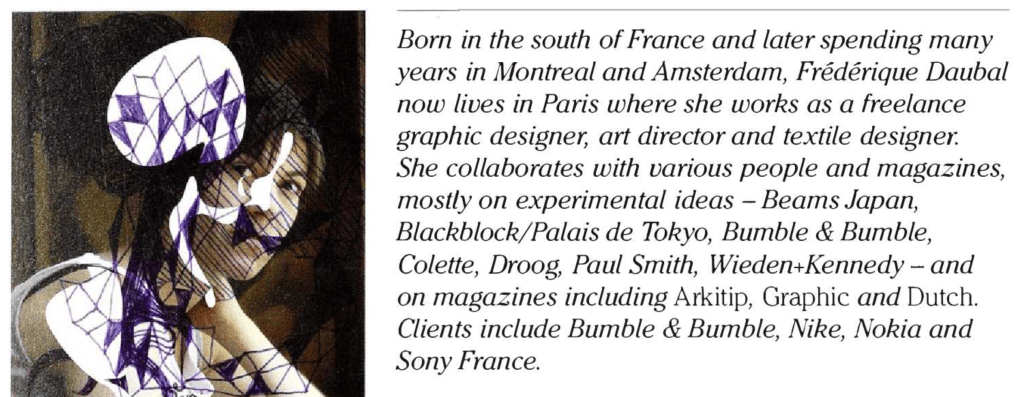
Daubal was keeping a journal and she loves making different collages. What is interesting is this way she was expressing her feelings or like she said “emptying my brain”. She was using the sketchbook to record her moods and thoughts.
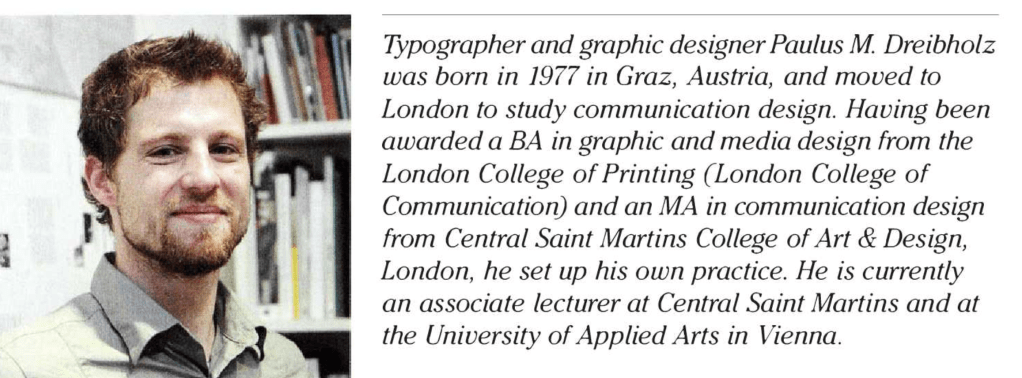
He started using sketchbook when he started studying graphic design. For him this is like a collection of different ideas, thoughts and experiments. It become like a relaxation and meditation. Helps him organize his ideas and also his life.
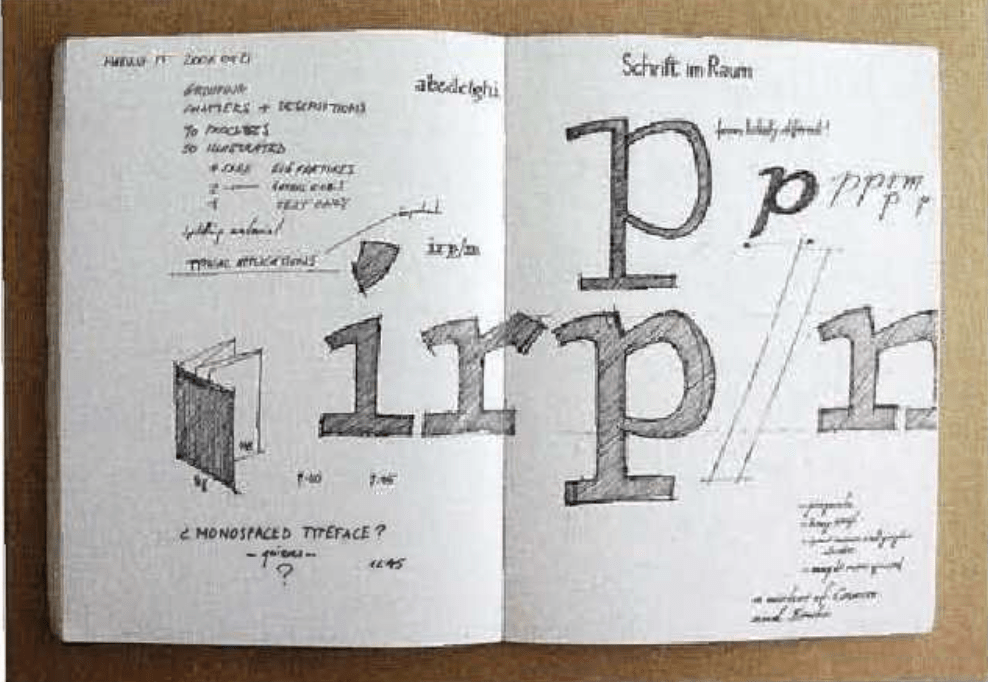
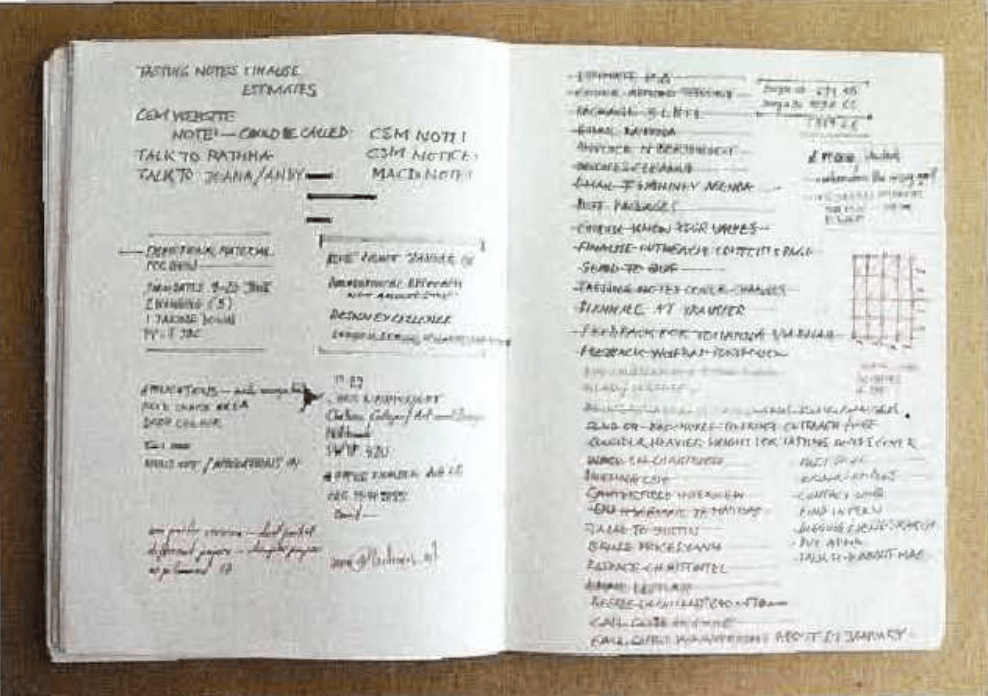
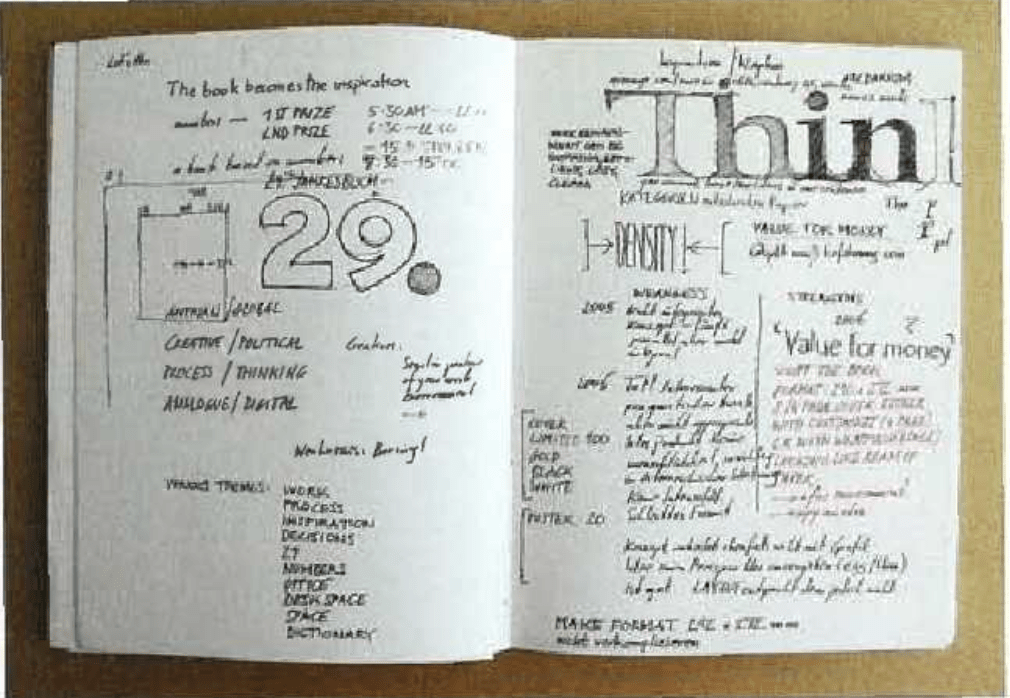
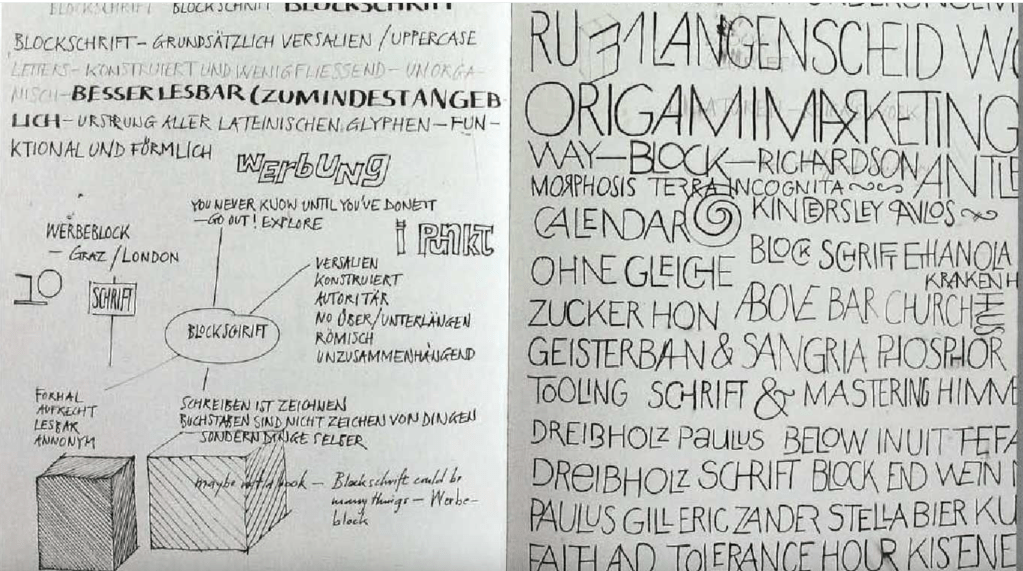
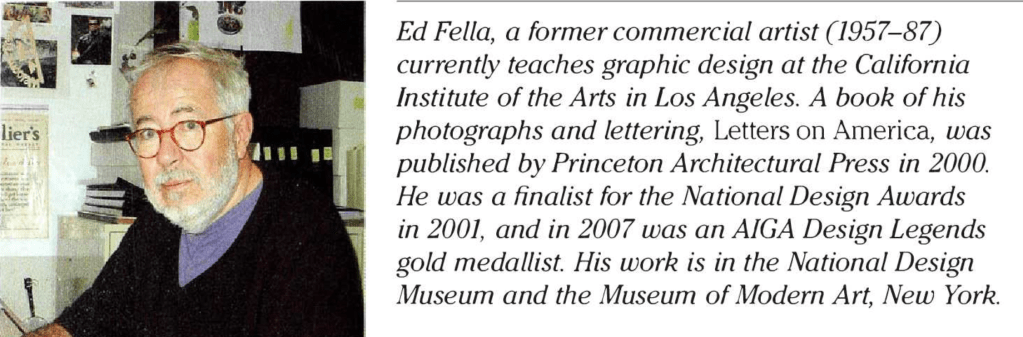
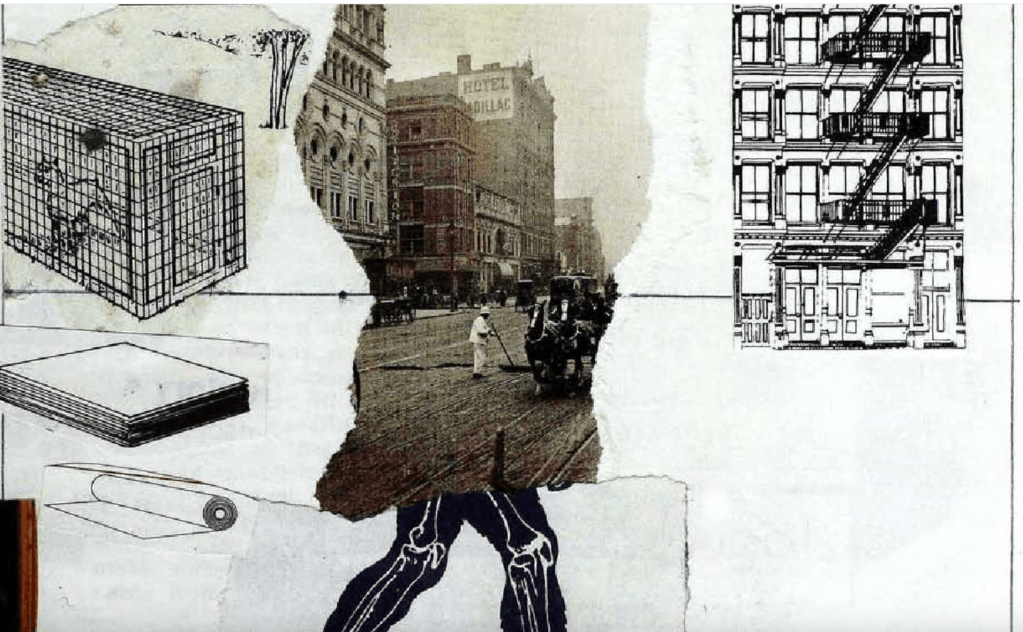
He started having a sketchbook mostly like a journal – his friend had told him that even though he is a designer, he should think like an artist and keep a sketchbook. The interesting with him is that he has categorized his sketchbook – pure collage, lettering and mixed media.
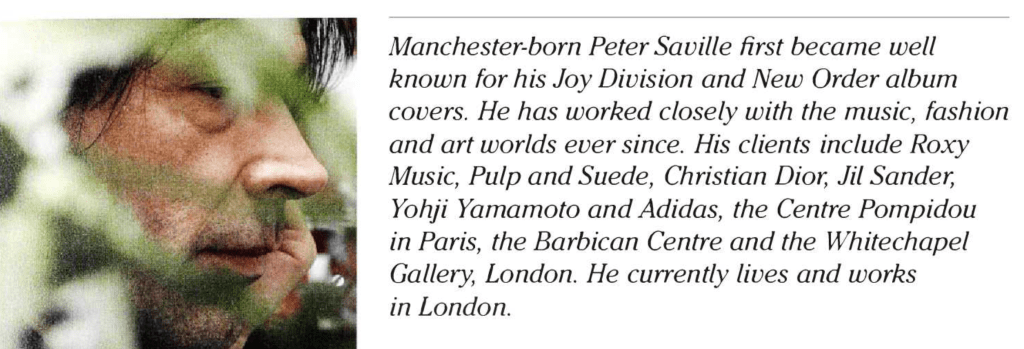
Peter Saville said that all his notebooks trace his ability to read the world around him and if he look back, he can see changes on what he notice
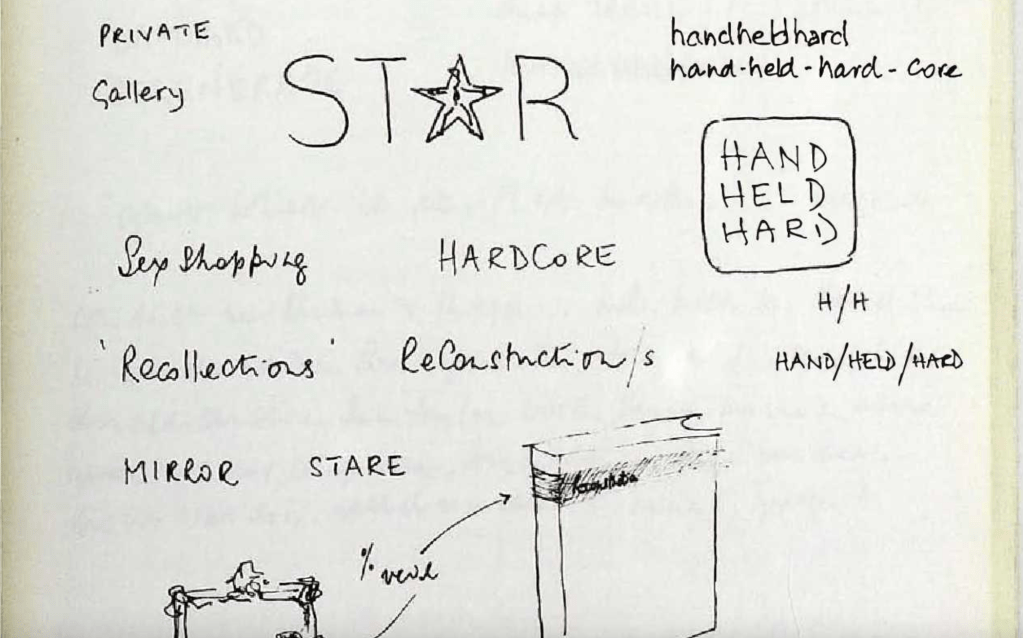
Ex-Formation Lars Muller: Zurich.
I agree that what moves people’s hearts is the unknown. Things that people already know don’t excite them.
Speaking about information design is true that the main goal is to give power to the user, makes him being able to navigate easy in places where that he doesn’t know.
Socrates said that the true wisdom is in knowing that you know nothing. It sound funny but actually is true. And imagine if Socrates was alive today – with the amount of information around us today, what he would say!
Pat Wingshan Wong
Pat Wingshan Wong is an illustrator from Hong Kong that began working on a project titled Barter Archive, which explores and celebrates the history and community of the world-famous Billingsgate Fish Market in Canary Wharf.
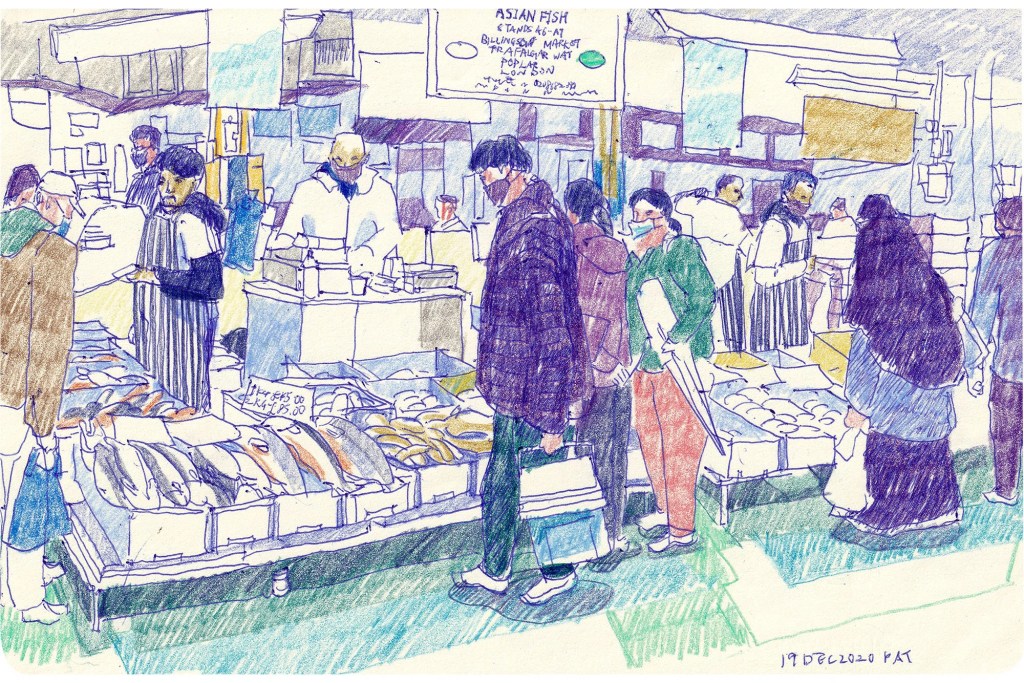
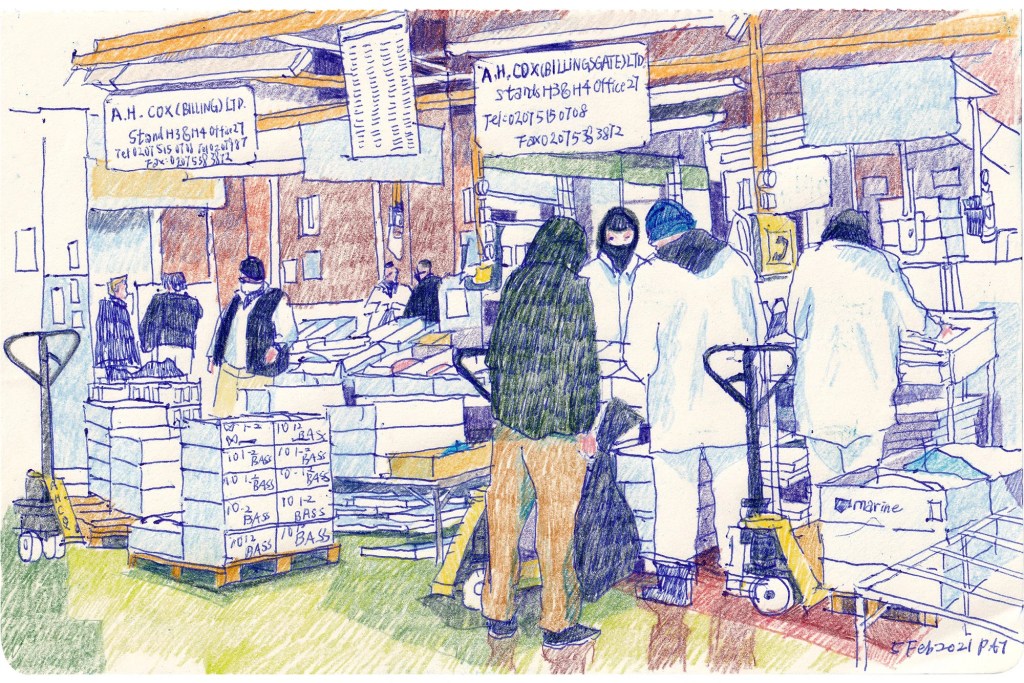
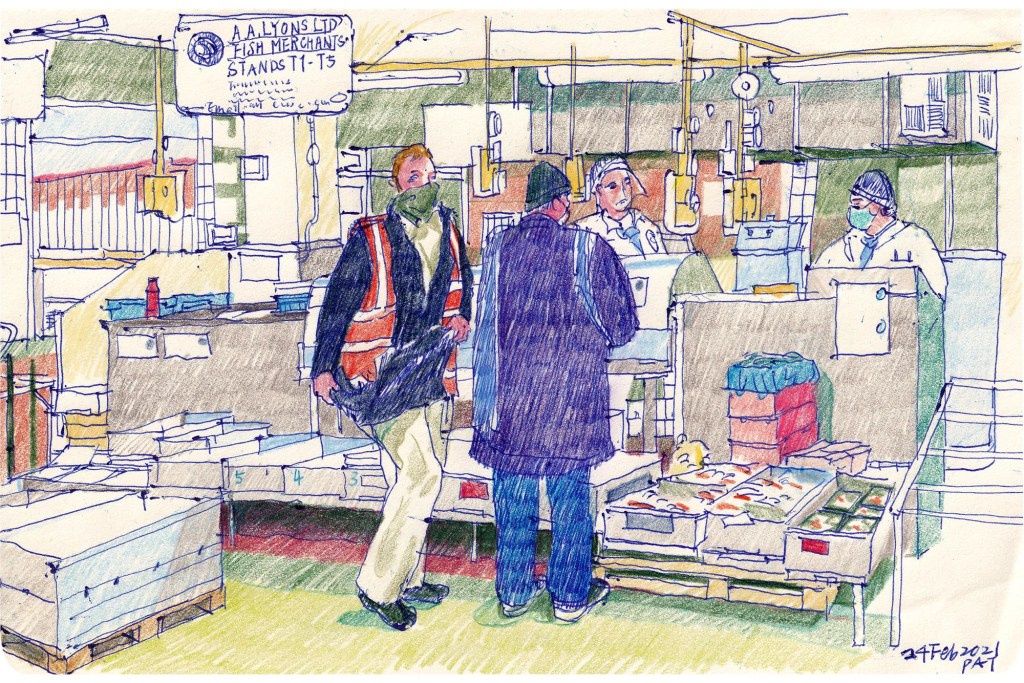
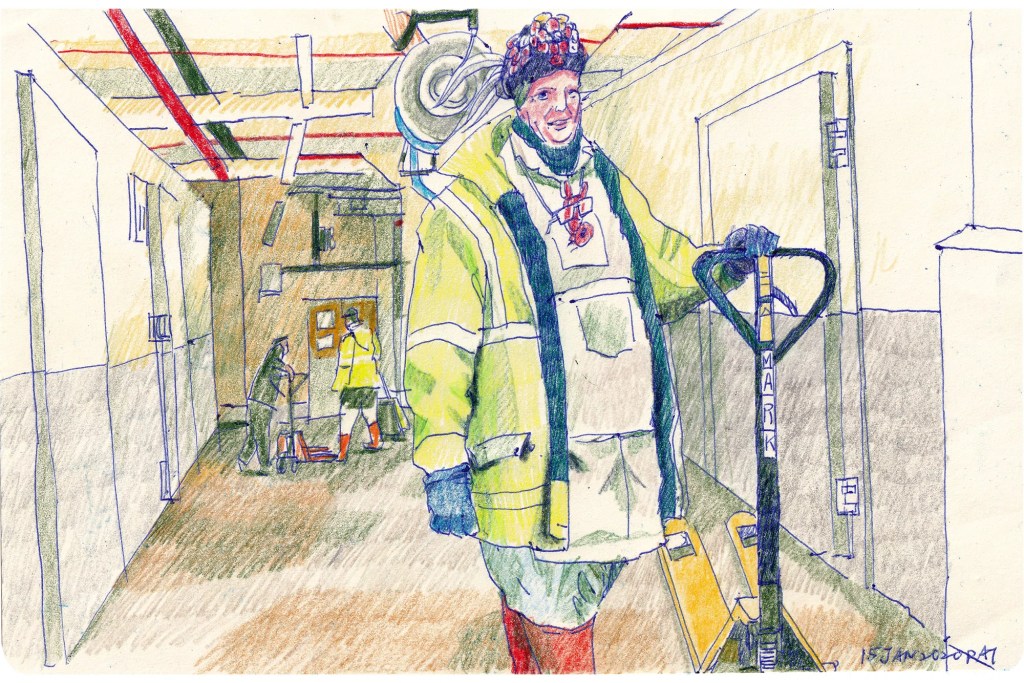
Amazing sketches – I love the way she has capture the everyday life in the market.
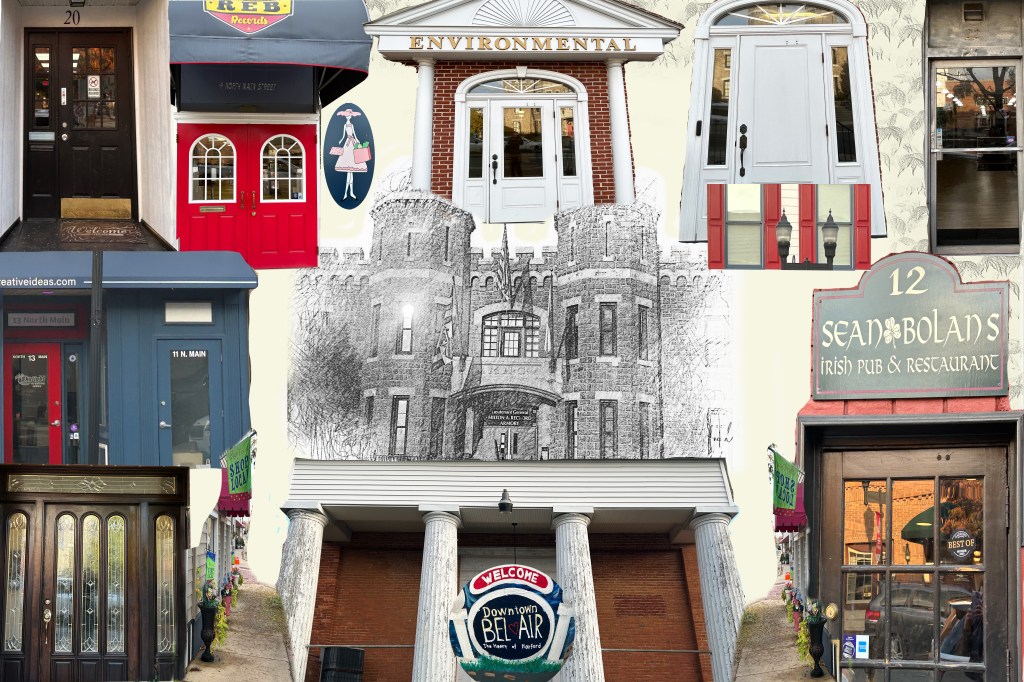
Challenge – week 6
 Vicky Kafkaki - Graphic Design MA Falmouth University
Leave a comment