Form and Function – podcast with Sam Winston and Susanna Edwards
“Things that people already know, don’t excite them, and yet people have a great zeal for making the world known. “
Sam explain that is good to take an object and look it from different prospectives and create new interpretation of this object or place.
“it’s not about thinking, it is about embodying. Embodying is, sure you’ve got the information, it is floating around in your grey matter, but at some point it’s got to come out of your hands in a way that’s completely interesting. Approaching, let’s say if you were going to navigate a brief around the city, and it could be commercial or it could be self generative, I would basically give myself a very primary framework. I’d stand in a particular part of the city. Or I would give myself a certain environment that I’m interested in, and then I’d enter it, and then I would, it’s sort of a brainstorming strategy, I would give possibly four categories. There’s keeping memories and thoughts within the mind and then there’s stuff that gets too big, that you basically make a database of. In your environment, even if it’s a digital environment, there are databases there that are small universes. Most of the time it’s data, and the difference between data and knowledge is storytelling I would say – storytelling is this thing about how you transition from something which is pure zeros and ones, into something which is again the word embodied. Looking at databases and looking at archives is one massive resource. Anything, from simple things like phone books, these are all massive maps; these are all things that are cold and dead to people, and the job of the designer is to create a narrative through all of that data in which you basically begin to give meaning. One of the first environments that I went to for two reasons were libraries, any library.
And it is the designer’s job to basically tell that story.
I think the final piece of the jigsaw is seeing the social elements as design.
It’s easy for us to sit here to talk about things we’ve really pushed hard to develop within our own practice and actually one of the most important things is to be curious, and to be yourself, and to not be afraid to make mistakes, and have fun; to really have fun. And when you genuinely, whether it’s a commercial project, whether it’s screen based, whether it’s craft based, whether it’s printed, whoever it’s for, it’s about you and your relationship with that process and that’s s a brilliant way to end. “
I did some research on the resources mentioned in thee podcast;
- Meta believes that creativity is at the core of all progress society makes, and that artists and designers are in a unique position to address some of the world’s most critical issues.
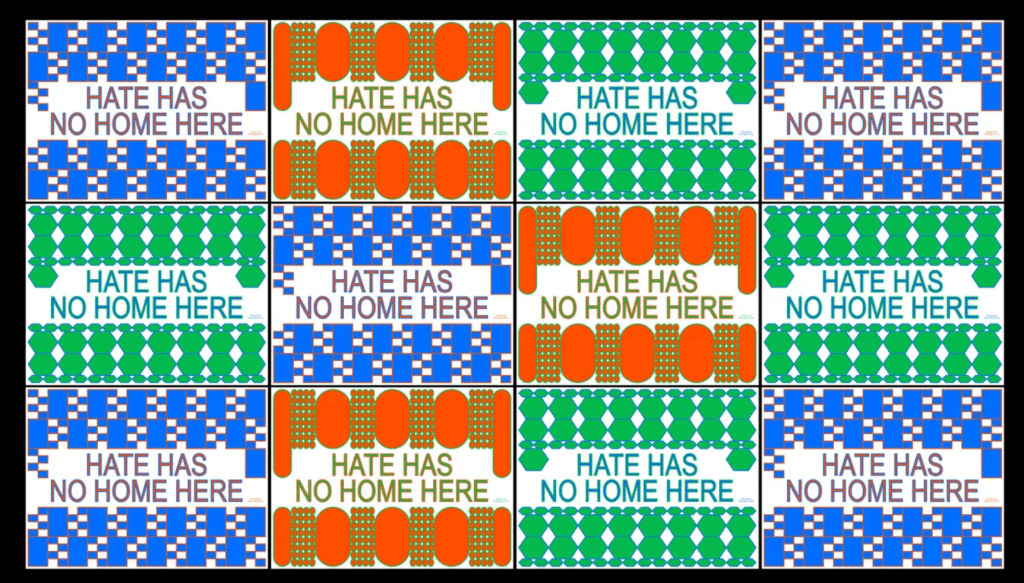

20 Things: Earl’s Court
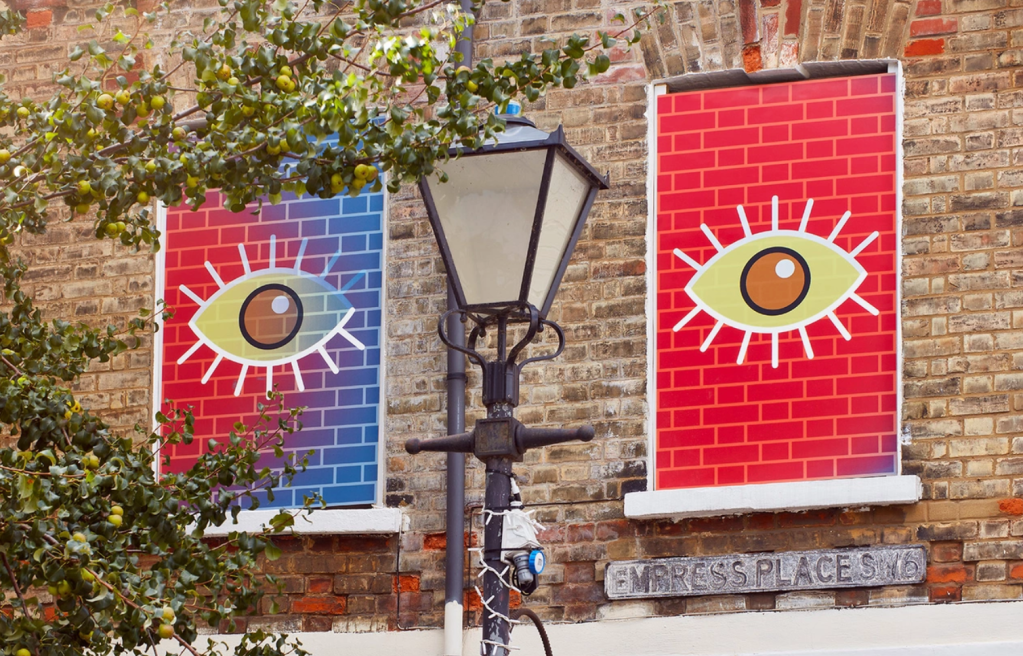
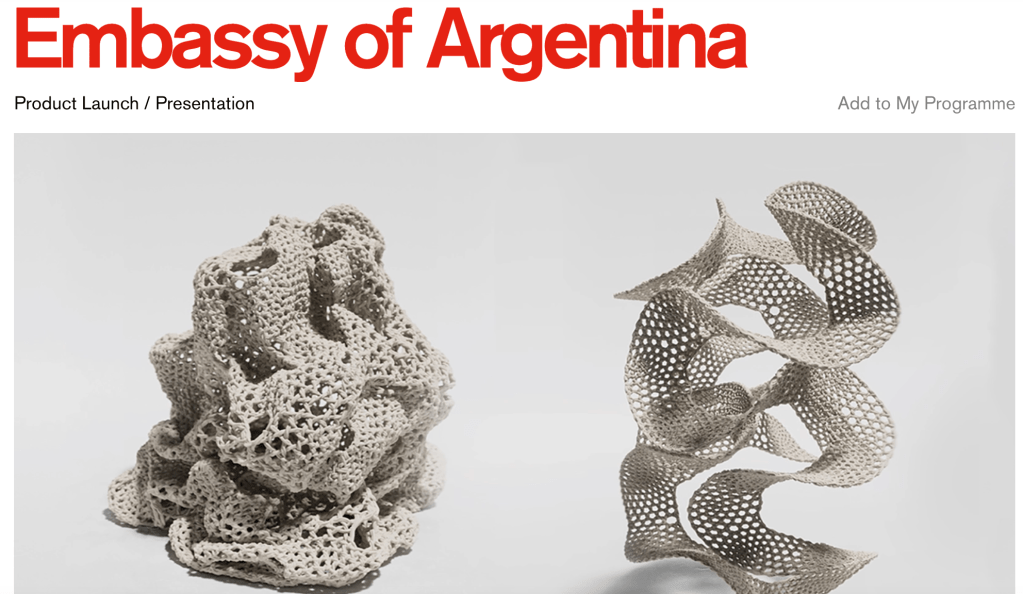
2. https://apracticeforeverydaylife.com/projects/
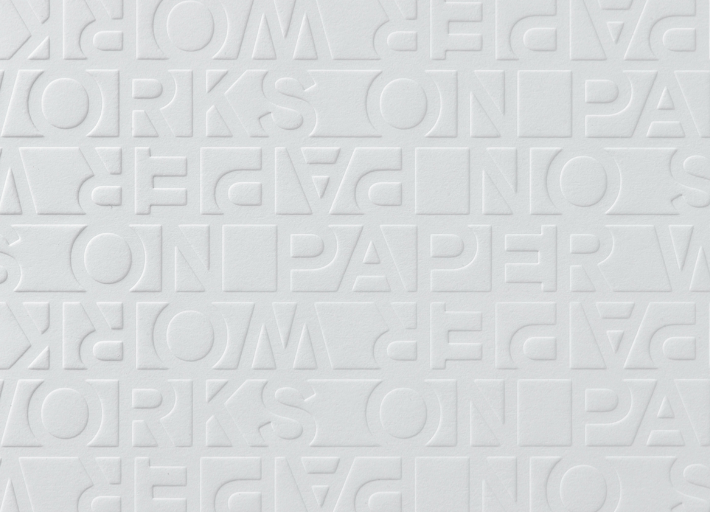
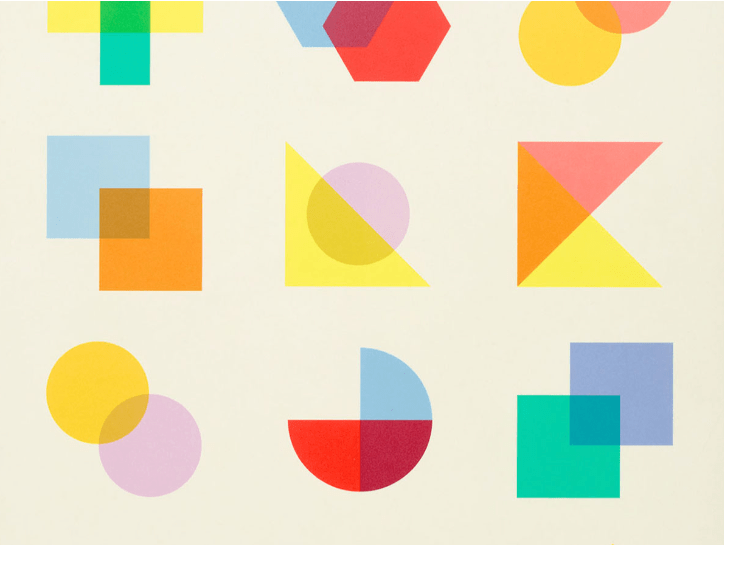
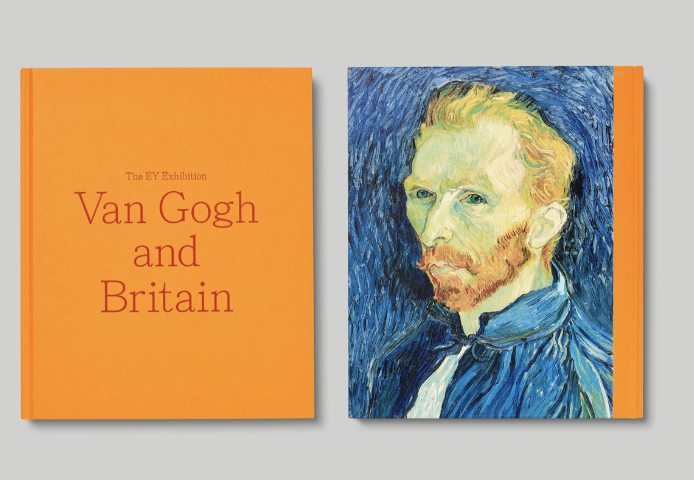
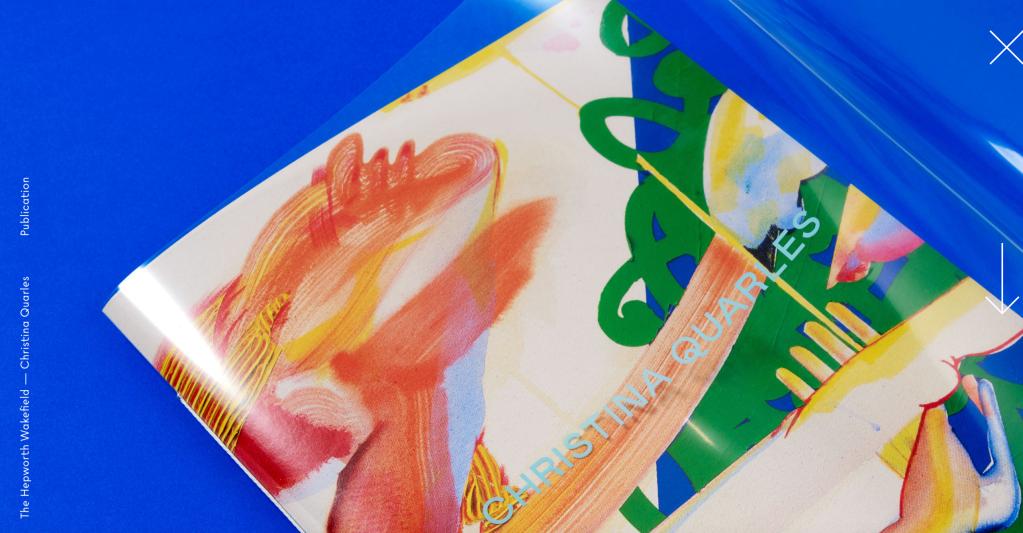
3. https://visual-editions.com/
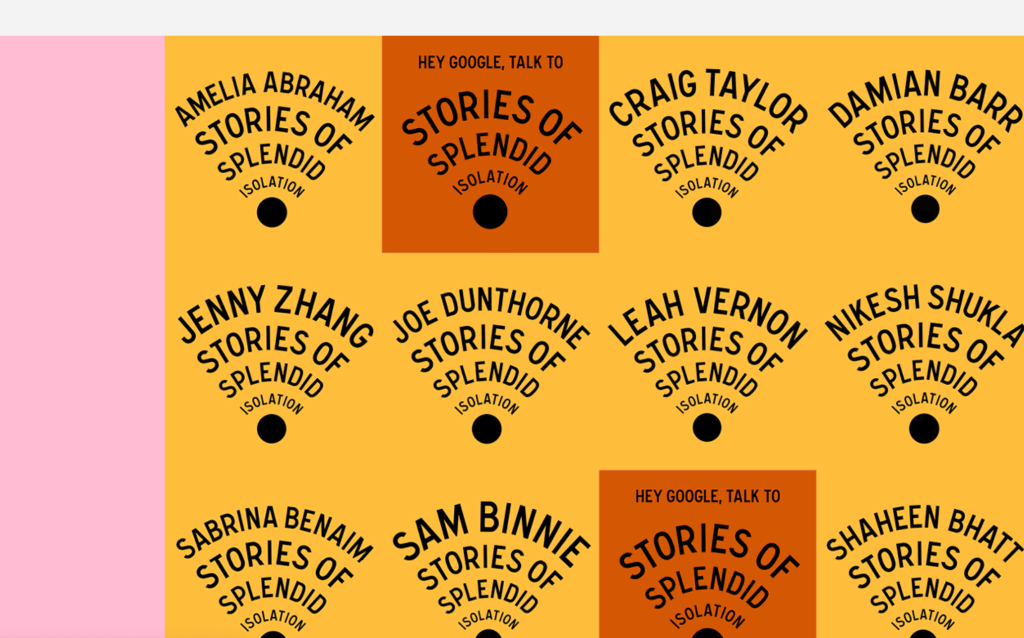
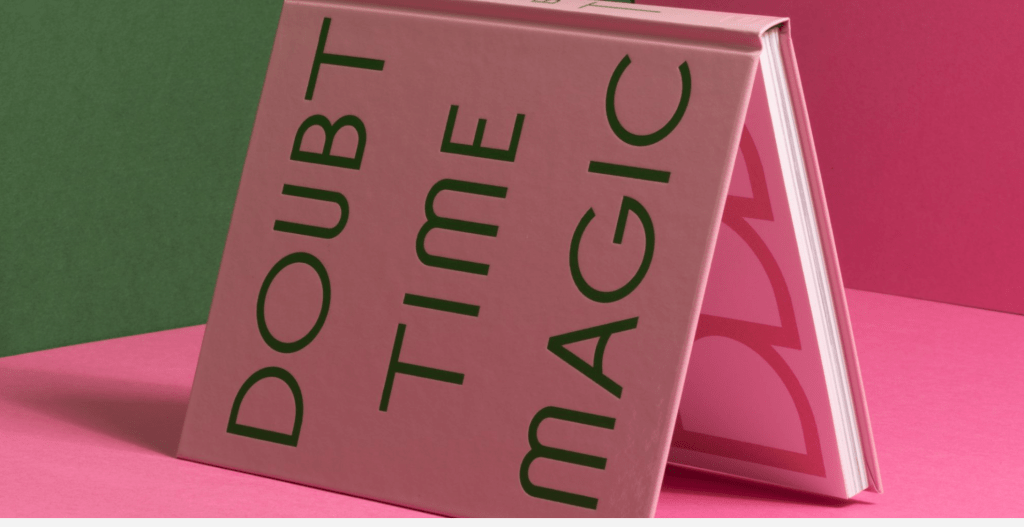
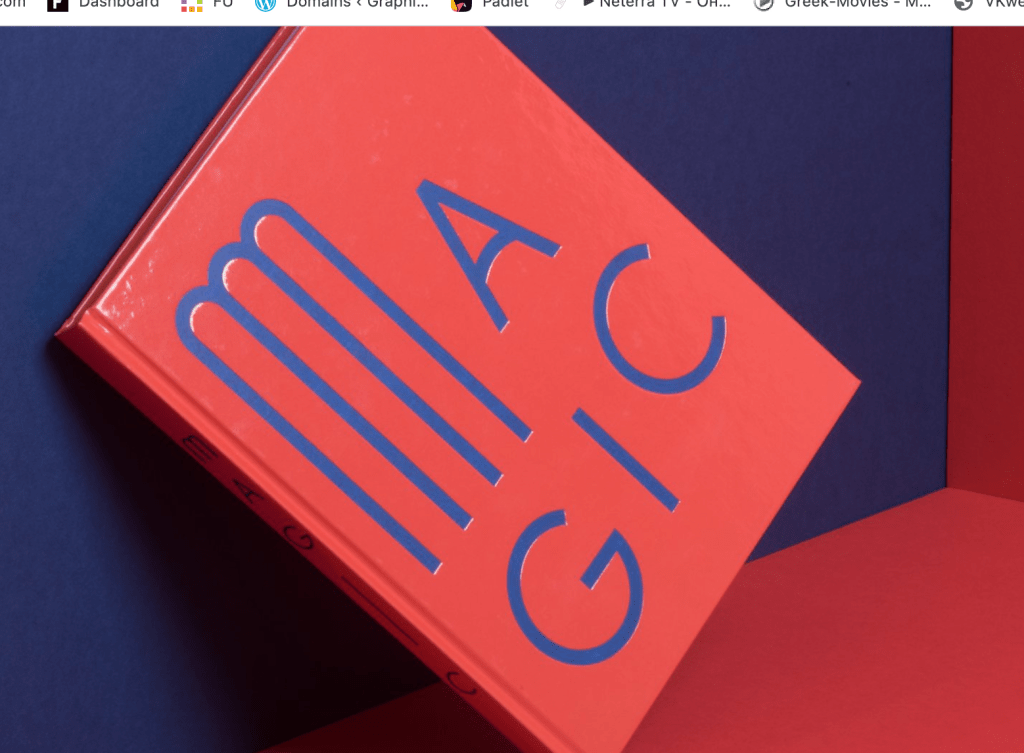
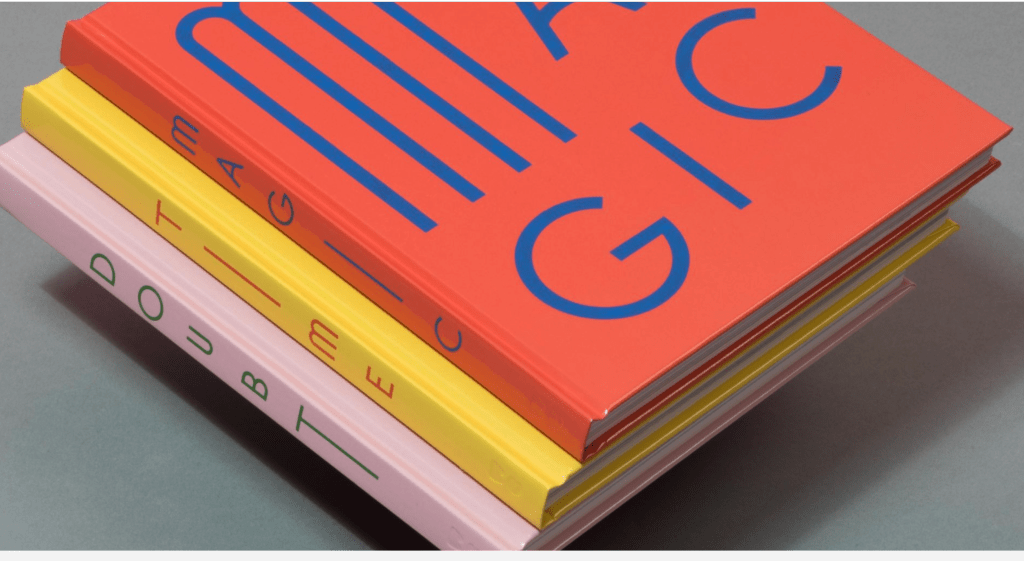
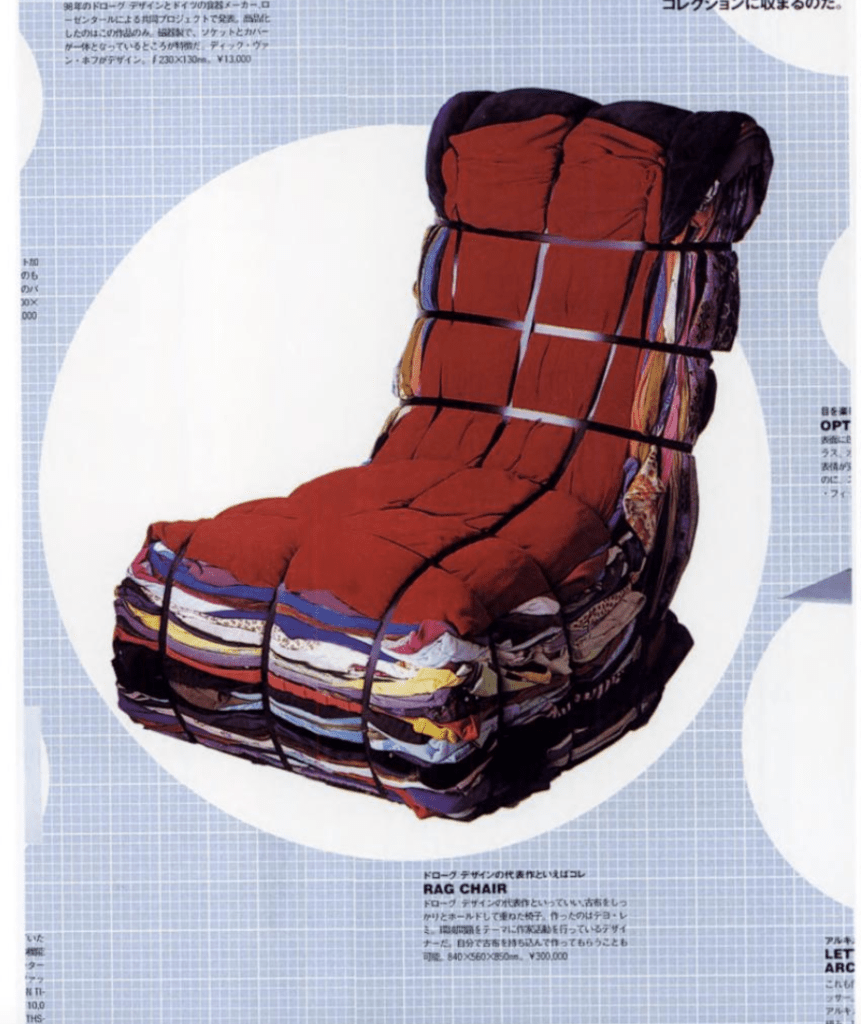
4. Droog Design
Droog Design is established on 1993
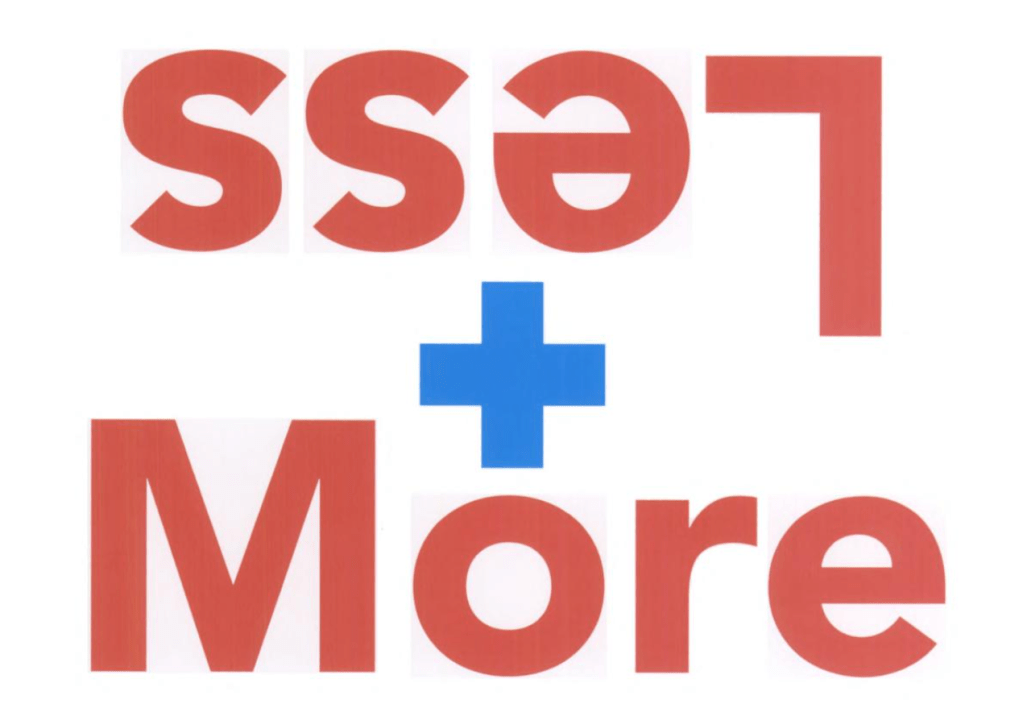
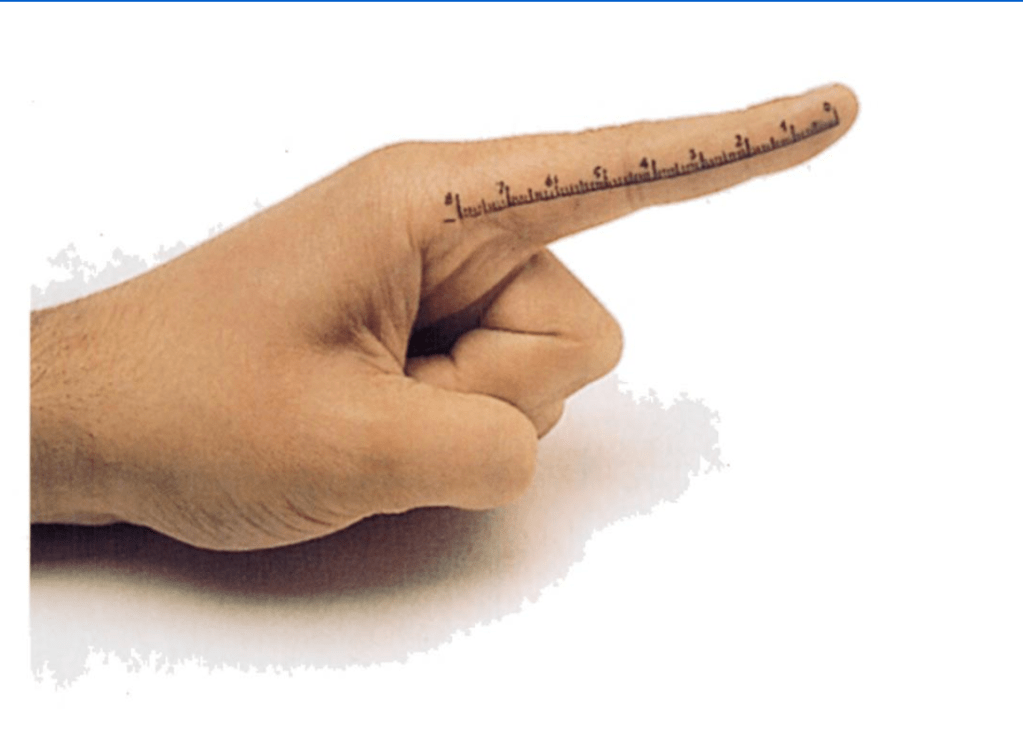
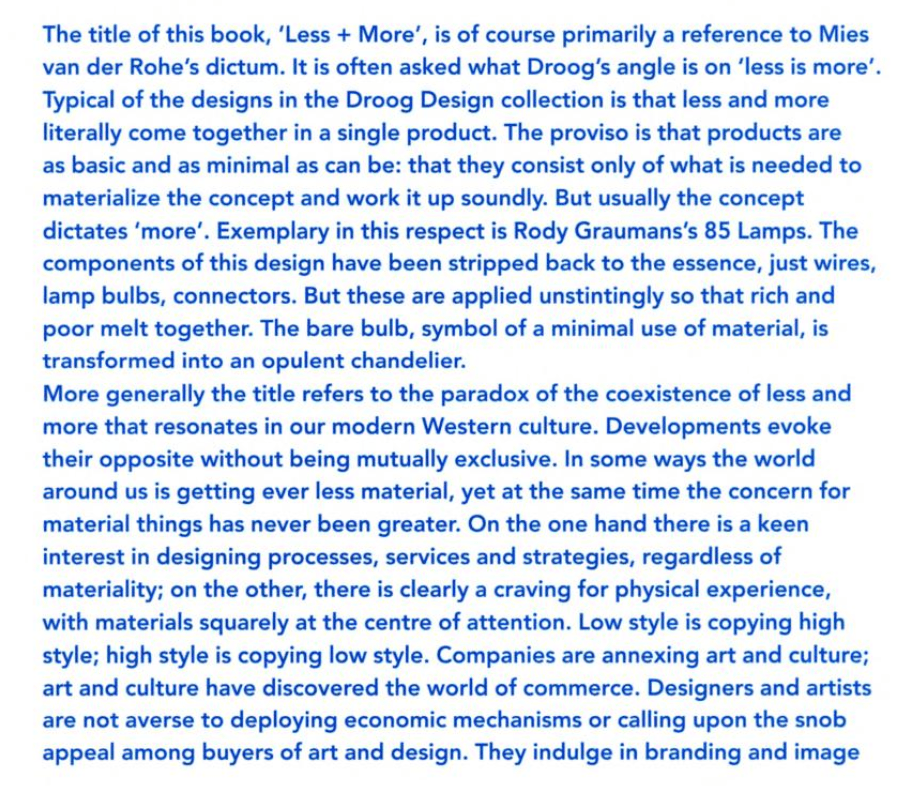
The title of the book ‘Less is more” refers to the paradox of the coexistence of less and more that resonates in our Western culture. Developments evoke their opposite without mutually exclusive.
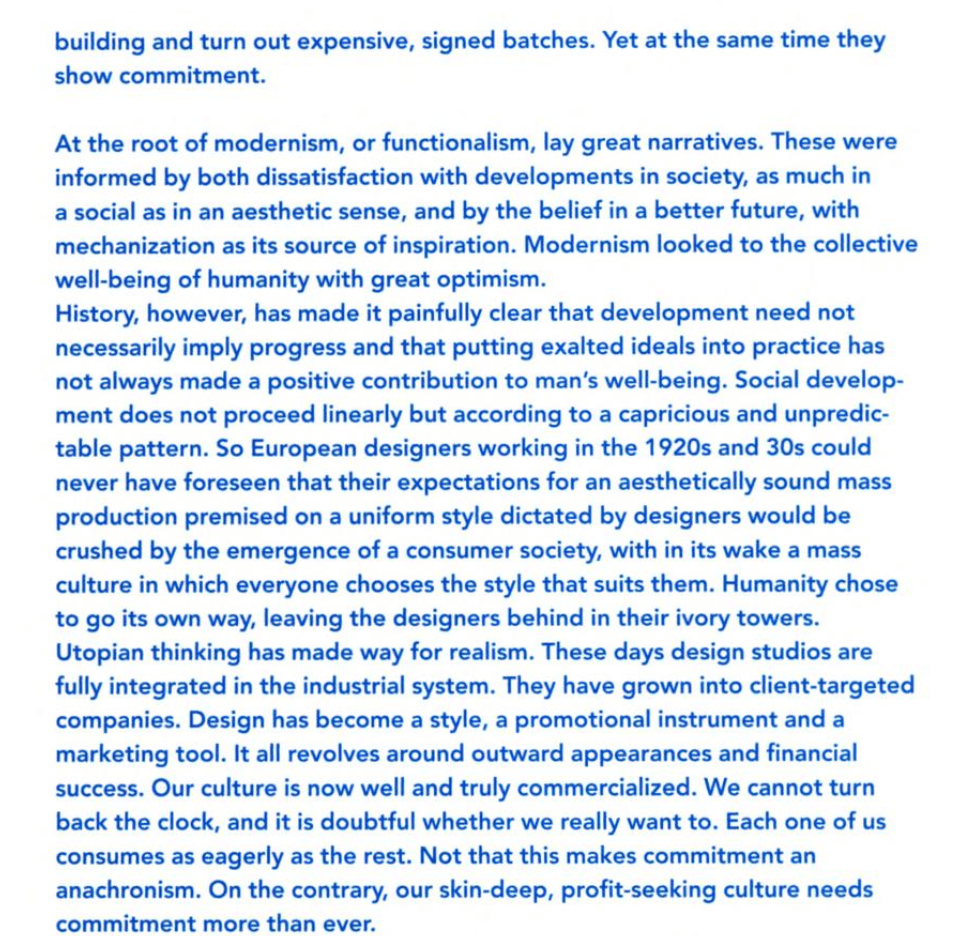
It is true that our culture is commercialized and the design has become a promotional instrument and a marketing tool.
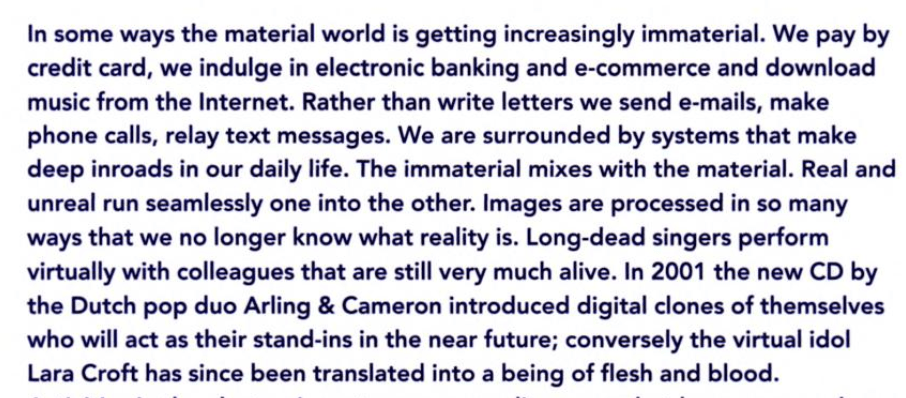
In some ways the material world is getting increasingly immaterial – this is also true – with having so many stuff digitally, we don’t need to have them physically – for example books, magazines, news papers. The biggest newspaper in my area “Baltimore sun” doesn’t deliver the paper any more – they actually close the whole building and move to small office in another state – the newspaper is only digital now.
Arnold Schwartzman
He was design director for the 1984 Olympic Games in Los Angelis. He needed to photograph the cyclists on the part of the track that has a high wall. The cyclists had to complete more than a hundred laps before he felt confident that he got the shot.
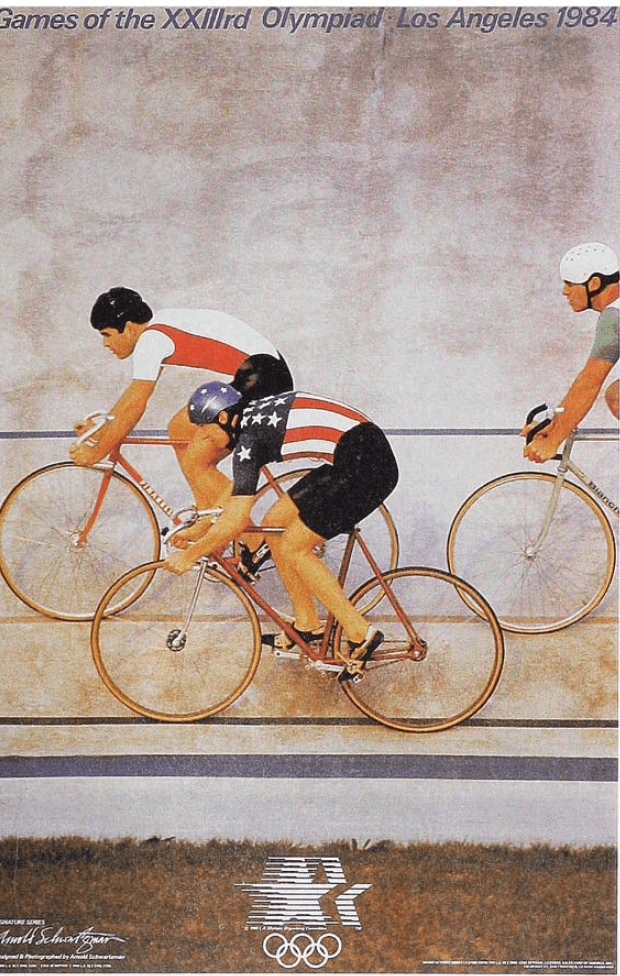
Suddenly he realized that this looks like the Olympic rings!!
NOMA BAR
“I think of ideas as already existing, waiting to be found. Just try not to step on them while you are looking. Some are about capturing a moment. ‘Night Train to London’ came while I was travelling late at night and a drunk guy was slumped against the window, McDonald’s carton at his side, ketchup on his tie. But as the train came to a stop, there was this strong white light from behind him. I saw the silhouette and a transformation took place. It was as though he was protected by the moon – an embryo in the womb. I sketch those moments like a photographer.”
So, you get inspired anywhere and from anybody (even from a drunk person.)
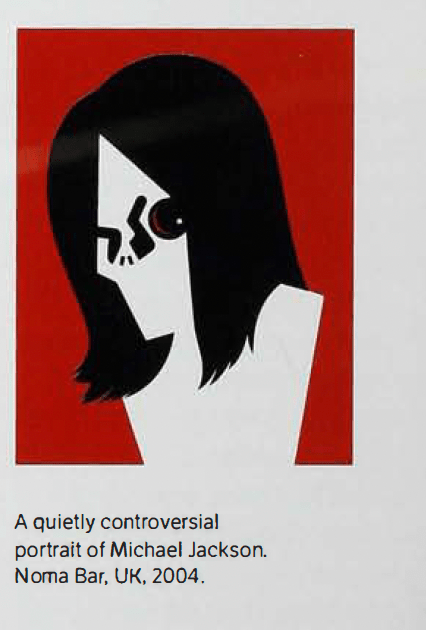
‘My advice to students is to stay a student. Stay curious. Don’t be comfortable. Design and branding culture changes every day: there is a continual search for difference and novelty.’
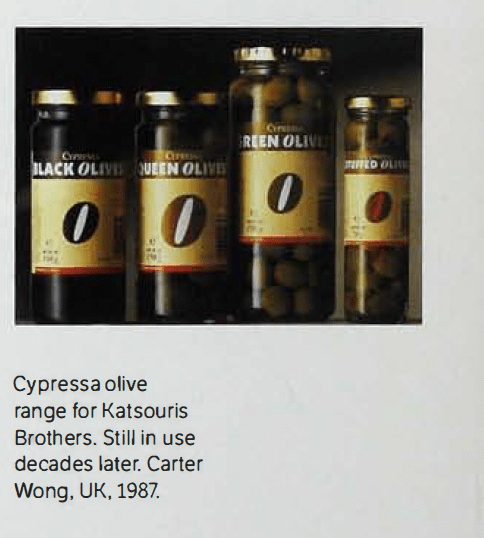
PHIL CARTER
“Inspiration can strike at any time: the breakthrough doesn’t necessarily happen at work. Idea sometimes come to me when I’m just about to fall asleep. The right environment also helps. I love it when we are busy with a lot of projects and the studio is buzzing. That is when I feel I can really achieve something.
The idea for the Cypressa olives packaging came to me just after I’d judged the D&AD graphics category.
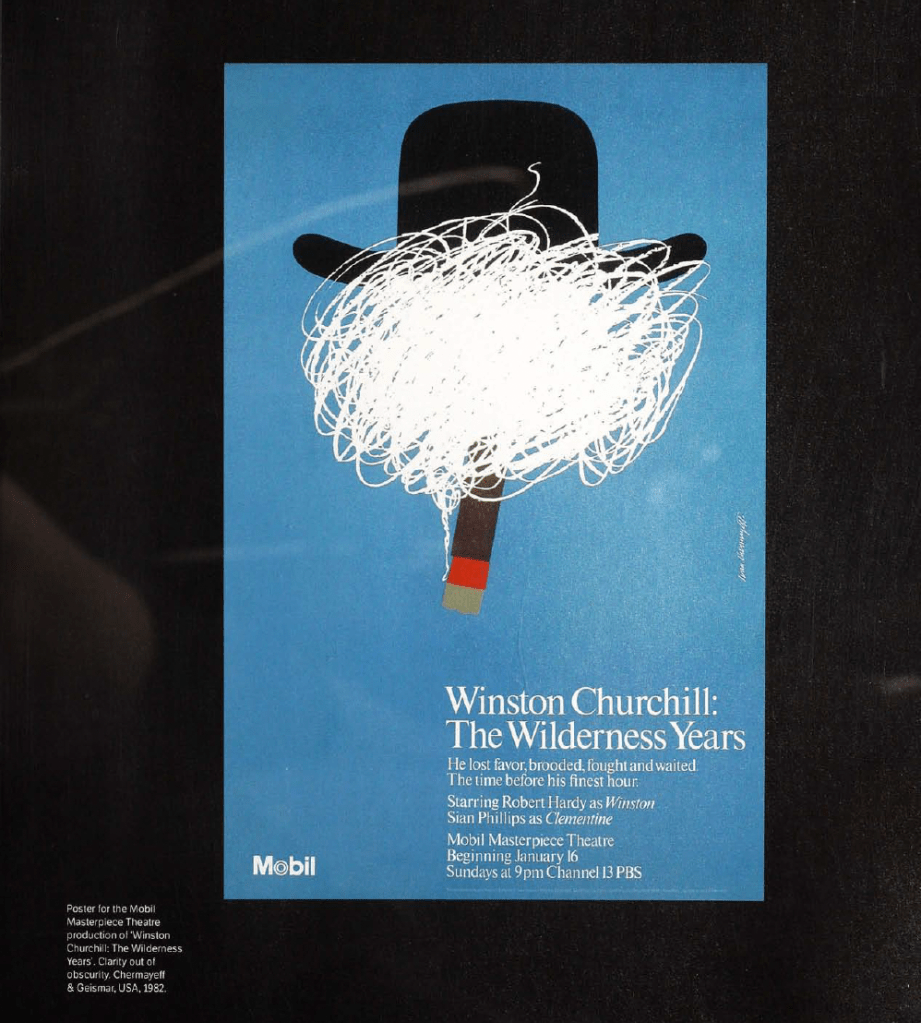
IVAN CHERMAYEFF
Creating the poster for Churchill – “I started with some very straightforward images, and tried to make other connections. When I think of Churchill I think of brandy, cigars, the Homburg hat, the boiler suit, the summer hat, the funny pictures and the easel…The final connection is to the cigar, of being obscured by smoke.
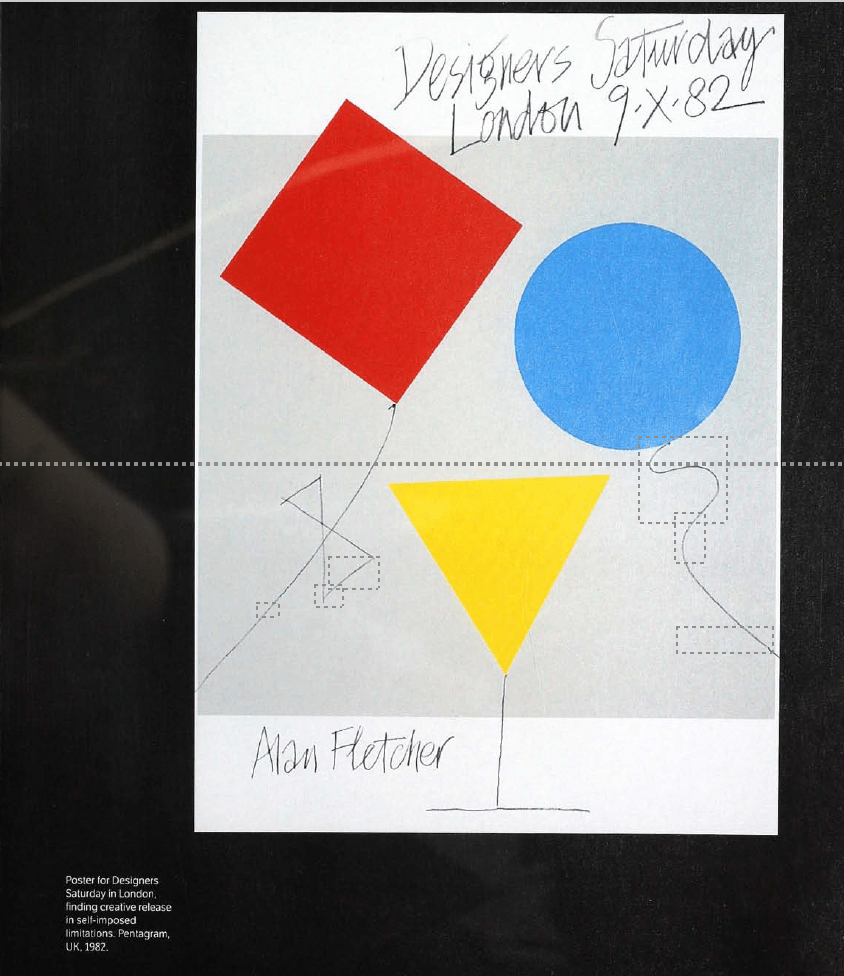
ALAN FLETCHER
‘Work should express the kind of person you are, and I do not have a linear mind….The worst thing that anybody can say to me is ‘Do whatever you like.’ Then I have to set up my own boundaries, and fence myself in. The Designers Saturday poster was a job where I had to set my own challenges. I thought ‘what are the three most boring colours?’ – the primary colours; ‘what are the three most boring shapes?’ – the triangle, circle and square; and ‘what else is boring?’ – grey. I thought I’d turn the ingredients into a party, which is what Designers Saturday is.
I remembered that Kandinsky wrote about certain colours relating to certain shapes.
“Some designers don’t like to check their work with others.
I’ll ask anybody. I value all sorts of comments. I may think my idea is better, other times I change my mind. I’m interested in getting the idea right, not in being the one who thought of it. If someone has a better idea and is willing to give it to me, I’ll take it.
It’s a tough business. When you present your work, you are revealing yourself. I think designers like undressing in front of total strangers two or three times a day. Some, of course, merely have commercial tricks up their sleeve that they put on the table, but that’s not design, that’s greengrocery”
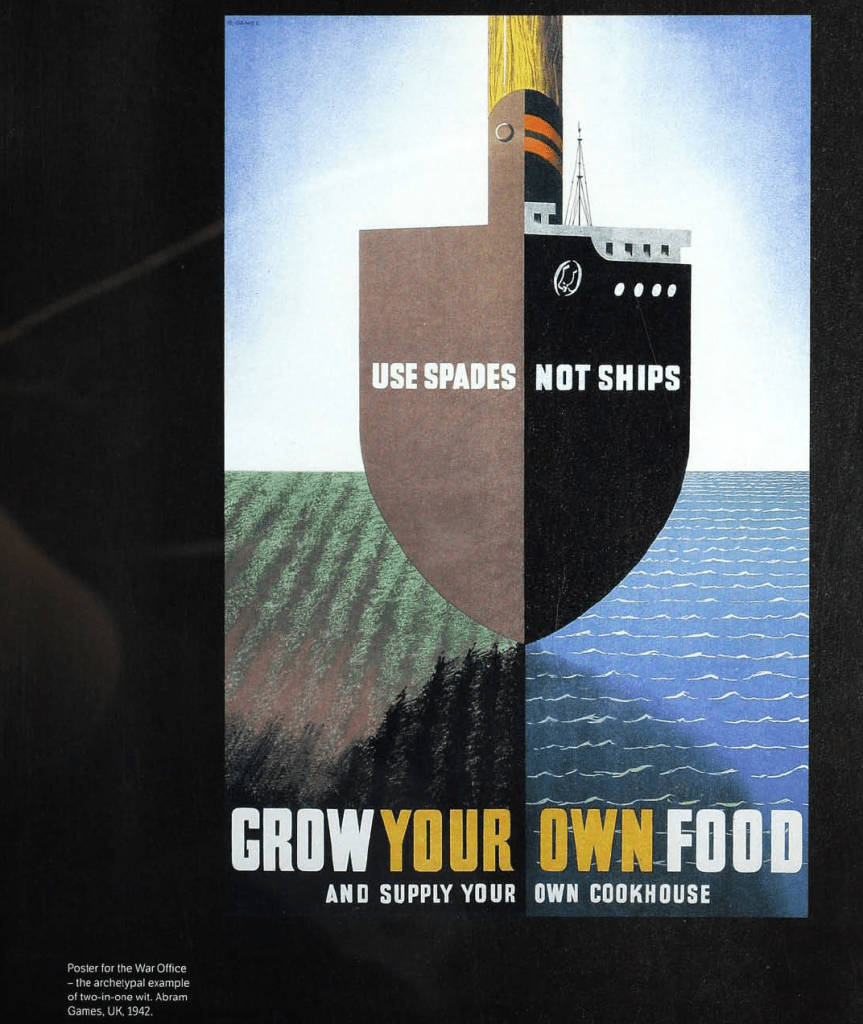
ABRAM GAMES
“Getting ideas is easy: deciding on the right idea and developing it is the difficult thing. It can involve hundreds of sketches.
MILTON GLASER
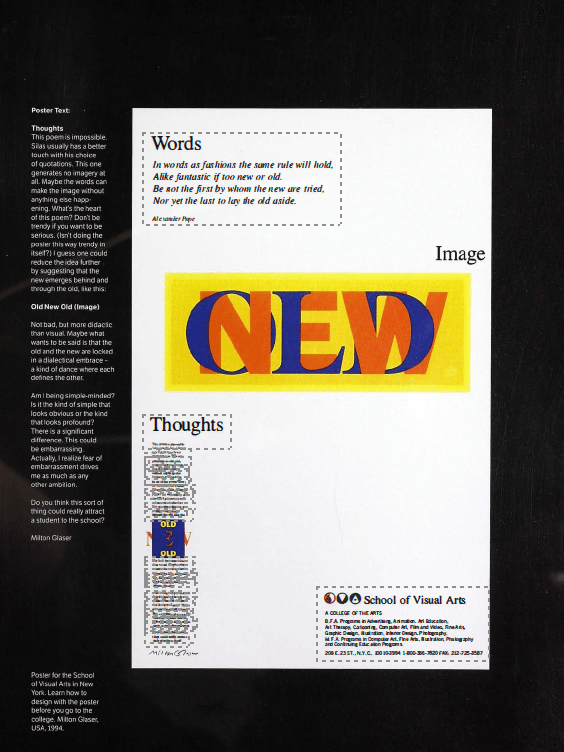
“Everyone has a different sort of mechanism for being able to trigger ideas. Hemingway worked standing up. Schiller had apples in his drawer because the smell of apples inspired him. We all have different wiring. I have always started with words. That is part of the narrative imperative that Push pin was interested in early on. How you get people to pay attention is always the central theme, and narration is an attempt to penetrate the immunity of an audience.
JOHN GORHAM
“When I start a job I always use the same approach. I immediately get
a bit of paper and start scribbling. I put down anything associated
with the subject.
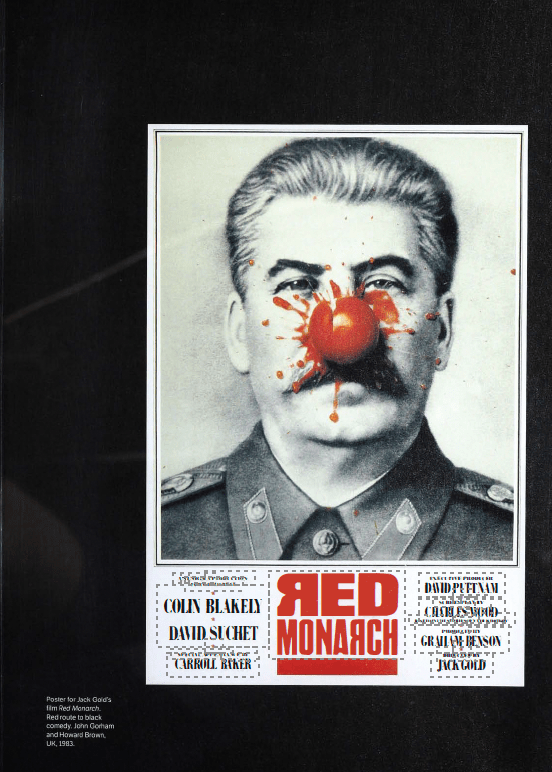
“I don’t think this tomato idea would ever have happened to
me if I hadn’t bought a book of Michael English’s pop paintings
a few weeks earlier. One image fascinated me – a tomato splattered on a wall with pips and juice dripping down. That image was somewhere in my mind, and when I was thinking about this problem, my mind picked it up. What is lovely about solving jobs this way is that a graphic idea will formulate its own way of putting down an image. Ideas seldom repeat themselves in terms of technique. The technique comes from the idea, so it is fresh.”
CHRISTOPH NIEMANN
‘The point is not to come up with the most likeable idea but the most unusual…It’s vital to keep experimenting

Here link to my challenge:
 Vicky Kafkaki - Graphic Design MA Falmouth University
Leave a comment