What are potential future definitions of design practice?
What are the sectors that might change or need to change?
Simon Manchipp
What’s really exciting for me in branding is that the definition is getting broader. It’s not getting more narrow, it’s not becoming more niche, it’s actually a broader thing. …. Converting customers, typical customers or spectators, into fans is what we’re doing more and more of. That involves design and we design every part of the experience for people, whether that’s typography or colour or symbols or whatever it is, but really, it’s experiences and that’s broad. I mean that can be a theatre production show, that can be all sorts of different things where it’s music, or smell, or interior design.
Sam Winston
The future of design is inherently tied to the attention economy, and the future of design is inherently tied, at the moment, to technology.
Where industry is going? Well, I don’t actually know what industry means, I just think when I started there wasn’t Facebook. When I started there wasn’t the internet in the way that we now know things. I’ve seen things like It’s Nice That, that blog, or Kickstarter arise in new ways. I think the best way, as a creative, is to look at ‘industry’ and predicting what the future should be, is, without getting into arrogance, or without getting into hubris, basically as students you are the future, that’s it.
Kristoffer Soelling
People are very keen to predict that something is going to happen, or something is not going to happen. For example, this idea that print is not going to be a thing anymore, print is going to die or whatever. Newspapers are going to die. I’m not going to make such a bold suggestion. I guess my thought is that design is going to get increasingly vague. We ourselves, I think, put quite a lot of emphasis on being able to surf across multiple kinds of mediums, multiple techniques, multiple technologies, meaning that we’re not very specialized. We’re going to be a little bit specialized, but I wouldn’t consider ourselves very specialized.
Tom Finn
The internet also means that things look the same here as they look in Korea or in China. Everything becomes a little bit more generic. Maybe that’s also where, if you want to be the hero of graphic design you can, maybe that’s a rich opportunity, to make more unique things because your practice will stand out in the sea of similar looking things.
Sarah Boris
I think the definition of design practice has shifted a lot because before a lot of graphic designers were defined as being, were expected to be a print designer, and now I get a client ringing me up asking me to do a visual identity and suddenly they’re going to say, why isn’t it animated? I think that’s been a big learning curve for me as well, adapting to those requests, but also expectations. I think it’s shifted, the definition of the general designer and what the client expects it to do. A lot of people graduating these days are very good at a lot of different things, whereas I think older people like me, are slightly less multi skilled.
Julian House
The idea of design is quite broad. It’s kind of visual culture, I think. I think if you look back at old, I’ve got lots of old graphics magazines and stuff, and they always seem to be a little bit more blurred, even though they had developed very strong typographers and stuff. There was a sense that people referred to us as creative artists and a lot of those, if you think of someone like Saul Bass, obviously he’s a huge figure, but there’s no distinction between the fact that he made title sequences for film and TV, quite sort of, posters for film festivals that were quite strange, and then very well-known corporate identities. The identity wasn’t formed there, it was like he was a creative artist, he was a commercial artist, and in a way you’re kind of going back to that older way of seeing things. A commercial artist, with different skill sets depending on what the job is, I think.
What are the sectors that might change or need to change?
Simon Manchipp
So it’s interesting to talk about change because obviously we are confronted with it daily, but what I think is interesting is that the things that are changing fast are generally the channels. So whether this week it’s Snapchat, or next week it’s Facebook, or the following week it’s Twitter, and whatever it is, whatever the latest thing is, that’s changing really fast. And that is interesting, and you need to stay abreast of what’s going on there but it’s actually not that important.
I think what’s really important is making sure that the ideas that we are coming up with as designers, as creatives, are connecting with people. What I mean by that is that actually, if you look at great work that has endured through the ages, it’s the ideas that have endured. I mean no-one really cared at the time whether Picasso was using charcoal or oil or sculptures or film or water colours, what they were interested in is that he was talking about Guernica, he was talking about political events, he was talking about things that were confronting nations and societies and people, and those were the things that people wanted to seek out, those were the stories that people wanted to retain and share.
Tom Finn
In the area that we work in, I’m not sure things particularly need to change but things will change, particularly in publishing. The people who we would work with and collaborate with, select publishing houses, now a lot of them who were very separate are now all merged together and have to be able to provide for different sectors in their own publishing house. Then a designer who then has to work with them has to be versatile enough to jump across between lots of different areas. But I think it’s about being, I think they all have to be multifaceted.
Sarah Boris
So, I guess in terms of sectors that need to change it’s also about production sectors which have come back to having to offer more print on-demand solutions, because people are both conscious about the environment but also companies are less willing to invest a lot in print. Well, I think everybody’s doing a bit of everything now so I can’t help, when I do a design project, to get involved with the marketing side, or even the writing side. I think the way practices are shifting is that everyone’s more collaborative and everyone’s more up to speed with a lot of different ways of doing things. So, I think the designer, as we know it, slightly differently from the digital versus print, is more versed to doing lots of different things.
Adrian Talbot
It’s sort of out of our control really. We’re just the suppliers, we’re further down the food chain. We’re just responding. Clients are providing the services, the products to the market.
I have a bit of an issue with marketing departments these days, who’ve all been and got some training and think they know best, and it does rather suppress creativity a lot of the time. But we generally deal with reasonable people and we get on with them pretty well so we can sit and chat about these things. It’s the blind leading the blind half the time because the world changes so fast around us.
New Steps Podcast
Susanna Edwards
Now I think I’m really, really interested in design as a political tool and how it can do good in society.
Maziar Raein
Designers are caring more about the world they live in. I think one of the fundamental things about design, and what we do in graphic designer, is that we’re in the optimism business. I think we believe that we can make the world a little bit better and I think, if you don’t believe in that then you should stop designing straight away.
I think that critical thinking really has to lie behind everything, before you pick up the pencil, before you open up the computer screen, before you take your first step towards making things.
You can type in a word to Google and you will get millions of hits of images at your disposal, so the young student now listening to this, will have to find a way of clarifying the constraints of their visual library, the visual material that they get. I think one of the most interesting things I read was ‘dot dot dot 6’, there was a lovely article there by Ryan Gander, where he talks about loose associations and how his ideas are connected, and that to me is a description of the constraints of his thinking. And I think young designers need to have libraries of their own.
The Shape of a Pocket, it’s a really beautiful series of essays where he meditates on ideas on the visual world.
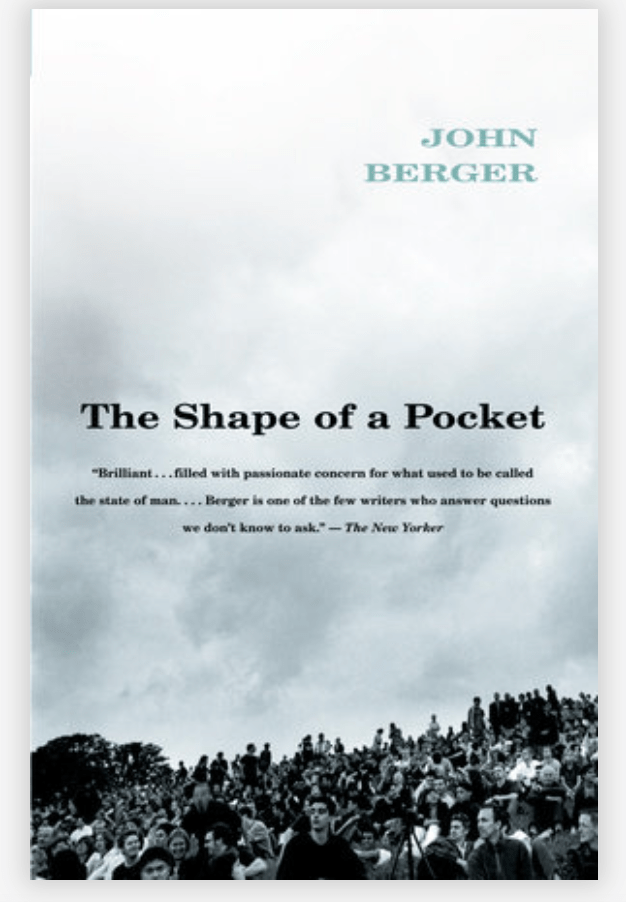
A collection of essays that explores the relationship of art and artists and includes examinations of the work of Brancusi, Degas, Michelangelo, and Frida Kahlo, among others.
The pocket in question is a small pocket of resistance. A pocket is formed when two or more people come together in agreement. The resistance is against the inhumanity of the New World Economic Order. The people coming together are the reader, me, and those the essays are about–Rembrandt, Paleolithic cave painters, a Romanian peasant, ancient Egyptians, an expert in the loneliness of a certain hotel bedroom, dogs at dusk, a man in a radio station. And unexpectedly, our exchanges strengthen each of us in our conviction that what is happening in the world today is wrong, and that what is often said about it is a lie. I’ve never written a book with a greater sense of urgency.
–John Berger (https://www.penguinrandomhouse.com/books/12355/the-shape-of-a-pocket-by-john-berger/)
I find that very interesting because these meditations on your practice, on technology, on how you bring together the social, the visual and the local is really fundamental.
I find it very sad that I don’t know what’s going on in Russian graphic design at the moment or I don’t know what’s going on in Eastern European graphic design. What’s going on in South Africa or South America in terms of visualisation? I think this can be a really unique point in that people on your course could become friends with each other across the divide.
The idea of travelling doesn’t have to be physical does it? We can travel beautifully these days by Skyping somebody, or just looking at somebody’s work, or entering into an email discussion with them across borders and trying to get to know other people. I think that’s a really fantastic opportunity that my generation didn’t have. I remember for us going to Paris was a big, exciting thing but now you can travel quite a bit of the world and see what’s going on.
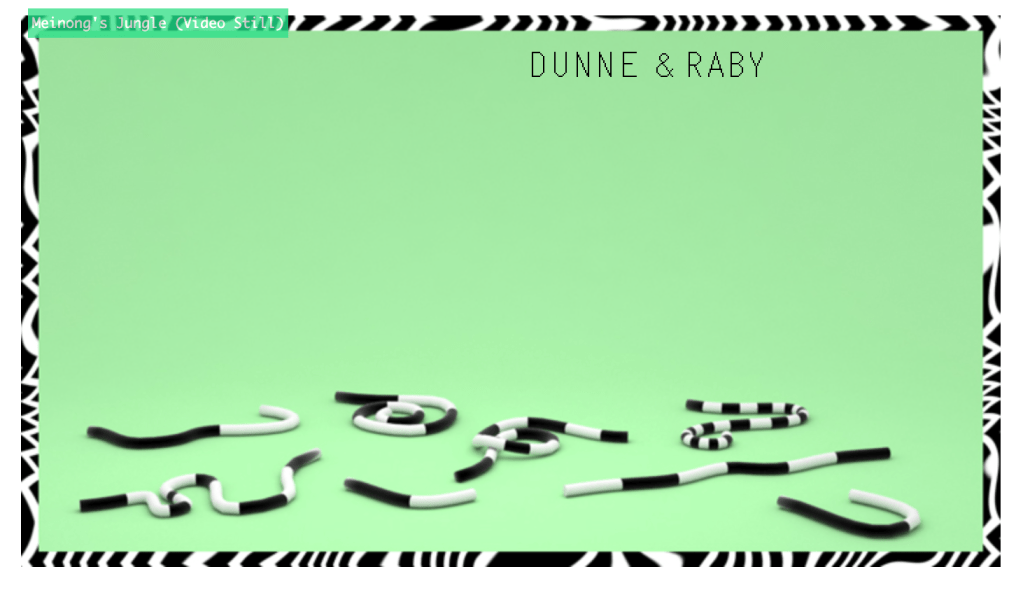
Dunne, A. Raby, F., (2013) Speculative Everything: Design, Fiction, and Social Dreaming. Cambridge MA: MIT.
http://dunneandraby.co.uk/content/projects
Dunne & Raby use design as a medium to stimulate discussion and debate amongst designers, industry and the public about the social, cultural and ethical implications of existing and emerging technologies.
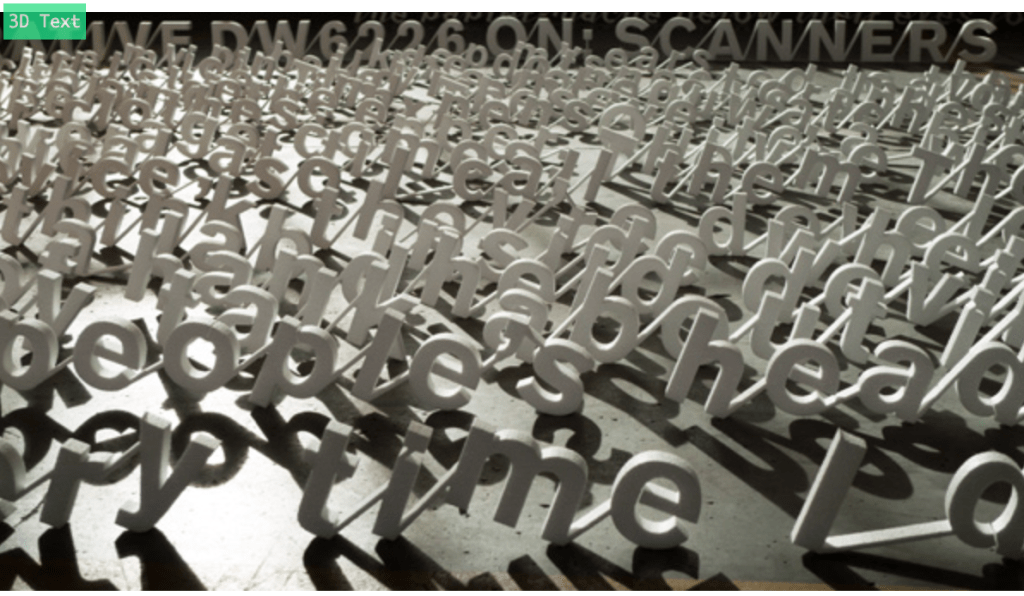
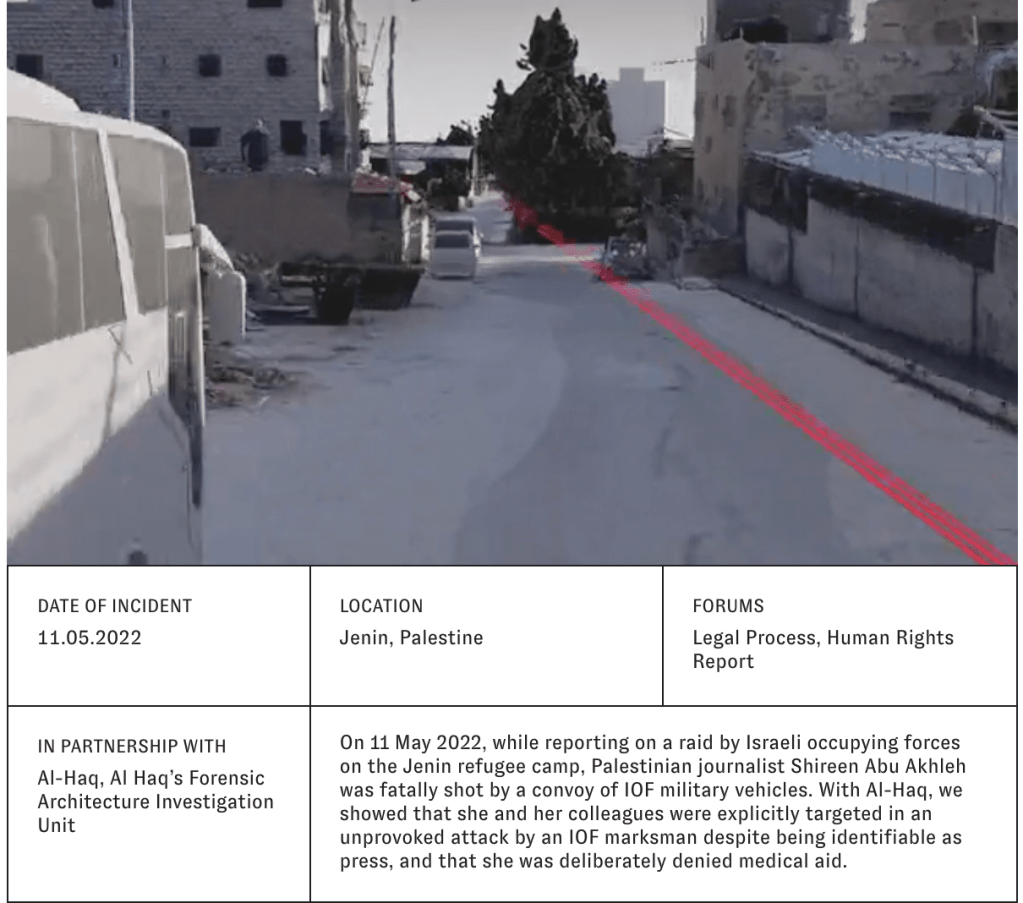
Forensic Architecture: https://www.forensic-architecture.org/
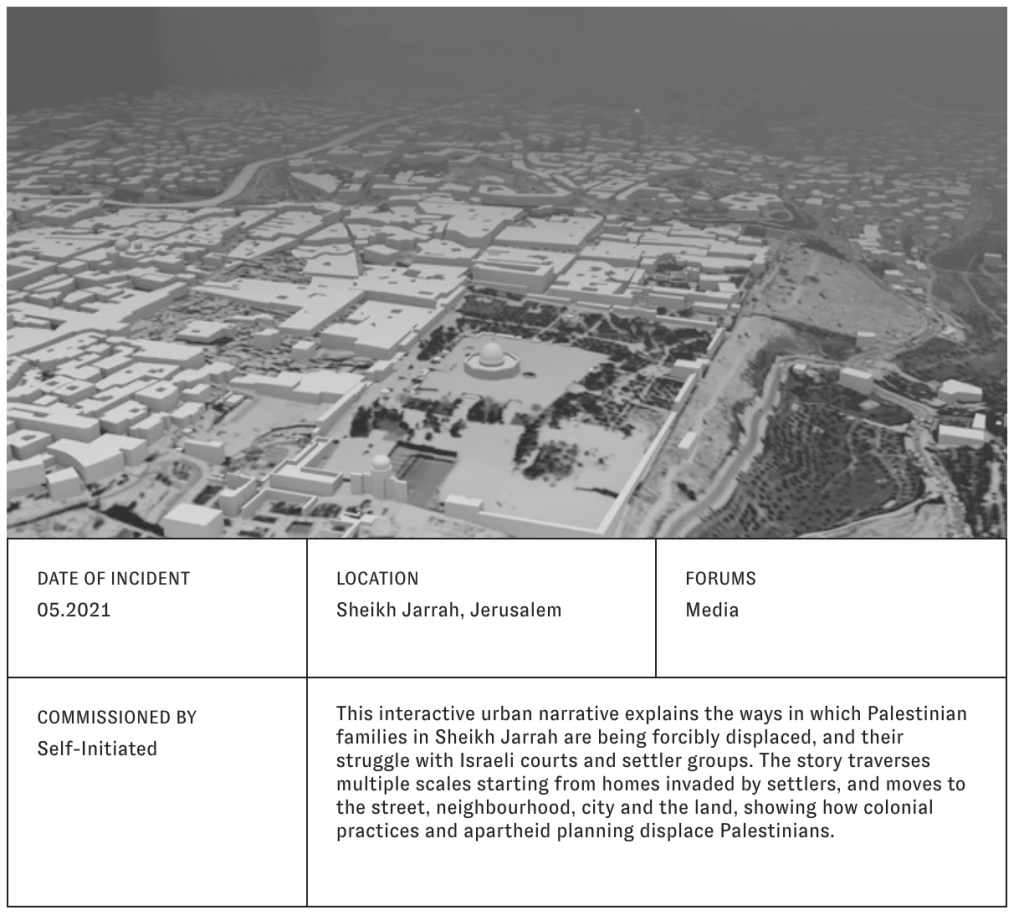
Forensic Architecture (FA) is a research agency, based at Goldsmiths, University of London, investigating human rights violations including violence committed by states, police forces, militaries, and corporations. FA works in partnership with institutions across civil society, from grassroots activists, to legal teams, to international NGOs and media organisations, to carry out investigations with and on behalf of communities and individuals affected by conflict, police brutality, border regimes and environmental violence.
‘Forensic architecture’ is the name of an emergent academic field we have developed at Goldsmiths. It refers to the production and presentation of architectural evidence—relating to buildings, urban environments—within legal and political processes.
Our mandate – To develop, disseminate, and employ new techniques for evidence gathering and presentation in the service of human rights and environmental investigations and in support of communities exposed to state violence and persecution.
Our team includes architects, software developers, filmmakers, investigative journalists, artists, scientists and lawyers, and is led by Eyal Weizman, Professor of Spatial and Visual Cultures at Goldsmiths, University of London.
Forensic Architecture was established in 2010 with the help of a European Research Council (ERC) grant given to Professor Eyal Weizman. The team began to engage in case work and investigations while developing their research culture through a series of seminars at the Centre for Research Architecture at Goldsmiths, University of London.

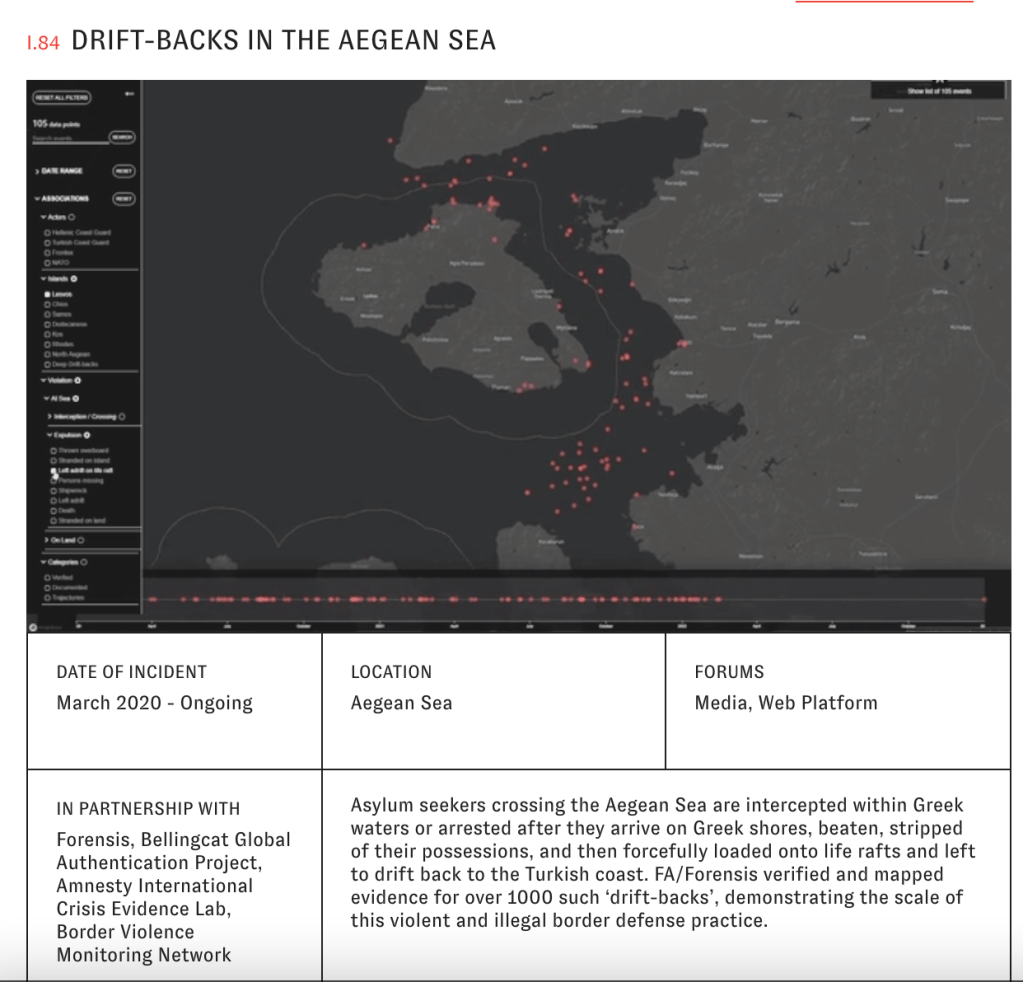
For more than a decade, migrants and refugees making the sea crossing from Turkey to Greece have suffered egregious and well-documented violence at the EU’s southeastern frontier, including forced detention, arbitrary arrest, beatings and non-assistance.
Since March 2020, a new method of violent and illegal deterrence has been practiced. Migrants and refugees crossing the Aegean Sea describe being intercepted within Greek territorial waters, or arrested after they arrive on Greek shores, beaten, stripped of their possessions, and then forcefully loaded onto life rafts with no engine and left to drift back to the Turkish coast.
‘Drift-backs’, as the practice of abandoning asylum seekers at sea has come to be called by some, have become routine occurrences throughout the Aegean, often resulting in injuries and drownings. Today, the scale and severity of the practice continues to increase, with ‘drift-backs’ reported from the coast of the Greek mainland, and as far south as Crete.
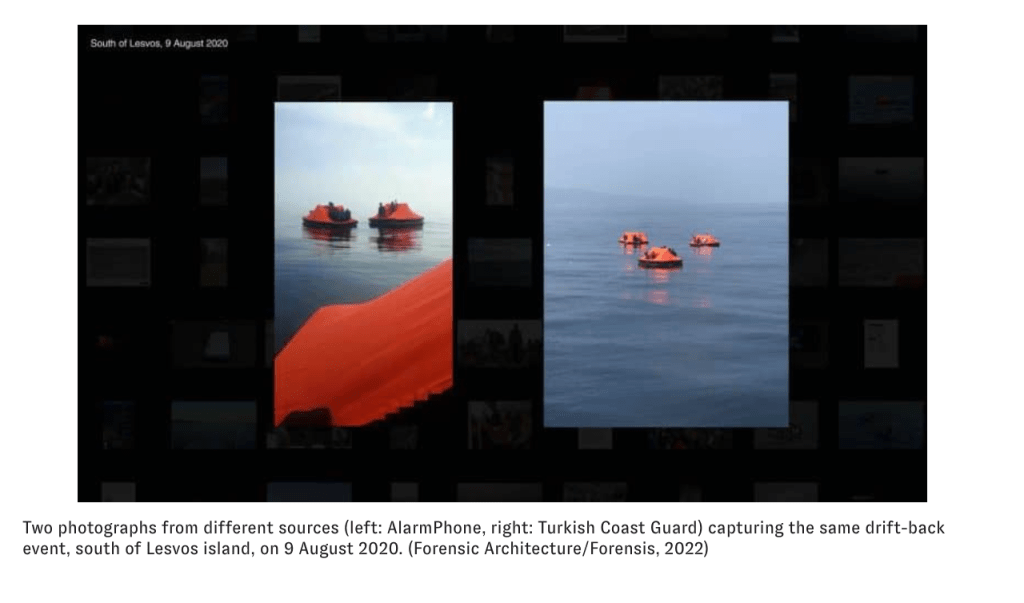
Spanning a period of two years, from 28 February 2020, when the first drift-back case was reported and documented, to 28 February 2022, this interactive cartographic platform hosts evidence of 1,018 drift-backs in the Aegean Sea, involving 27,464 people. Of these 1,018 incidents, 386 were found to have taken place from or off the shores of the island of Lesvos, 126 off Chios, 194 off Samos, 120 off Kos, 89 off Rhodes and 86 in the rest of the Dodecanese. Sixteen deep ‘drift-backs’ were recorded, meaning that asylum seekers were intercepted deep inside Greek waters before being taken to the border and left adrift. One case was recorded in the North Aegean, off the island of Samothraki. FRONTEX, the European border and coast guard agency, was found to have been directly involved in 122 of these cases, while it is understood to have knowledge of 417, having logged them in its own operational archives, codified and masked as ‘preventions of entry’. In three cases, the German NATO warship FGS Berlin was present on the scene. (https://forensic-architecture.org/investigation/drift-backs-in-the-aegean-sea)
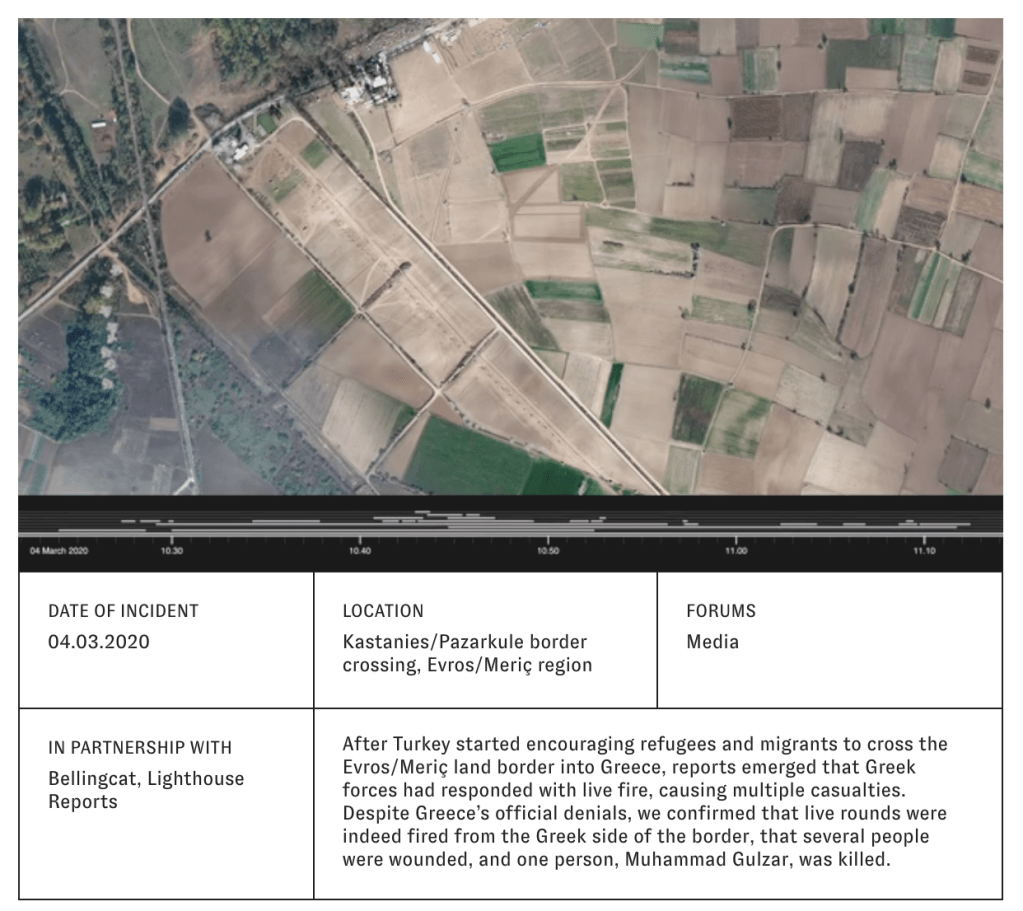
On 27 February 2020, the Turkish government opened its borders with Greece in an attempt to exert political pressure on the EU over Syria. Thousands of migrants and refugees were funneled to a single point on the land border between the two countries, the border fence near Kastanies/Pazarkule, with the promise of an open route to Europe.
The Greek government responded by deploying its police and military to the region. It warned migrants not to cross, and suspended its asylum system. After several days of tension, on 3 March, a committee of EU officials, including the Greek Prime Minister, Kyriakos Mitsotakis, and the European commission president, Ursula von der Leyen, visited the region. They gave a joint statement, where der Leyen praised Greece as the ‘shield’ of Europe.
On the next day, 4 March, violence escalated near the border crossing. Reports emerged of shootings, and casualties. Turkish authorities stated that the Greeks “used live rounds and wounded five asylum-seekers.” The Greek authorities denounced these claims as fake news. There is still no commonly accepted account of what happened that day. (https://forensic-architecture.org/investigation/the-killing-of-muhammad-gulzar)
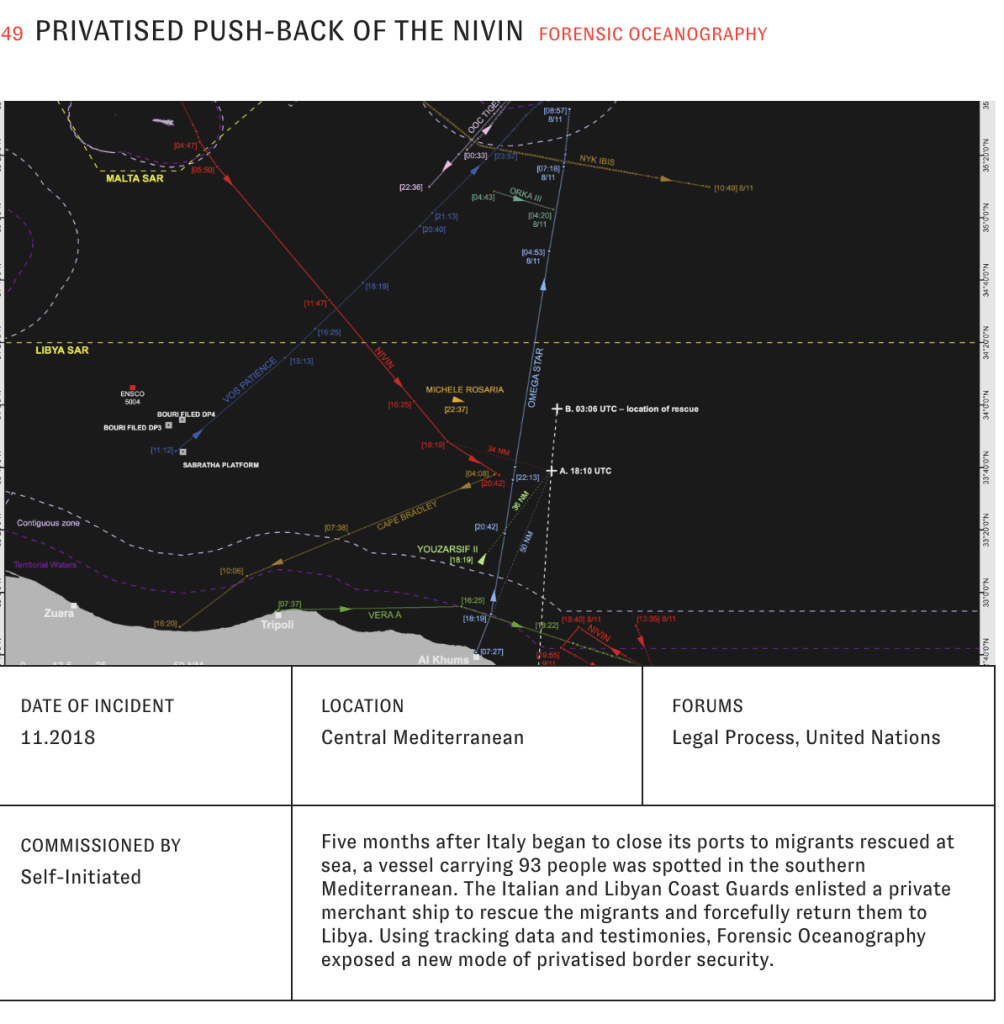
In November 2018, five months after Matteo Salvini was made Italy’s Interior Minister, and began to close the country’s ports to rescued migrants, a group of 93 migrants was forcefully returned to Libya after they were ‘rescued’ by the Nivin, a merchant ship flying the Panamanian flag, in violation of their rights, and in breach of international refugee law.
The migrants’ boat was first sighted in the Libyan Search and Rescue (SAR) Zone by a Spanish surveillance aircraft, part of Operation EUNAVFOR MED – Sophia, the EU’s anti-smuggling mission. The EUNAVFOR MED – Sophia Command passed information to the Italian and Libyan Coast Guards to facilitate the interception and ‘pull-back’ of the vessel to Libya. However, as the Libyan Coast Guard (LYCG) patrol vessels were unable to perform this task, the Italian Coast Guard (ICG) directly contacted the nearby Nivin ‘on behalf of the Libyan Coast Guard’, and tasked it with rescue.
LYCG later assumed coordination of the operation, communicating from an Italian Navy ship moored in Tripoli, and, after the Nivin performed the rescue, directed it towards Libya.
The captured migrants hiding in the hold of the Nivin. Photograph taken by the passengers using a mobile phone and sent to Infomigrants.net. (DR)
While the passengers were initially told they would be brought to Italy, when they realised they were being returned to Libya, they locked themselves in the hold of the ship.
A standoff ensured in the port of Misrata which lasted ten days, until the captured passengers were violently removed from the vessel by Libyan security forces, detained, and subjected to multiple forms of ill-treatment, including torture.
This case exemplifies a recurrent practice that we refer to as ‘privatised push-back’. This new strategy has been implemented by Italy, in collaboration with the LYCG, since mid-2018, as a new modality of delegated rescue, intended to enforce border control and contain the movement of migrants from the Global South seeking to reach Europe (https://forensic-architecture.org/investigation/nivin)
TED – Ideas worth spreading
Why we need to imagine different futures
Anab Jain brings the future to life, creating experiences where people can touch, see and feel the potential of the world we’re creating. Do we want a world where intelligent machines patrol our streets, for instance, or where our genetic heritage determines our health care? Jain’s projects show why it’s important to fight for the world we want. Catch a glimpse of possible futures in this eye-opening talk.
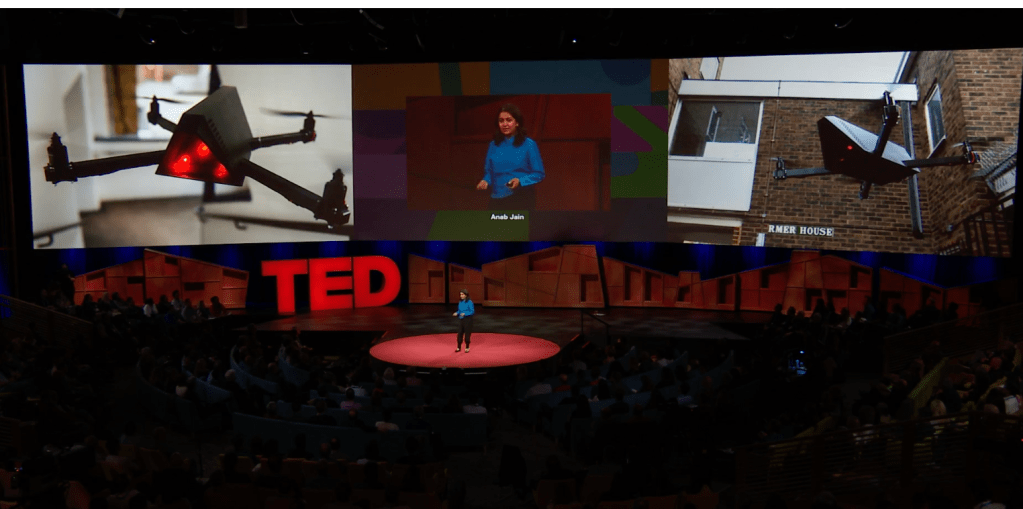
“Today I think things are happening too fast.
It creates uncertainty and anxiety.
We let the future just happen to us.
We treat the future as a foreign land, is not a foreign land, is unfolding right in front of us.
One of the best means to wake up people is to experience the consequences of their today actions
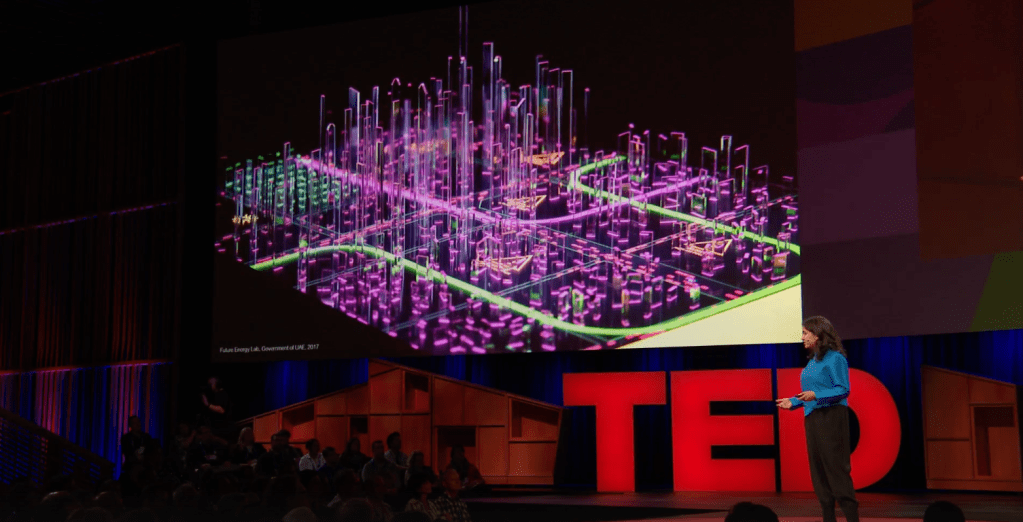
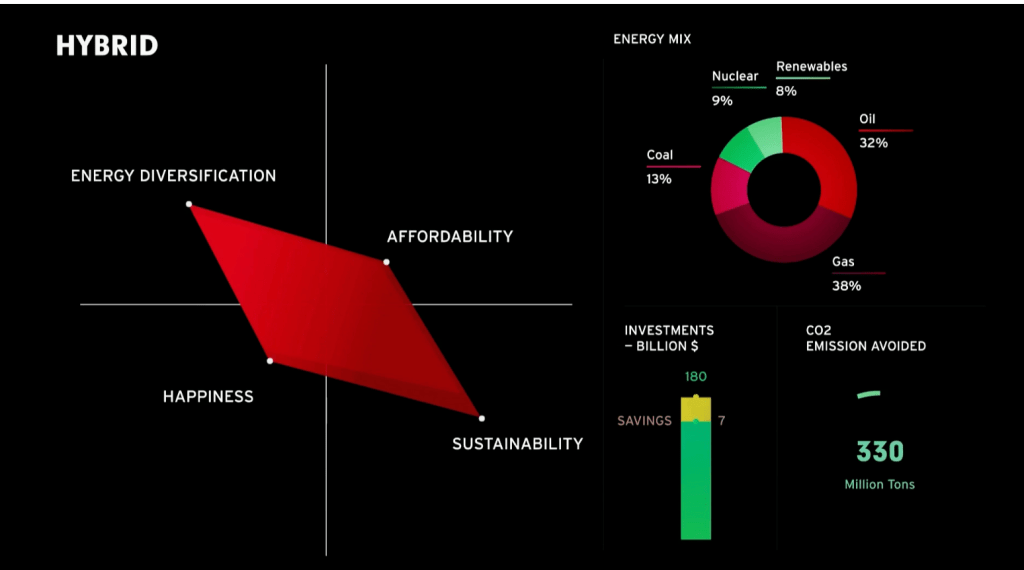
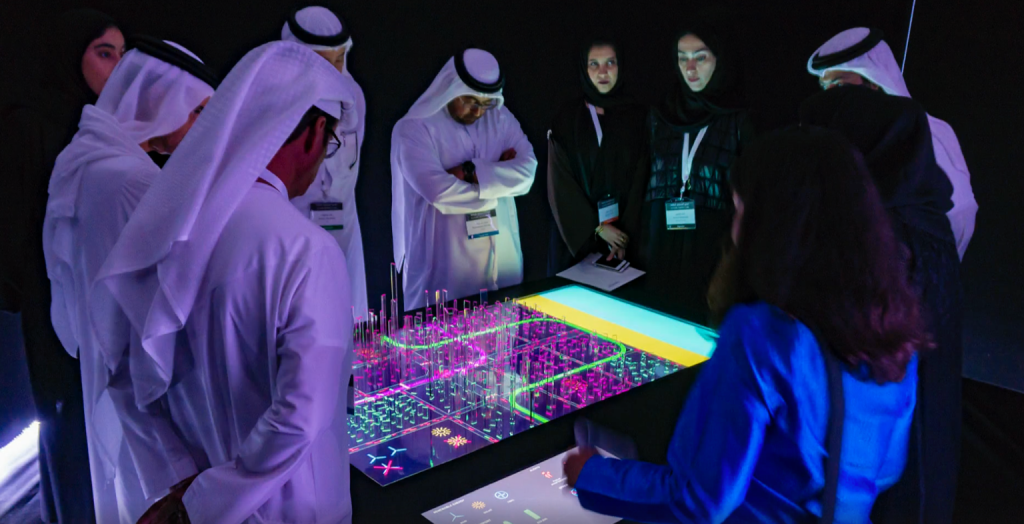
By showing the future (by inhailing the polluted air), they convinced them of the good of the project
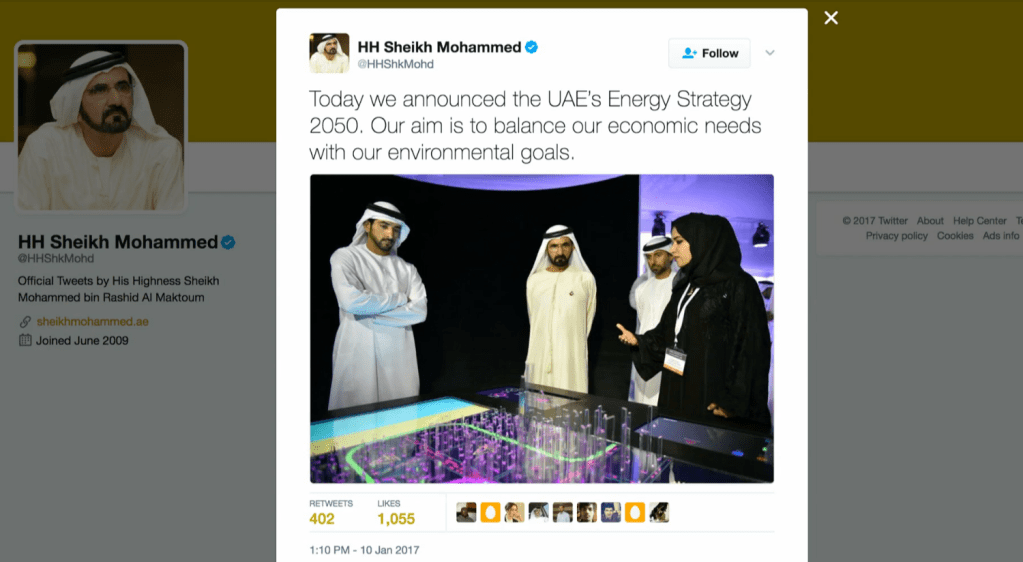
“
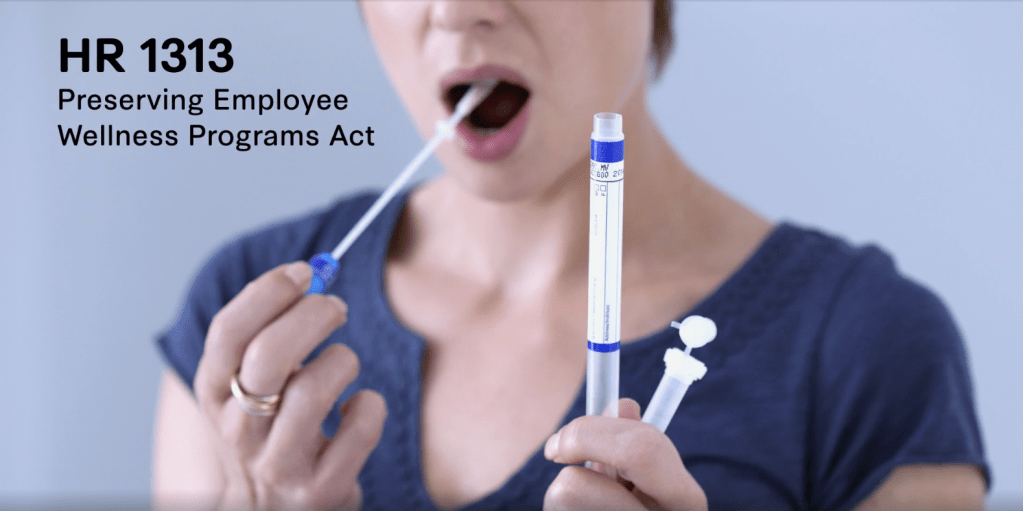
Reported to House amended, Part I (12/11/2017)
Preserving Employee Wellness Programs Act
(Sec. 3) This bill exempts workplace wellness programs from: (1) limitations under the Americans with Disabilities Act of 1990 on medical examinations and inquiries of employees, (2) the prohibition on collecting genetic information in connection with issuing health insurance, and (3) limitations under the Genetic Information Nondiscrimination Act of 2008 on collecting the genetic information of employees or family members of employees. This exemption applies to workplace wellness programs that comply with limits on rewards for employees participating in the program.
Workplace wellness programs may provide for more favorable treatment of individuals with adverse health factors, such as a disability.
Collection of information about a disease or disorder of a family member as part of a workplace wellness program is not an unlawful acquisition of genetic information about another family member.
(https://www.congress.gov/bill/115th-congress/house-bill/1313)
If we continue like this this will be our future
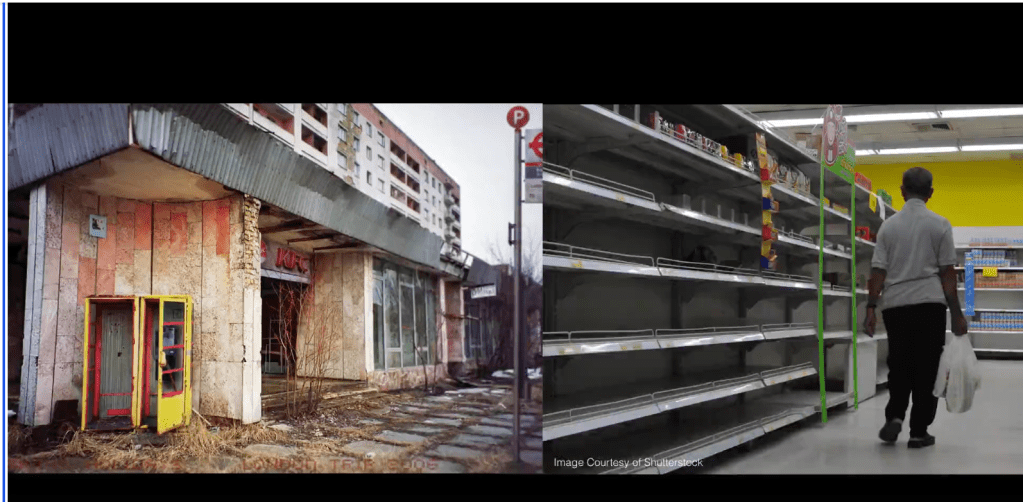
-economic instability, broken food supply, empty supermarkets
What can we do not only to survive but to prosper in such a world?
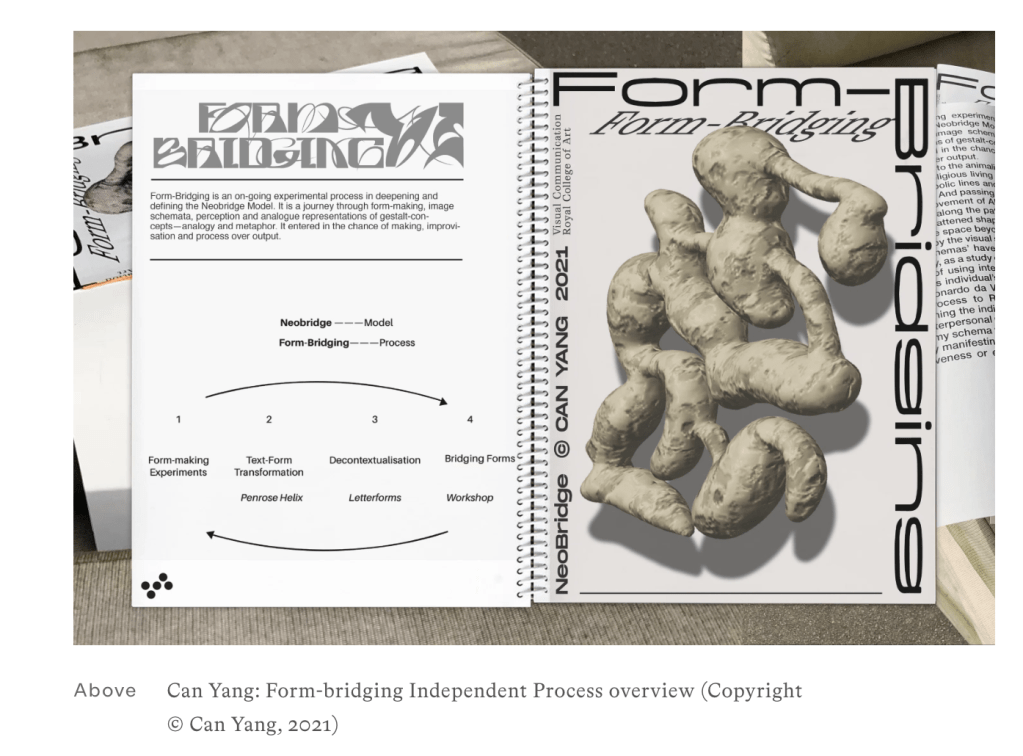
(https://www.itsnicethat.com/articles/can-yang-neobridging-graphic-design-art-180621)
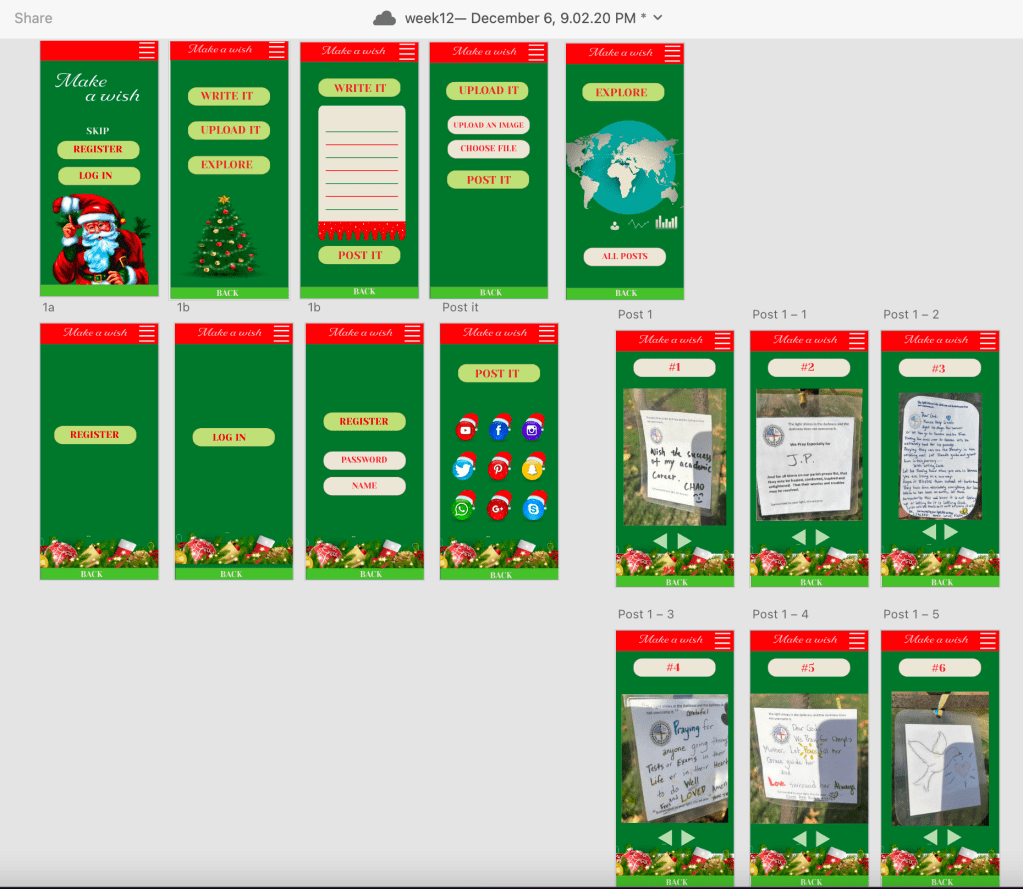
 Vicky Kafkaki - Graphic Design MA Falmouth University
Leave a comment