This week we will talk about creative practitioner working in the field of publishing, and gain an insight into the challenges experienced when developing a new written publication.
Lecture by Stuart Tolley

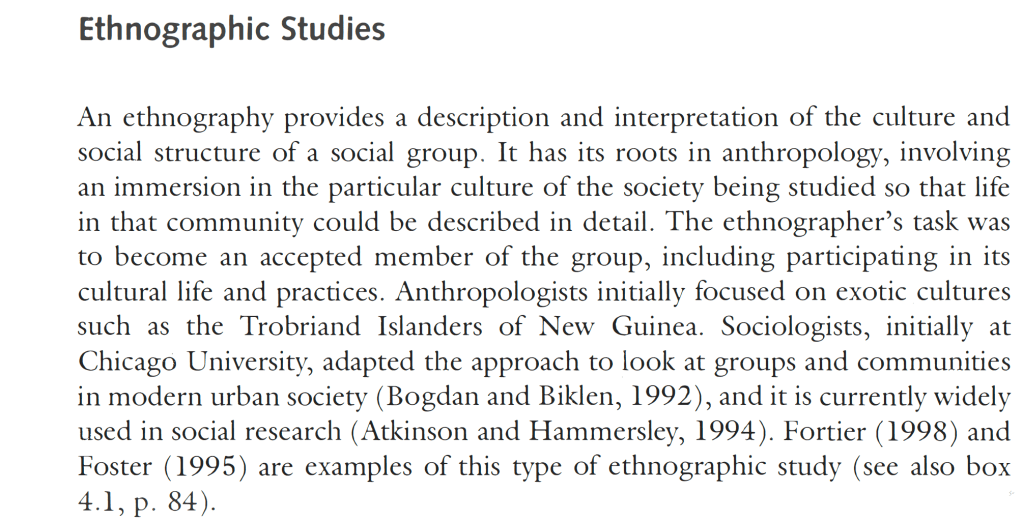
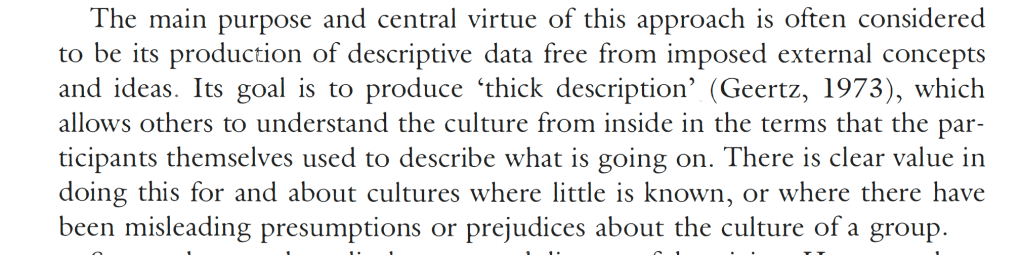
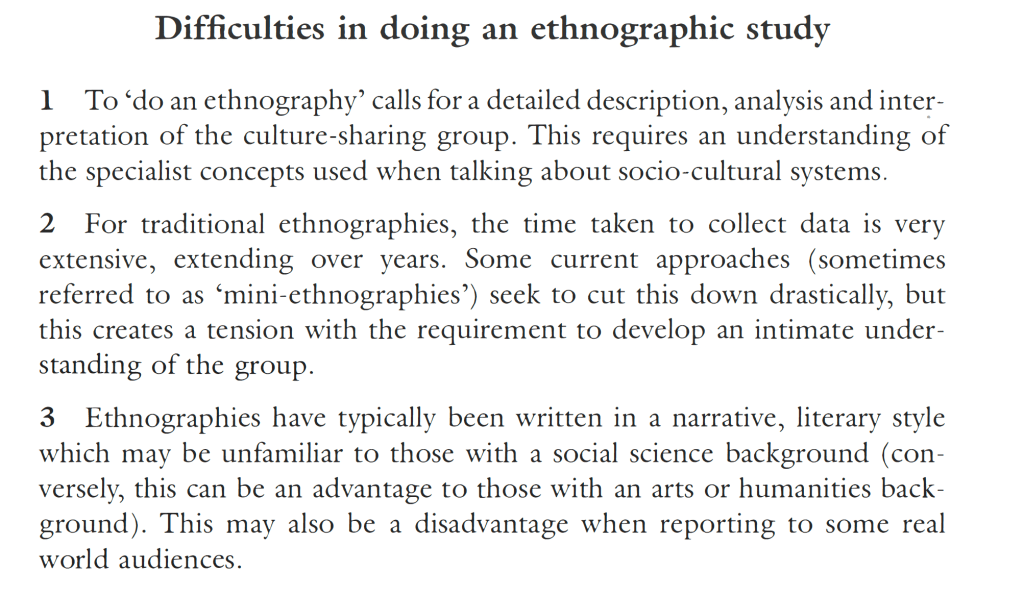
Ethnographic research describes the study of people’s lives from the perspective of within their communities. The term was first used to describe the anthropological studies and in particular the social and cultural observations of small communities in foreign countries.
While conducting ethnographic research, it’s common for researchers to live among the inhabitants with the purpose of fully understanding the culture at first hand and the lives that these people shared.
Before conducting ethnographic research, it’s important to set clear, well-defined objectives for what you want to achieve. For example:
- To gain insight and understanding into a particular society or culture
- To identify a new or burgeoning lifestyle or subculture
- To reveal new consumer patterns or perspectives
- To provide a voice for social or cultural groups
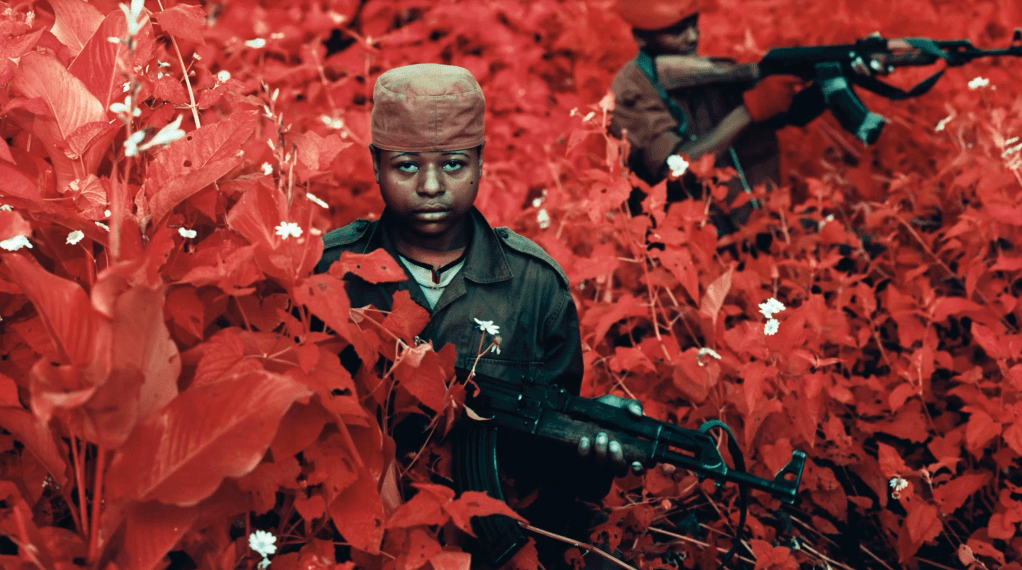
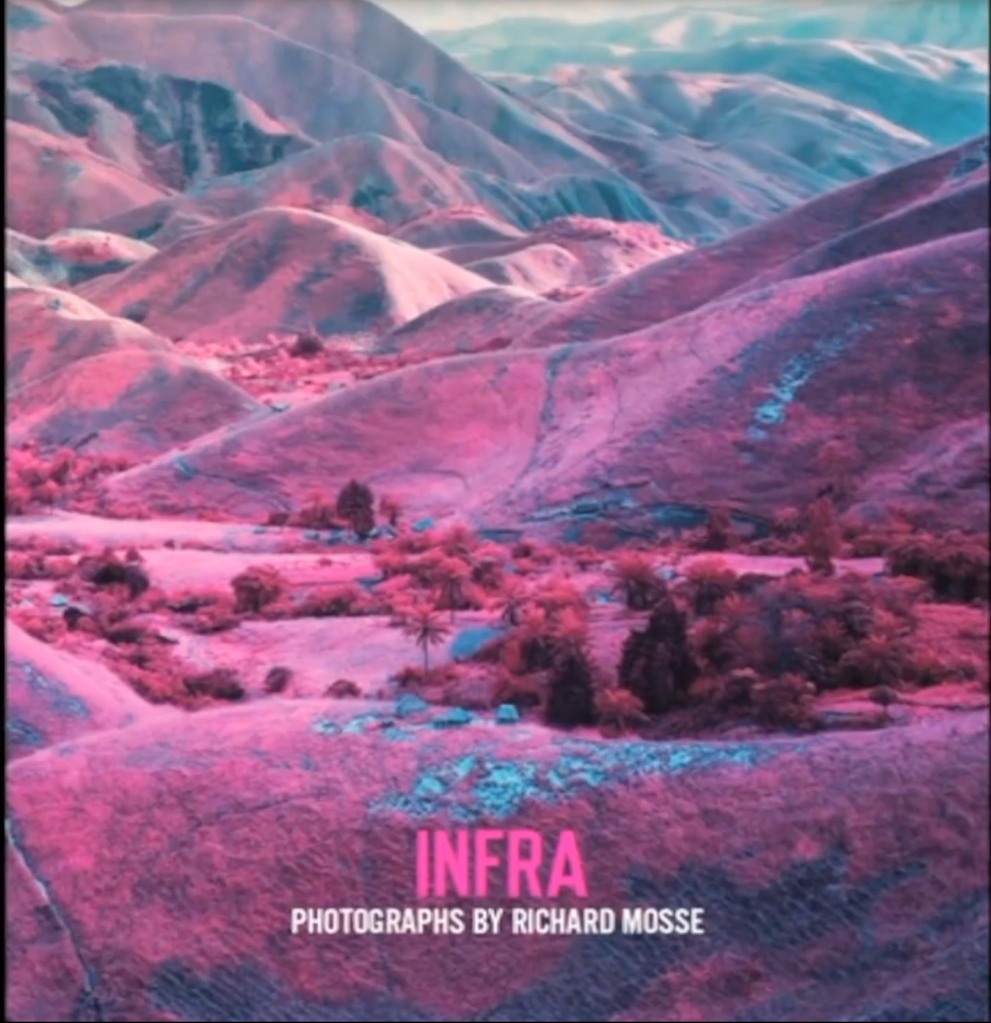
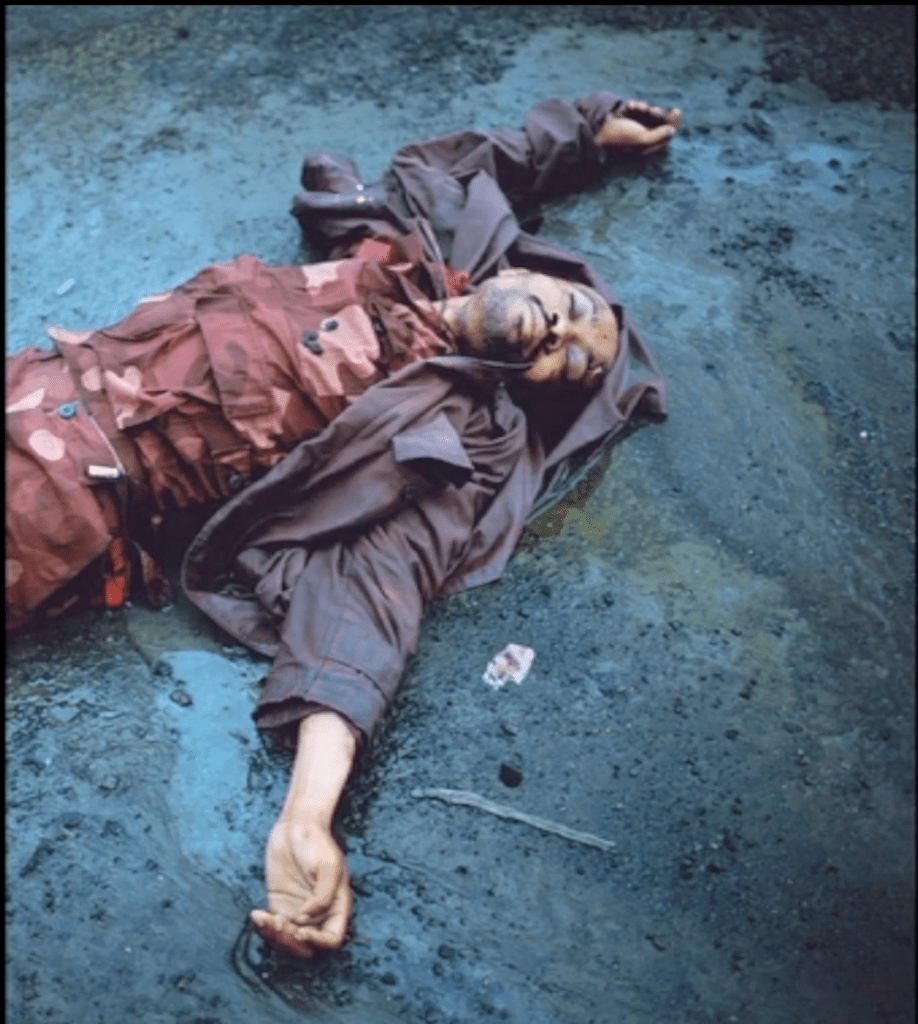
One of the most effective formats of ethnographic research is documentary film and photography, which has the power to reveal new insights and perspectives into society and culture. This project, called INFRA by the Irish photographer Richard Mosse, documents the conflict and subsequent human migration in the Democratic Republic of Congo.
Mosse spent years gaining the trust of refugees and warlords alike, to create a project that highlights the largely undocumented plight of the Democratic Republic of Congo.
As we have seen, ethnographic research can aid the development of a project focusing on location, society and culture.
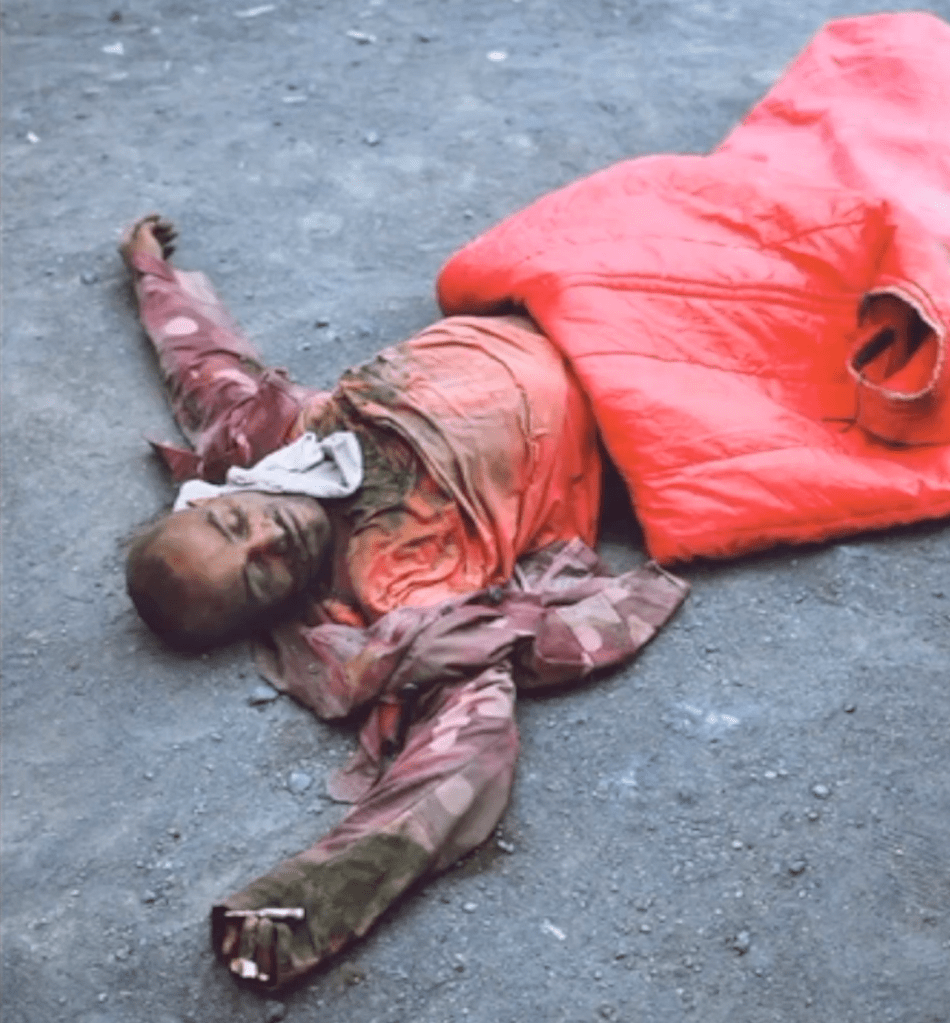
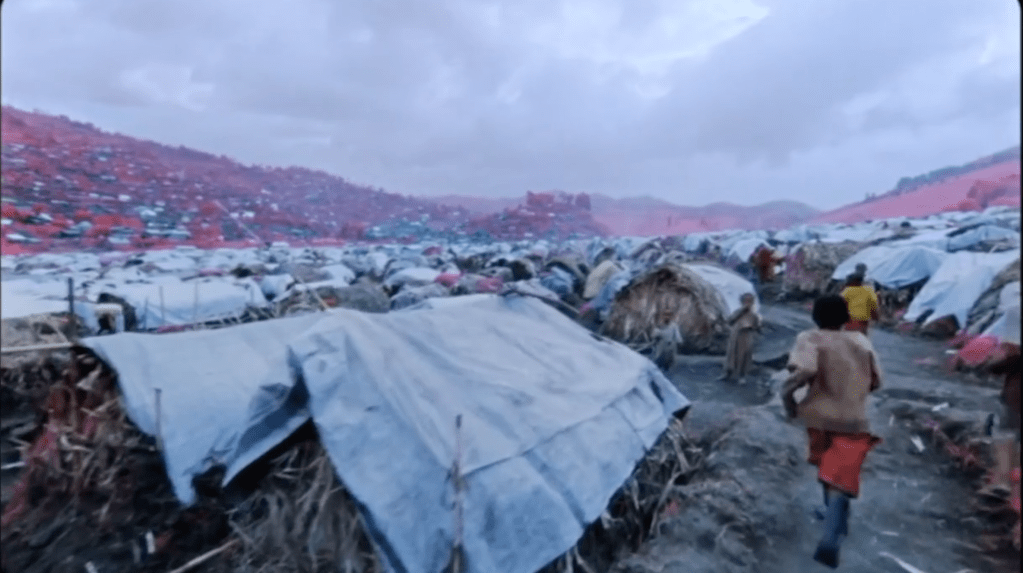
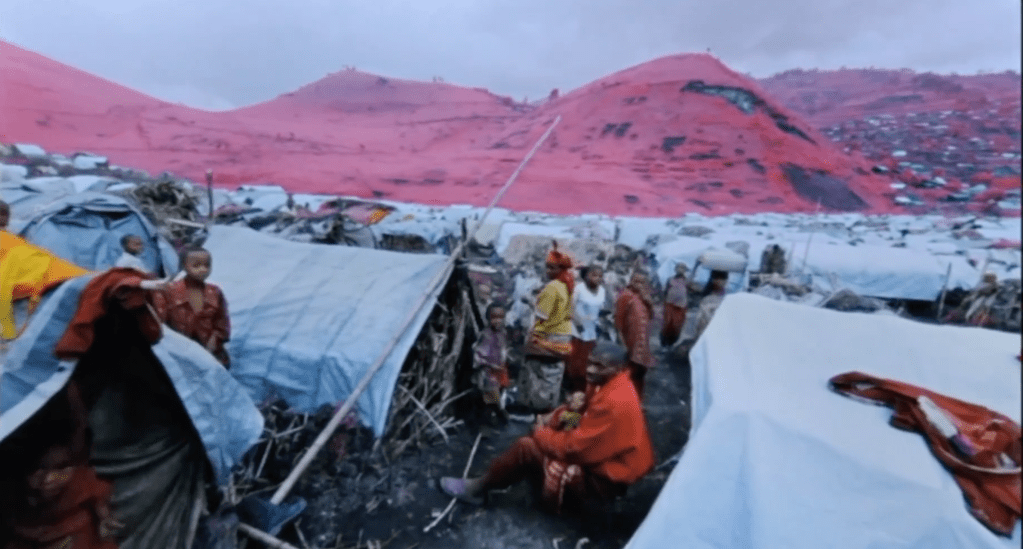
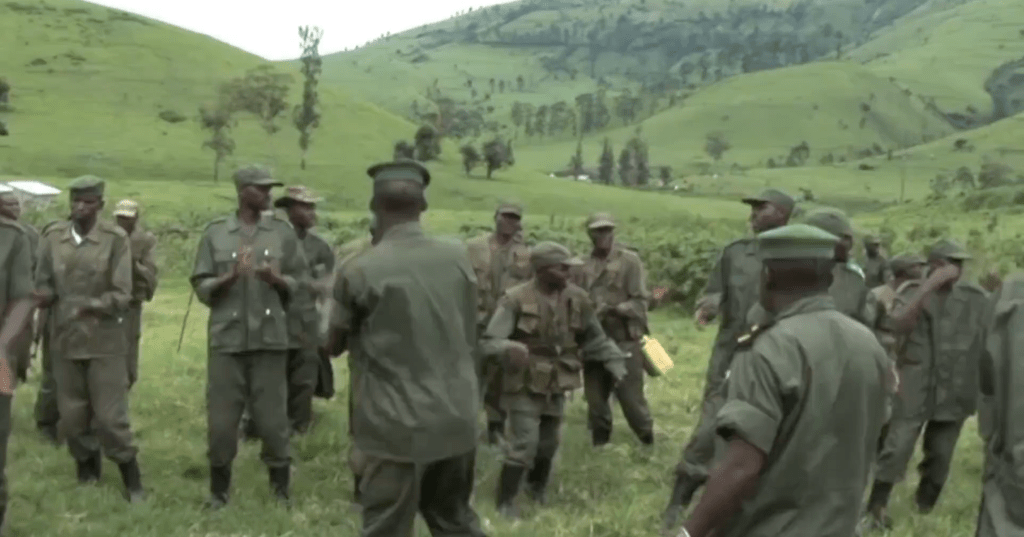
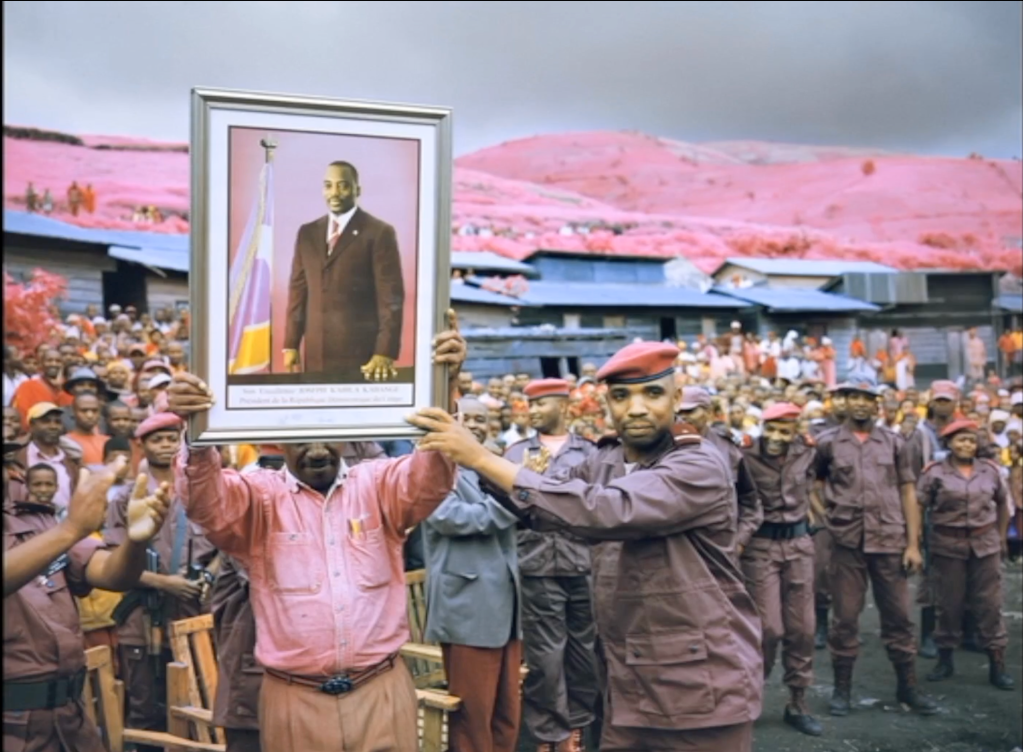

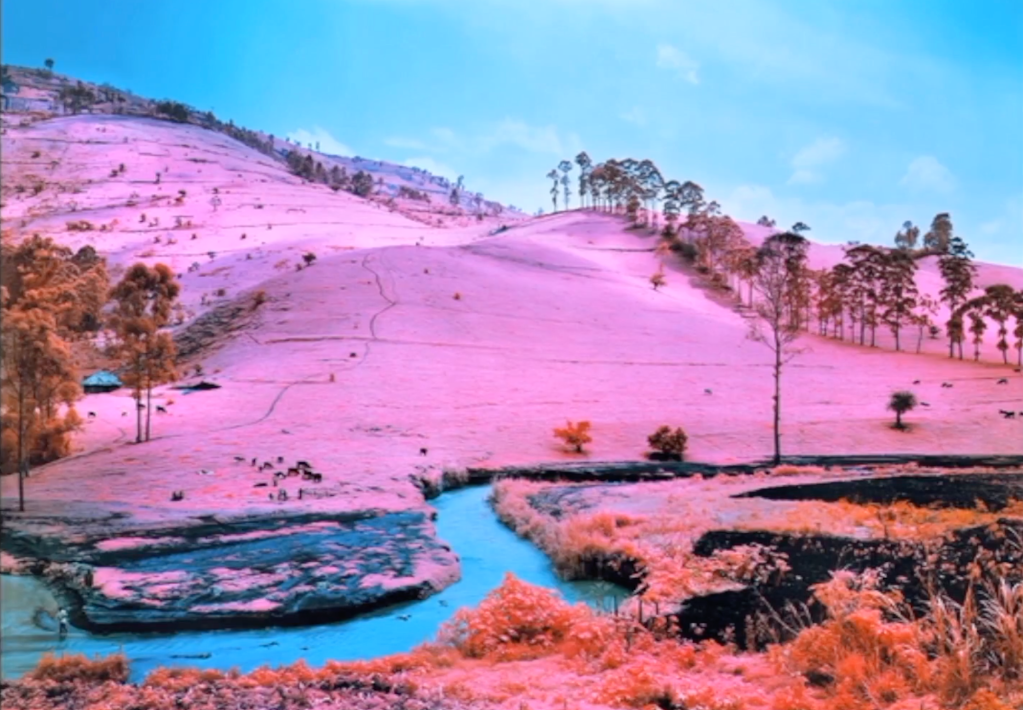
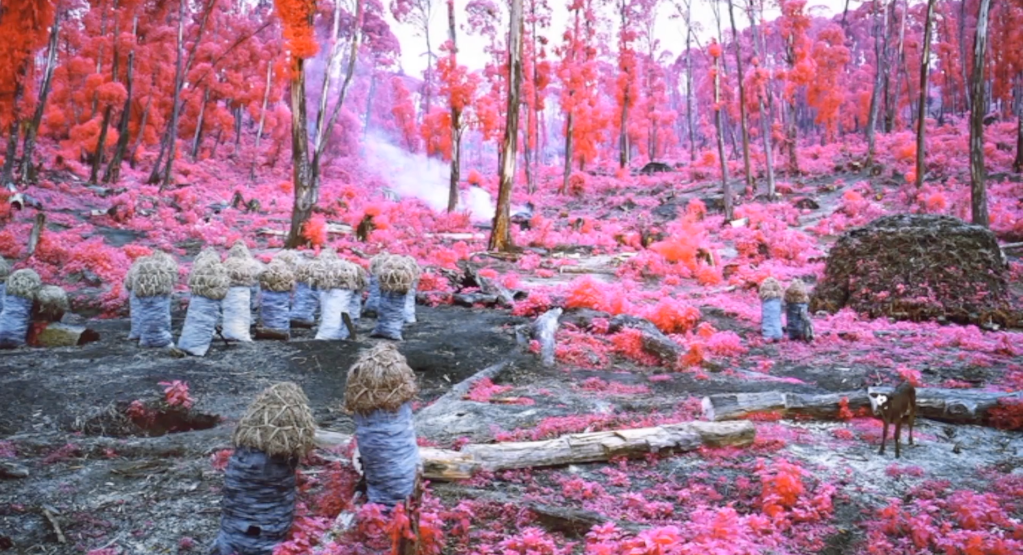
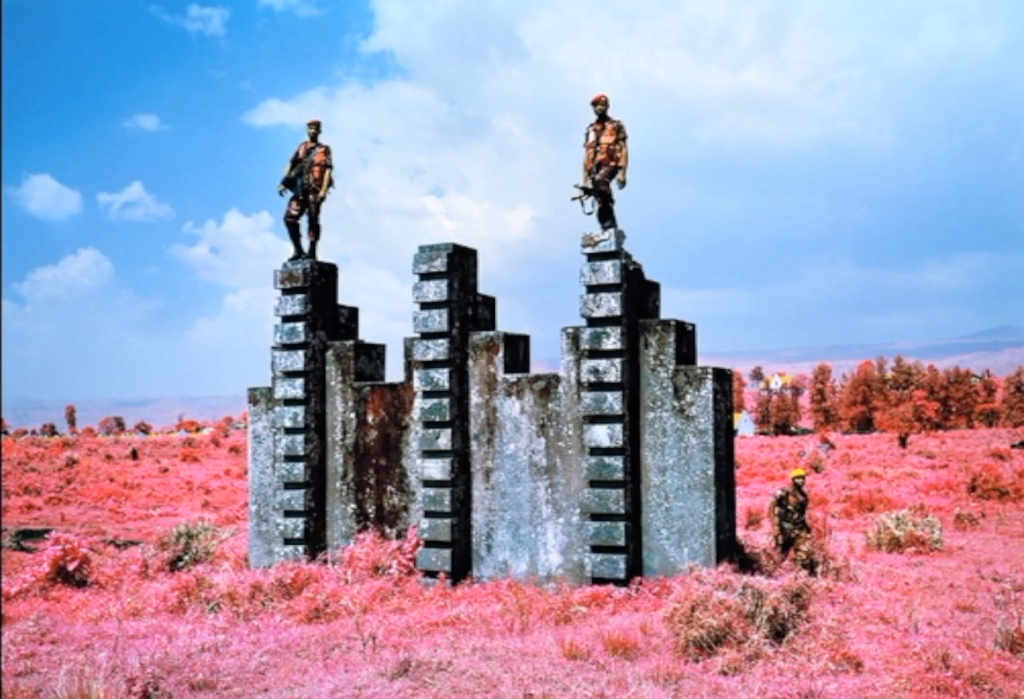
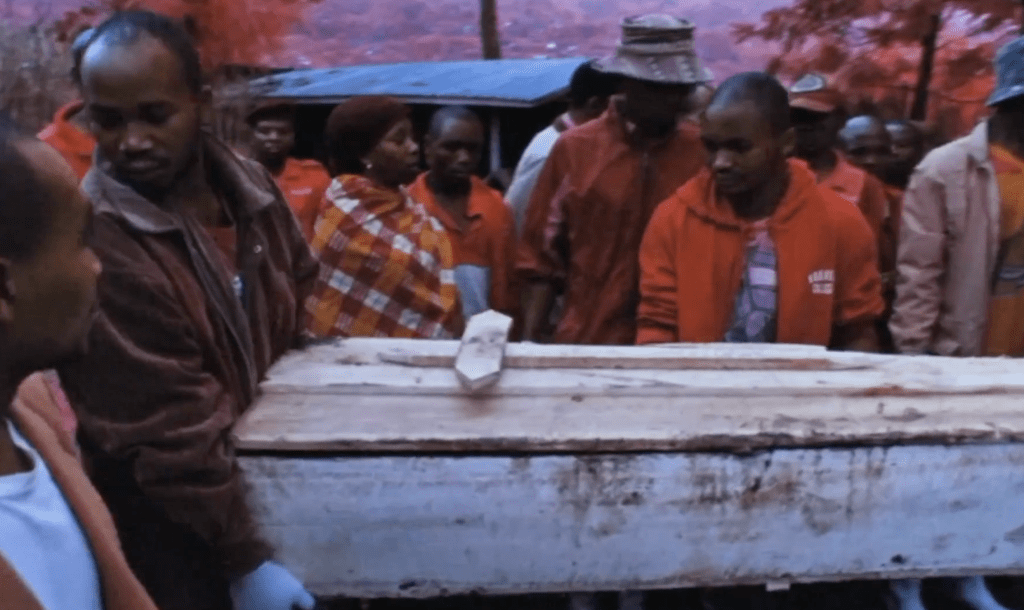
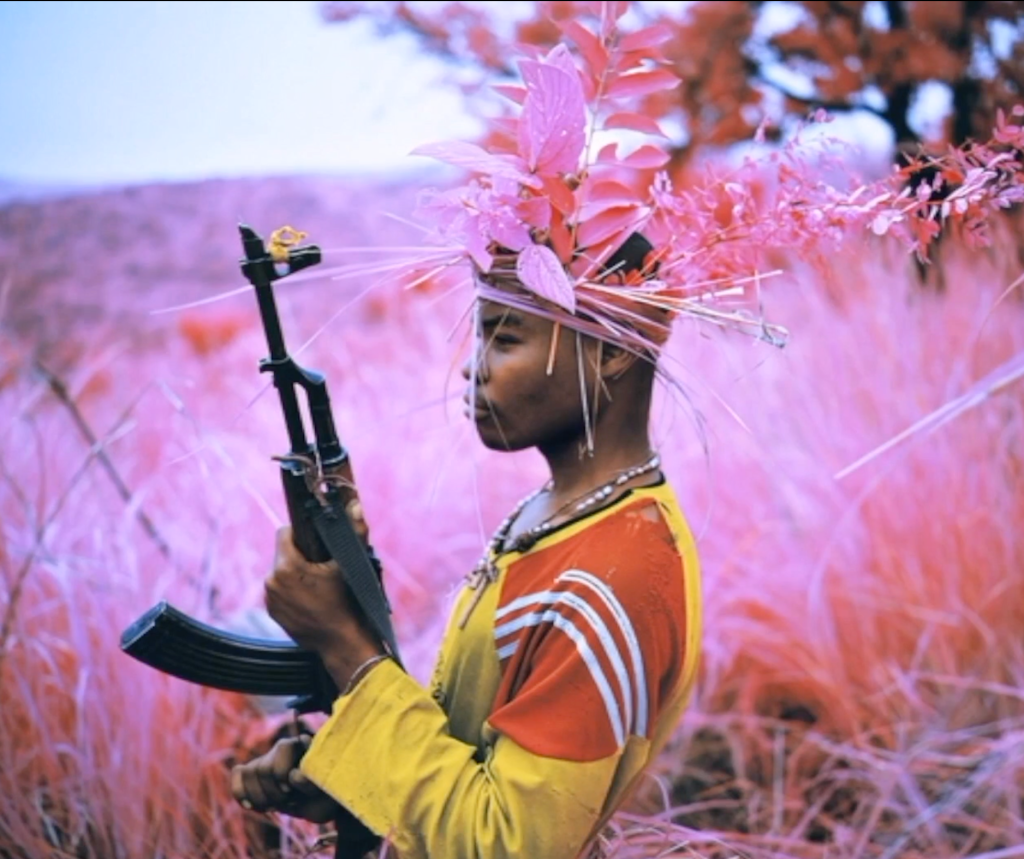
He said that building relationships with the different groups was hard. We had to win their trust in many occasions. It was strange to face off the camera.
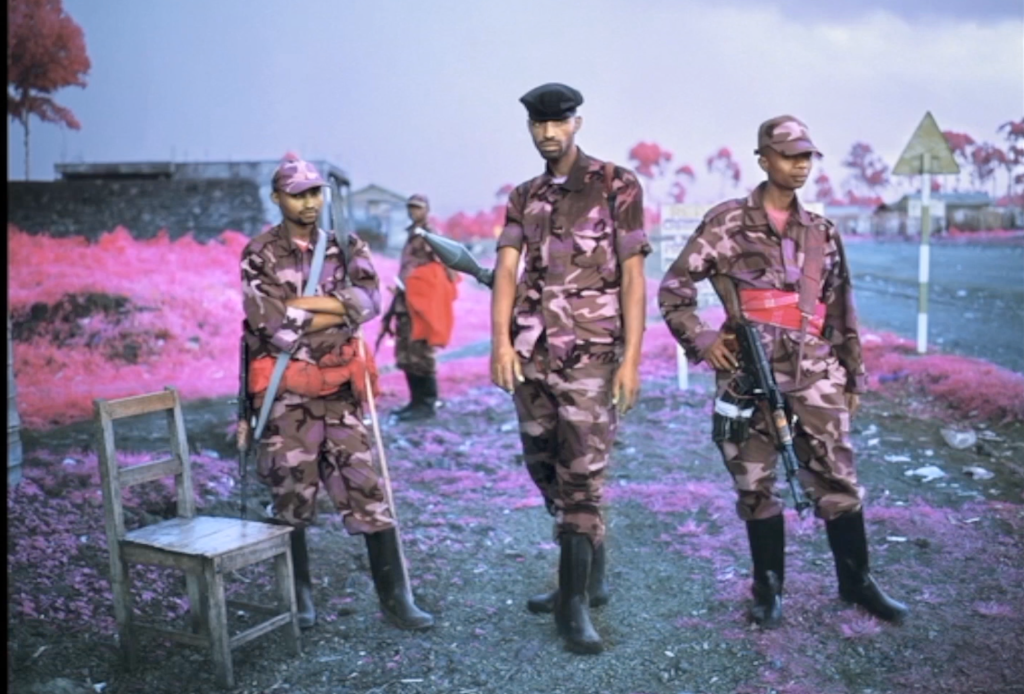
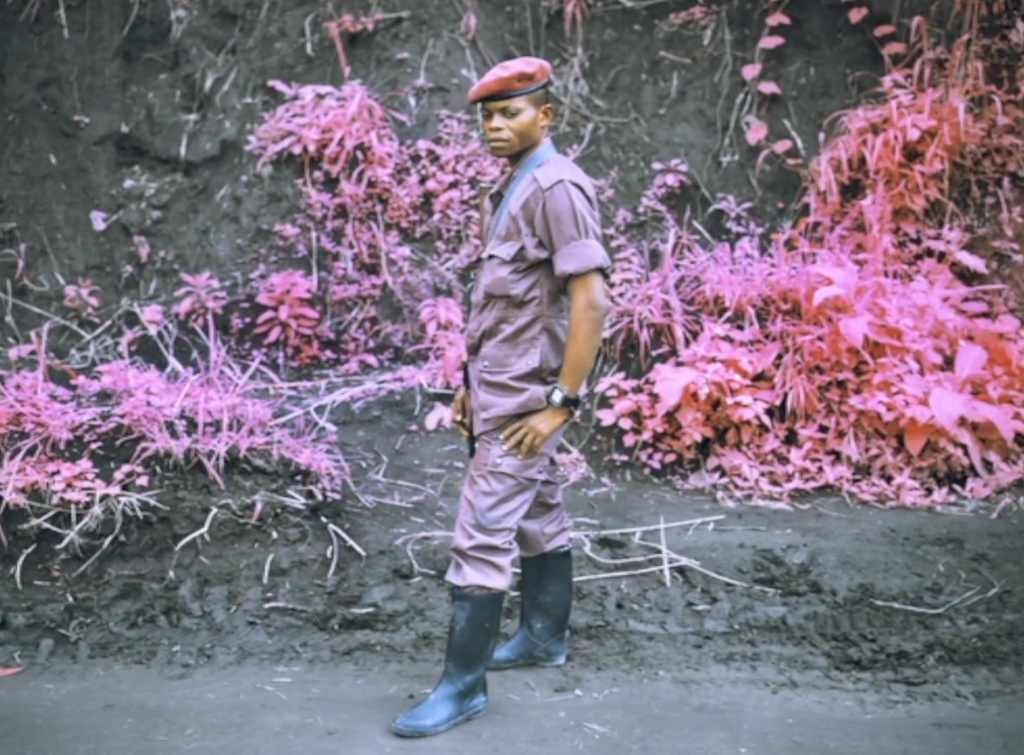

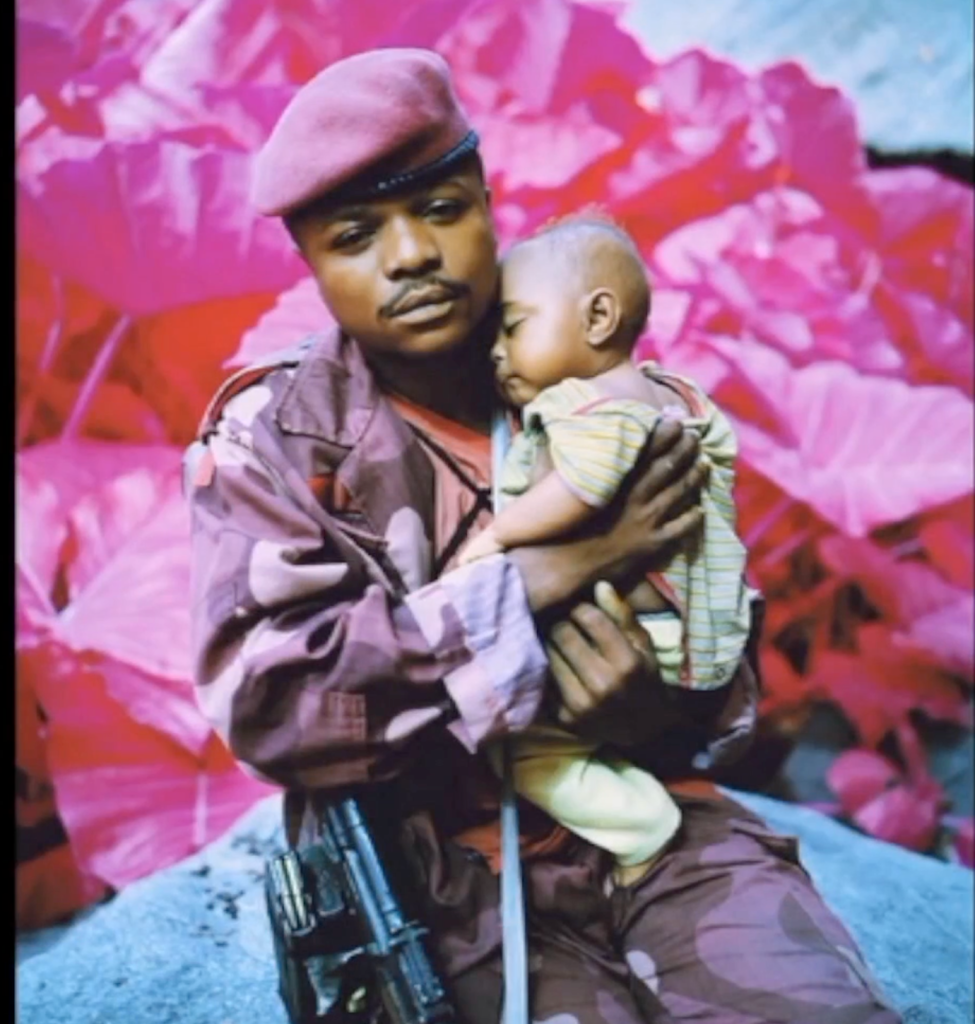
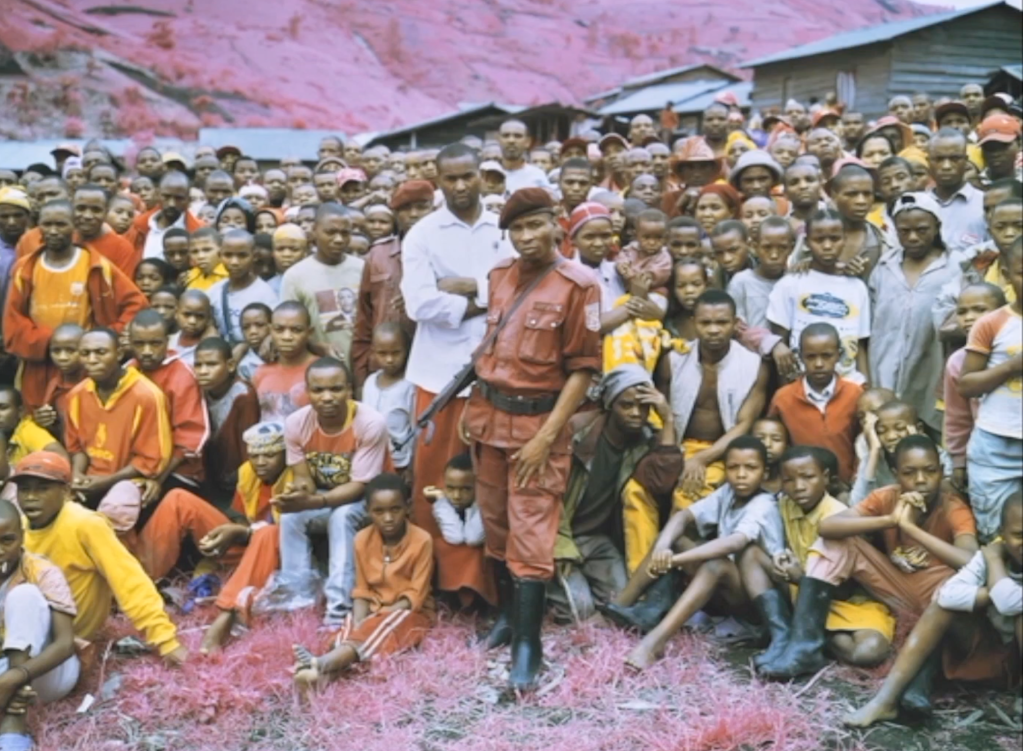
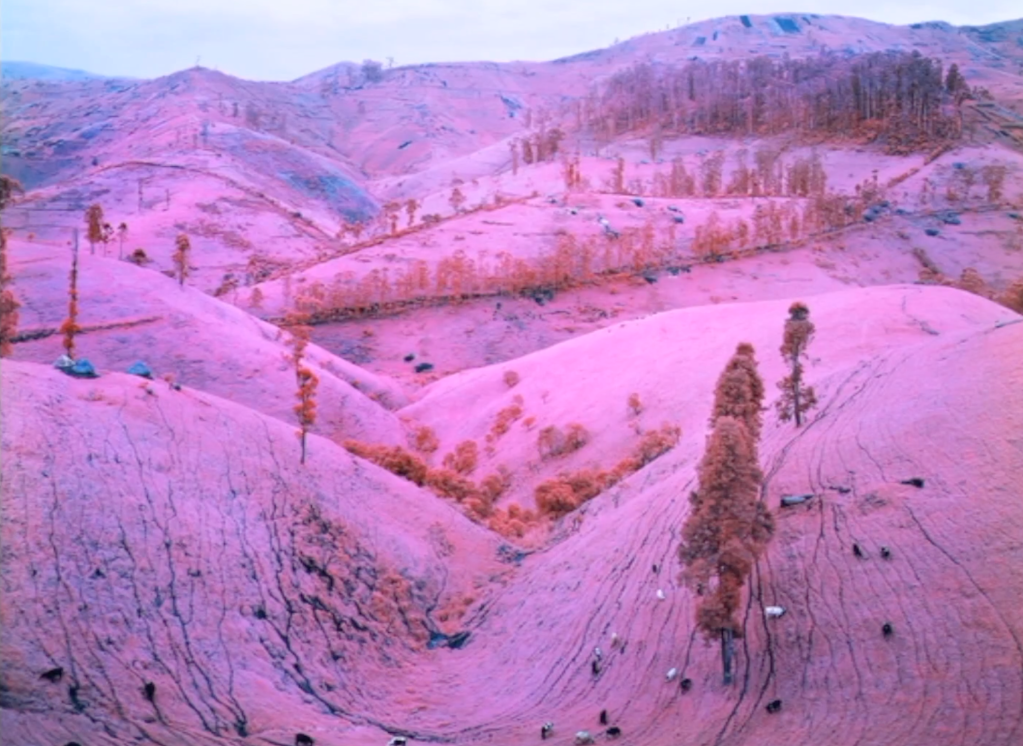
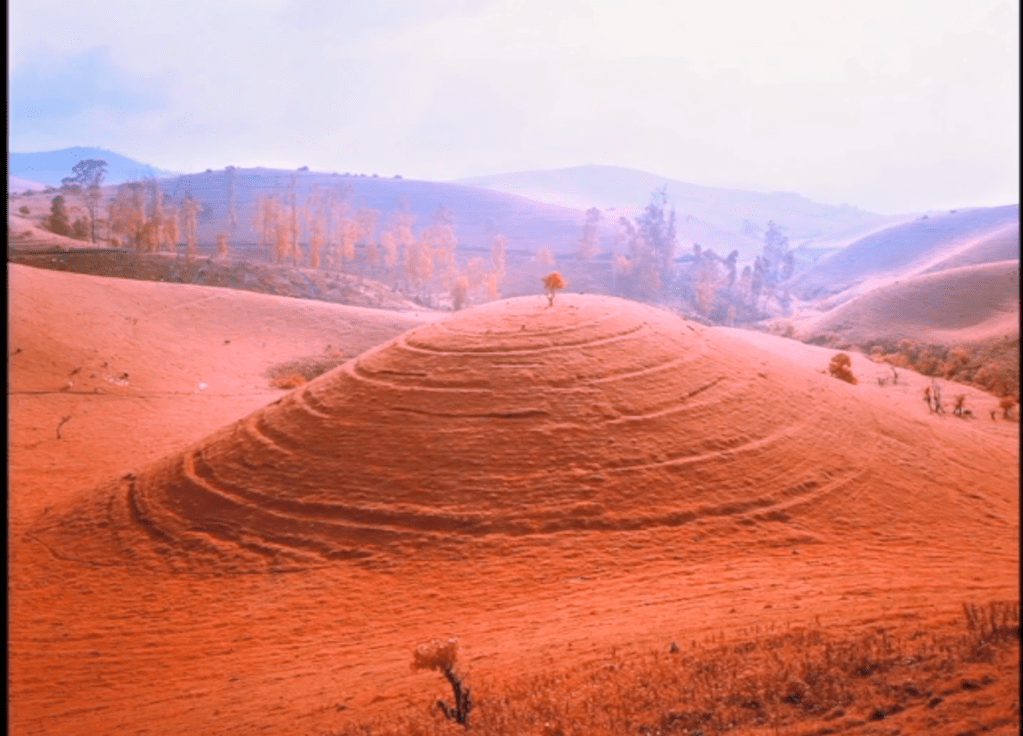
It is very aggressive medium – works well on computer screen…
The good photographs will make you reflect.


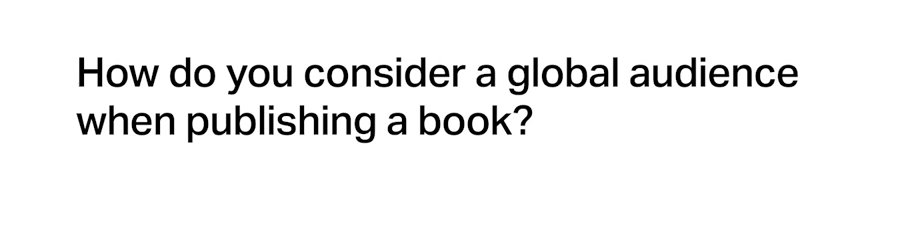
It is about having clear focus who the book is for, why the audience will want to read the book, how much they will be willing to pay for it…
The risk is always going to be there – it takes a lot of money to produce the book and having thousands of copies – hoping it will pay back…

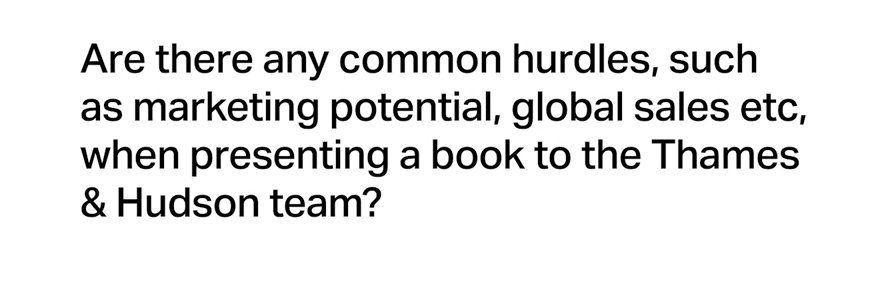
You have to explain why this book

We at everything that comes in -emails, messages…and determine quickly if it needs more attention…
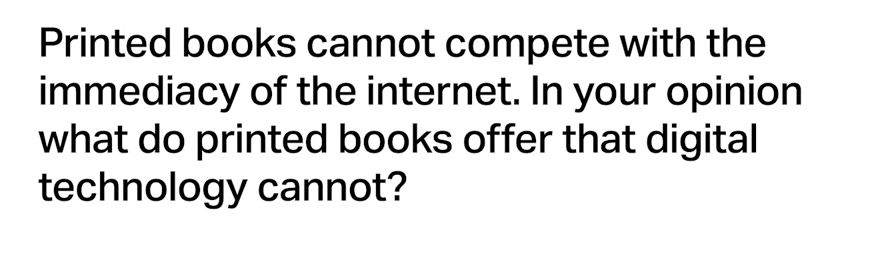
Book is more fulfilling experience…
Digital is just e medium
Irma Boom said that wearing Channel 5 is more – is tribute to Coco Channel

To make an invisible book for invisible parfum makes perfect sense
Title:
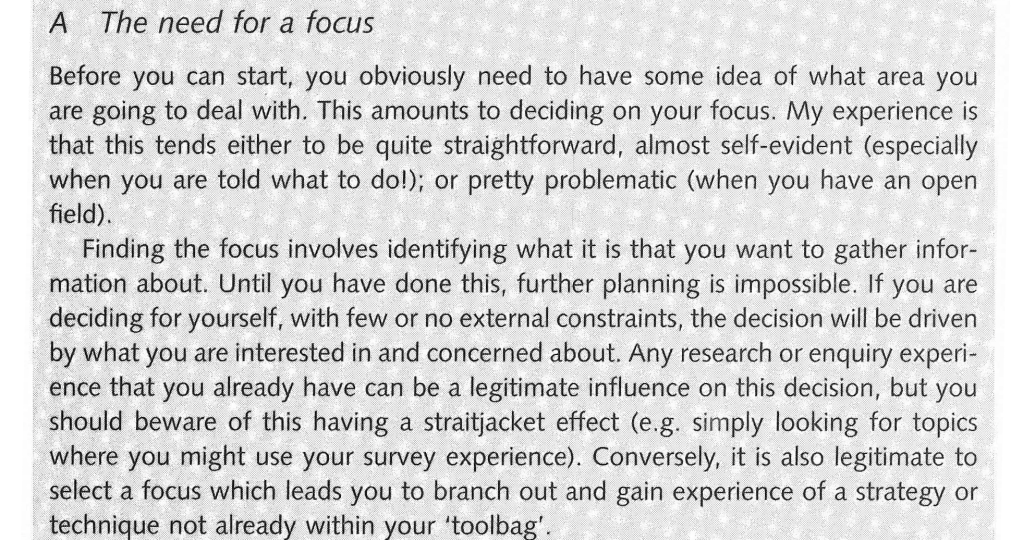
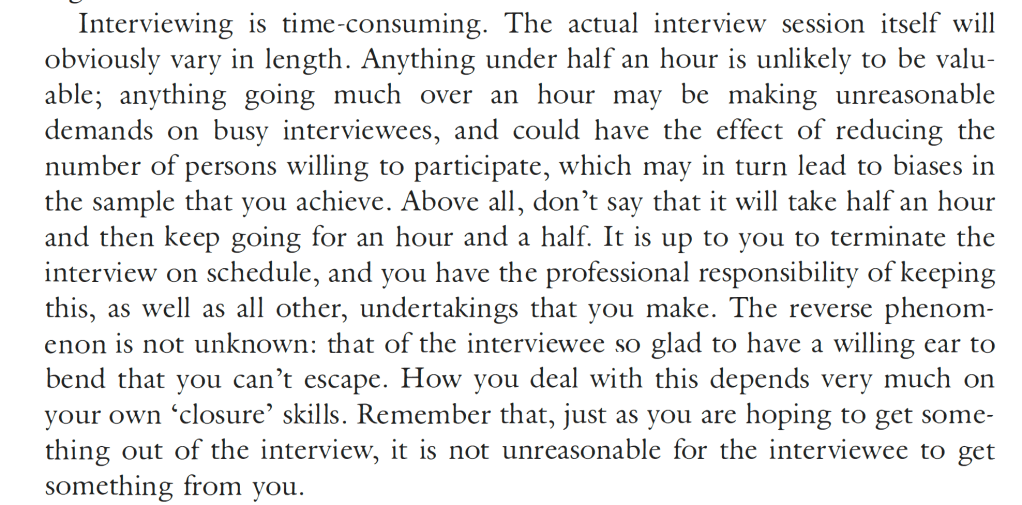
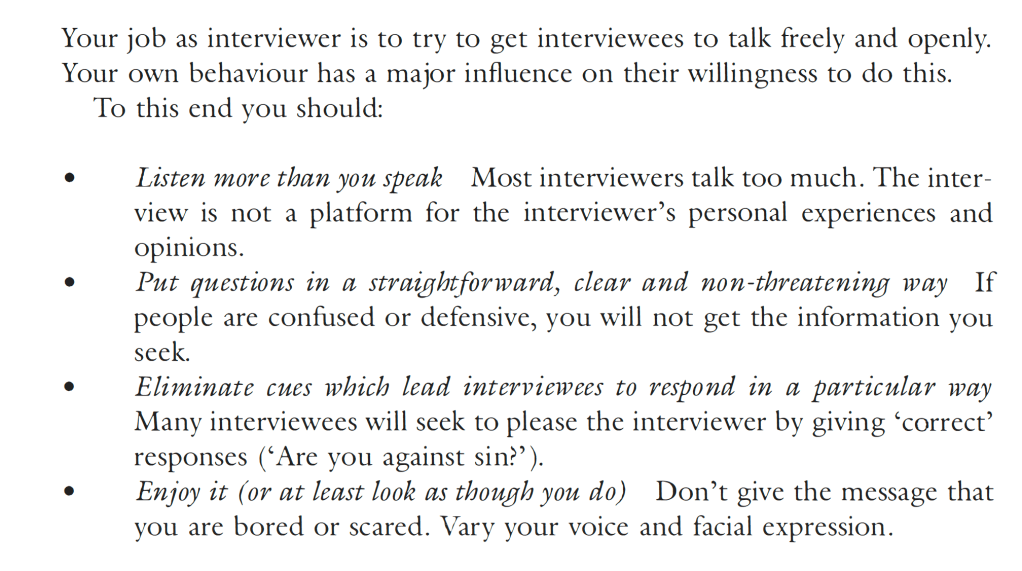
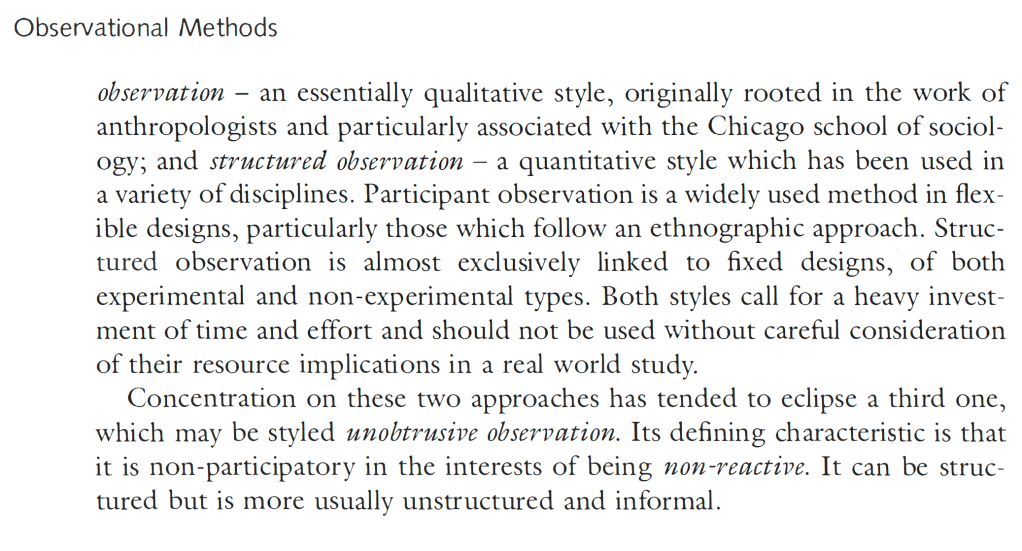
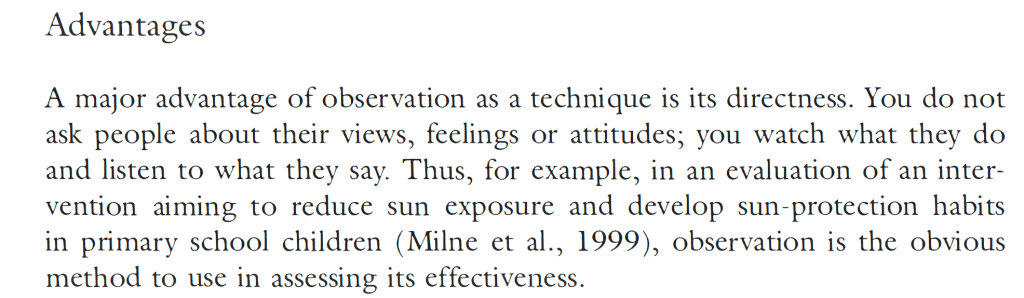
Real world research; a resource for social scientists and practitioner-researchers pp. 45–51, 186–190, 228–235, 269–280, 309–321
Name of Author: Colin Robson
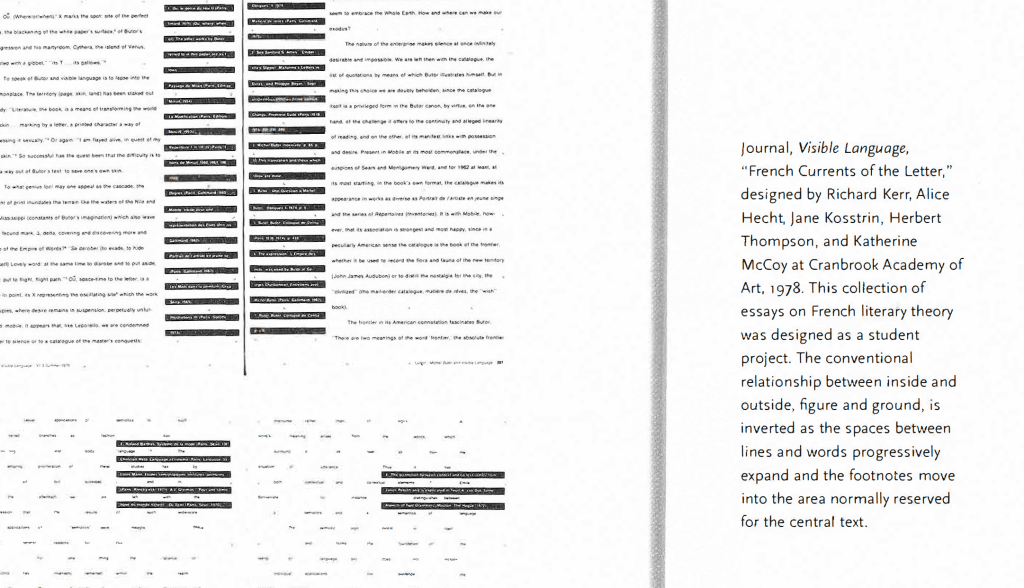
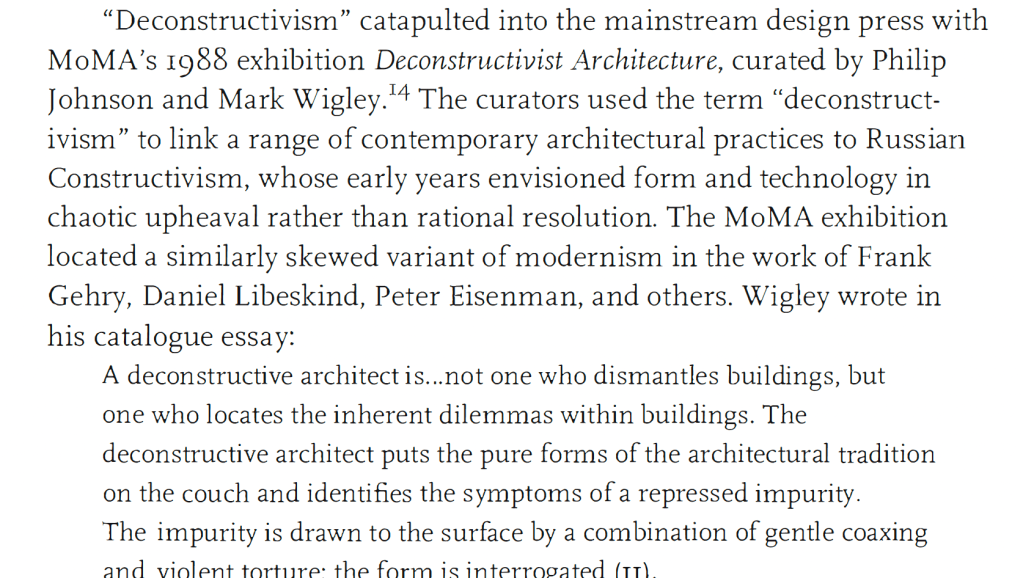
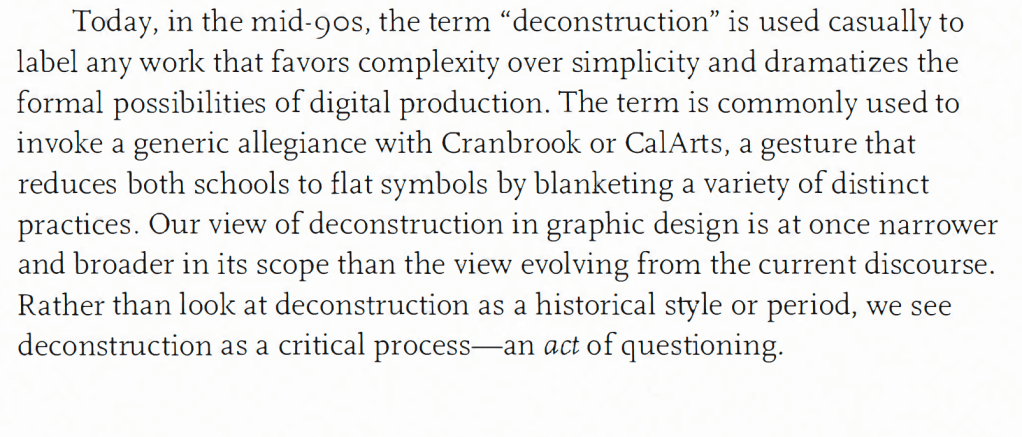
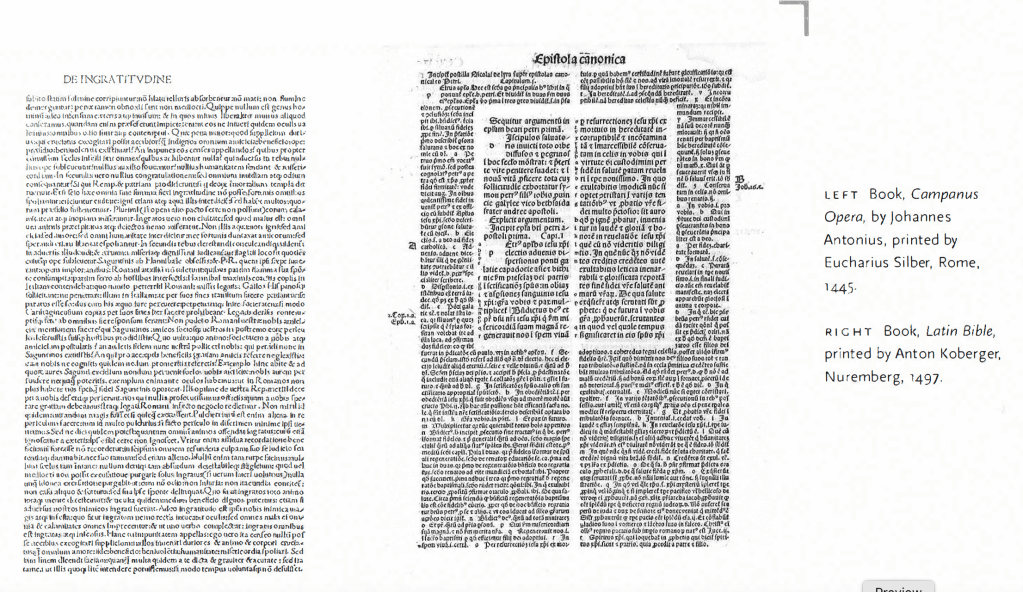
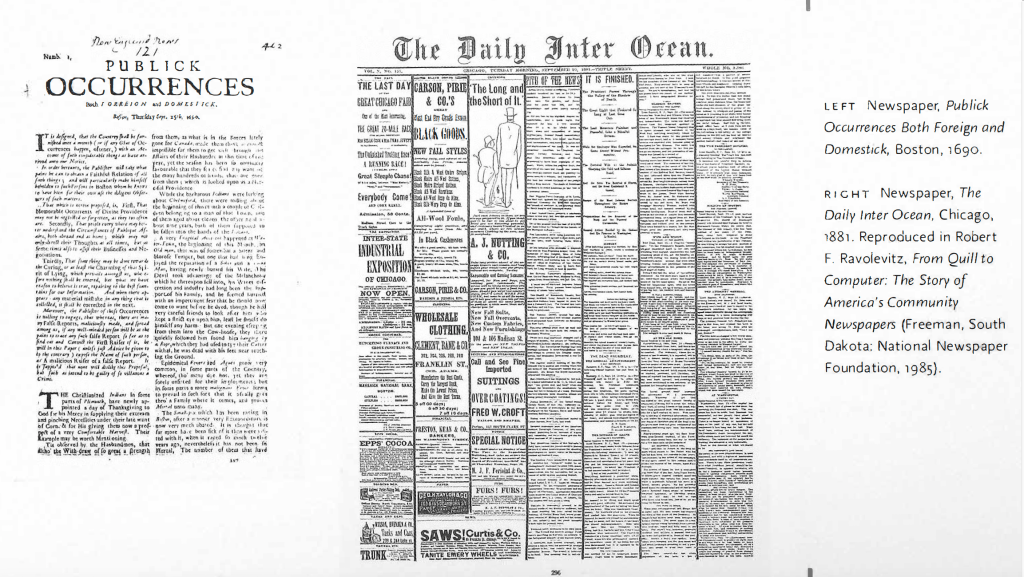
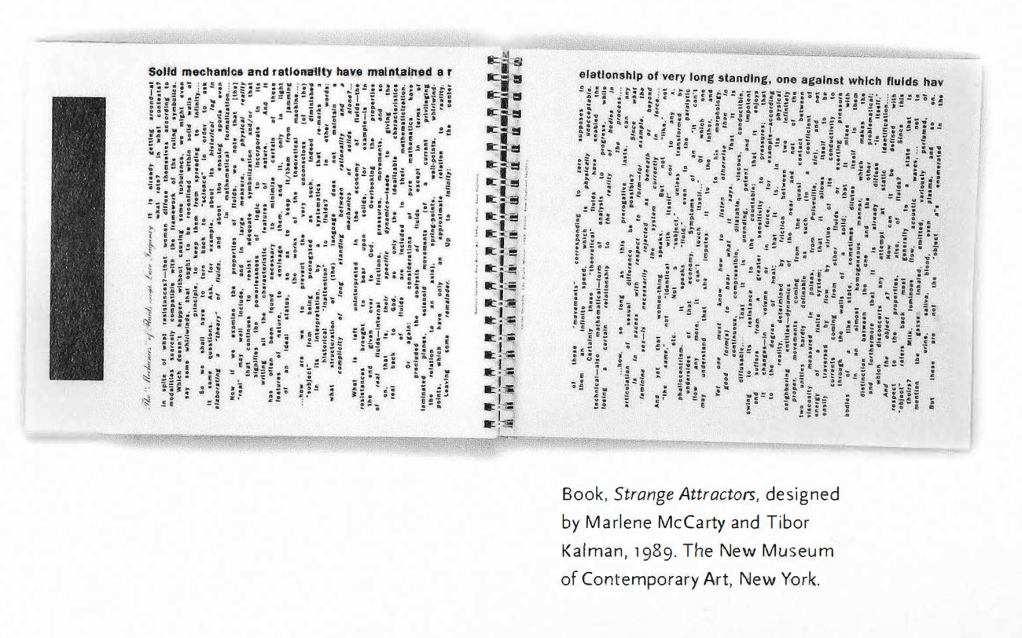
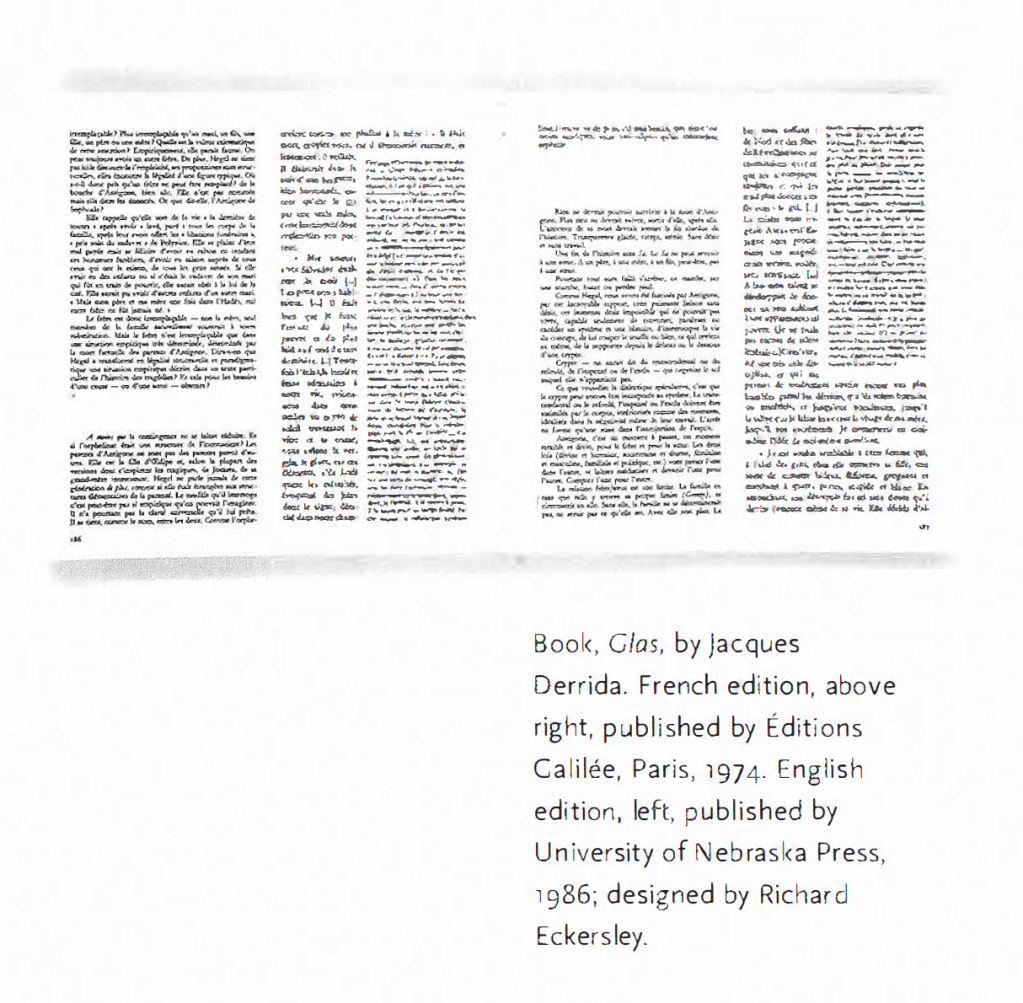
Title: Design writing research; writing on graphic design
(Deconstruction and graphic design)
Name of Author: Ellen Lupton & Miller, J. Abbott.

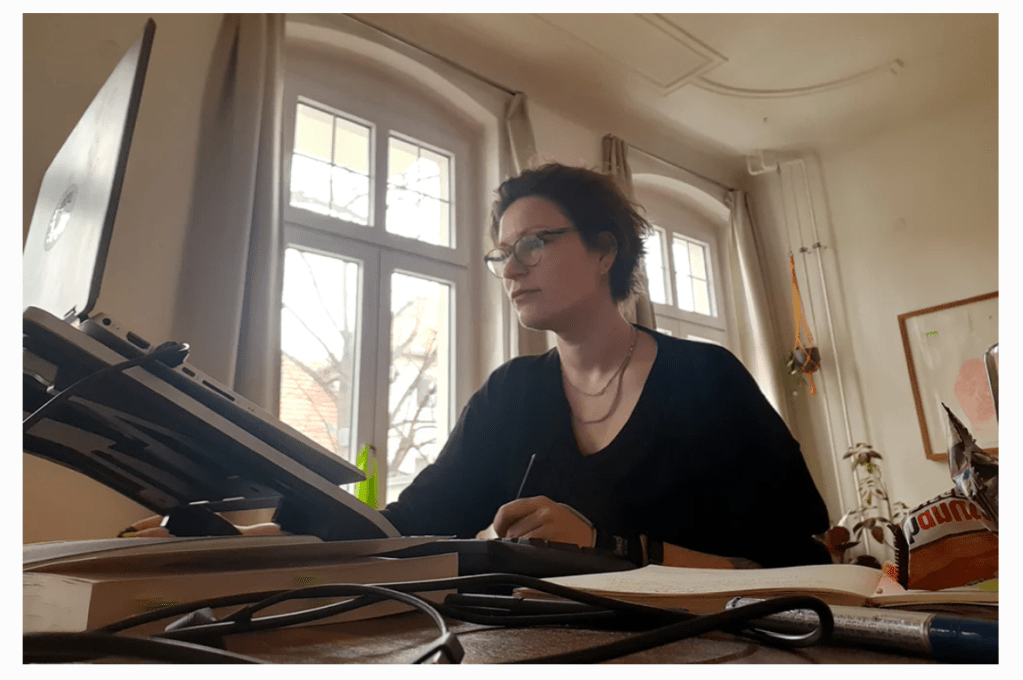
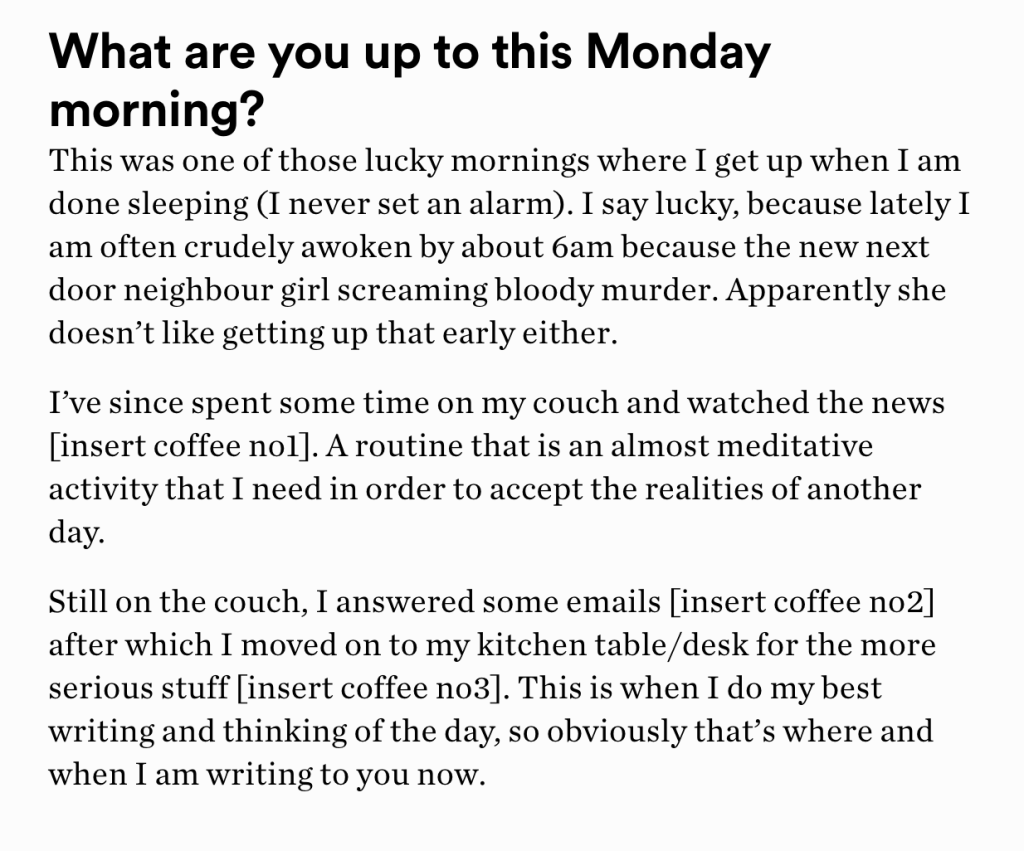
“When I feel I got the best stuff out (I work extremely fast in this period of the day) I do some yoga and have a shower. Refreshed, I can start the next part of my day [insert coffee no4, possibly 5]. By the end of the afternoon my brain doesn’t function as well anymore. If possible, this is the moment I move on to more ‘passive’ activities such as reading or doing admin (which I actually like!).
Unfortunately, right now the schedule is packed because I am working on several publications (gotta pay the rent!), as well as the next issue of Errant titled ‘Learning from Ancestors’. So at the moment, reading is only confined to the short time before going to sleep, if I manage to keep my eyes open that is.
Because I work from home, the routine described above takes place in a very small area; the couch is within two metres of the bed, the table about three metres form the couch… I break the monotony of this routine by working from a café once or twice a week. When the weather is good, I move onto the balcony where I’ve put a couch that I can lie on when I read. Total bliss.
Which magazine matters to you the most this morning?
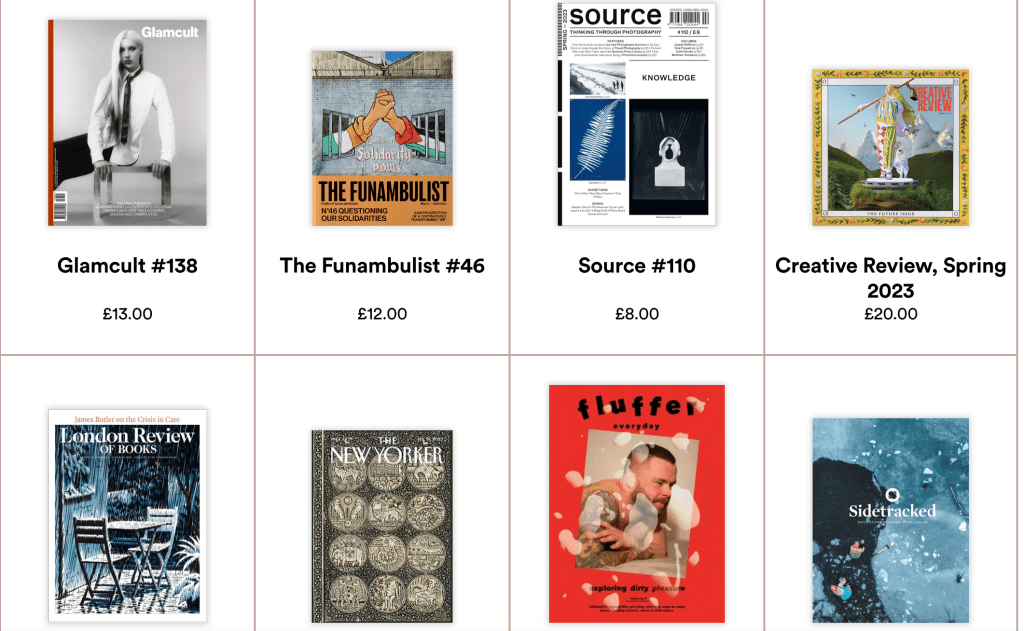
I am a big fan of The Funambulist. Someone introduced me to it when I was about to launch the first issue. It was scary for me at first, because after two years of working, you don’t want to find out there already is a magazine like yours out there! Luckily, although we are definitely interested in some of the same issues, we have very different approaches resulting in very distinct magazines (phew!).

Share an essay from issue four that best reflects what the magazine stands for.
This is hard because, as with all magazines I suppose, it is all about the interplay between articles—to single one out defeats the point. But, OK, if I have to pick one, I pick ‘Notes on a Revolution (or at least a hope)’ by Asia Bazdyrieva & Alevtina Kakhidze (who also illustrated this contribution).
I like this contribution because it is actually a bit of a critique to our own open call, or rather to the Western European way of thinking. Having both left their home country Ukraine due to the full scale invasion and attempted annexation of the country by Russia, Bazdyrieva and Kakhidze express doubt regarding the critique of the nation state because it emerges from a position of former empires and is not universally applicable.
Ukraine is only now becoming a nation state, and one that is not the product of imperial power or the ethnonationalist ideas of the 18/19th centuries, but rather one that is formed in opposition to these concepts. According to them, in the case of Ukraine, ‘the concept of a nation state—a product of European imperial imagination of romantic times—[…] has morphed into something else.’
This something else, or ‘hybrid and inclusive Ukrainianness’ is ‘far more than a territory or a uniform identity. It is a social contract that includes detachment from fixed identities, circulation of resources, multitude, absence of the center, self-regulation, trust.’ One of the reasons for starting Errant—and the part that perhaps give me the greatest joy—is learning about radically different positions that are able to truly humble you and your own perspective on things. It complicates everything, and that is something beautiful.
https://magculture.com/blogs/podcast
 Vicky Kafkaki - Graphic Design MA Falmouth University
Leave a comment