In this lecture we watched Stuart Tolley in conversation with Darren Wall on how to:
- Develop and launch your own publishing company;
- Identify how to communicate with your potential audience;
- Analyse innovative print and digital production techniques and recognise the importance of a close working relationship with manufacturing companies;
- Take advantage of the advent of new technologies, printing on demand and the ease of self publishing, and how they have, in recent years, enabled a greater interest in design writing.
Darren Wall is a publisher and art director based in Barcelona, Spain.
” Obviously I’m based here in Barcelona and the majority of my work, in terms of client work, comes from the UK. There are exceptions to that but that’s pretty much the rule. However, I’ve always been a one man band, solo outfit, so really it doesn’t change very much, which is sort of an exciting thing. Me being here in Spain is a sort of personal thing about living in a new city and having new challenges and learning a language and things like that. If anything, it makes my interactions with clients much more intentional. I will fly across to London and organise something that’s very thought through with them, in terms of whatever it needs to be, whether it’s a briefing or a workshop or coming up with new ideas. I think actually, it has concentrated and made more purposeful the actual human interactions I have with clients, but in terms of the day to day running of my business, nothing much has changed from when I used to live in London.
think the thing that got me into being a graphic designer in the first place was physical record covers, vinyls and CDs, and that was by way of video games, growing up.
From working in some publishing companies, I worked out how the whole publishing process worked. From getting a manuscript in, to commissioning design, to the commercial aspects of it, and the pressures of getting it to shops, and lead times and production and how much everything costs. I mean that was just there in the background the whole time, so when I accidentally found myself starting my own publishing company, which was never even consciously a decision, I realised that I at least knew how all of those parts worked – or at least what they should look like. Unwittingly I’d got a real insight into the business side of all of that.
…That was a very intentional thing in terms of setting up Read Only Memory. I saw it as an opportunity to try and make a business that had no bricks and mortar home and that just ran from my laptop, so I could work in a coffee shop wherever I wanted.
…I’d say if you’re doing a Kickstarter campaign for something you really want to make, whether it’s a book or print or an exhibition or anything, go and speak to people who have done this before. Don’t be afraid to speak, to cold call people who you think are big names, I’m sure they will happily talk to you. Pester people and get them to walk you through the process over a coffee. In 20 minutes, they’ll be able to tell you things that are going to be invaluable to you. I think especially people who have gone through the process of making something on their own and getting it out there, they’re going to be delighted to help you. I think they’re going to tell you such invaluable stuff.
How do you identify and target your potential audience?
In terms of finding our audience, I think I was lucky in that the first book I made was for one person, and that was me. It was just a book that I wanted to own. I think there’s real value in behaving that way in terms of being creative, in terms of making books and popular culture certainly. Finding like-minded people and doing something that’s really indulgent, that really entertains what a subject matter is about, what an object can be, will help you find your audience.
…I like to ask people when they email us what kind of books they’d like.
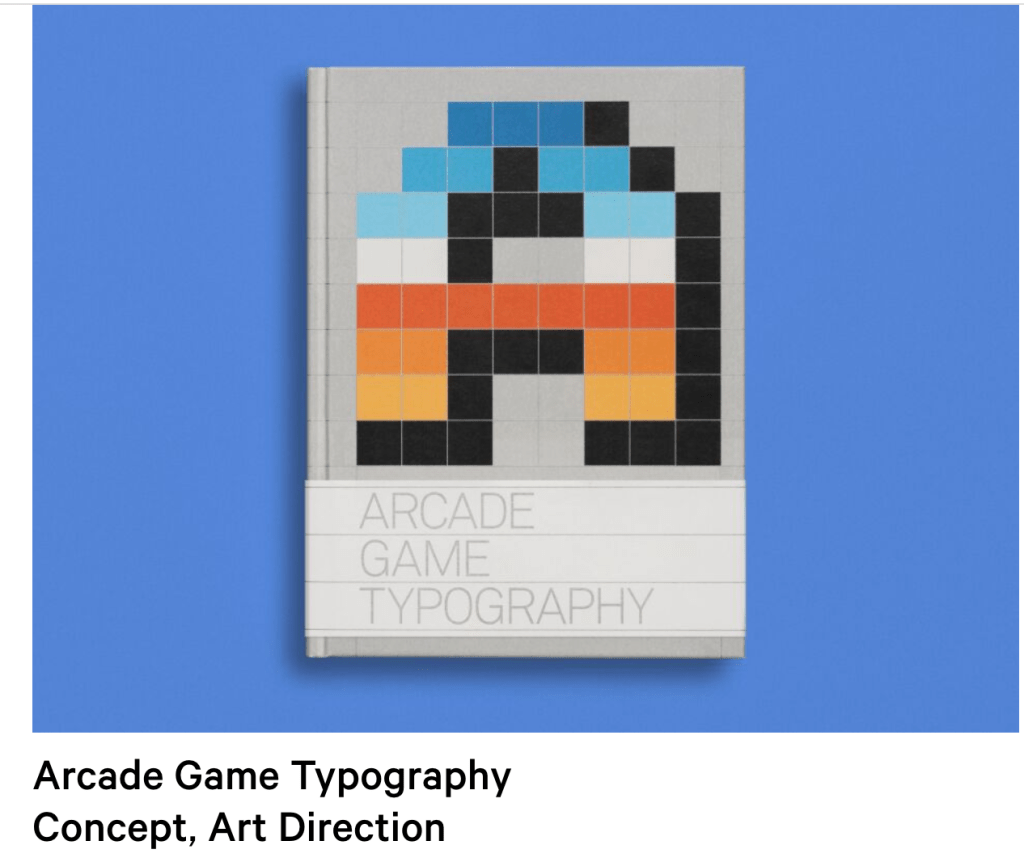
…People have less and less objects nowadays. We’re speaking to, generally to people who would have interacted with these games primarily physically, having bought cartridges or discs or CDs or cases.
How do you source which printer you would like to work with?
We generally work with printers who, there’s like, I suppose, a whisper network in publishing circles about who the great new printers are, where to print, cheaply and effectively. Most of the printers we work with are in Europe and these are generally thought to be the best ones. Ones in Spain and ones in Italy are really highly regarded. We’ve never printed a book in the same place twice, so generally I’m looking for recommendations like a good feeling about a printer, some really great samples. I generally try and speak to a printer as much as possible beforehand. We will get multiple quotes for each book and get lots of samples in and just see how interested the printer is in working on this book.
As I spoke about earlier, I want the printer to connect with what we’re doing a little bit as well. A lot of printers are just interested in volume and that’s their business model and that works for them, but I generally find I connect with slightly smaller printers who have an interest in what we’re doing, either in the subject matter or the quality. A really nice connection is that we often find that our books are used in printers’ catalogues, or they often ask if they can run on a few more copies so they can give it to clients. I think that’s when we know we’ve found the right relationship with the printer.
The print process is very collaborative. Please explain your working relationship and responsibilities when working with a printer.
I think now, as we get more established, I find myself as a designer and an art director, and the designers that I work with, I’m encouraging all of us to see what’s possible and to try and build relationships we have now with printers; to ask them what they can do. Often when you visit printers, they are very keen to show you what new kit they’ve got and now I’m really interested in that. What’s possible with UV printing or printing on different substrates that kind of thing.
You have also published limited edition books alongside the standard edition, such as Sega Mega Drive / Genesis book. Please explain the background and why you wanted to publish a limited edition.
Our first limited edition was for the Sega Mega Drive Collected Works book. That was a real learning experience in terms of production because we had to move things around a lot. I learned that just because a printer might be a leading company in the world for print, doesn’t necessarily mean that they’re great for special editions. The same goes for things like binding, special finishes, screen printing. Each printer will have their own strengths and weaknesses.
The publishing industry has changed exponentially over the last decade. What do you consider to be the future of publishing?
The future of the publishing is shrinking as well and, certainly in the realm I’m working in, publishers are really interested in finding niches. Previously it used to be about the big sellers. What used to be a good selling book 10 or even 15 years ago, now a great selling book might sell a fraction of that. It might be selling like 10 or 20% of those figures. Actually, what’s more important is for publishers to find really passionate fanbases and sell books to them. This is a slightly not trodden part of the publishing industry and I think that’s where I’ve certainly found myself with Read Only Memory and what I’m also doing with other big publishers.
I think we’re going to see the rise of smaller publishers, one person publishers, there’s more and more of them on the rise as well.
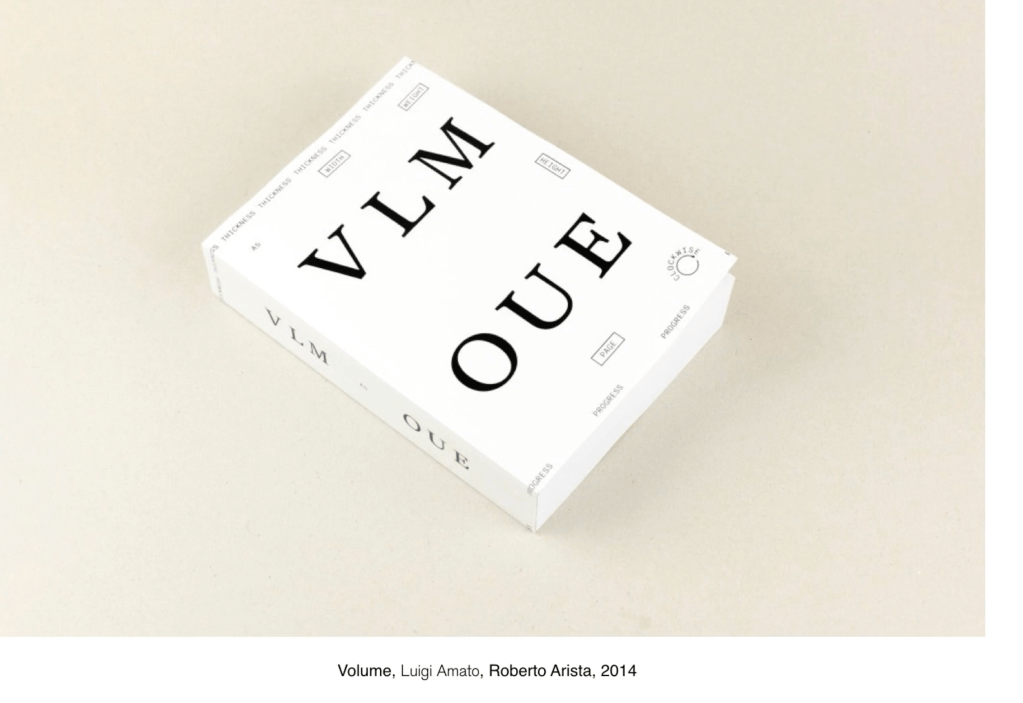
Post digital publishing is all about books that are produced from the interaction of digital mediation.
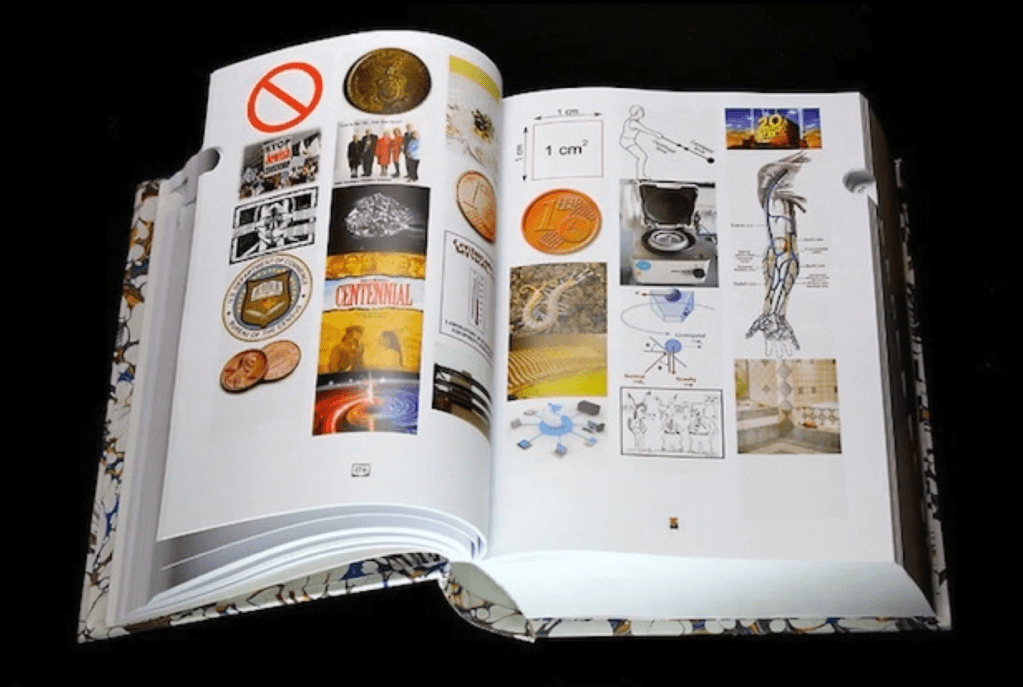
The cooker book takes a picture of a Google search in a specific moment in time and location, and generates from all the words of a dictionary, a selection of the first images that Google finds. A completely automatic scripted book that shows to you the power of computation and in an ironic way.

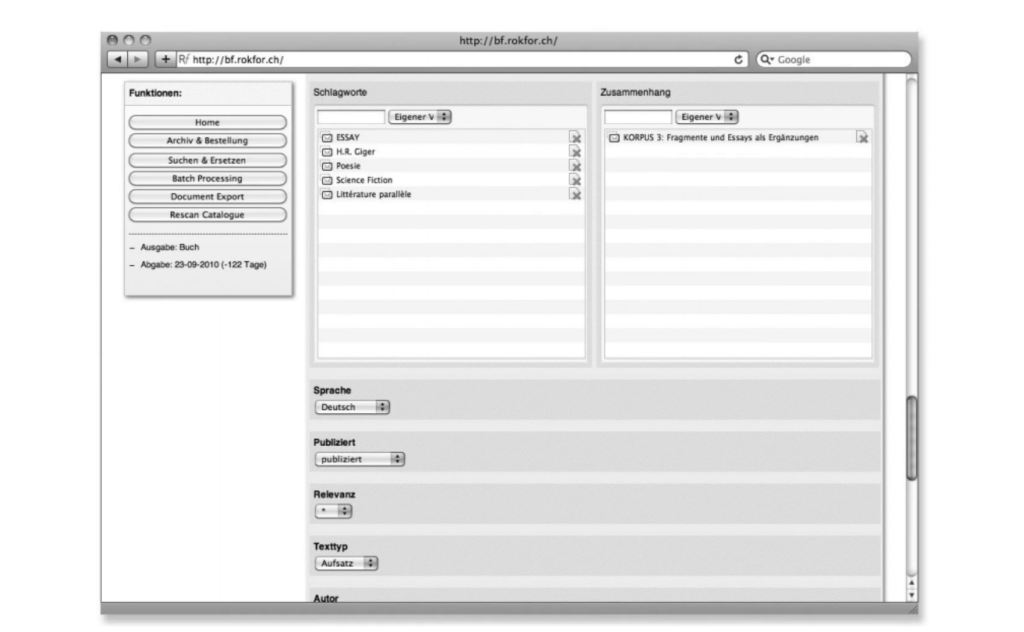
Rokfort, is a software that allows you to produce books easily from a web server application. The interface is simple and after it’s compiled you get back your PDF ready to print.
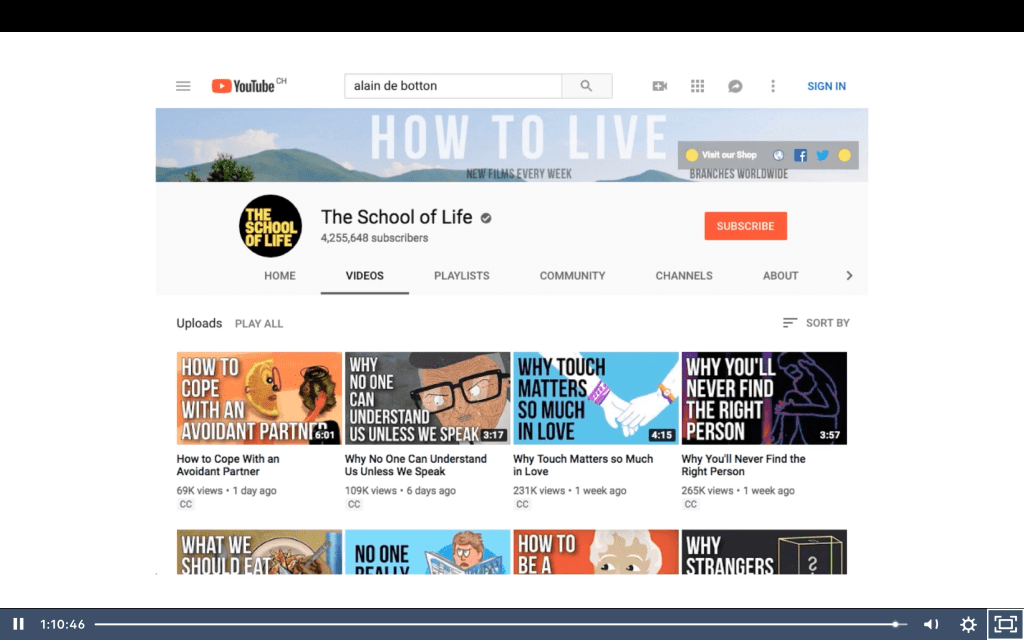
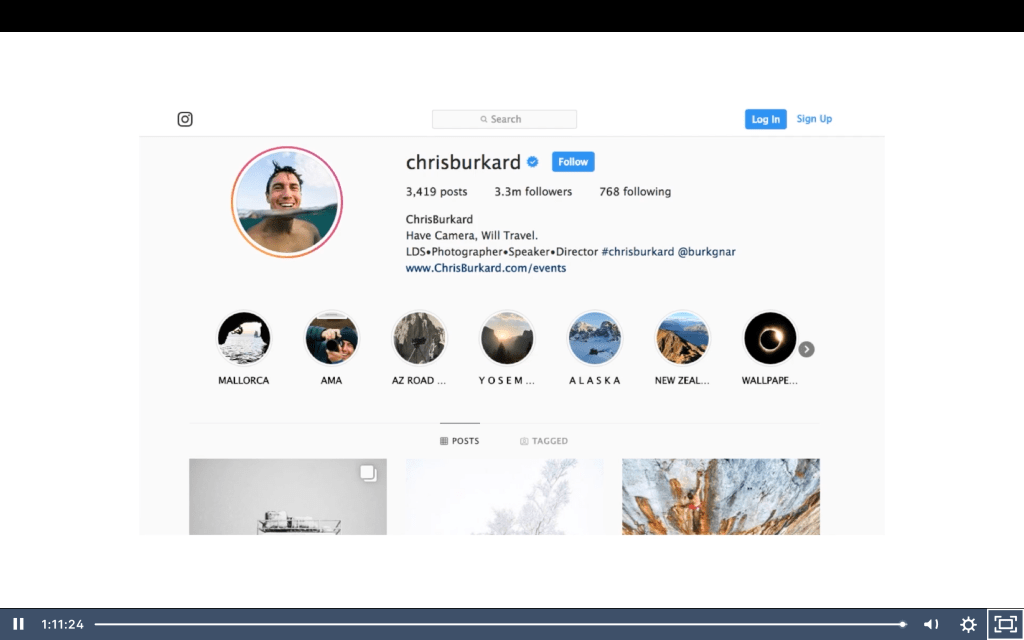
Social media is definitely the most powerful and democratic way to spread content around. Since the booming of YouTube in 2003, how we share information has changed. New jobs, like YouTuber and influencer are rising but my only concern is the industrialisation of those platforms.
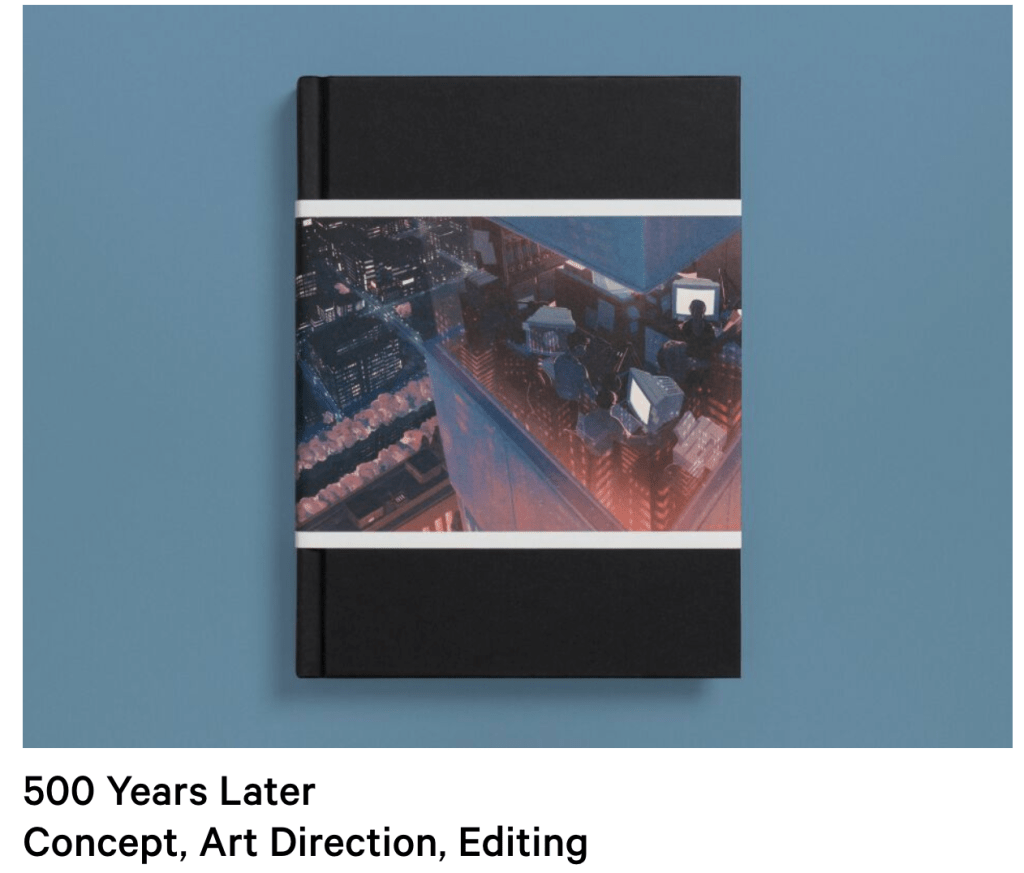
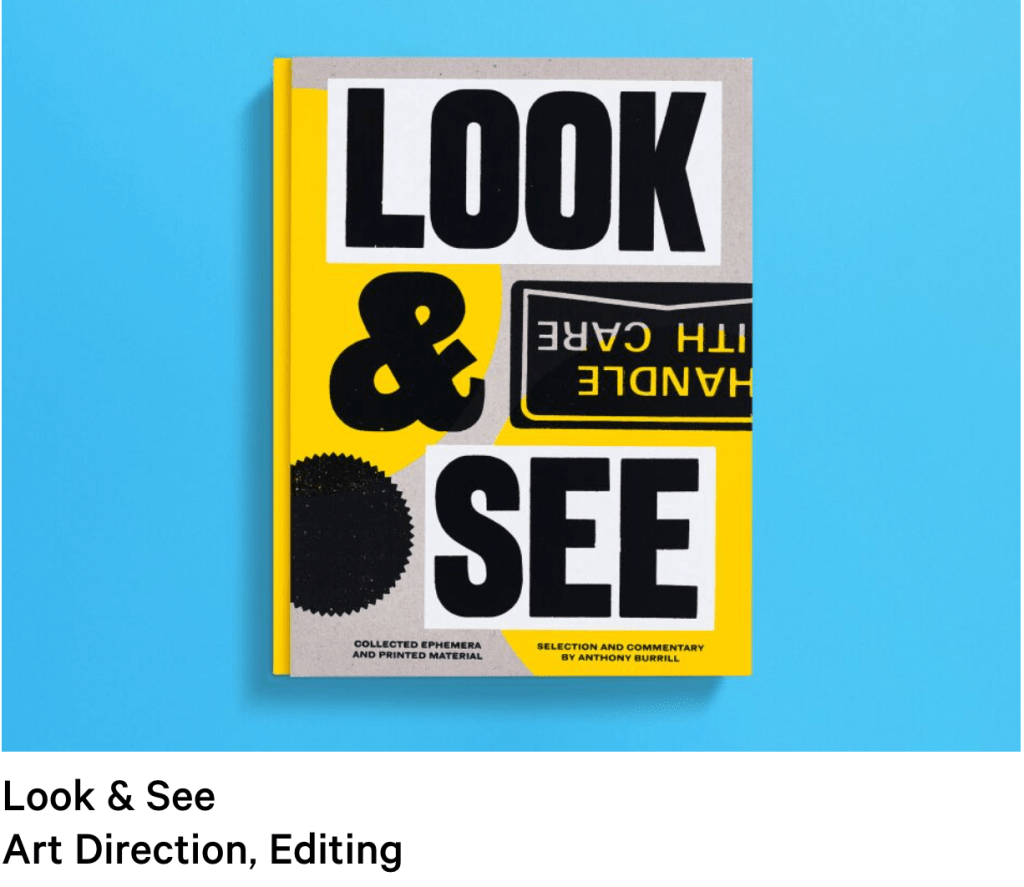
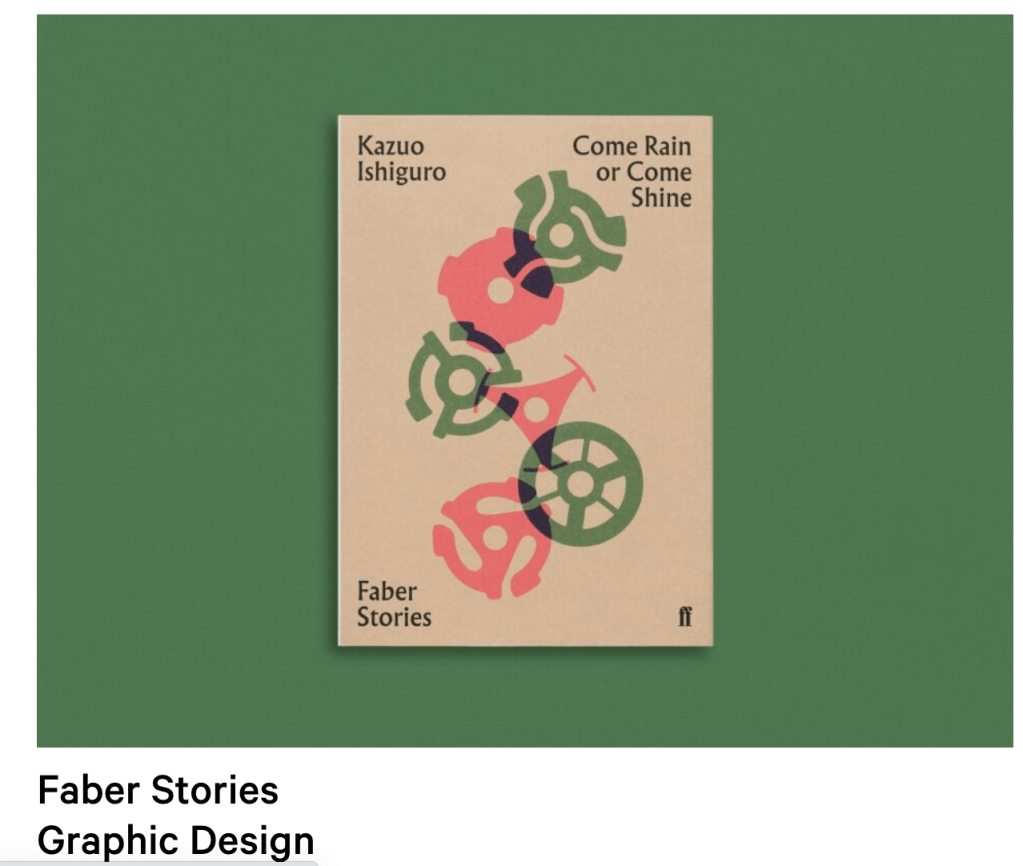
- Complete your essay and design a visual synopsis of your publication, to include the following:
- Front cover (with title and your name)
- Chapter opener
- Two double page spreads
- Back cover (using your previously written short synopsis)
- Your final design should include some or all of your full 3,000-word text and original, self generated images and export as a PDF.
- Include your complete 3,000 word article, story or essay at the back of your PDF.
- Write a short paragraph about the methods by which you might fund, promote and launch your project, if you were an independent author.
Challenge
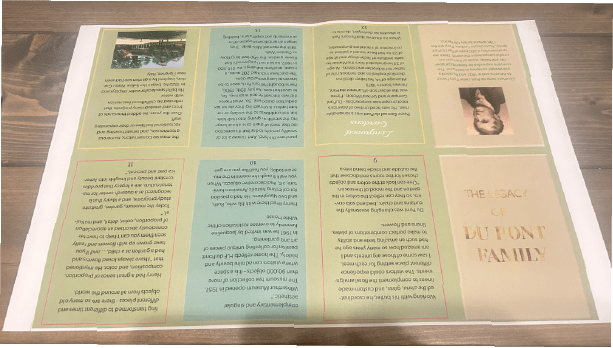

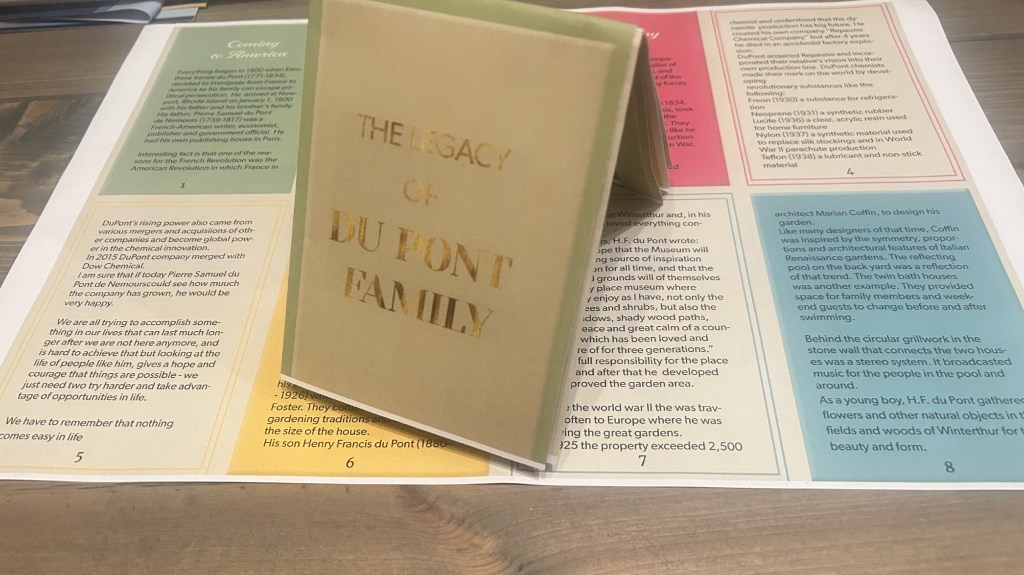
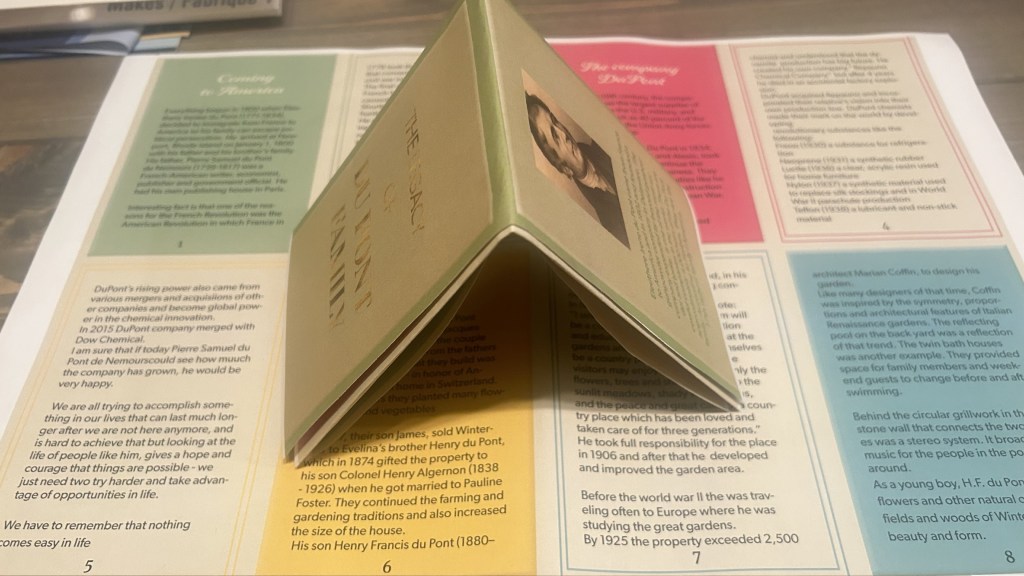
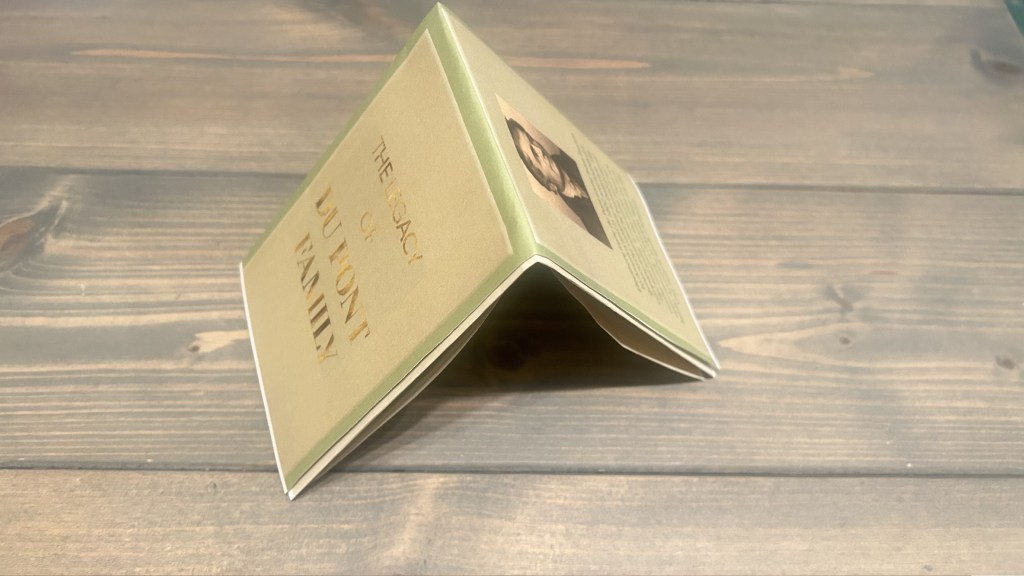
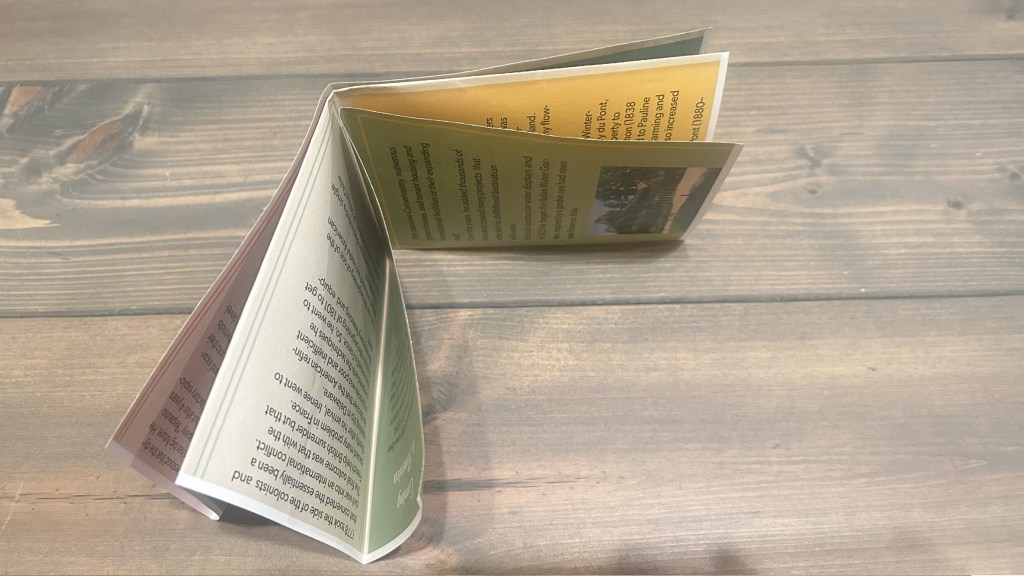
 Vicky Kafkaki - Graphic Design MA Falmouth University
Leave a comment