Georgina Lee and Jonathan Collie are co-founders of social-enterprise The Age of No Retirement and more recently the intergenerational community project The Common Room. George, with a background in design strategy and communication, and Jonathan with expertise in health and service design have formed an interdisciplinary team of researchers, designers and innovators to tackle issues related to the ageing population, ageism in society and the potential of intergenerational communities.
Working with citizens, the third sector and private organizations their work uses design-research methods and processes of engagement to collectively innovate solutions and engage the public in what is one of the most important and pressing issues of our time.
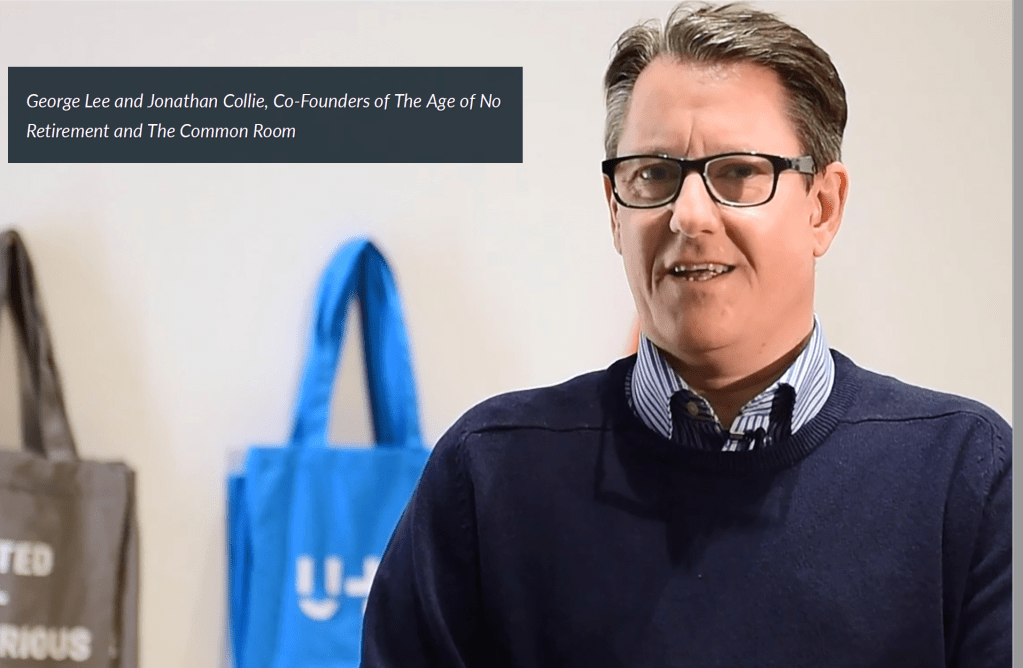
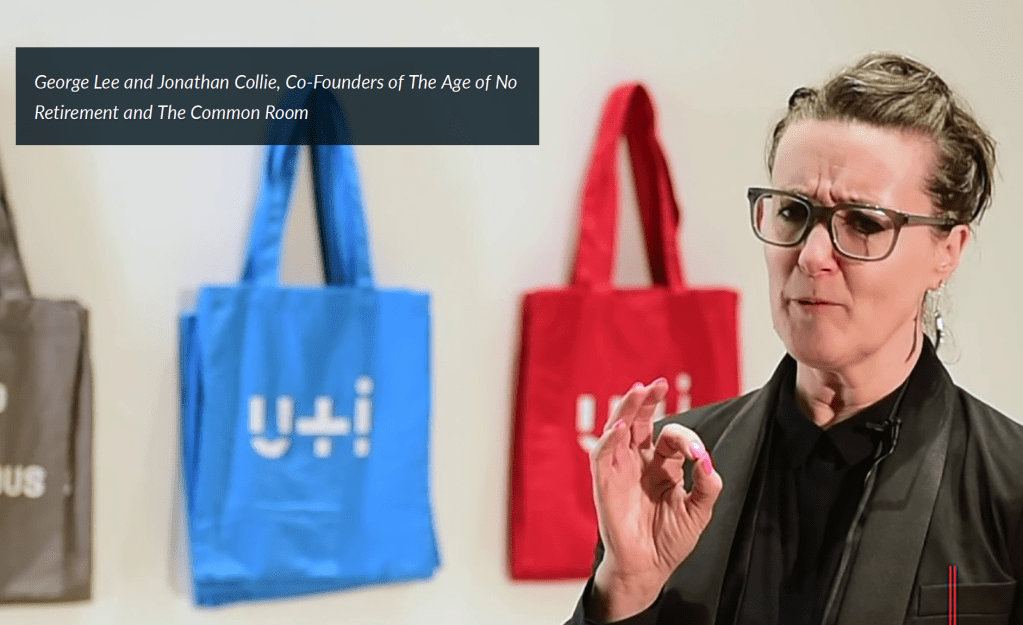
“Jonathan Collie: My name’s Jonathan Collie. I think I was always destined to build a career around creativity and innovation – but it took me a while to get there. First, I graduated as a medical doctor, and practiced for a time in the NHS. Then I entered the corporate world via an MBA, and worked on large scale health IT projects. Then I dabbled in health-tech startups, before chancing upon a tweet from the Design Council, inviting expressions of interest in the “Living Well With Dementia” service design challenge. I entered, and won. I discovered a whole new world of creativity, innovation, dynamism, change, potential and impact.
At first, my introduction to the world of the double-diamond design process was a difficult one – transitioning from a clinical and corporate background where you need to know the answers, to a design-led world where assuming or knowing too much is the enemy of discovery.
I loved this new world, and I’ve never looked back.”
‘Our central aim is to create an ageless world. A world where our age — whether we are 8or 108 — doesn’t define us or the opportunities available to us. We work with businesses (large and small), government (national and local) and people (older and younger) to create products and services, and places to live and work, which work for us throughout our whole life course.
We are living 100-year lives, with potential 60-year careers. Now is the time to tear up the rule books on age and to think and act differently.
My particular passion is how we can address the growing divisions between the ages. We have a belief that 1 + 1 = 3, older + younger = greater happiness, success, longevity and well-being. It is time to bring us all together. The world needs collective wisdom.”
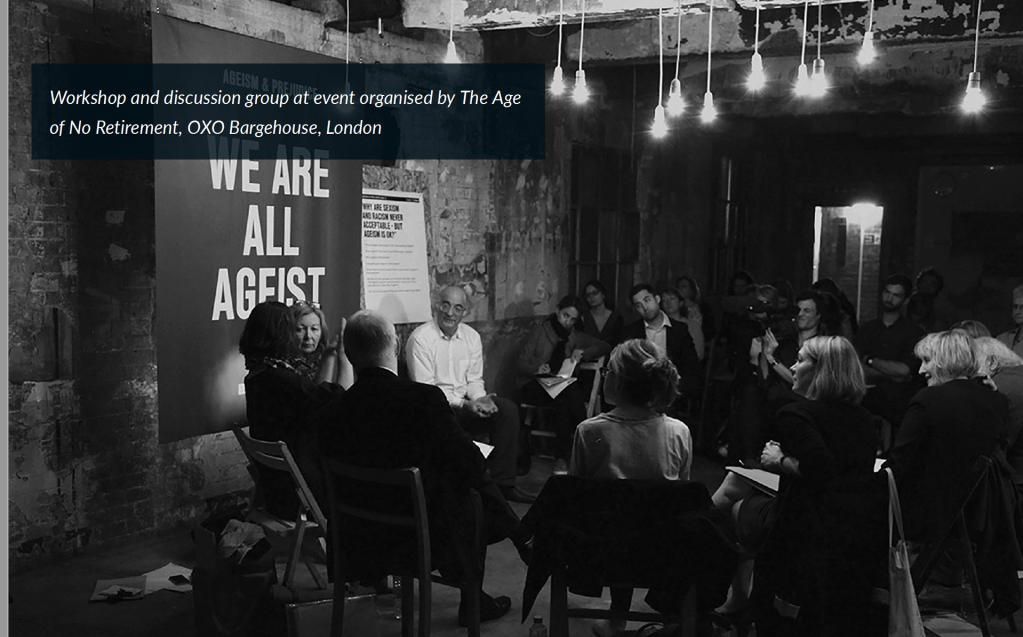
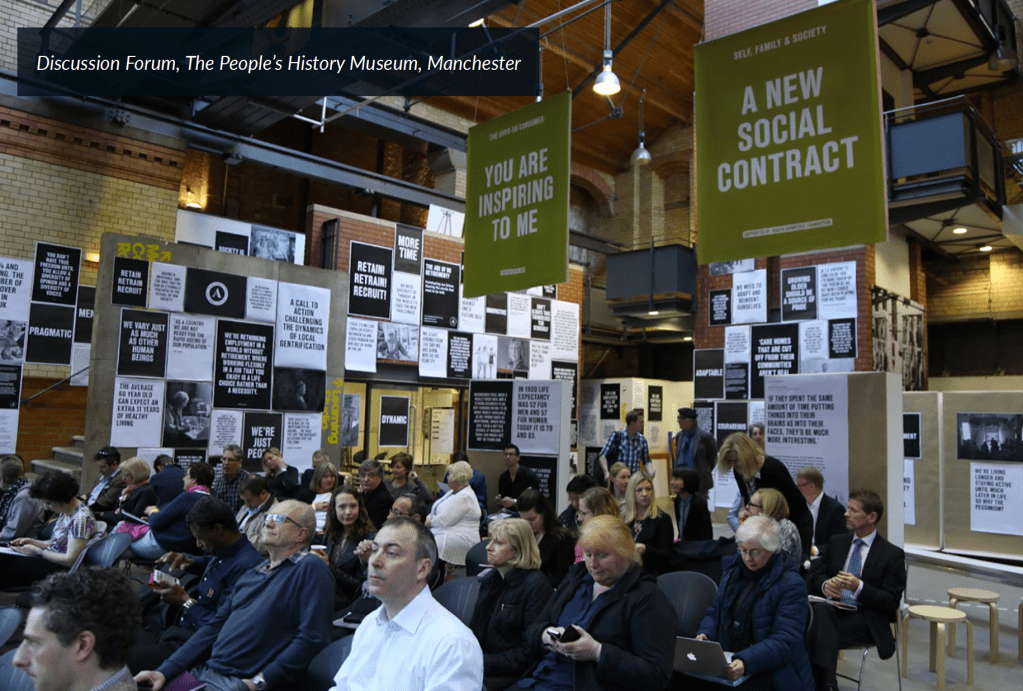
It began as a government-funded design-led social research project. Our starting hypothesis was: “Our urban communities are broken. They are more like groups of strangers, than the intergenerational, interdependent communities.
We must reverse this trend, and draw people of all ages inwards and reconnect them in inspiring ways to help each person achieve greater things in life, and become a more valued and participating citizen of the world.”
“Design is what links creativity and innovation. It shapes ideas to become practical and attractive propositions for users or customers. Design may be described as creativity deployed to a specific end.” — The Cox Review of Creativity in Business, 2005.
Stage 1: Discover
Stage 2: Define
Stage 3: Develop
George Lee: I am passionately committed to human centred design. This is NOT googling what has been done already but getting out into the community. We use a range of methods in combination — one to one interviews, walking tours, observations, creative workshops, meditations, storytelling, surveys, language analysis.
The richer range of methods the better.
In EVERY single case engaging with real people has provided the most wonderful insightful seeds for development. Now, I’m not saying that you just ask people what they want. As Henry Ford once said, “if you ask people what they want, they will say a faster horse”. What I am saying is that we need to find out what people are feeling, what is making them frustrated and why, what is delighting them and why, what they think they want and why. It is about going deep. Being brave enough to keep on asking why, why, why until you get the real essence fo what collective people are feeling and really needing.
George Lee: As my mentor and friend, the great industrial designer, Patti Moore, once said “Design can able us, or can disable us”. Everything we interact with has been designed. And the majority of it, poorly.
Good design doesn’t cost any more than bad design. All the world needs is good designers.
And good designers come from working with, observing, and studying real people. It is so important that designers lend their skills and attention to helping to engage people in issues that effect them, activate debate and discussion and involve them directly in design decision-making processes.
One of the reasons we started The Age of No Retirement was that nothing was changing. It was the same people, having the same conversations about the same problems. People were wedded to the dated thinking around around aging.
There was paralysis. We knew that bringing in design thinking and open conversation and creative explorations using as many diverse voices as possible, that is where we would find change.
It is often the people who are marginalized who have the insights which can make life better for all people. It can be daunting and difficult to connect with some of these groups. But if we can create products, services and places to live and work for the most in need, then we will make life work better for all of us.
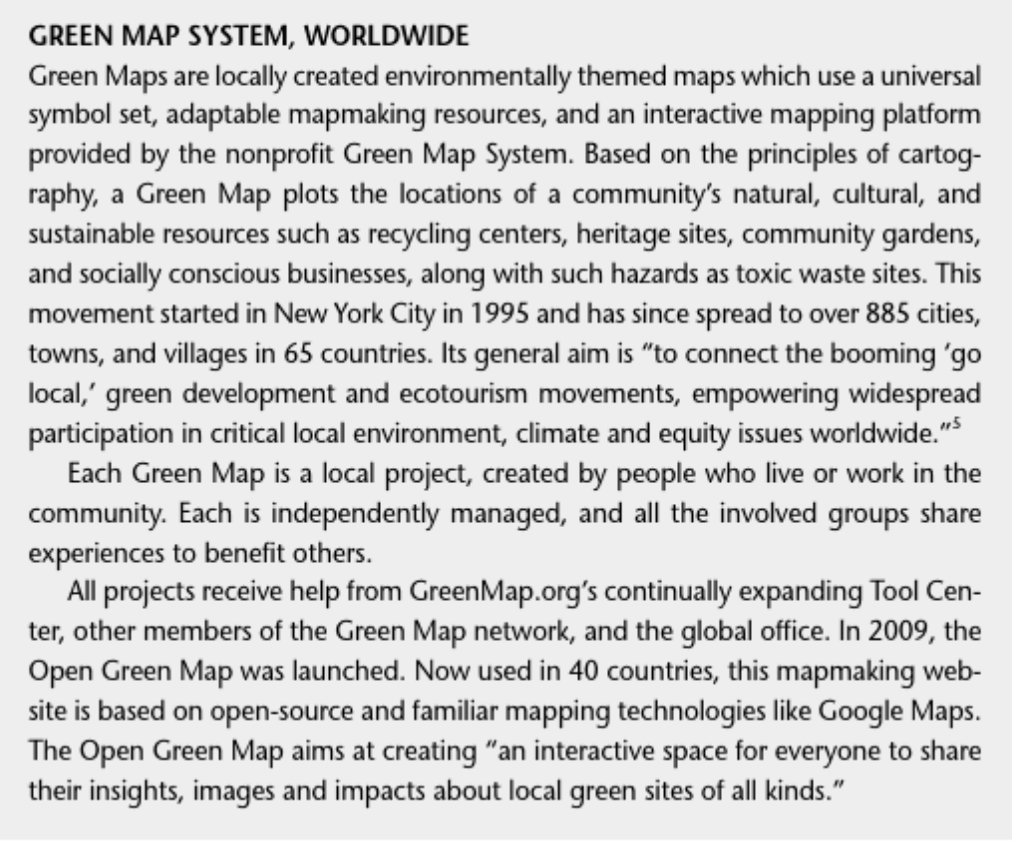
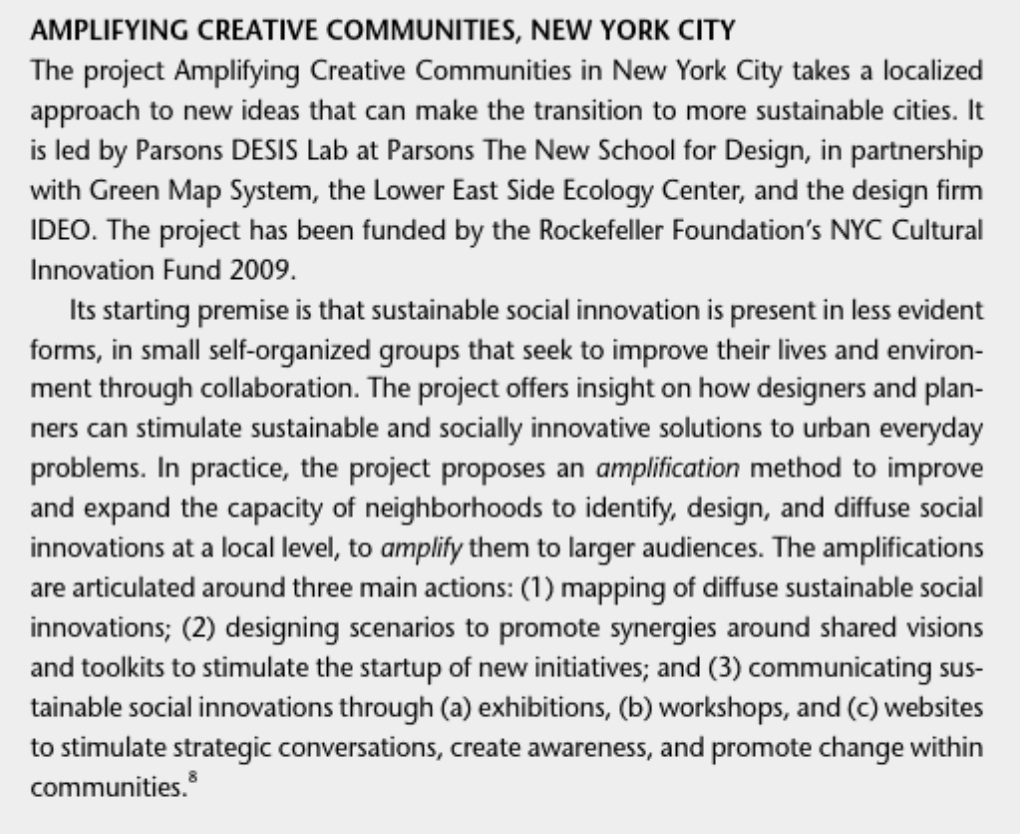
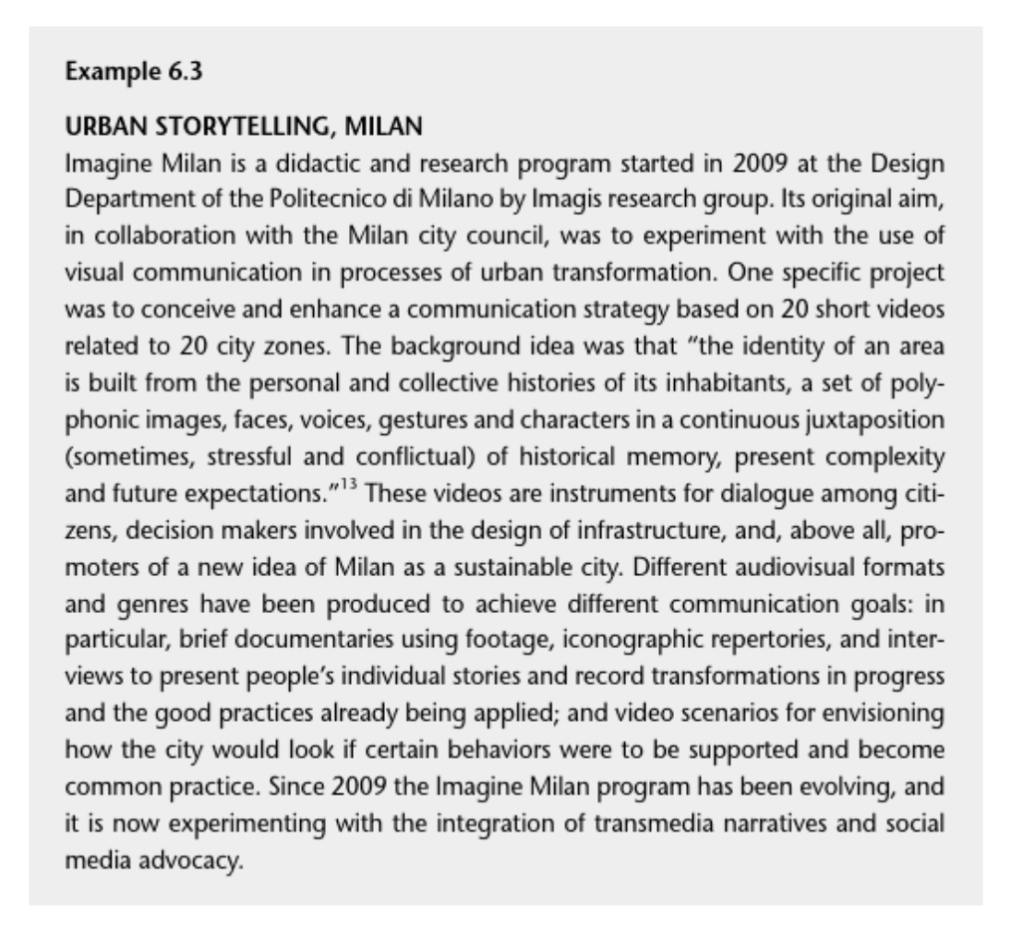
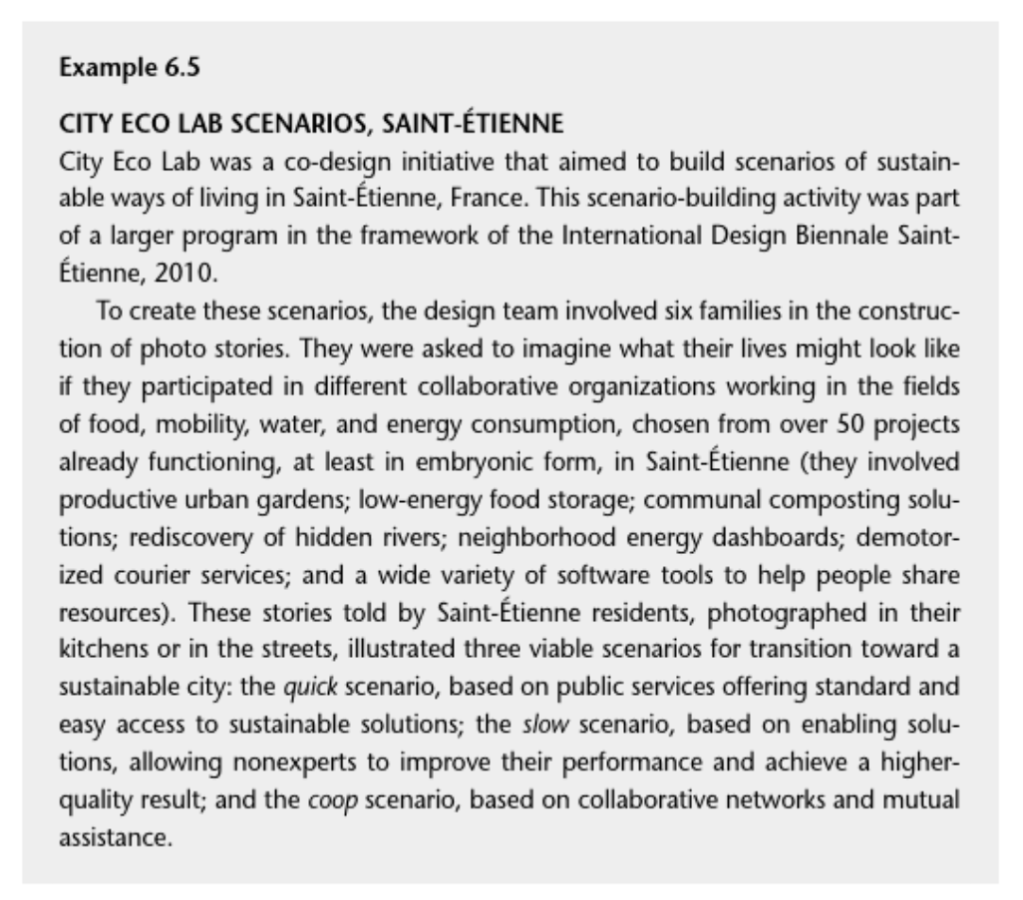
One tool that enables us to deal with difficult topics, putting together what is there now and what we would like it to be, is storytelling: “a specific structure of narrative with a specific style and set of characters and which includes a sense of completeness. Through this sharing of experience we use stories to pass on accumulated wisdom, beliefs, and values.”
This experience, like many others, shows how storytelling, especially video storytelling, can contribute to the rebuilding of relationships between people and thee space they live in, and thus rebuilding the idea of place.
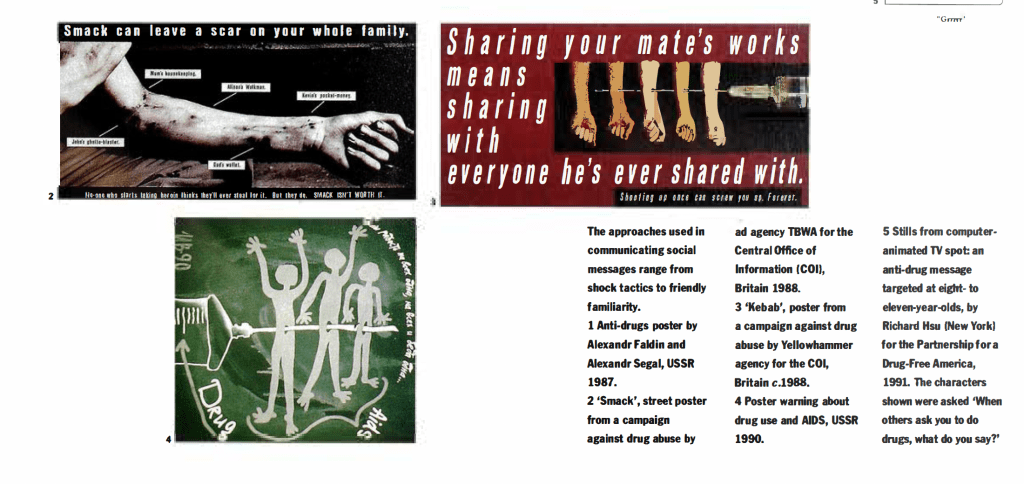
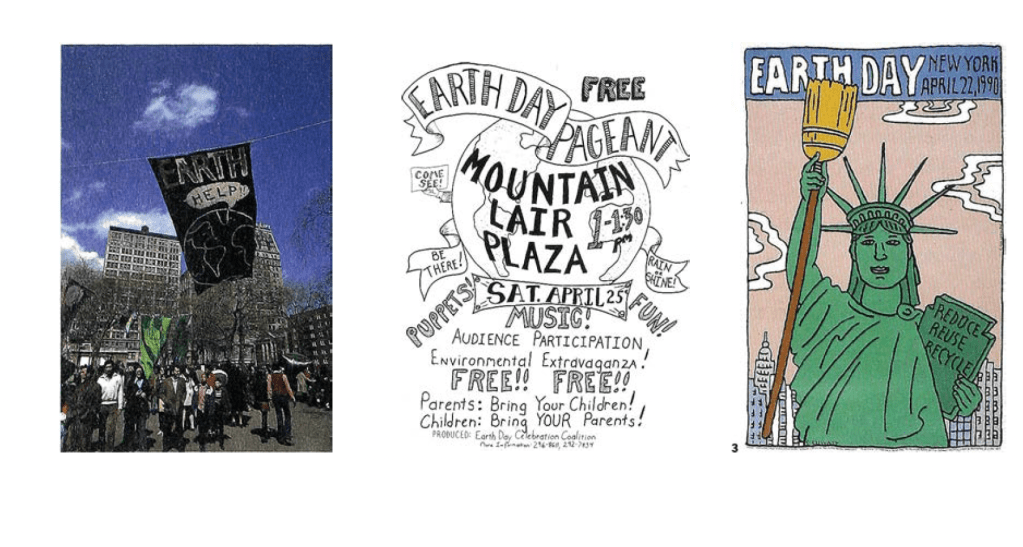
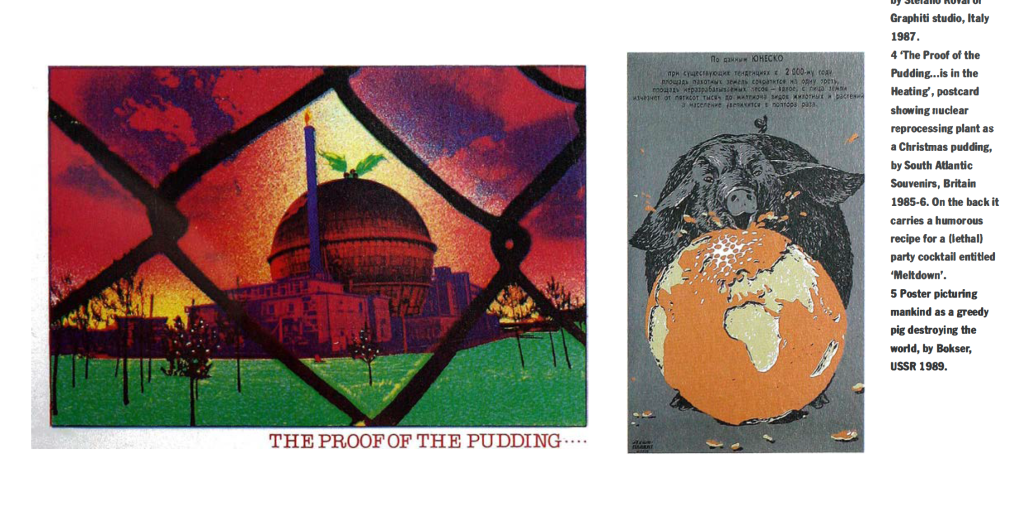
Propaganda and protest graphics
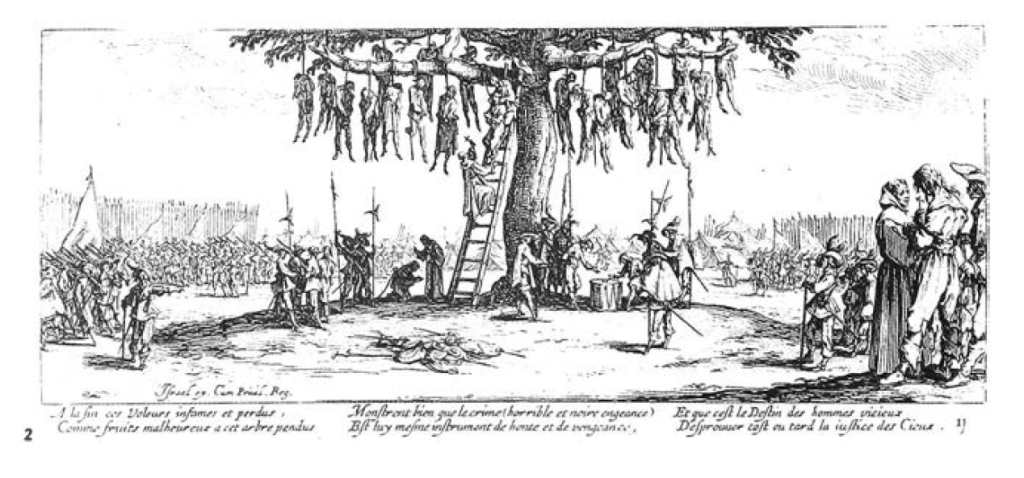
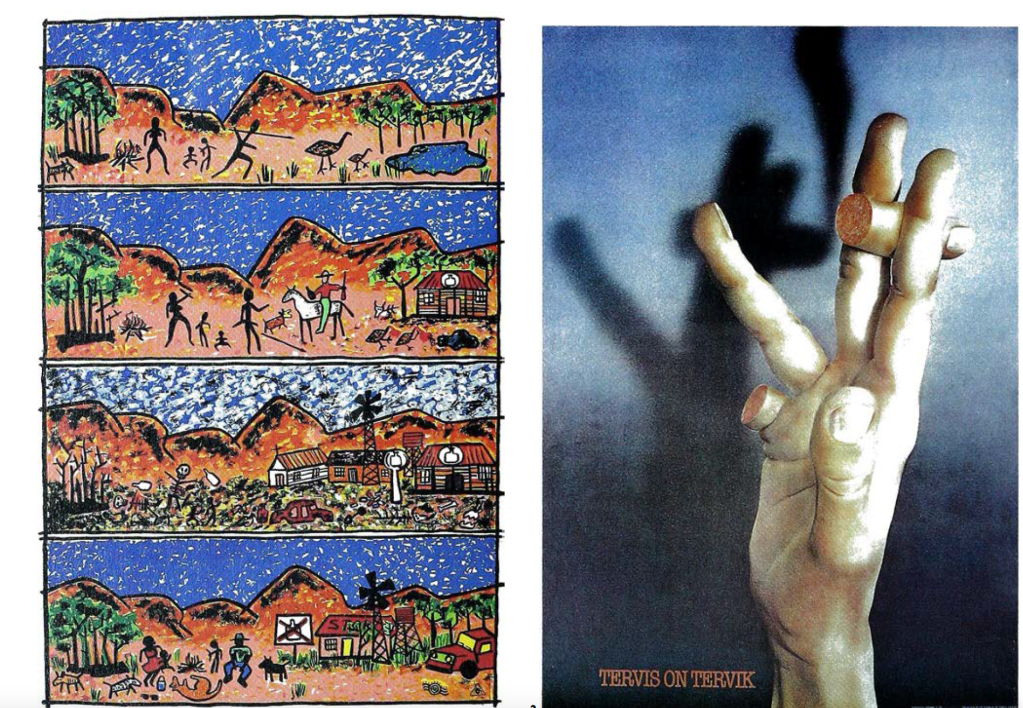
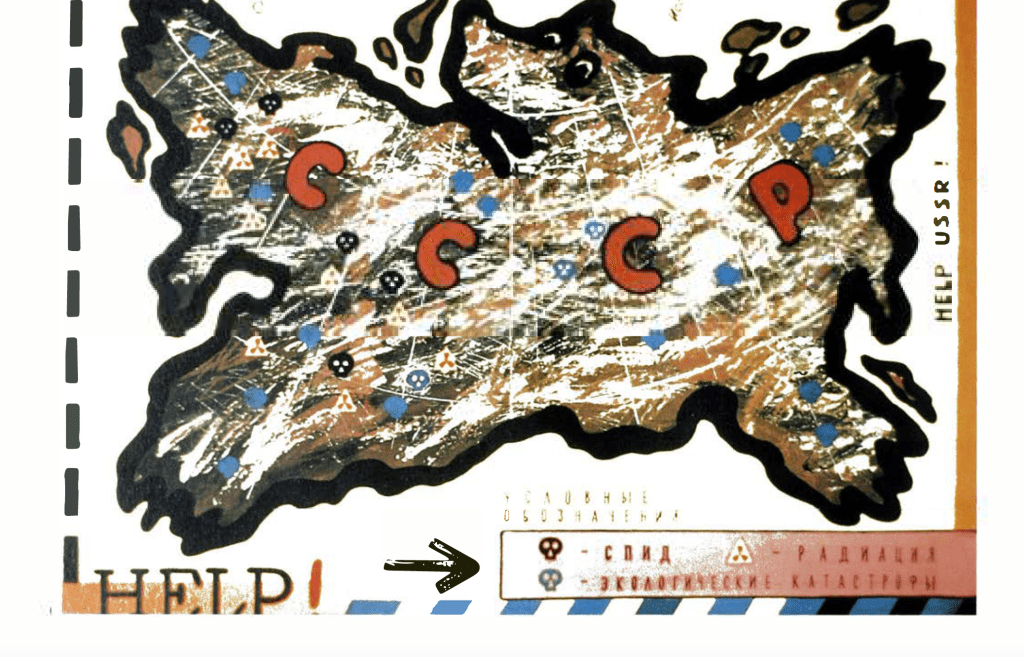
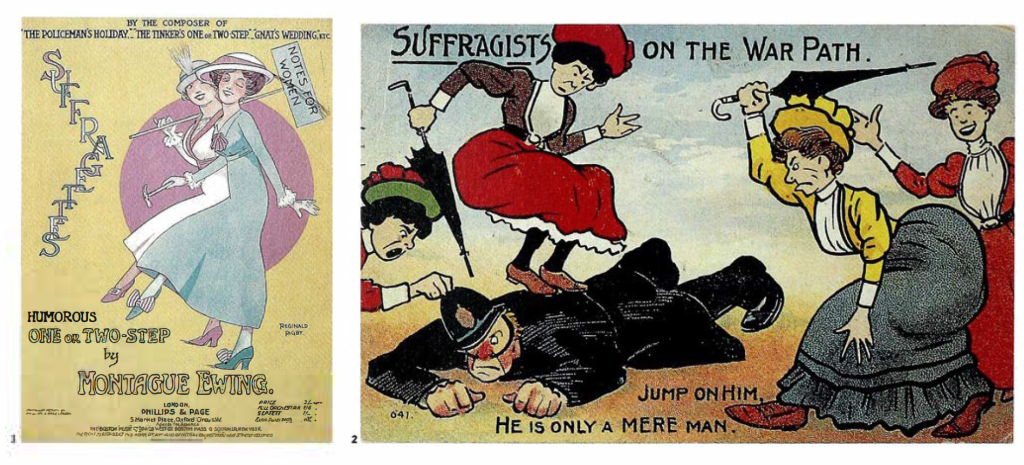
Pro Propaganda and protest through the graphic arts have a long and turbulent history that stretches far back over the centuries, and shadows developments in print technology. cartooning, pamphleting, graffiti and other types of agitation in current usage all have roots in the very distant past.
Poster promoting the purchase of shares in the state merchant air service, designed by Alexander Rodchenko, 1923.

Poster for Dziga Vertov’s film Hino G/az (Cinema Eye), designed by Alexander Rodchenko, 1924.

Railways advertisement by Vladimir Mayakovsky, in the form of a serialized window poster as pioneered by ROSTA, c.1920

 Vicky Kafkaki - Graphic Design MA Falmouth University
Leave a comment