This week we were introduce to graphic design studios and advertising agencies with offices around the globe, we examine how graphic design studios adapt to emerging global trends and analyse the creative output of global graphic design studios to demonstrate how they engage with local audiences.
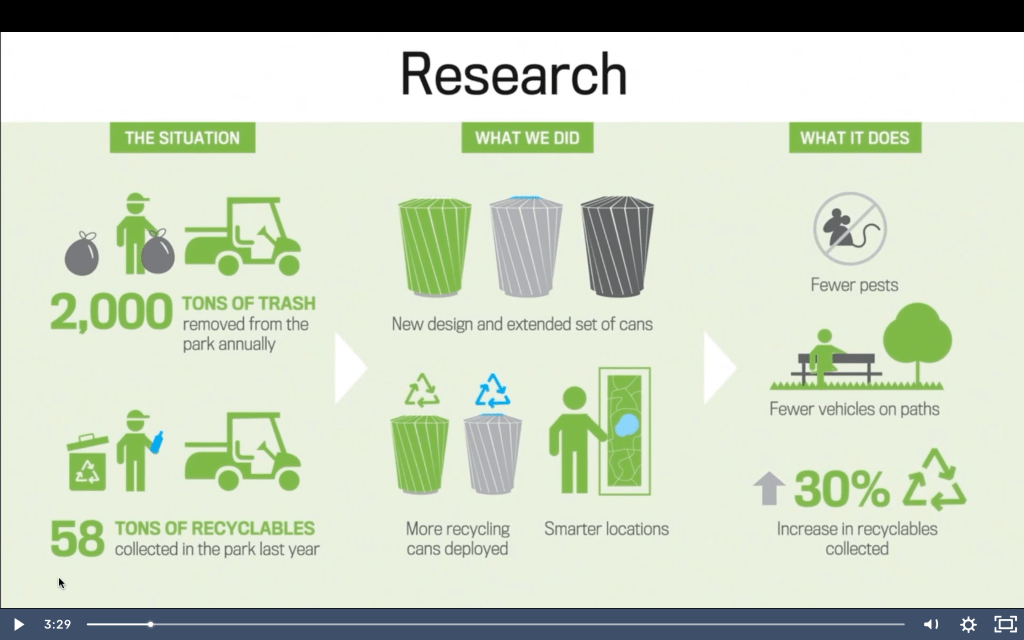
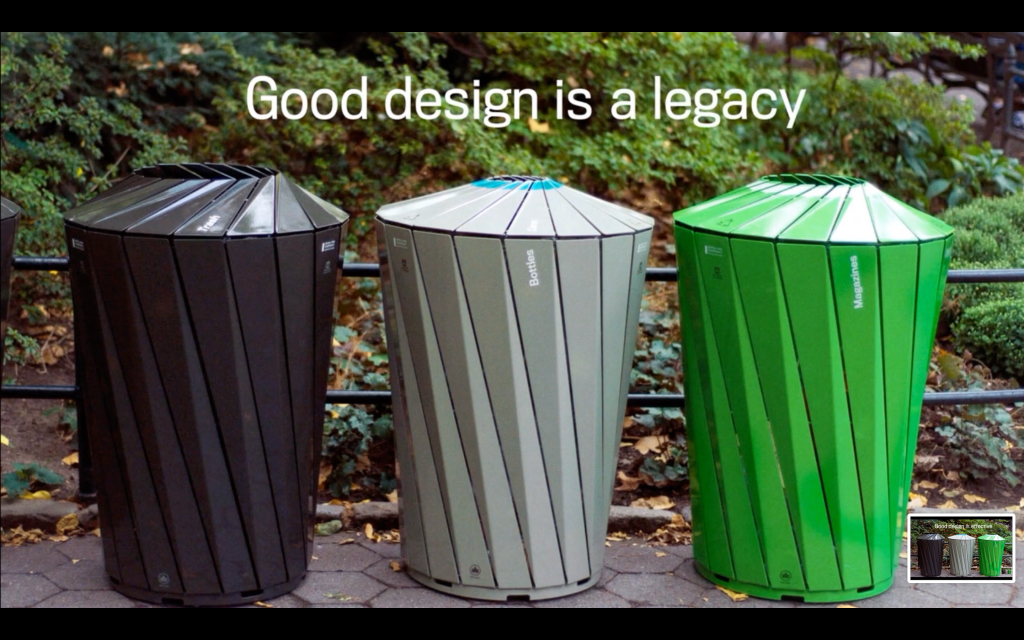
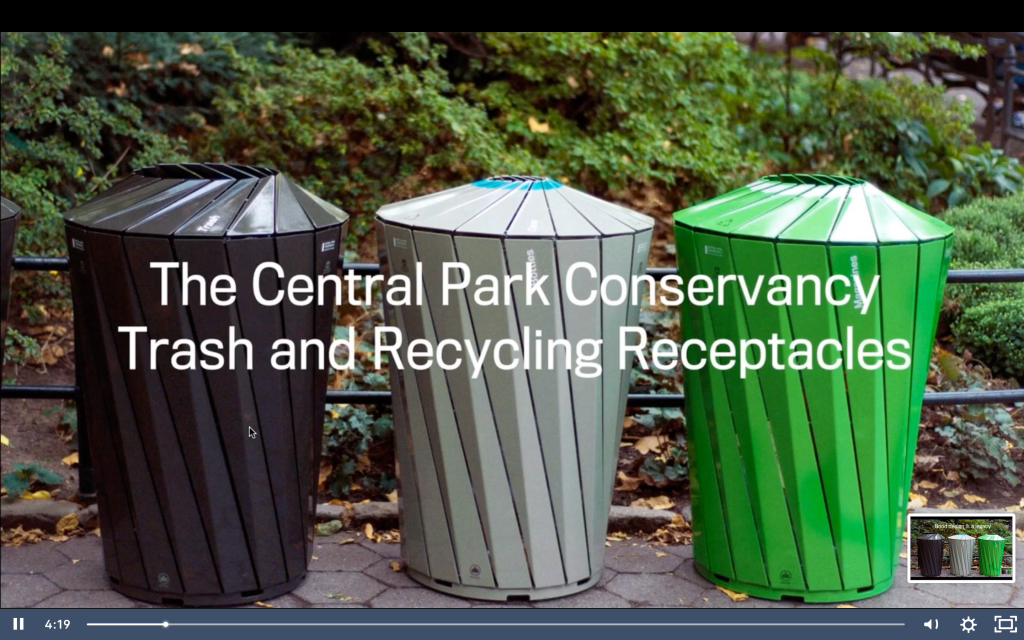
Waste and recycling project created for the Central Park in New York
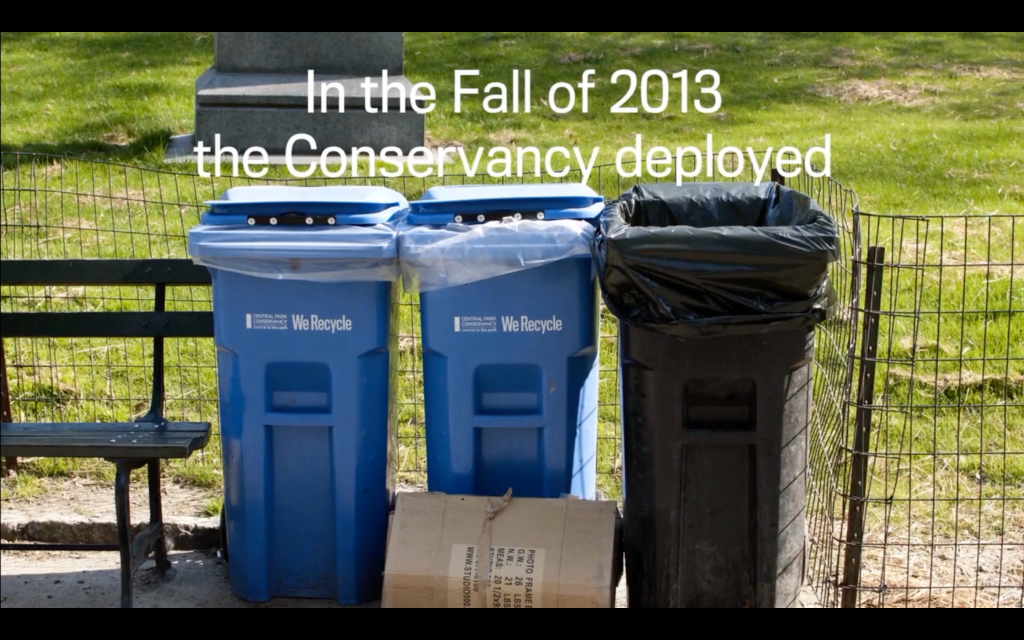
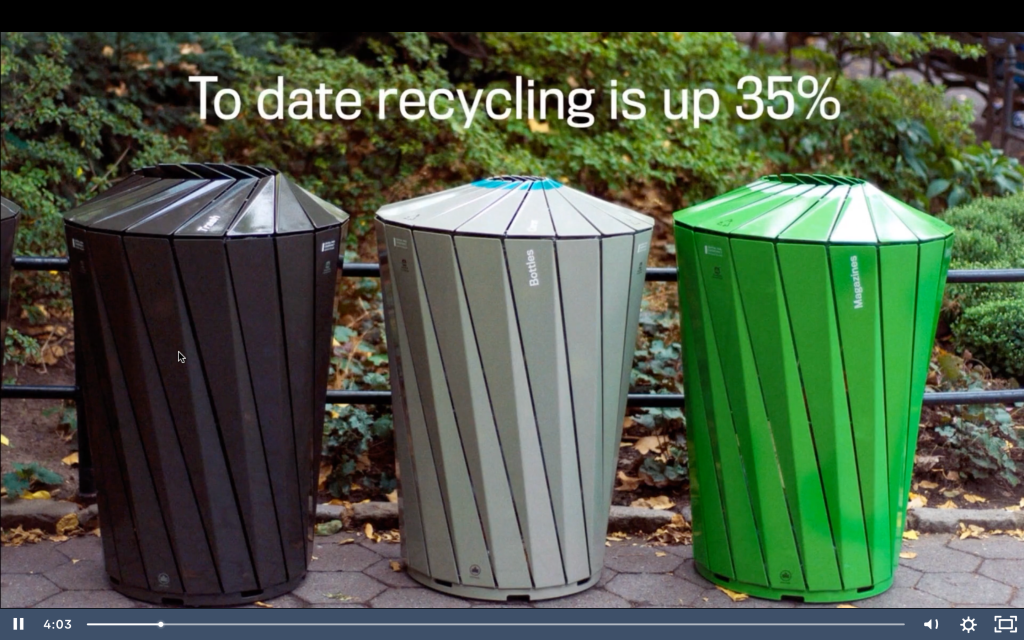
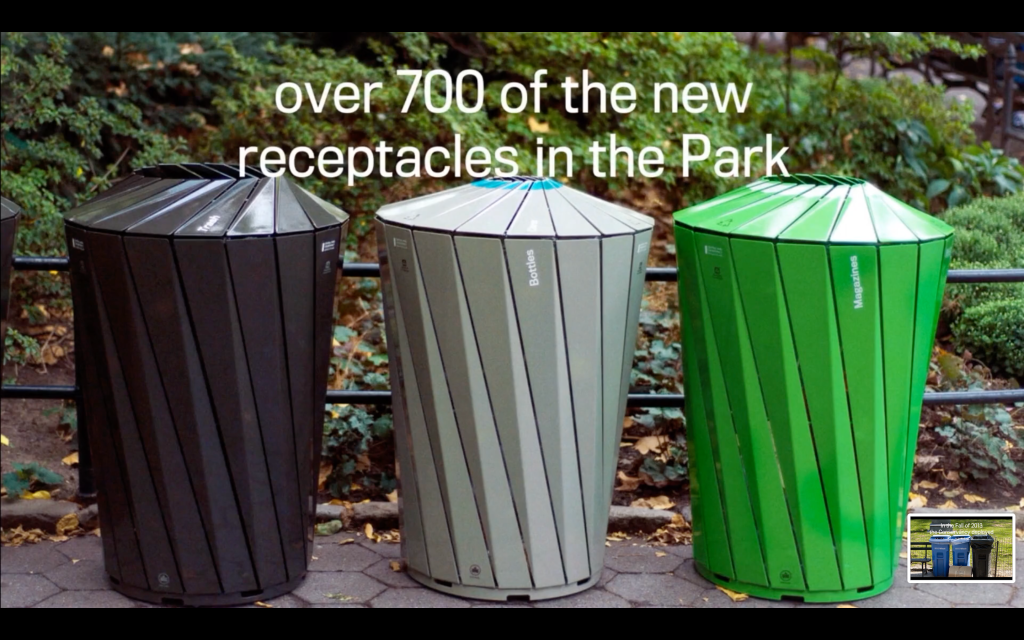
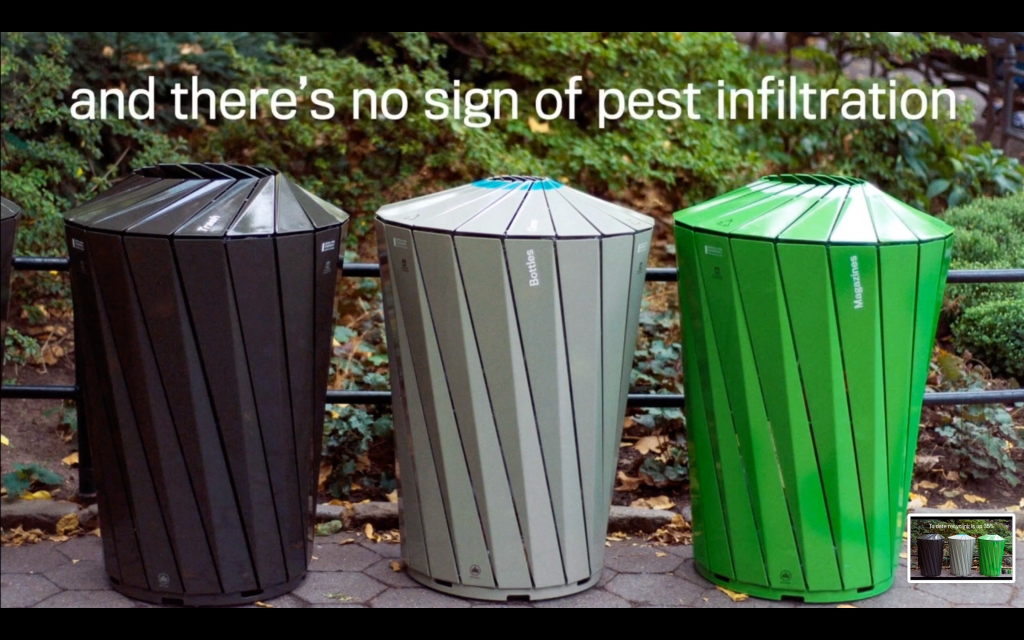
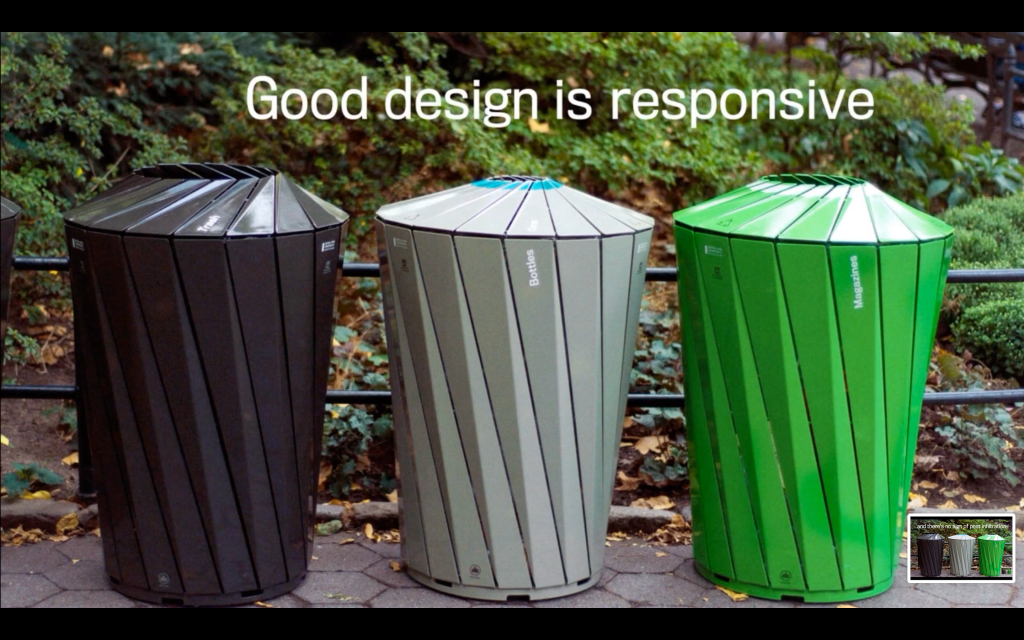
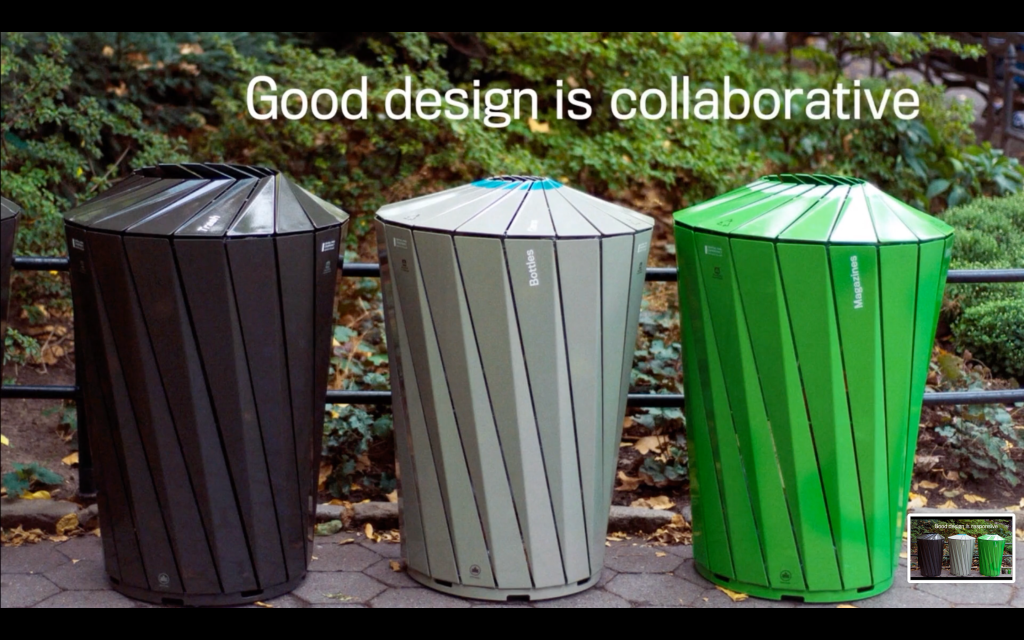
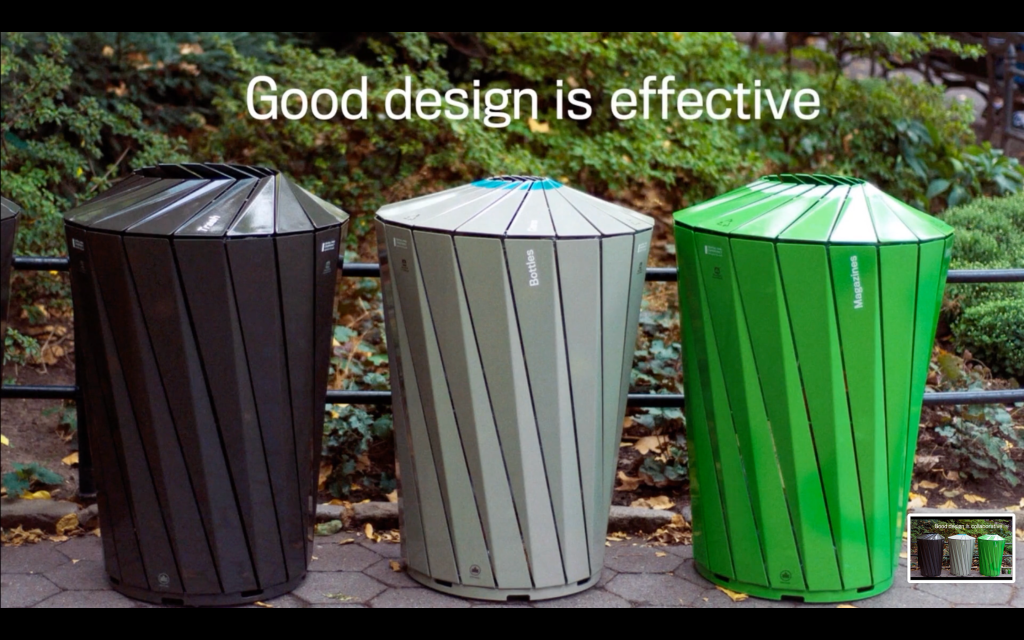
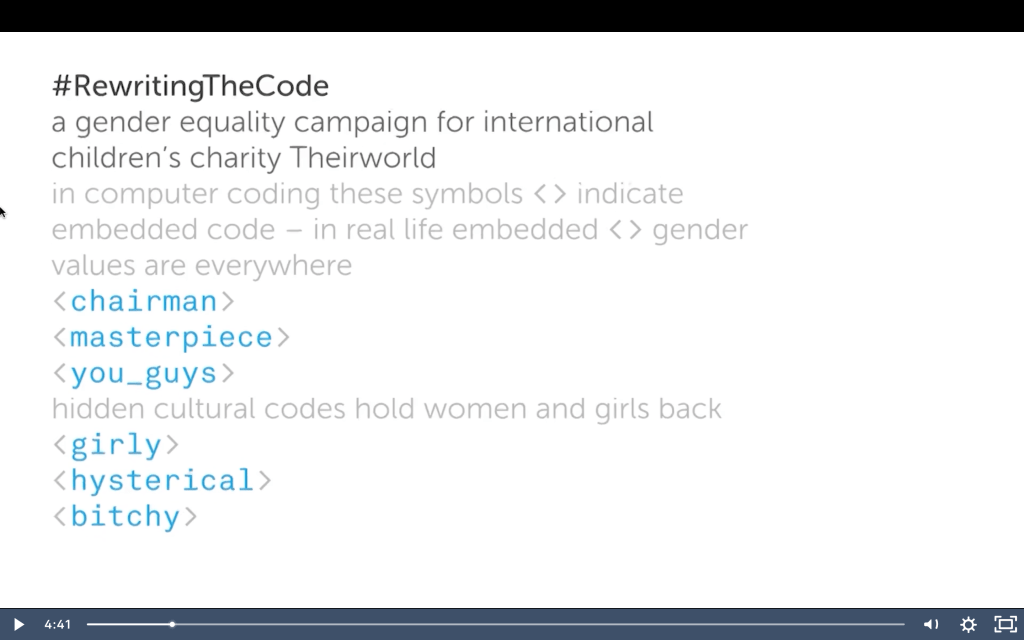
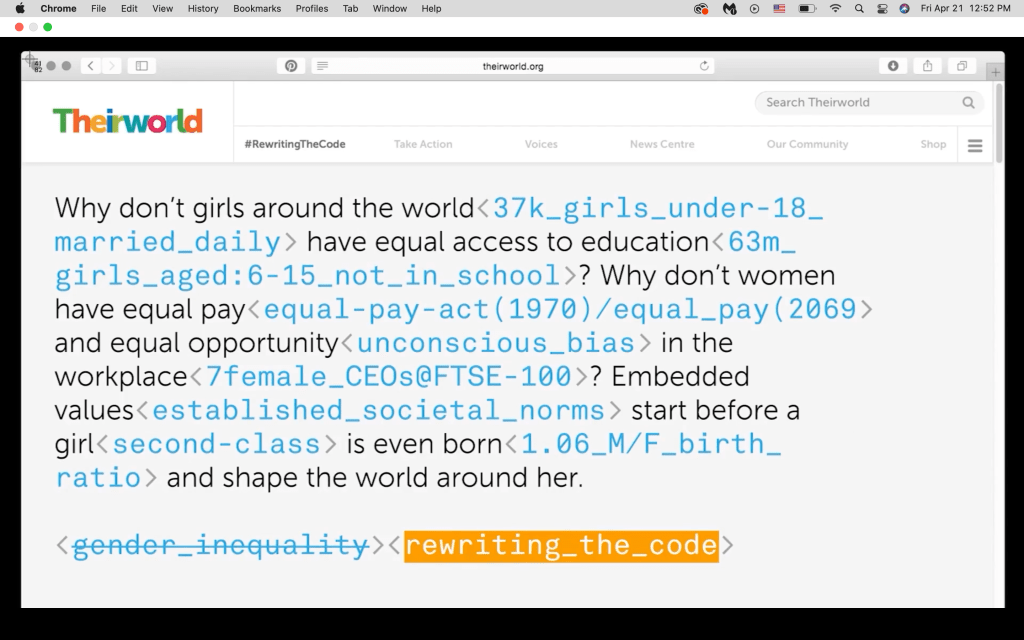
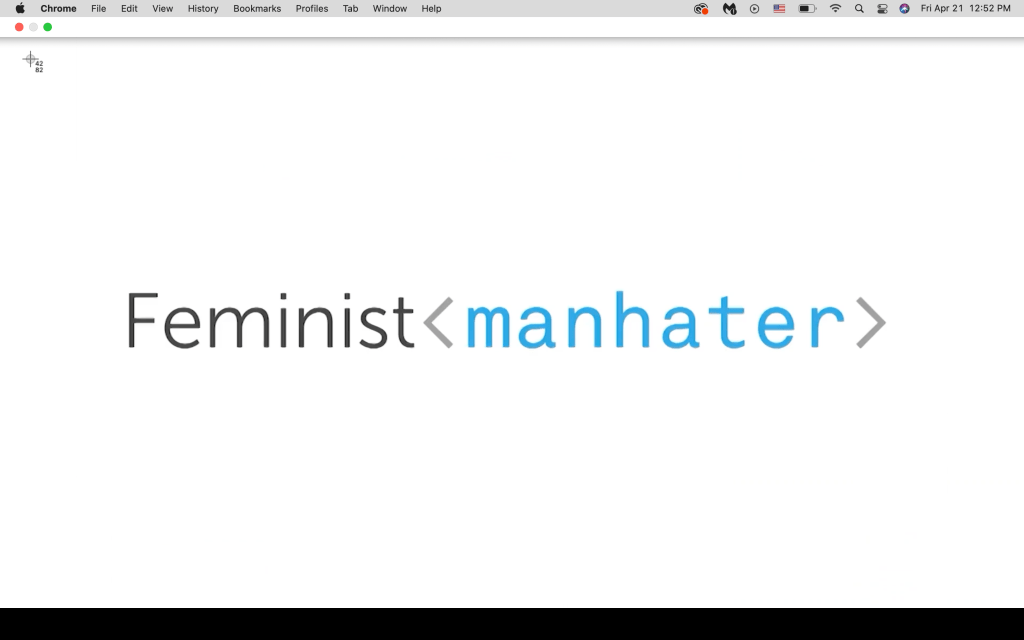
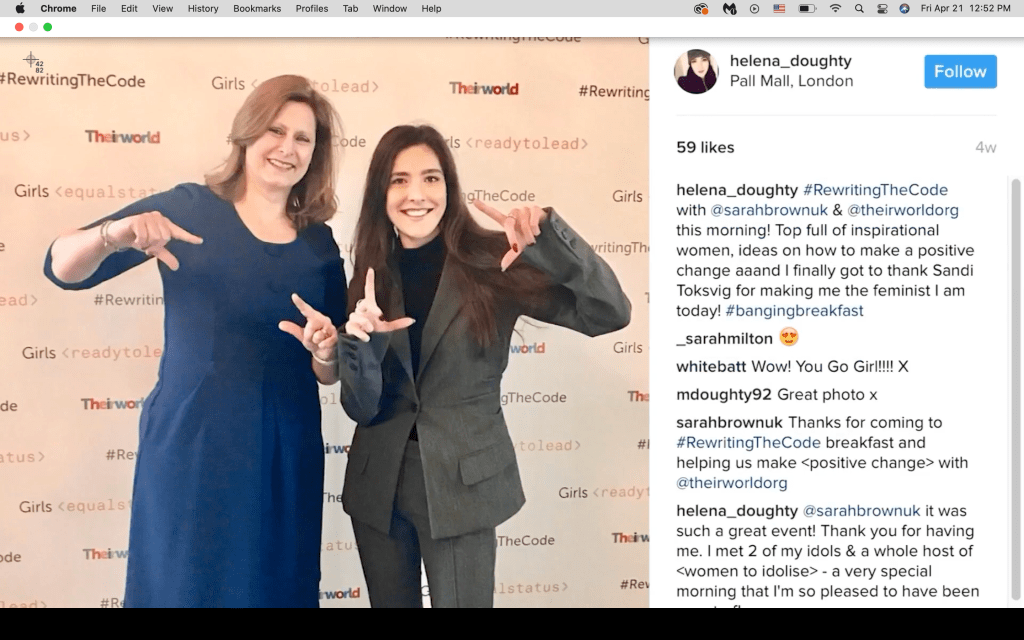
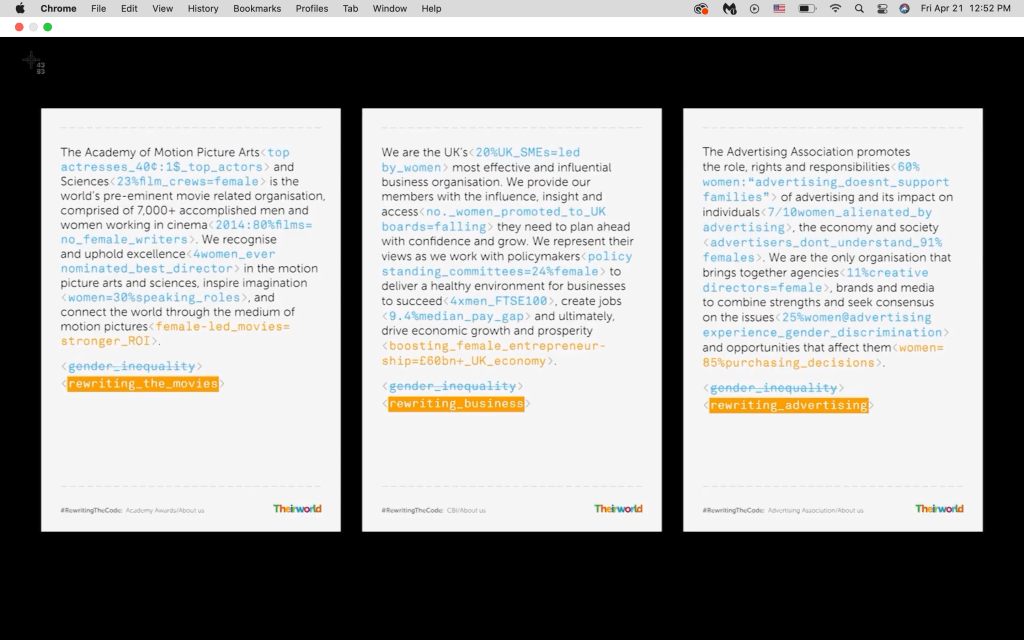
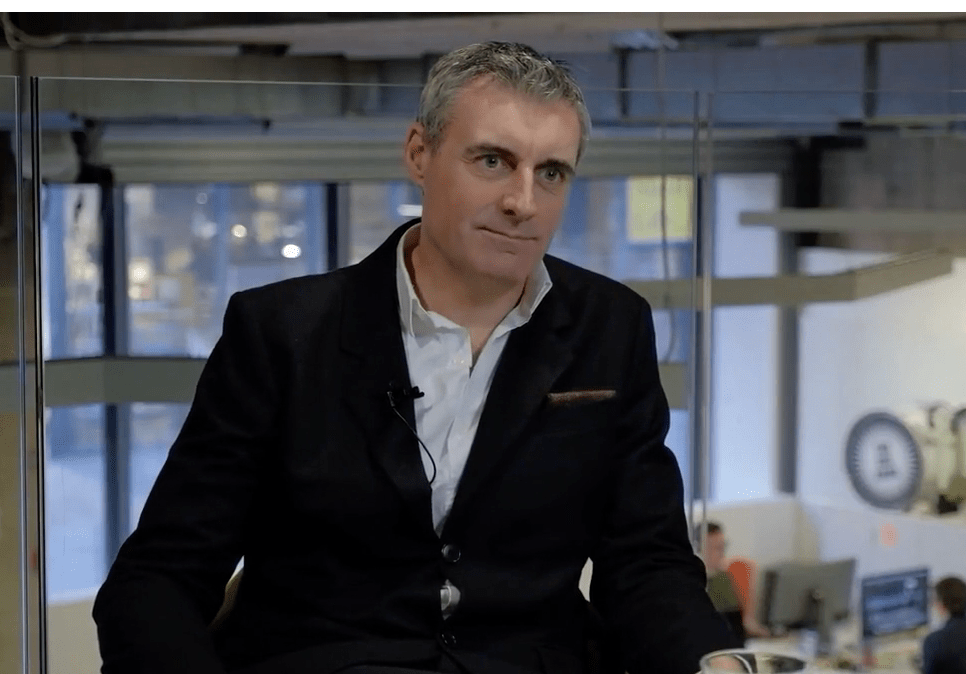
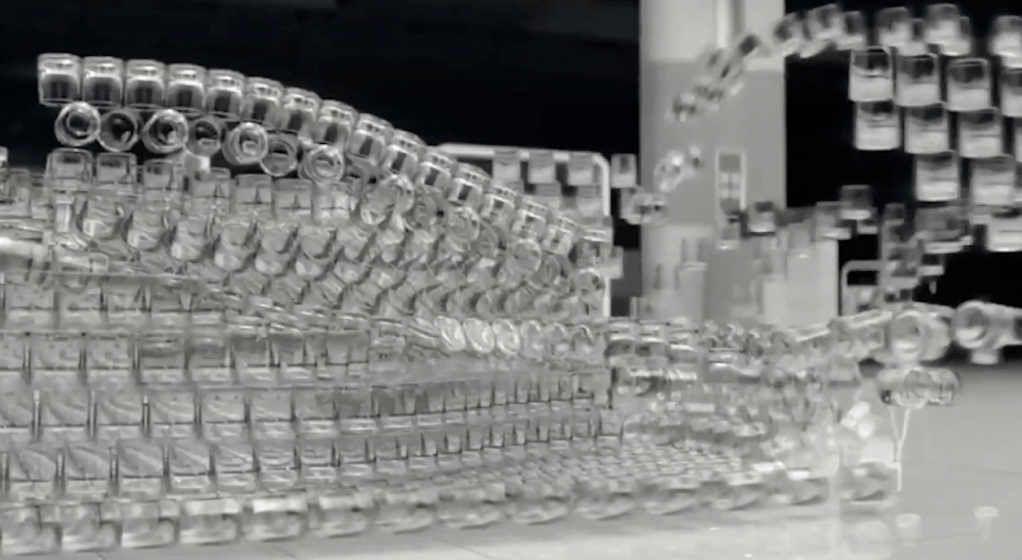
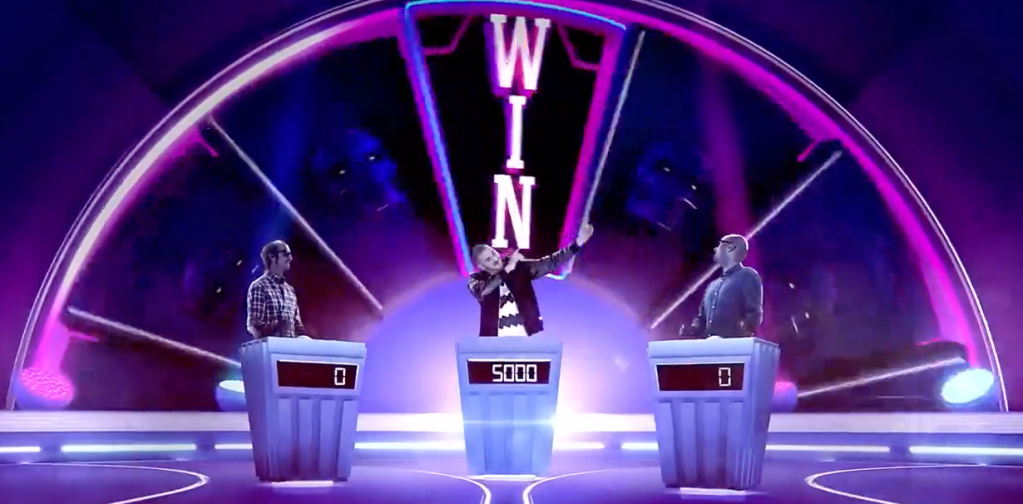
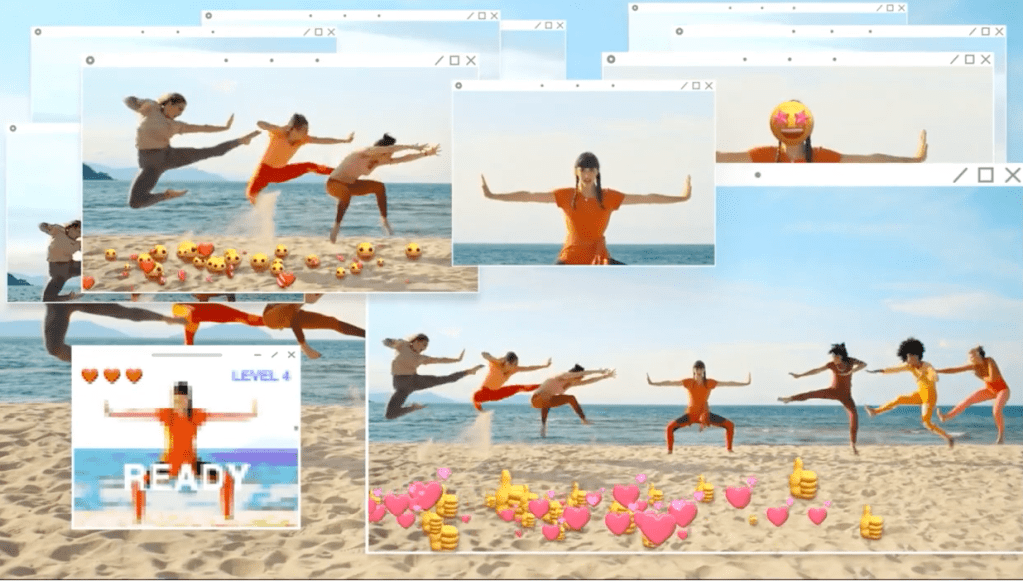
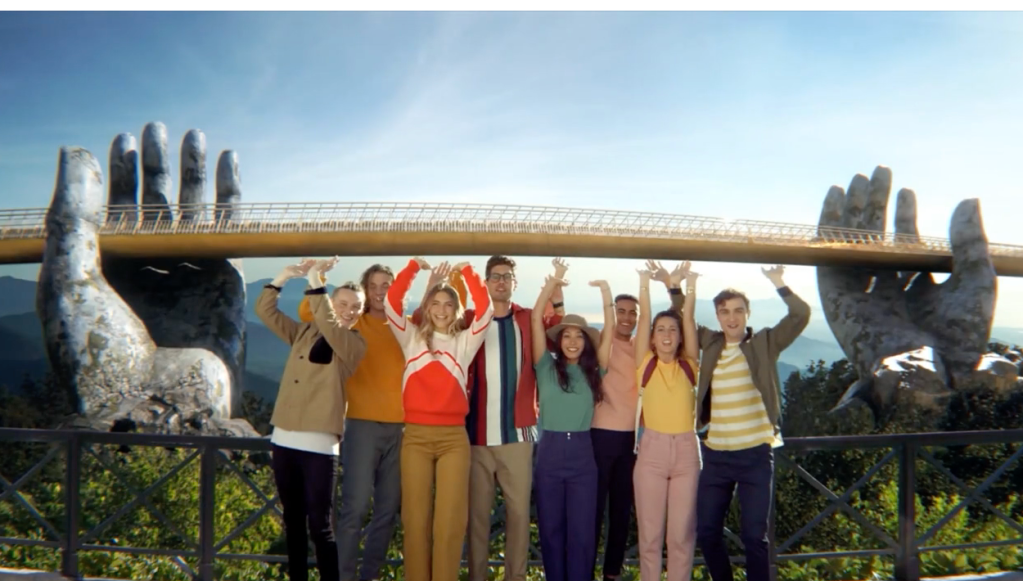
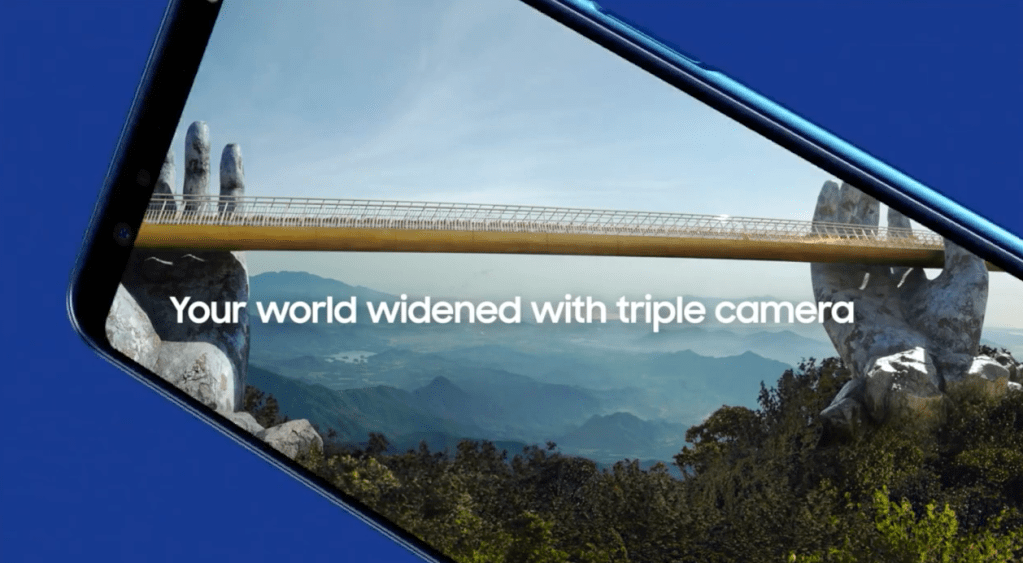
‘Rewriting the Code’ – film created by Superunion, a recently established global design studio that was created by the amalgamation of five design studios.

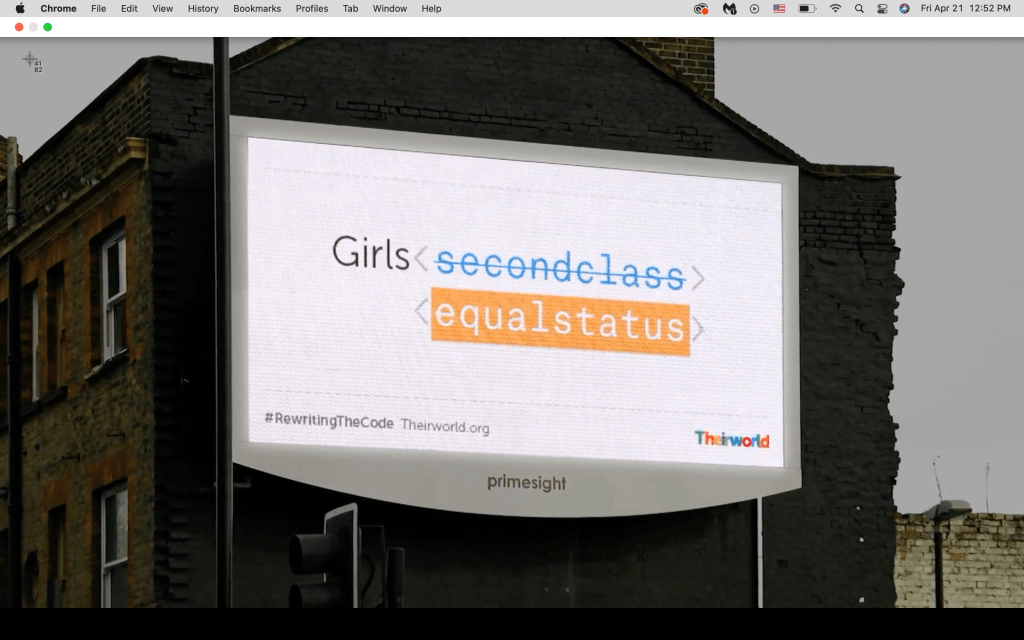
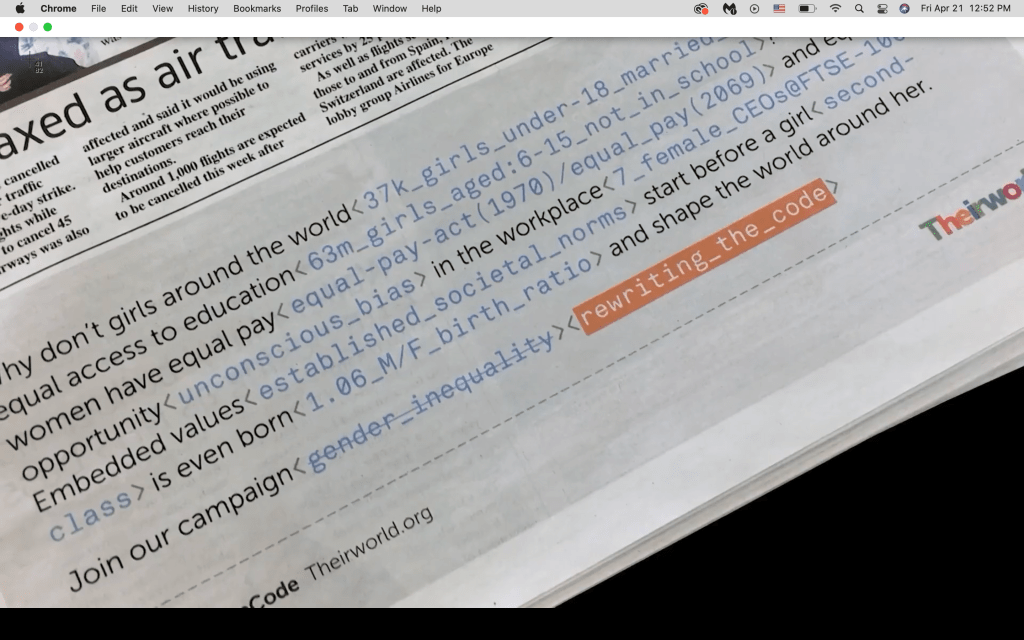
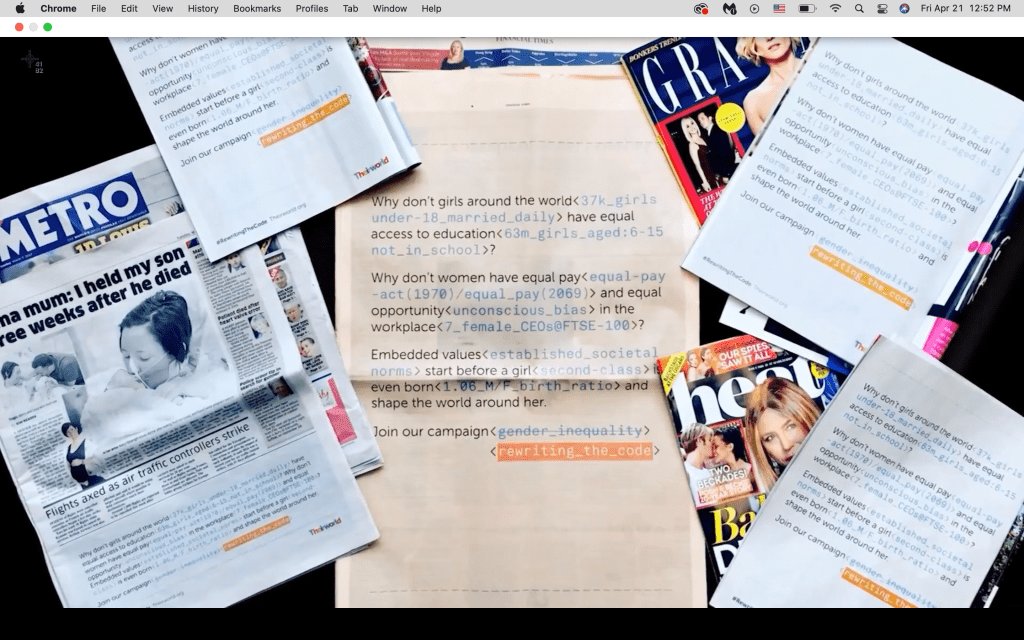
The traditional model of what constitutes a global brand has shifted significantly in the digital era as the methods used to reach consumers now include multi channels, such as digital, data, social, mobile, viral, AI, screen and […]. The bigger agencies have evolved to meet these global trends by simplifying the client / studio relationship by bringing multiple services under one roof.
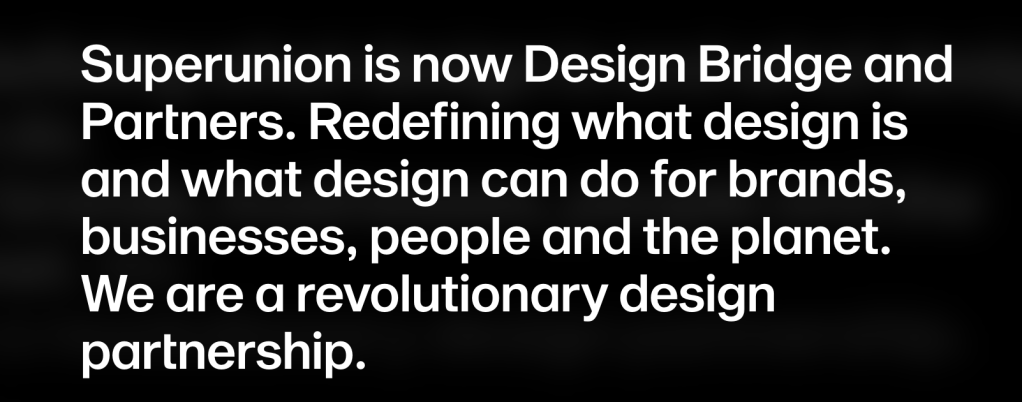
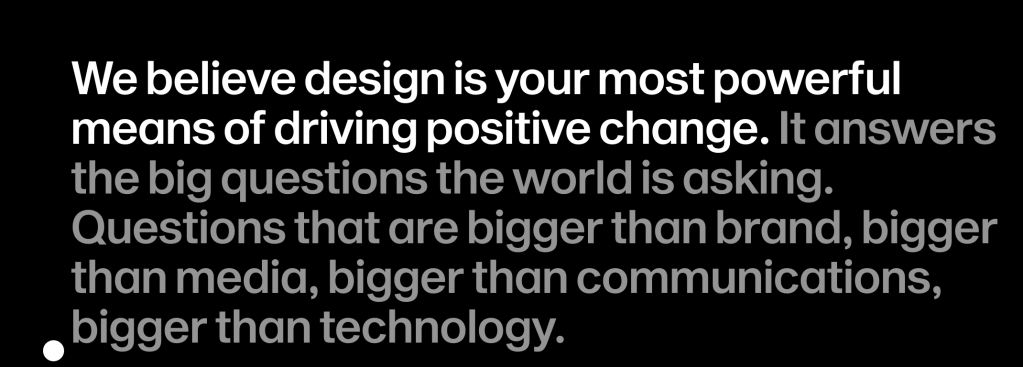
The merger of five established studios to form Superunion has created a super group with nearly 800 members of staff working across offices in 23 countries around the globe.
https://www.designbridge.com/?superunion=

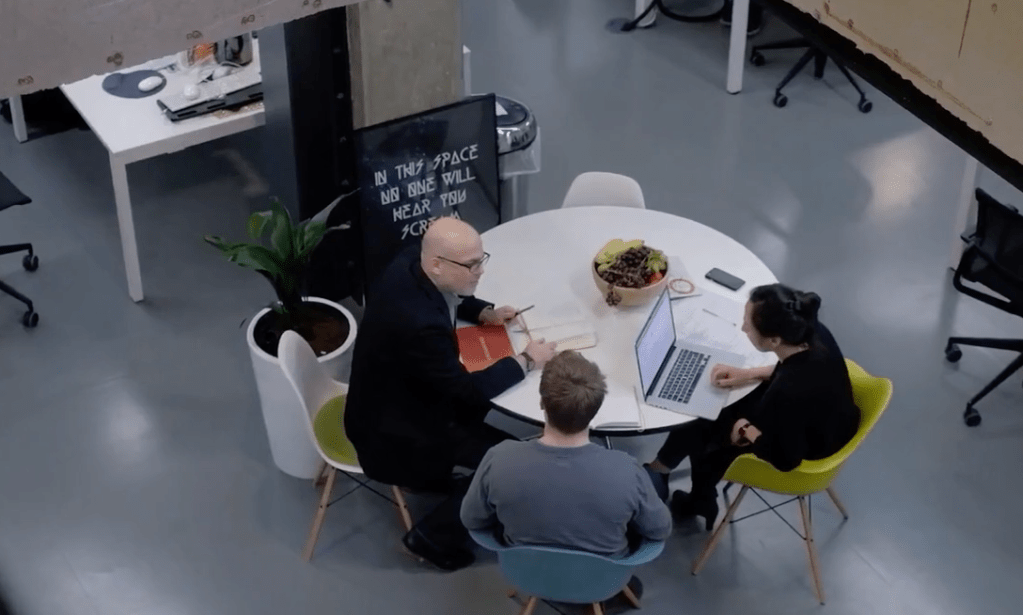

The opportunity to merge large agencies to create a bigger, all encompassing, studio, that can service the needs of the world’s biggest brands and gain insight into consumer behaviour, continues with the more recent announcement that the WUNDERMAN and J Walter Thompson, two traditional advertising agencies, have merged to create WUNDERMAN THOMPSON. The new agency will be led by creative executive, Mel Edwards, and incoming chairman Tamara Ingram, who will manage the output of more than 20,000 people working in 90 markets. The new brand is described as a creative data and technology agency, built to inspire growth for clients, people and partners, which they outline in three steps. Number one, see the world differently and reject conventional thinking. Number two, unbound creativity to rethink business, culture and brand experiences, and number three, act decisively and accountability end to end.
The merger will also give staff and clients the opportunity to access two cultures from two agencies – the data driven output of WUNDERMAN allowing J Walter Thompson to access consumer behaviour performances, which previously it did not own. Similarly, WUNDERMAN will now have access to JWT’s heritage and storytelling. As Tamara Ingram explains: “When we sat together in New York in November and looked at our client list of the top 20 to 30 clients, there was a huge lump of overlap. This is why it made sense to come together and provide simplicity to it.”
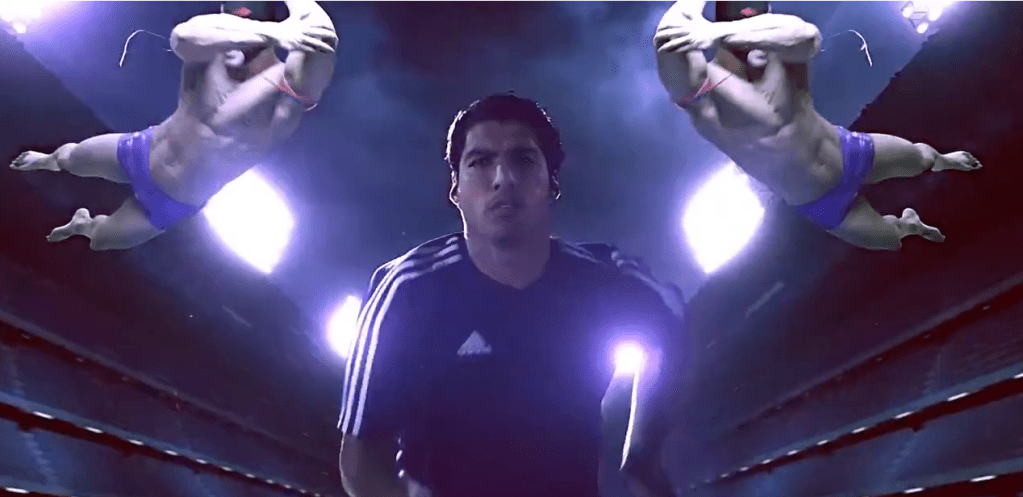
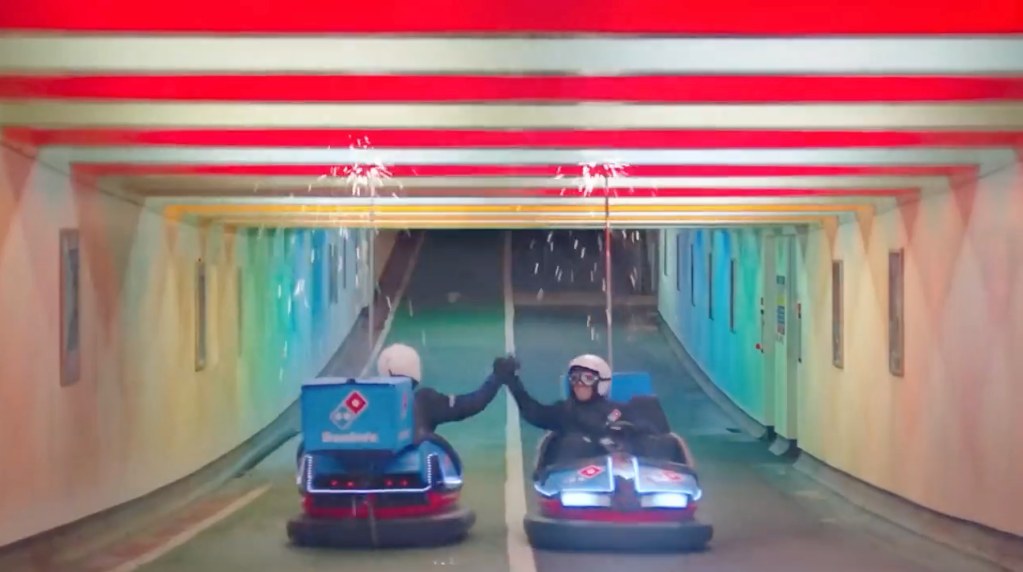
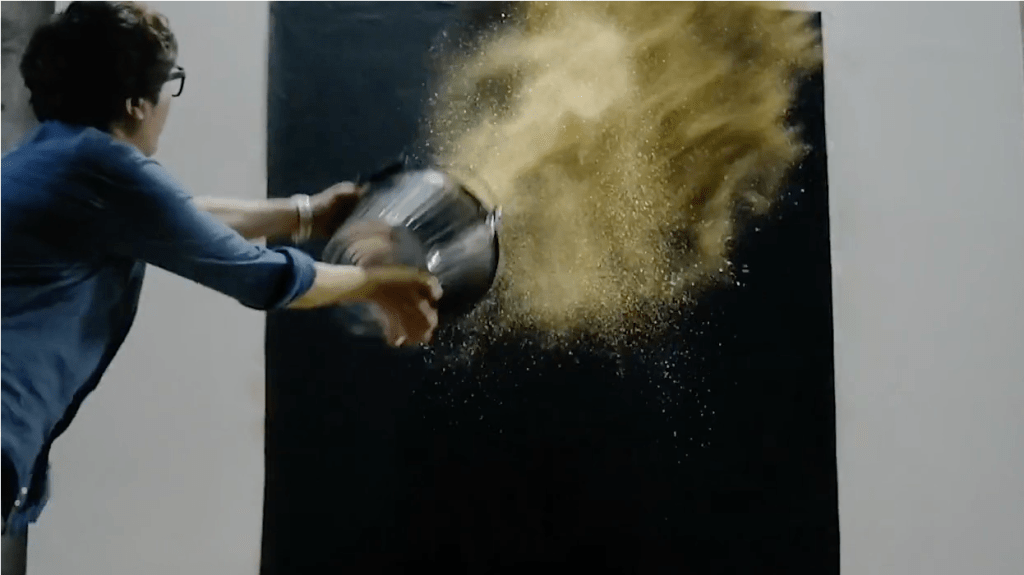
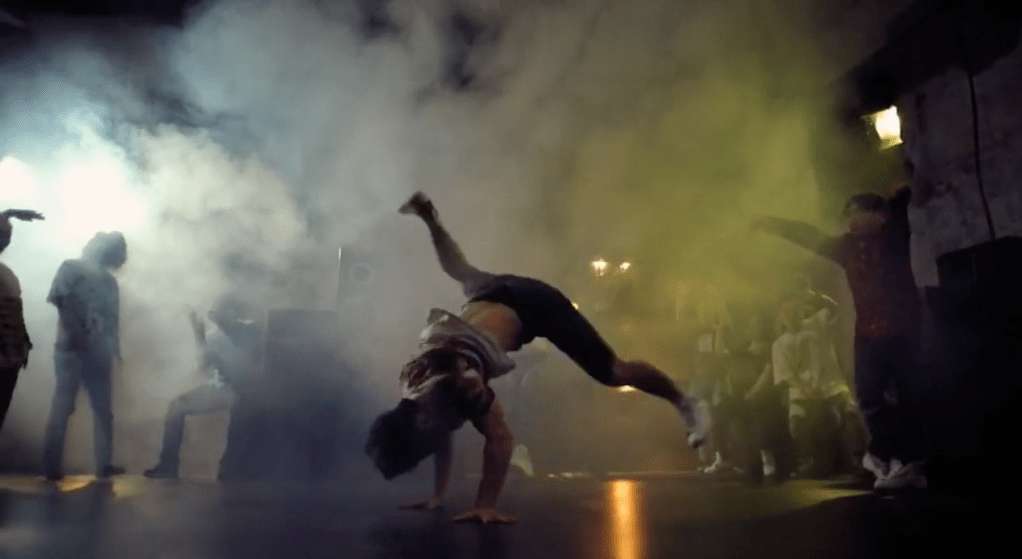

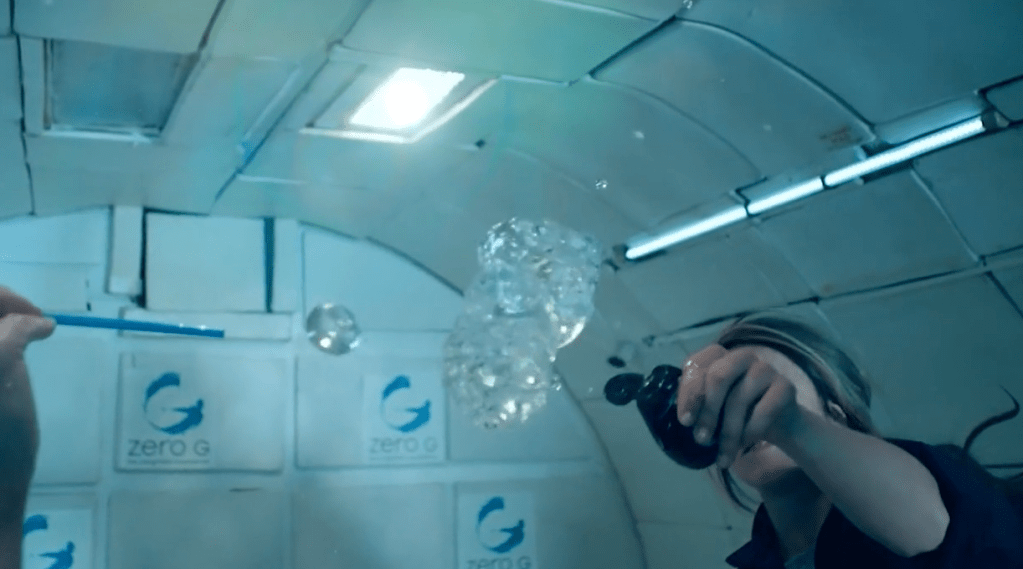
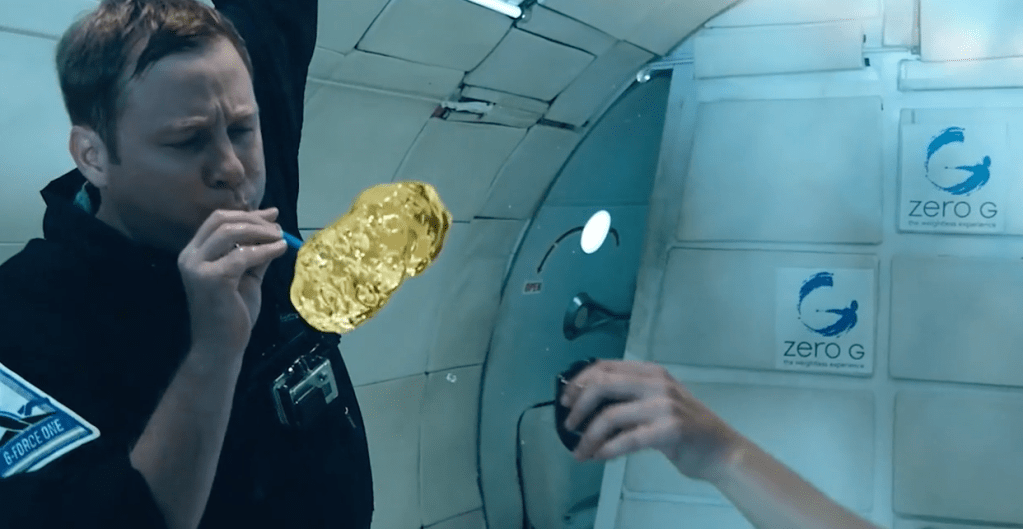

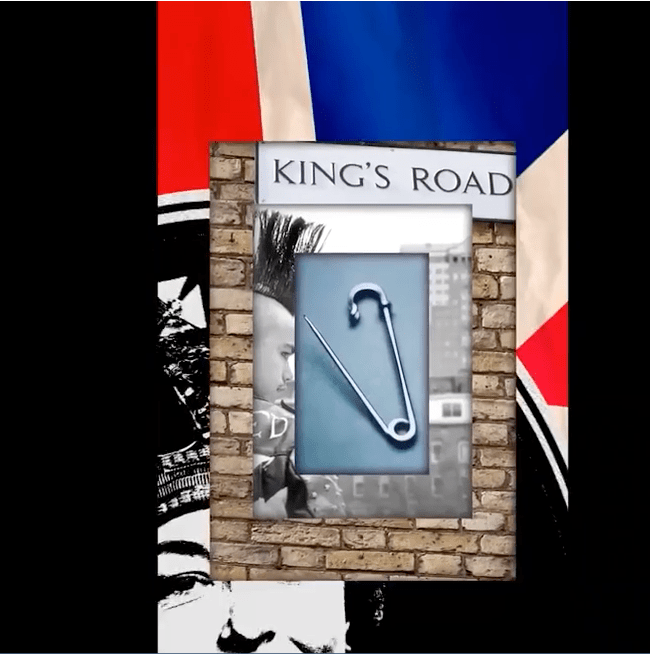



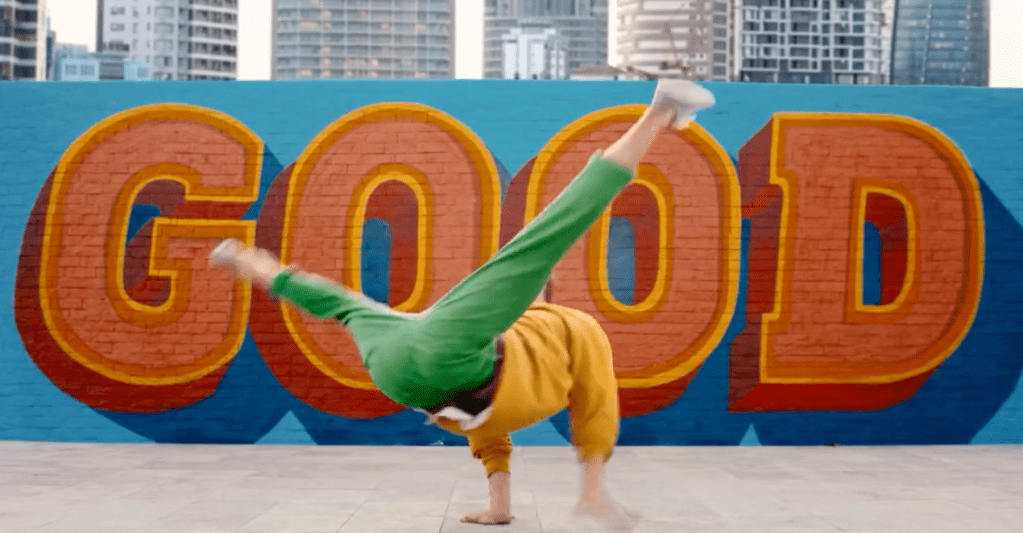
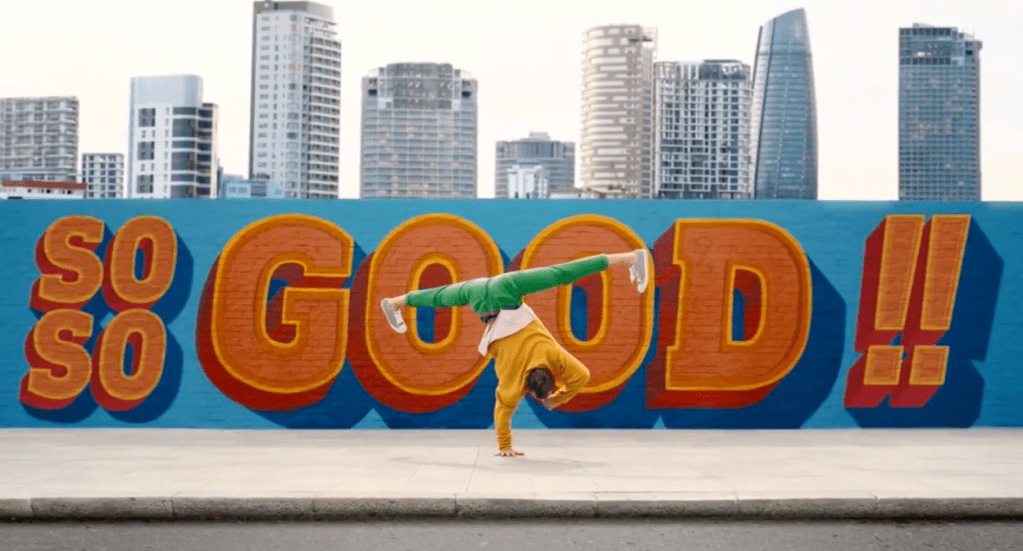
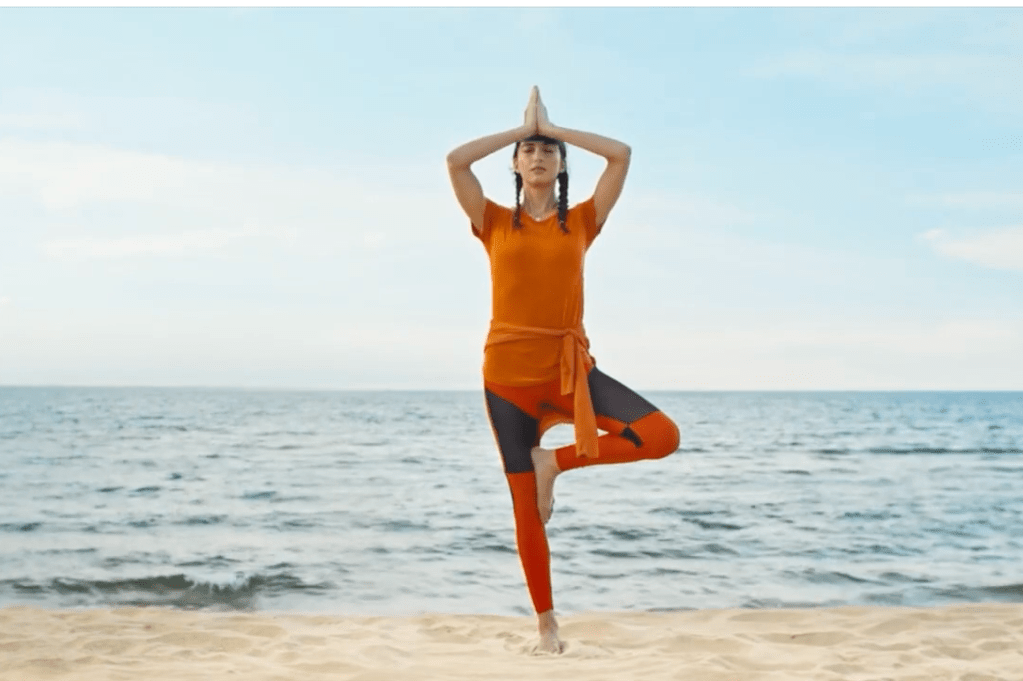
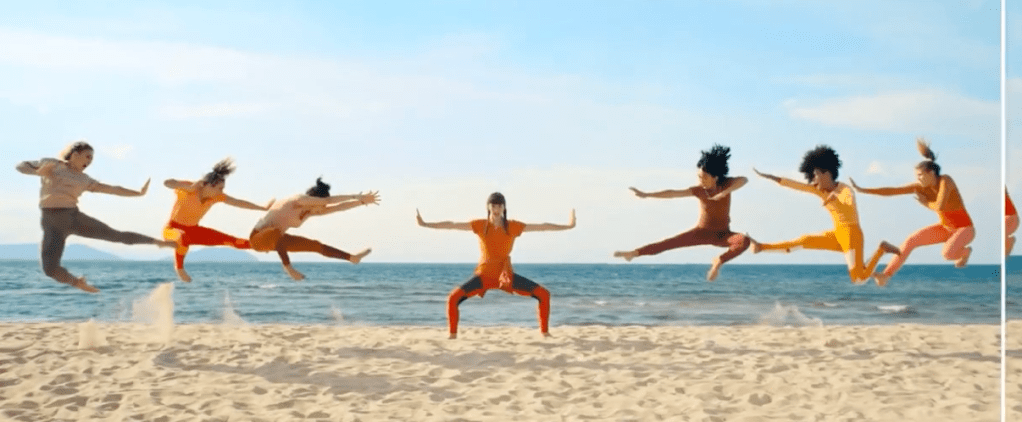
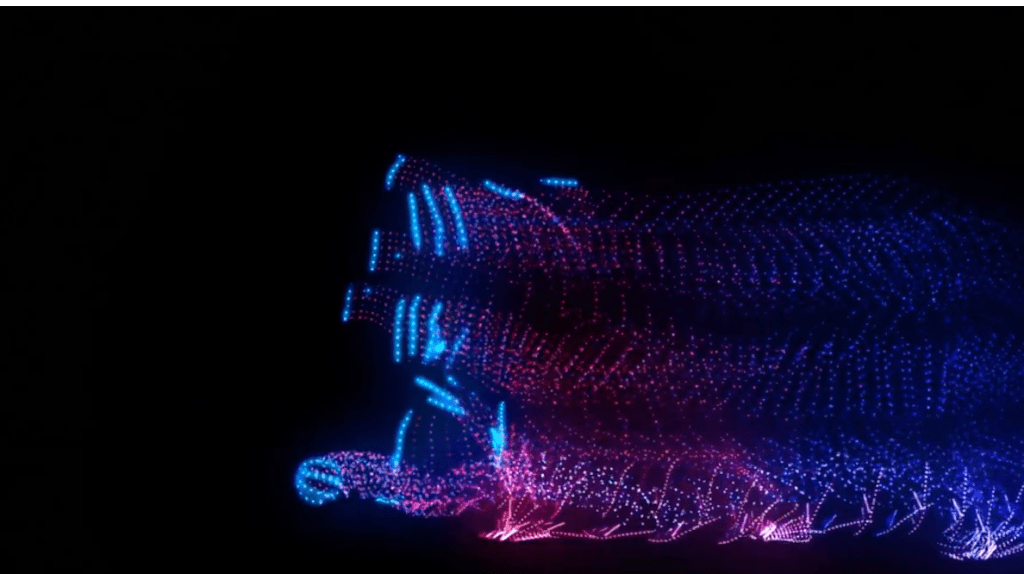
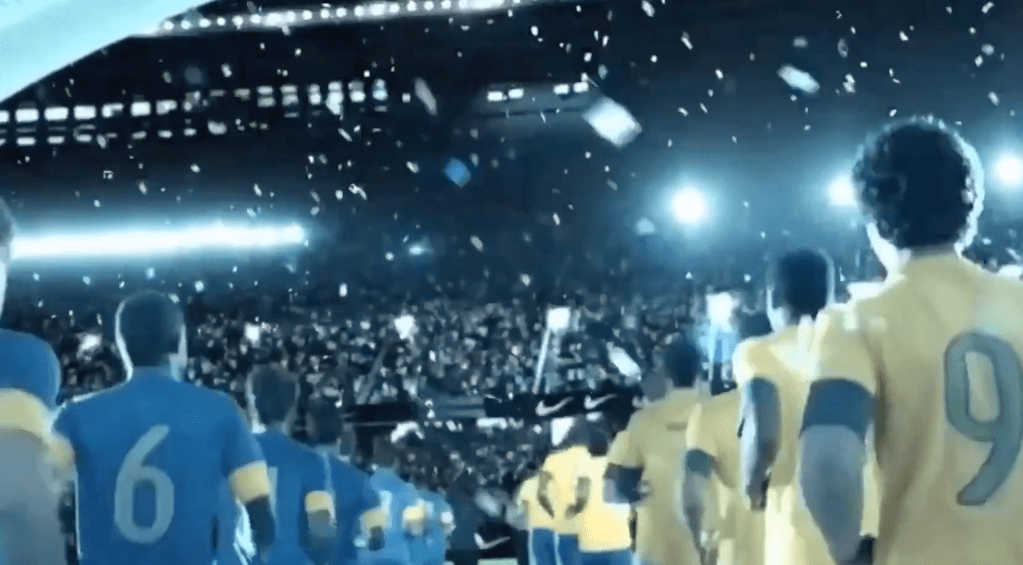
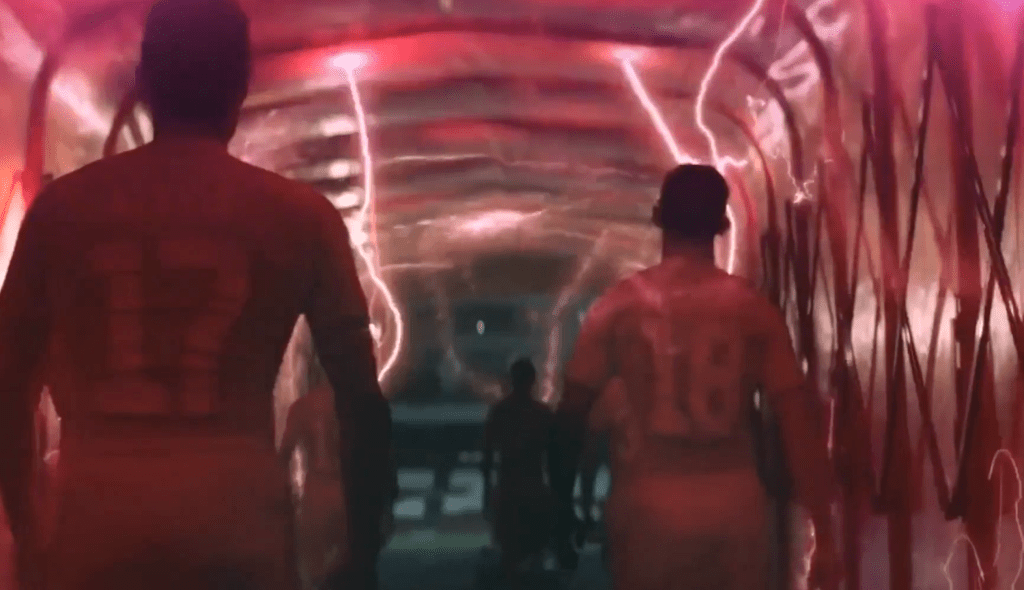

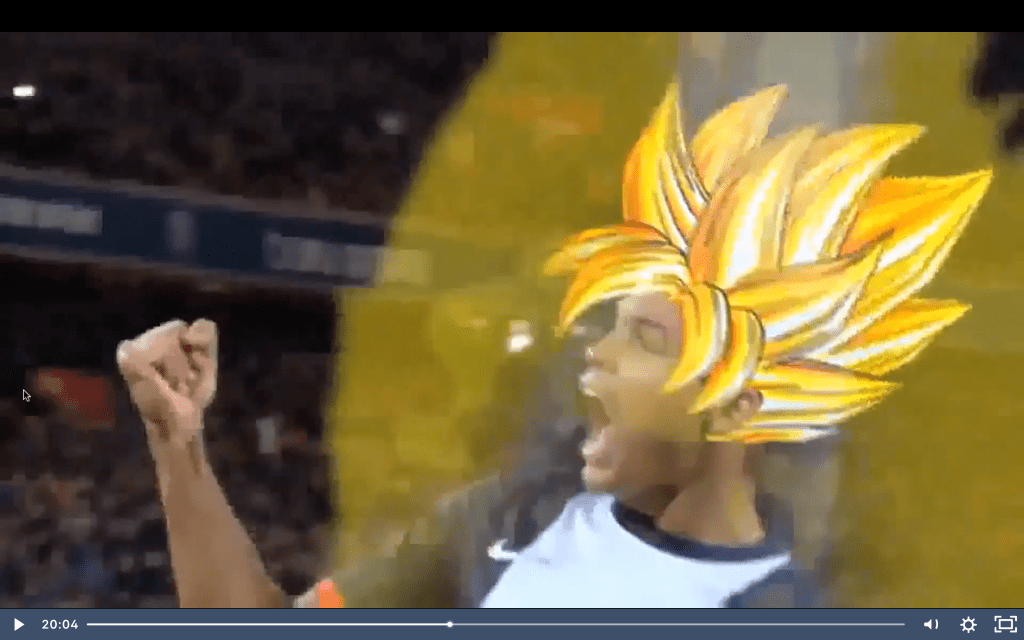
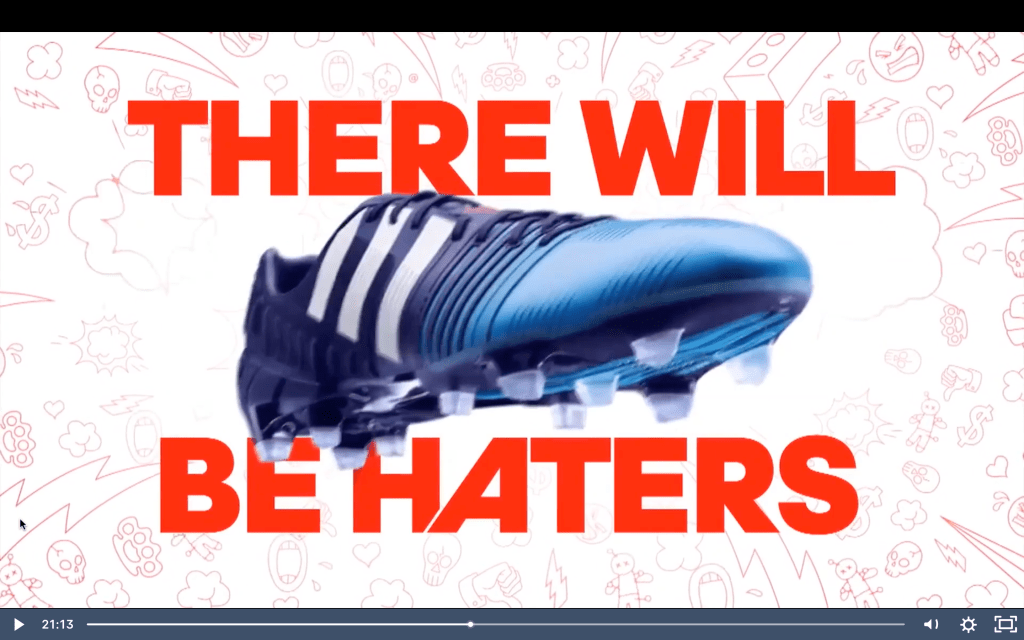
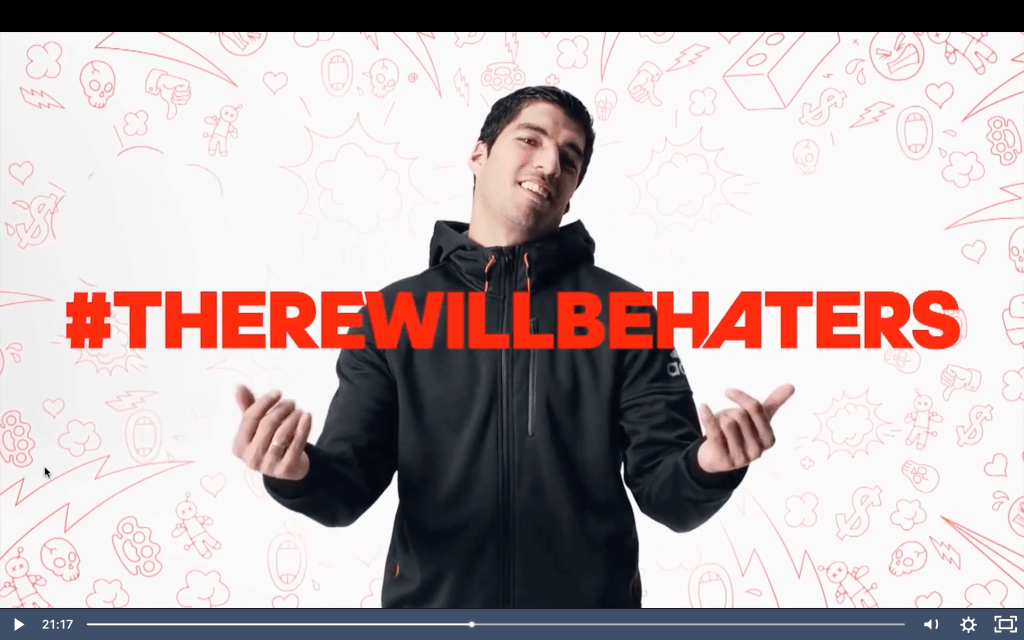
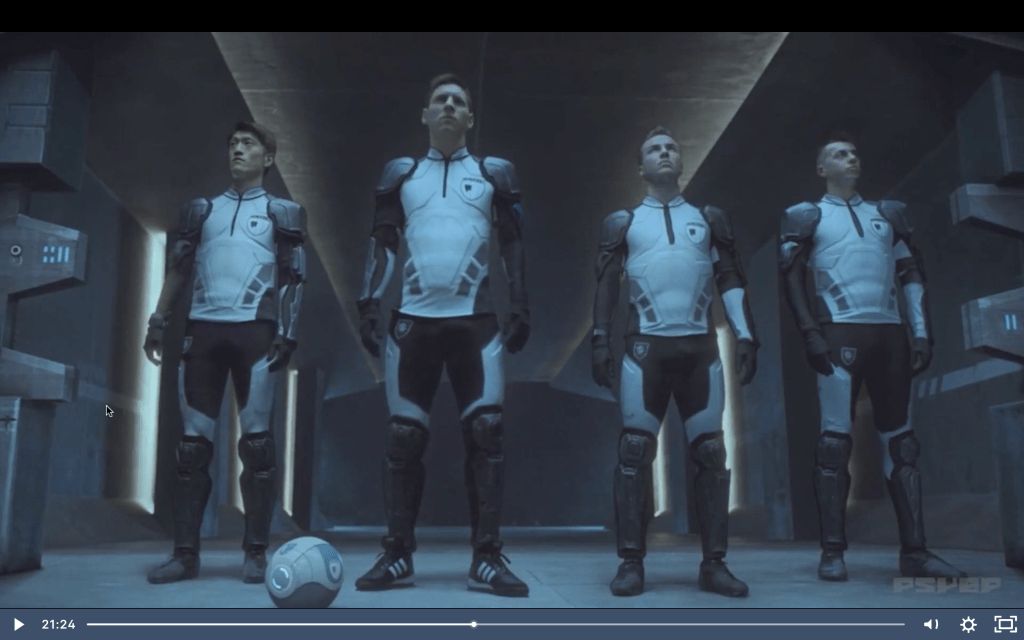
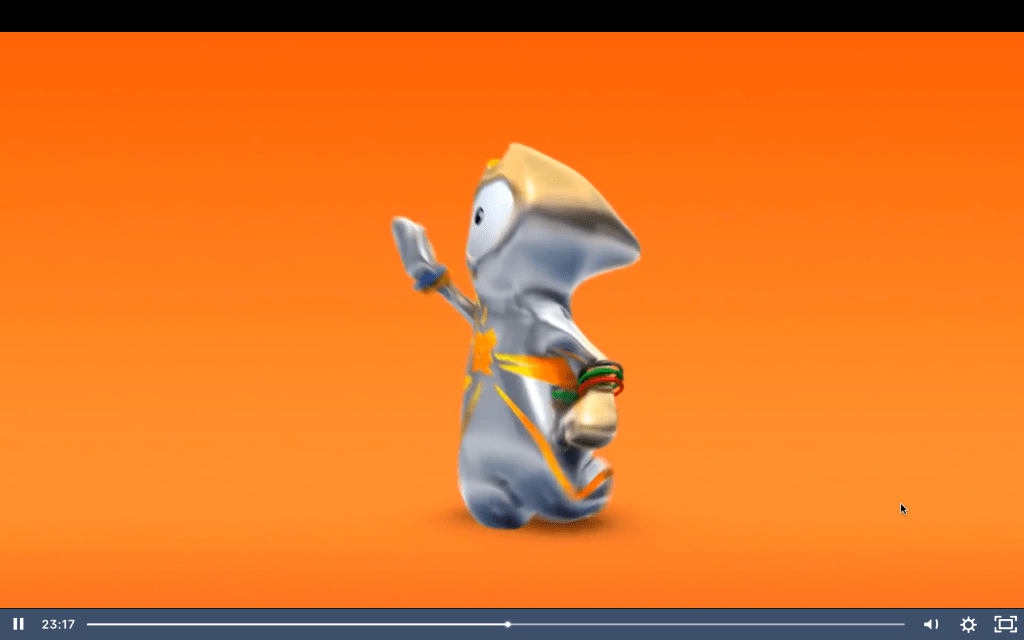












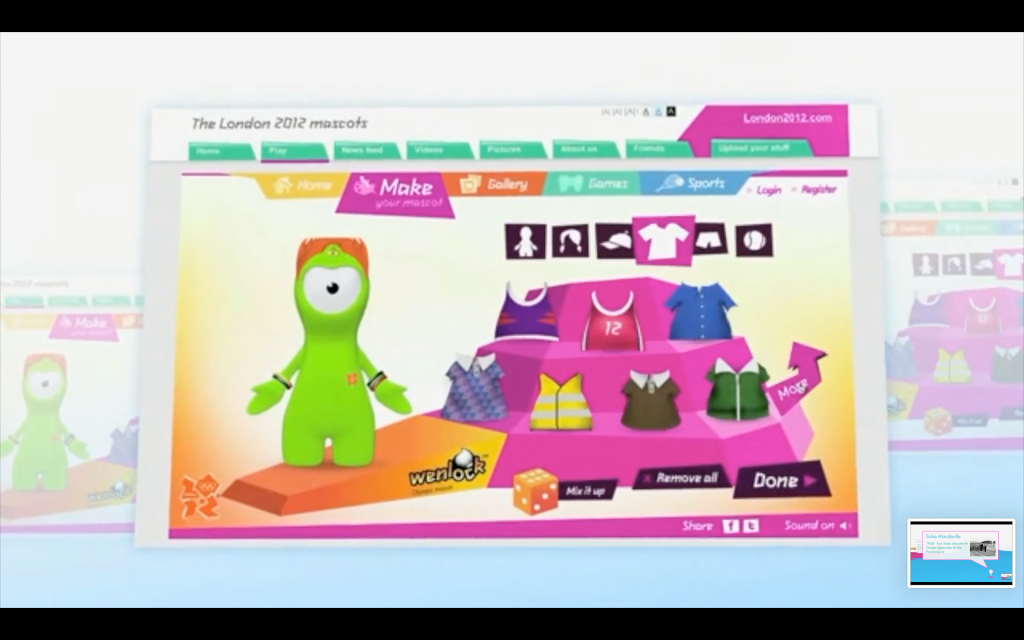
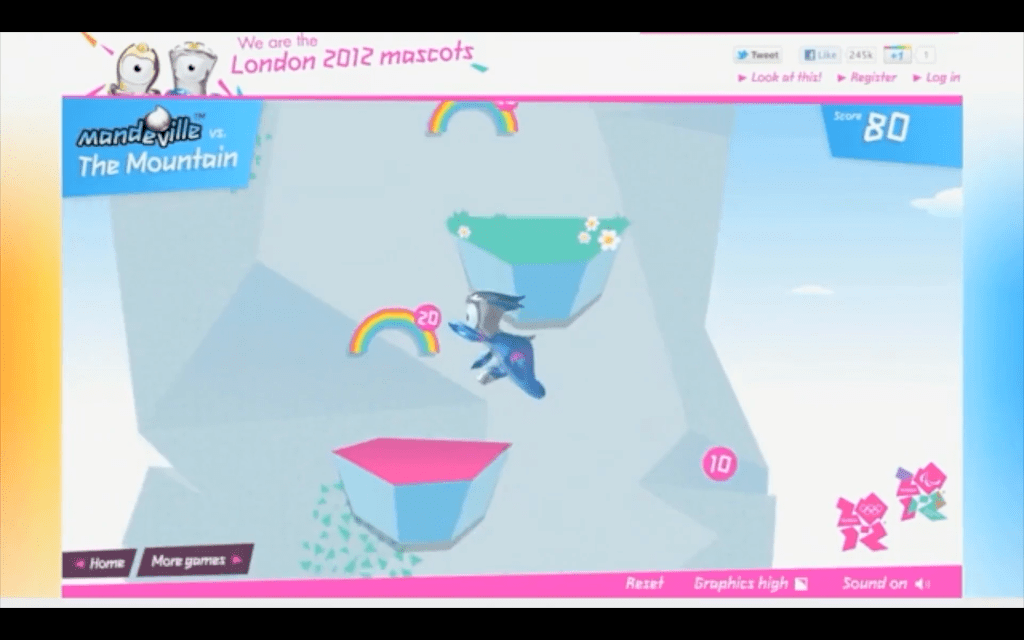

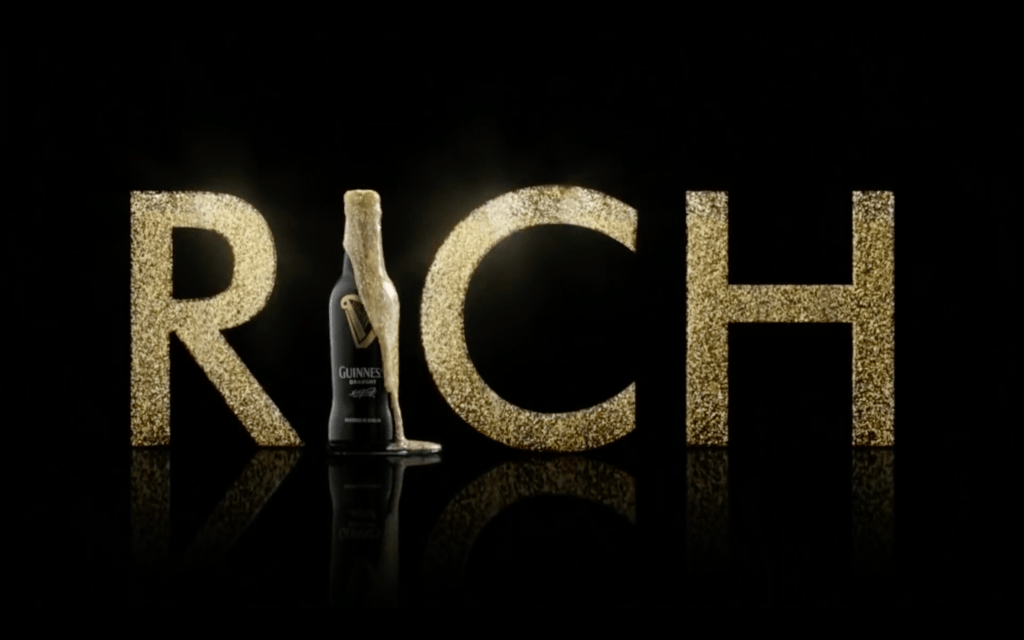


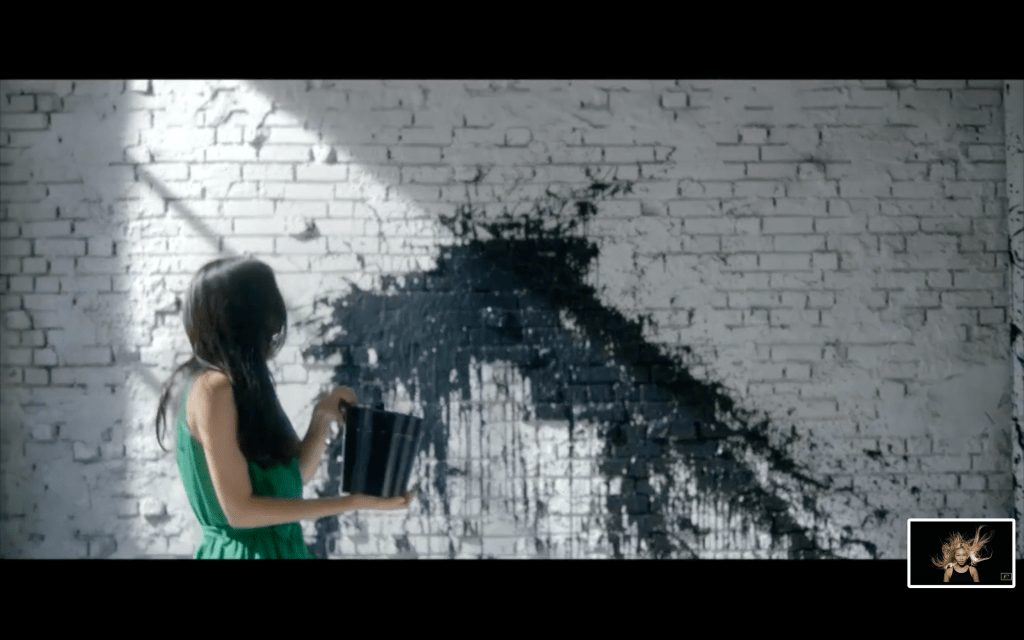


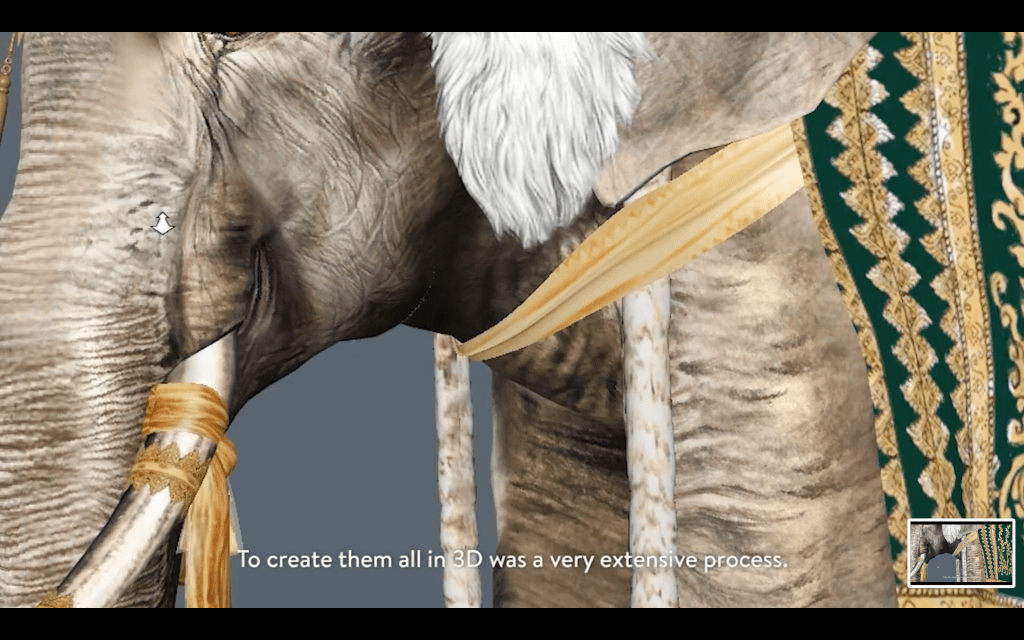

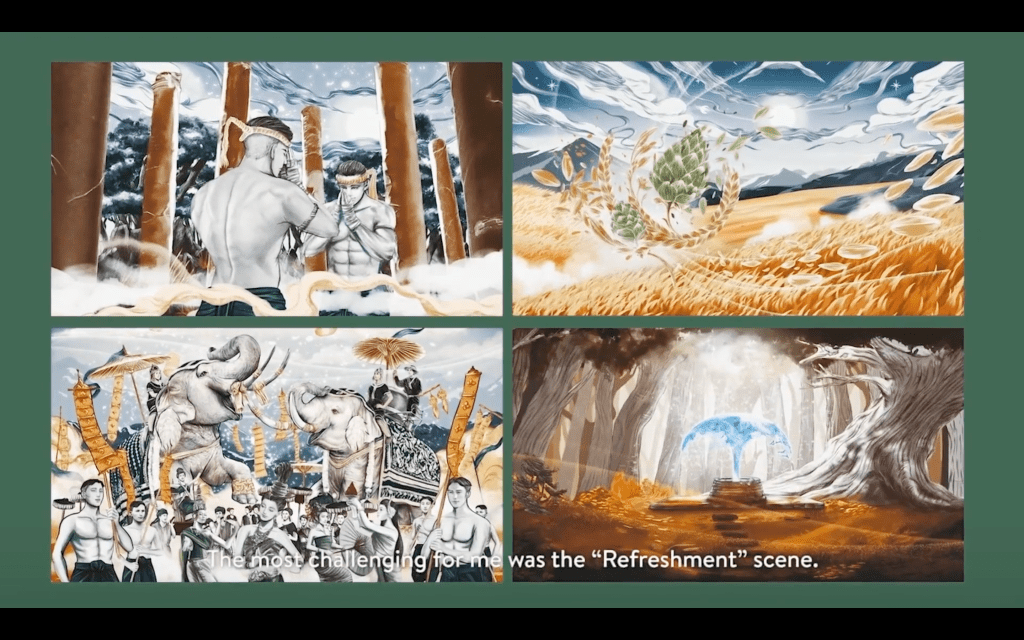
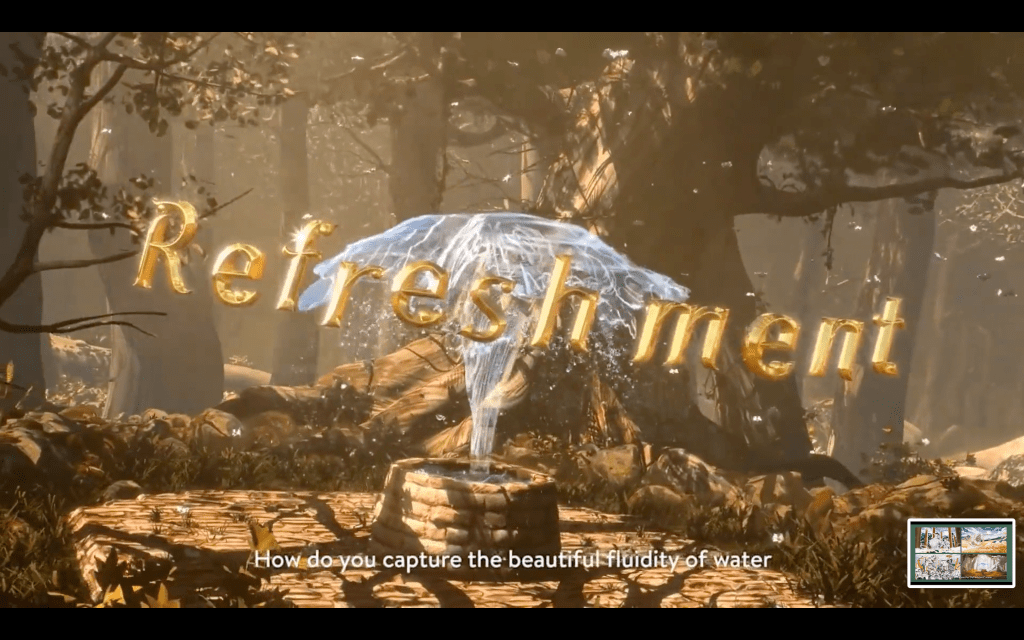
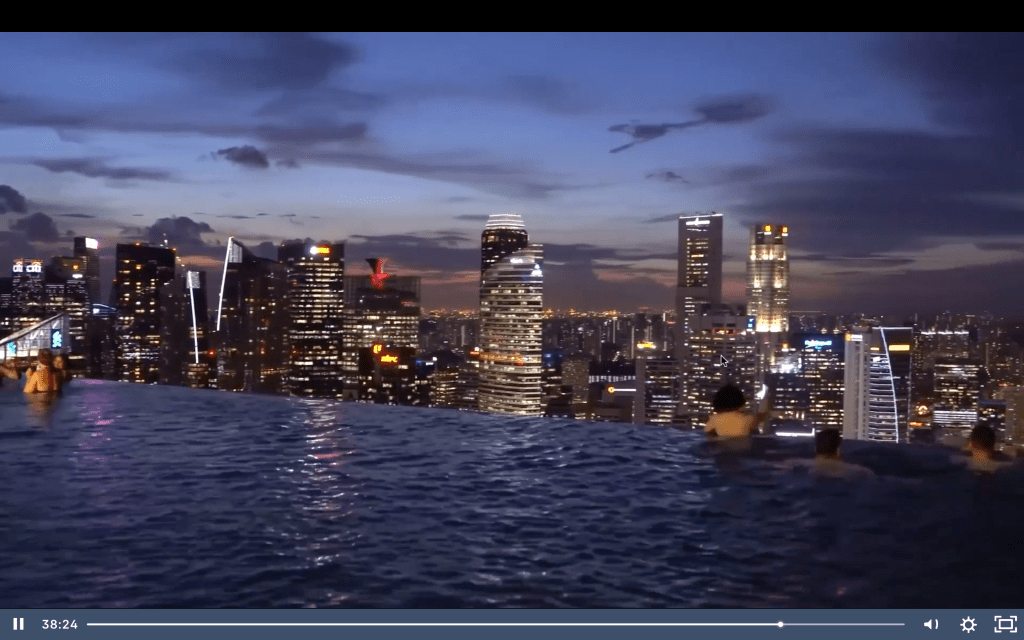
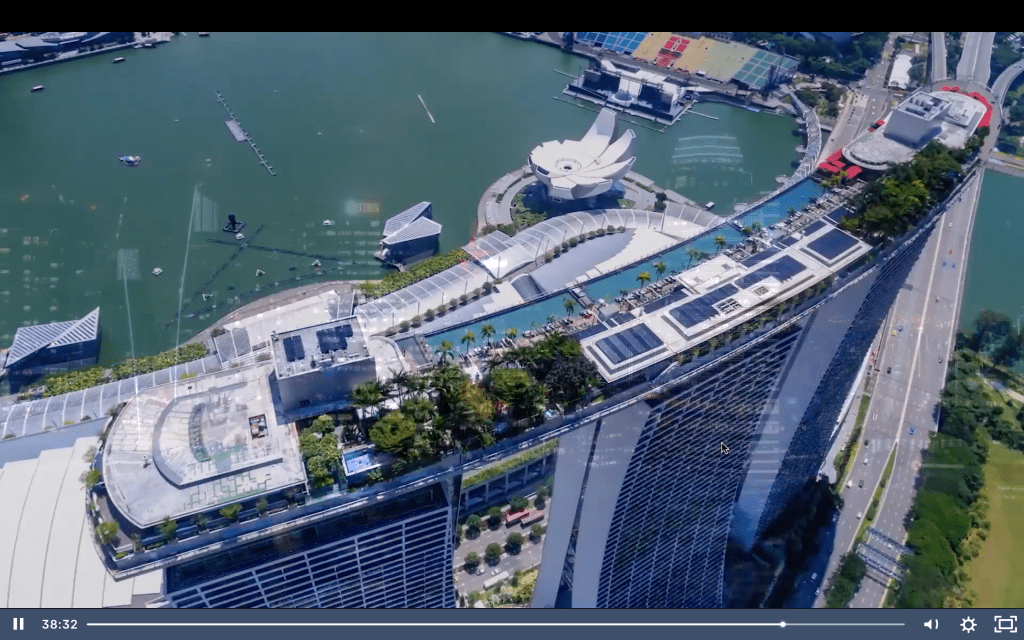
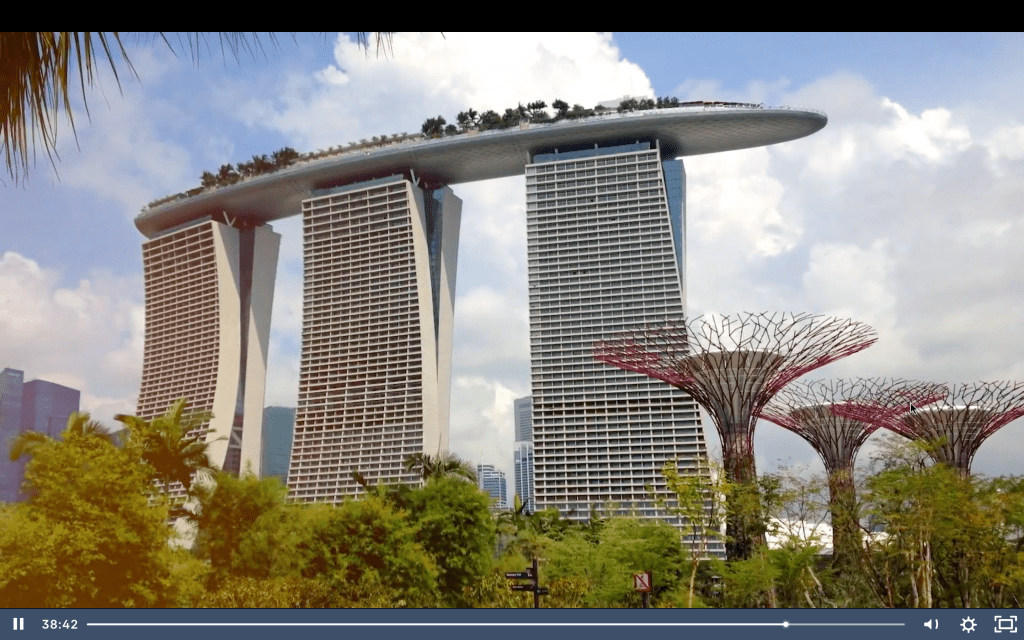
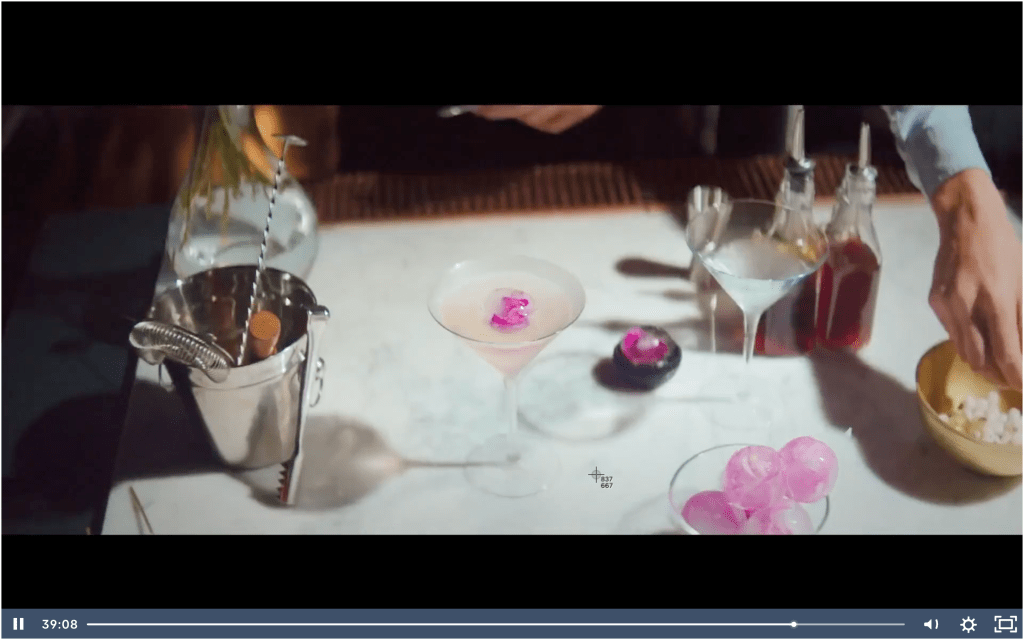
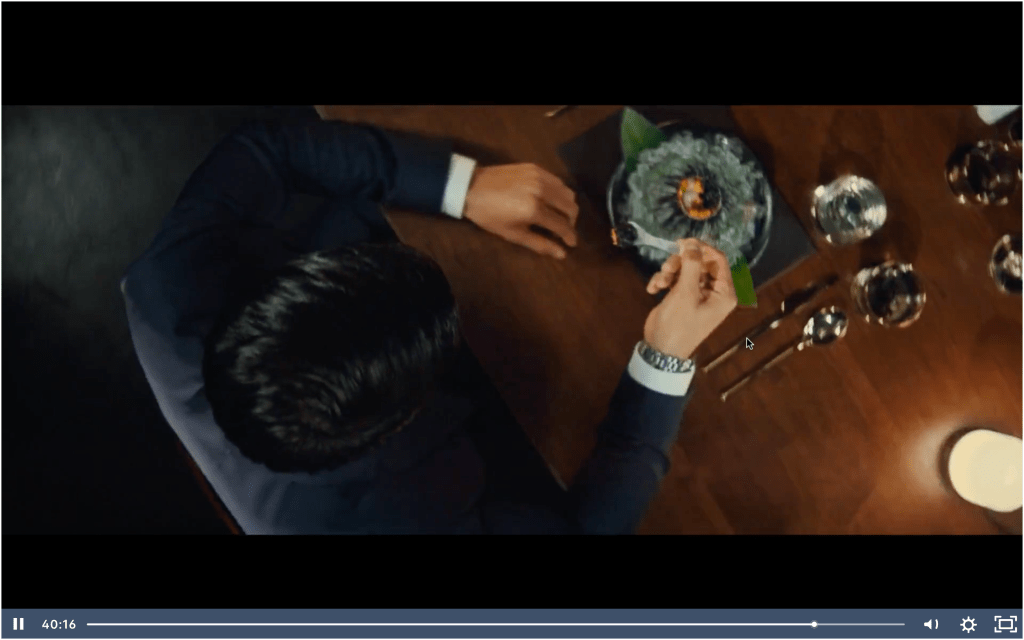

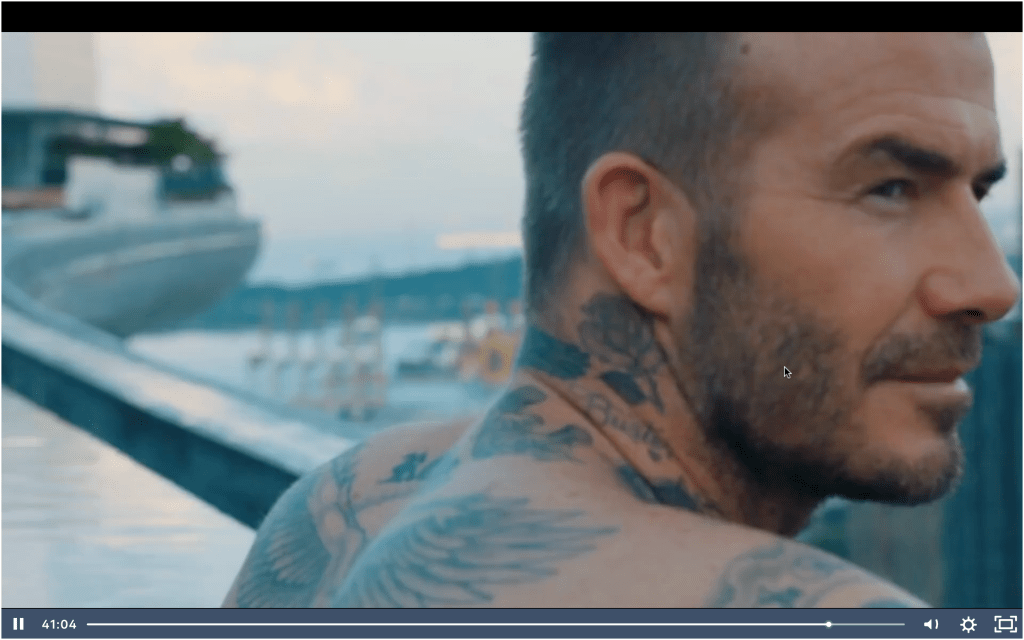
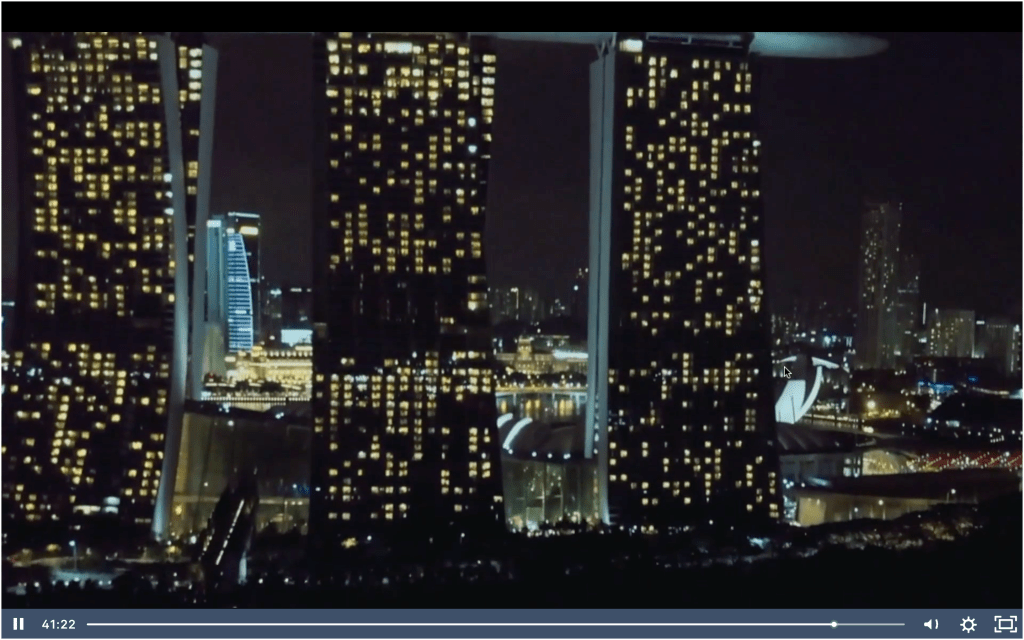
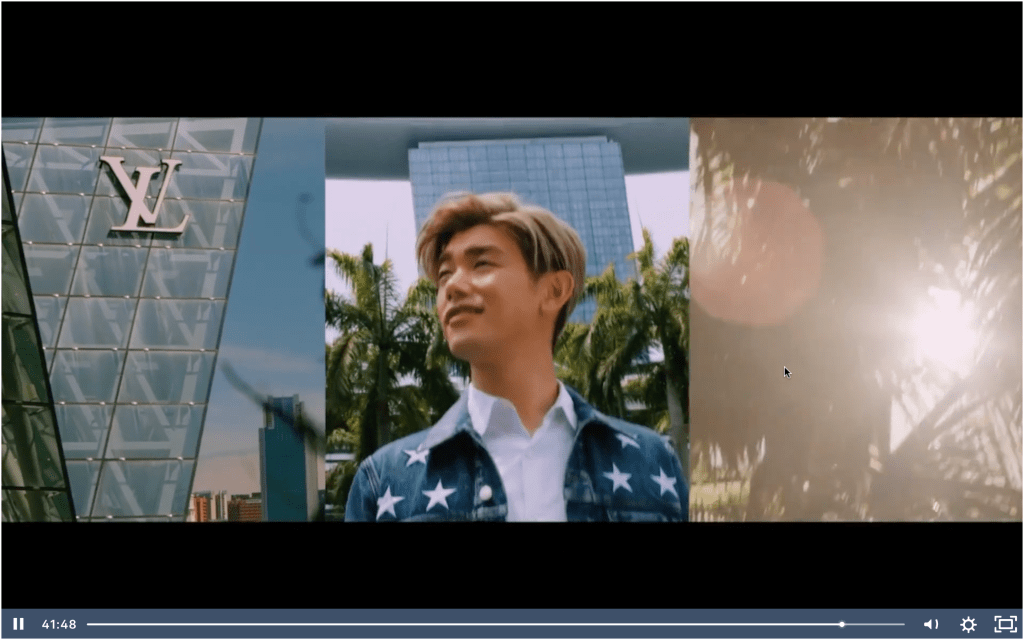
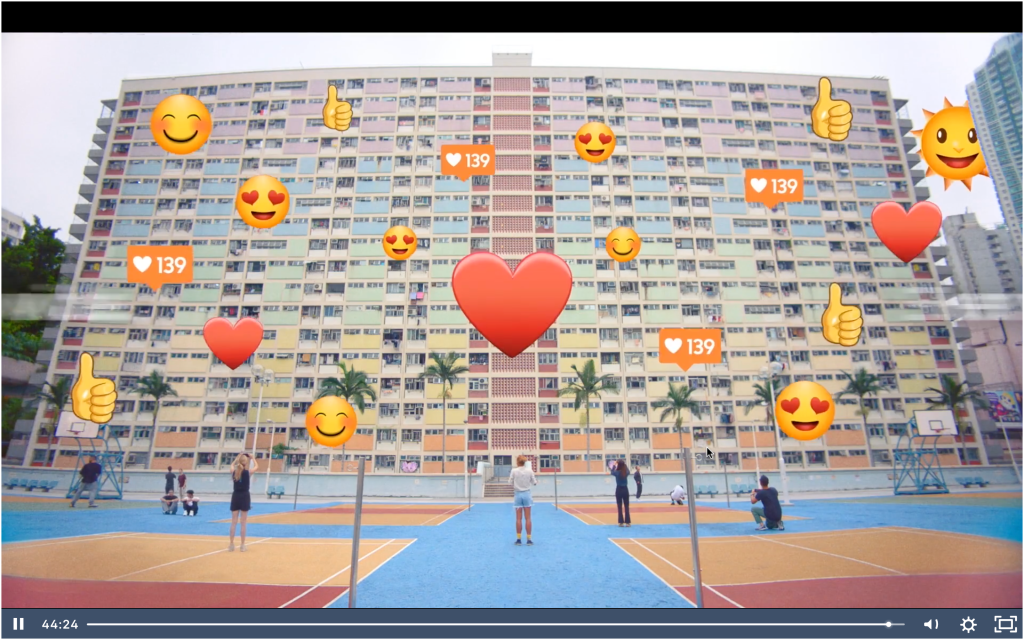
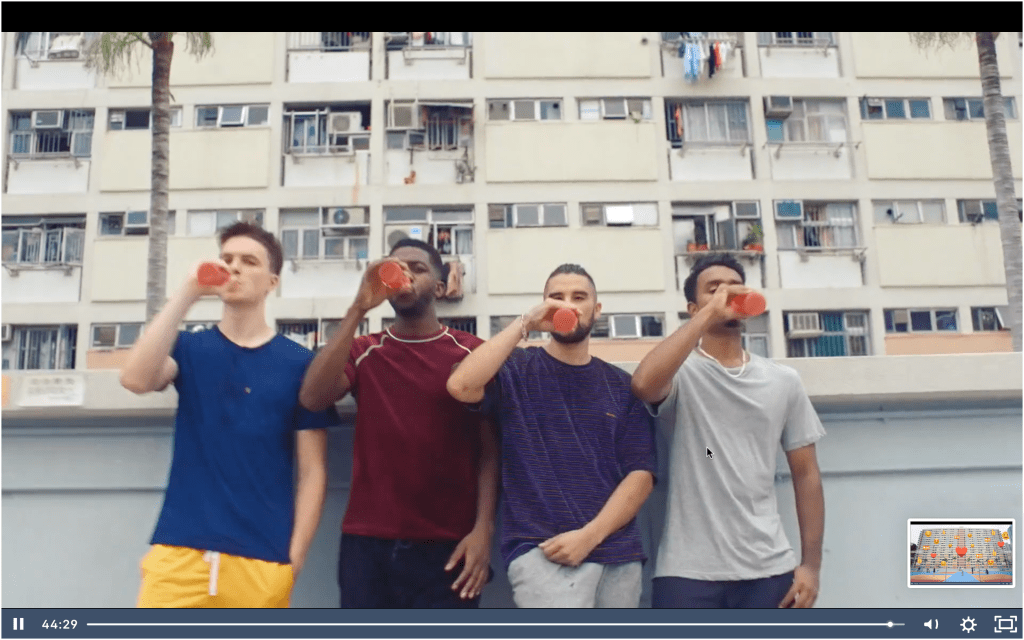
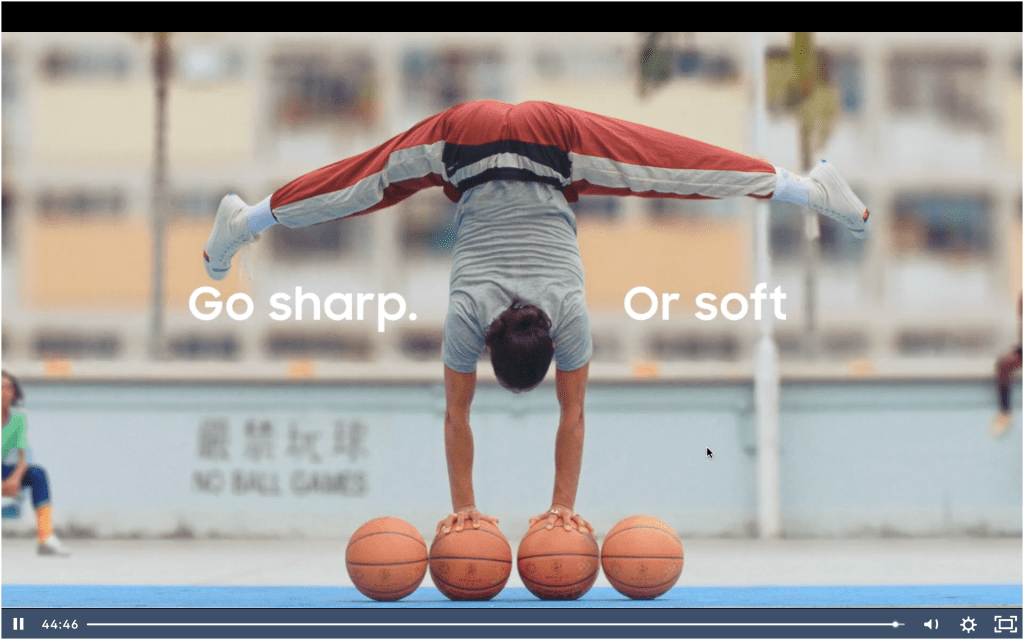
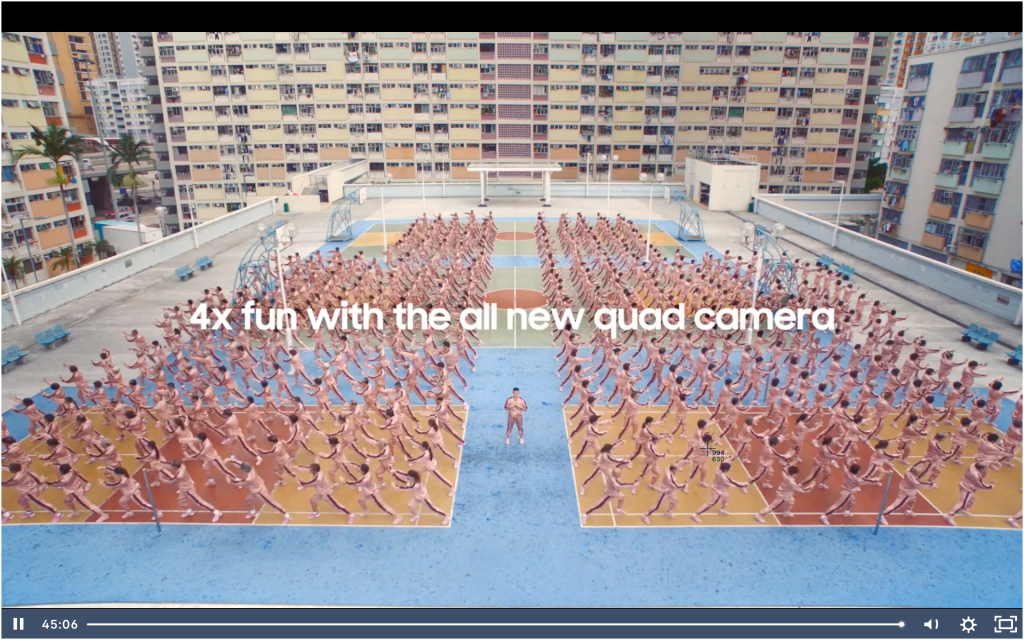
“I’ve been lucky to have been in loads of different cultures over the last seven years, and understand the way I see world isn’t necessarily how everyone sees it; and those little nuances from place to place are important. I’ve got more than a global perspective. “
https://www.landscapeforms.com/en-us/product/pages/central-park-conservancy-recycling-system.aspx
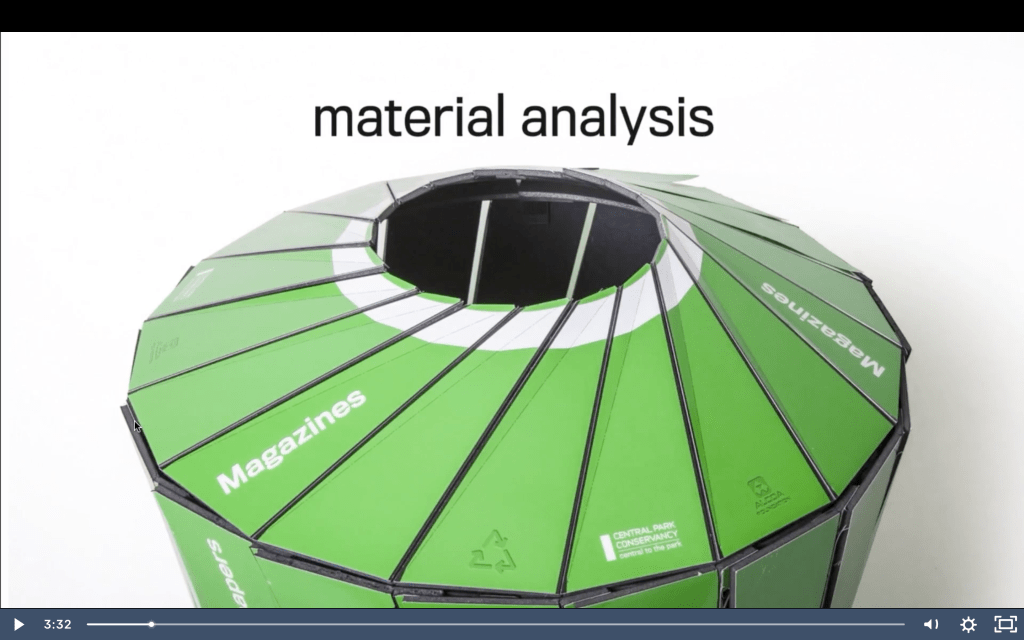
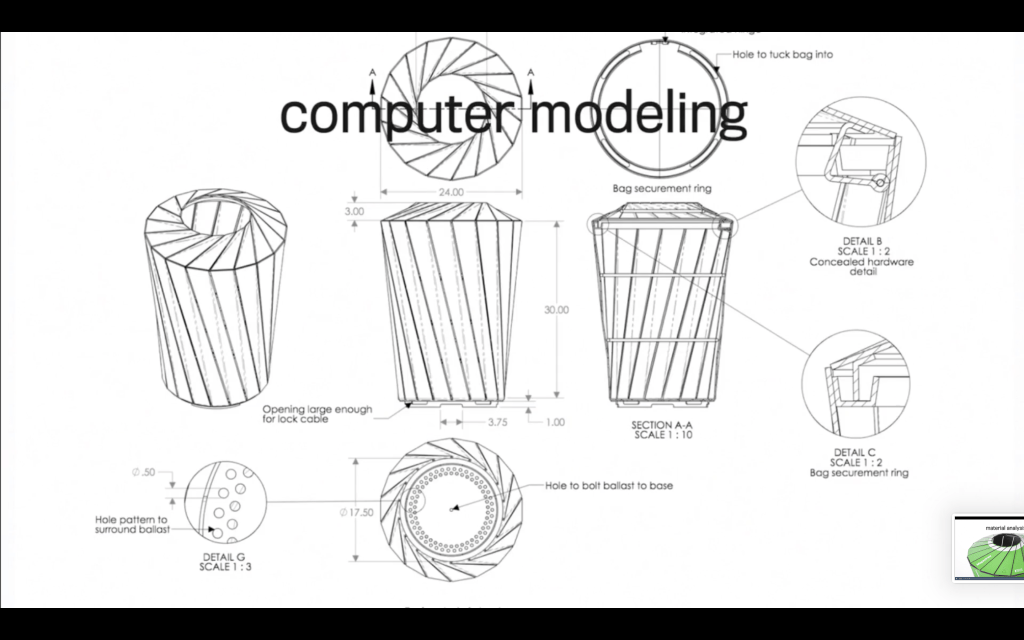
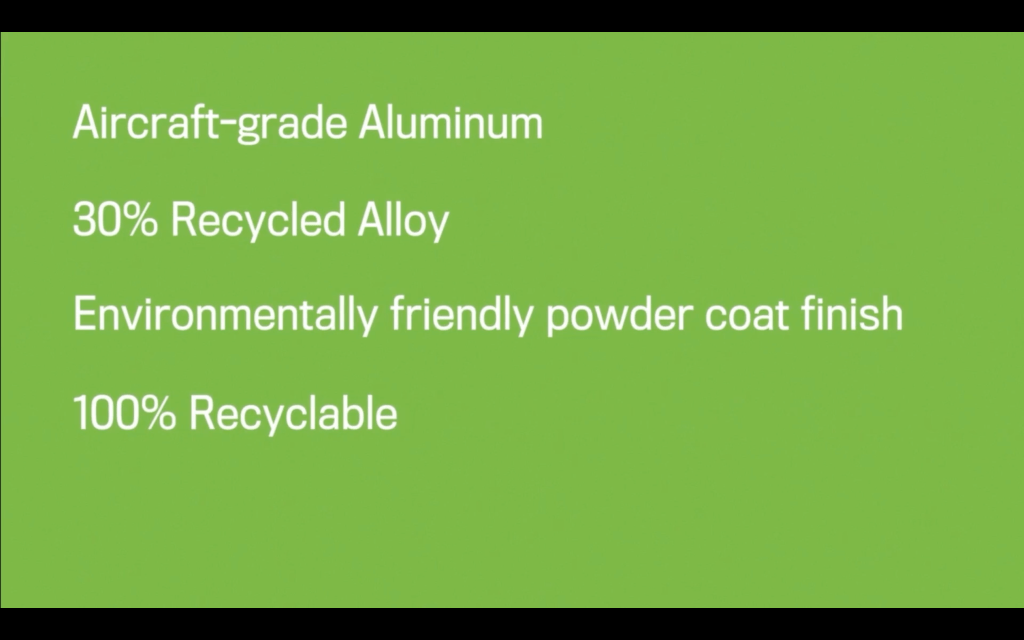
“The Central Park Conservancy Recycling System combines high form and humble function. The leading design and branding firm Landor designed it as a custom solution for the non-profit Central Park Conservancy to advance environmental stewardship at the world’s most famous urban park. The three-unit system, first developed and produced by Landscape Forms Studio 431, has proven itself on the job, earned multiple design awards, and been adopted as a Landscape Forms standard product. Inspired by the classic 1930s Central Park bench, the vibrant design cleverly turns the hooped arms and seat slats of the original on end, re- envisioning them for a new purpose. Cast aluminum units are identical in size and shape, different in color and the size of top openings that identify receptacles for cans and bottles, paper, and waste.
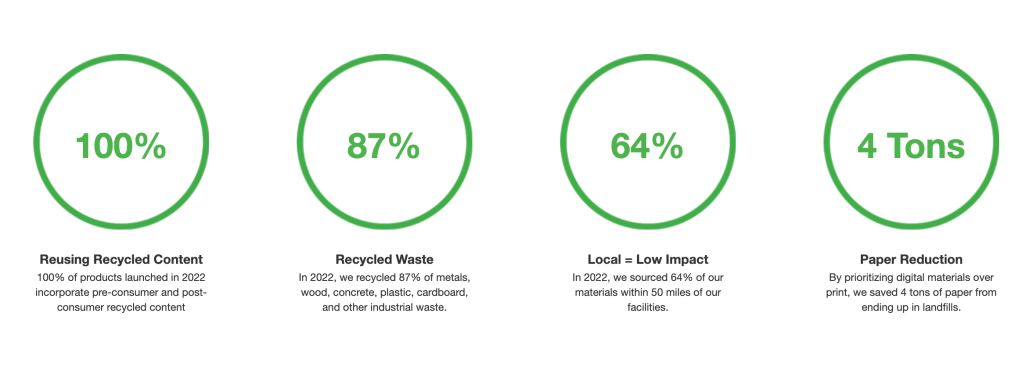
As our facilities expand and evolve, implementing leading sustainability solutions is always a driving motivation. Our 50,000-square-foot office expansion in 2000 incorporated many large-scale changes to reduce its impact, including breaking up heat islands and leveraging site orientation to maximize energy conservation. We have also gone all LED for our lighting, reducing our energy consumption from lighting by more than 80 percent.
We believe that when we support our local communities, collectively we can enhance global social and environmental sustainability in big ways. We support local businesses wherever possible throughout our supply chain, and we invest in our local Kalamazoo workforce by offering a diverse range of opportunities for professional development and mobility. For our local landscape, we participate in the Michigan Adopt-A-Highway Program, sponsoring a two-mile stretch of highway in our community, and we partner with the Southwest Michigan Land Conservancy to help maintain the Chipman Preserve, a 228- acre park with six miles of trails.
 Vicky Kafkaki - Graphic Design MA Falmouth University
Leave a comment