Complex Simplicity/ Projecting a new perspective – interpreting emerging trends
Explore your own methods of communicating a story trough information design. You will be assessed on the visual impact and also the effectiveness of your communication. Take stock of what you have learned about data visualization and the importance of clarity. Please consider the format and materials used, which can help tell your story.
- Source a scientific, cultural or environmental story that matter to you
- Create a piece of information design to communicates its information and reveal new insight.
I decided to write about the cancer – this sickness as taken many of my loved people and I wish they come up with some kind of effective medications or treatments.
https://ourworldindata.org/cancer
Cancer is caused by certain changes to genes, the basic physical units of inheritance. Genes are arranged in long strands of tightly packed DNA called chromosomes. Cancer is a genetic disease—that is, it is caused by changes to genes that control the way our cells function, especially how they grow and divide
What are 5 things that cause cancer?
Some factors that increase your risk of developing cancer include behaviors such as smoking, heavy alcohol consumption, on-the-job exposure to chemicals, radiation and sun exposure, and some viruses and bacteria.
What are the top 10 causes of cancer?
Contents
- 1 Genetics. 1.1 Cancer syndromes.
- 2 Physical and chemical agents. 2.1 Smoking. 2.2 Materials.
- 3 Lifestyle. 3.1 Alcohol. 3.2 Diet. …
- 4 Hormones.
- 5 Infection and inflammation. 5.1 Viruses. 5.2 Bacteria and parasites. …
- 6 Radiation. 6.1 Non-ionizing radiation. …
- 7 Rare causes. 7.1 Organ transplantation. …
- 8 References.
https://stanfordhealthcare.org/medical-conditions/cancer/cancer/cancer-causes.html
What Causes Cancer?
There is no one single cause for cancer. Scientists believe that it is the interaction of many factors together that produces cancer. The factors involved may be genetic, environmental, or constitutional characteristics of the individual.
Diagnosis, treatment, and prognosis for childhood cancers are different than for adult cancers. The main differences are the survival rate and the cause of the cancer. The overall five-year survival rate for childhood cancer is about 80%, while in adult cancers the survival rate is 68%. This difference is thought to be because childhood cancer is more responsive to therapy and a child can tolerate more aggressive therapy.
Childhood cancers often occur or begin in the stem cells, which are simple cells capable of producing other types of specialized cells that the body needs. A sporadic (occurs by chance) cell change or mutation is usually what causes childhood cancer. In adults, the type of cell that becomes cancerous is usually an epithelial cell. Epithelial cells line the body cavity and cover the body surface. Cancer occurs from environmental exposures to these cells over time. Adult cancers are sometimes referred to as acquired for this reason.
Cancer Risk Factors
As mentioned, some cancers, particularly in adults, have been associated with repetitive exposures or risk factors. A risk factor is anything that may increase a person’s chance of developing a disease. A risk factor does not necessarily cause the disease, but it may make the body less resistant to it. The following risk factors and mechanisms have been proposed as contributing to cancer:
- Lifestyle factors. Smoking, a high-fat diet, and working with toxic chemicals are examples of lifestyle choices that may be risk factors for some adult cancers. Most children with cancer, however, are too young to have been exposed to these lifestyle factors for any extended time.
- Family history, inheritance, and genetics may play an important role in some childhood cancers. It is possible for cancer of varying forms to be present more than once in a family. It is unknown in these circumstances if the disease is caused by a genetic mutation, exposure to chemicals near a family’s residence, a combination of these factors, or simply coincidence.
- Some genetic disorders. For example, Wiskott-Aldrich and Beckwith-Wiedemann syndrome are known to alter the immune system. The immune system is a complex system that functions to protect our bodies from infection and disease. The bone marrow produces cells that later mature and function as part of the immune system. One theory suggests that the cells in the bone marrow, the stem cells, become damaged or defective, so when they reproduce to make more cells, they make abnormal cells or cancer cells. The cause of the defect in the stem cells could be related to an inherited genetic defect or exposure to a virus or toxin.
- Exposures to certain viruses. Epstein-Barr virus and HIV, the virus that causes AIDS, have been linked to an increased risk of developing certain childhood cancers, such as Hodgkin and non-Hodgkin lymphoma. Possibly, the virus alters a cell in some way. That cell then reproduces an altered cell and, eventually, these alterations become a cancer cell that reproduces more cancer cells.
- Environmental exposures. Pesticides, fertilizers, and power lines have been researched for a direct link to childhood cancers. There has been evidence of cancer occurring among nonrelated children in certain neighborhoods and/or cities. Whether prenatal or infant exposure to these agents causes cancer, or whether it is a coincidence, is unknown.
- Some forms of high-dose chemotherapy and radiation. In some cases, children who have been exposed to these agents may develop a second malignancy later in life. These strong anticancer agents can alter cells and/or the immune system. A second malignancy is a cancer that appears as a result from treatment of a different cancer.
Cancer Genes
How do genes affect cancer growth?
The discovery of certain types of genes that contribute to cancer has been an extremely important development for cancer research. Over 90% of cancers are observed to have some type of genetic alteration. Some of these alterations are inherited, while others are sporadic, which means they occur by chance or occur from environmental exposures (usually over many years).
Types of cancer genes
There are three main types of genes that can affect cell growth and are altered (mutated) in certain types of cancers, including the following:
- Oncogenes: These genes regulate the normal growth of cells. Scientists commonly describe oncogenes as similar to a cancer “switch” that most people have in their bodies. What “flips the switch” to make these oncogenes suddenly become unable to control the normal growth of cells and allowing abnormal cancer cells to begin to grow, is unknown.
- Tumor suppressor genes: These genes are able to recognize abnormal growth and reproduction of damaged cells, or cancer cells, and can interrupt their reproduction until the defect is corrected. If the tumor suppressor genes are mutated, however, and they do not function properly, tumor growth may occur.
- Mismatch-repair genes: These genes help recognize errors when DNA is copied to make a new cell. If the DNA does not “match” perfectly, these genes repair the mismatch and correct the error. If these genes are not working properly, however, errors in DNA can be transmitted to new cells, causing them to be damaged.
Usually the number of cells in any of our body tissues is tightly controlled so that new cells are made for normal growth and development, as well as to replace dying cells. Ultimately, cancer is a loss of this balance due to genetic alterations that “tip the balance” in favor of excessive cell growth.
https://my.clevelandclinic.org/health/diseases/12194-cancer
What is cancer?
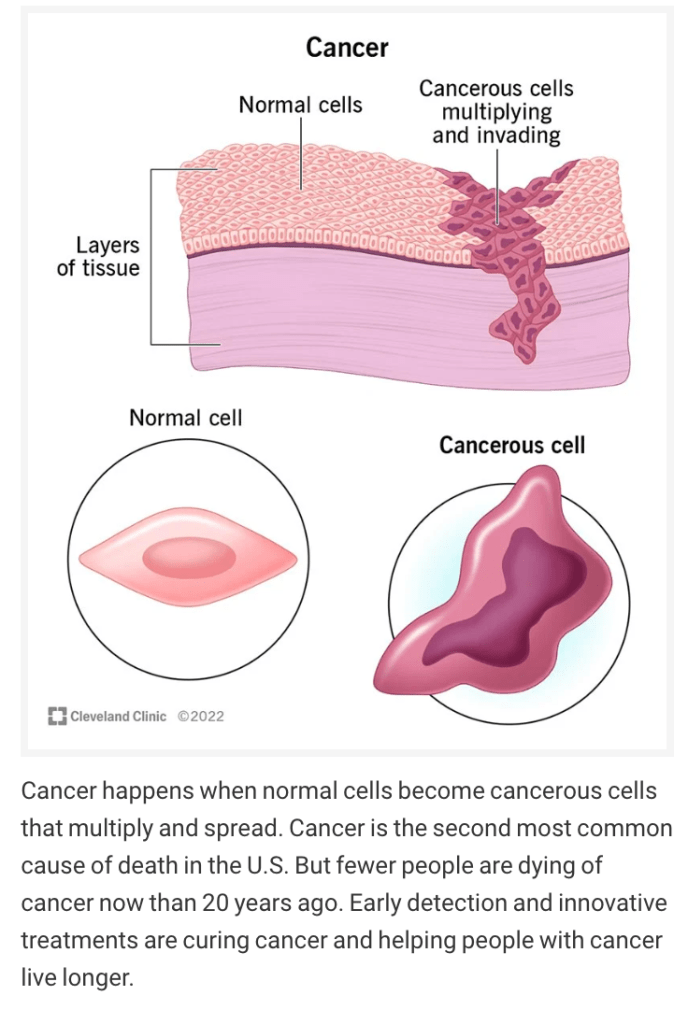
Cancer is a large group of diseases with one thing in common: They all happen when normal cells become cancerous cells that multiply and spread.
Cancer is the second most common cause of death in the U.S. But fewer people are dying of cancer now than 20 years ago. Early detection and innovative treatments are curing cancer and helping people with cancer live longer. At the same time, medical researchers are identifying independent risk factors linked to developing cancer to help prevent people from developing cancer
How does cancer start in your body?
Cancer starts when a gene or several genes mutate and create cancerous cells. These cells create cancer clusters, or tumors. Cancerous cells may break away from tumors, using your lymphatic system or bloodstream to travel to other areas of your body. (Healthcare providers call this metastasis.)
For example, a tumor in your breast may spread to your lungs, making it hard for you to breathe. In some types of blood cancer, abnormal cells in your bone marrow make abnormal blood cells that multiply uncontrollably. Eventually, the abnormal cells crowd out normal blood cells.
How common is cancer?
According to the American Cancer Society, 1 in 2 men and people assigned male at birth (AMAB) and 1 in 3 women and people assigned female at birth (AFAB) will develop cancer. As of 2019, more than 16.9 million people in the U.S. were living with cancer. The most common cancers in the United States are:
- Breast cancer: Breast cancer is the most common type of cancer. It mostly affects women and people AFAB. But about 1% of all breast cancer cases affect men and people AMAB.
- Lung cancer: Lung cancer is the second most common cancer. There are two types of lung cancer: non-small cell cancer and small cell lung cancer.
- Prostate cancer: This cancer affects 1 in 9 men and people AMAB.
- Colorectal cancer: Colon cancer and rectal cancer affect different parts of your digestive system.
- Blood cancers: Leukemia and lymphoma are the most common blood cancers.
Who’s affected by cancer?
Almost anyone may develop cancer, but data show cancer cases vary based on race and sex. According to the 2022 Annual Report on Cancer, the disease:
- Affects slightly more men and people AMAB than women and people AFAB.
- Affects more Black men (AMAB) than people in other racial groups.
- Affects more women (AFAB) who are American Indian or Alaska natives than people in other racial groups.
Almost anyone may develop cancer, but it typically affects people aged 60 and older.
What are cancer symptoms?
Cancer is a complicated disease. You can have cancer for years without developing symptoms. Other times, cancer may cause noticeable symptoms that get worse very quickly. Many cancer symptoms resemble other, less serious illnesses. Having certain symptoms doesn’t mean you have cancer. In general, you should talk to a healthcare provider anytime there’s a change in your body that lasts for more than two weeks.
First symptoms of cancer
Some common early cancer symptoms include:
- Unexplained weight loss.
- Chronic tiredness.
- Persistent pain.
- Fever that occurs mostly at night.
- Skin changes, particularly moles that change shape and size or new moles.
Left untreated, cancer may cause additional symptoms, including:
- Bruising or bleeding more easily.
- Lumps or bumps under your skin that don’t go away.
- Difficulty breathing.
- Difficulty swallowing.
What causes cancer?
Cancer is a genetic disorder. It happens when genes that manage cell activity mutate and create abnormal cells that divide and multiply, eventually disrupting how your body works.
Medical researchers estimate 5% to 12% of all cancers are caused by inherited genetic mutations that you can’t control.
More frequently, cancer happens as an acquired genetic mutation. Acquired genetic mutations happen over the course of your life. Medical researchers have identified several risk factors that increase your chance of developing cancer.
Cancer risk factors you can control
- Smoking: Smoking cigarettes and cigars and using e-cigarettes increases your chance of developing lung, pancreatic, esophageal and oral cancer.
- Diet: Eating high-fat or high-sugar foods can increase your risk for many types of cancer. You’re also more vulnerable to disease if you don’t get enough exercise.
- Environment: Exposure to toxins in your environment — such as asbestos, pesticides and radon — can eventually lead to cancer.
- Radiation exposure: Ultraviolet (UV) radiation from the sun significantly increases your risk of developing skin cancer. Over-exposure to radiation treatment can also be a risk factor.
- Hormone therapy: Women and people AFAB taking hormone replacement therapy may have an increased risk for breast cancer and endometrial cancer.
How can I reduce my risk of developing cancer?
You can reduce your risk by changing some of your lifestyle choices:
- If you smoke or use tobacco, try to stop. Ask a healthcare provider about smoking cessation programs that can help you quit tobacco.
- Follow a diet plan that’s healthy for you. If you want help managing your weight, ask a healthcare provider about nutritional guidance and weight management programs.
- Add exercise to your daily routine. Exercise may boost your immune system so it provides more protection against cancer.
- Avoid toxins, including asbestos, radon and pesticides.
- Protect yourself against sun damage.
- Have regular cancer screenings.
DIAGNOSIS AND TESTS
How do healthcare providers diagnose cancer?
Healthcare providers begin a cancer diagnosis by doing a comprehensive physical examination. They’ll ask you to describe your symptoms. They may ask about your family medical history. They may also do the following tests:
- Blood tests.
- Imaging tests.
- Biopsies.
Blood tests
Blood tests for cancer may include:
- Complete blood count (CBC): A CBC test measures and counts your blood cells.
- Tumor markers: Tumor markers are substances that cancer cells release or that your normal cells release in response to cancer cells.
- Blood protein tests: Healthcare providers use a process called electrophoresis to measure immunoglobulins. Your immune system reacts to certain cancers by releasing immunoglobulins.
- Circulating tumor cell tests: Cancerous tumors may shed cells. Tracking tumor cells helps healthcare providers monitor cancer activity.
Imaging tests
Imaging tests may include:
- Computed tomography (CT) scan: CT scans check for cancerous tumors’ location and impact on your organs and bones.
- X-rays: X-rays use safe amounts of radiation to create images of your bones and soft tissues.
- Positron emission test (PET) scan: PET scans produce images of your organs and tissues at work. Healthcare providers may use this test to detect early signs of cancer.
- Ultrasound: An ultrasound uses high-intensity sound waves that show structures inside of your body.
- Magnetic resonance imaging (MRI): MRIs use a large magnet, radio waves and a computer to create images of your organs and other structures inside of your body.
- Iodine meta-iodobenzylguanidine (MIGB): This nuclear imaging test helps detect cancer, including carcinoid tumors and neuroblastoma.
Biopsies
A biopsy is a procedure healthcare providers do to obtain cells, tissue, fluid or growths that they’ll examine under a microscope. There are several kinds of biopsies:
- Needle biopsy: This test may be called a fine needle aspiration or fine needle biopsy. Healthcare providers use a thin hollow needle and syringe to extract cells, fluid or tissue from suspicious lumps. Needle biopsies are often done to help diagnose breast cancer, thyroid cancer or cancer in your lymph nodes.
- Skin biopsy: Healthcare providers remove a small sample of your skin to diagnose skin cancer.
- Bone marrow biopsy: Healthcare providers remove a small sample of bone marrow so they can test the sample for signs of disease, including cancer in your bone marrow.
- Endoscopic or laparoscopic biopsy: These biopsies use an endoscope or laparoscope to see the inside of your body. With both of these methods, a small cut is made in your skin and an instrument is inserted. An endoscope is a thin, flexible tube with a camera on the tip, along with a cutting tool to remove your sample. A laparoscope is a slightly different scope.
- Excisional or incisional biopsy: For these open biopsies, a surgeon cuts into your body and either the entire tumor is removed (excisional biopsy) or a part of the tumor is removed (incisional biopsy) to test or treat it.
- Perioperative biopsy: This test may be called a frozen section biopsy. This biopsy is done while you’re having another procedure. Your tissue will be removed and tested right away. Results will come in soon after the procedure, so if you need treatment, it can start immediately.
Genetic testing
Cancer may happen when a single gene mutates or several genes that work together mutate. Researchers have identified more than 400 genes associated with cancer development. People who inherit these genes from their biological parents may have an increased risk of developing cancer. Healthcare providers may recommend genetic testing for cancer if you have an inherited form of cancer. They may also do genetic testing to do therapy that targets specific cancer genes. They use test results to develop a diagnosis. They’ll assign a number or stage to your diagnosis. The higher the number, the more cancer has spread.
How is cancer stage determined?
Healthcare providers use cancer staging systems to plan treatment and develop a prognosis or expected outcome. TNM is the most widely used cancer staging system. T stands for primary tumor. N stands for lymph nodes and indicates whether a tumor has spread to your lymph nodes. M stands for metastasis, when cancer spreads.
What are the four stages of cancer?
Most cancers have four stages. The specific stage is determined by a few different factors, including the tumor’s size and location:
- Stage I: The cancer is localized to a small area and hasn’t spread to lymph nodes or other tissues.
- Stage II: The cancer has grown, but it hasn’t spread.
- Stage III: The cancer has grown larger and has possibly spread to lymph nodes or other tissues.
- Stage IV: The cancer has spread to other organs or areas of your body. This stage is also referred to as metastatic or advanced cancer.
Though stages one through four are the most common, there’s also a Stage 0. This earliest phase describes cancer that’s still localized to the area in which it started. Cancers that are still in Stage 0 are usually easily treatable and are considered pre-cancerous by most healthcare providers.
MANAGEMENT AND TREATMENT
How do healthcare providers treat cancer?
Healthcare providers may use several different treatments, sometimes combining treatments based on your situation. Common cancer treatments include:
- Chemotherapy: Chemotherapy is one of the most common cancer treatments. It uses powerful drugs to destroy cancer cells. You may receive chemotherapy in pill form or intravenously (through a needle into a vein). In some cases, providers may be able to direct chemotherapy to the specific area affected.
- Radiation therapy: This treatment kills cancer cells with high dosages of radiation. Your healthcare provider may combine radiation therapy and chemotherapy.
- Surgery: Cancerous tumors that haven’t spread may be removed with surgery. Your healthcare provider may recommend therapy. This treatment combines surgery with chemotherapy or radiation to shrink a tumor before surgery or to kill cancer cells that may remain after surgery.
- Hormone therapy: Sometimes, providers prescribe hormones that block other cancer-causing hormones. For example, men and people assigned male at birth who have prostate cancer might receive hormones to keep testosterone (which contributes to prostate cancer) lower than usual.
- Biological response modifier therapy: This treatment stimulates your immune system and helps it perform more effectively. It does this by changing your body’s natural processes.
- Immunotherapy for cancer: Immunotherapy is a cancer treatment that engages your immune system to fight the disease. The treatment may be called biological therapy.
- Targeted therapy for cancer: Targeted therapy is a cancer treatment that targets the genetic changes or mutations that turn healthy cells into cancer cells.
- Bone marrow transplant: Also called stem cell transplantation, this treatment replaces damaged stem cells with healthy ones. Autologous transplantation uses your supply of healthy stem cells. Allogeneic transplantation uses stem cells donated by another person.
https://www.cancer.gov/types/common-cancers
Common Cancer Types
This list of common cancer types includes cancers that are diagnosed with the greatest frequency in the United States, excluding nonmelanoma skin cancers:
Bladder Cancer
Breast Cancer
Colon and Rectal Cancer
Endometrial Cancer
Kidney Cancer
Leukemia
Liver
Lung Cancer
Melanoma
Non-Hodgkin Lymphoma
Pancreatic Cancer
Prostate Cancer
Thyroid Cancer
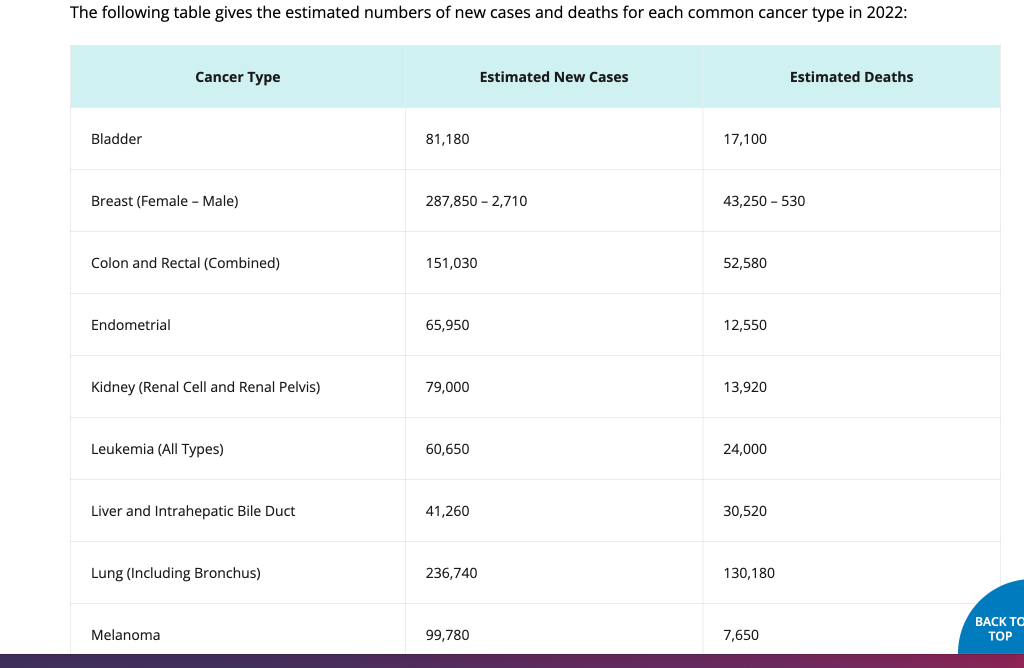
Cancer incidence and mortality statistics reported by the National Cancer Institute and other resources were used to create the list.1 To qualify as a common cancer for the list, the estimated annual incidence for 2022 had to be 40,000 cases or more.
The most common type of cancer on the list is breast cancer, with 290,560 new cases expected in the United States in 2022. The next most common cancers are prostate cancer and lung cancer.
Because colon and rectal cancers are often referred to as “colorectal cancers,” these two cancer types are combined for the list. For 2022, the estimated number of new cases of colon cancer and rectal cancer are 106,180 and 44,850, respectively, adding to a total of 151,030 new cases of colorectal cancer.
The following table gives the estimated numbers of new cases and deaths for each common cancer type in 2022:
What Is Bladder Cancer?
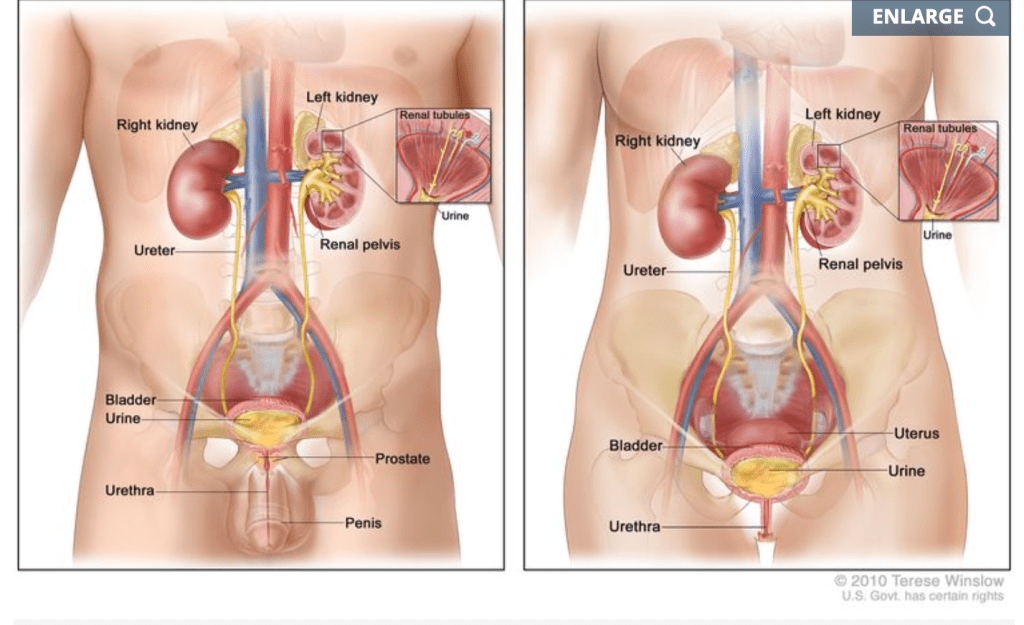
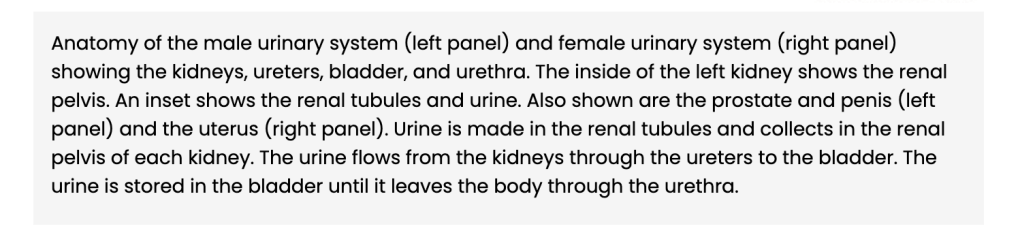
Bladder cancer occurs when cells in the bladder start to grow without control. The bladder is a hollow, balloon-shaped organ in the lower part of the abdomen that stores urine.
The bladder has a muscular wall that allows it to get larger to store urine made by the kidneys and to shrink to squeeze urine out of the body. There are two kidneys, one on each side of the backbone, above the waist. The bladder and kidneys work together to remove toxins and wastes from your body through urine:
- Tiny tubules in the kidneys filter and clean the blood.
- These tubules take out waste products and make urine.
- The urine passes from each kidney through a long tube called a ureter into the bladder.
- The bladder holds the urine until it passes through a tube called the urethra and leaves the body.
Cancer Stat Facts: Female Breast Cancer
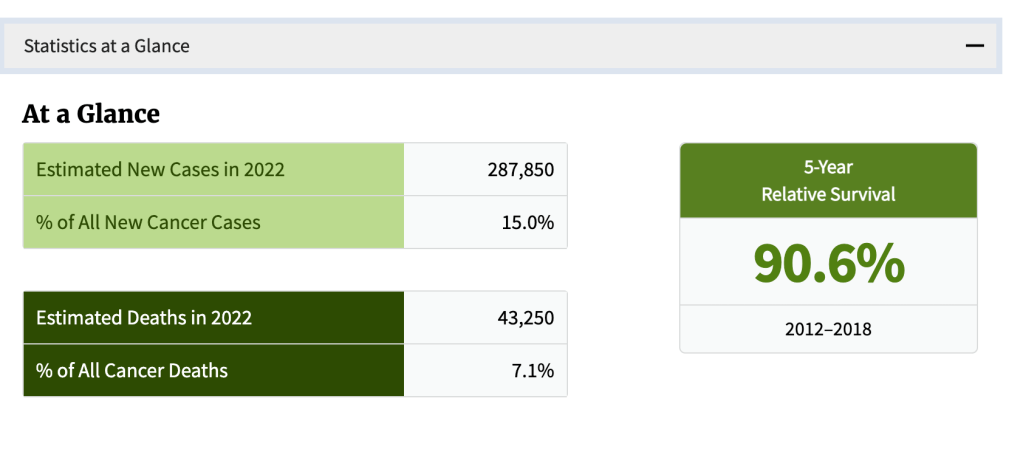
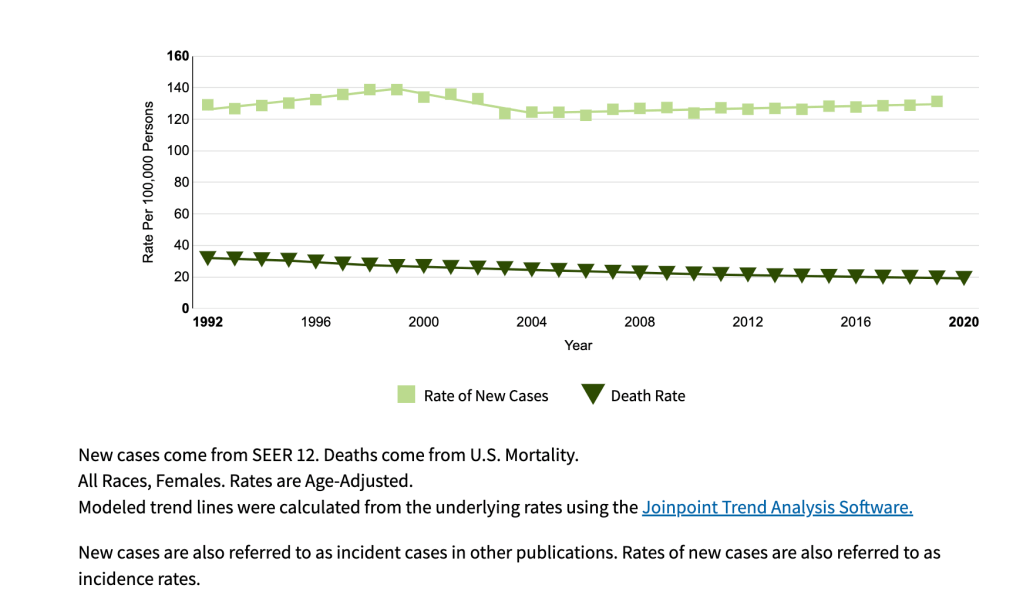
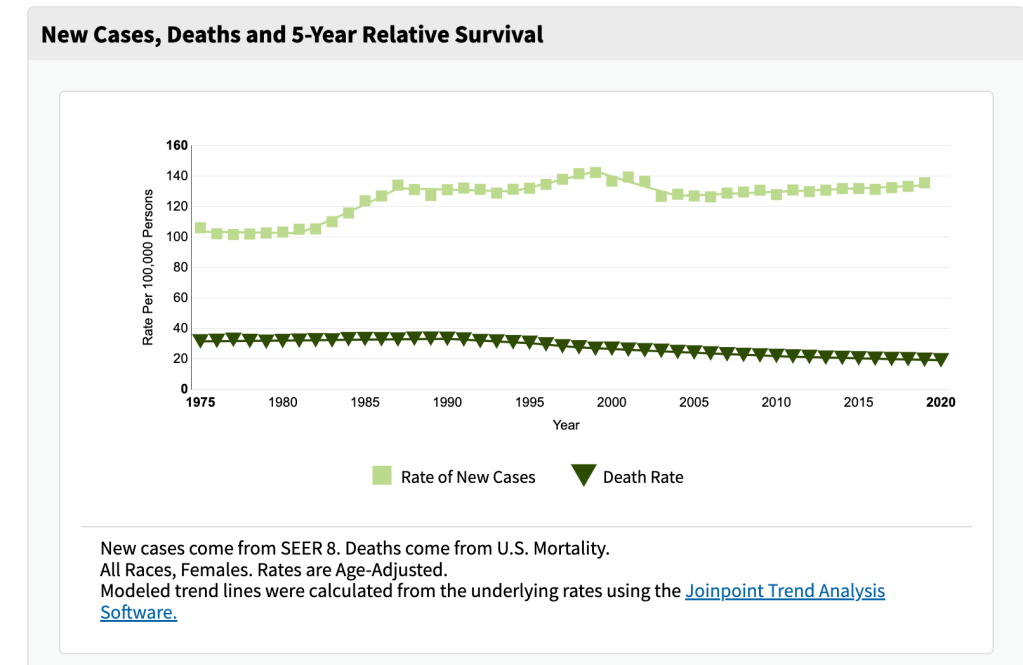
Cancer Stat Facts: Colorectal Cancer
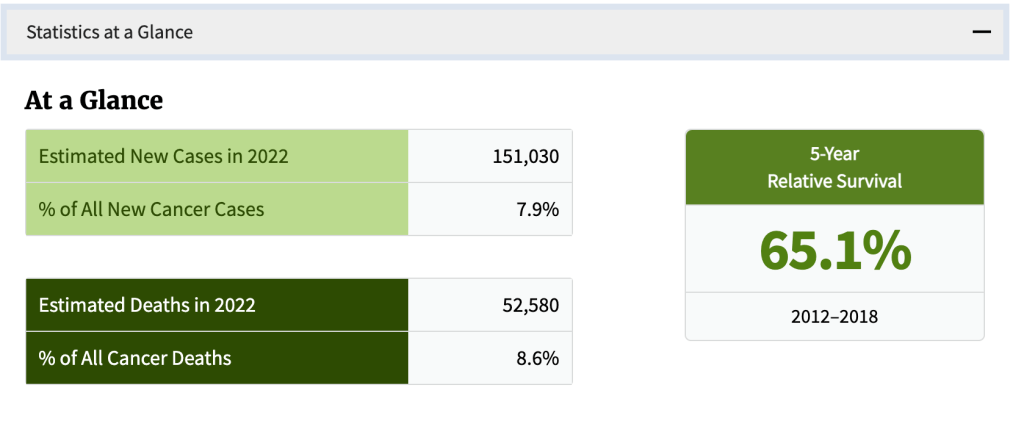
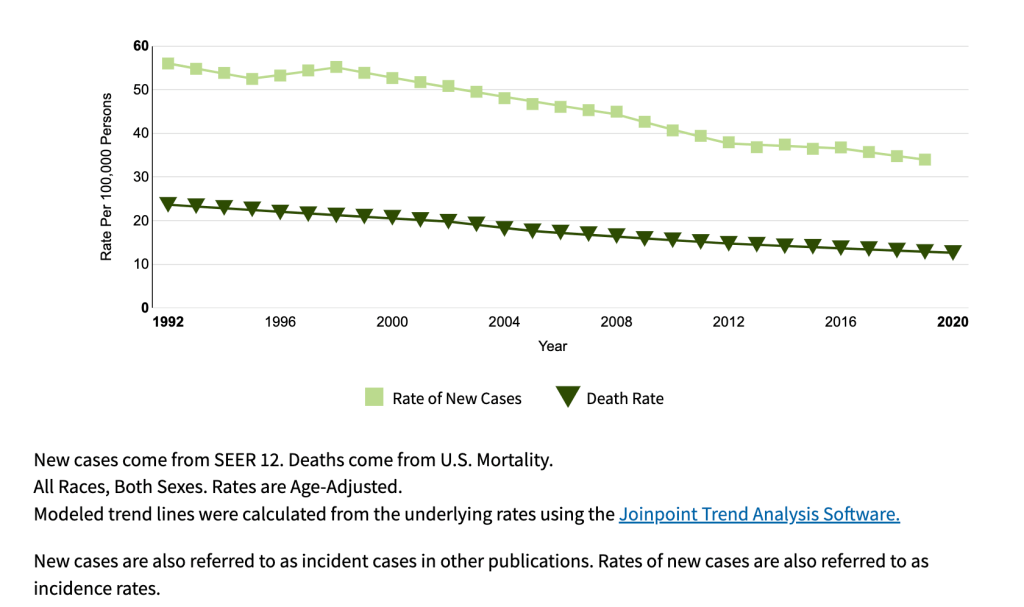
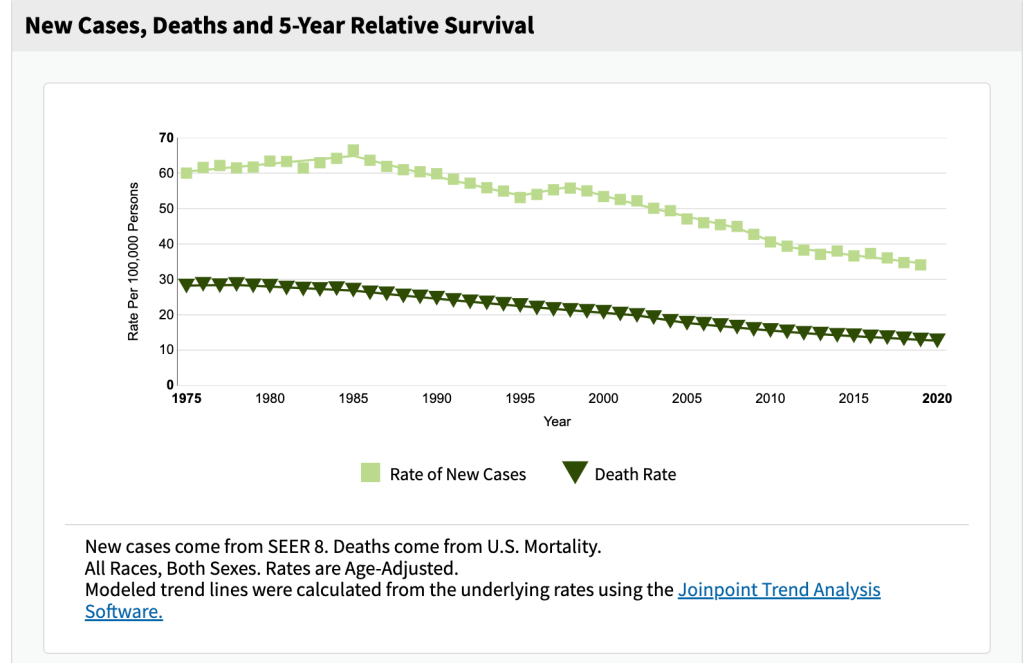
Cancer Stat Facts: Kidney and Renal Pelvis Cancer
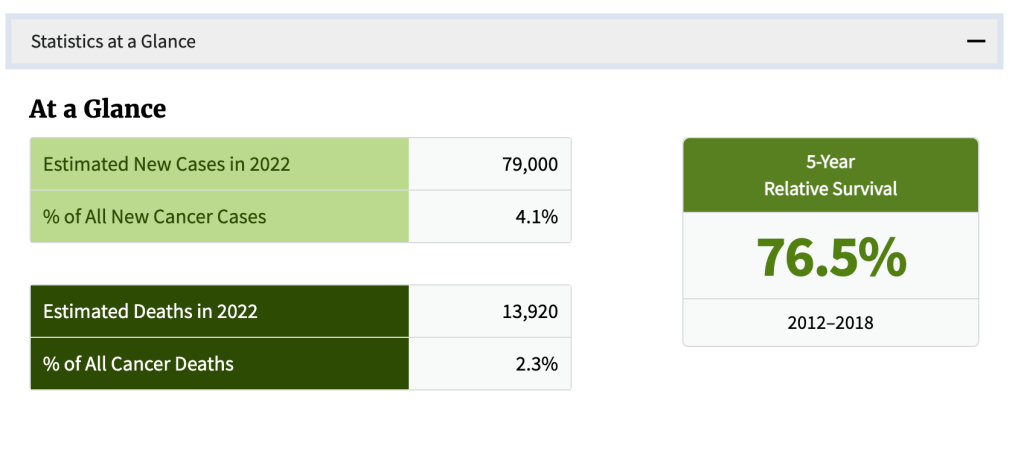
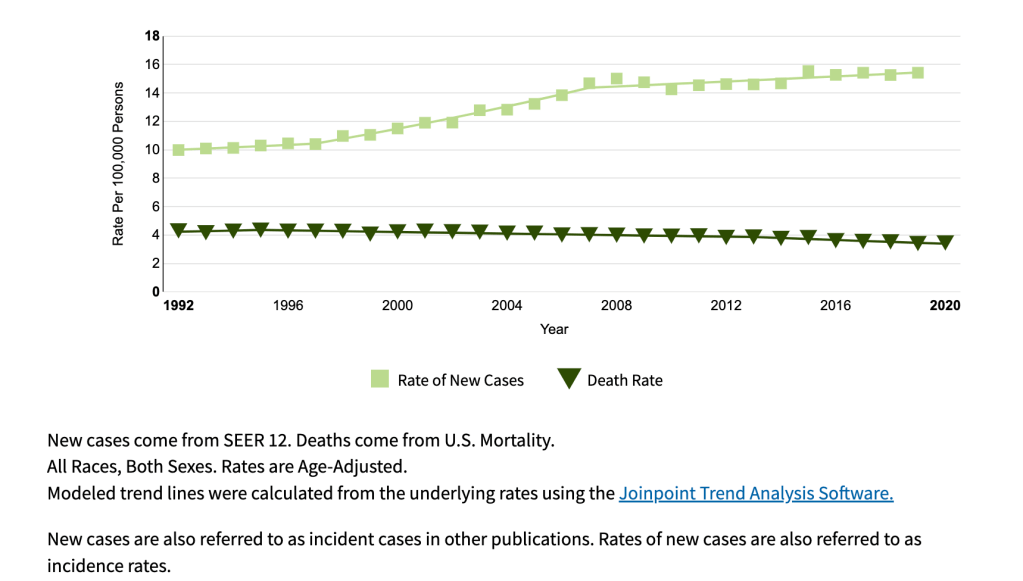
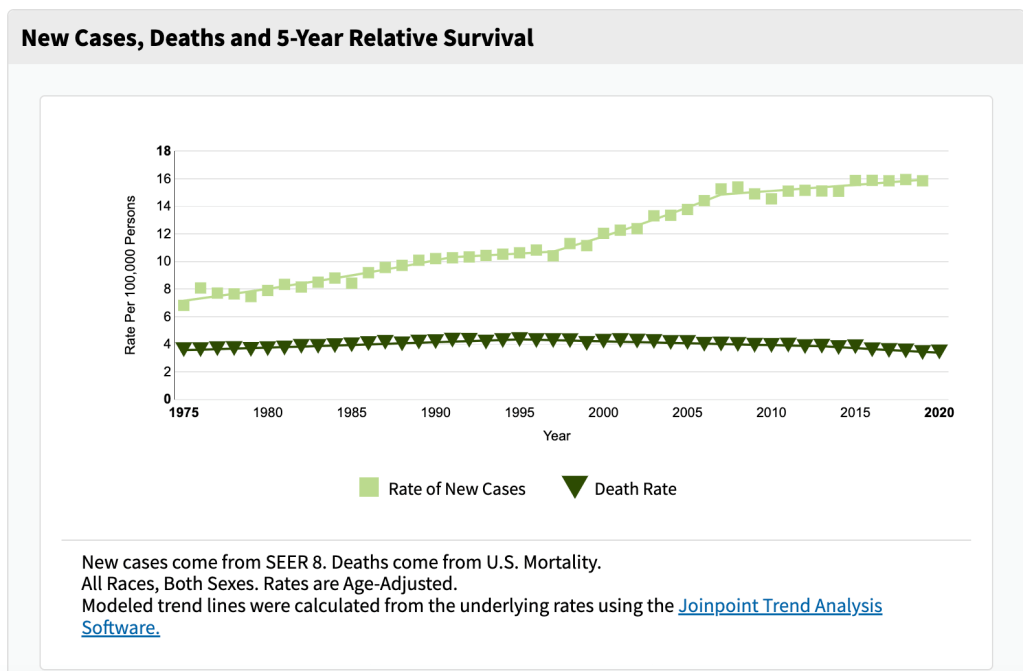
Cancer Stat Facts: Lung and Bronchus Cancer
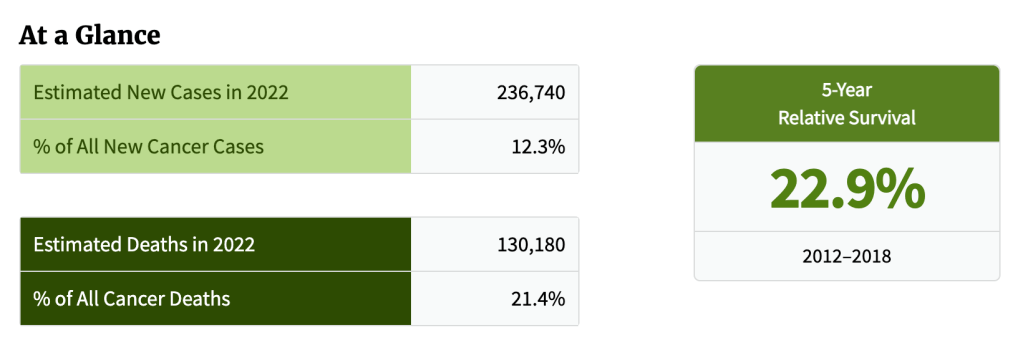
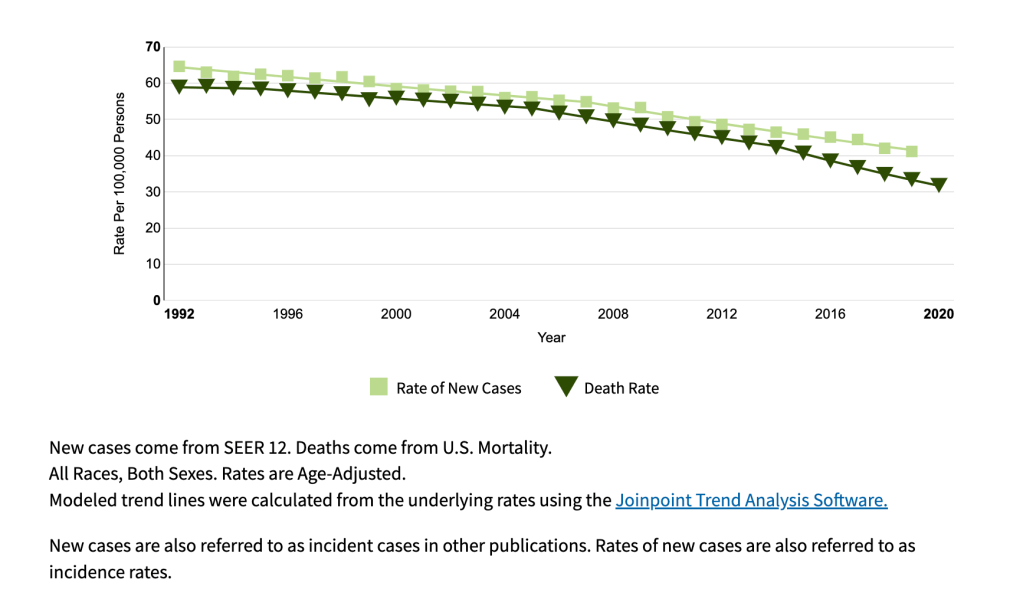

Cancer Stat Facts: Non-Hodgkin Lymphoma
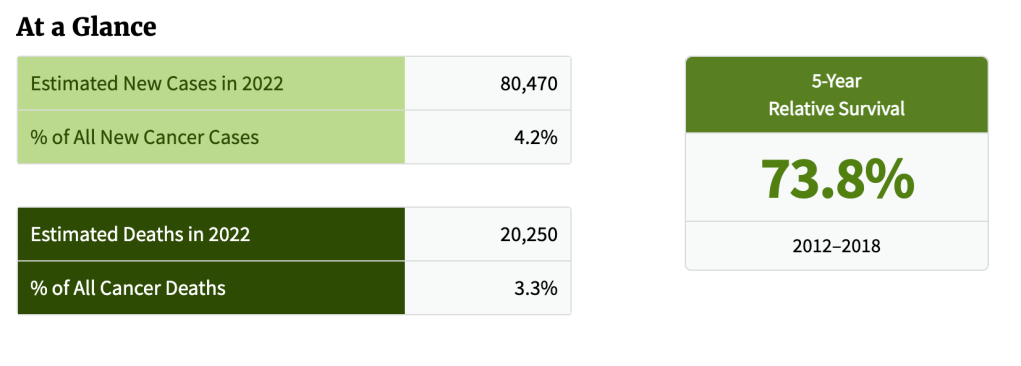
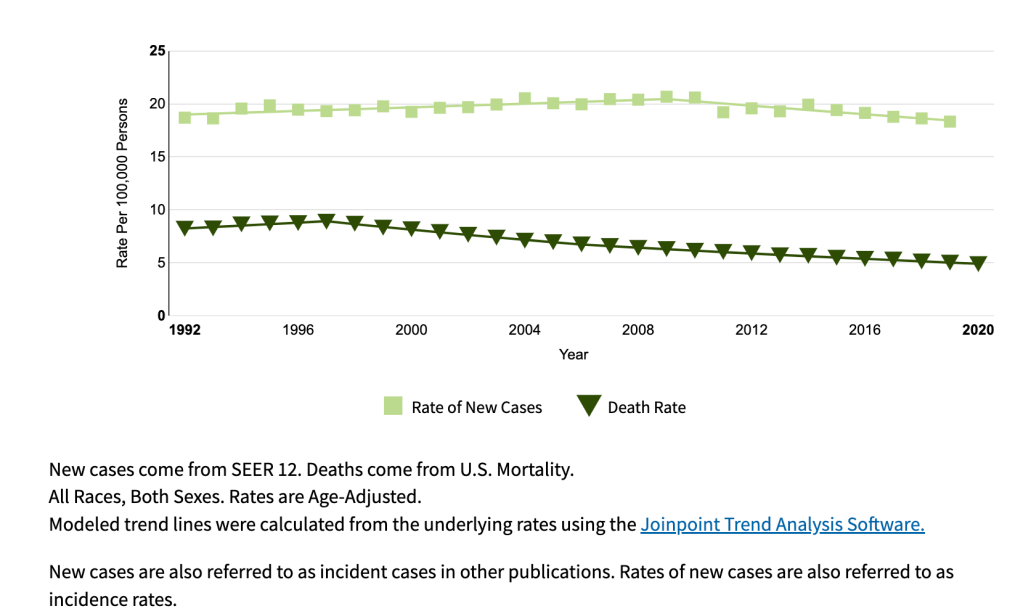
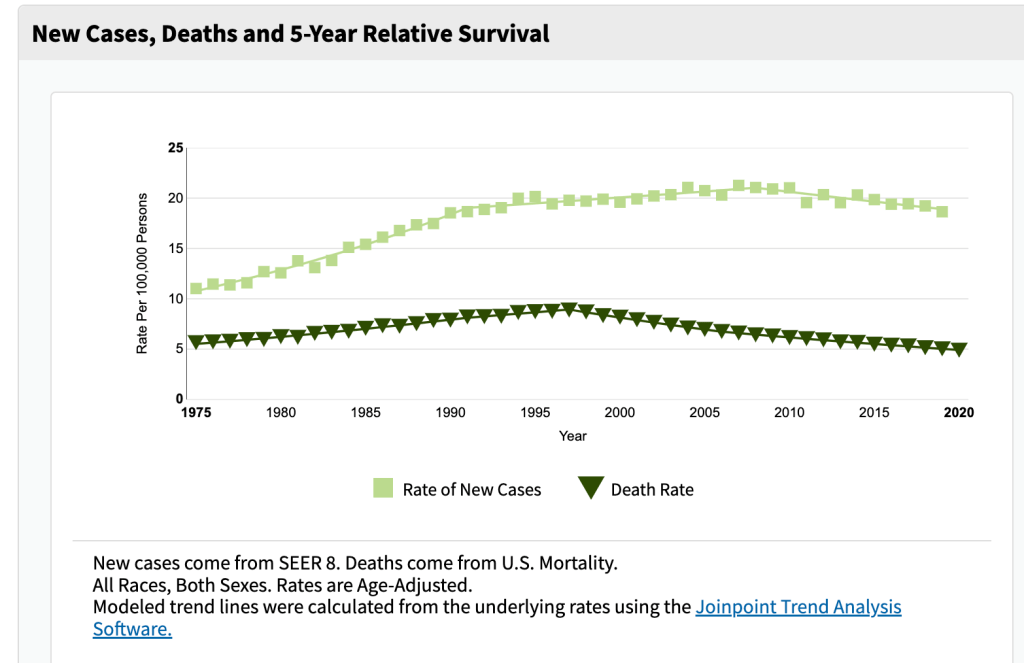
Cancer Stat Facts: Pancreatic Cancer
https://www.cancer.org/latest-news/understanding-cancer-death-rates.html
https://ourworldindata.org/cancer
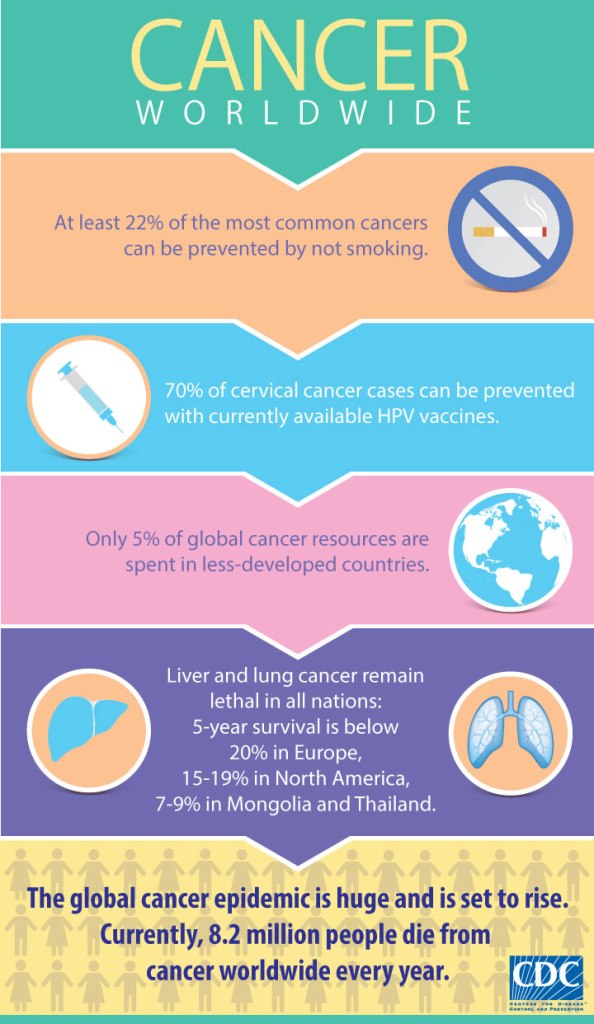
https://www.cdc.gov/globalhealth/topics/index.html
https://gco.iarc.fr/projects/infographics
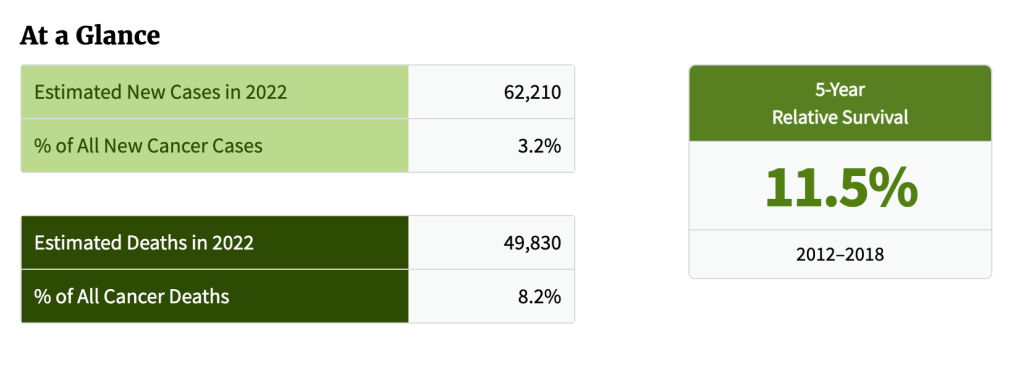

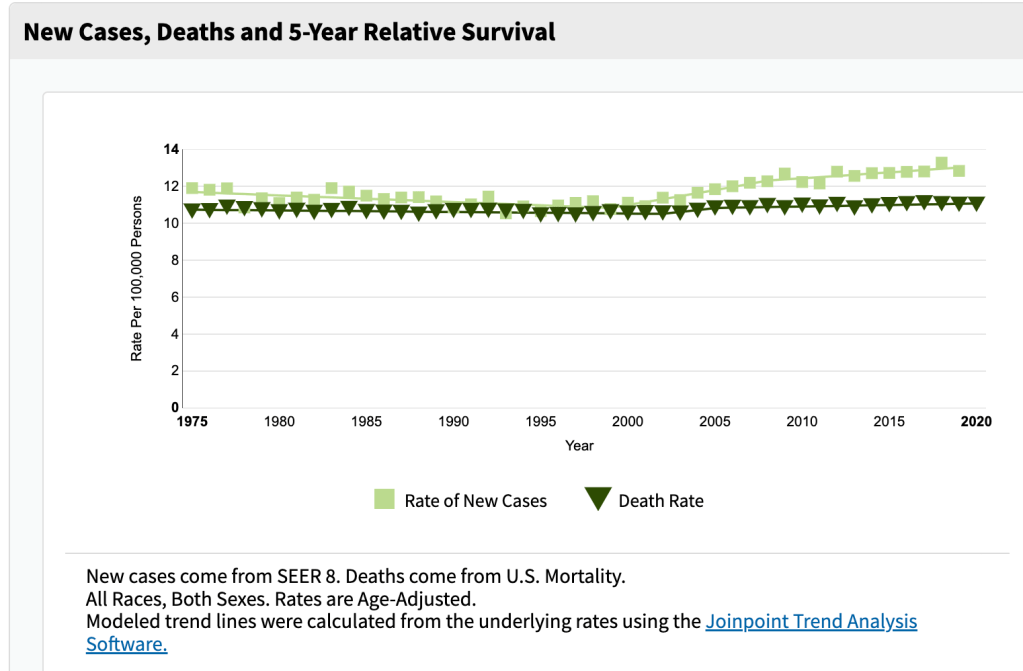
Cancer Stat Facts: Prostate Cancer
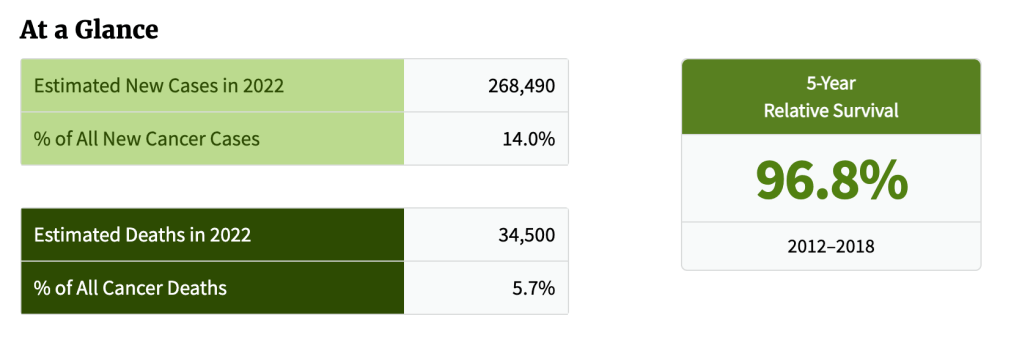
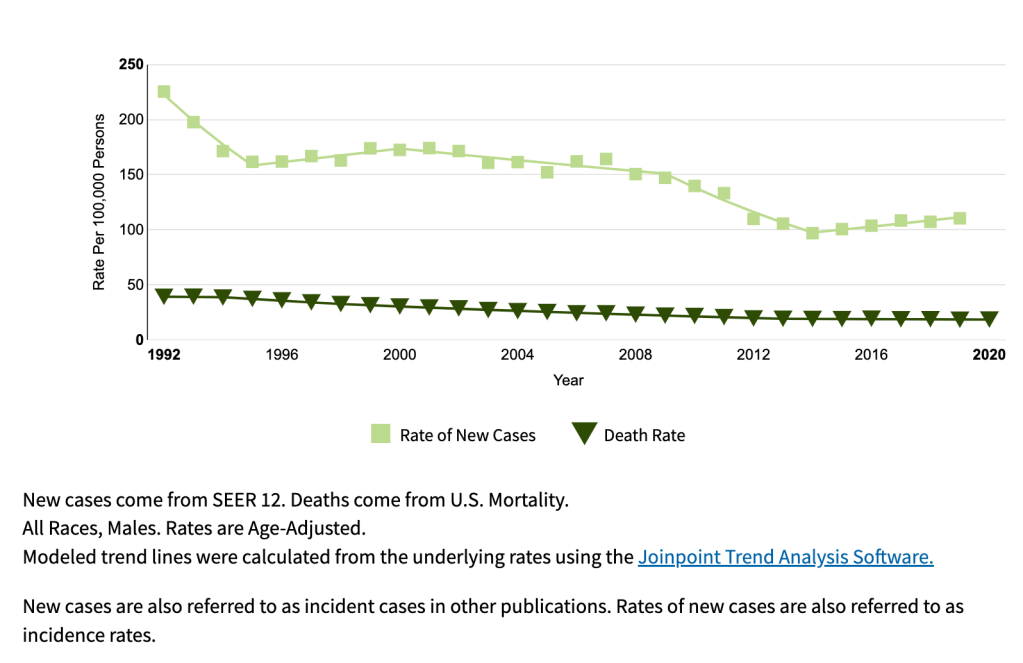
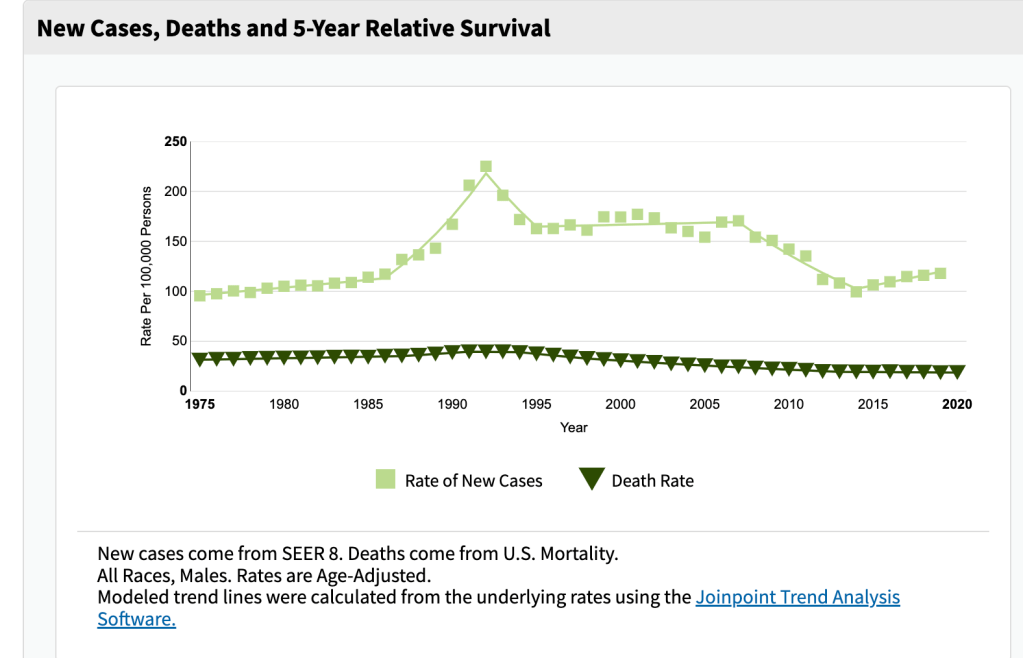
Cancer Stat Facts: Melanoma of the Skin
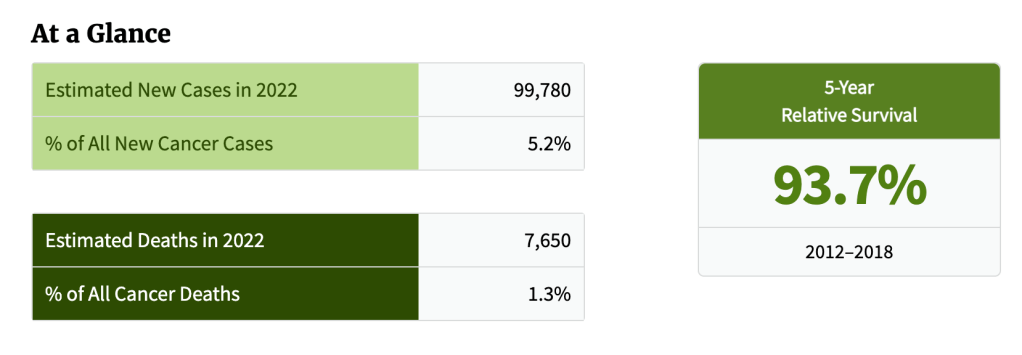
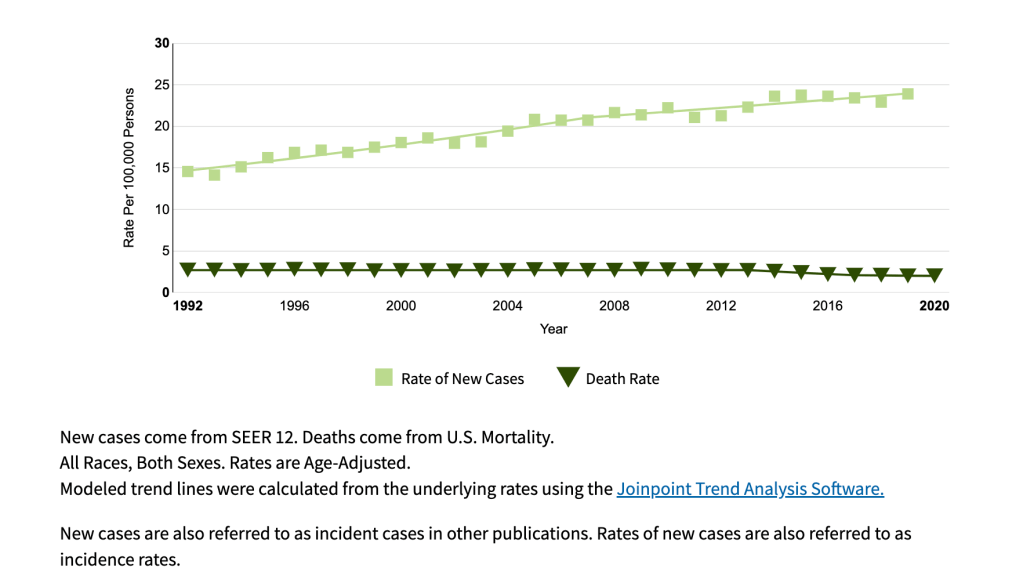
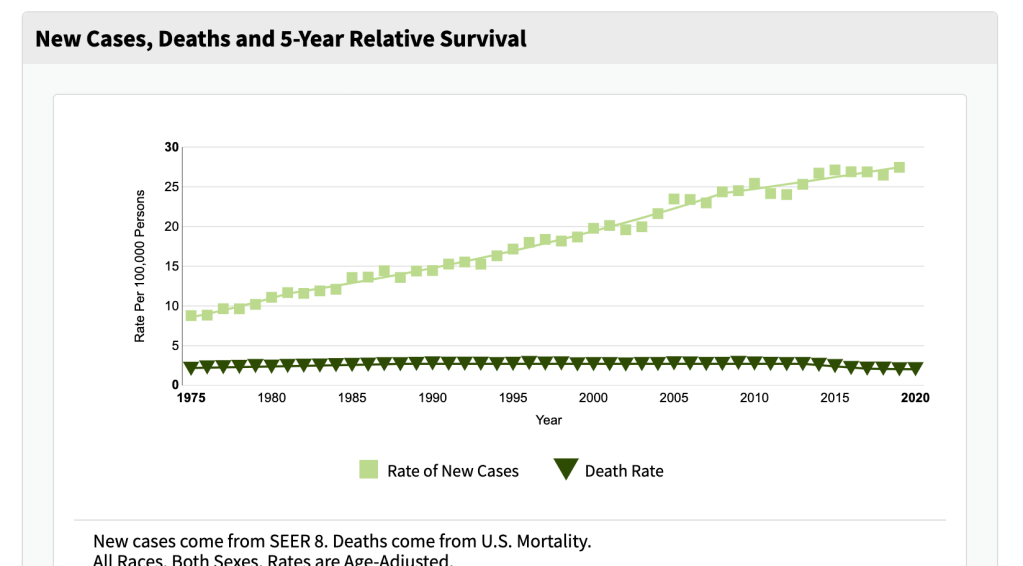
Cancer Stat Facts: Uterine Cancer
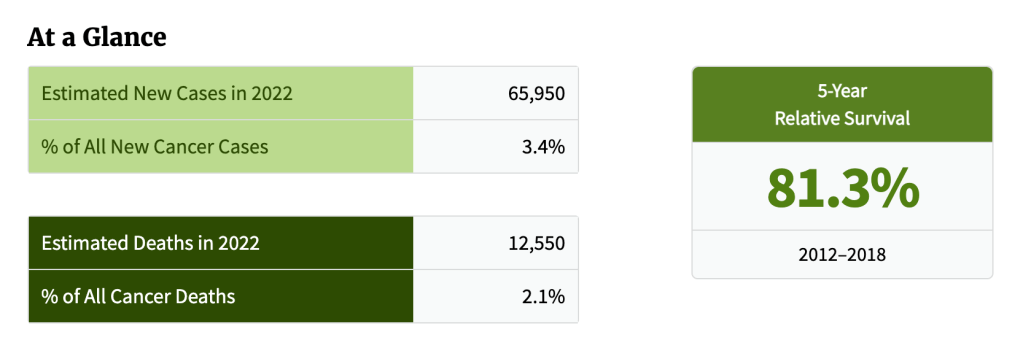
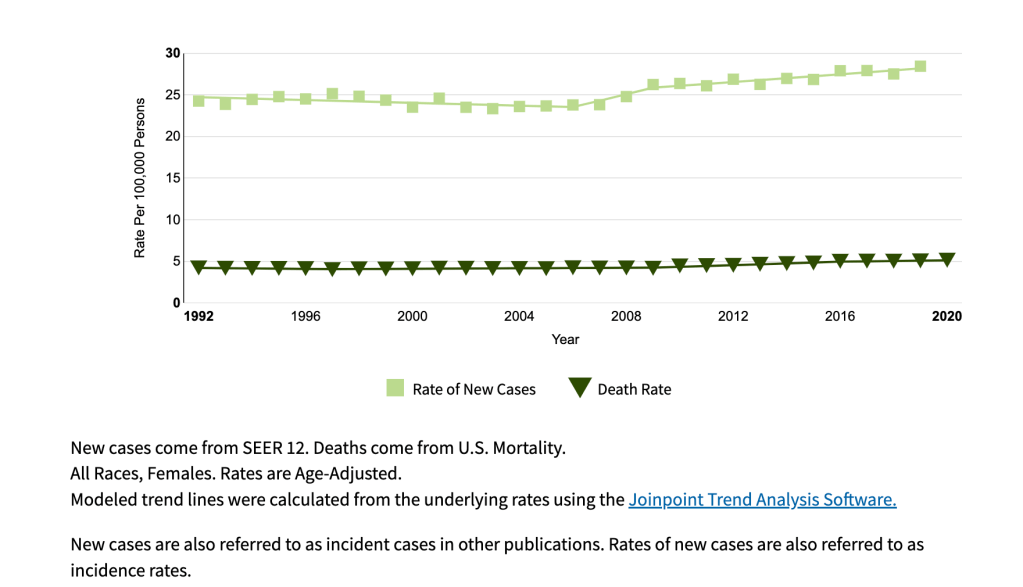
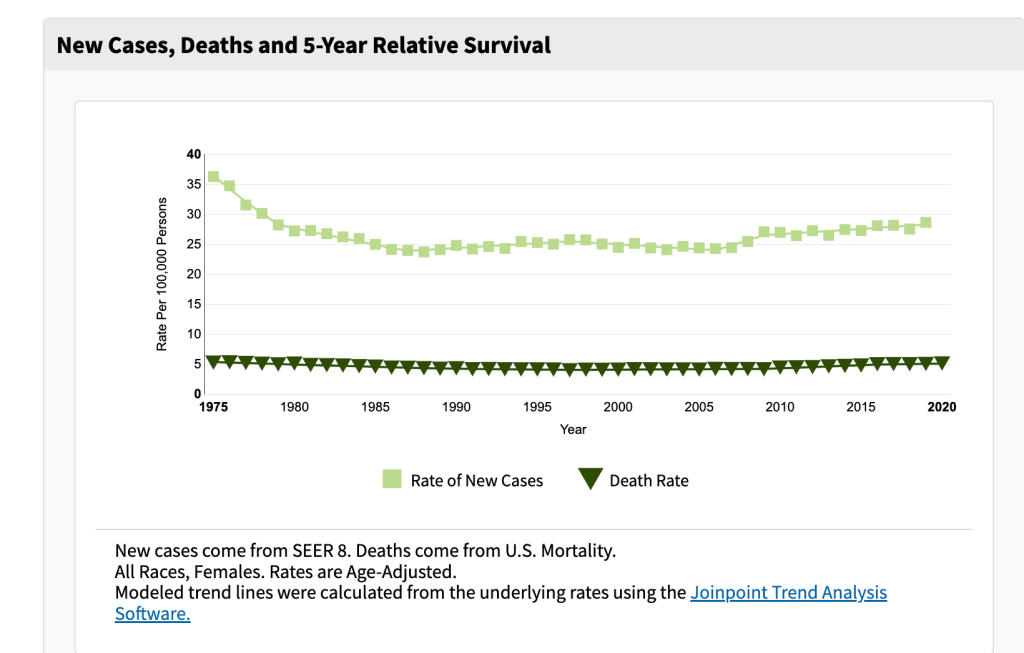
https://www.cdc.gov/globalhealth/infographics/cancer/cancer2015.htm
I lost my father from cancer, my husband was just diagnosed with prostatic cancer couple months ago, very good friend of mine was diagnosed with melanoma – I feel like is like invisible enemy around us – can show any time, at any of us, at any part of our body!
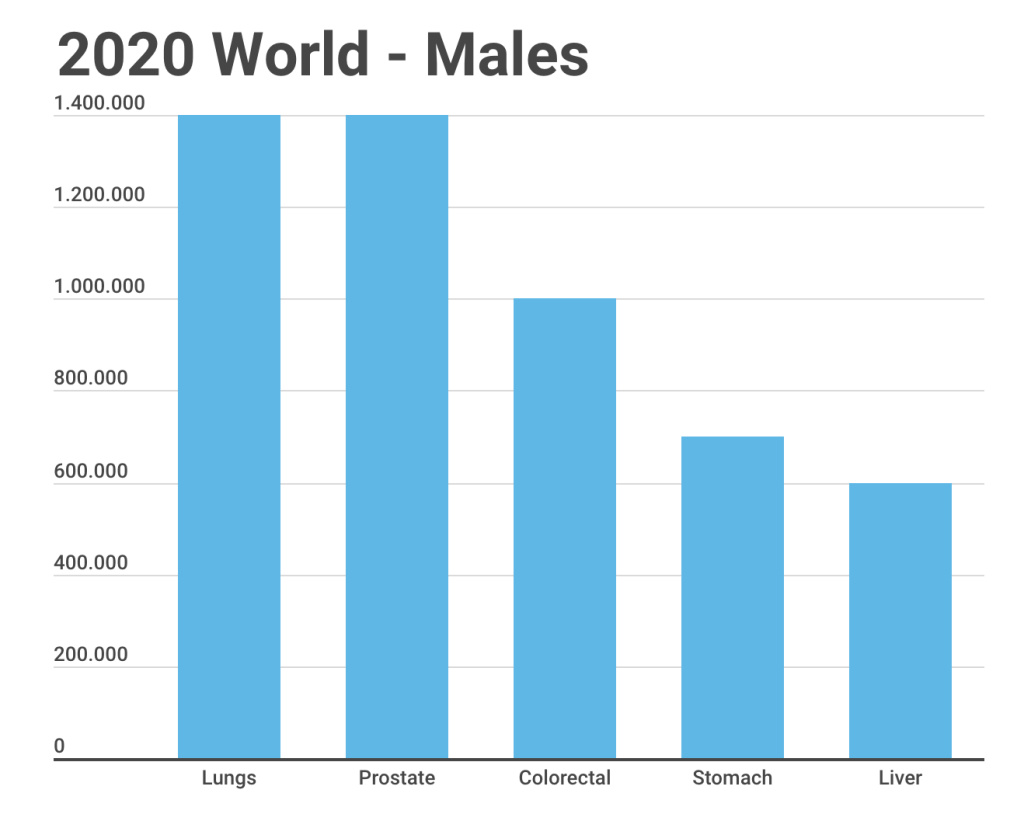
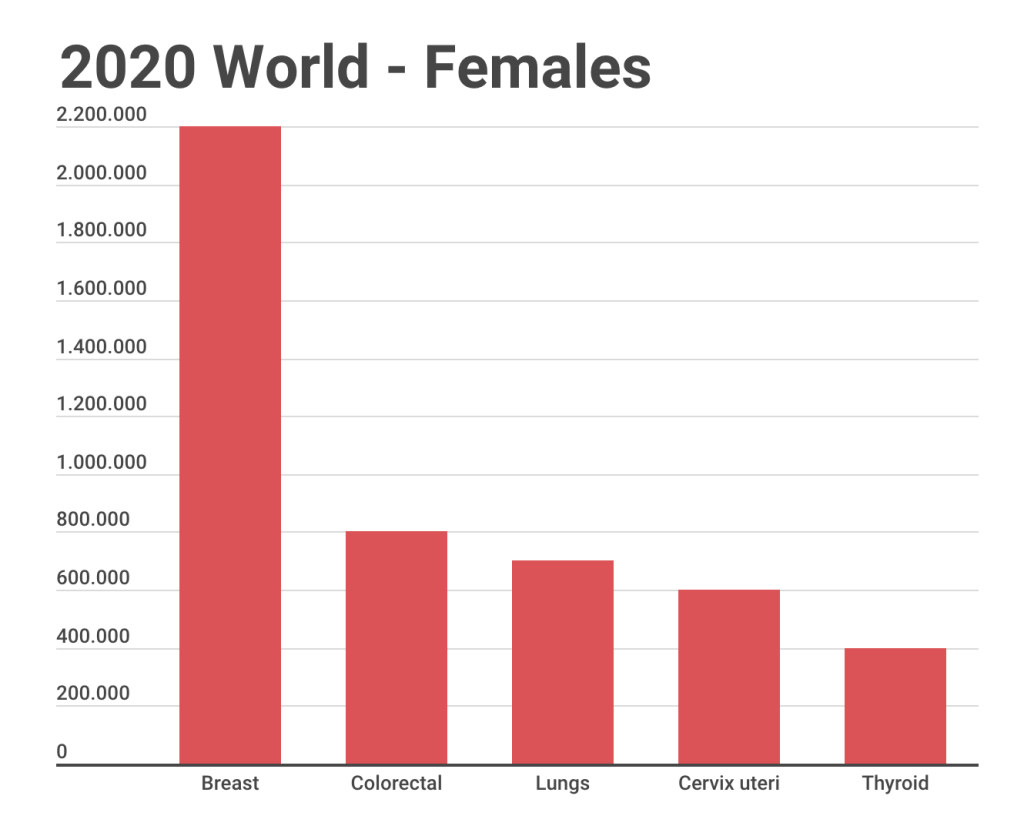
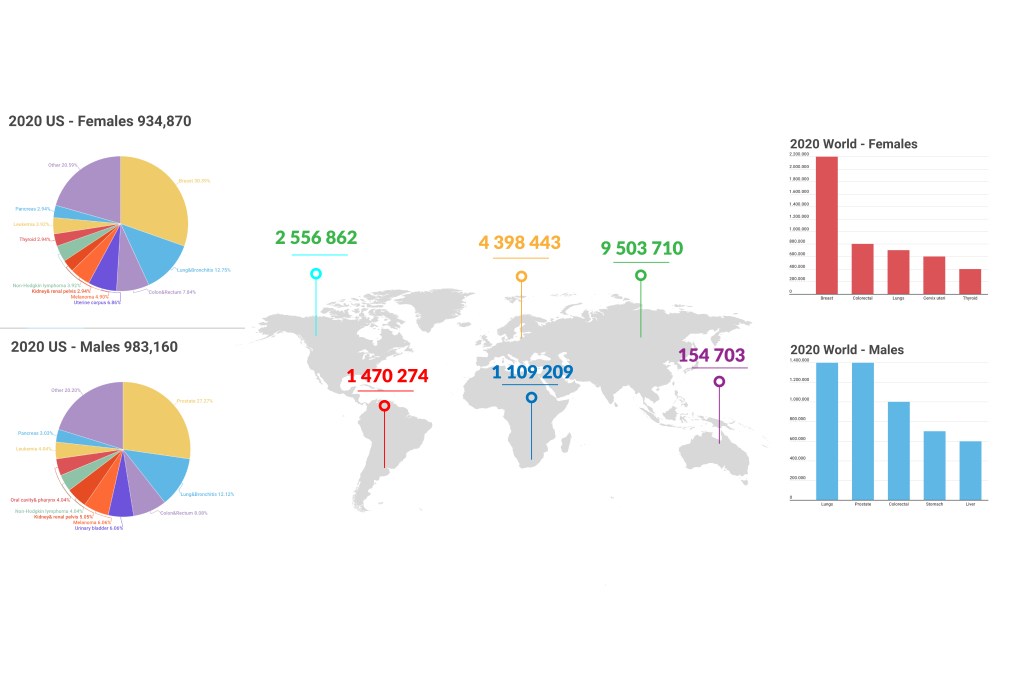
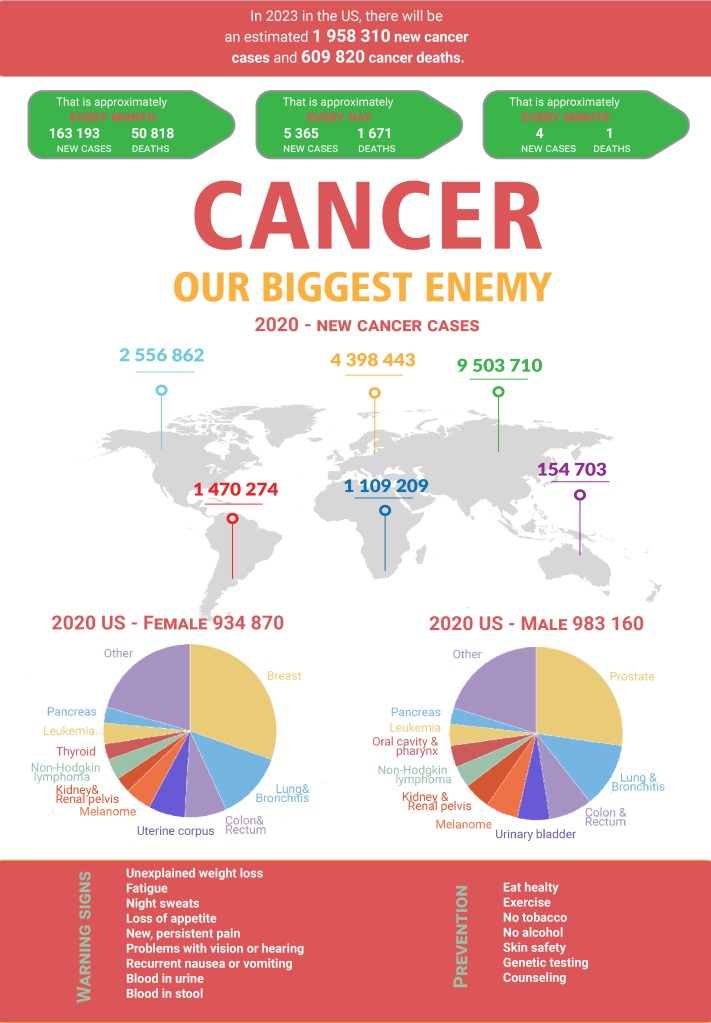
I created first couple diagrams separate and then combine them in one artboard.
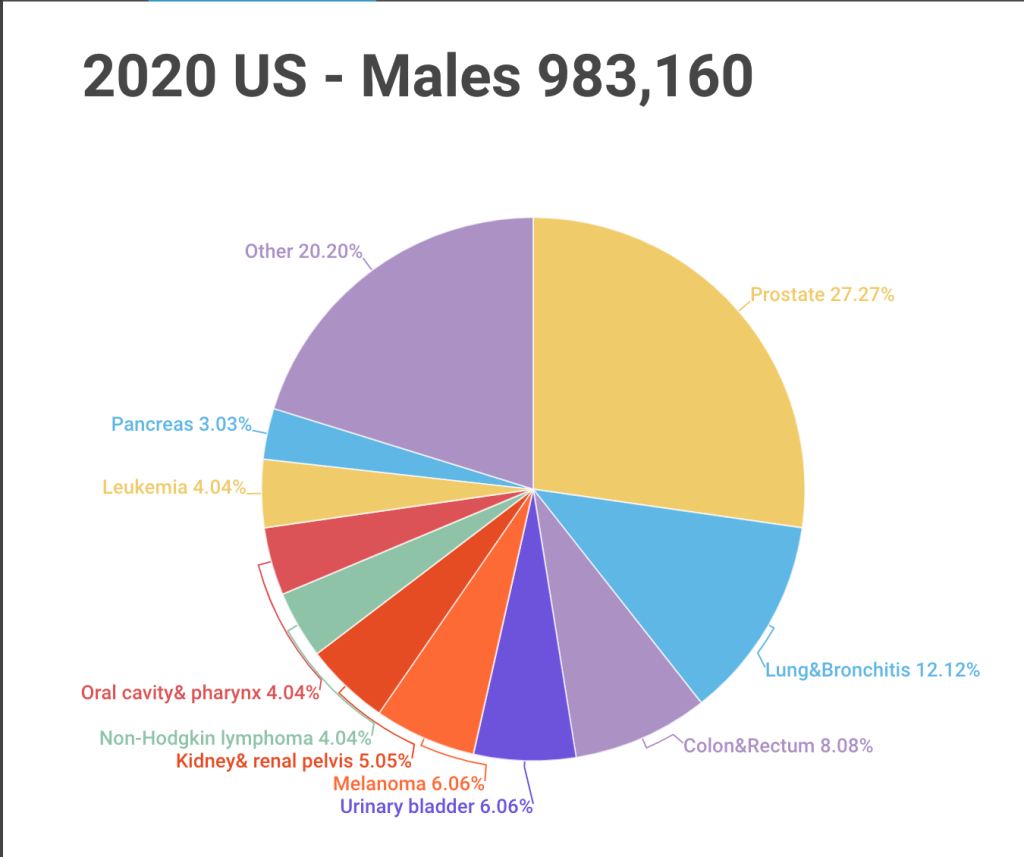
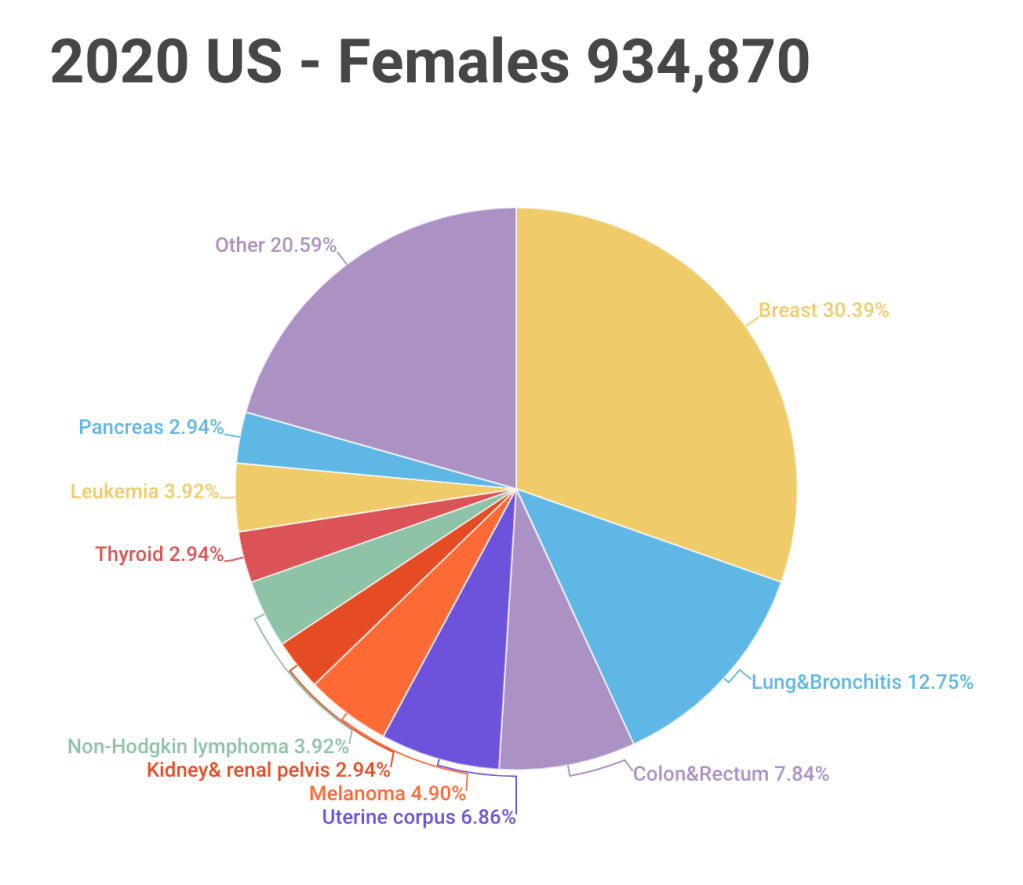
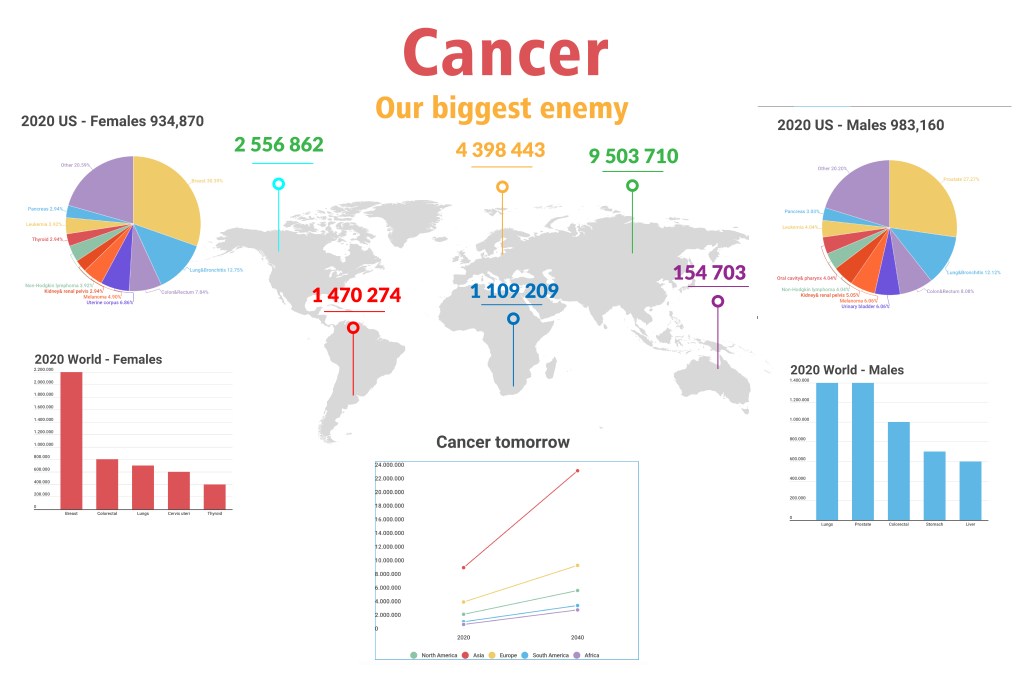
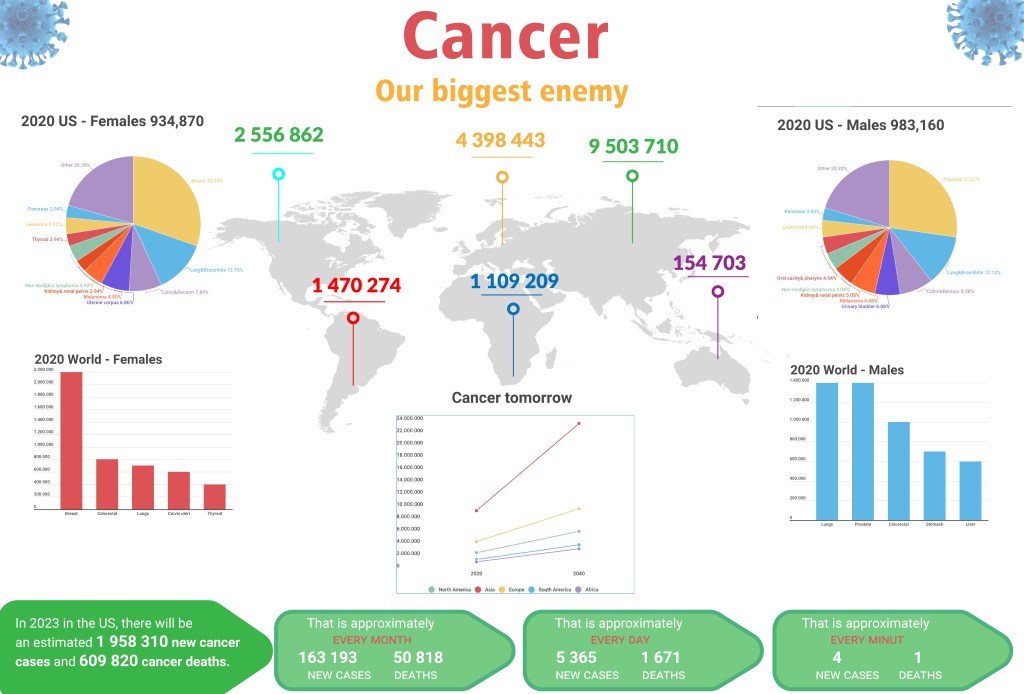
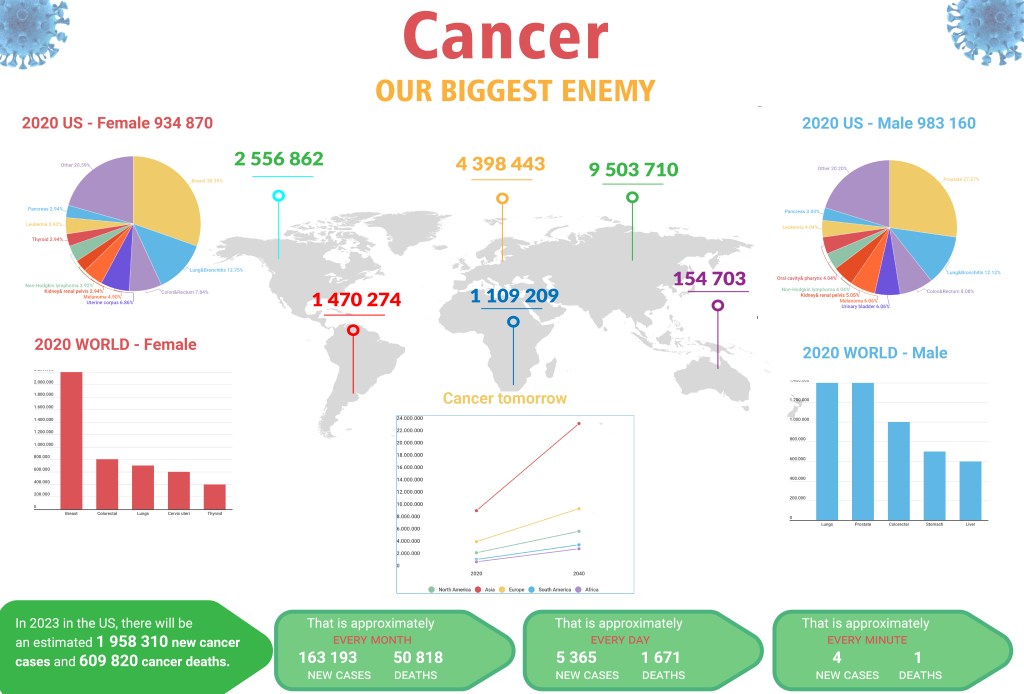
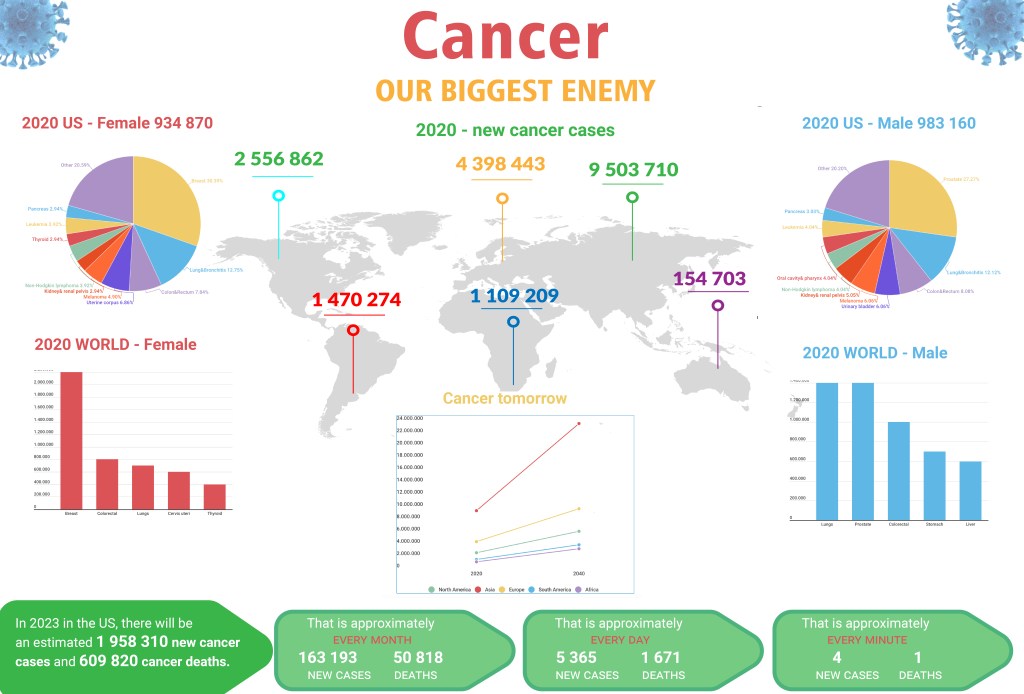
This is my final version:
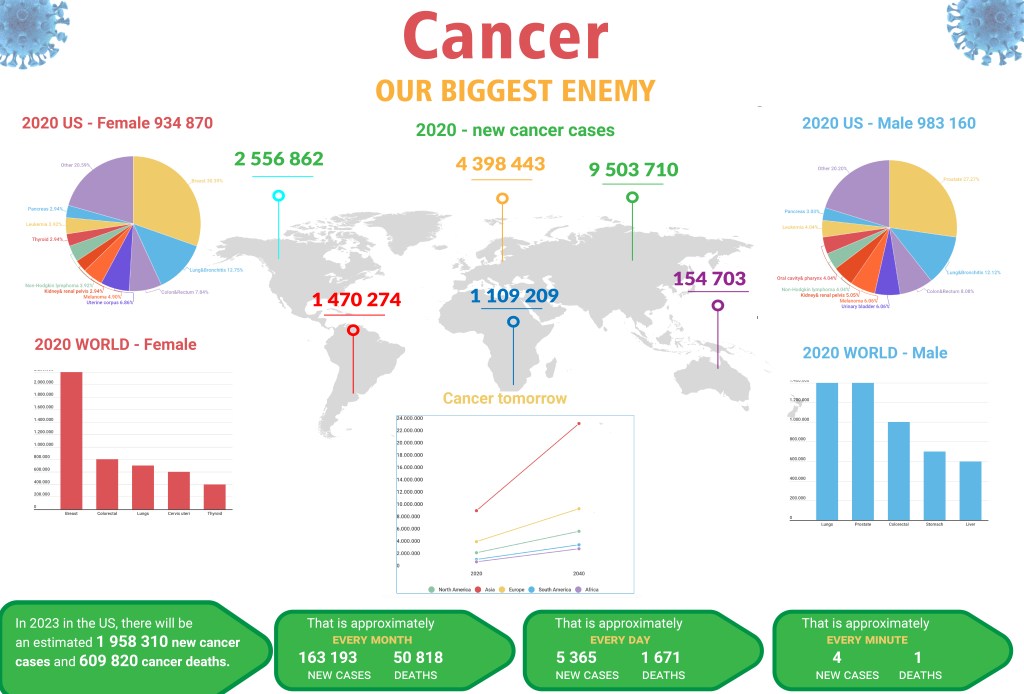
As more as I was looking, I was coming up with new ideas -so, here is my new projects:
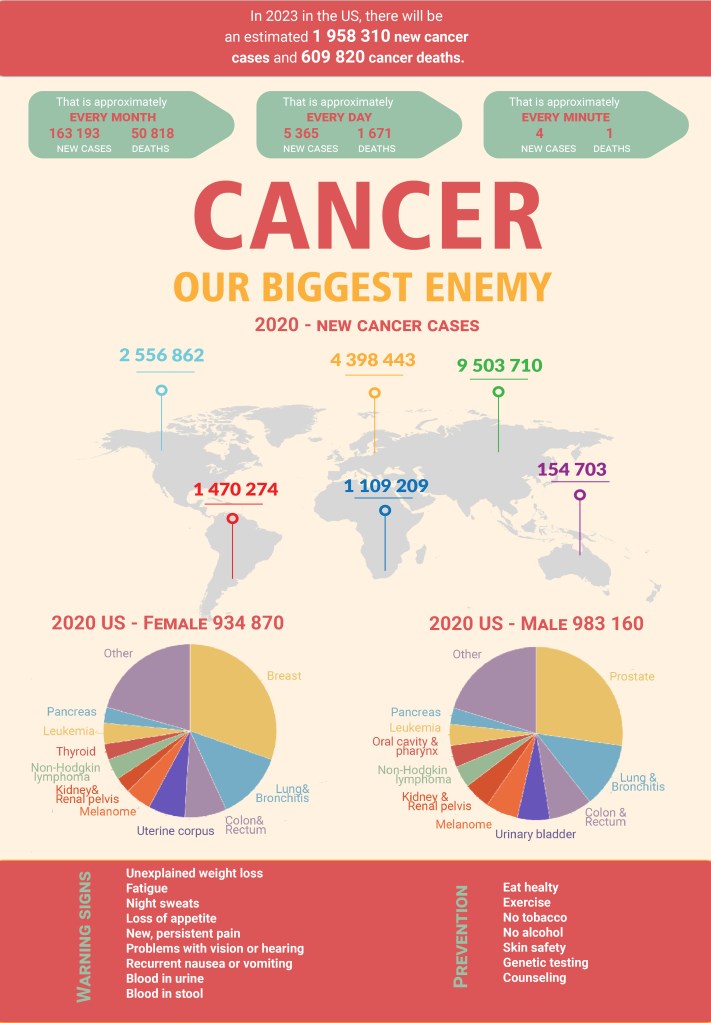
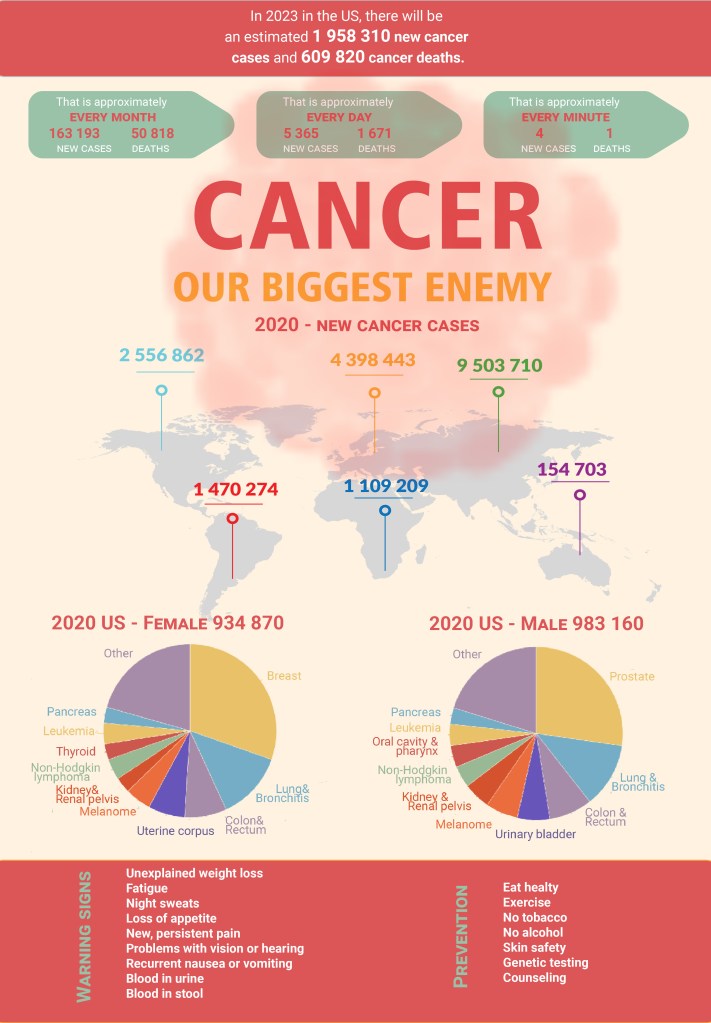
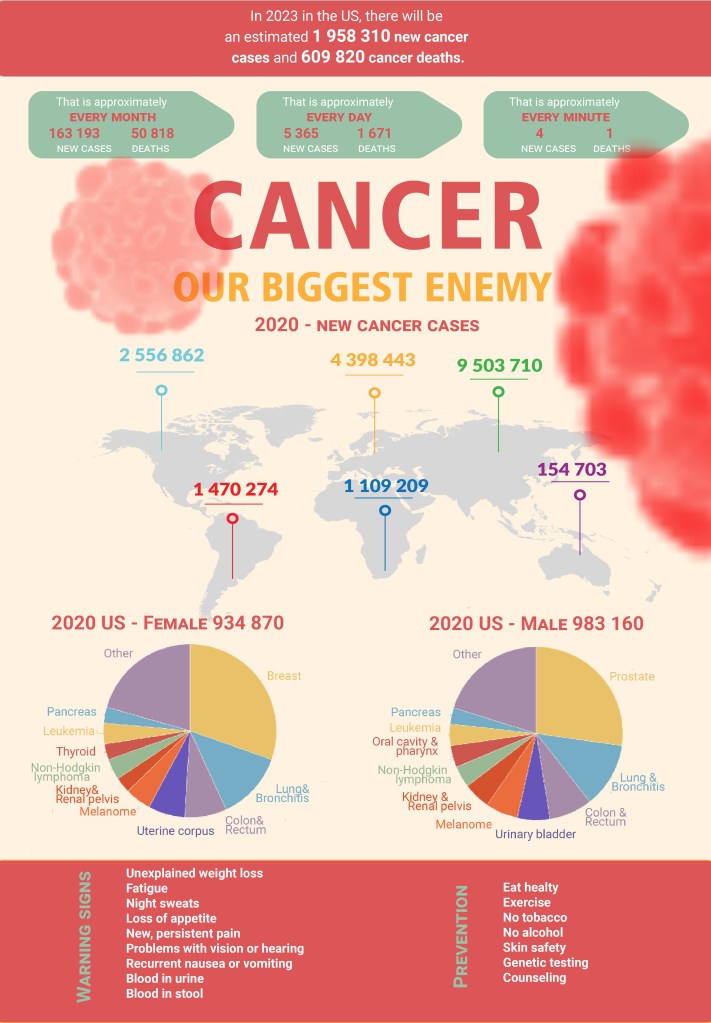
Here I use an image of a cancer cell too.
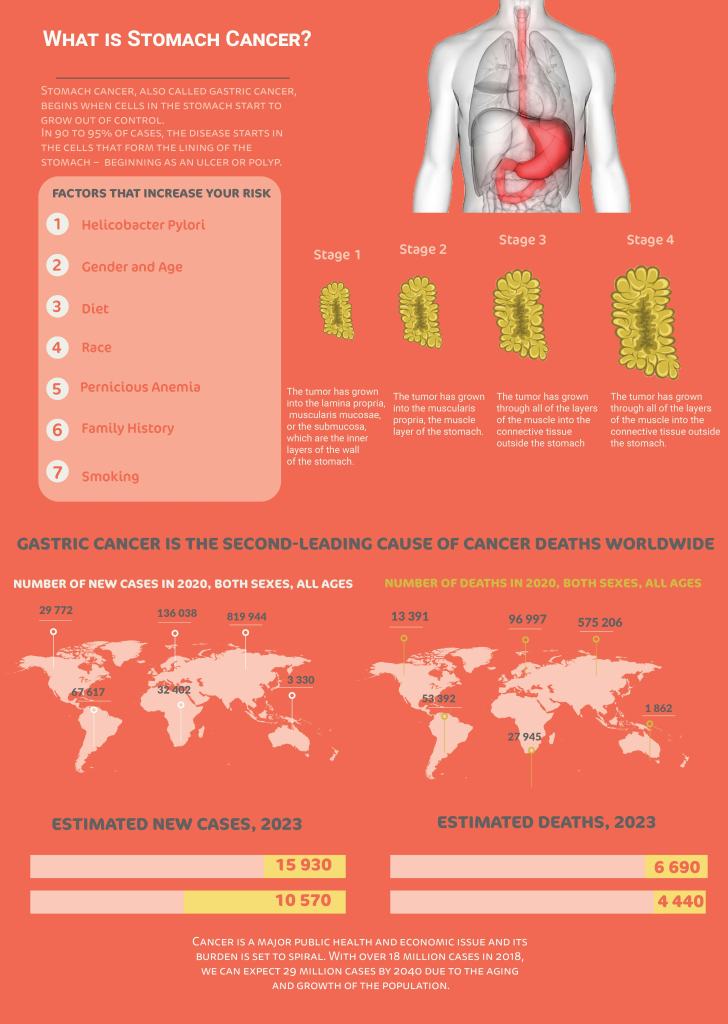
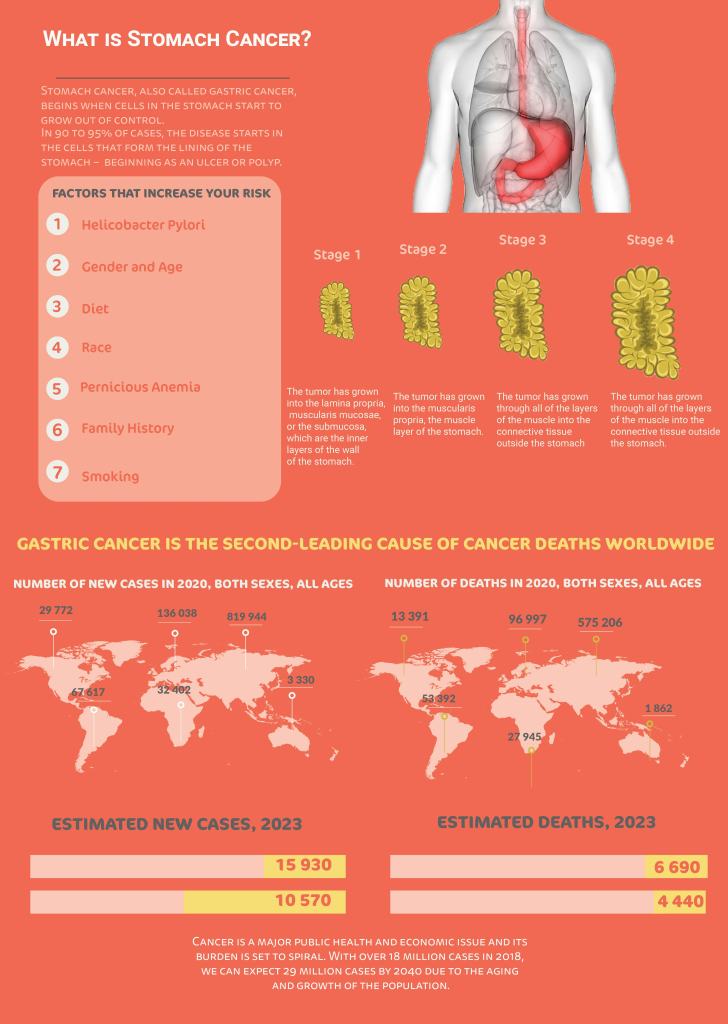
After speaking with Stuart, I decided to change the infographic to something more specific – stomach cancer.

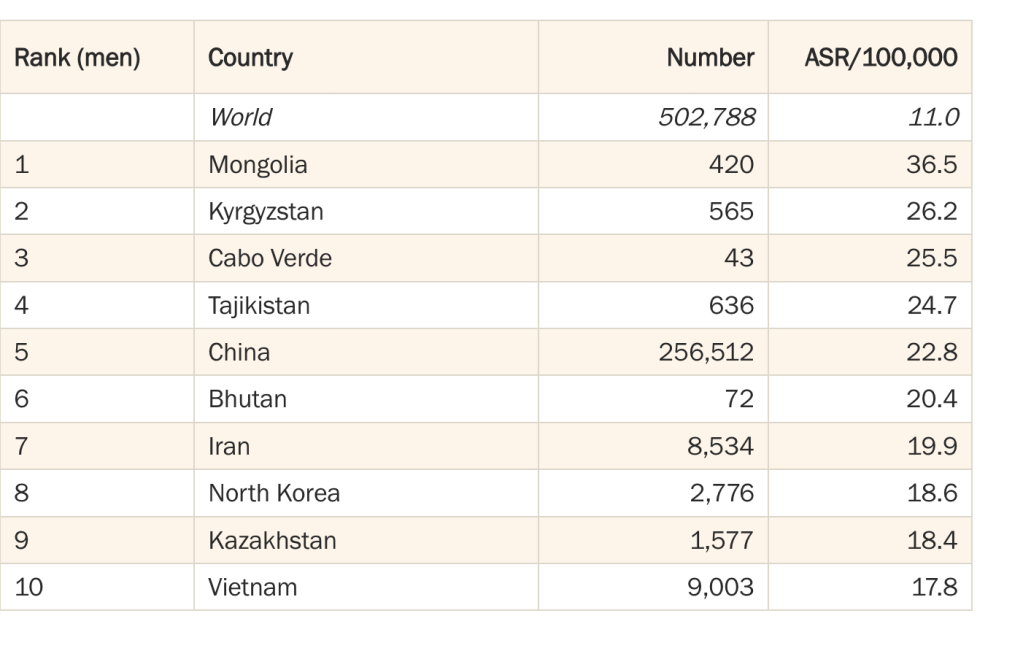
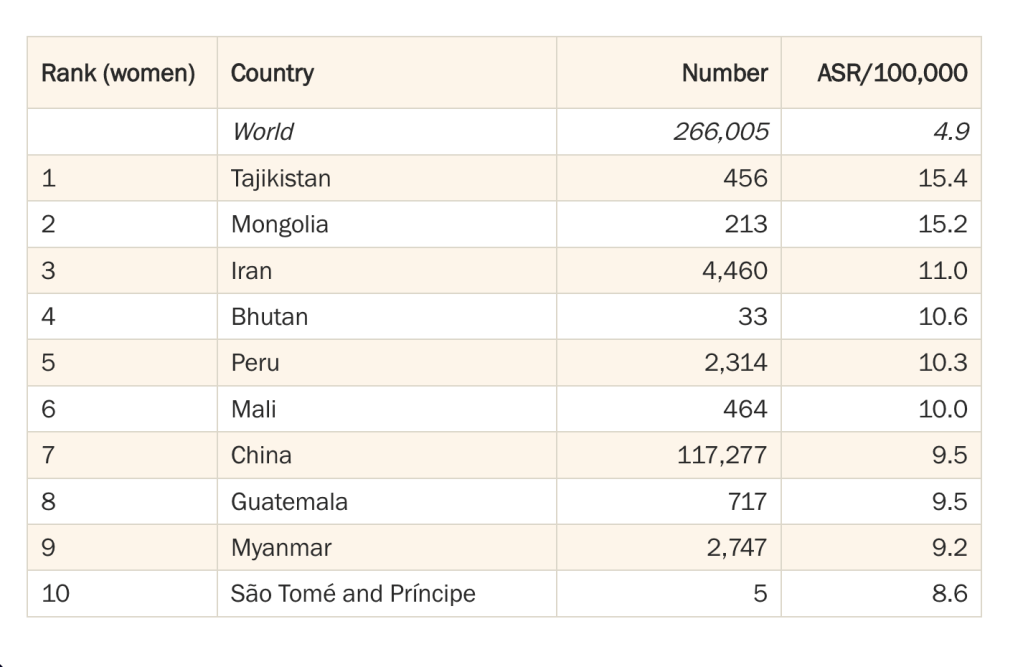
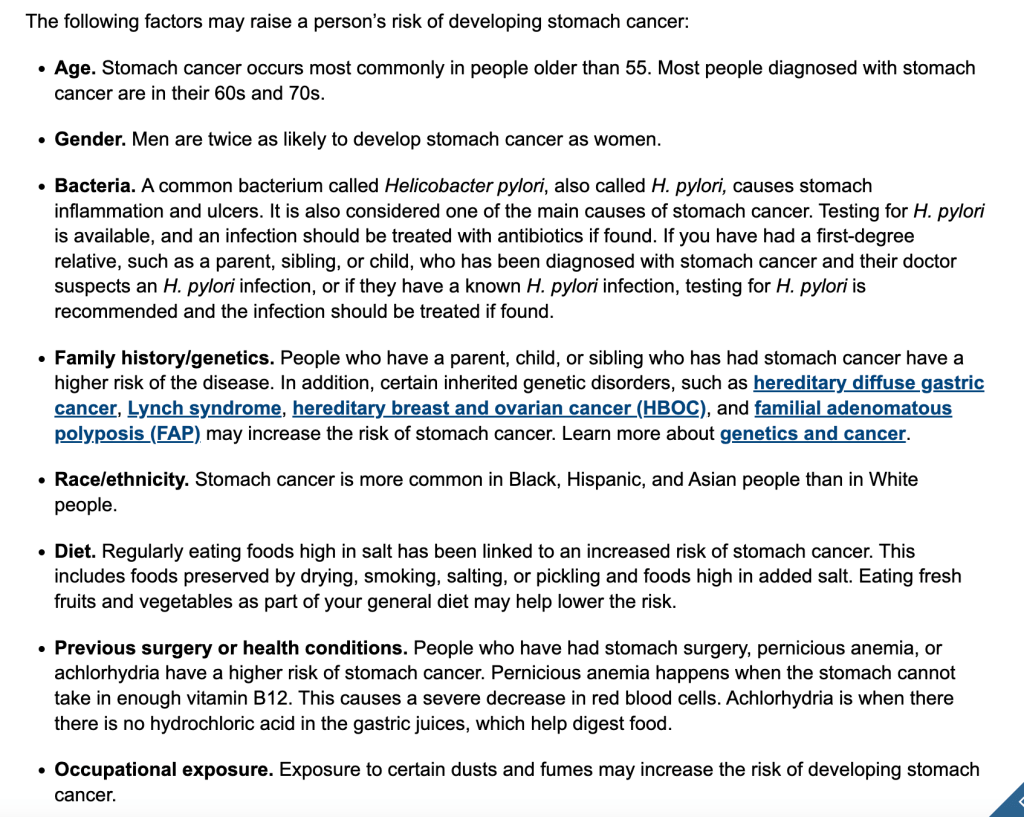
https://www.cancer.net/cancer-types/stomach-cancer/risk-factors

Here my final project:
 Vicky Kafkaki - Graphic Design MA Falmouth University
Leave a comment