

Editorial design

Image making





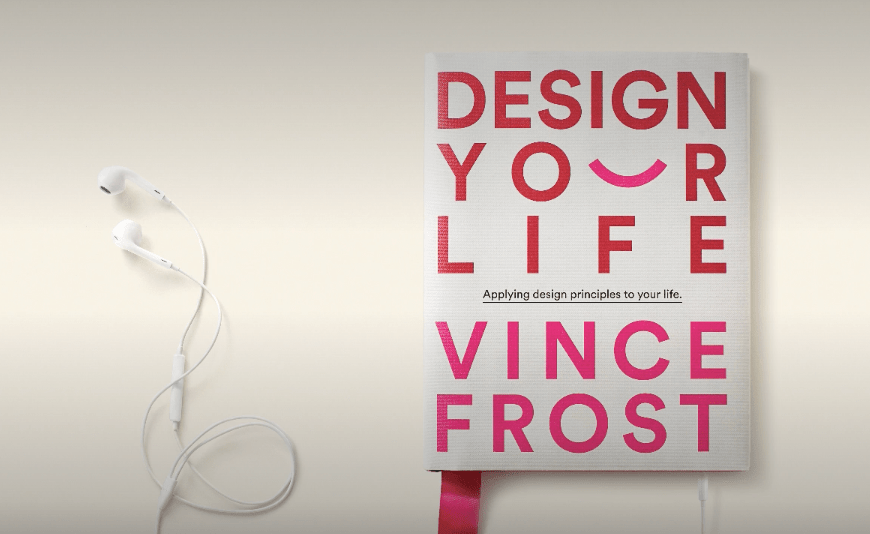
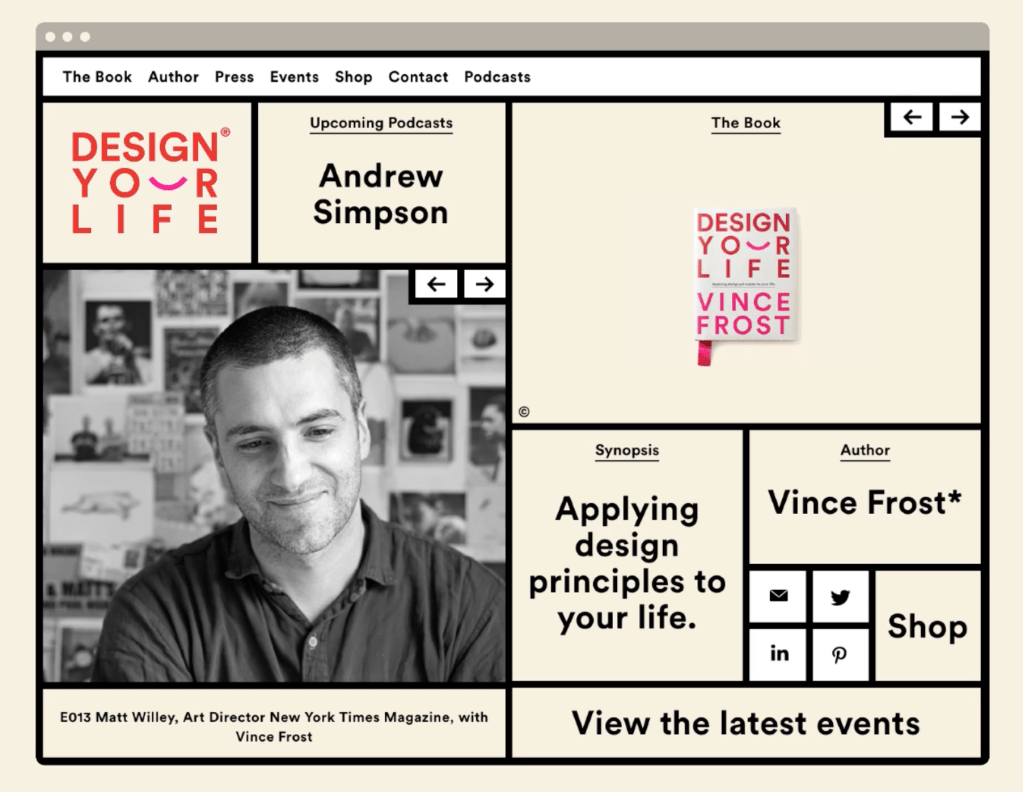
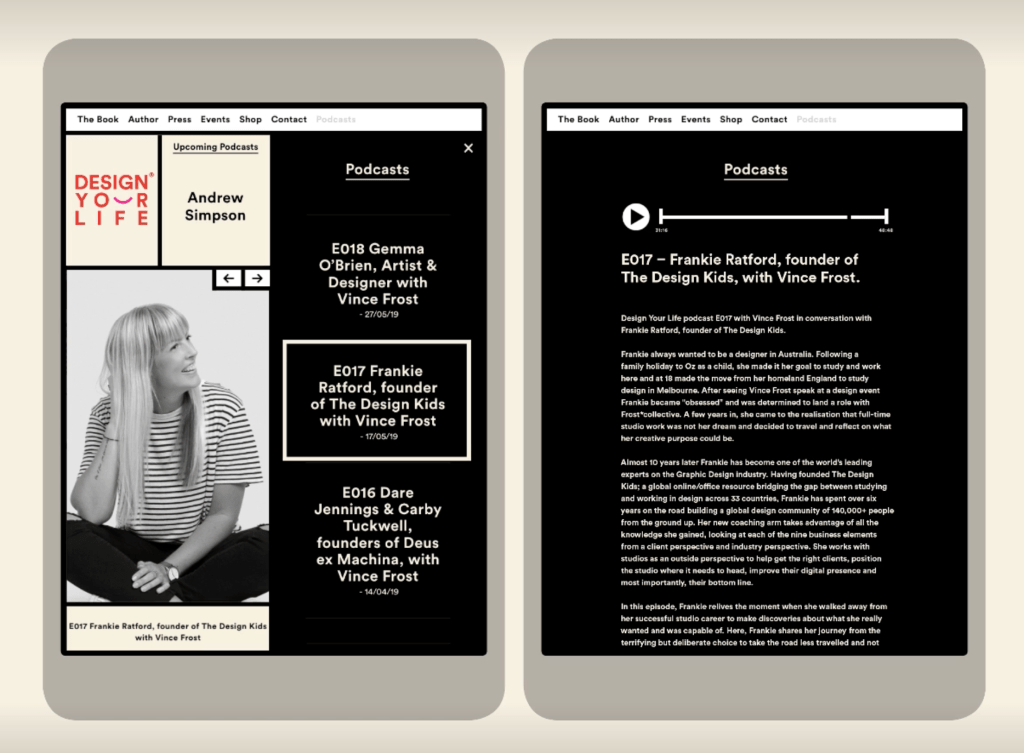
He created a book “Design your life”
He talks about having defross events (They are doing it every month and sometimes 300 people are attending.)


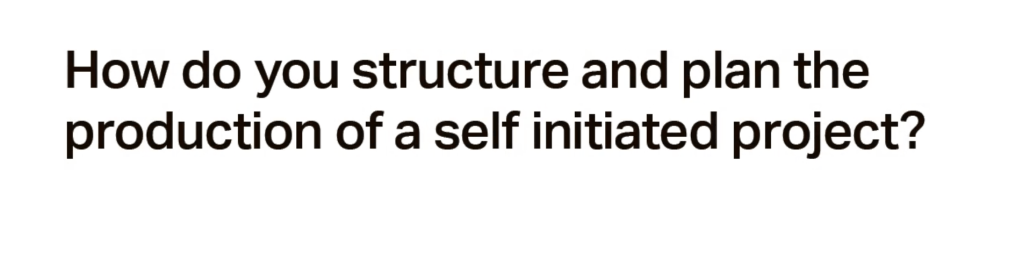

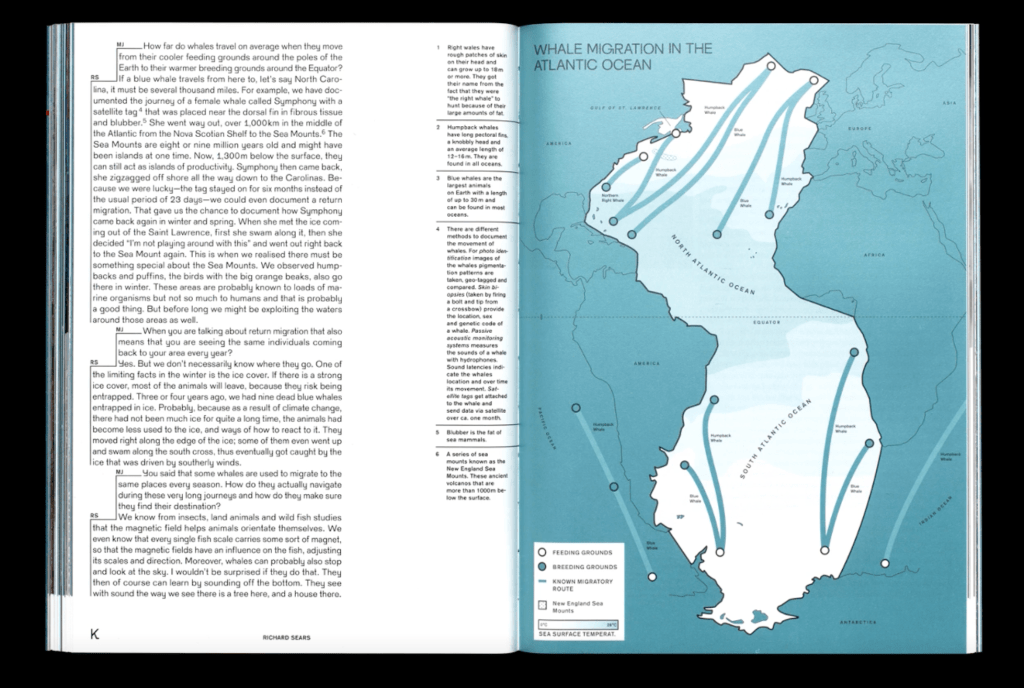
They share that usually they have to work couple days on projects to pay the bills and then live 2-3 days for self initiated projects.
Vince Frost said that for bigger projects he hires a project manager to keep him stay on truck.
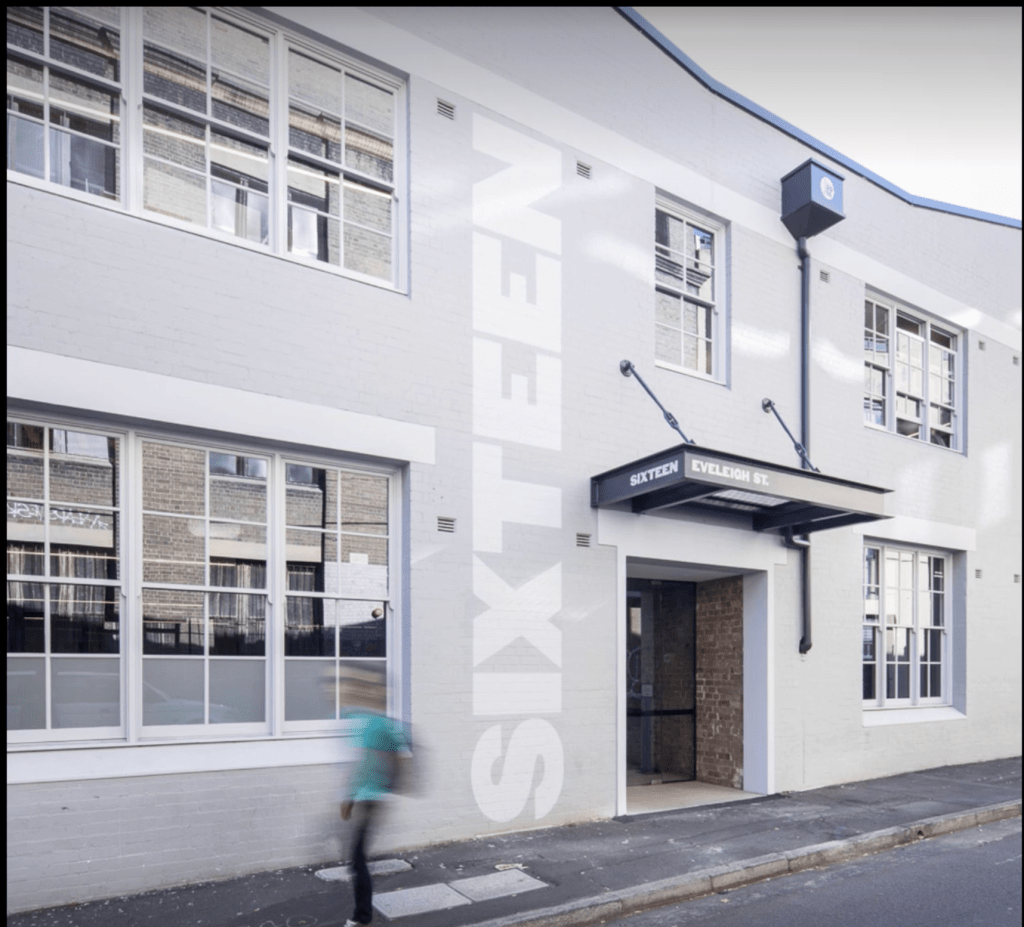
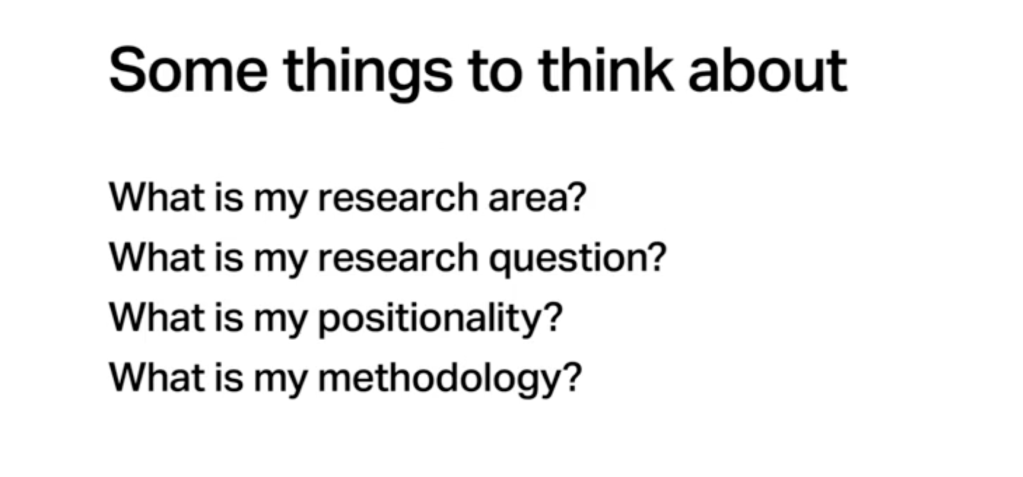
Your research task this week is to assess the field of communication within which you want to develop your self initiated project.
Who are the designers, artists and makers that are critical to this area of design? How might their work inform your own creative direction?
Make notes about the topics that interest you and consider the characteristics of your personal interests, identity and experiences.
“Creating the perfect Design Brief” by Peter Phillips
“I believe it was the great designer Paul Rand who first said “Design is a problem solving discipline”.
If design is a problem-solving discipline, then great design must start with a thorough understanding of the problem to be solved – which is best found in a great design brief.
A well-written design brief is a written agreement, or contract, between the parties involved with the project. A design brief is also a road map, that defines the various steps that will be followed from the inception of the project to its completion.
Design briefs must include a considerable amount of both business strategy and design strategy. In fact, it is helpful to think of a design brief as a business plan.
Essential elements of the design brief:
- Project overview and background
- Category review
- Target audience review
- Company portfolio
- Business objectives and design strategy
- Project scope, time line, and budget (Phases)
- Research data
- Appendix
Project overview and background
In the background section, the written identified the project completion date, budget, co-owners, and design brief project team members.
Category review
By “category”, I am referring to the specific industry in which this product or service is involved. To many people this seems to be a “no-brainer.” However, if you examine the question more closely, you will find the category – also referred to as “industry” – is not always as obvious as you might think.
What category is McDonald’s in? Their primary competitors focused on the food offerings, but McDonald’s brand focuses more on entertainment. This differentiated them from the competition. You could eat and be entertained. You could have your child’s birthday party there.
Typical questions that should be raised in the discussion of “What category or categories are we in?” include:
- A list of products (Describe each of the products or services included in this project, their various features and benefits, current market share, and sales history. How well are they selling now? How long have they been in existence? )
- The Competition (Create a similar list for the major competitors).
- Pricing and Promotion (Describe pricing and promotion methods used for each product or service, as well as their competitors. Be as specific and detailed as possible. Designers need to know everything possible about pricing and promotion techniques prior to beginning development of creative concepts.
- Brand (Relate all of the individual products or services to the company’s brand strategy and positioning. Do the same thing for the key competitors).
- Category (or industry) Trends (What significant trends are occurring in this category? How might these trends affect this project?
- Company Business Strategy (Just what is the business strategy the company is currently pursuing? Is it price? Quality? Value? Whatever this business strategy is, the design function has to be fully aware of it.)
Target audience review
In the hundreds of design briefs that I have reviewed, the target audience review is the most often understated section of a design brief. Too often, the audience is actually described in just a few words. It becomes essential to describe all target audiences as completely as possible in the design brief. Pay particular attention to national, cultural, regional, and gender differences, especially for global offerings. Just exactly who will be looking at and responding to your design? I have a habit of visiting customers on a regular basis in order to get to know and understand them in greater depth. Don’t be afraid to ask as many questions of these people as you need to completely understand the audience. And keep in mind there are usually multiple audiences – not just one.
Company portfolio
The company portfolio is particularly vital when an external design agency is working on a project for a business. However, it is also a valuable section for in-house design groups. This is one of those sections of a design brief that initially may take some time to develop, but once created, it can become boilerplate that is inserted into all subsequent briefs. It should be reviewed fairly often, and updated when necessary.
Business objectives and design strategy
In my experience, the business objectives section has probably been the most important section of a design breif. Yet it is also the one section that is most often left out! For a design solution to be truly effective, it must solve the problem. If there is a problem, and a solution is required, then it follows that not only must be clearly stated, but the business objectives of the solution also have to be clearly articulated.
Project scope, time line, and budget (Phases)
This part of the design brief provides critical detail to the road map to success we are creating. It ensures that everyone involved has a clear understanding of, and is in agreement with, every aspect (phase) of the project. It also serves as a wonderful device for the design team to educate its business partners on design process. It can often lead to successful negotiations to get more time and budget for the project as well.
Research Questions
This is major section of the complete design brief but may or may not be required by your organization. This section is simply a safety net to ensure that all critical questions are addressed, answered, and provided to the designers.
Appendix
This is also an optional section of a design brief, but one that I always included. This is where you put all that stuff that doesn’t seem to logically fit in the other sections. It might contain documents that summarize research data, competitive analyses, news clippings, photographs, other visual materials from your audits, or material simply gathered for inspiration.
Measuring Design Results
The whole question of how to measure design results has plagued designers for years.
At the end of the day, the only way to measure design is to measure whether the design solution met the business objectives and delivered the desired outcomes of the project.
Design must not only be great, but it also needs to solve the stated business problem and meet the business objectives.
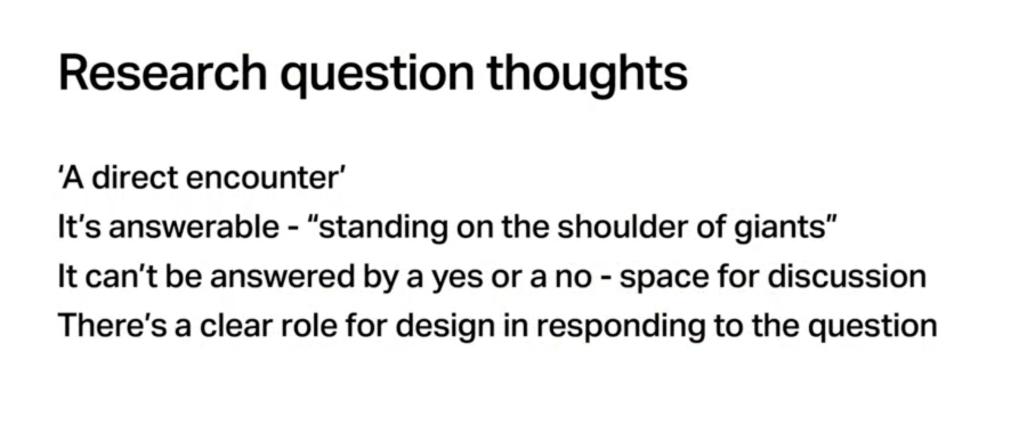
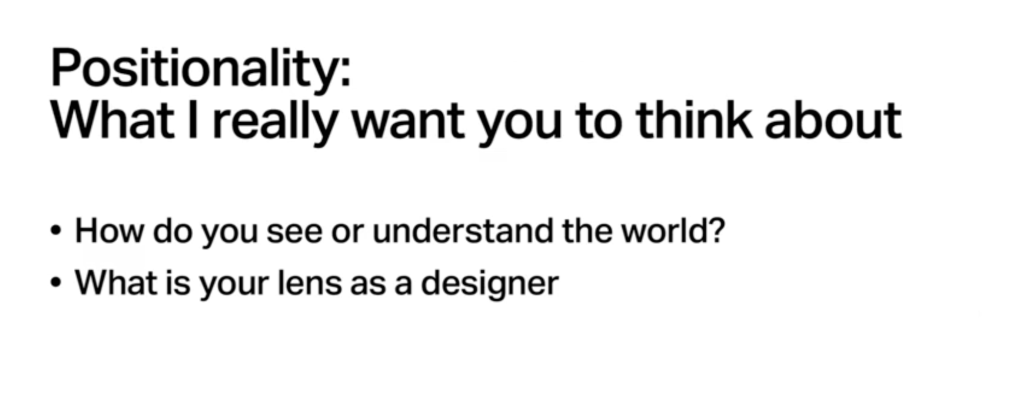
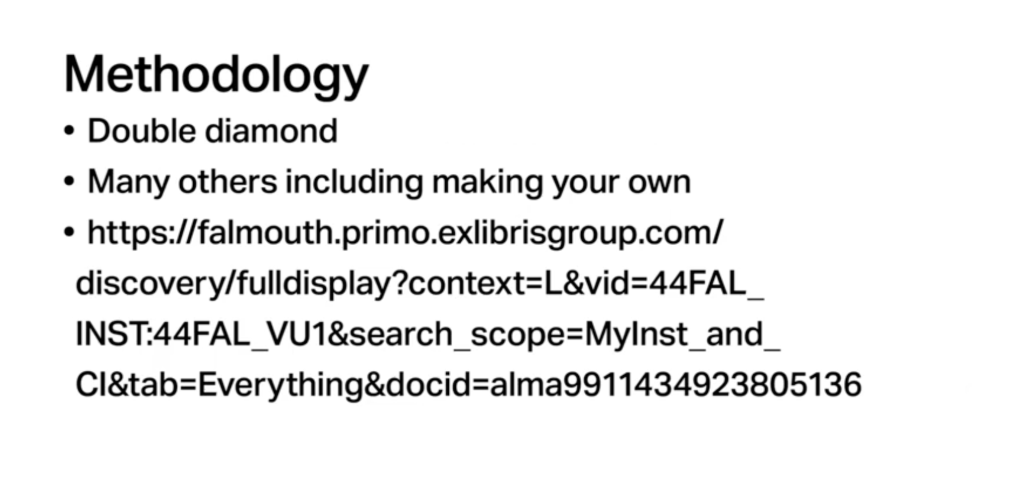
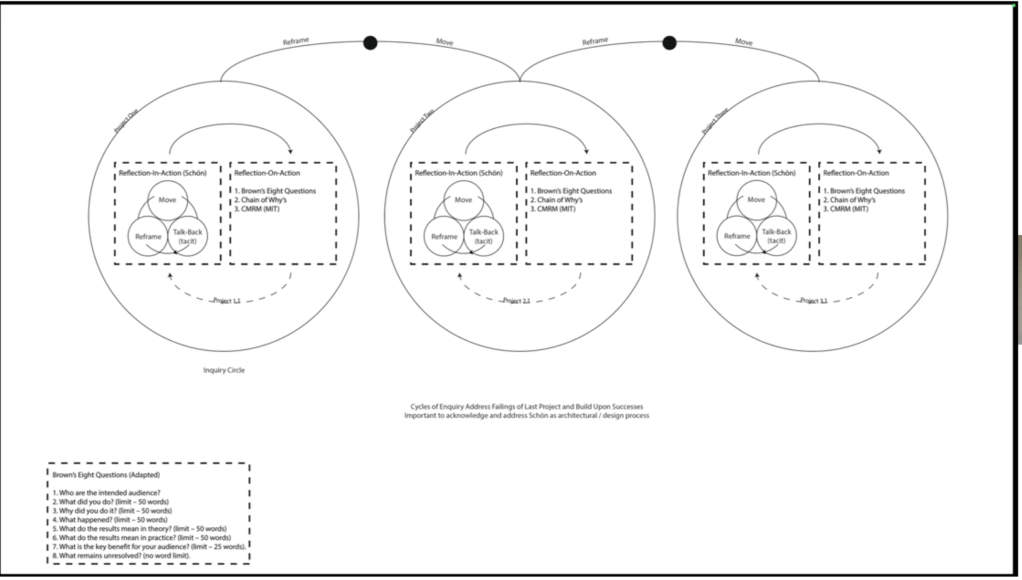
Ben’s lecture about the project 1
 Vicky Kafkaki - Graphic Design MA Falmouth University