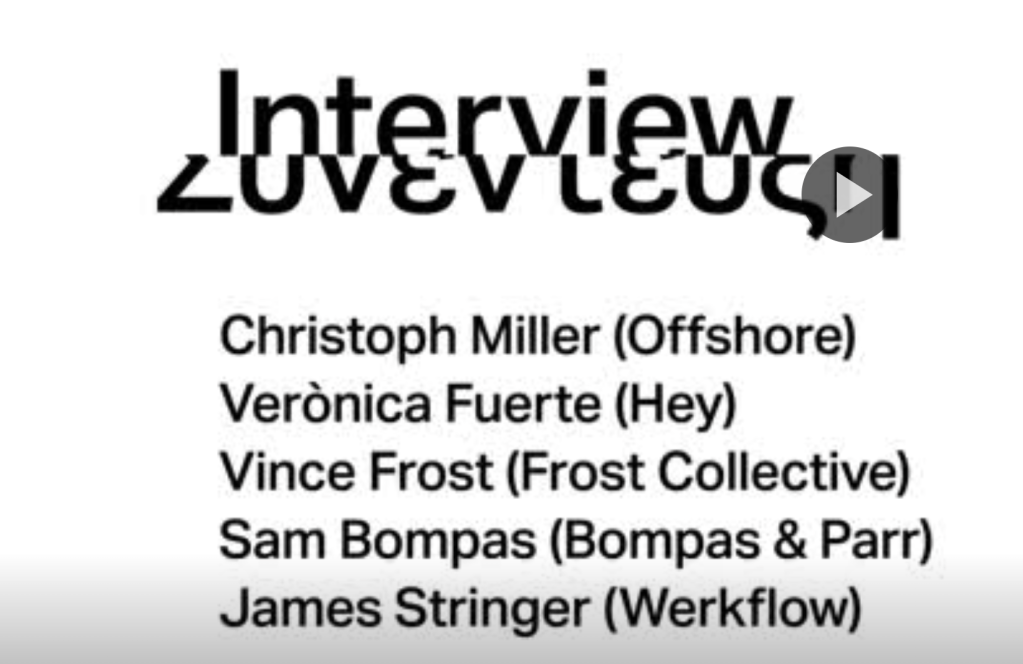

Christoph Miller is explaining how old maps and images are great deal of inspiration for him. He goes to the libraries and spends a lot of time on research.
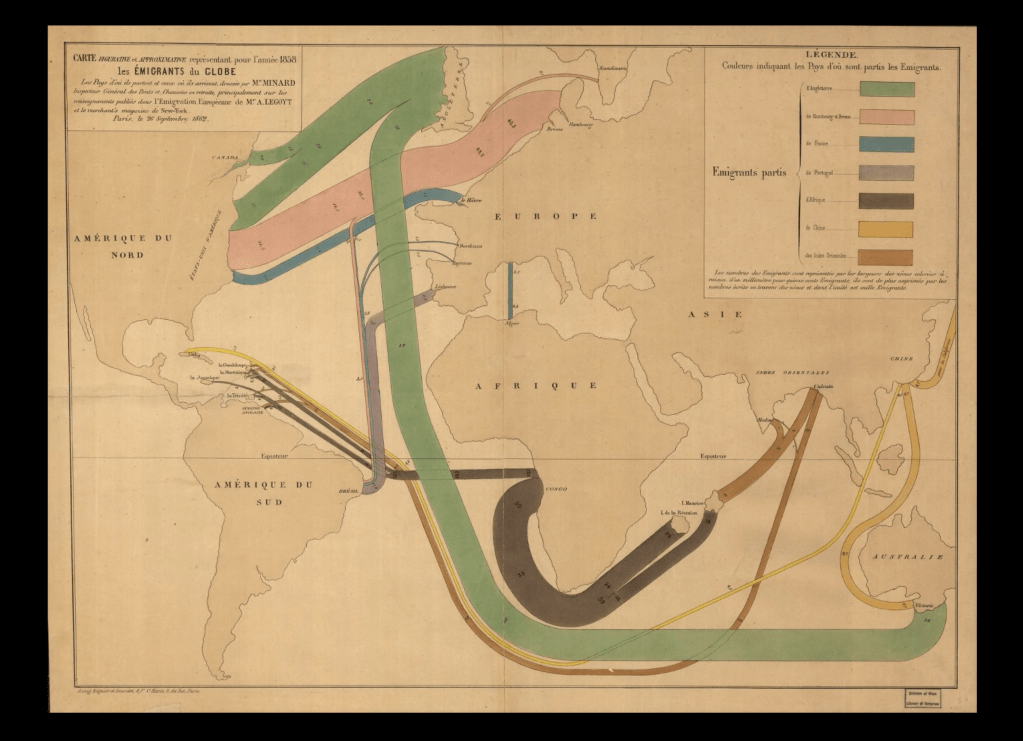
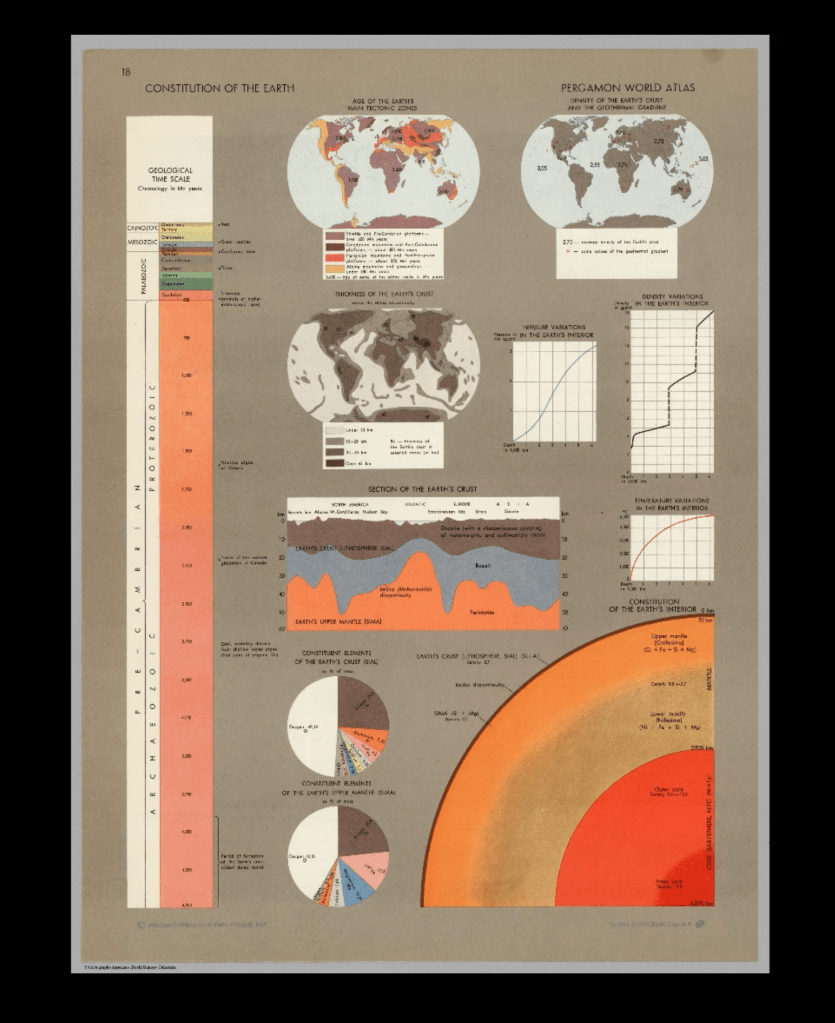
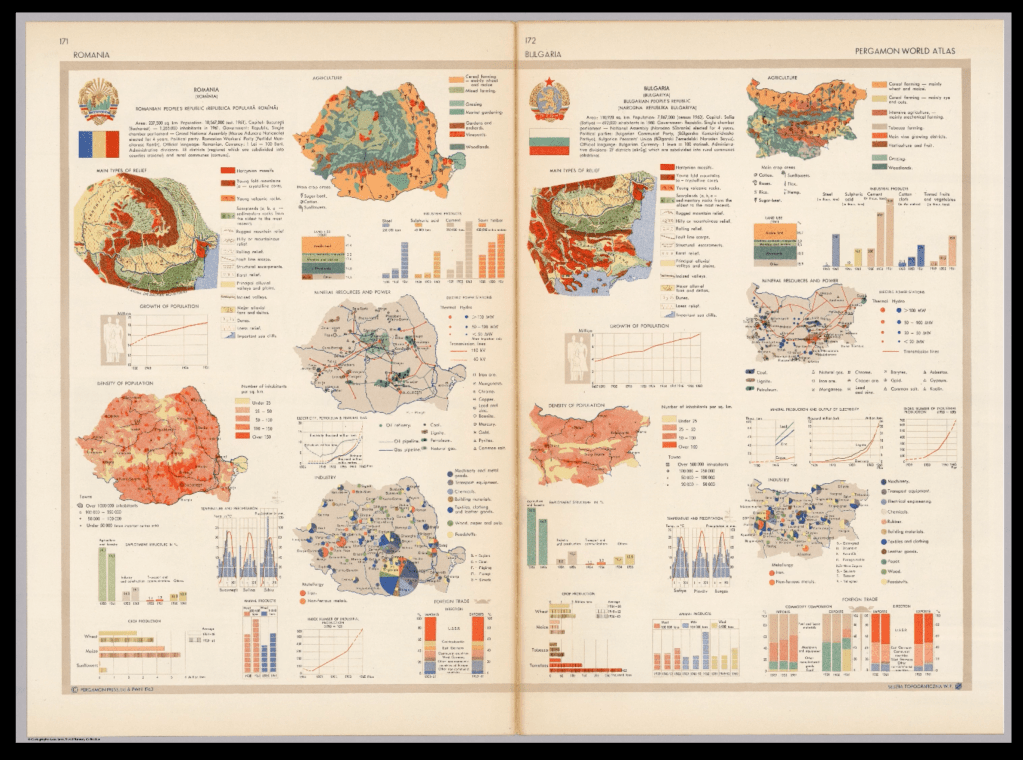
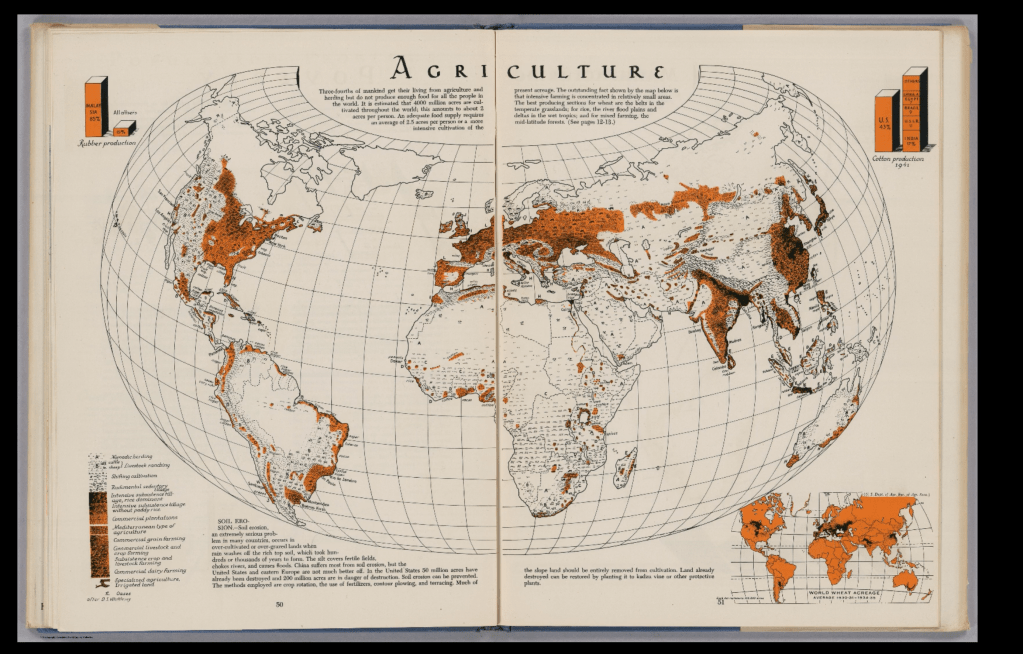
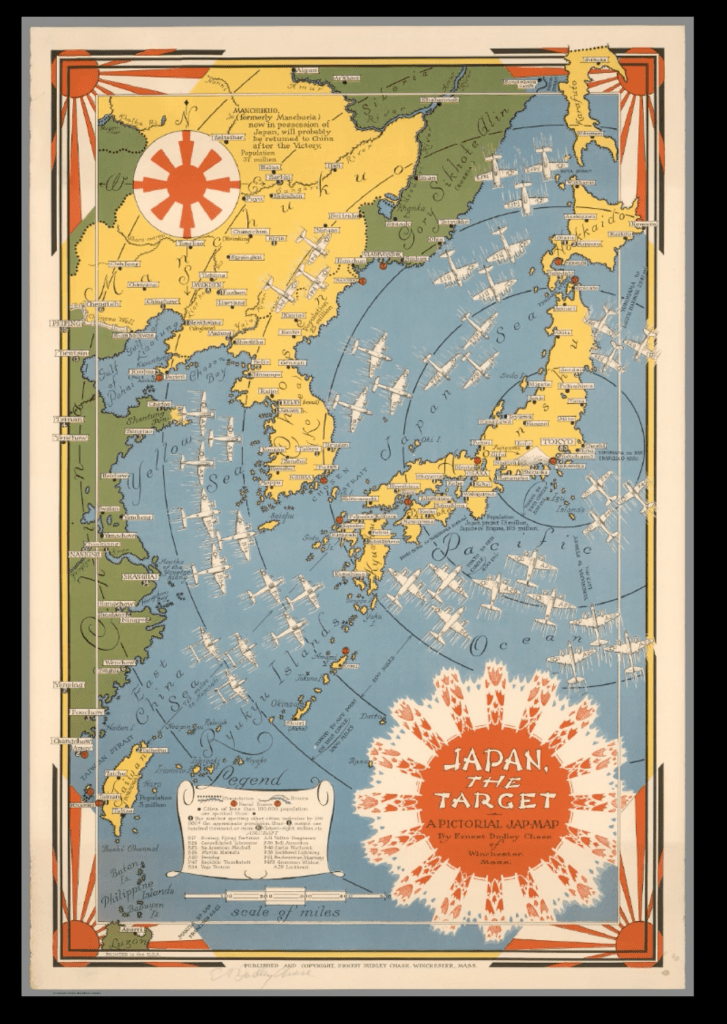
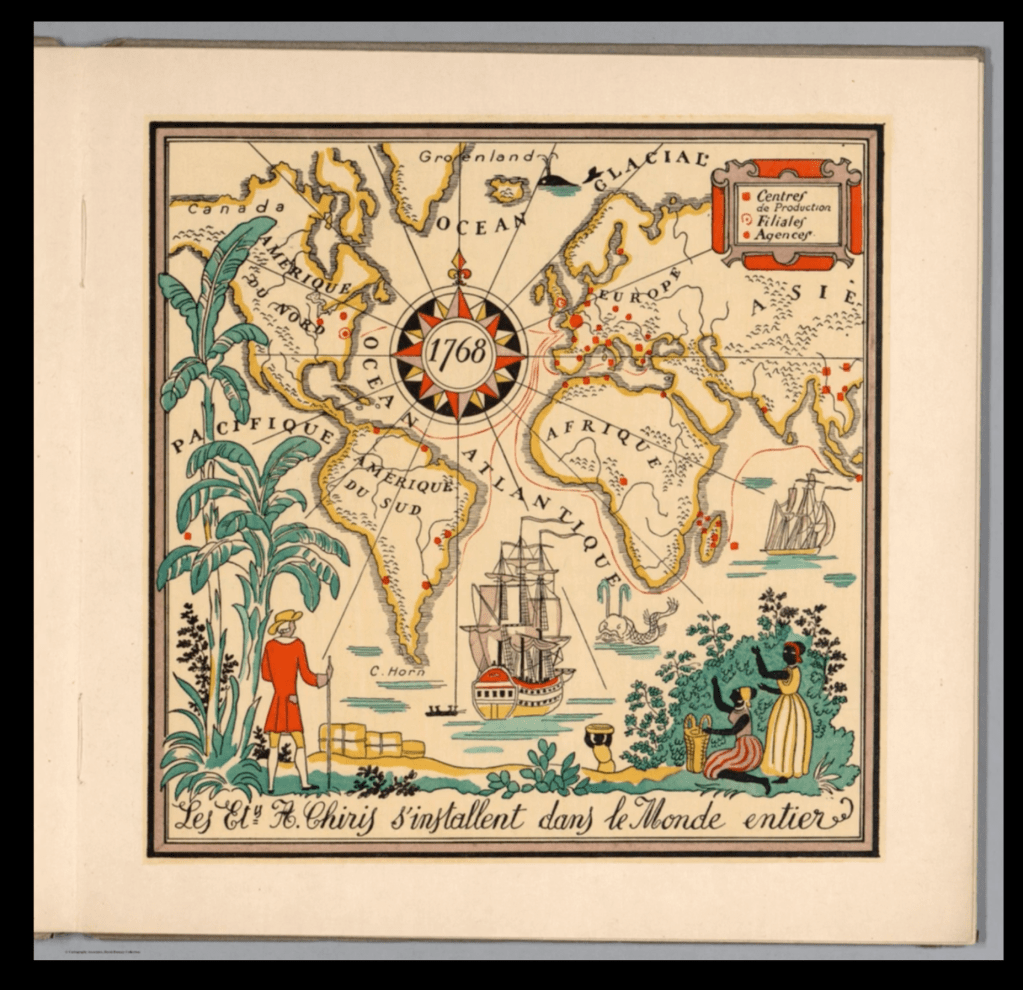
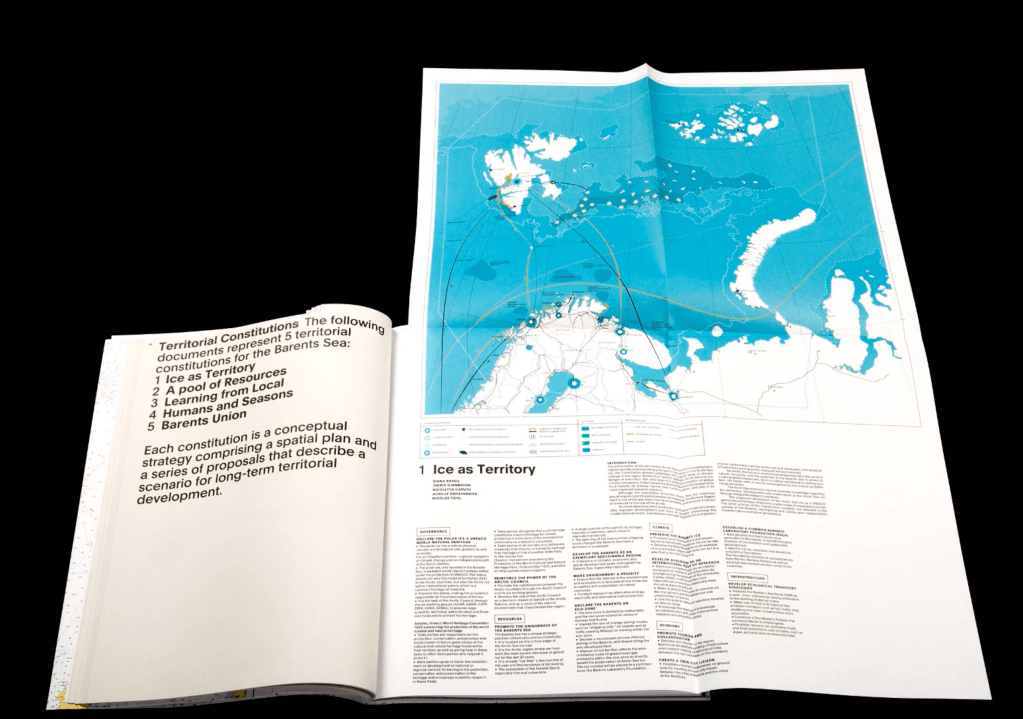
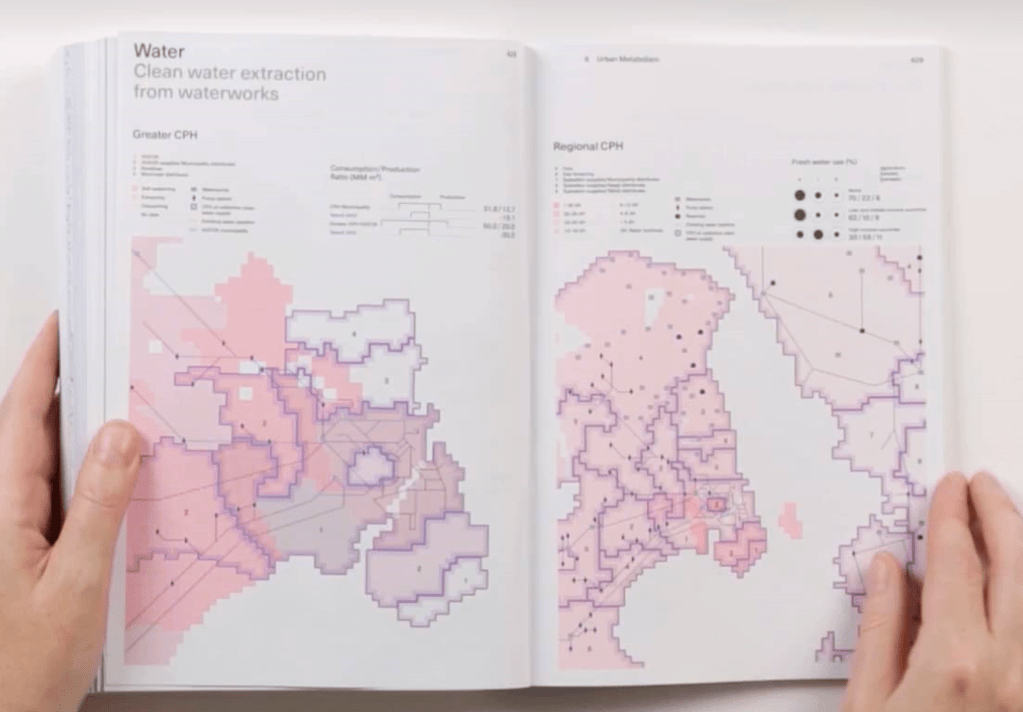
Once they start creating the project, they come up with font and color pallet that will work with it (he admitted that this was a big challenge).
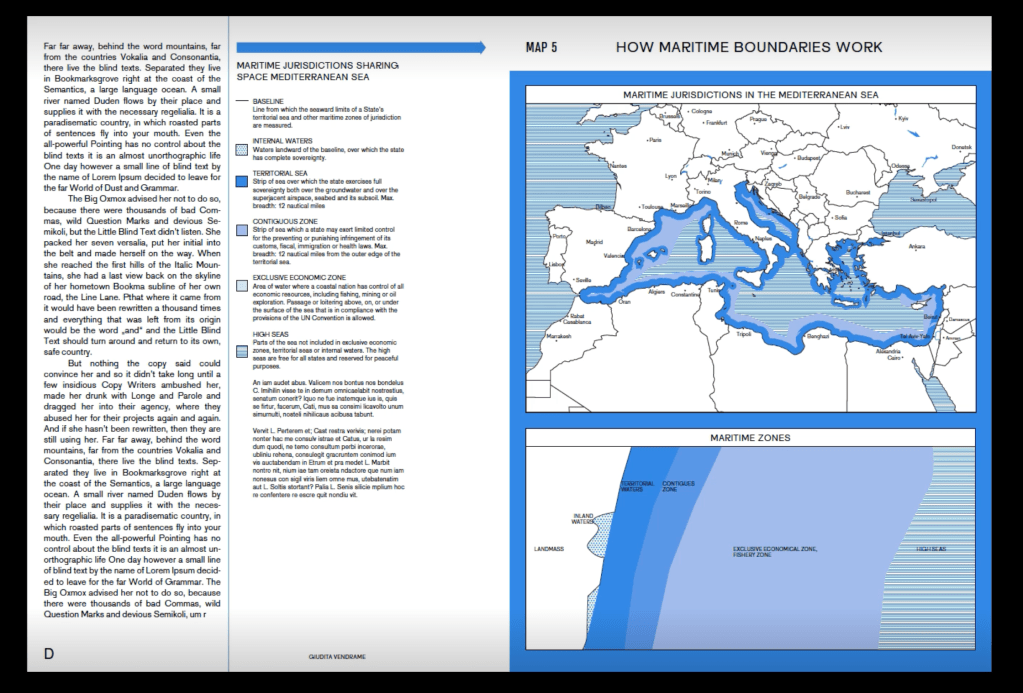
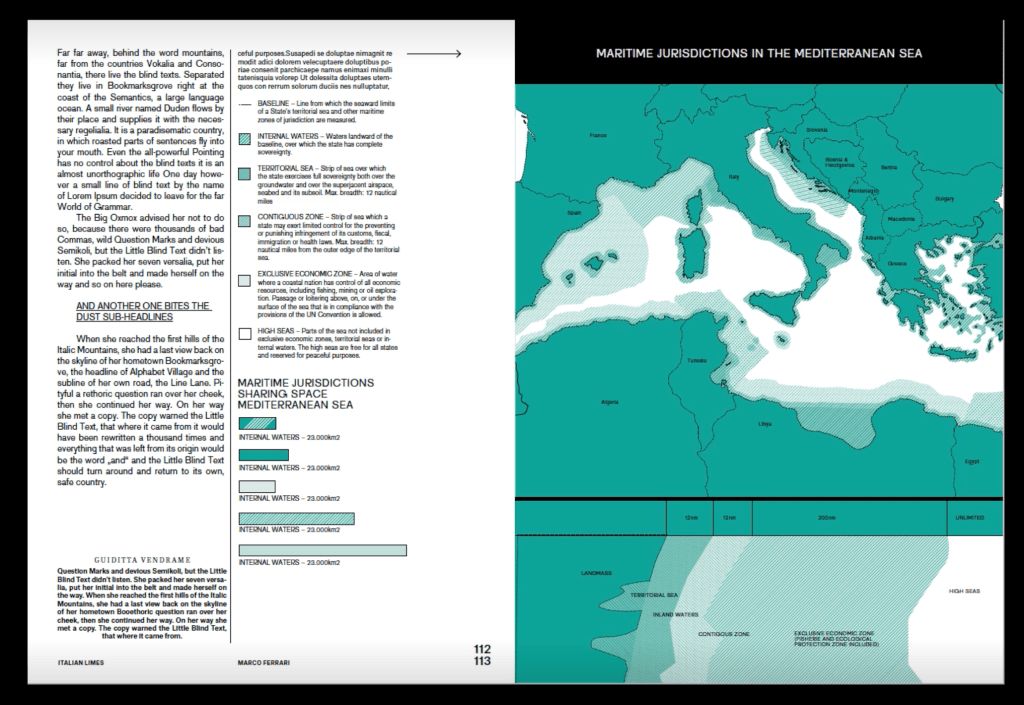
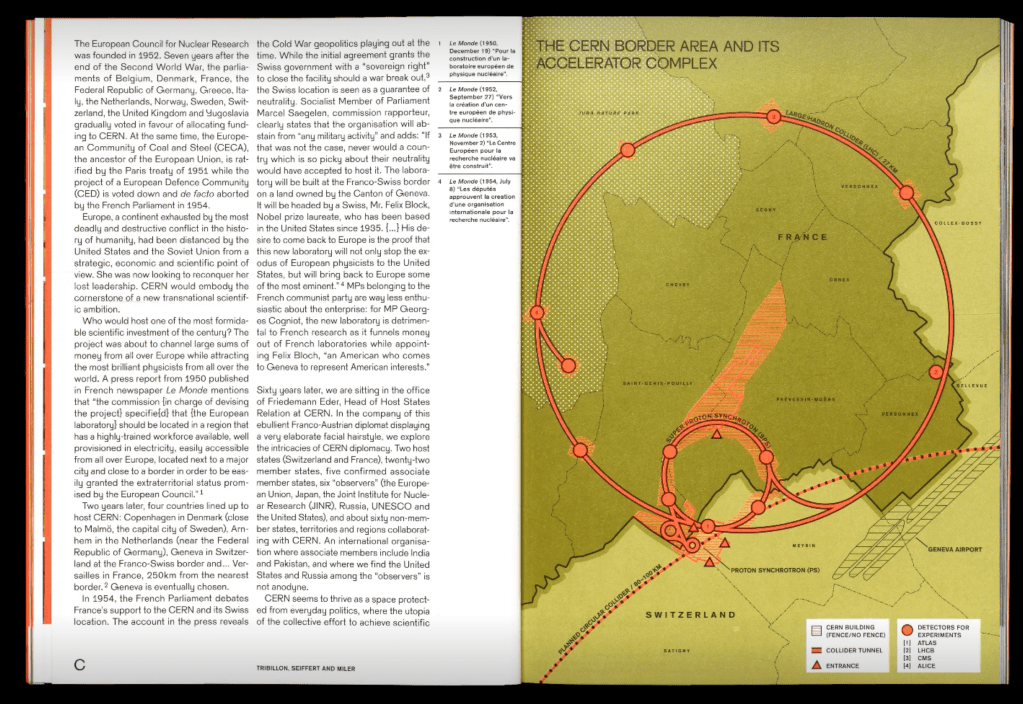
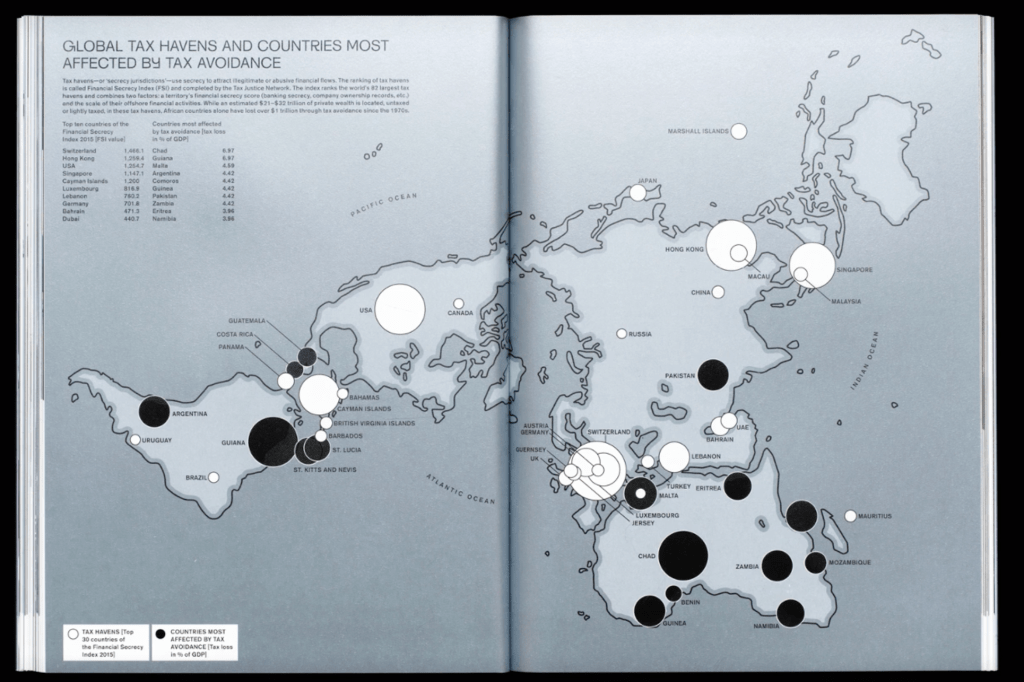

She said that she can get inspirations even from clients.

He likes to sketches – any idea that comes in his mind, he puts it in paper – and starts developing it later.


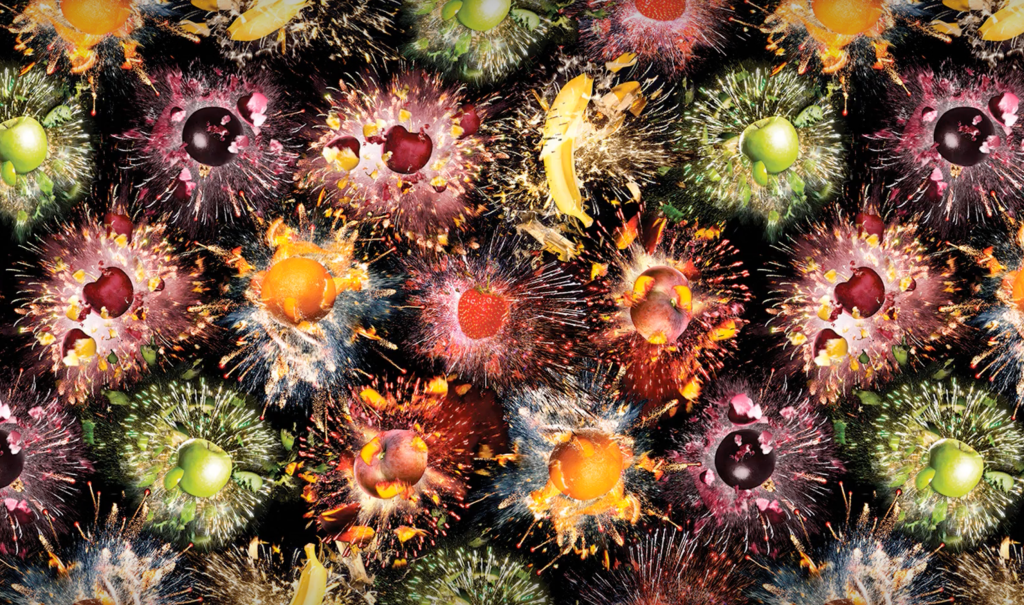
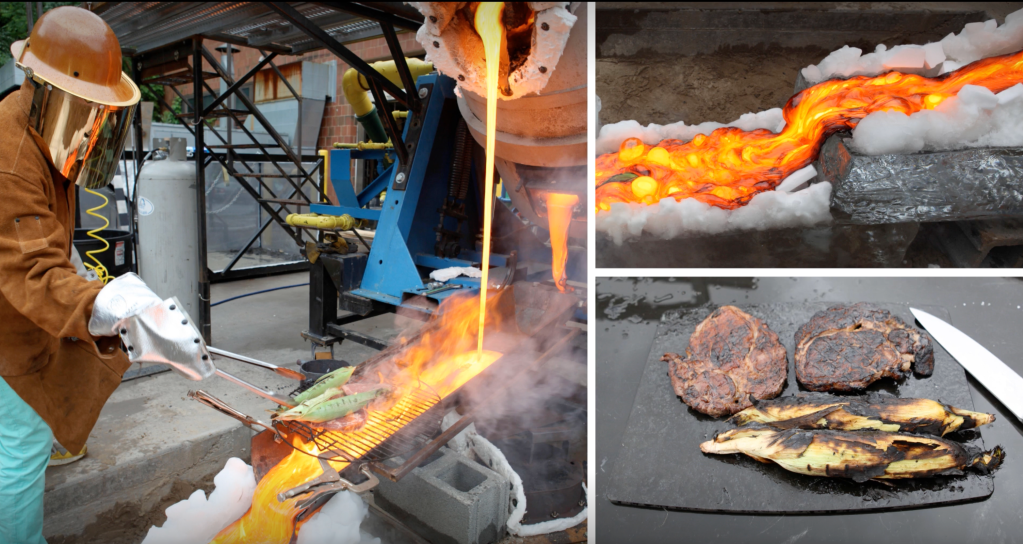
He also starts the research at libraries but he also likes to draw inspirations from the photography, the food industry…



He said that the points of inspiration, depends on the project but at the same time he has a set of references that the team uses.
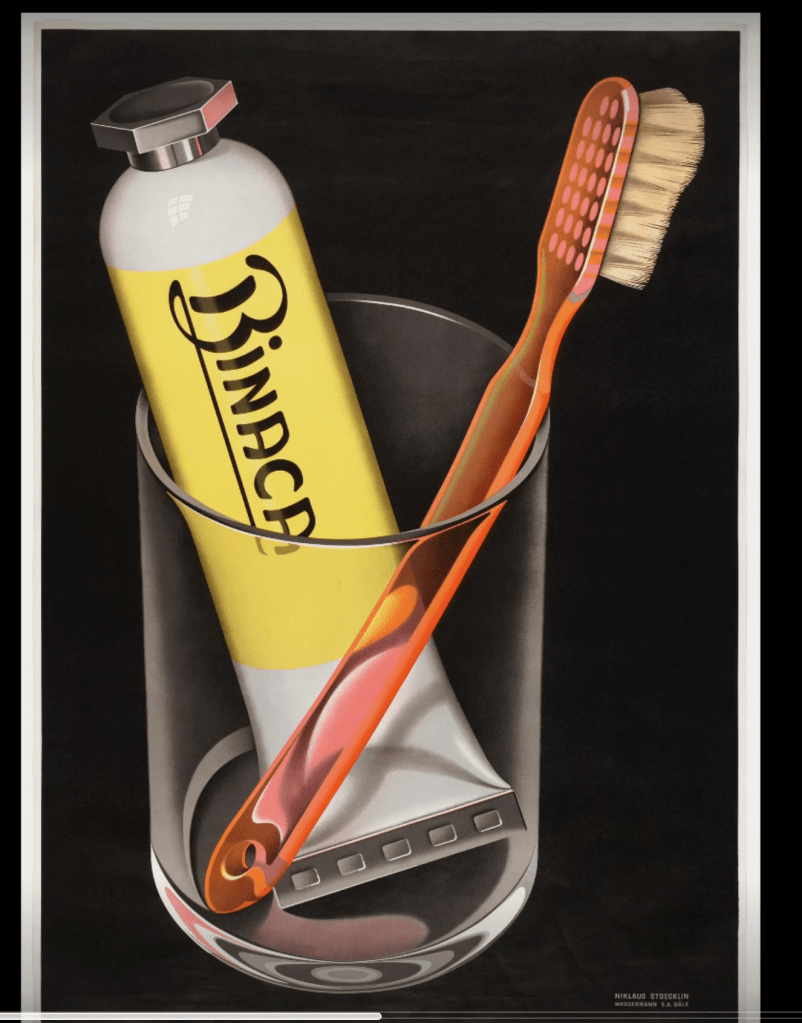
He gets ideas from photography, paintings, architecture, and other fields (like technology).
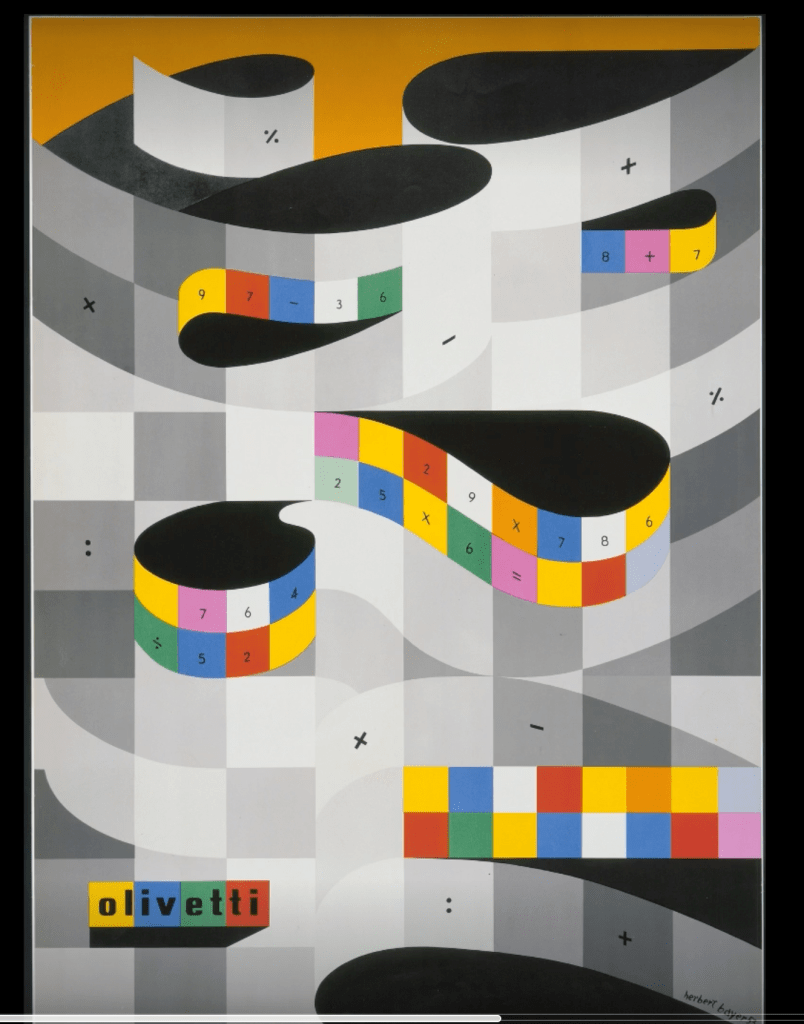
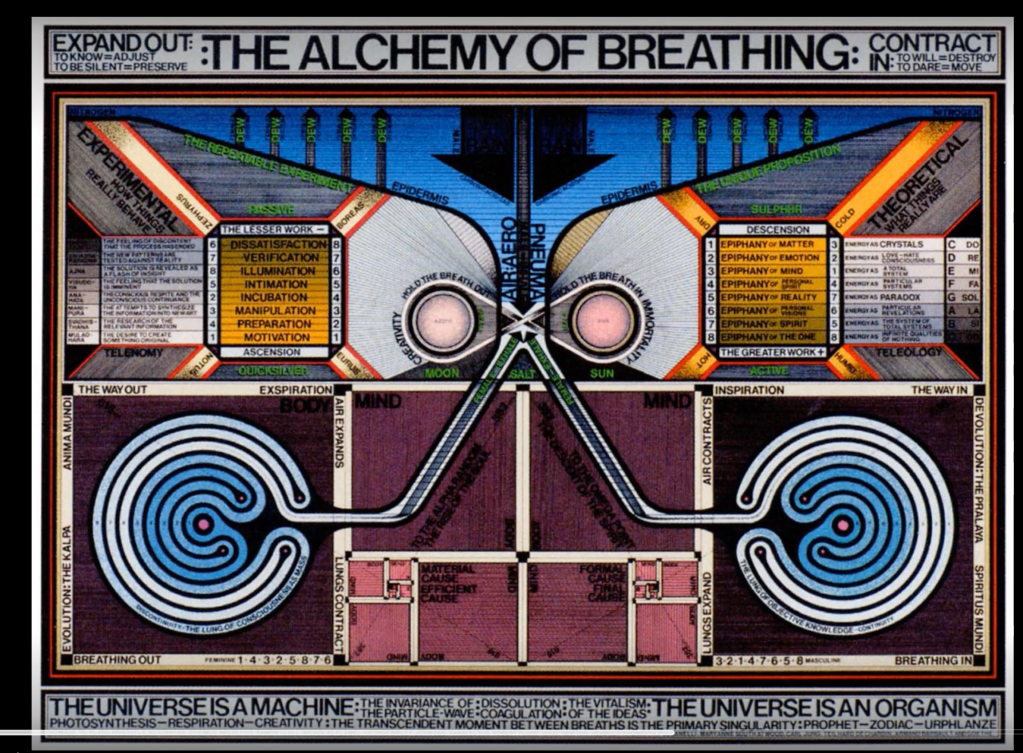
I like that he advise us to try to be universal, so we can rely on other expertise.
He also said that understanding as much as possible is the key to move forward.


She likes to get ideas from the design from the 1960 – 1970.
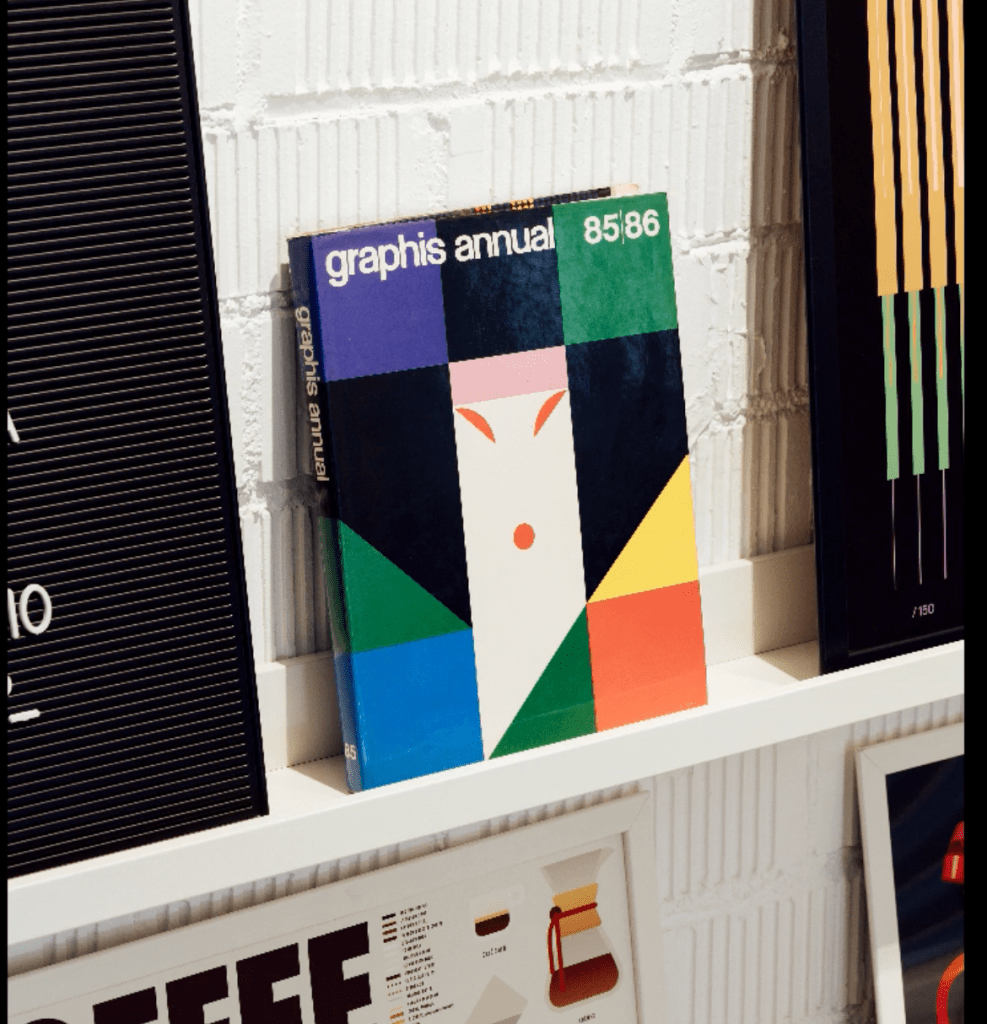
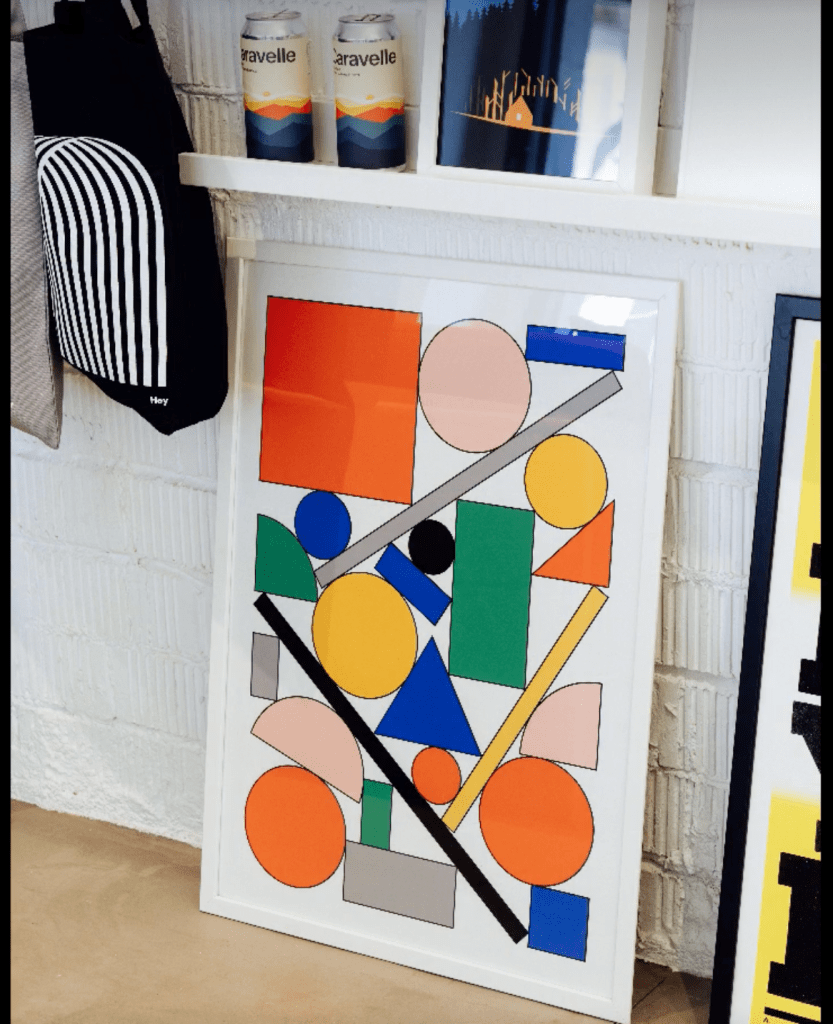
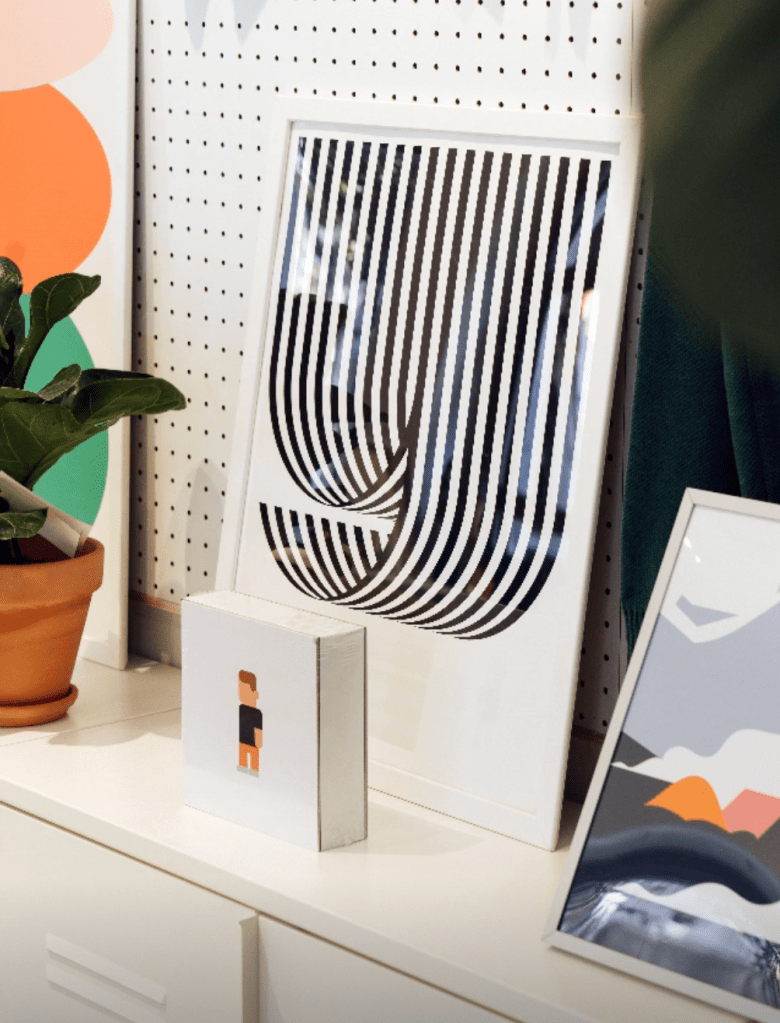

He said that opportunities are everywhere , we just have to be open for it.
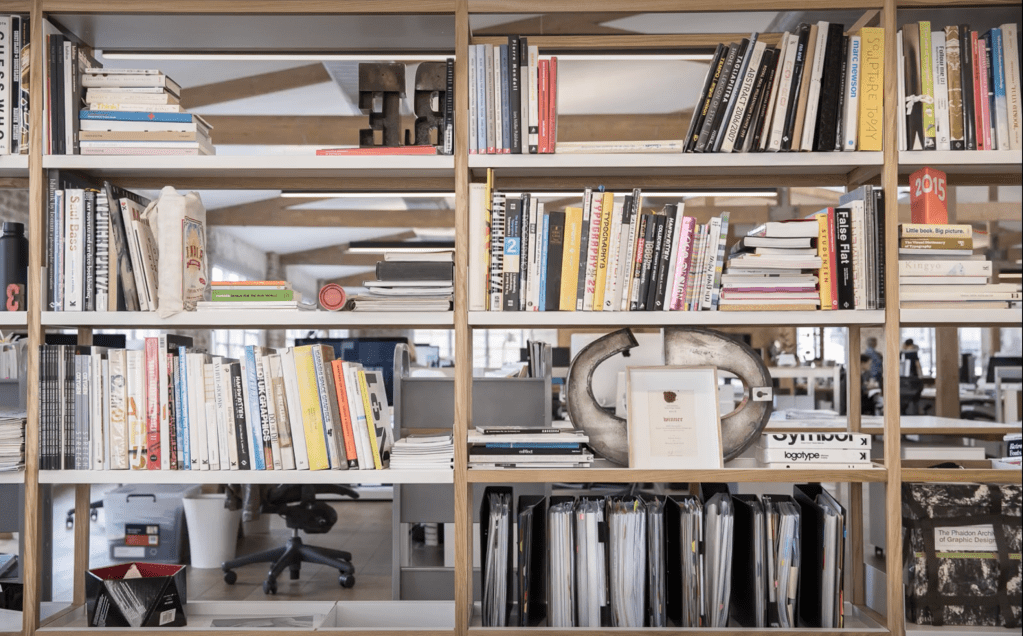
Also he advises us when we work on a project, to get to know the person behind the project.

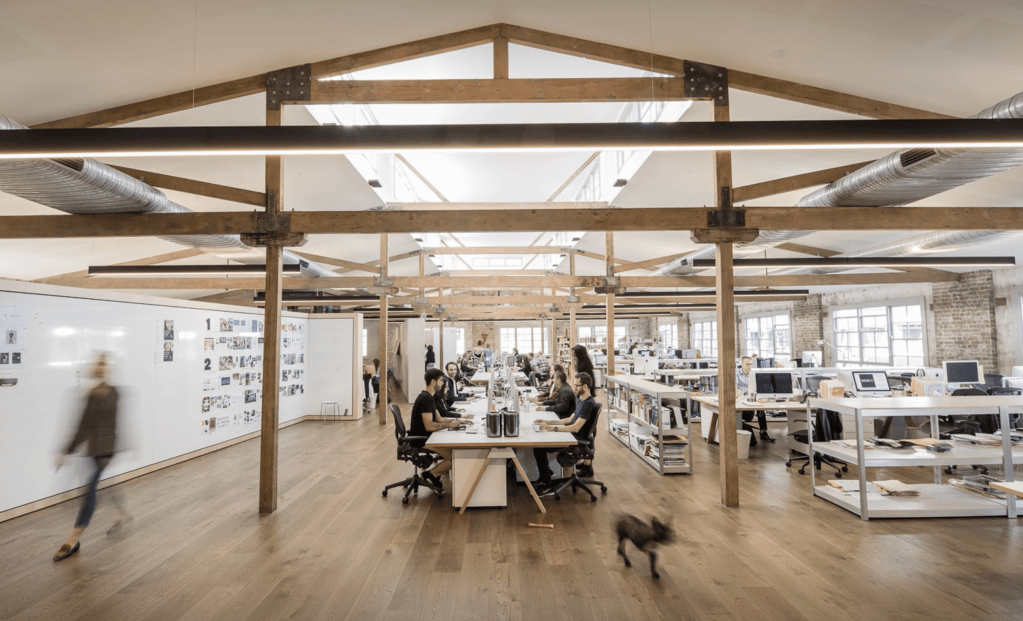
He gets inspired from the environment in the office – the scene of everybody working, energizes him.


“Nov 9, 2011
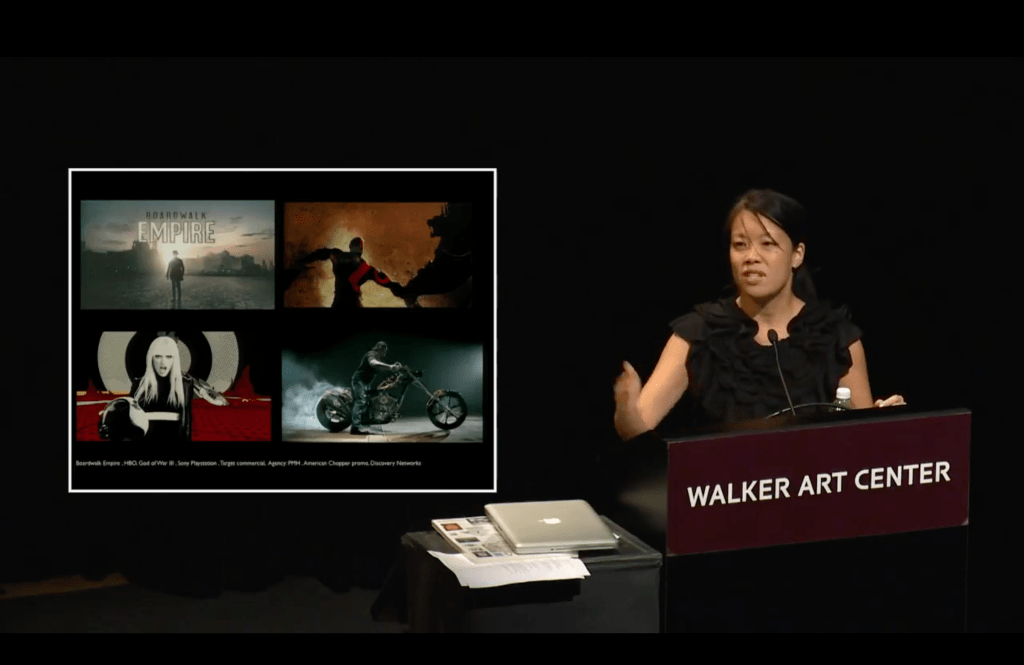
Join lead curators Andrew Blauvelt and Ellen Lupton and their curatorial team: Ian Albinson, founder and Editor-in-chief of the website Art of the Title; Jeremy Leslie, creative director of the blog magCulture; and Armin Vit, codirector of the blog Brand New, plus some surprise guest designers from down the street and around the world.”
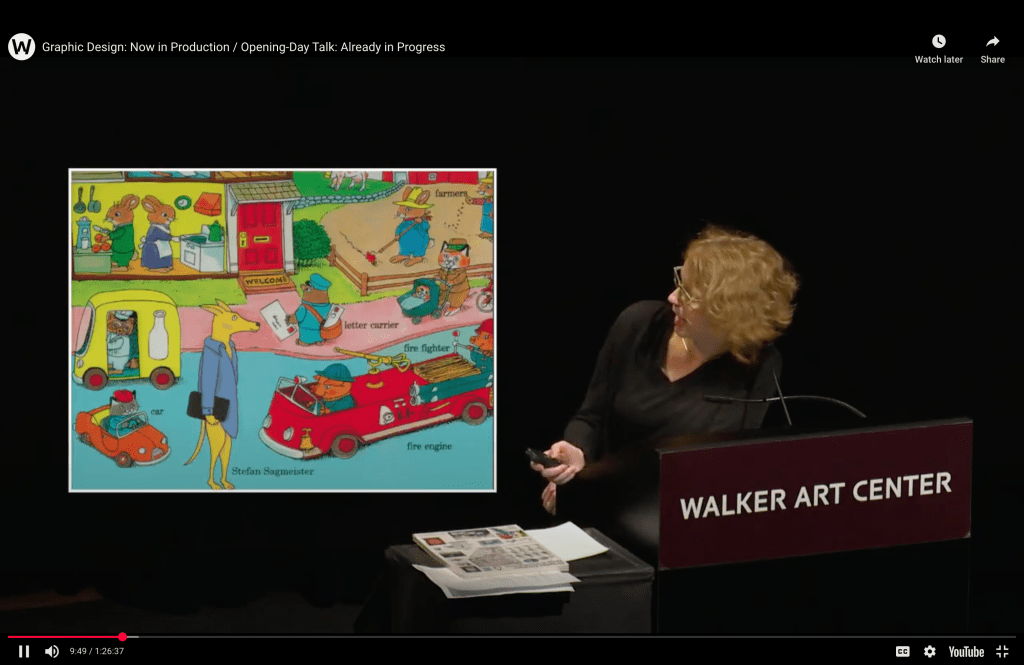
Jeremy Leslie
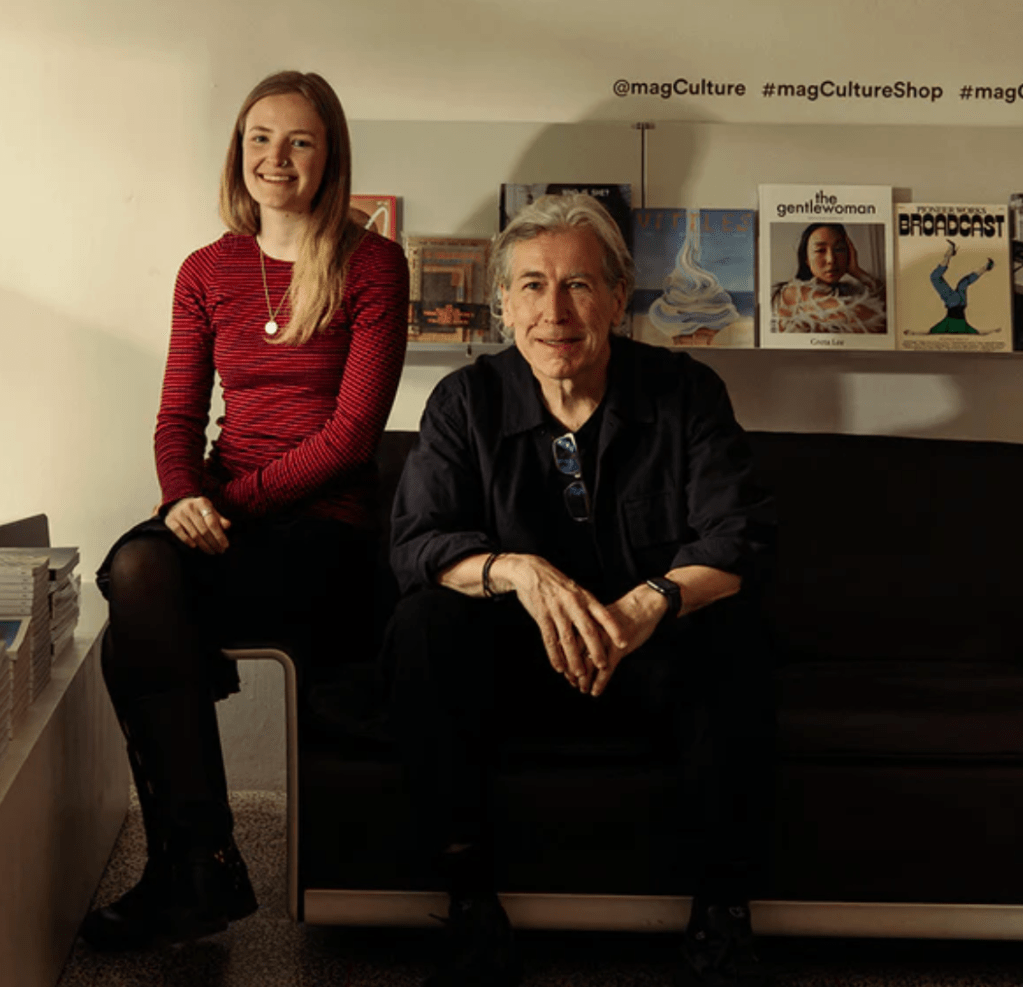
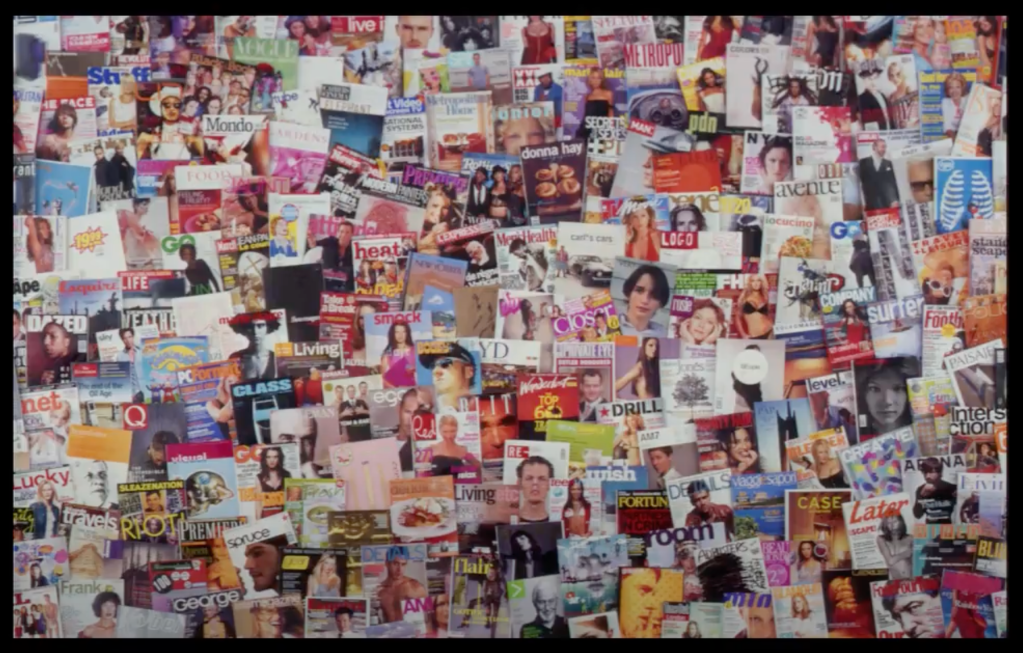
“magCulture founder Jeremy Leslie has been making magazines for 40 years. After studying graphic design at the London College of Printing (now Communication), he art directed and designed Blitz magazine and Time Out, before becoming creative director at John Brown Publishing, where he was responsible for a wide range of customer magazines including award-winning titles Carlos and M-real and children’s encyclopedia ‘Pick Me Up.’
Jeremy is a passionate advocate for editorial design and established himself as a commentator on the subject through a series of books and the magCulture online Journal, which he launched in 2006 to counteract the then prevailing print-is-dead narrative. He regularly contributes to the design press, speaks at conferences and continues to consult and design for international clients. He teaches regularly at Politechnico Milano.
He is an awarded member and ex-trustee of D&AD and an elected member of AGI. In 2018 he was awarded the Mark Boxer Award by the British Society of Magazine Editors, given for services to the magazine industry, and was recently featured on the Full Bleed podcast.”
https://www.artofthetitle.com/
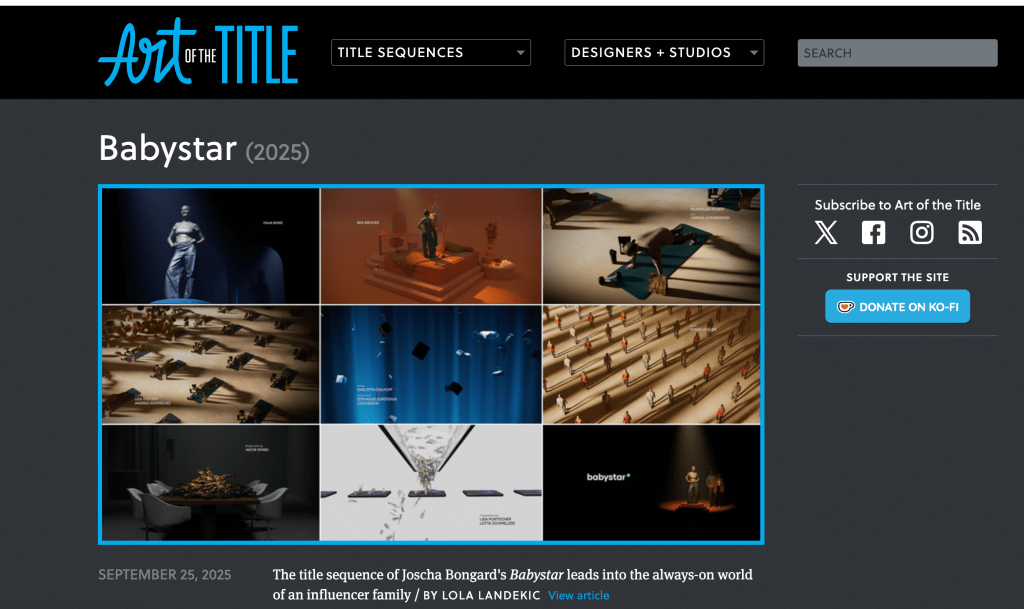
Title design:
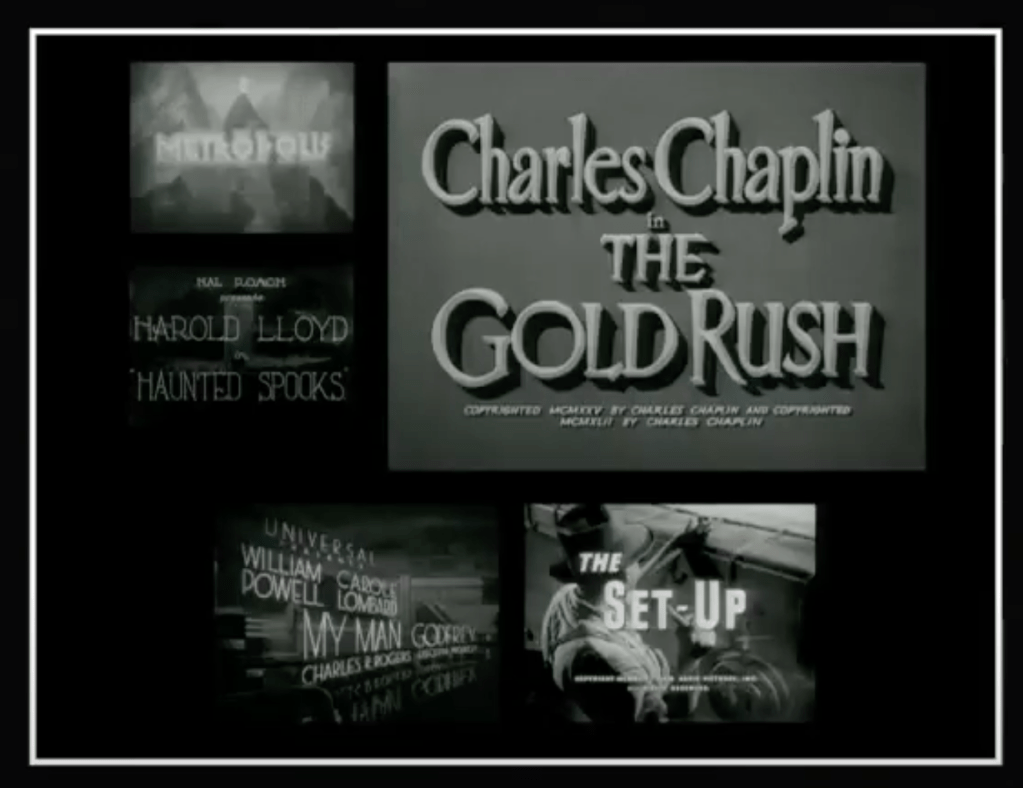
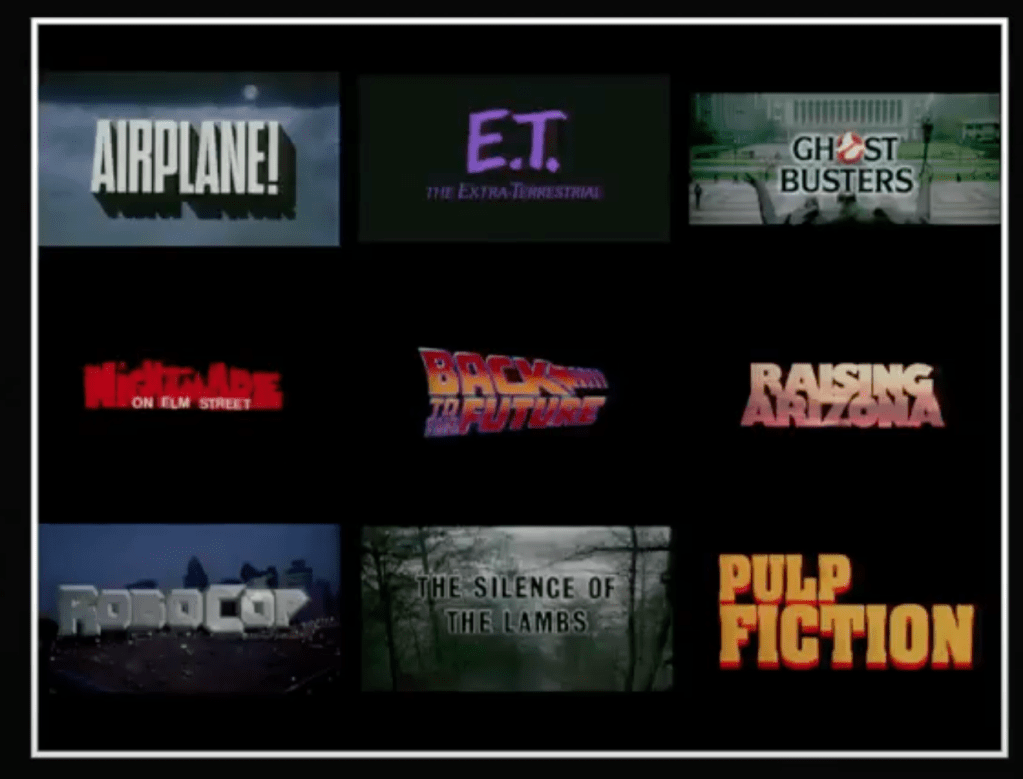
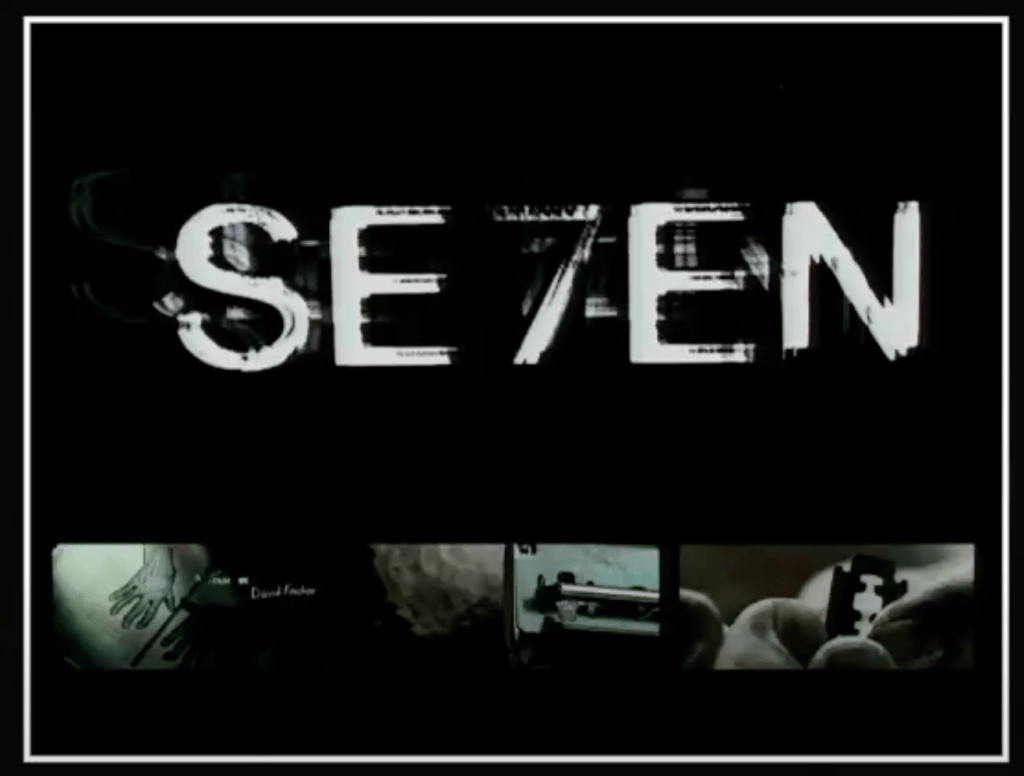
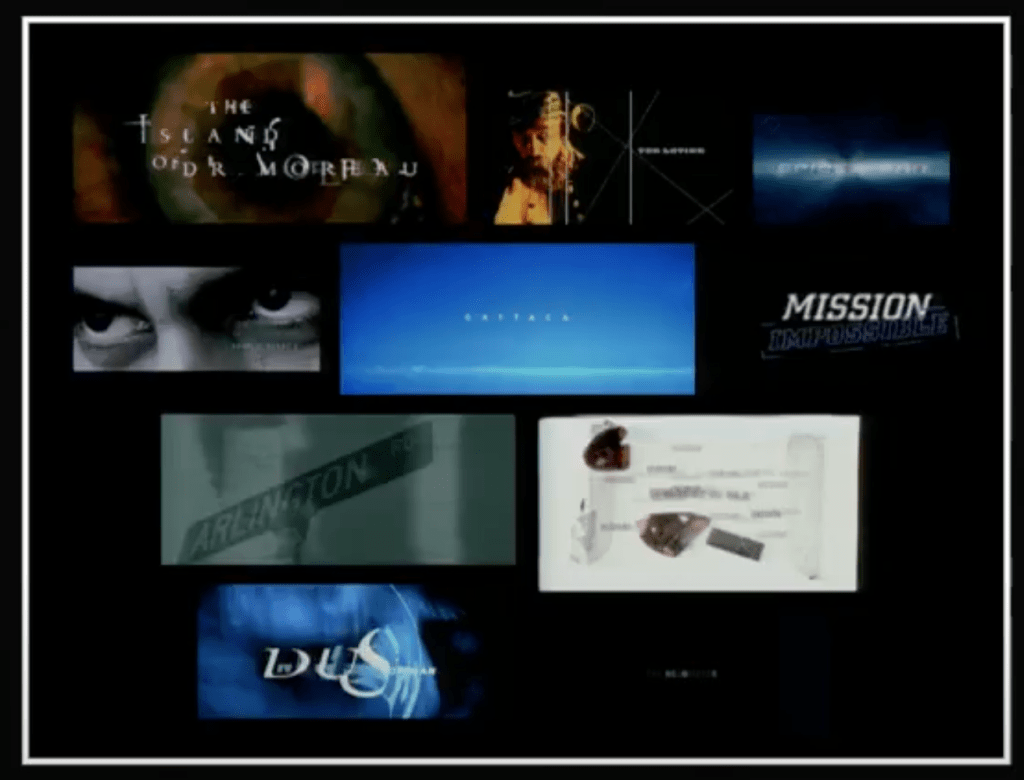
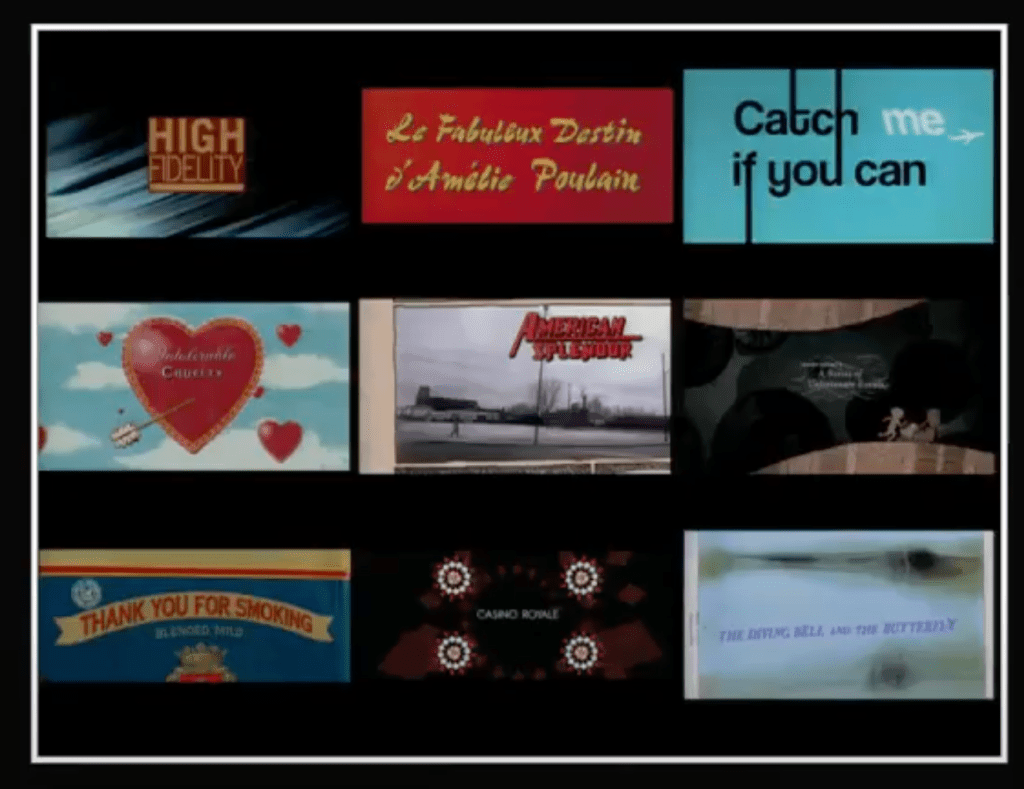
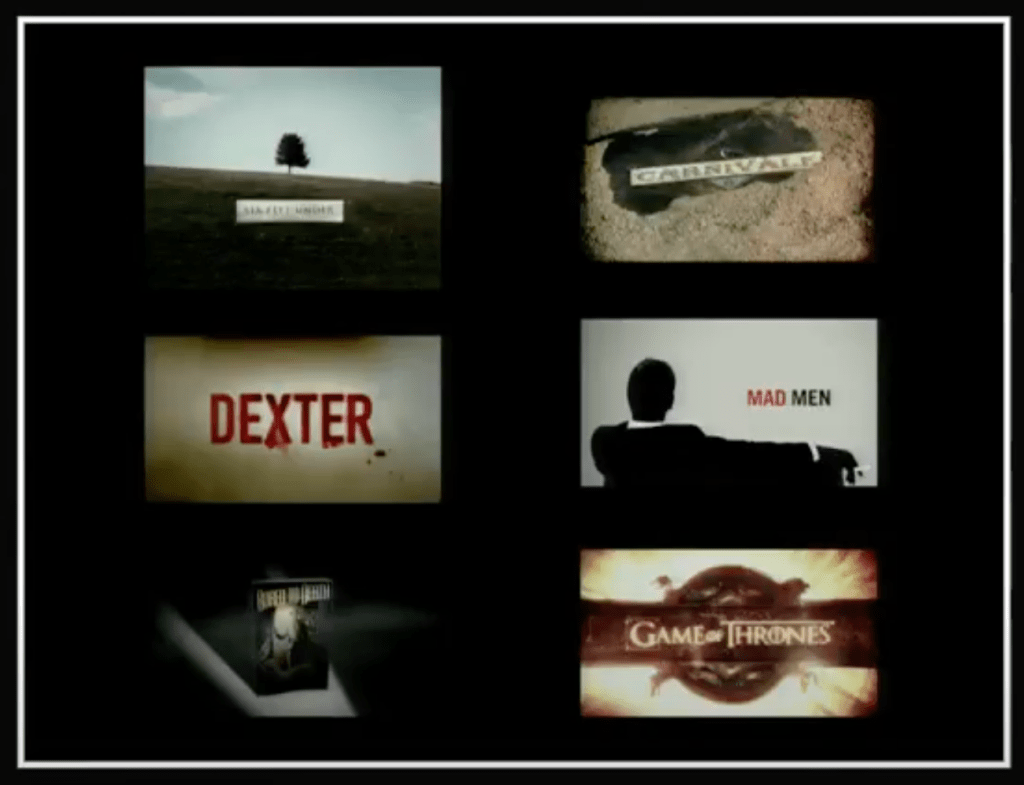
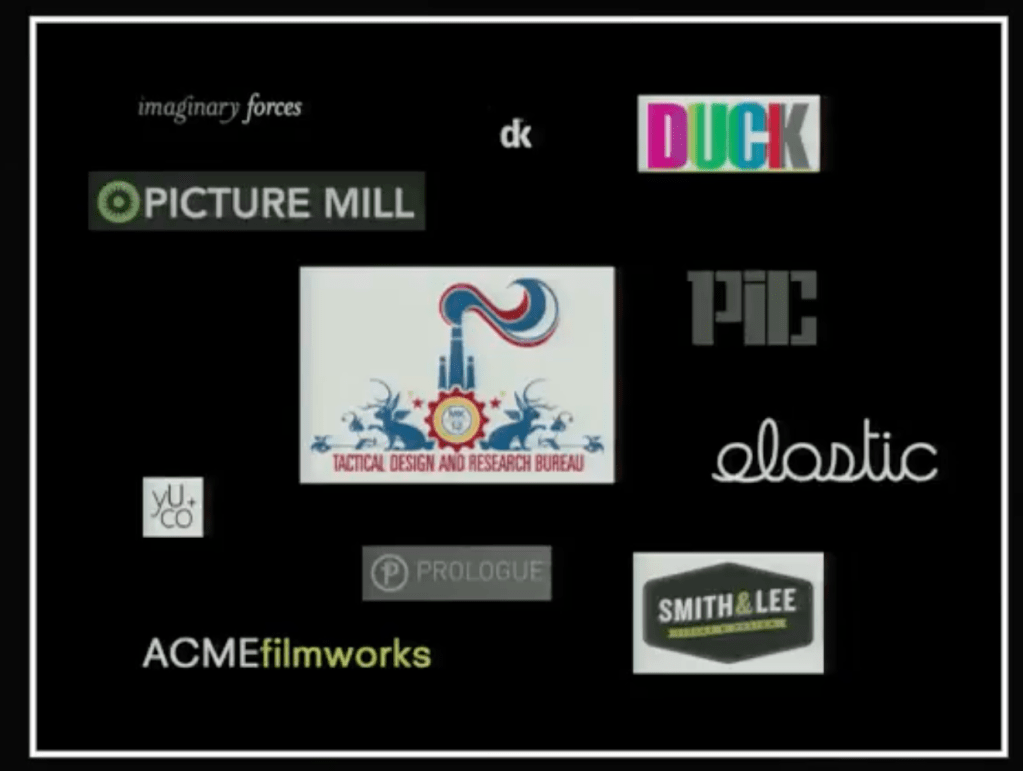
https://www.artofthetitle.com/titles/
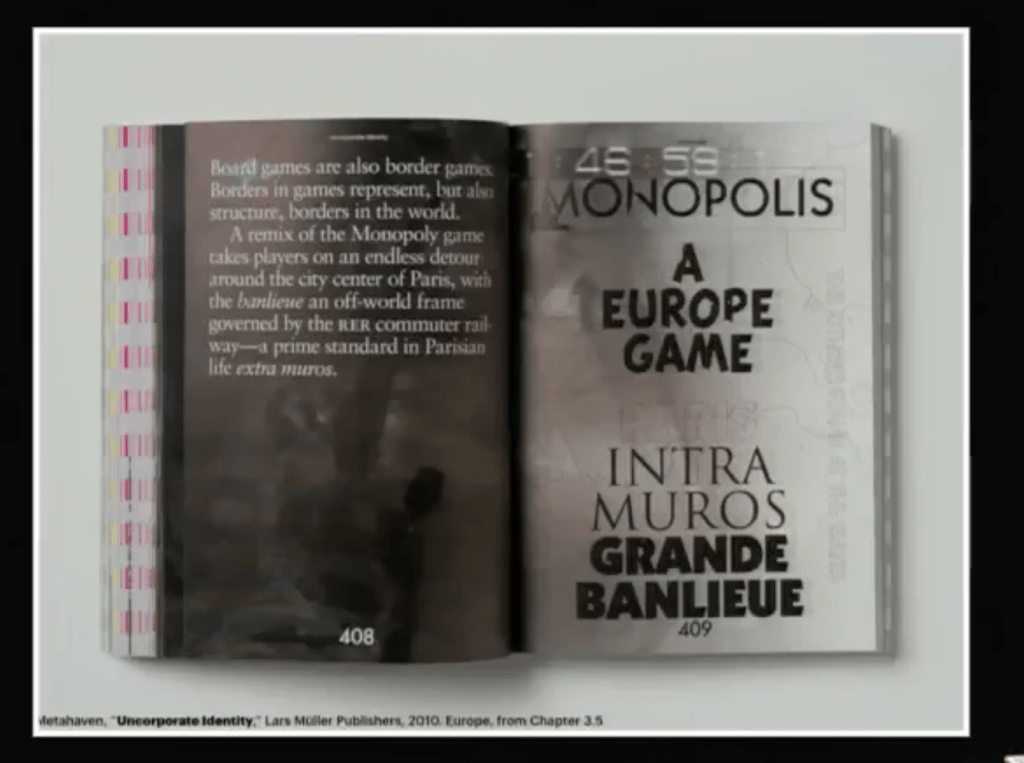
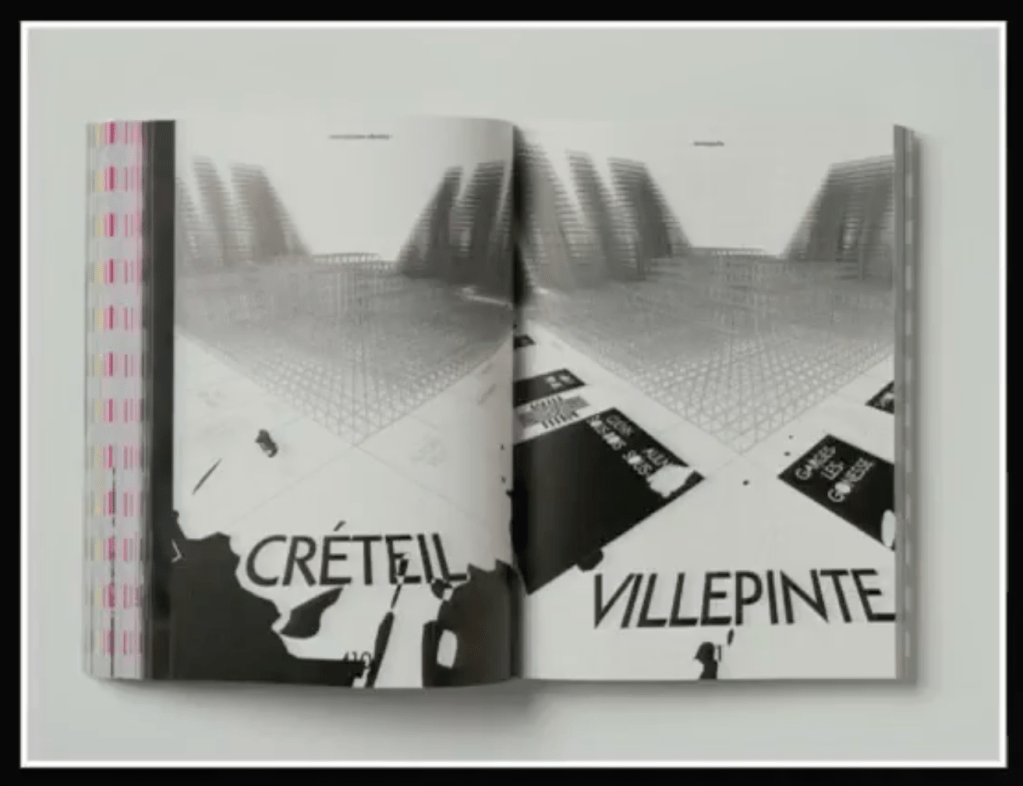
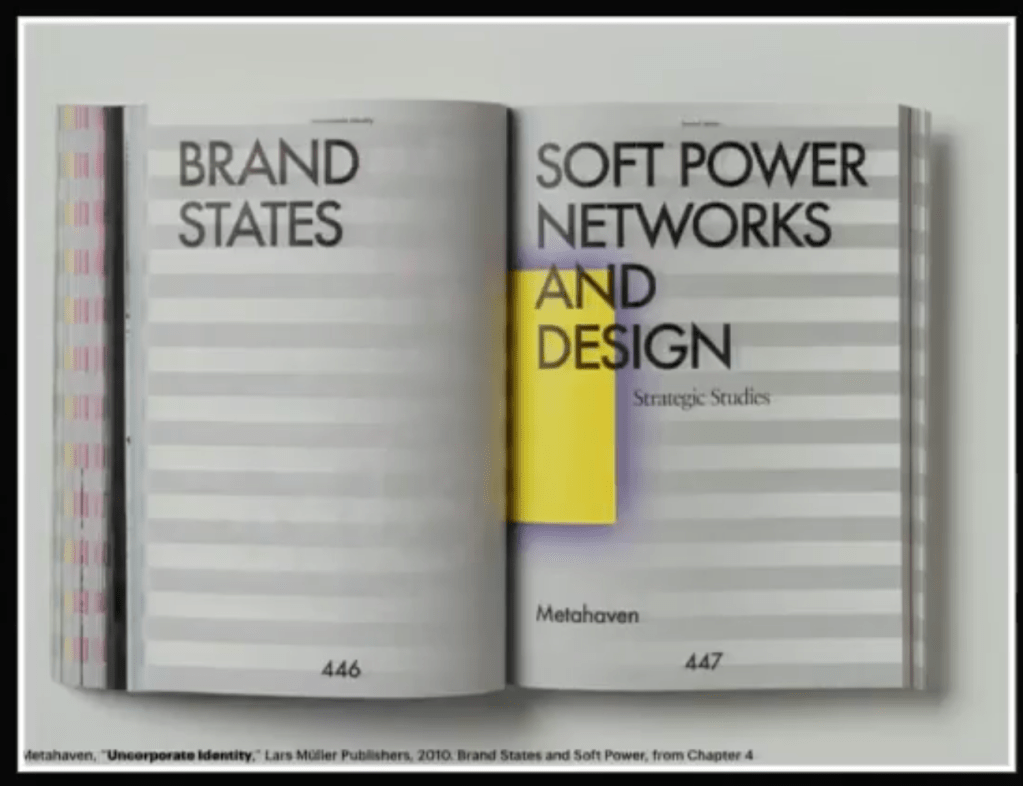
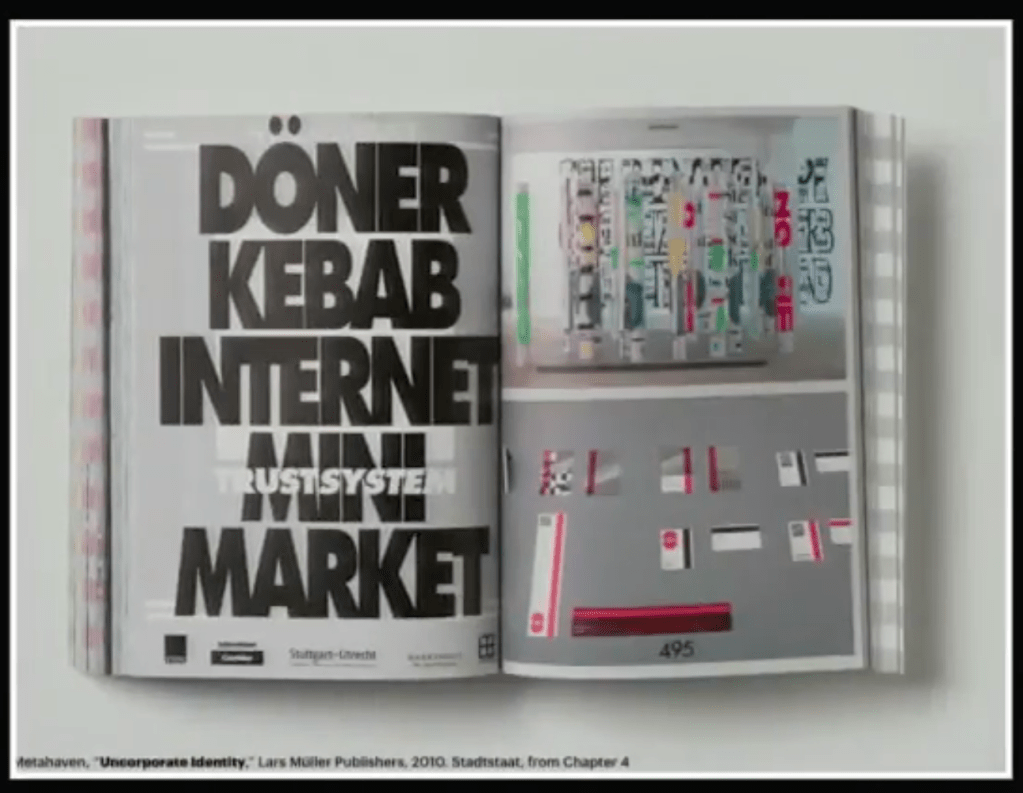
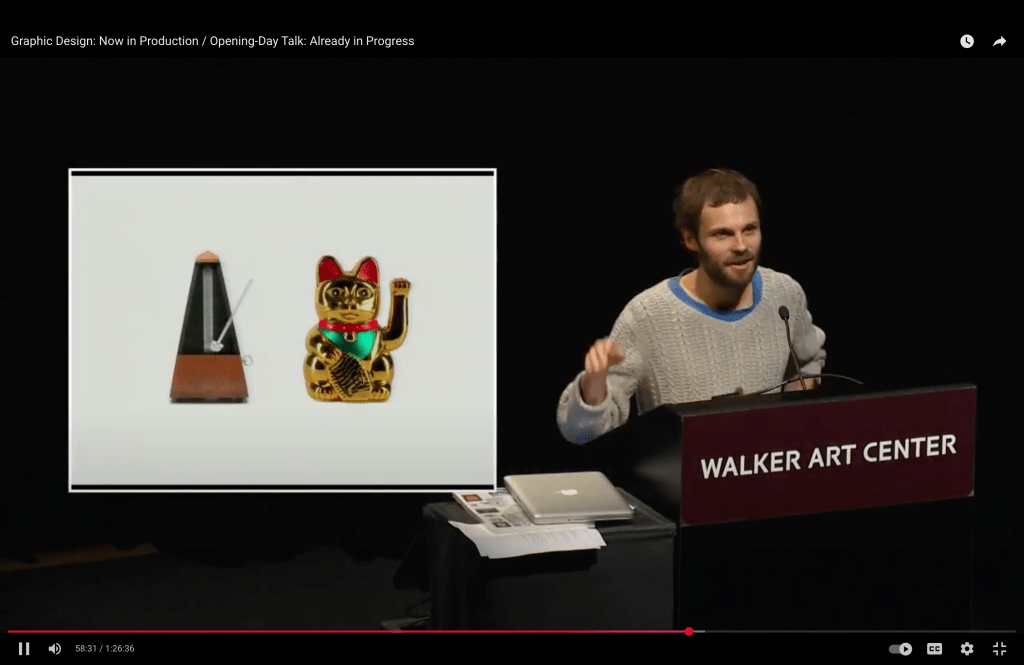
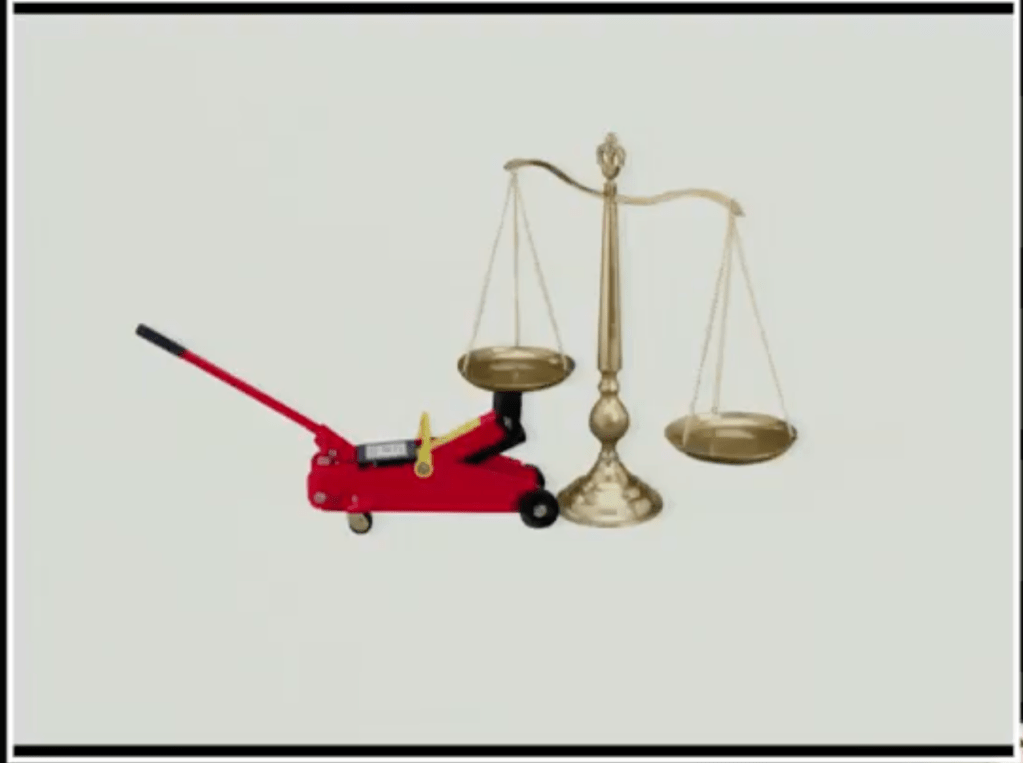
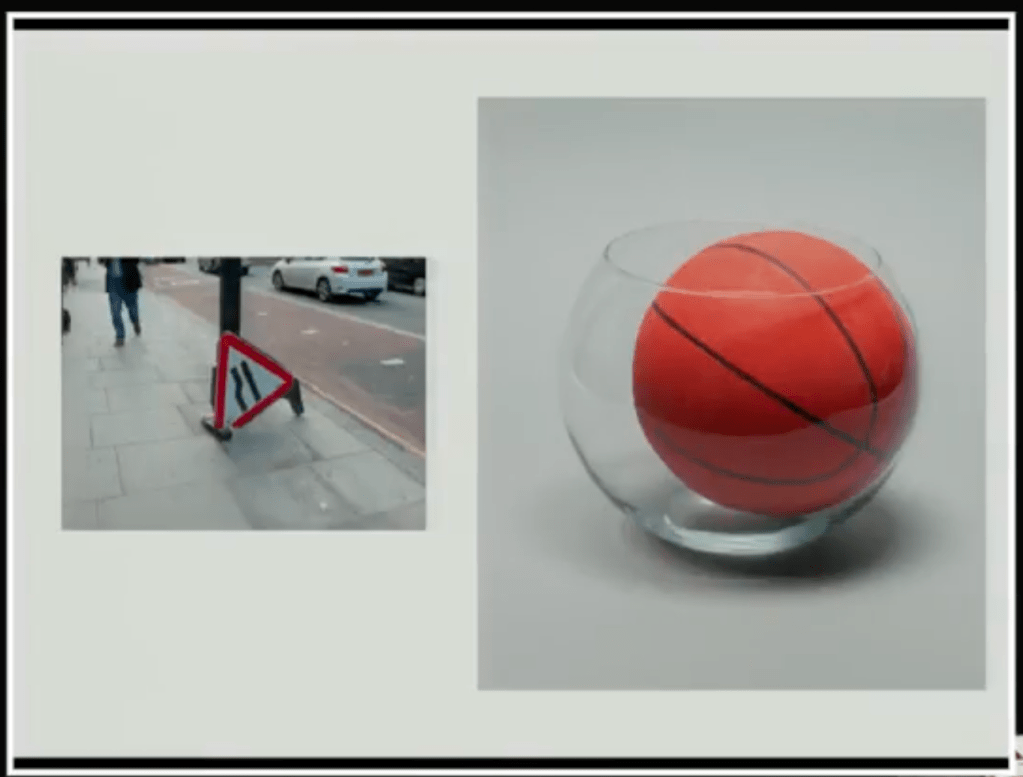
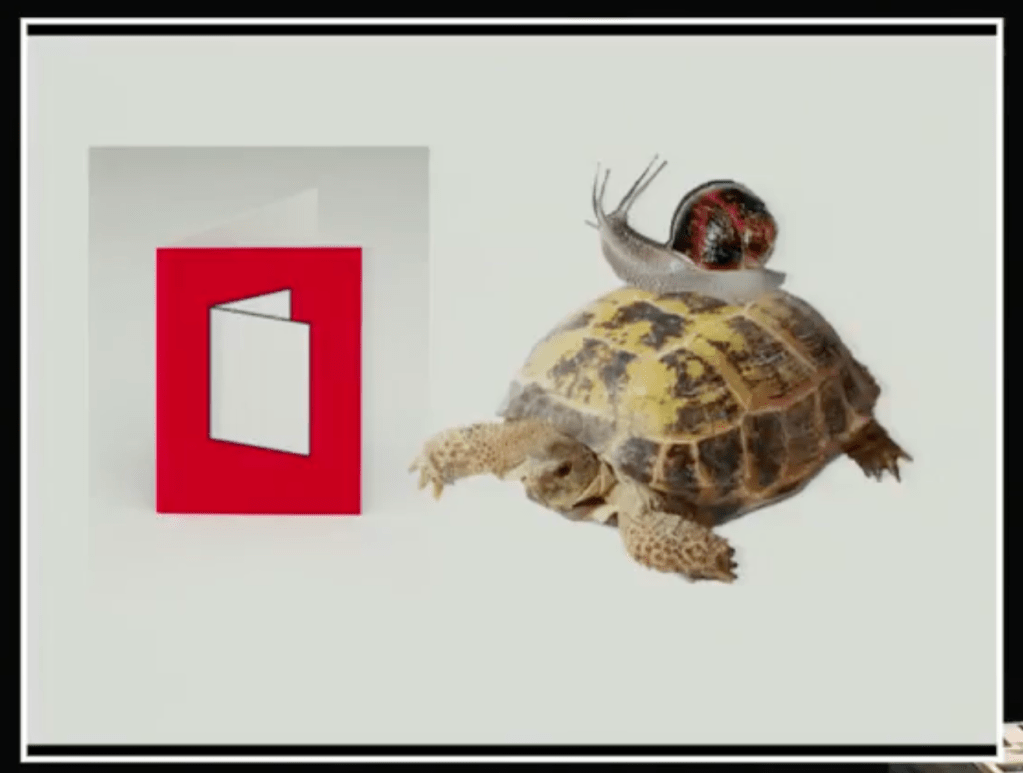
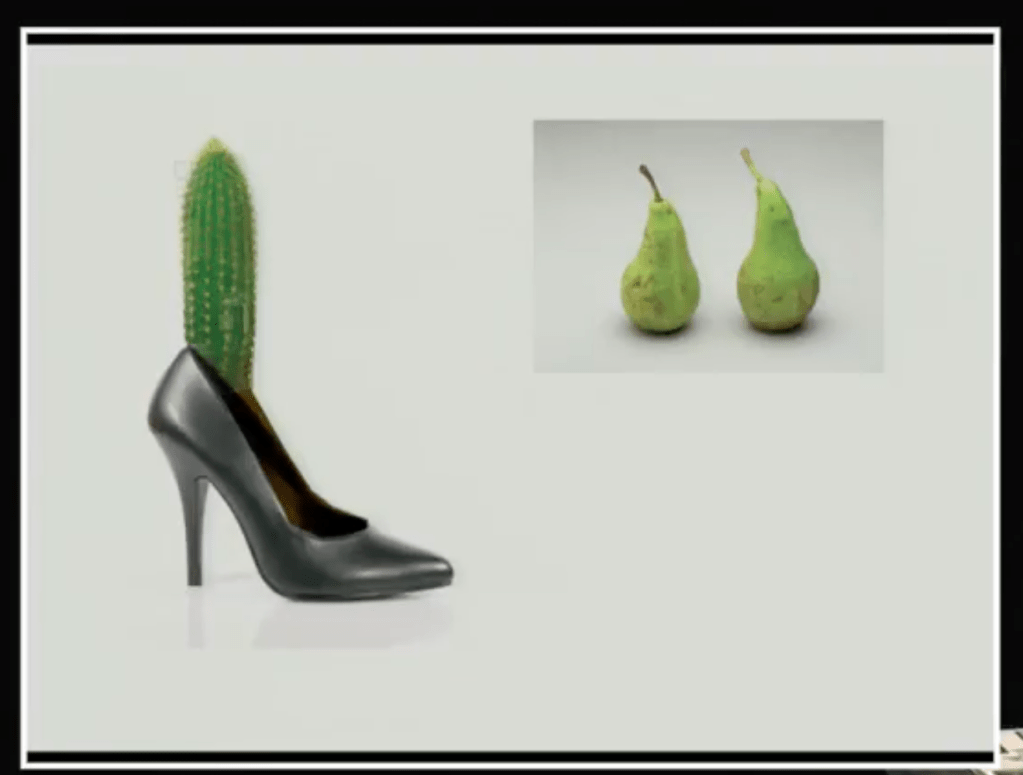
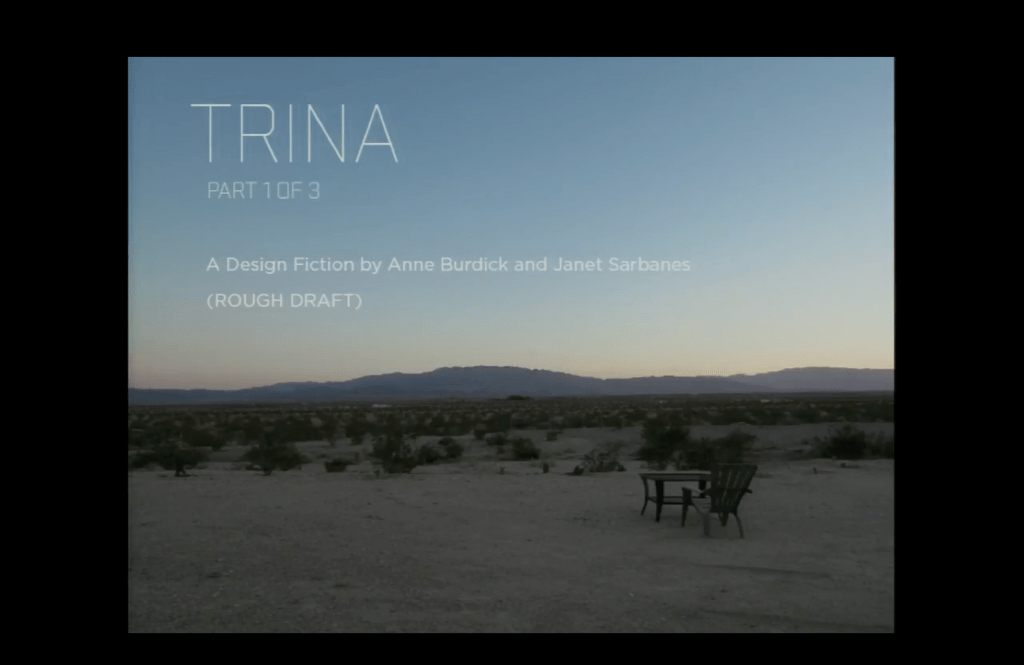
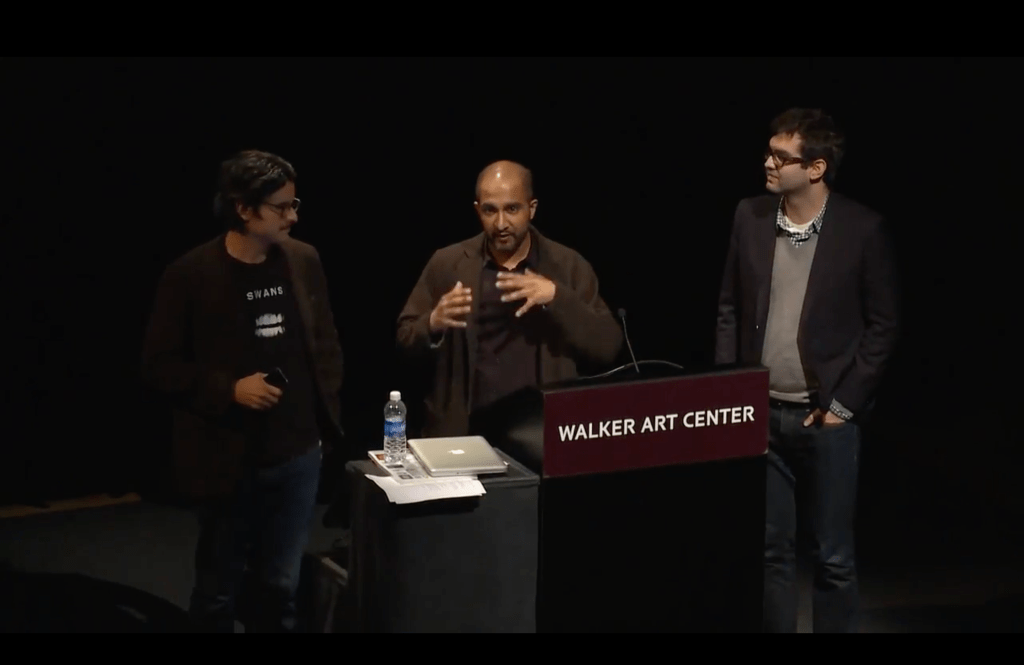

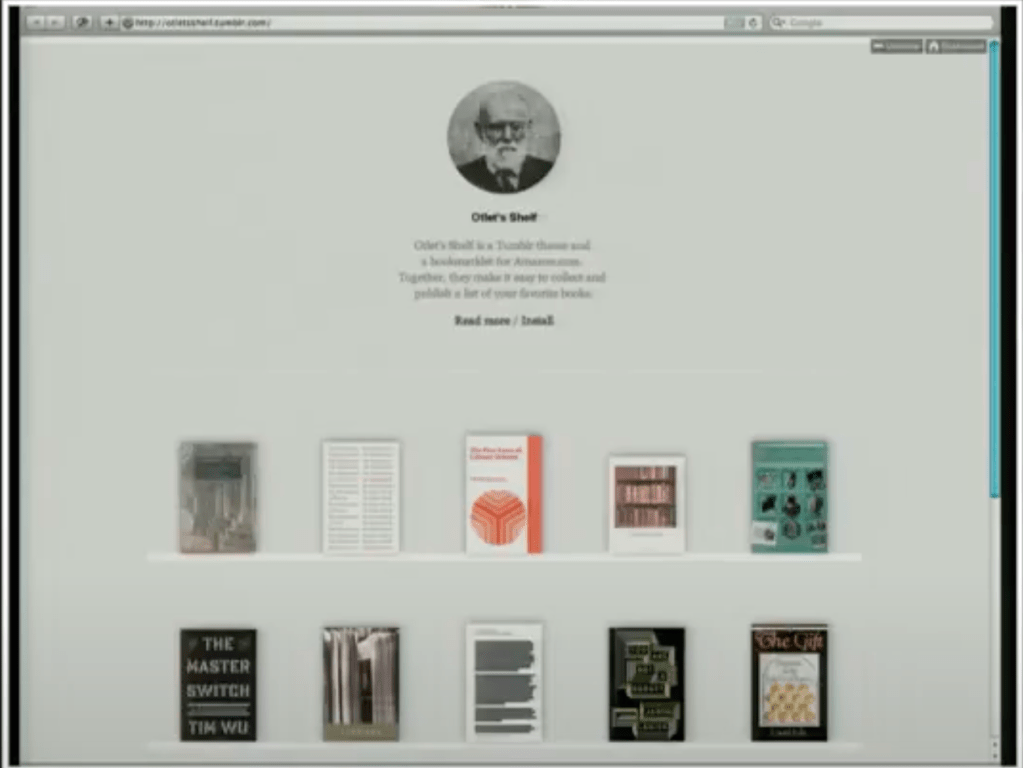
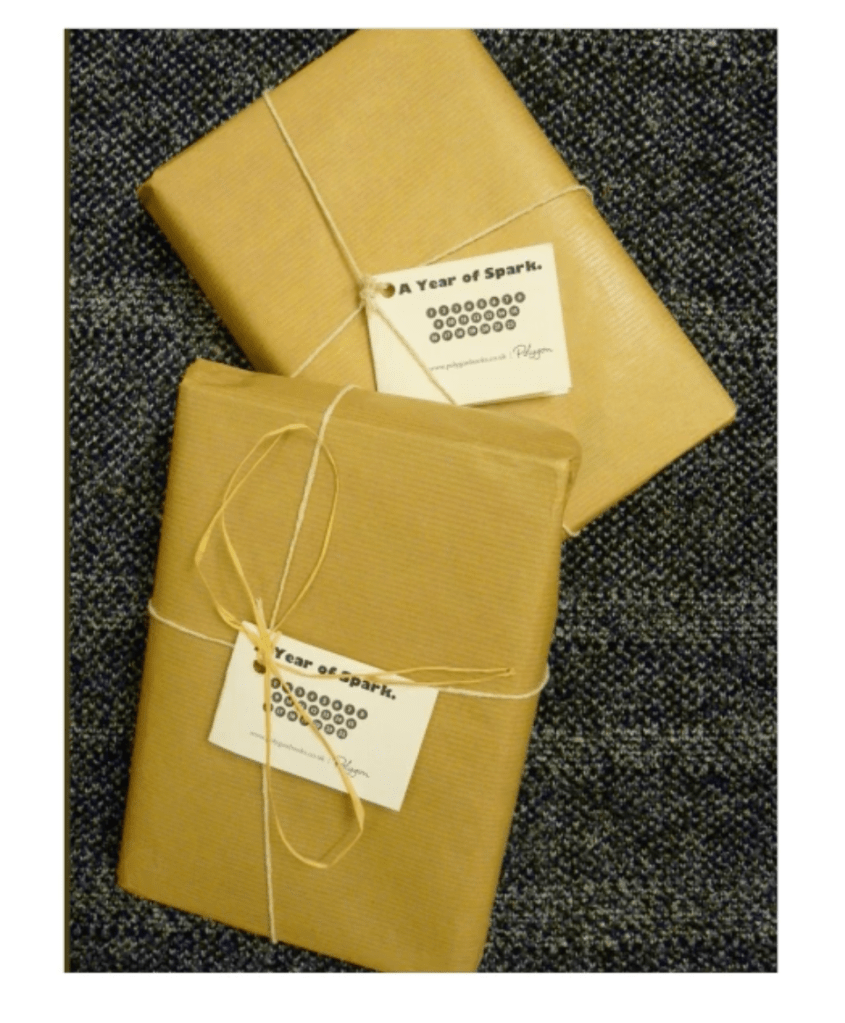
They created this page where people can share their books.
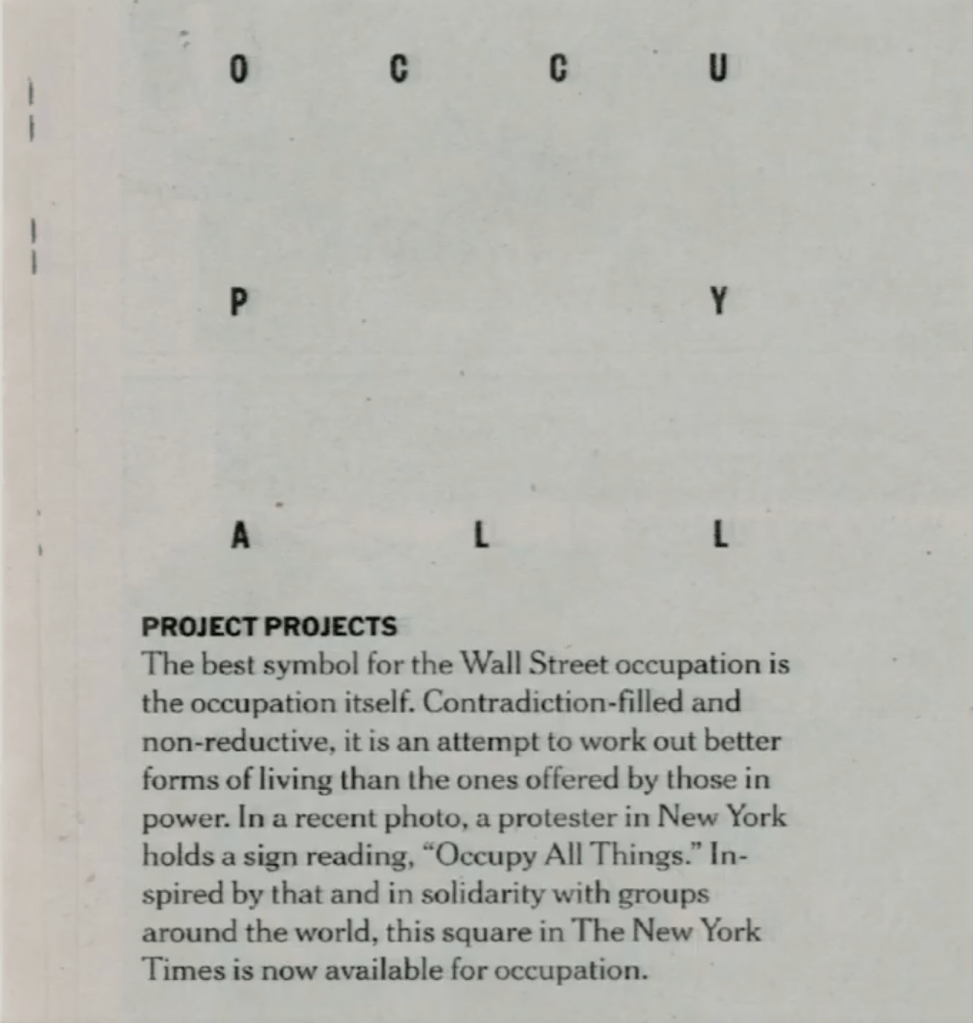
From the lecture:
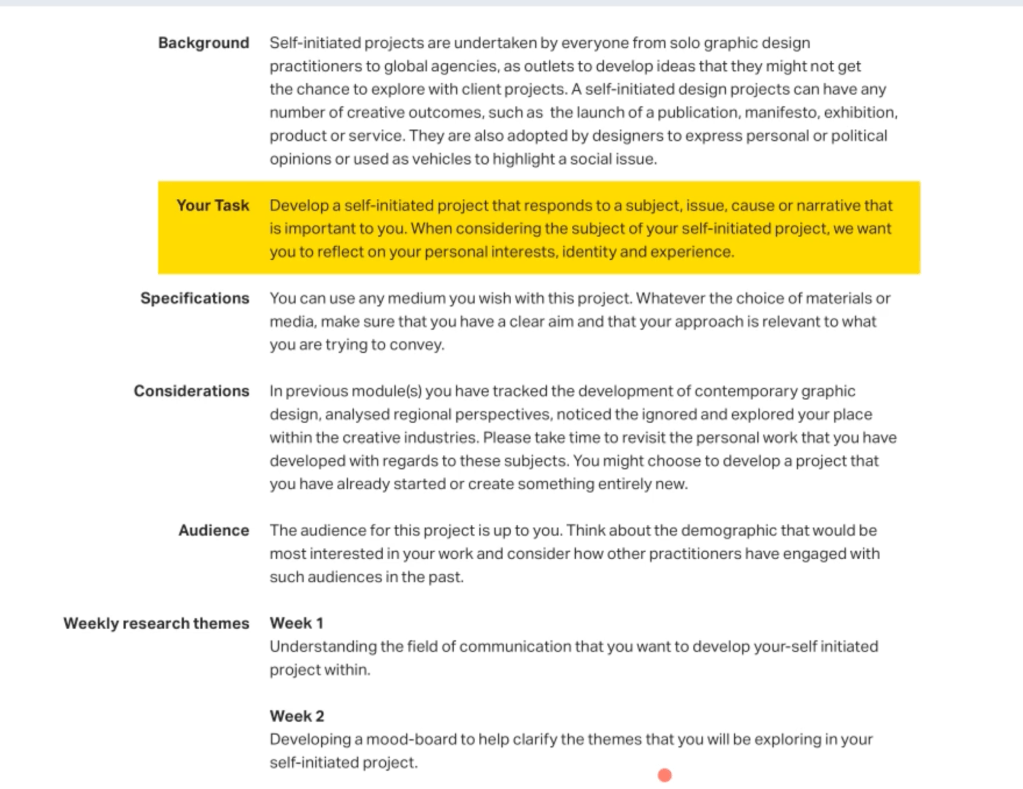
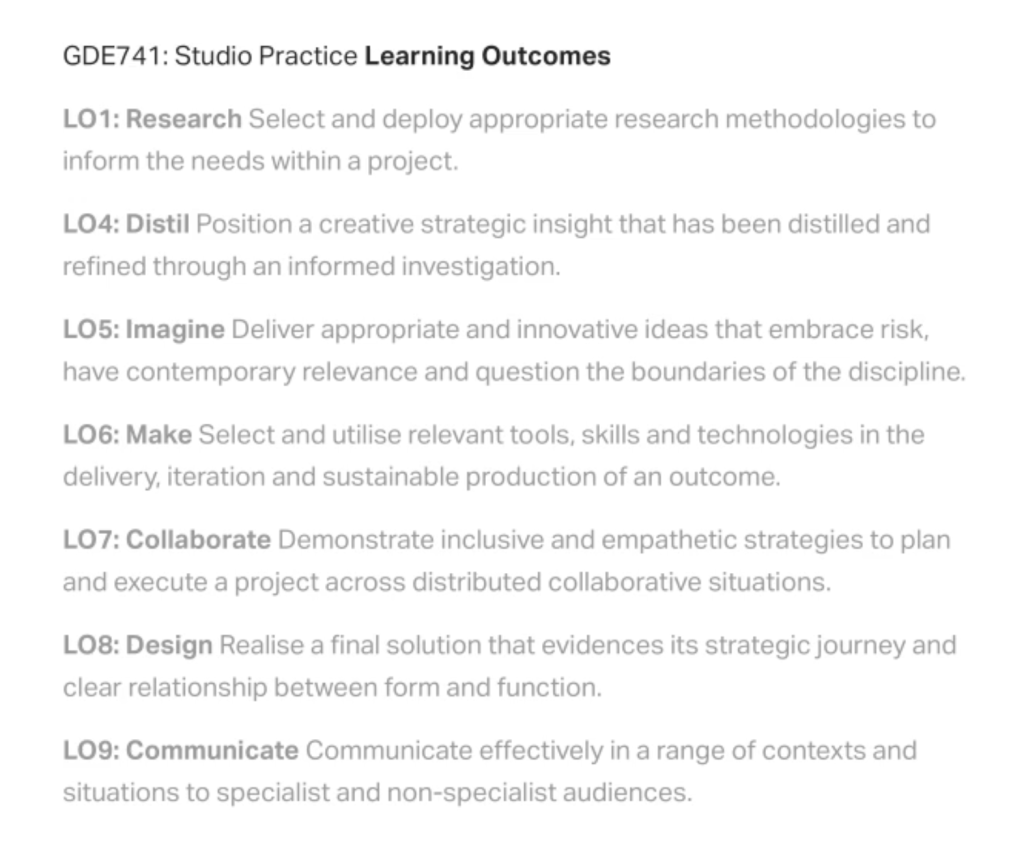

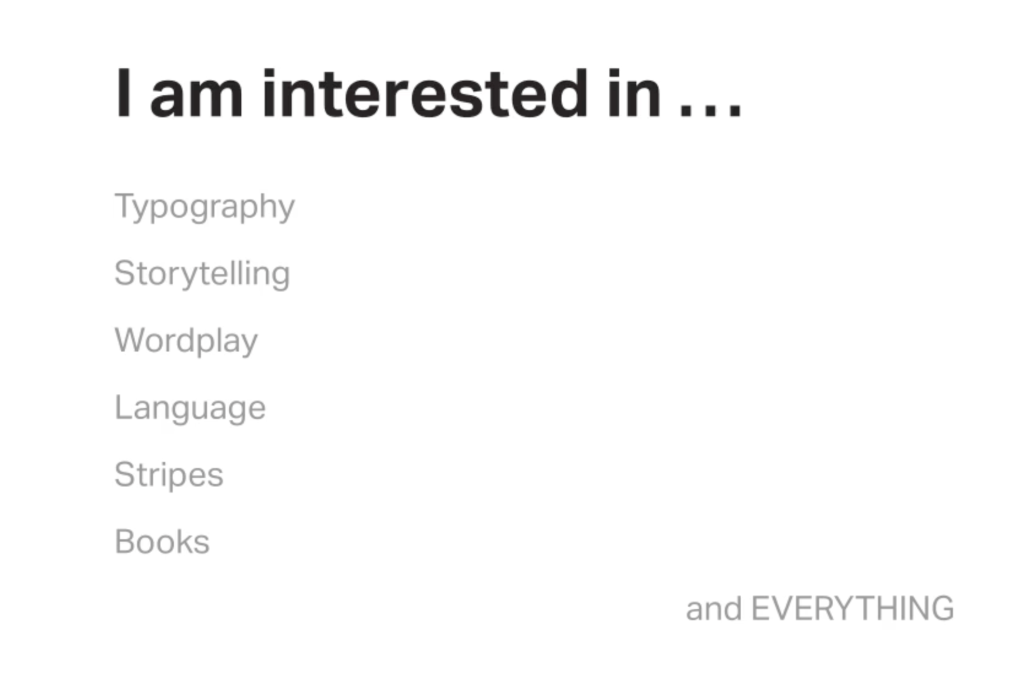
Teresa was speaking about a project she had to do.
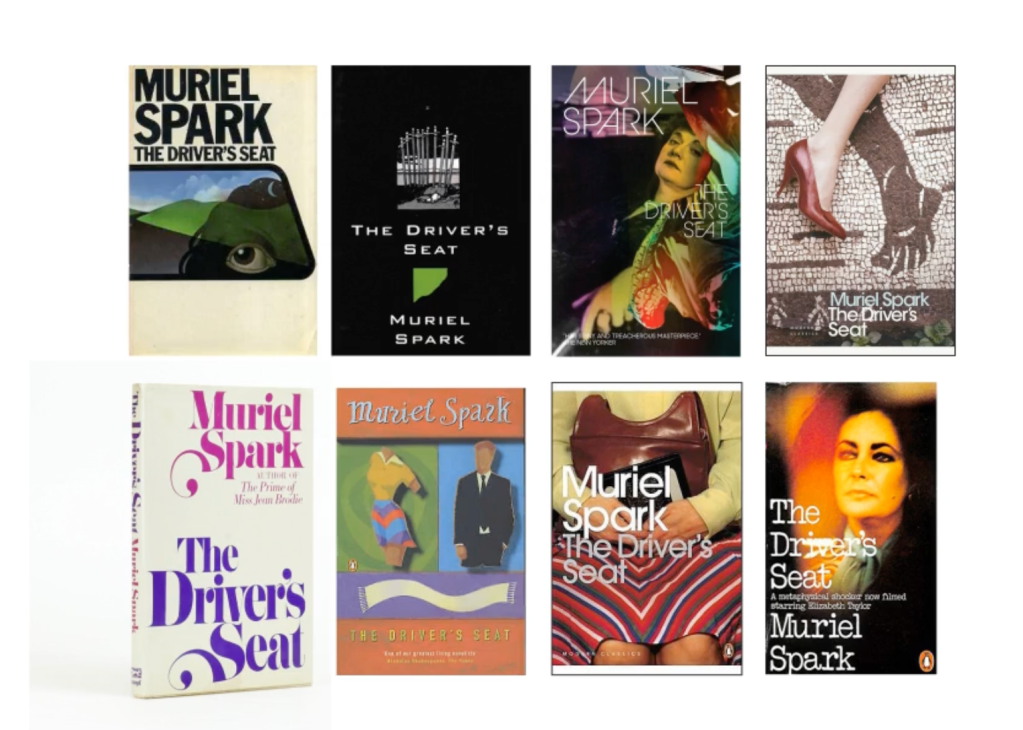
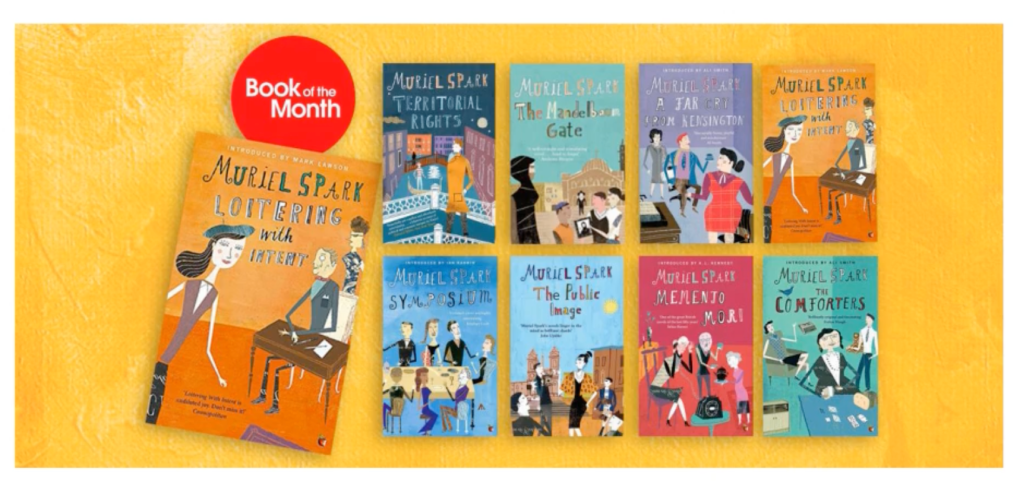
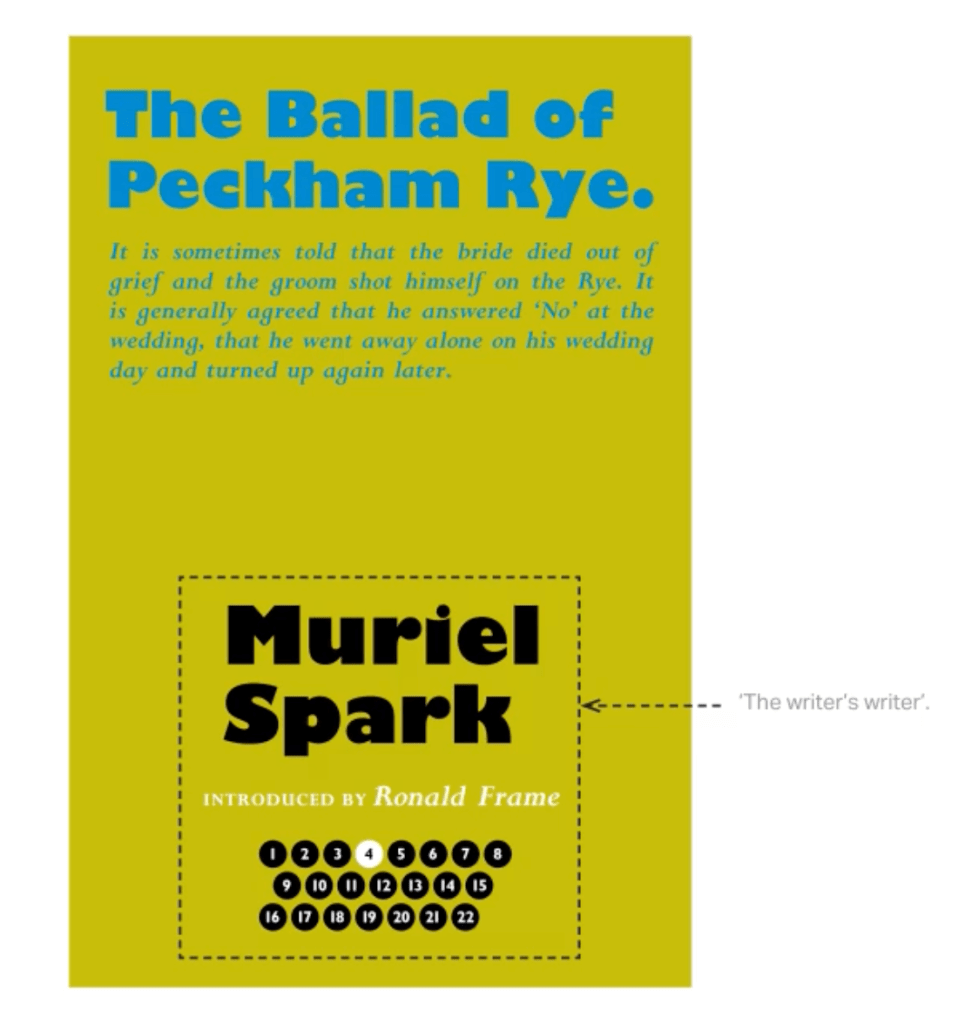
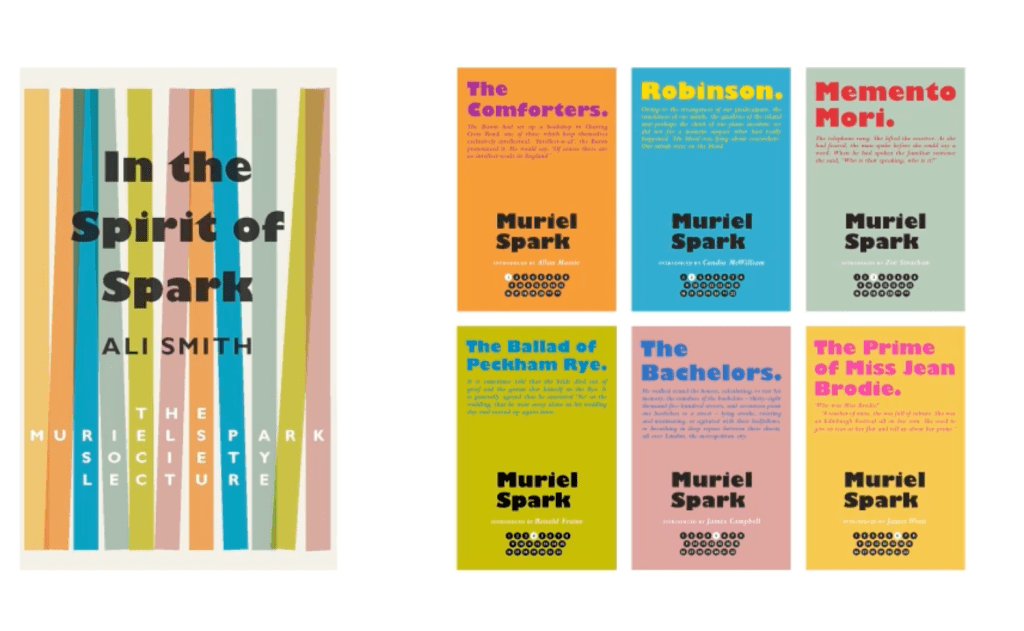
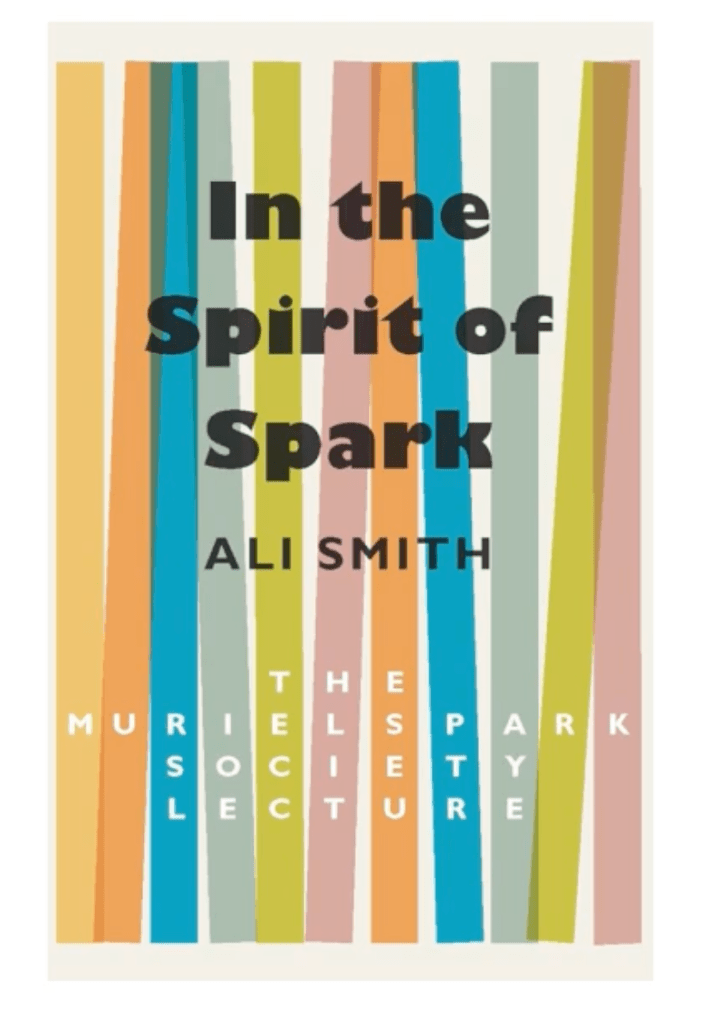
In the research she found this book covers – they don’t represent the author well. I don’t like them either.
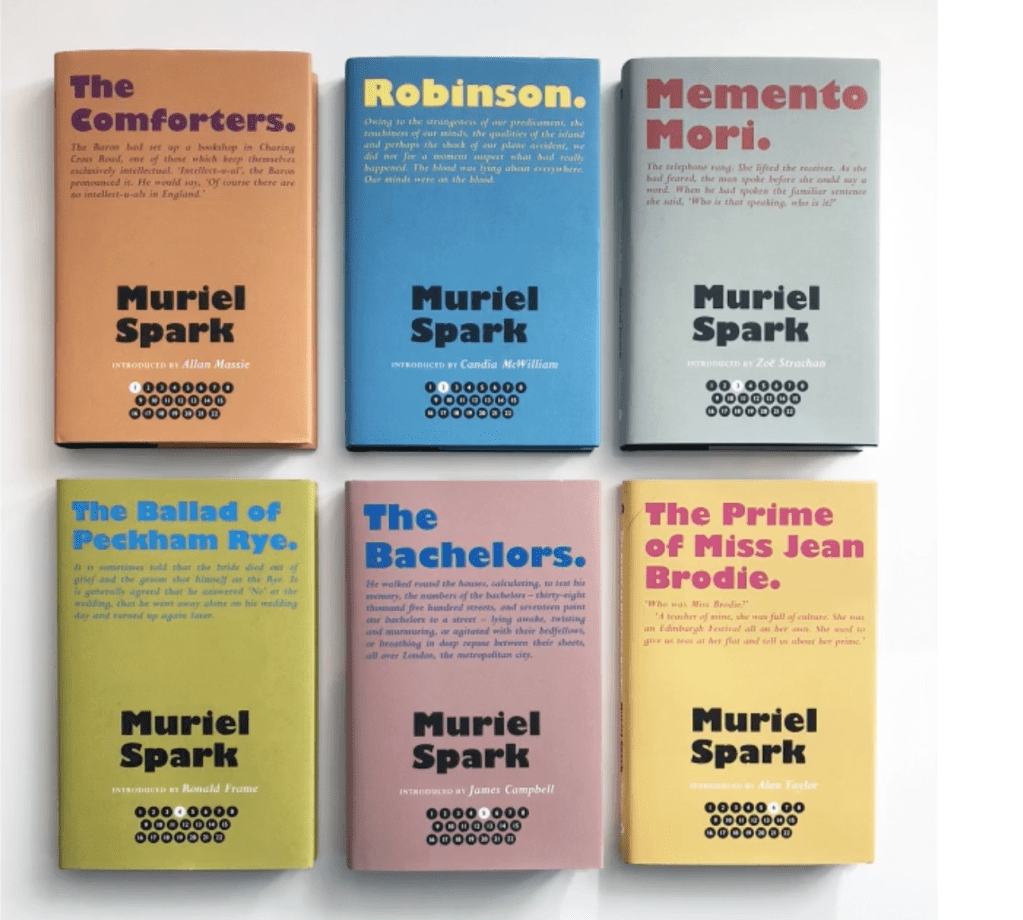
Here another set of covers:
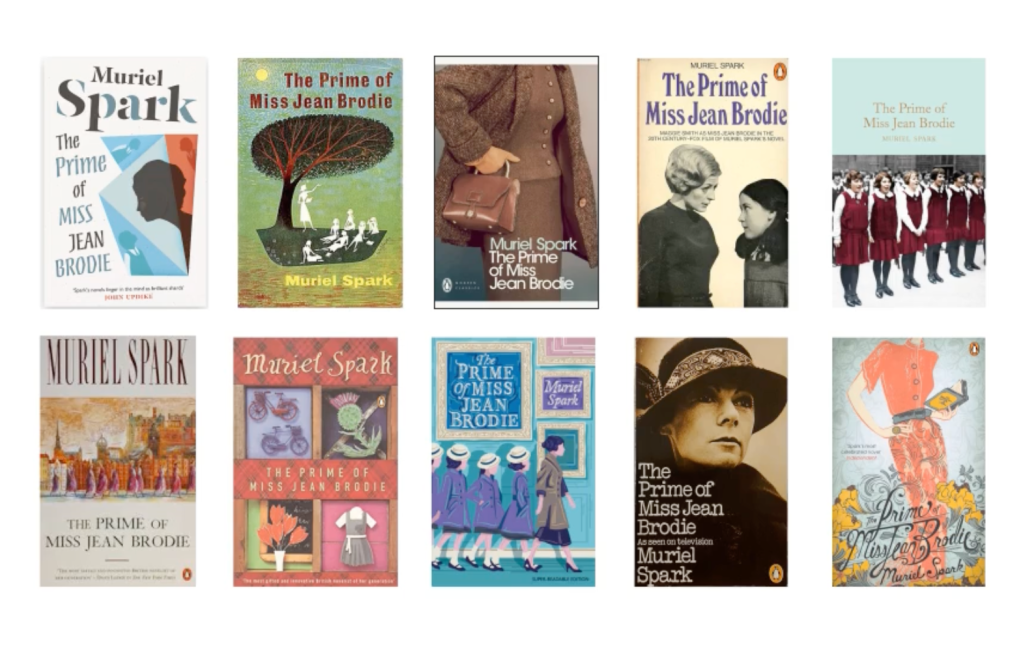
Teresa shares with us that she wanted the editor to help by giving her more information about the content of the books.
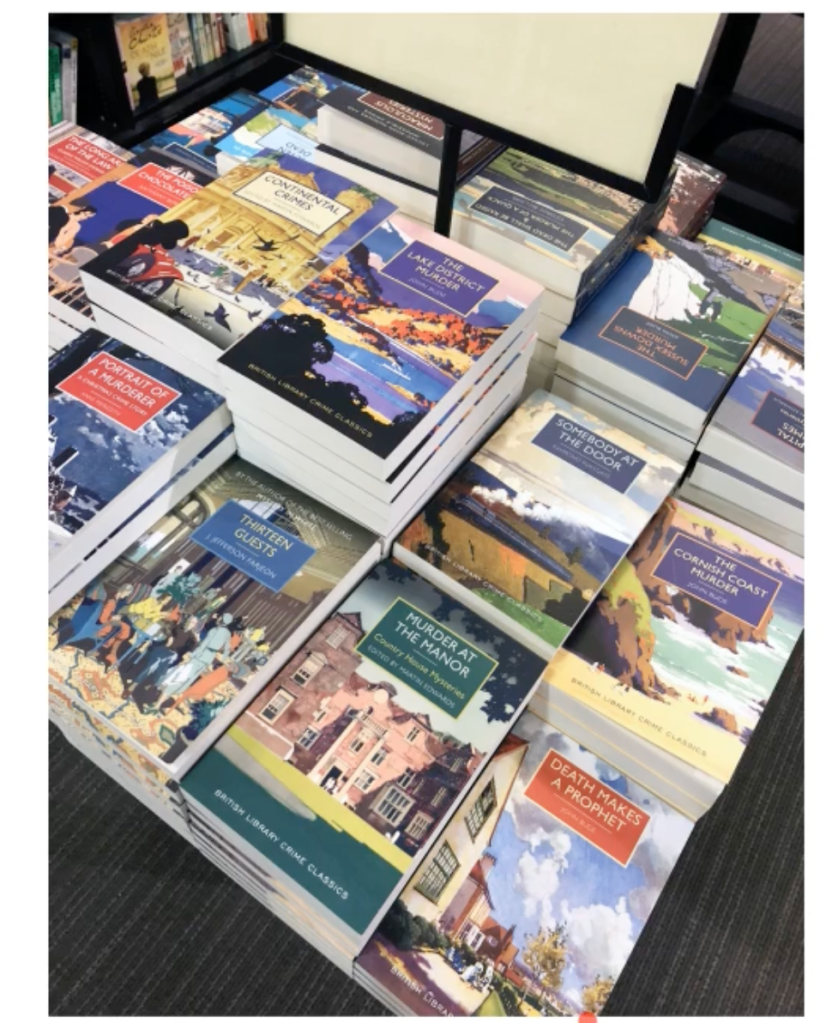
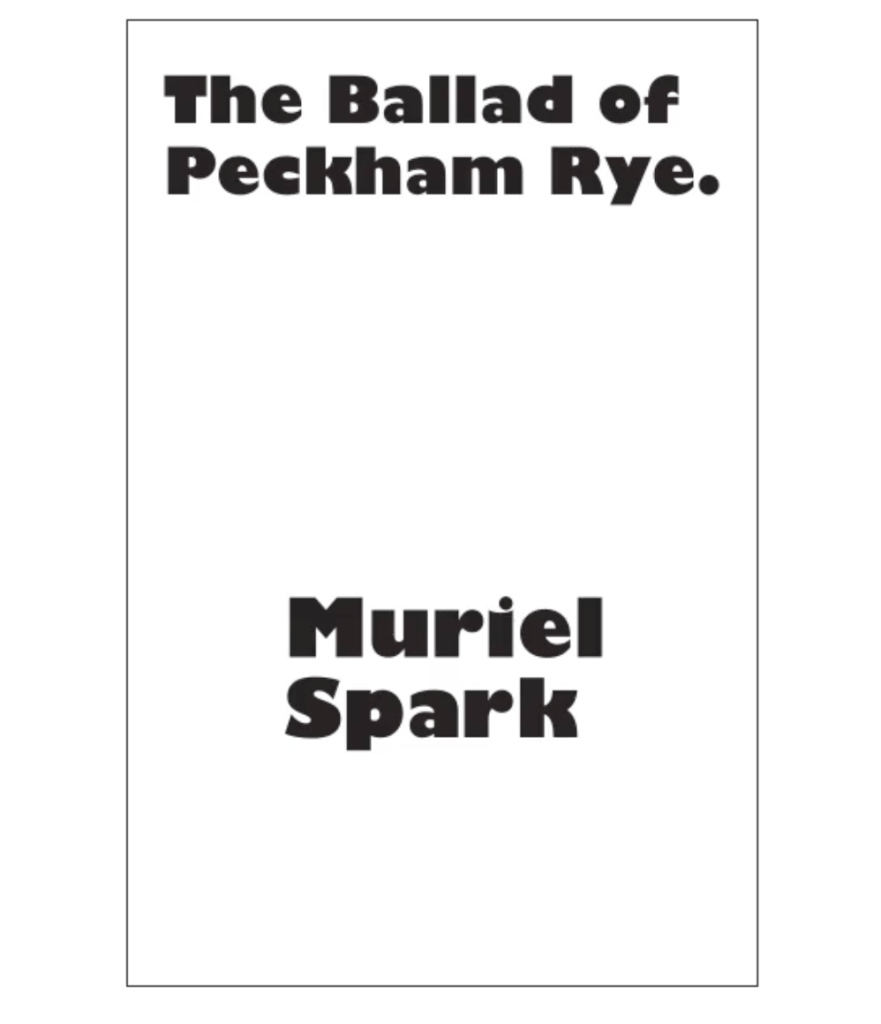
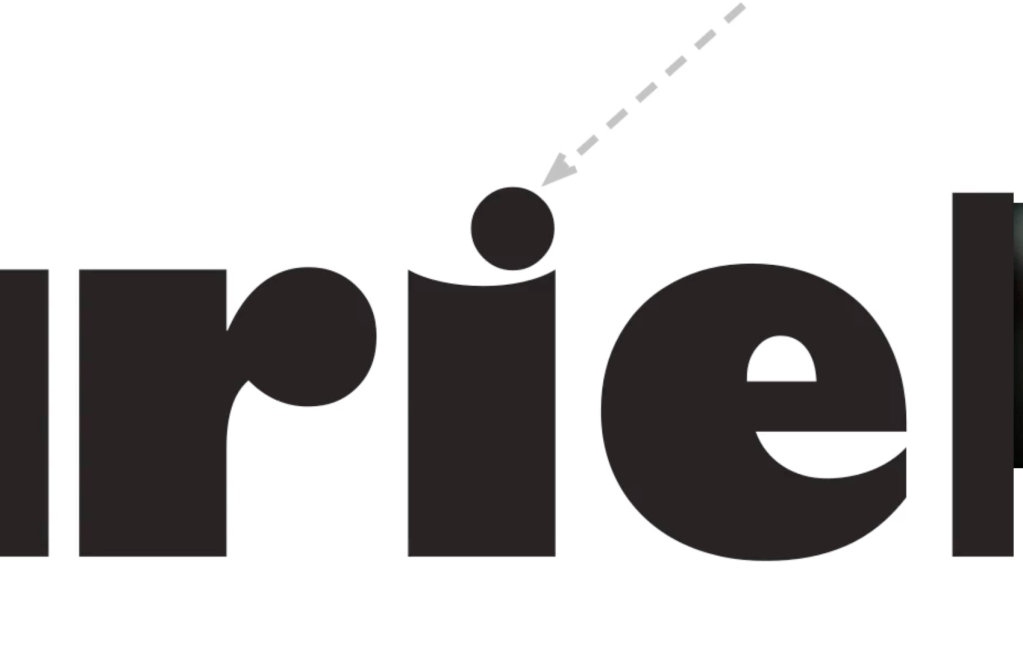
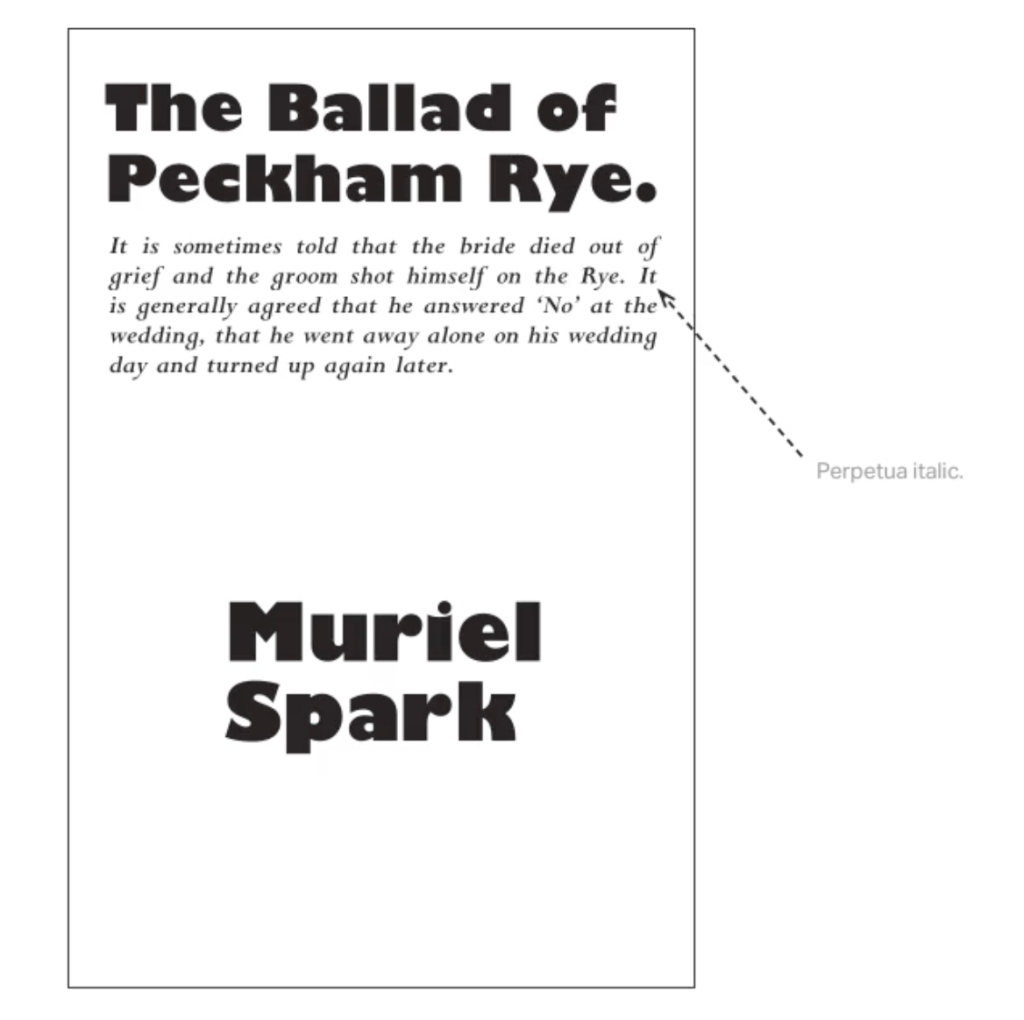
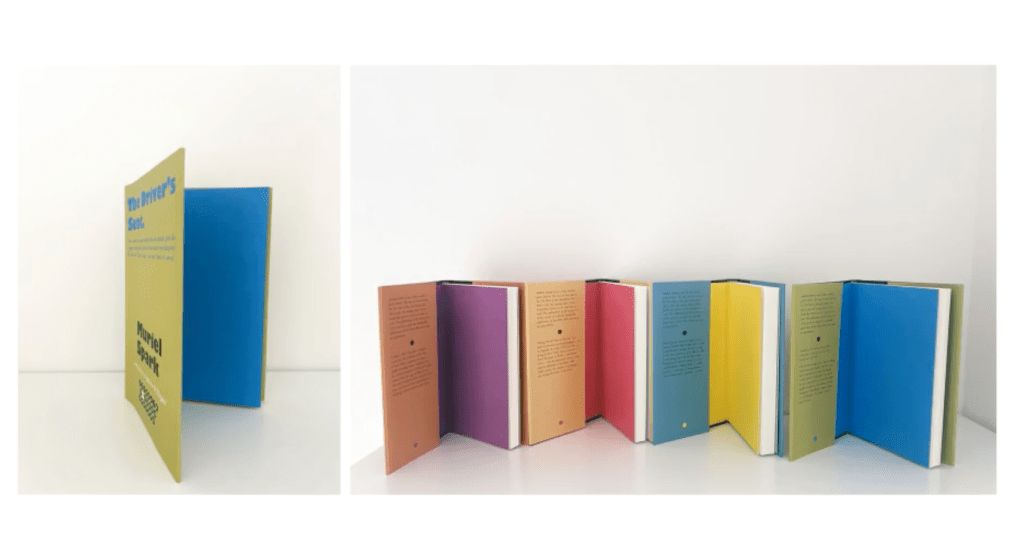
She uses for the cover a text from the book.
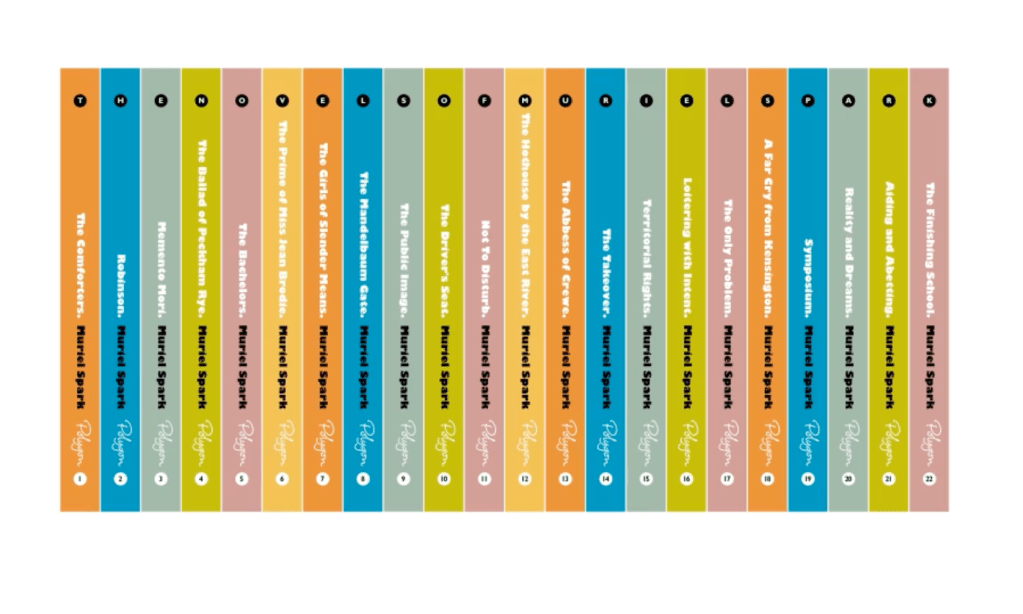
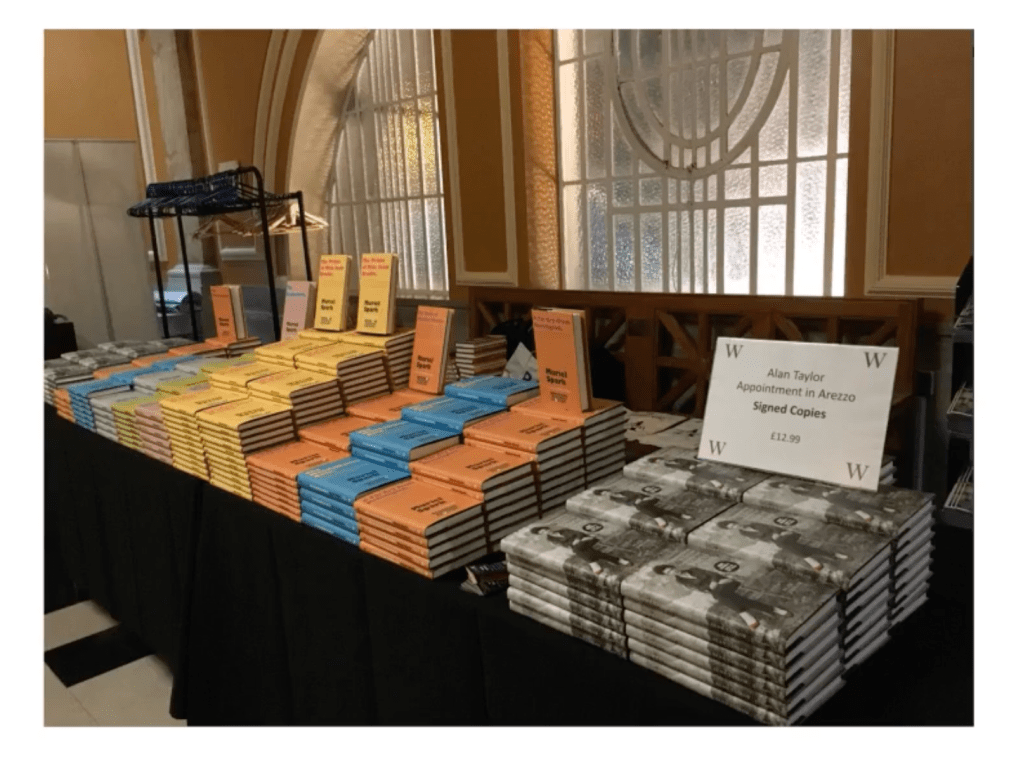
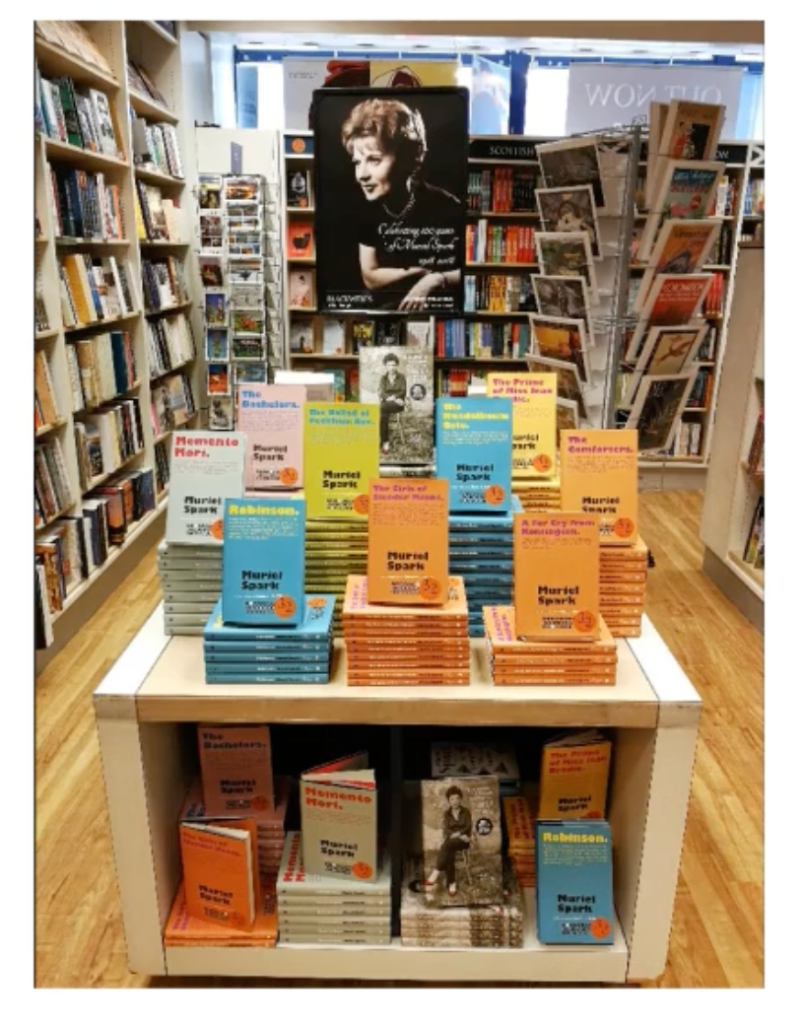
She decided to work with 6 colors (for the set of 22 books)
Your research task this week is to develop a mood board to help clarify the themes that you will be exploring in your self-initiated project.


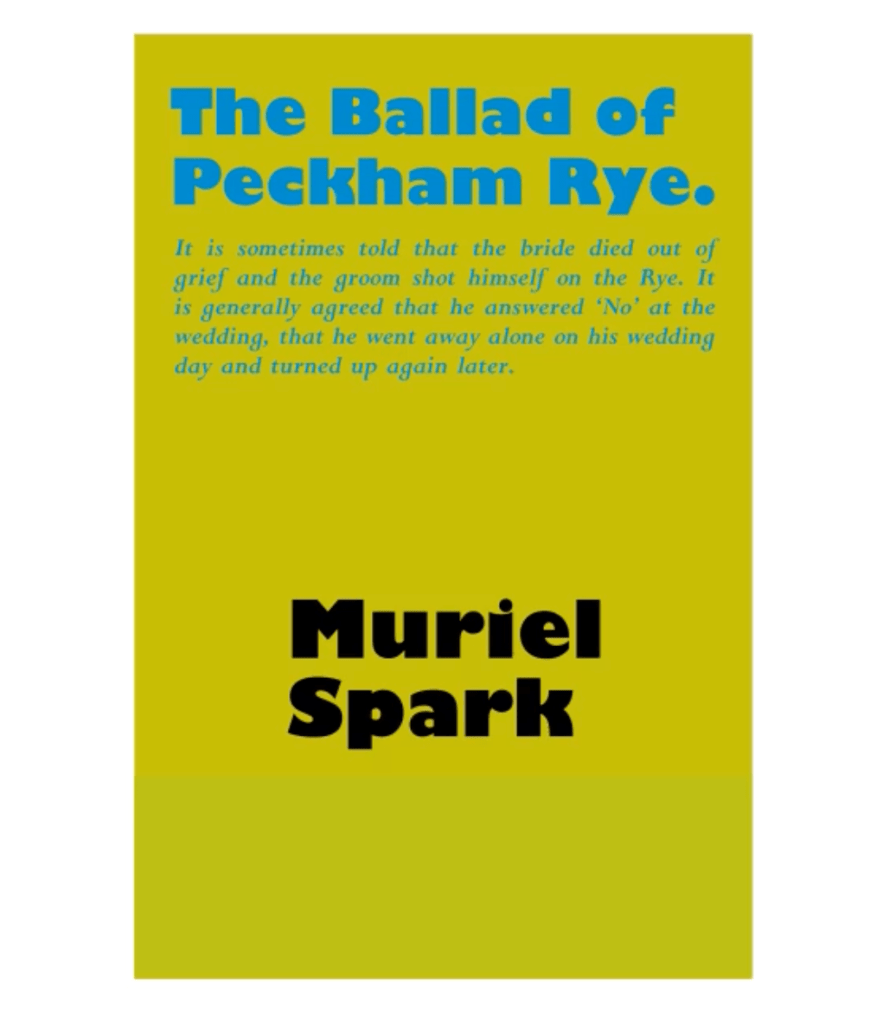
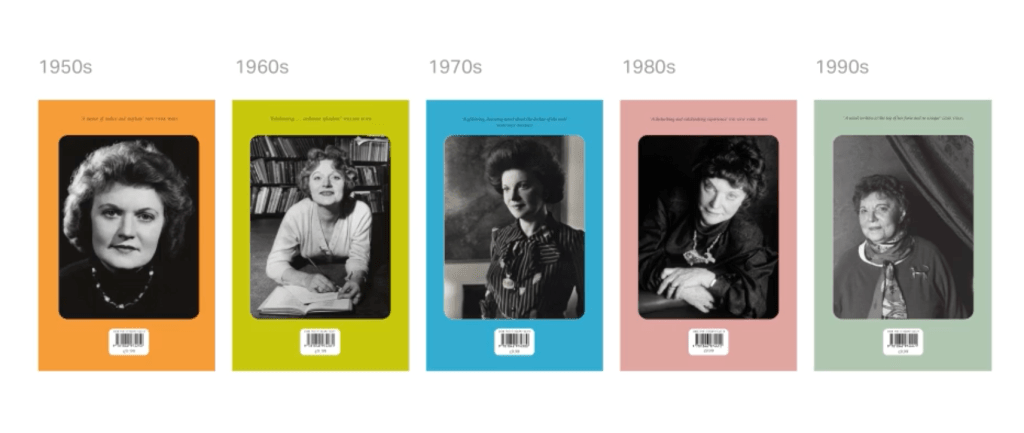
She ask for pictures of the author trough the different decades (to use it for the back of the cover).
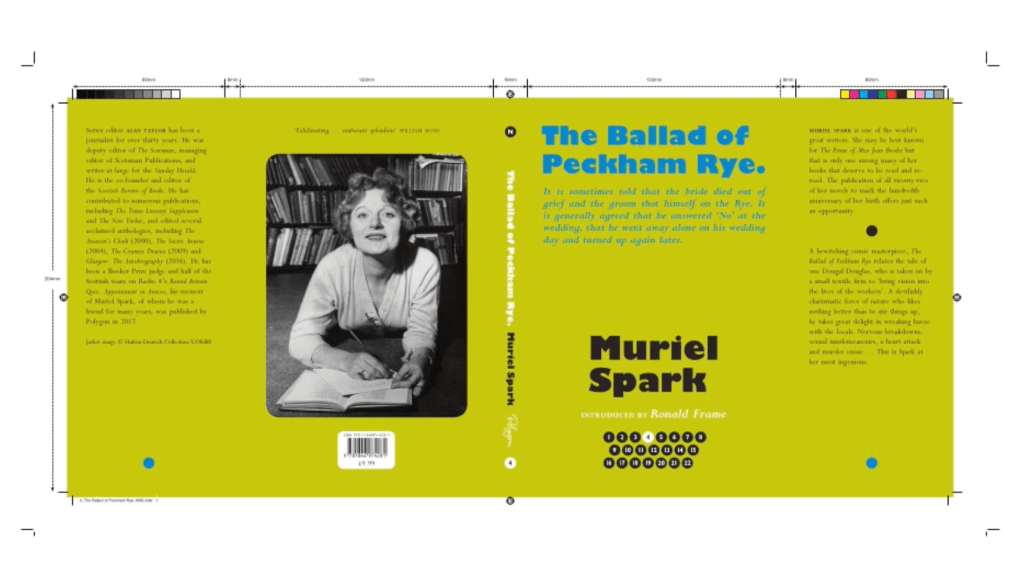
This is the spine for the 22 books:
“Design Genius”
Steven Heller said: “Design is challenging art and craft. One can simply learn a program and press the same computer keys every day or alter the look and feel of things, change the way we perceive the ordinary and behold the extraordinary, to arrive at the challenges which are right for each individual demands clever thinking and arduous doing. Designers are well equipped be their role as problem solvers to keep the brain cells in motion. Designers are creative thinkers. Creativity is triggered by internal and external stimuli. Design Genius provides the external spark that accelerates the internal motor, which in turn, stimulates the machinery that results in exciting, unique and original outcomes. Join Ambrosse and Harris as they ingeniously try to make design geniuses of us all.”
“There is a myth that creativity is purely the result of inspiration, that creative ideas come to designers and other creative thinkers out of the blue. This book seeks to argue that this is not the case, that creative thinking within design is a pragmatic process that provides with certain steps, stages and tools that are used throughout the design process to generate and explore ideas, and develop them into creative and inspirational work.
A key element of developing a creative mind is exposing yourself to new ways of thinking and new stimuli.”
Gavin Ambrose: Can people can be taught design?
Ken Garland: I’d rather say that people can learn how to design. It’s an instinct. There is also a different sort of learning that comes from being thrown in at the deep end. There are all sorts of things we didn’t know we didn’t know. These skills, often unfamiliar skills, have to be acquired.
The Creative Environment
To a certain extent we are all products of our environment and our environment is one potential factor on our creativity.
Music is also a factor. Many people work and create whilst listening to music or the radio.
Wanderings, Mistakes & Being Curious
“You cannot hold a design in your hand. It is not a thing. It is a process. A system. A way of thinking.” Bob Gill, Graphic Design as a Second Language
- Become a flaneur and go wandering
- Get curious
- Hapcidents (happy accidents)
- Allow mistakes to happen
- Chunking (chunking is a method of breaking a task down into separate, more manageable elements and that helps create an ongoing sence of achievement as different parts of a task are completed.
- Allow the random (randomness is a creative tool)
- Remebering how to play
- If stuck – think again (when one seems really stuck with a problem, it can be easier to walk away, but that does not solve the problem. Trying again, perhaps after having a break, will allow you to approach the problem with a fresh eyes.
Why do we stop thinking?
“Imagination is more important than knowledge. For knowledge is limited to all we now know and understand, while imagination embraces the entire world, and all there ever will be to know and understand.” Albert Einstein
“I love making pieces out in the street. I love the idea that people walk by and see something they didn’t expect, and they feel something or think about something they may not have thought about, or that they just like the colour.” Morag Myerscough
“I’m passionate believer in trying new things and going outside of my comfort zone, and I feel that my exploration of design and art, of different methods of creation and telling stories, only strengthens my ability to do better work down the road. The more experience you have, the more resources your brain has to solve a problem or create something new.” Tanner Christenses
The business of creativity
Six Ds
The six Ds of design are: define, discover, develop, design, deliver and debrief. This process is not a linear process, but it is a solid model to follow and provides students and experienced practitioners alike with structure form the beginning to the end of the process.
Five Ws
The five Ws (plus an H) posit a series of simple questions – who, what, where, why, when and how – to be solved and answered by the design. This method ensures that key information about the target and purpose of the design is obtained and included in the process.
KISS
“Keep it simple stupid” is a self-explanatory mnemonic that reminds the designer to avoid or eliminate unnecessary complications.
“Good design is making something intelligible and memorable. Great design is making something memorable and meaningful.” Dieter Rams
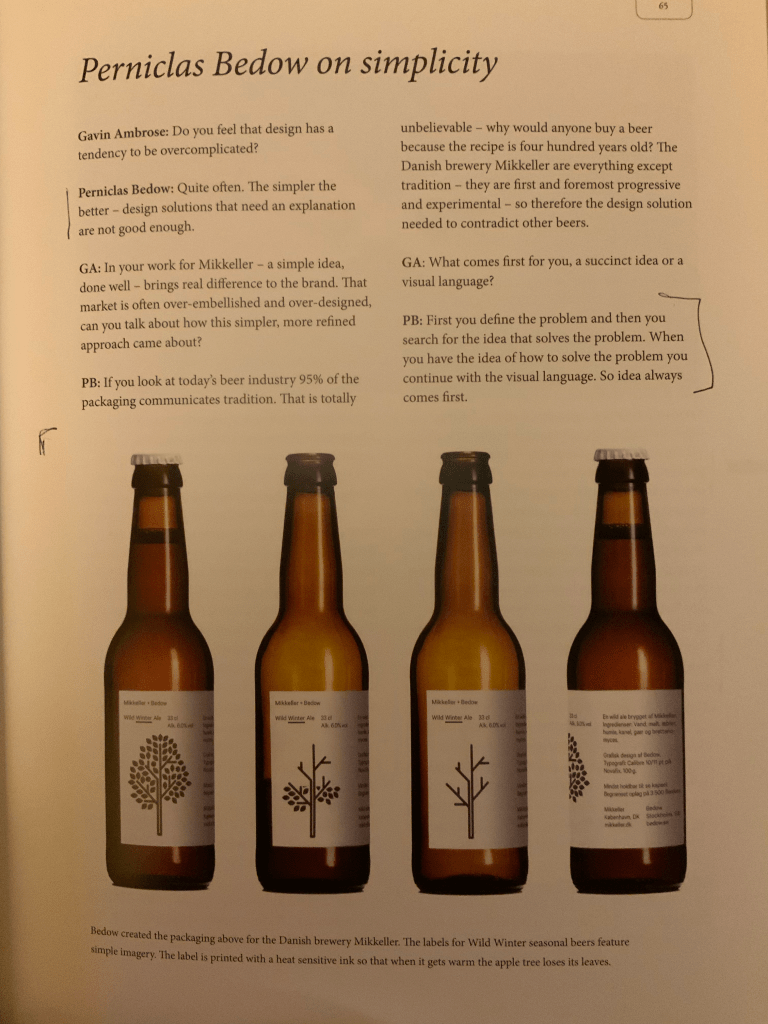
Simple, Simplicity, Complex & Complicated
Learning to Look
“If you change the way you look at things, things you look at will change.” Wayne Dyer
“There are times when simple is is in fashion and times when ornate rules the day. Simplicity and complexity live in rhythm with one another over time. Good design is harder to define in the digital age. With design for screen, the effect on the user is not just physical but deeply cognitive.” John Maeda
 Vicky Kafkaki - Graphic Design MA Falmouth University