We have the opportunity to listen to creative practitioners that give us professional insight into developing a self initiated project.


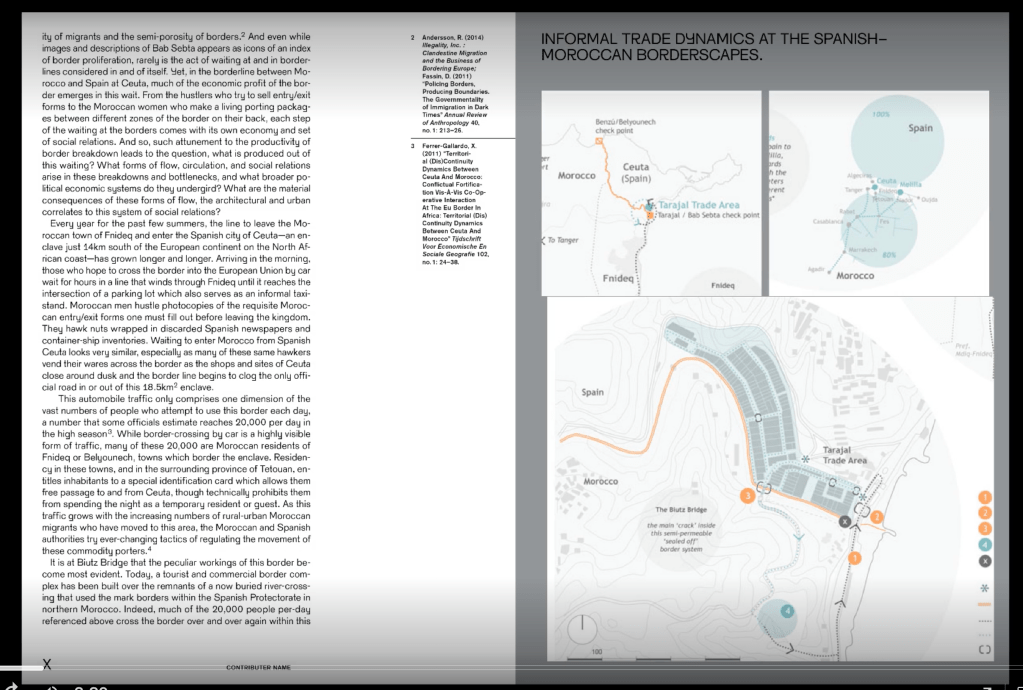
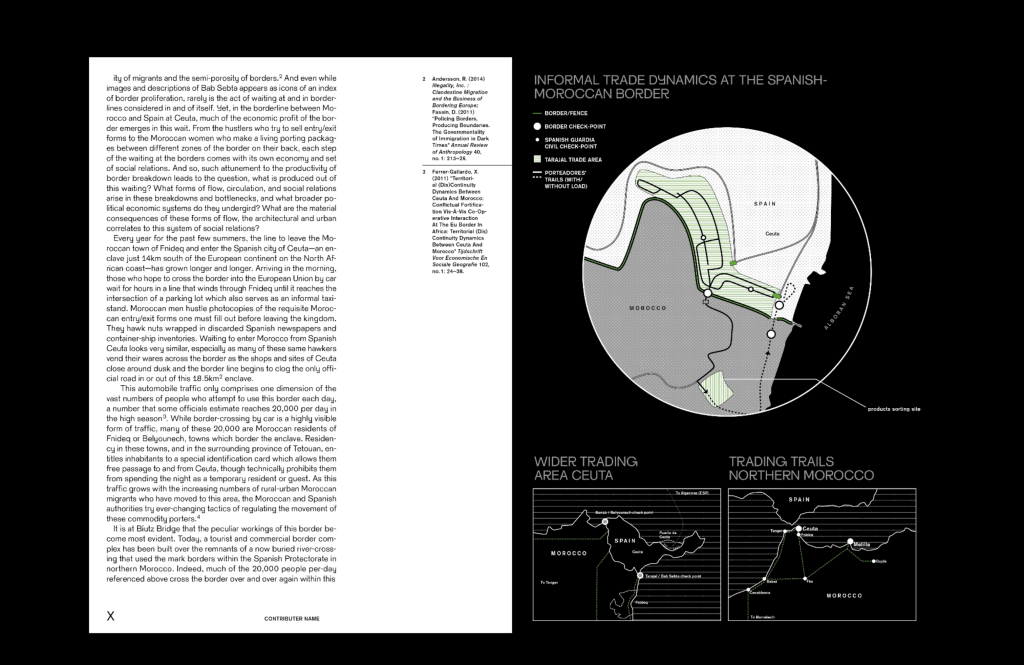
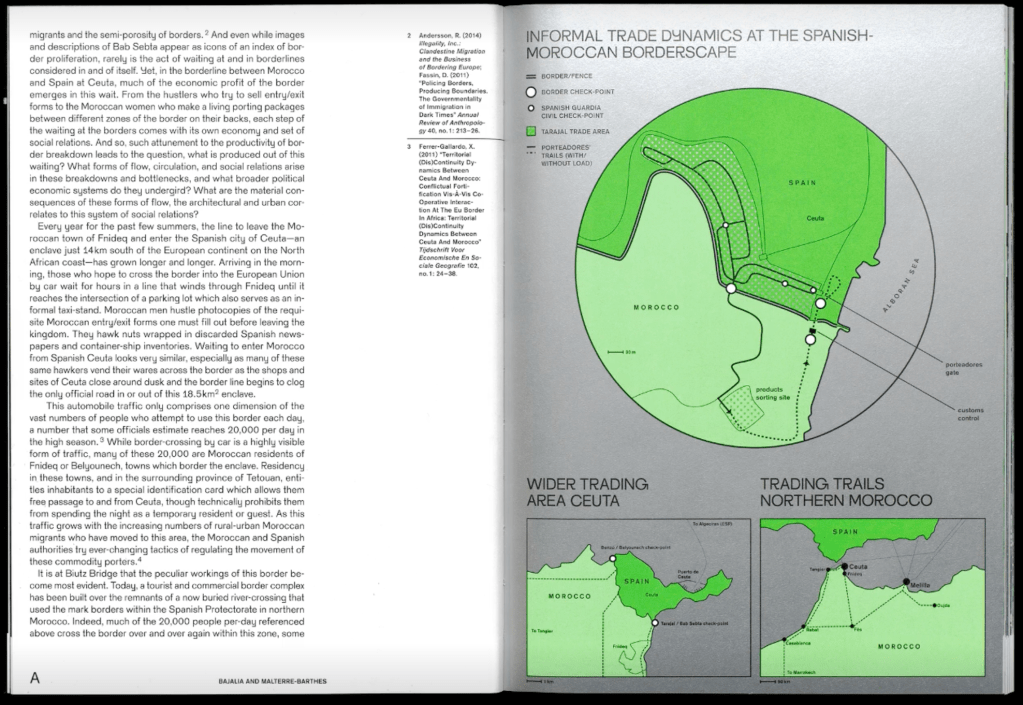
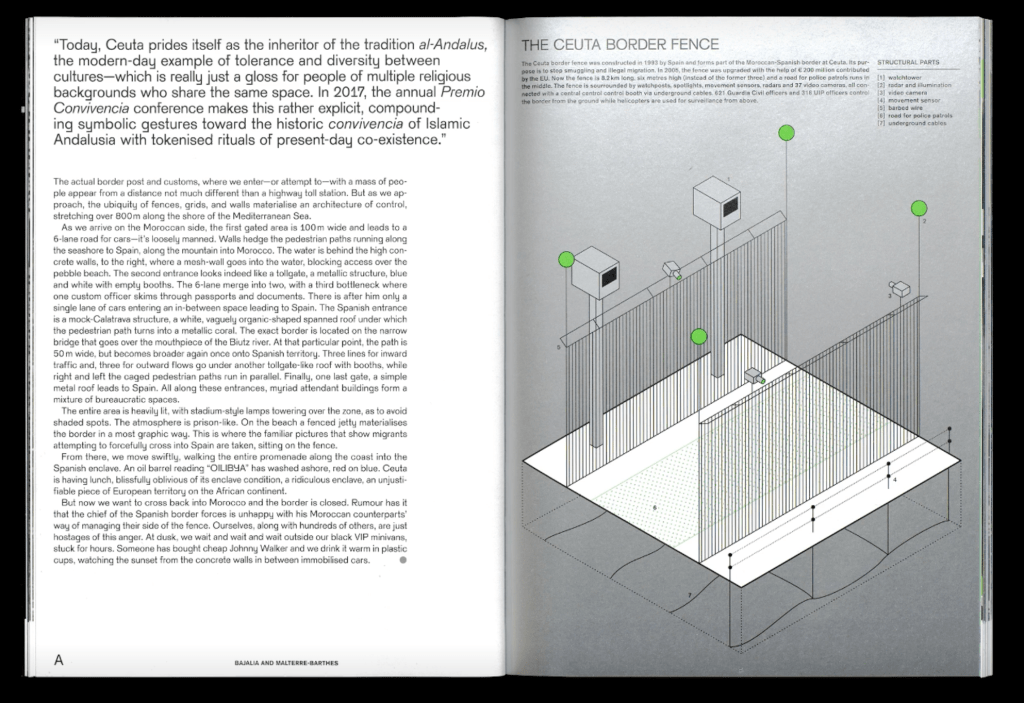
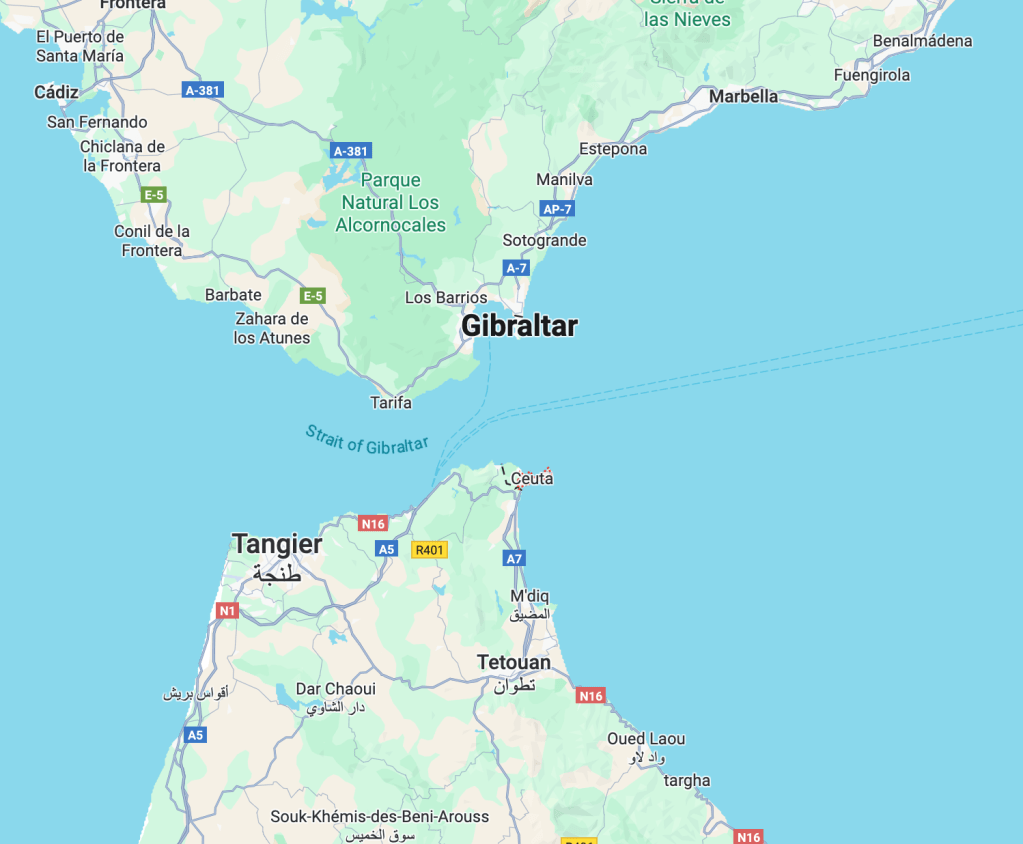
This is very interesting project – I was amazed from the facts about Ceuta.
“Ceuta is an autonomous city of Spain on the North African coast. Bordered by Morocco, it lies along the boundary between the Mediterranean Sea and the Atlantic Ocean. Ceuta is one of the special member state territories of the European Union.Wikipedia“

Veronica likes sintetic and simple design. But she said that takes a lot of time to find the simplicity.
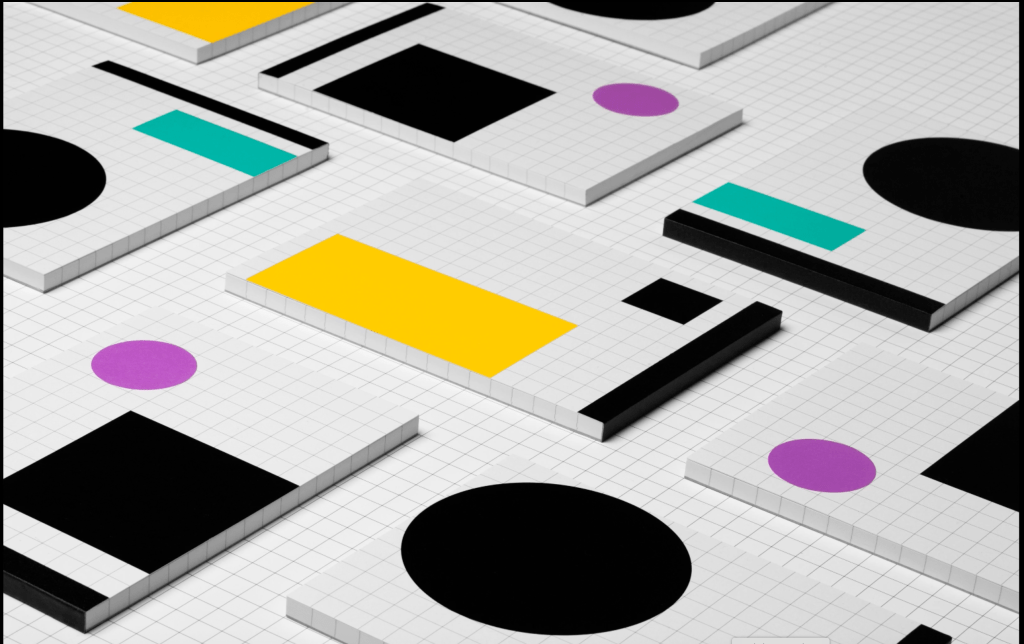
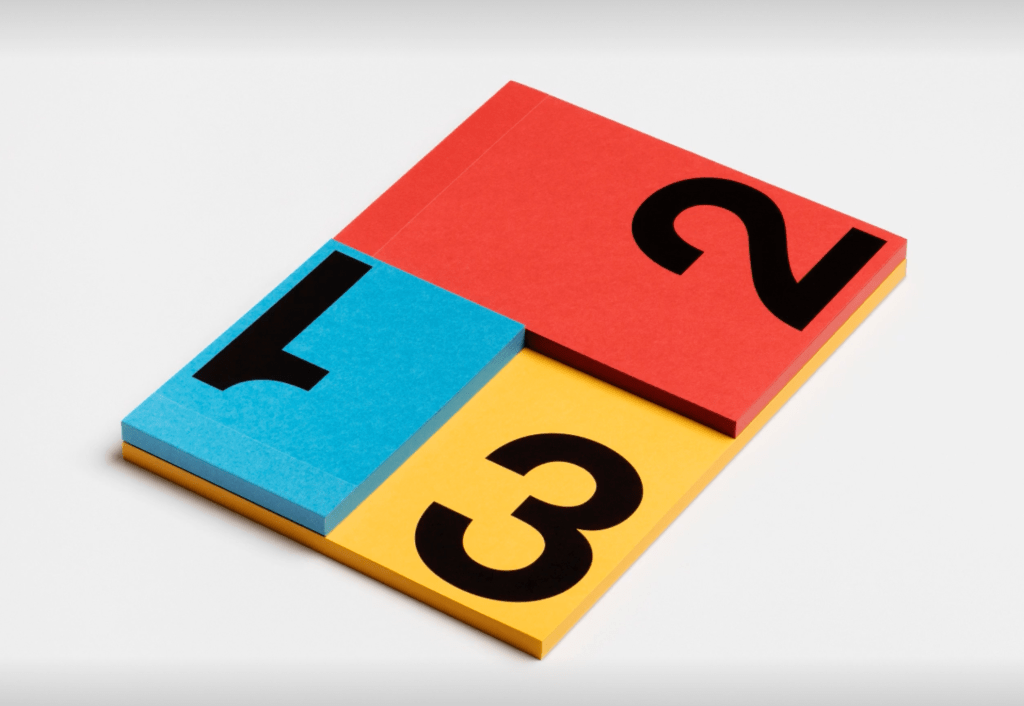
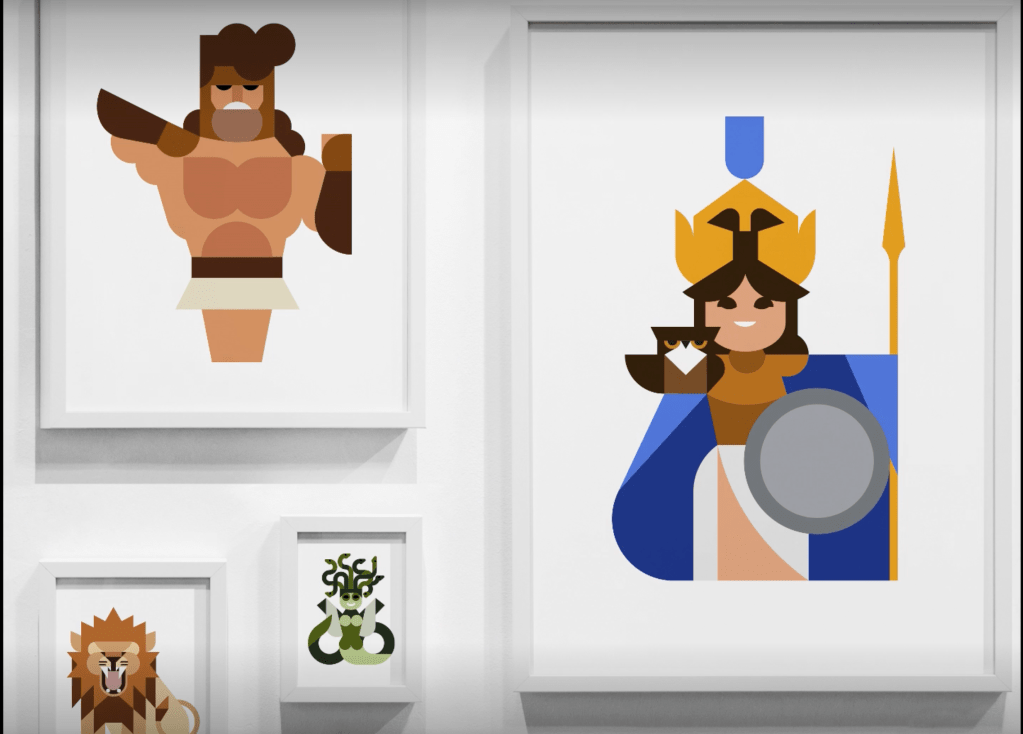
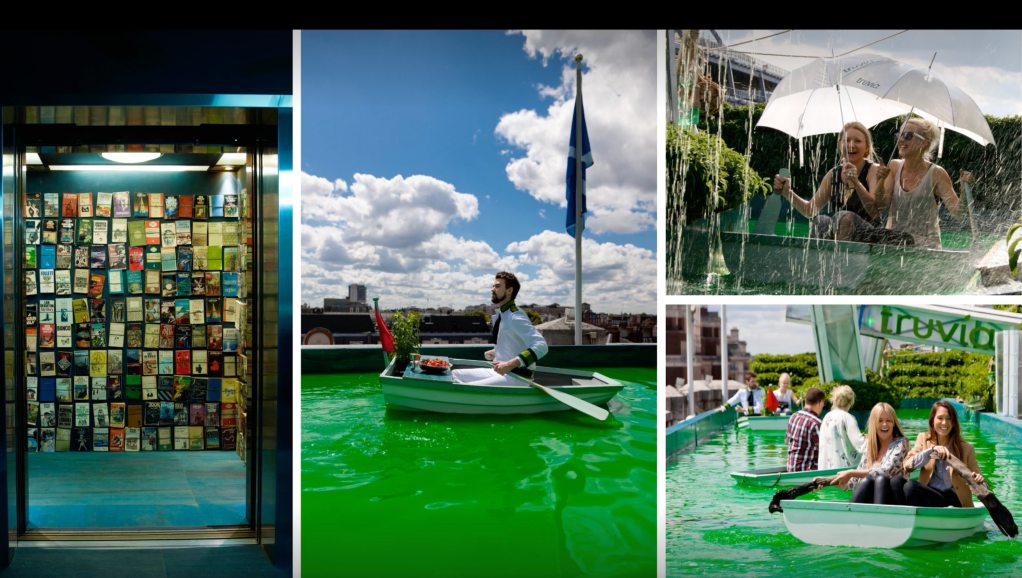
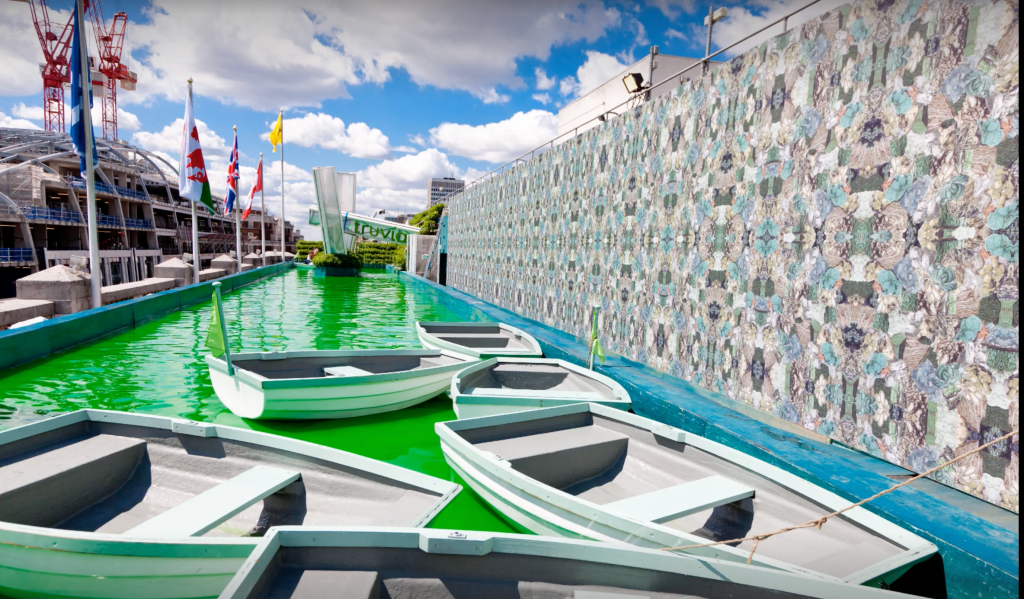
Vince said that in self initiated project we are the clients. We do it because we enjoy it. He puts the design on the wall and keeps coming back to it with some new ideas.


Sam spends time meeting people and going to different cultural events. This helps him fabricate new ideas.

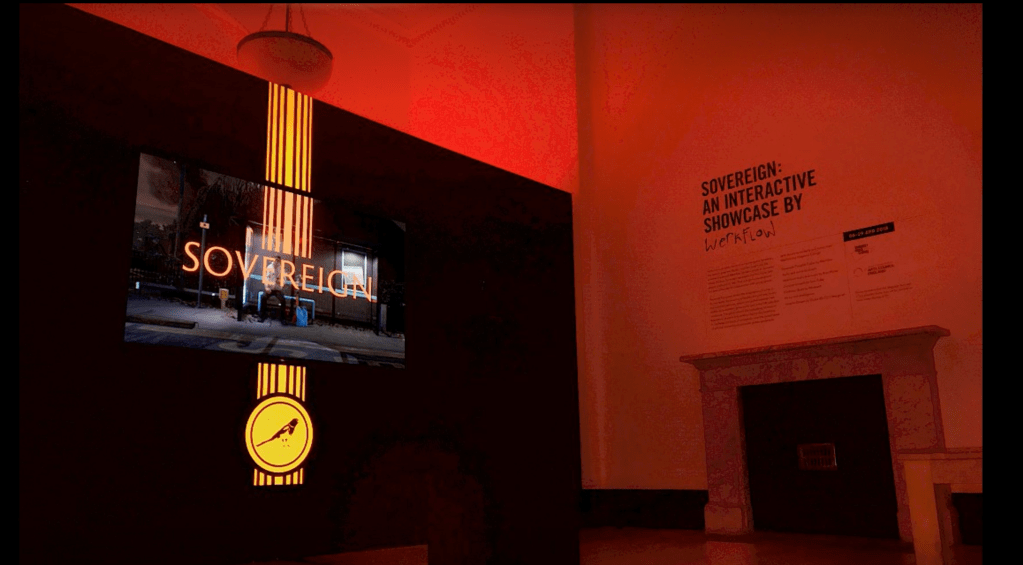


Christoph said that he and his team always try to learn new software or new printing techniques, new way of thinking…
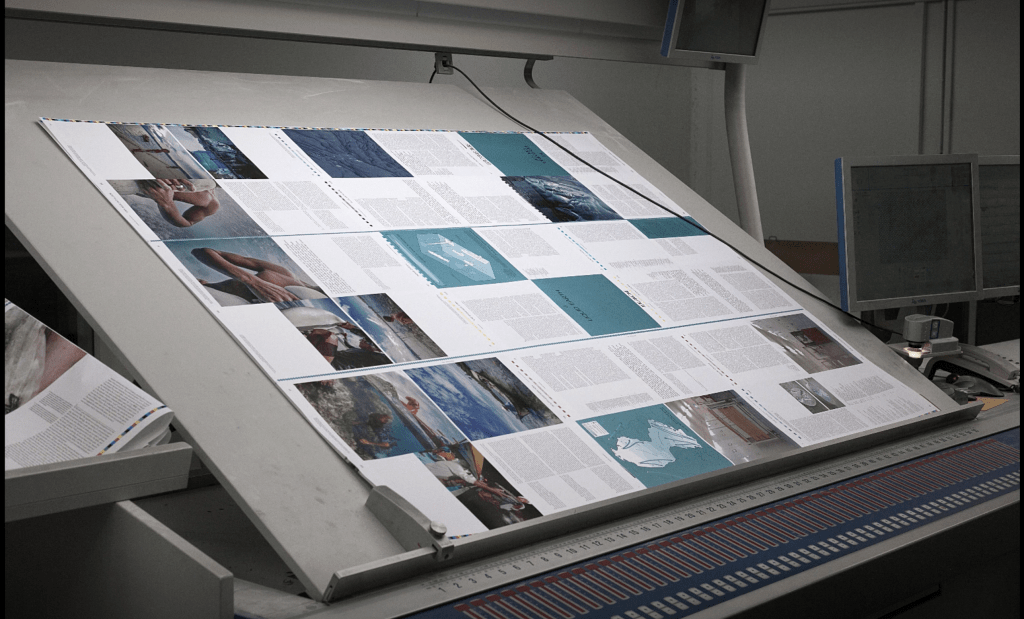
The more you try and invest, the better your project gets.
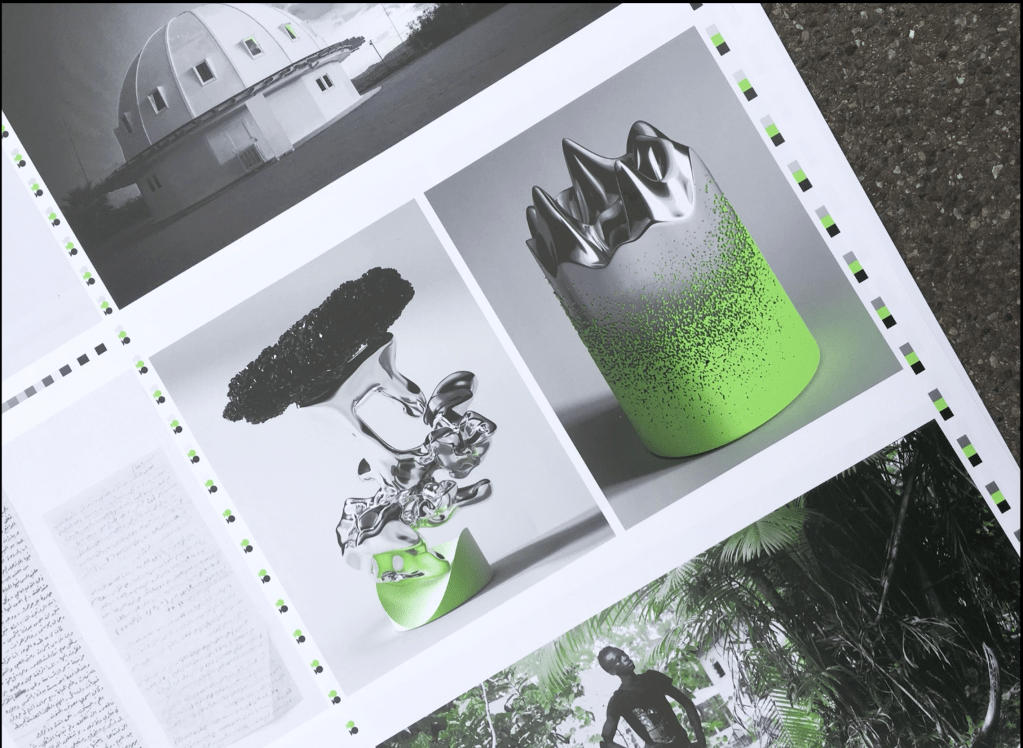
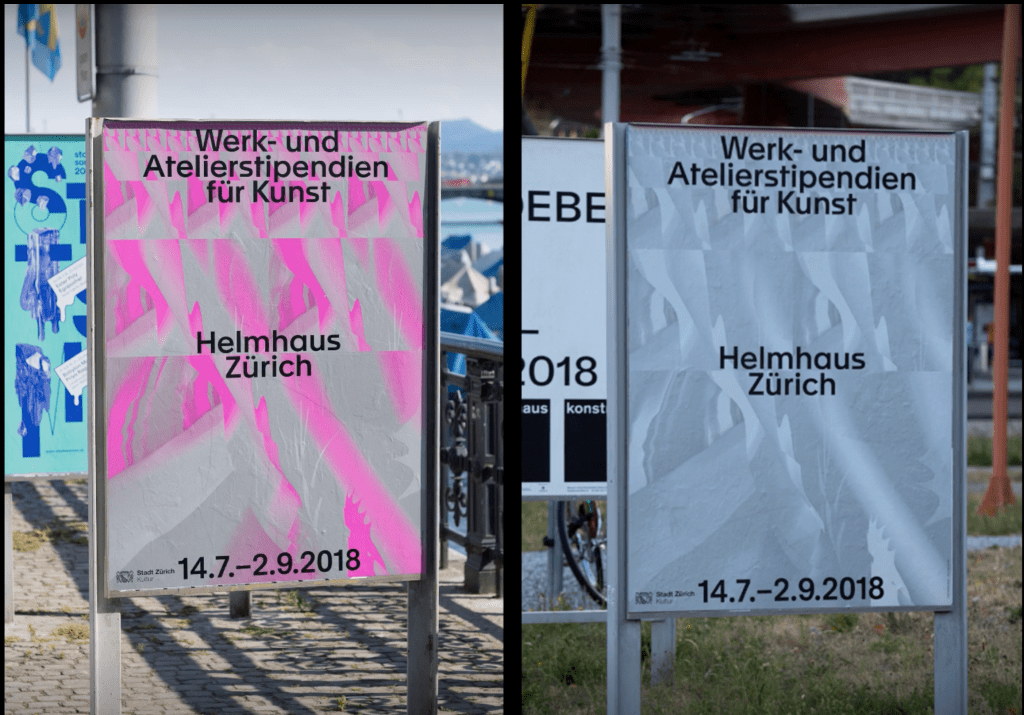
This here created a problem because the printer didn’t tell them that neon pink is sensitive to UV light.
Christoph said that if we really like the project, we will find way to make it work. I think that is so true, When we do something that we like, we can work on it many hour and not even getting tired.

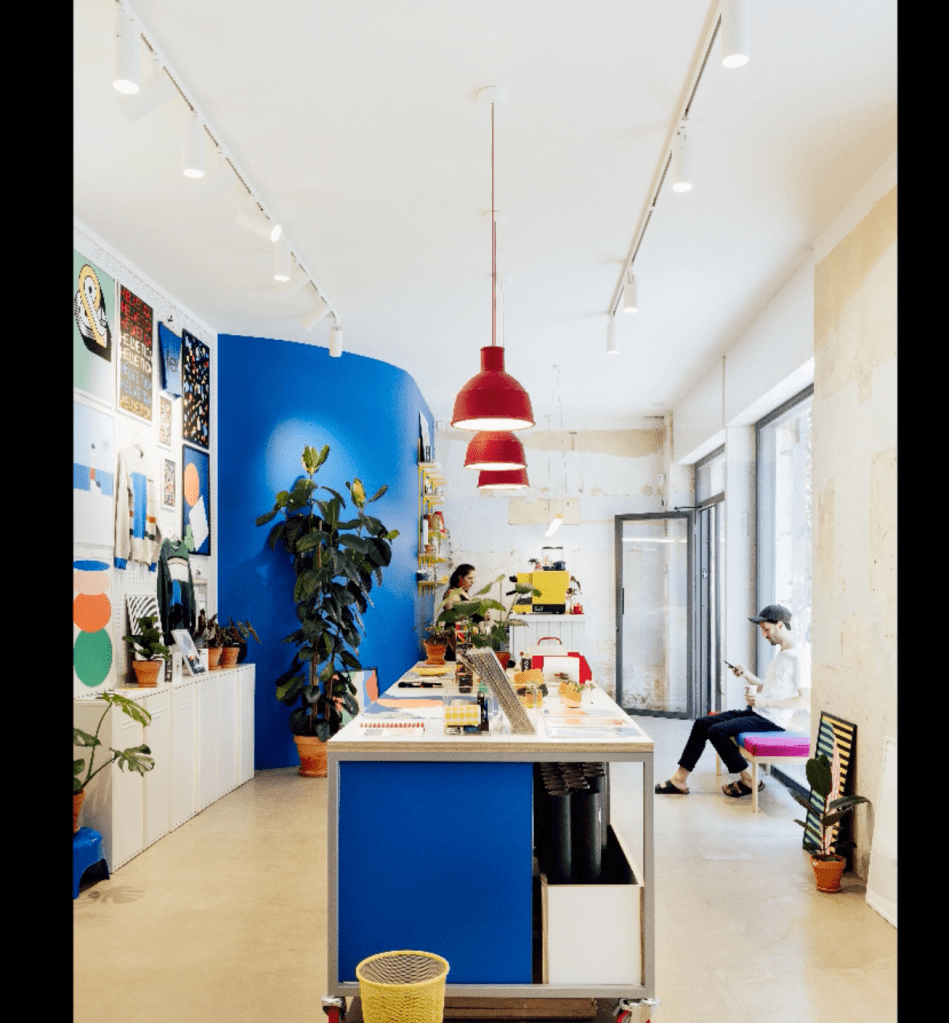
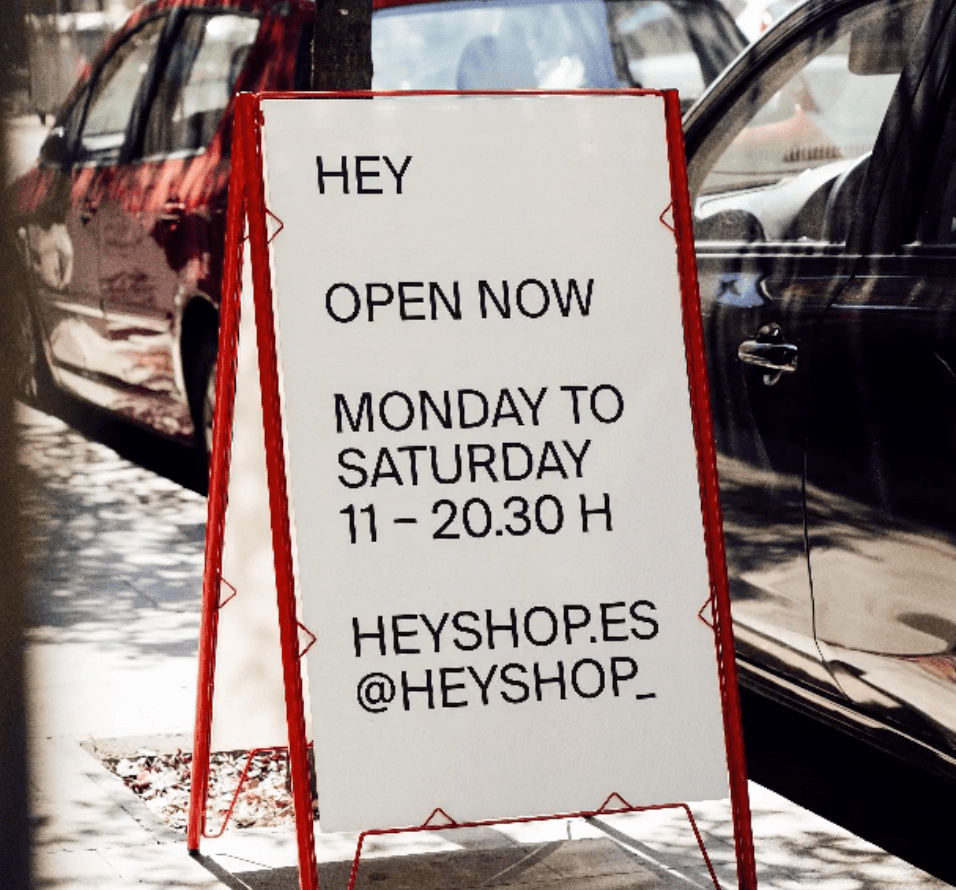
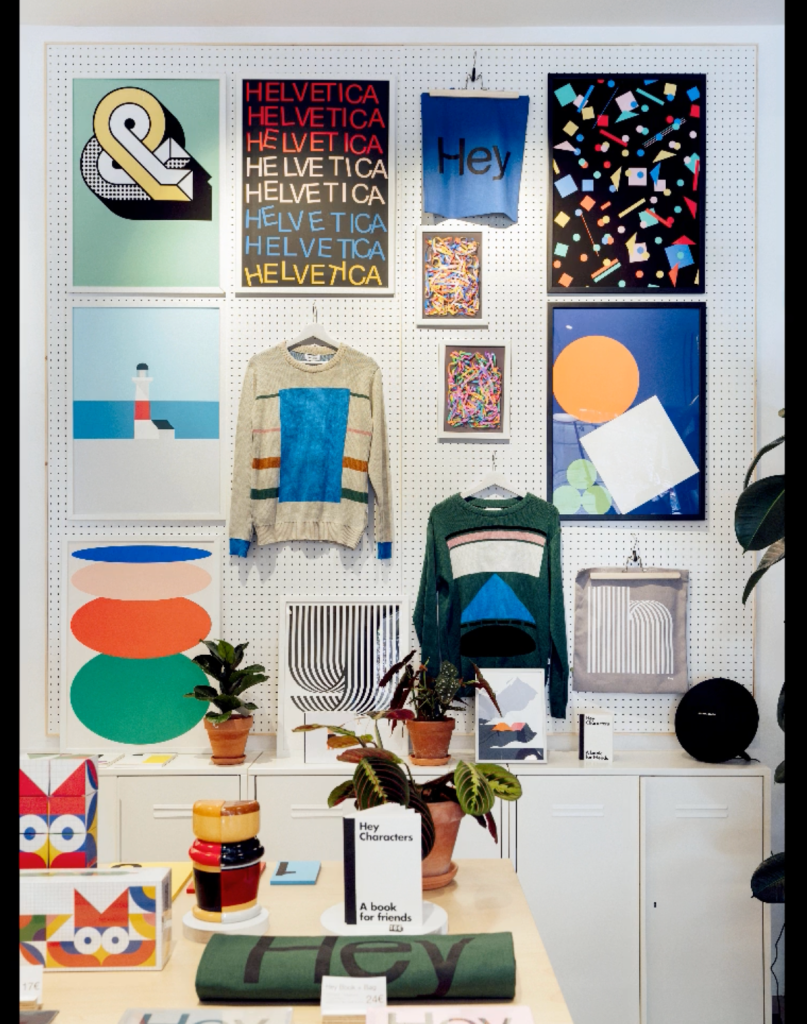
Veronica said that is good to have website and online market but is also important to have physical location.





“In a world where people strive for perfection, co-founder and creative of director of KesselsKramer Erik Kessels uses his Design Indaba Talk to celebrate mistakes and confusion. Failure, he says, is essential to the creative process, as is a willingness to make an idiot out of yourself (at least once a day).
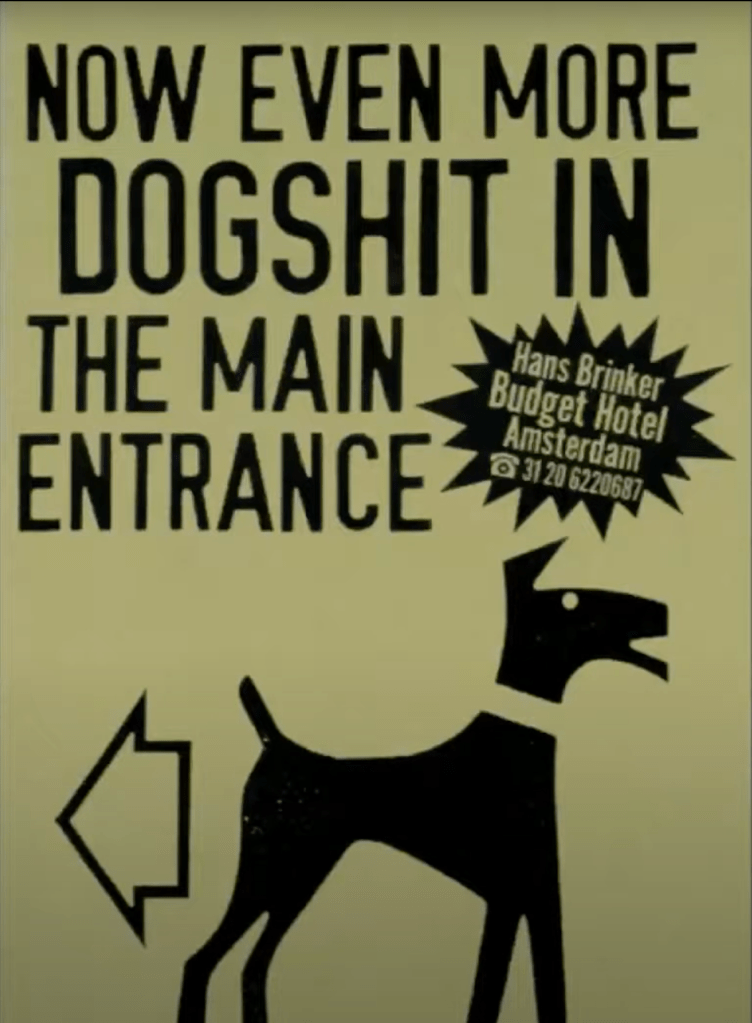
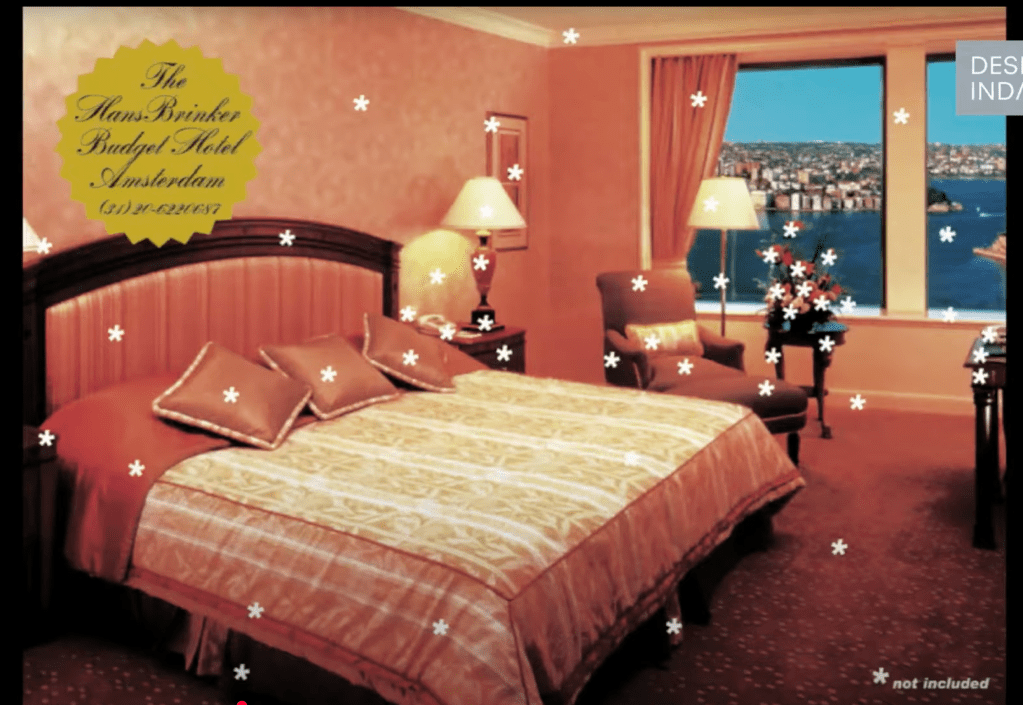
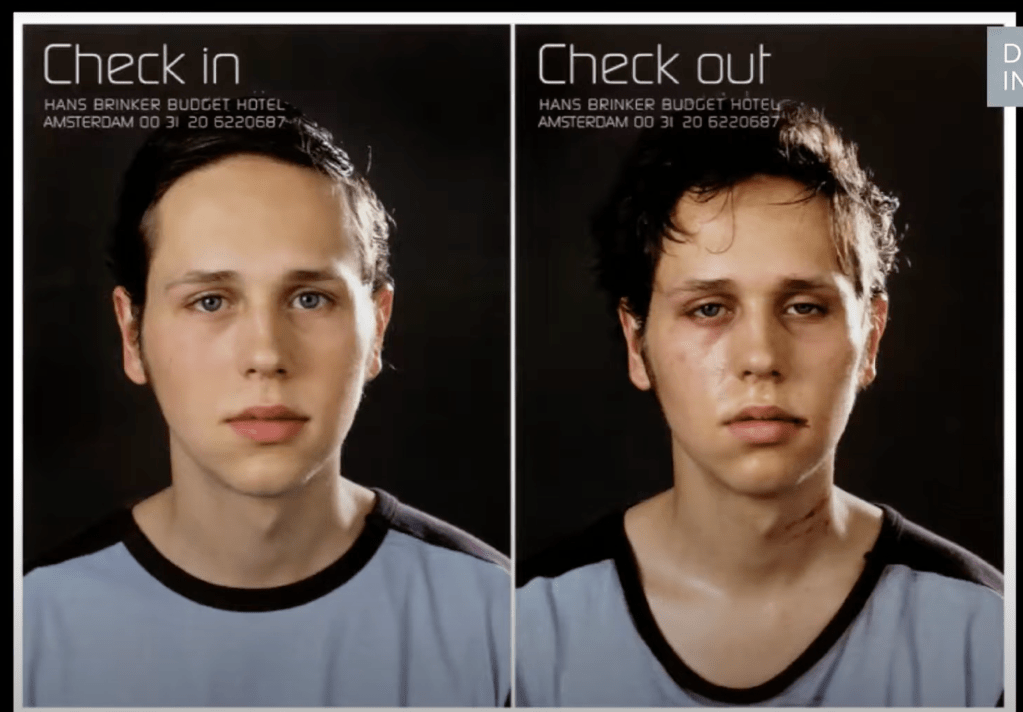
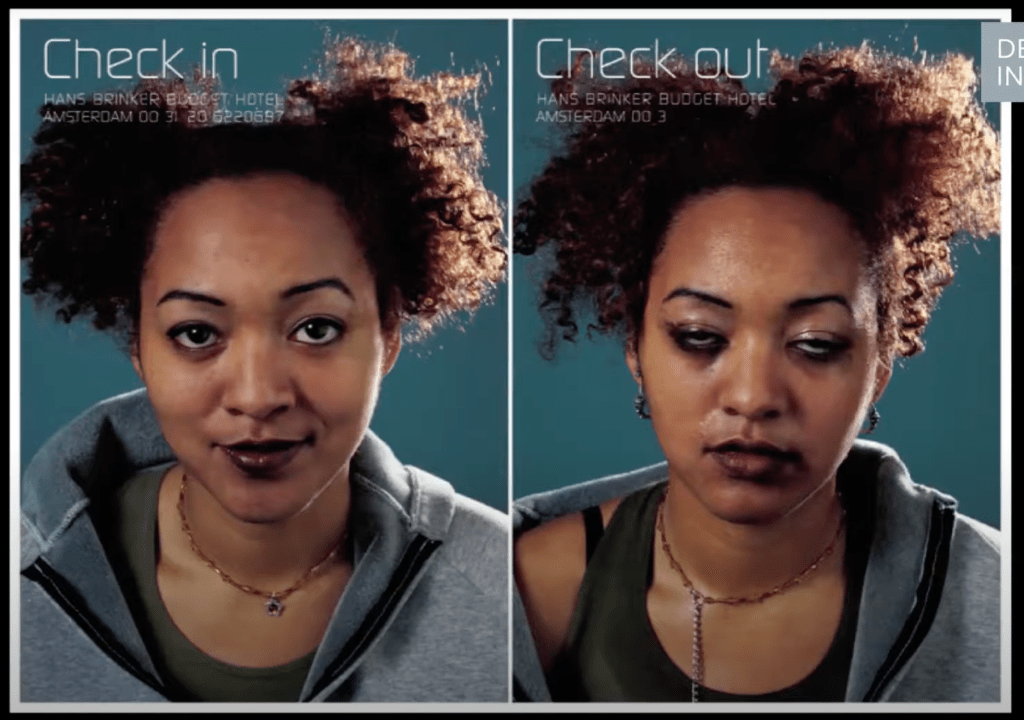
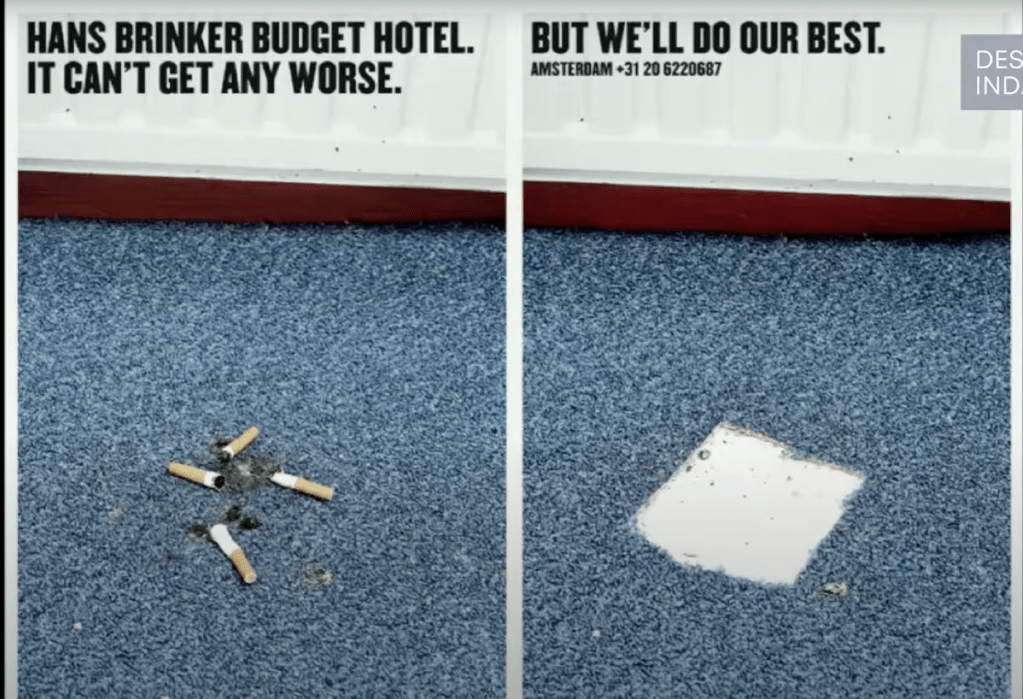
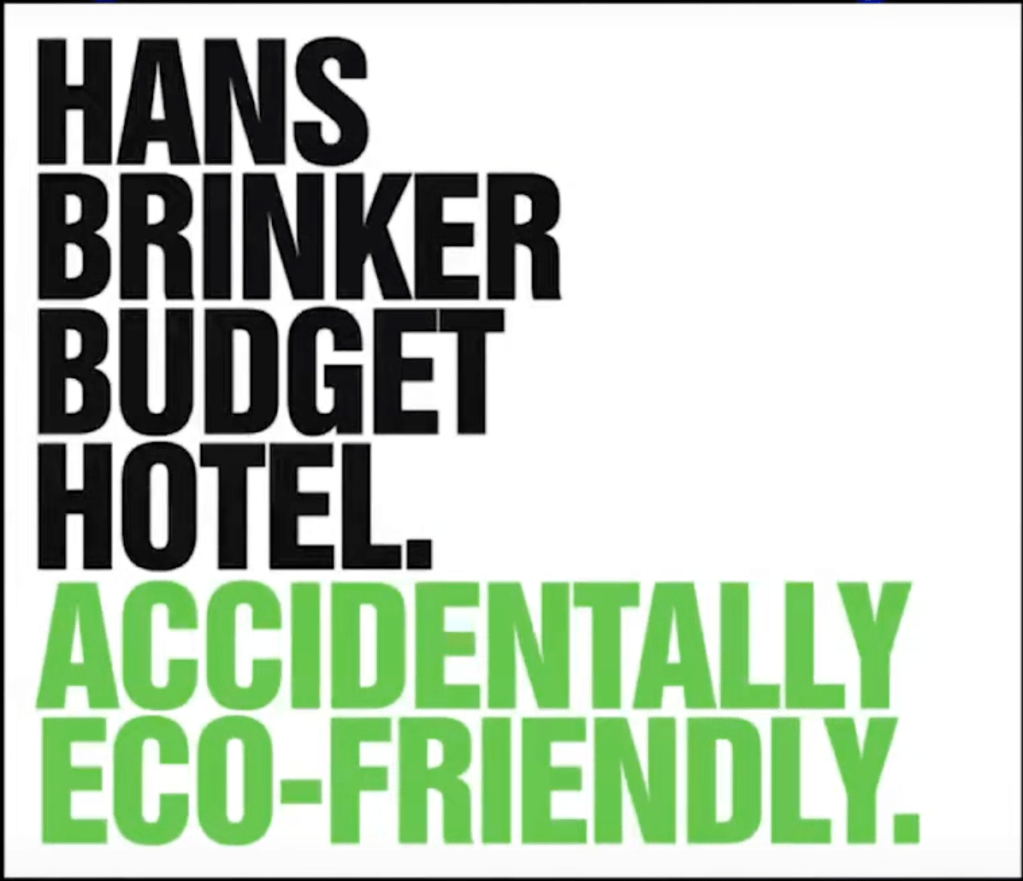
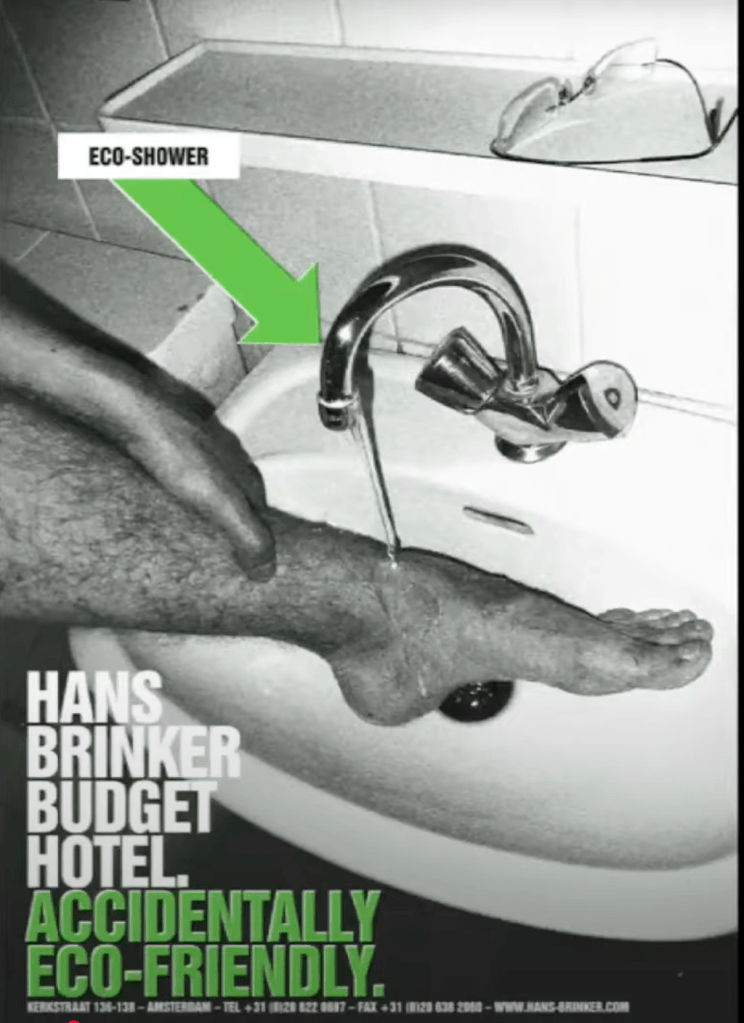
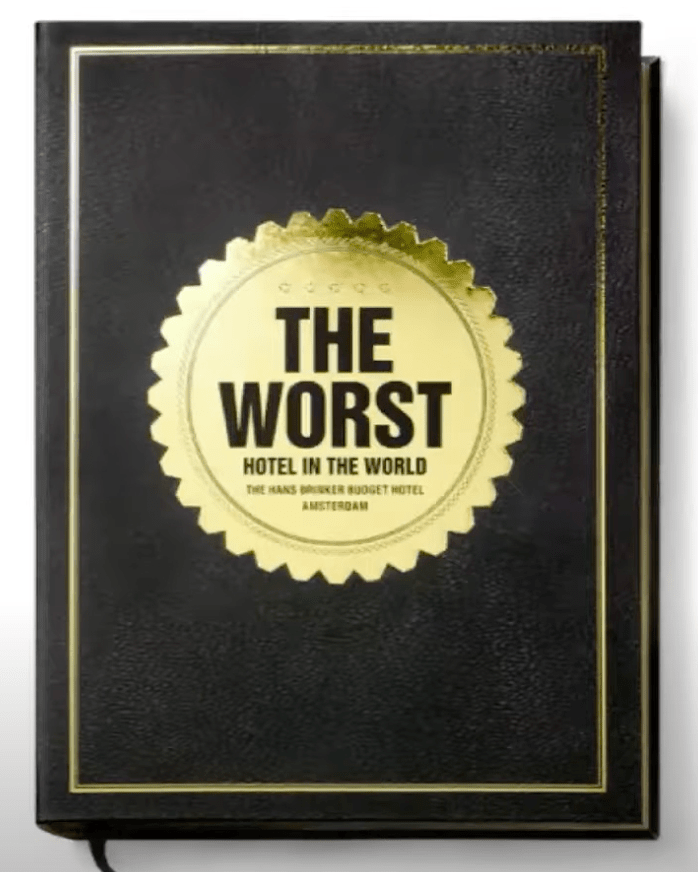
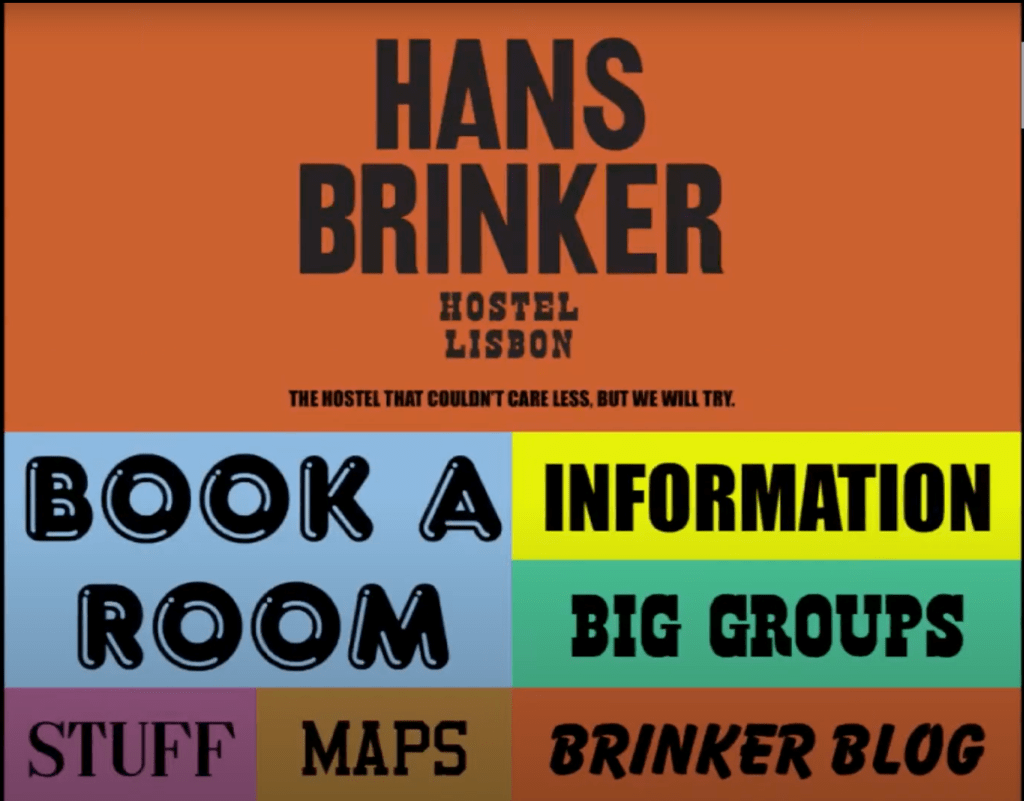
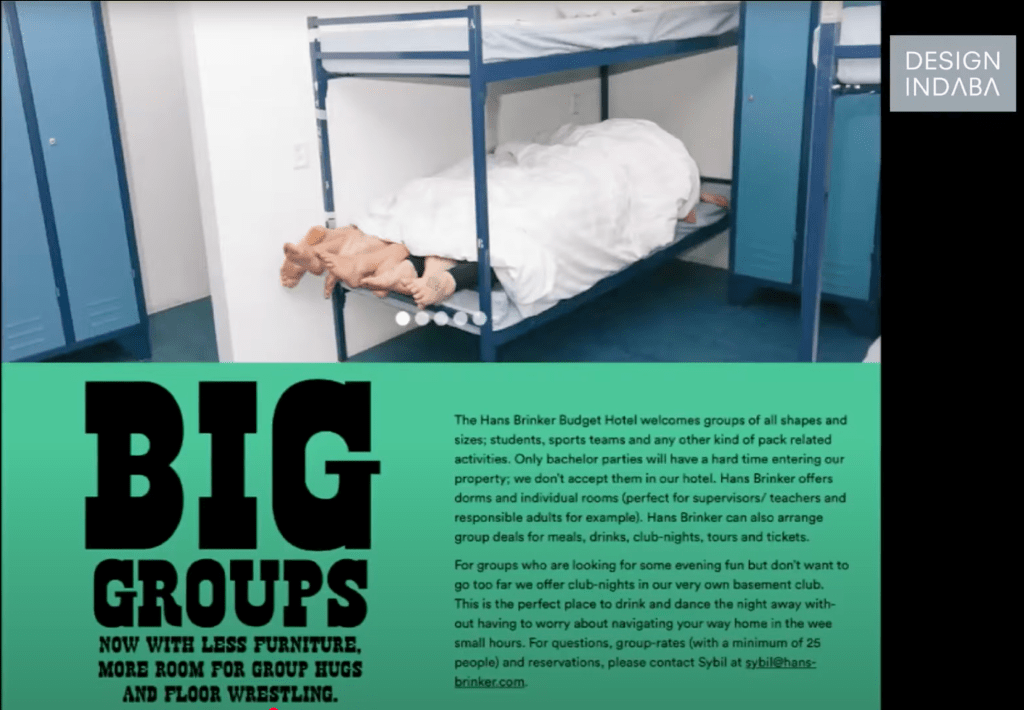
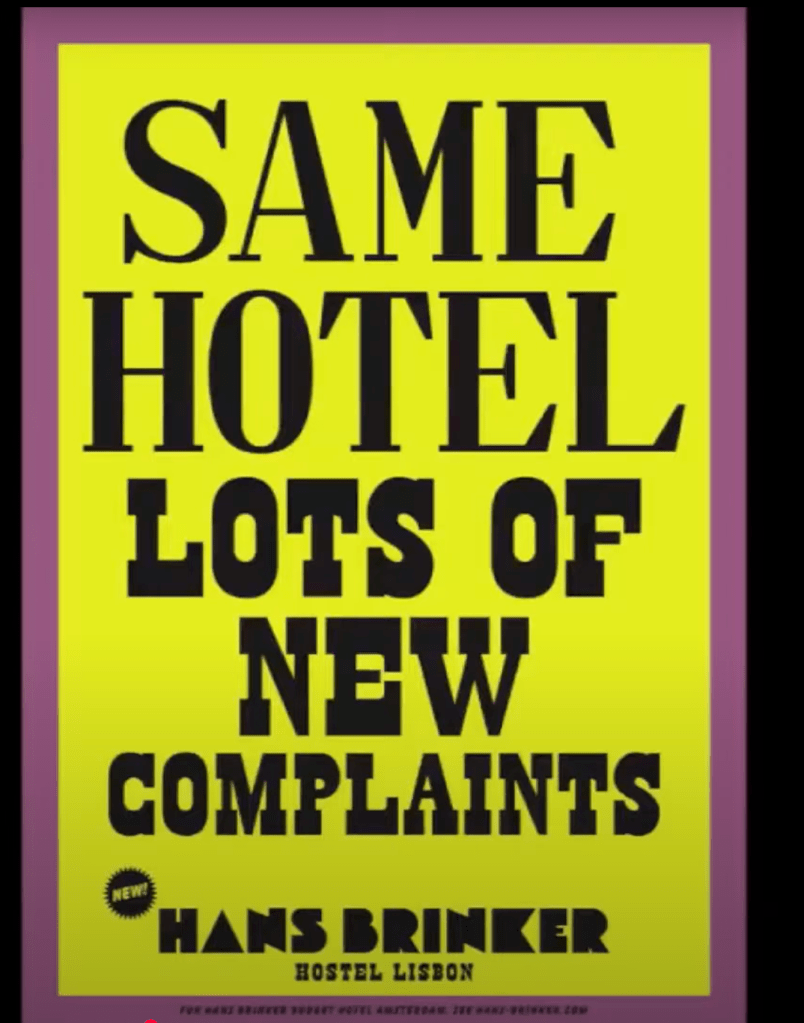
Kessels shows a selection of his work to illustrate how the importance of humour to help you connect to your audience and how mistakes can become ideas. When Kessels and Johan Kramer founded the communications agency KesselsKramer in 1995, their first client was the 500-bed Hans Brinker budget hotel in central Amsterdam. Their challenge was to sell a hotel that lacked any kind of charm. “The hotel really looked like a shit whole,” laughs Kessels. “I was so disappointed.” The brief from the client was to stop the complaints coming through, and the idea from KesselsKramer was that for the Hans Brinker hotel honesty was their only luxury. As well as his prolific work in the advertising industry,
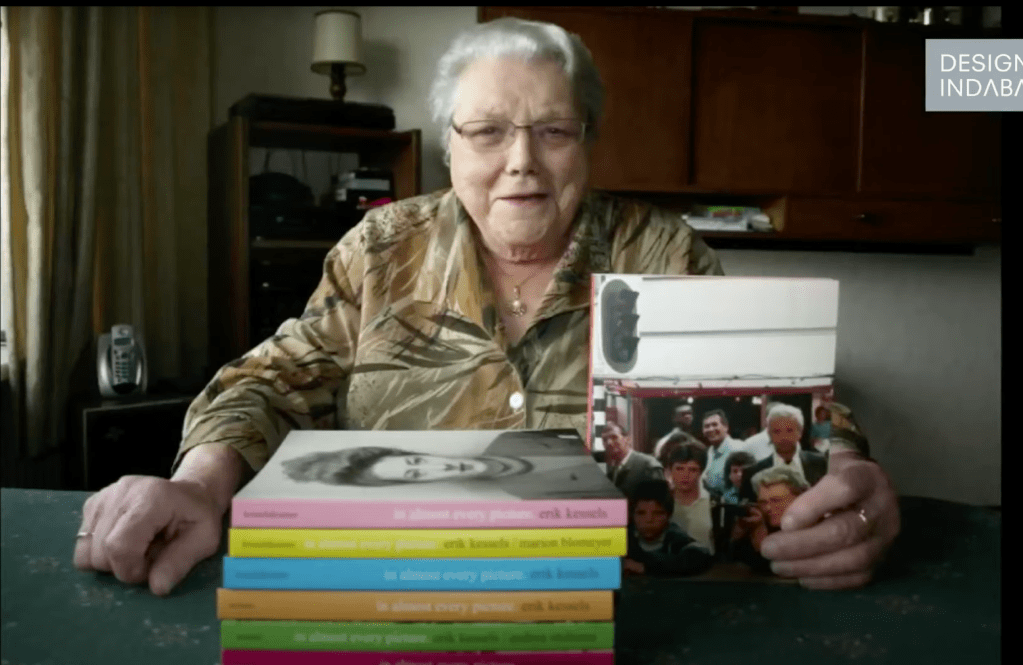
Kessels is also a prolific artist and curator, with a particular interest in photography, often creating quirky collections of found images. “In advertising you find a lot of perfect images,” says Kessels. “I find a lot of inspiration in amateur photography, especially family albums.”
Kessels shares images from several of his collections, including a day in the life of penis selfie, awkward family albums, the impossible art of photographing a black dog, and fully clothed swimming pool portraits.”

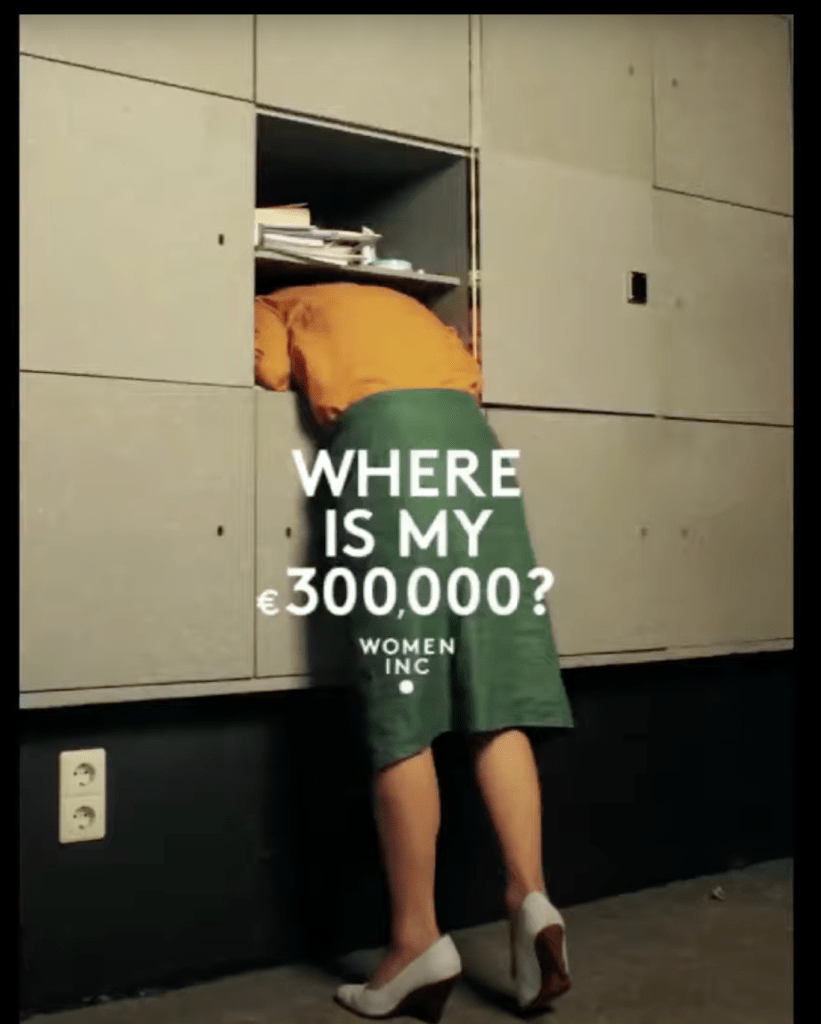
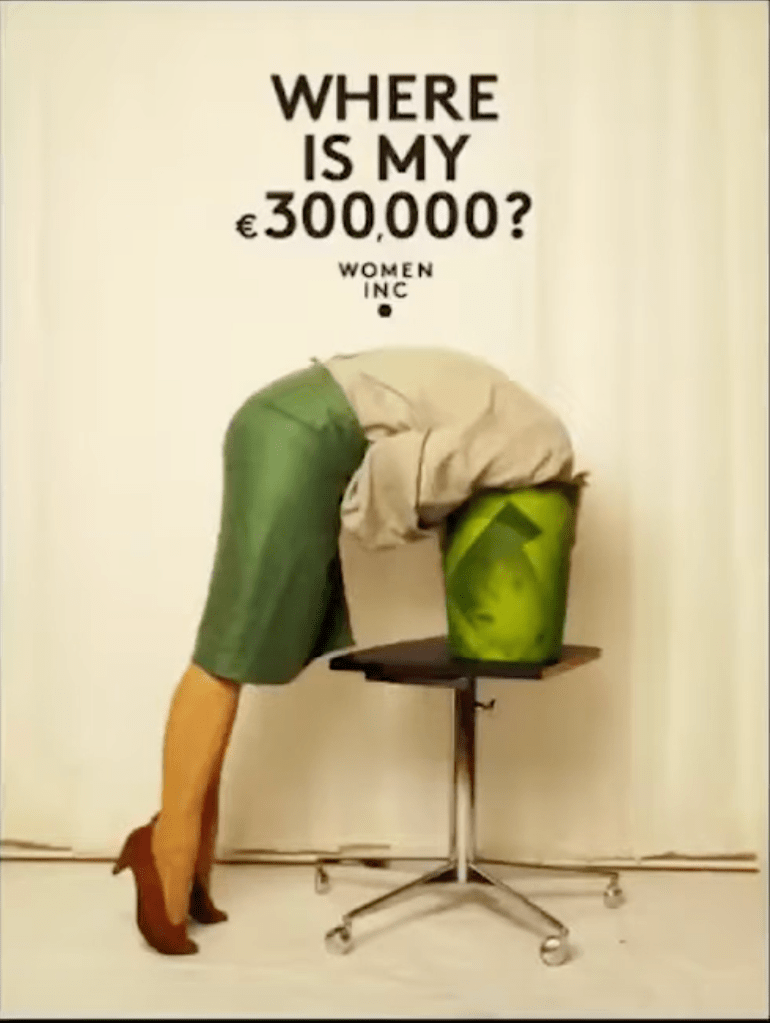
Statistics shows that women in their working life earn 300 000 euro less than men.

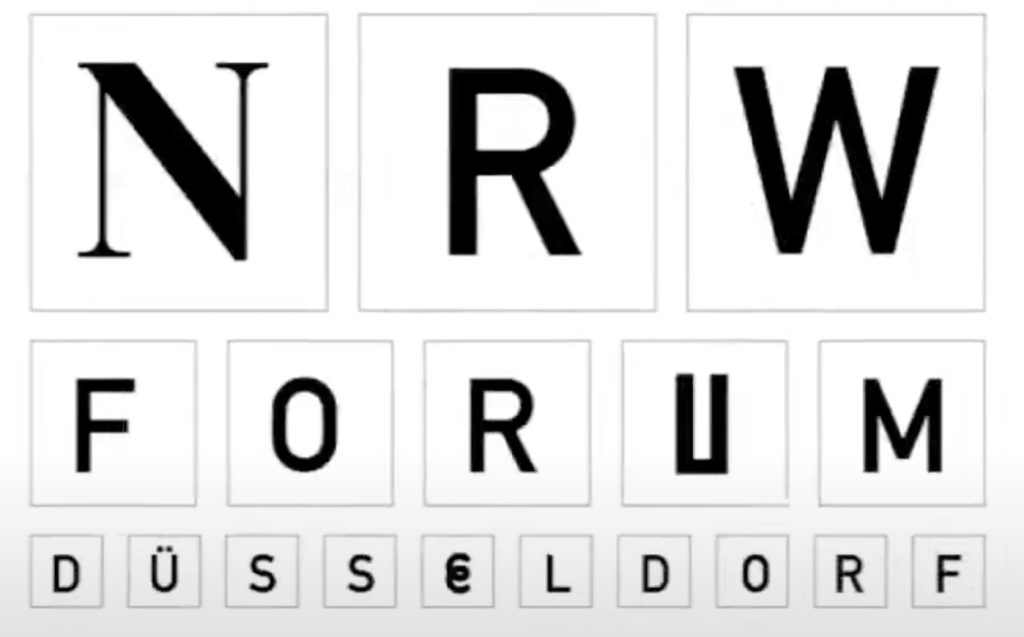
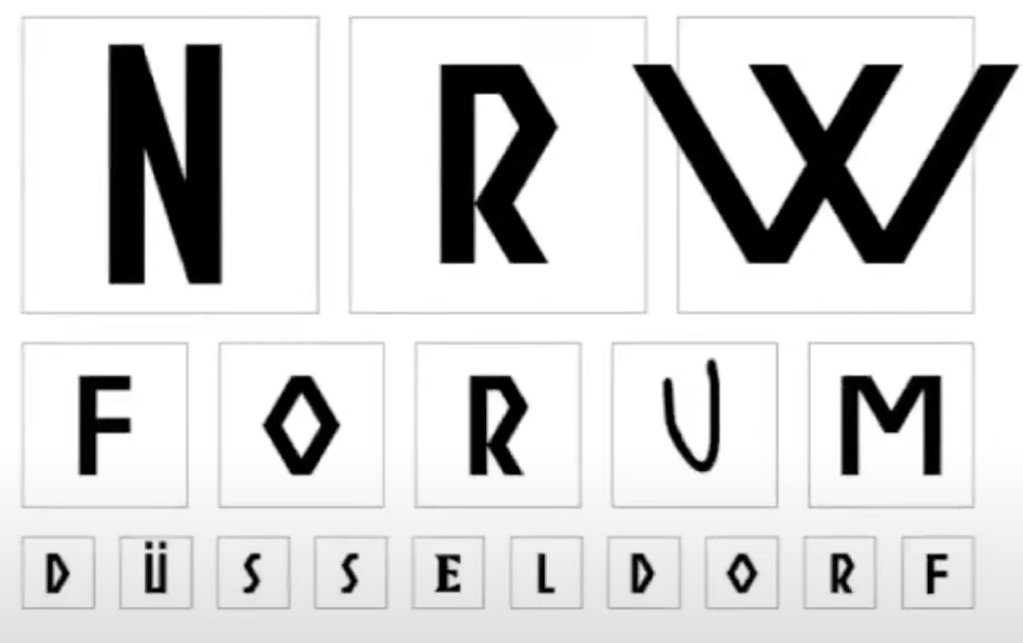

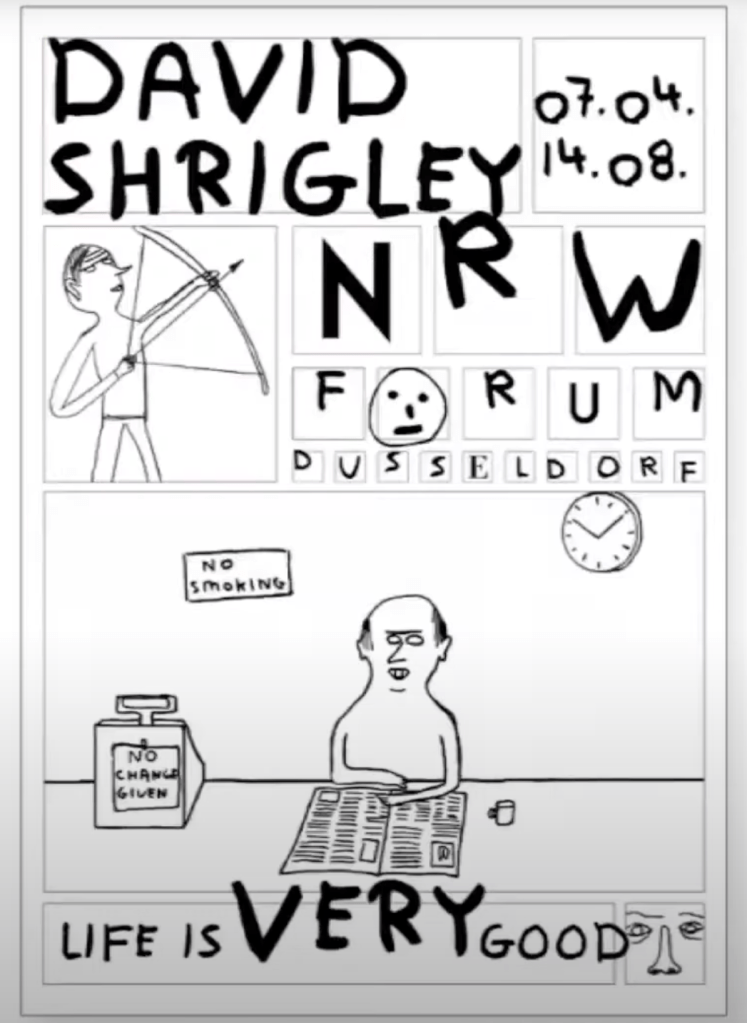
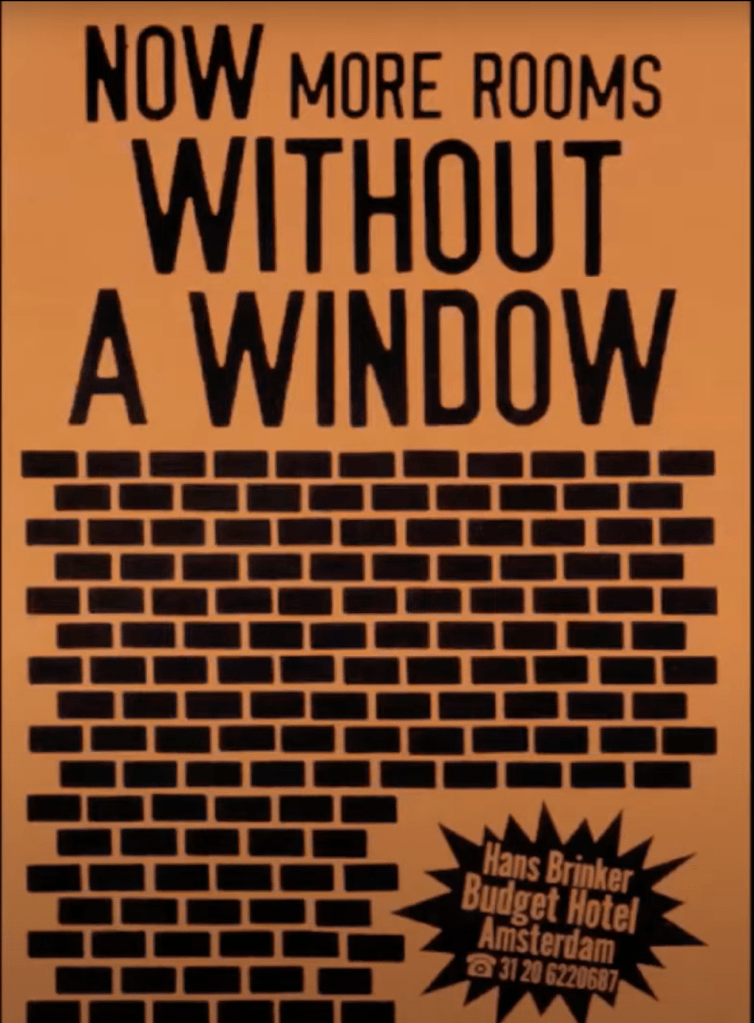
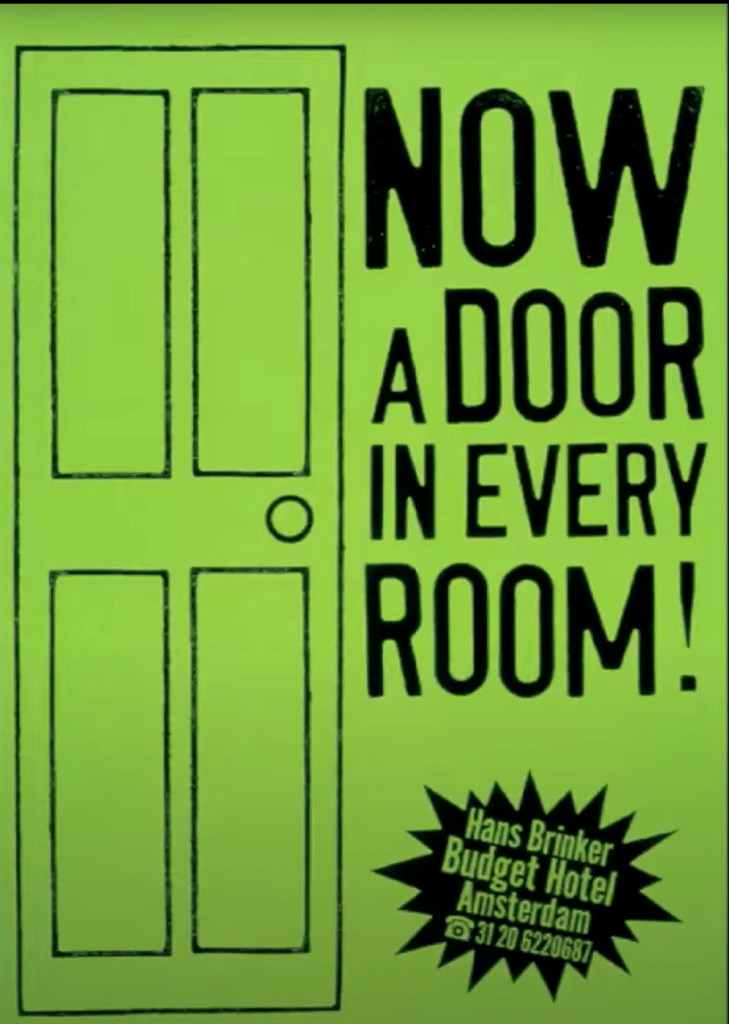
This is advertisement for very bad hotel in Amsterdam (his first job). He used the approach of anesty and that actually attract more customers to the hotel.
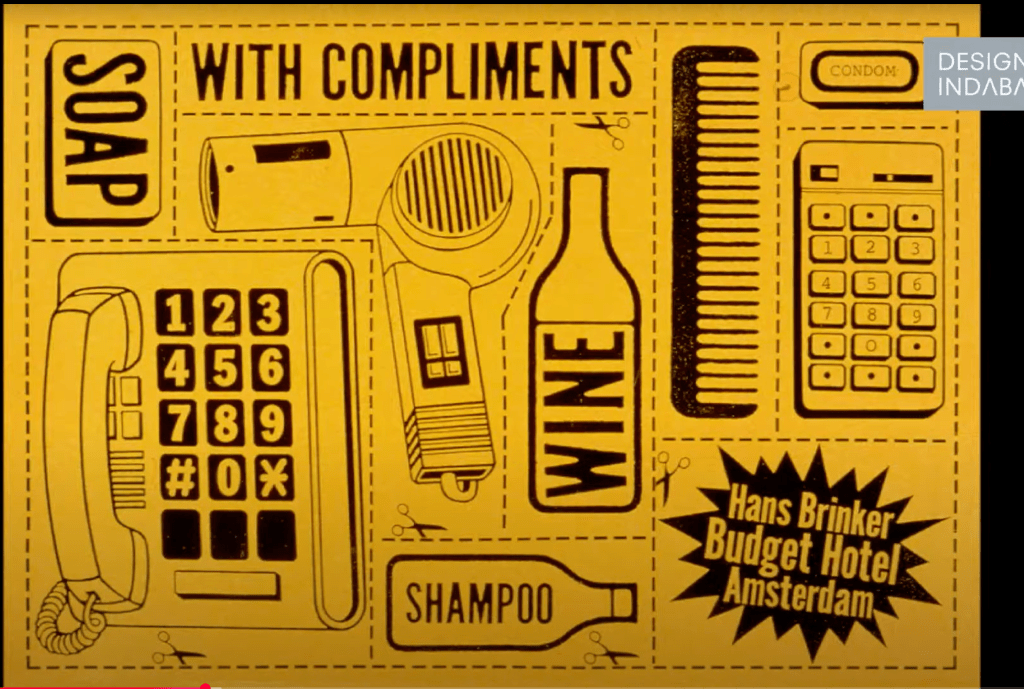
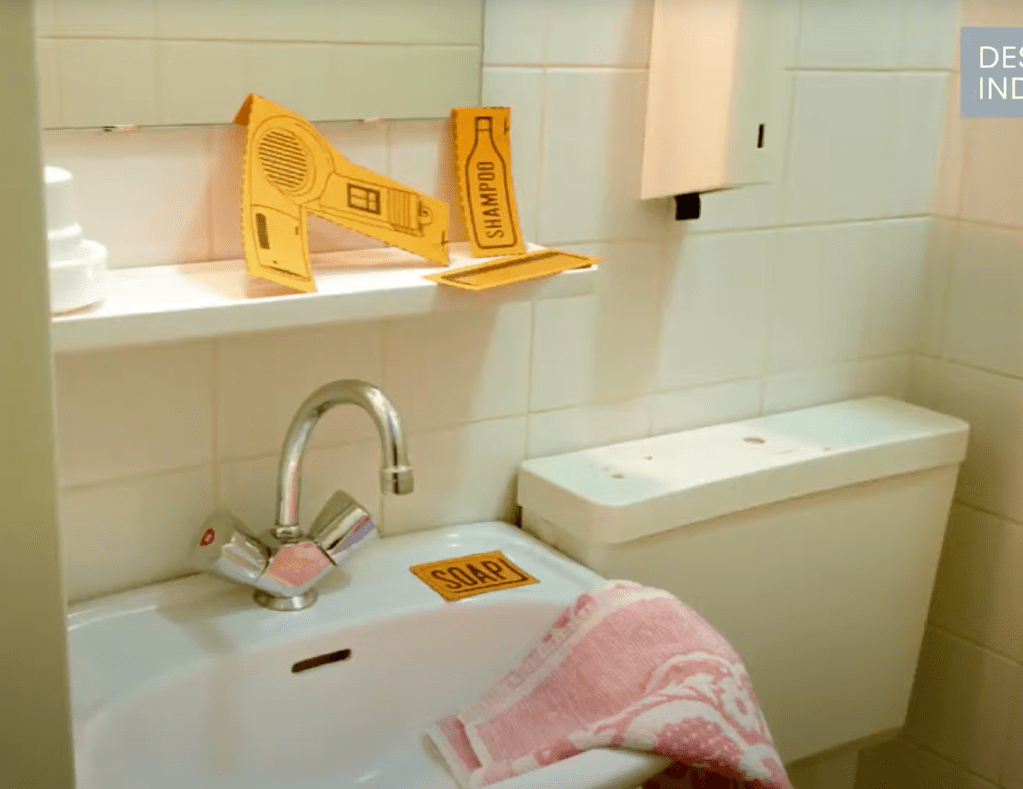
They give you scissors and you cut all the items.





Final game between the last two team in the classifications – they call it “The other final”.



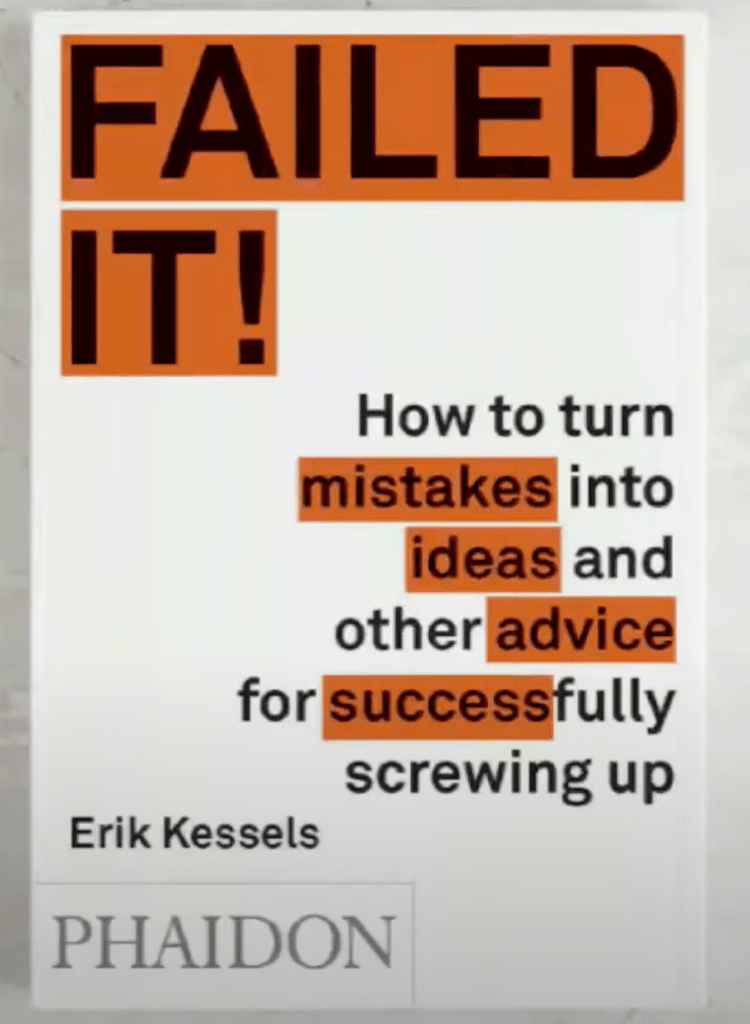
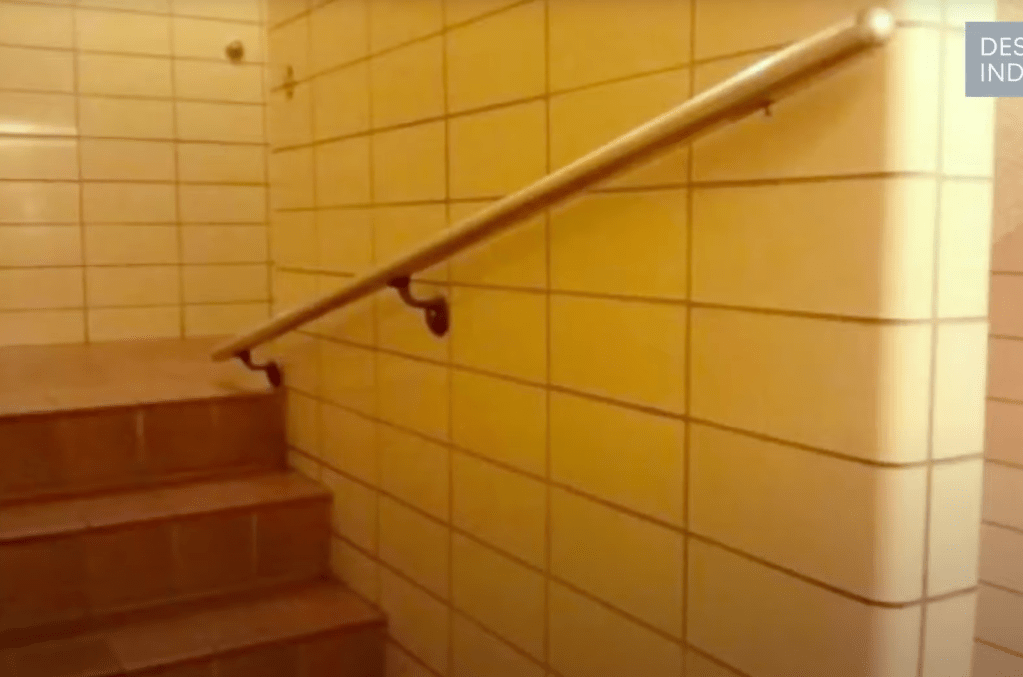
Sometimes mistakes have better results.


Poyner, R (2002) Design Without Boundaries: Visual Communication in Transition. London, Booth-Clibborn Editions – LAYERS OF MEANING / KATHERINE McCOY
“…We insist that students be absolutely motivated and dedicated to their work, with a lot of initiative. The most important thing is not to know, but to know how to know…
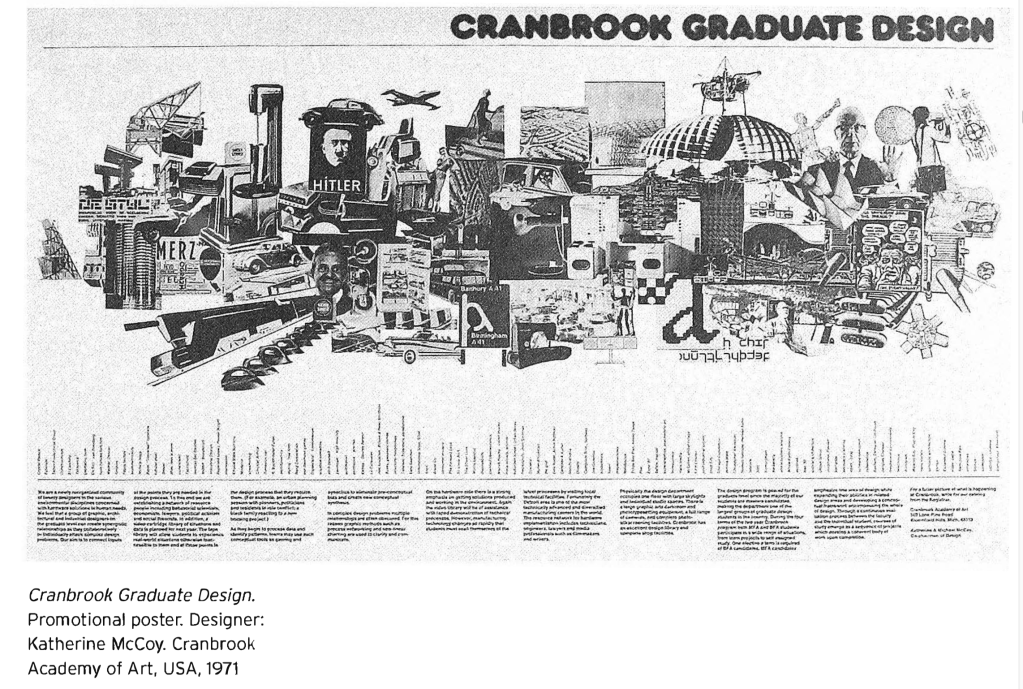
We always encourage students to read. It is an unstructured programme so we have never had courses with official reading lists. Insteac, because of the personal nature of each student’s programme, they independently construct their own focus. We have an ongoing department bibliography, and it has been a long-term project of mine to expand it and keep it as current as possible. It all comes back to my early interest in problem-solving. Part of the students’ goal for the two years is to develop their own conceptual strategies as designers. We encourage them to capitalize on their strengths, to become aware of their natural abilities, but also to incorporate external methods for conceptualizing. We are continually looking for additional theories.
Designers are responsible for a significant part of our society’s cultural production, so I think we have a responsibility to produce culturally current world.
To say ”This is the primary information layer, but there are other layers too” is to create a meaningful hierarchy and imply a degree of resolution. There is a fundamental difference, though, between what you’re saying and the student who says: ”The world is confusing and impossible to make. sense of and I’m going to reflect this confusion in my work.” I do believe that the rationalism and objectivity of the modernist tradition have an important place in the design process.
What are your personal criteria for evaluating the quality of a design?
That is a really crucial point. That is half the challenge for each student who comes to our programme -to develop a personal set of standards for judging design. Actually, that is one of the things I felt most uncomfortable about with the first use of deconstructive theory: the rejection of dominant paradigms. Does that mean that everything is OK? That there are no valid standards? I have come to think that a different view of standards is needed, something each designer needs to define for themselves. Every graphic work has relative degrees of success and failure; each designer must define their own value system and therefore their own criteria for evaluating relative success and failure.
https://studiodumbar.com/work (she is talking a lot about the Dumbar work -so, I decided to do little more research.
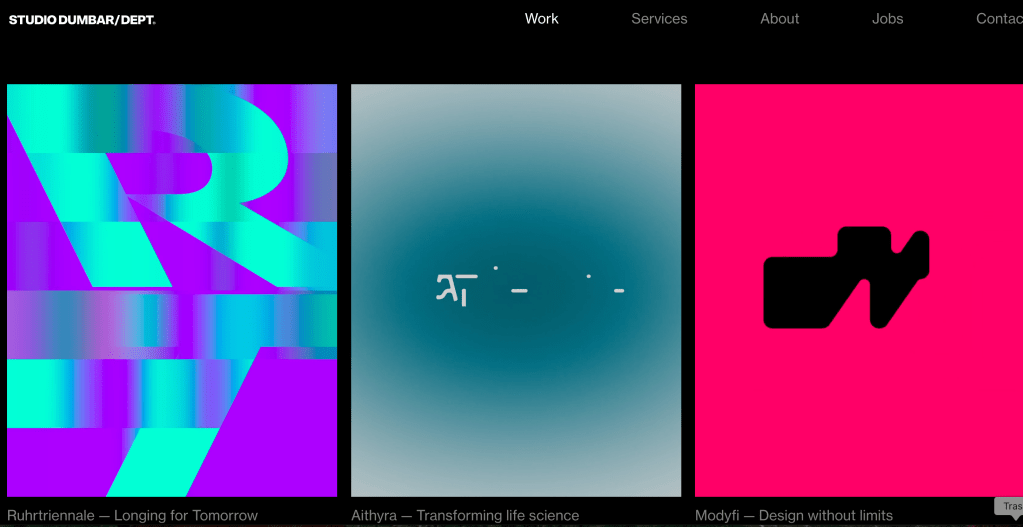
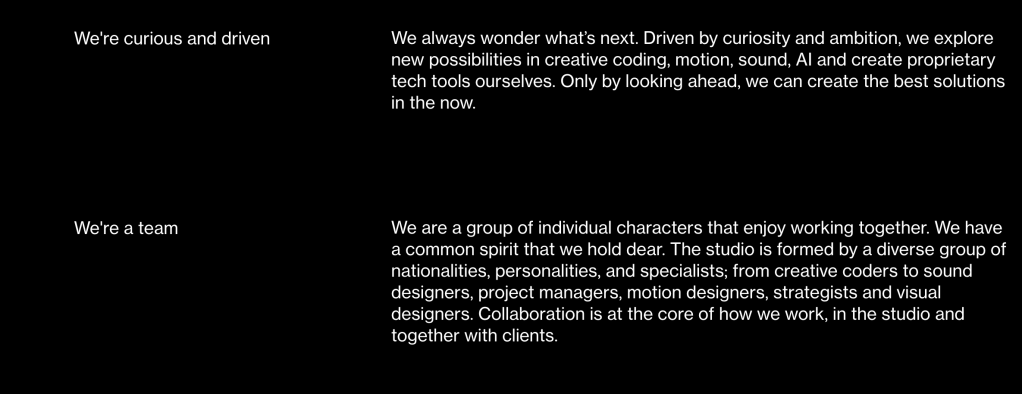
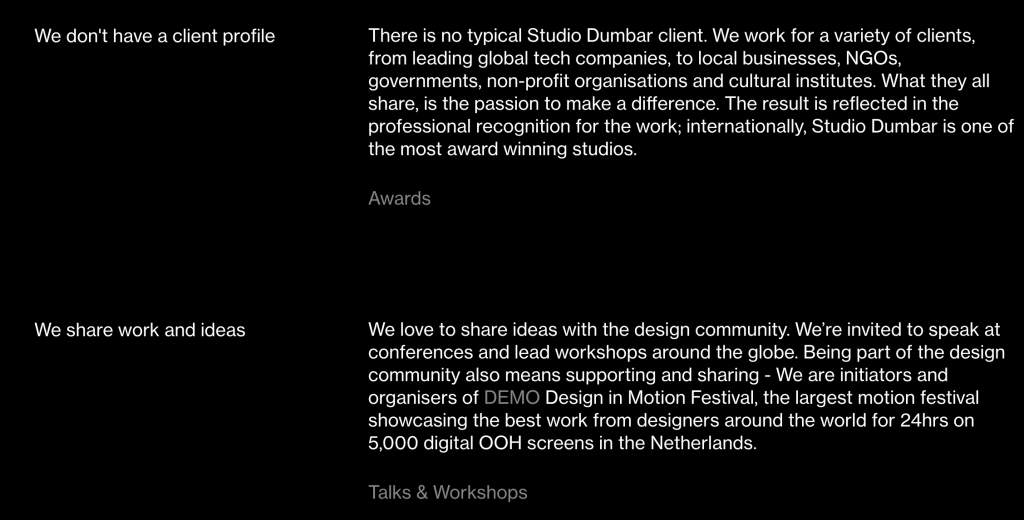
From the lecture
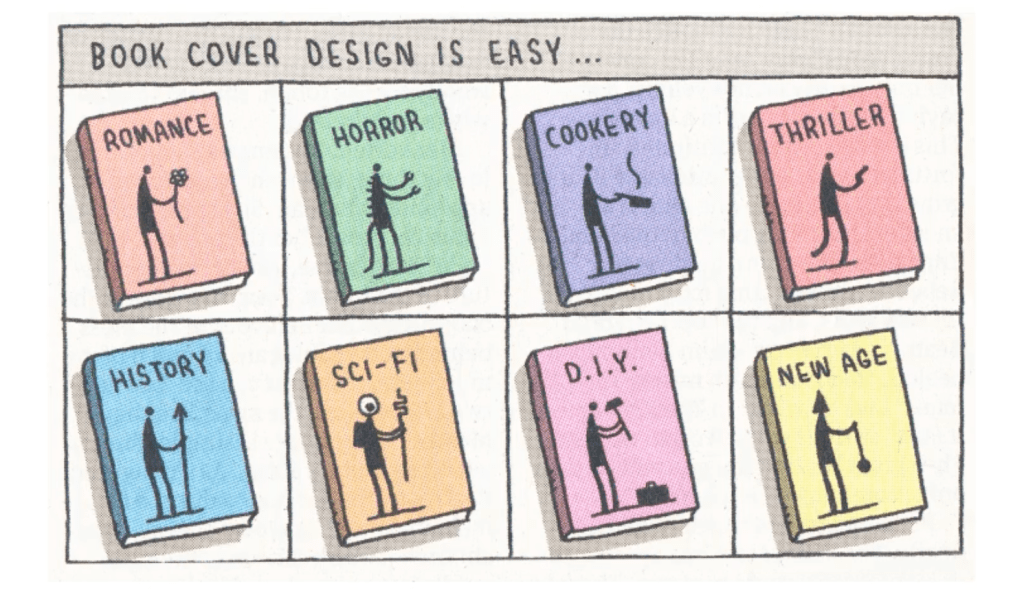
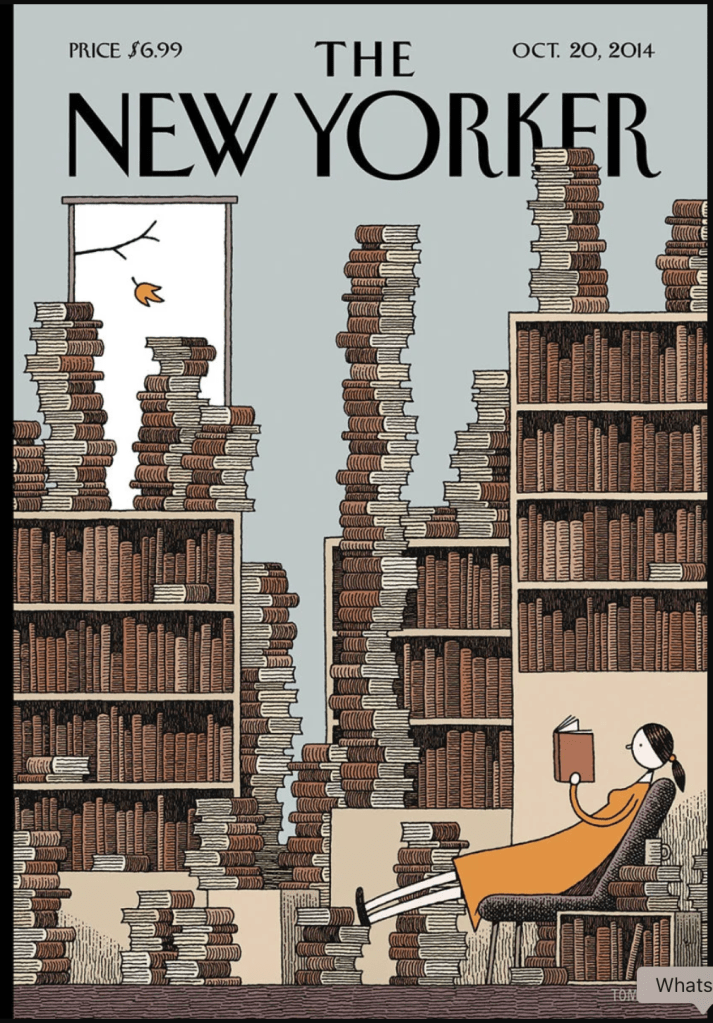
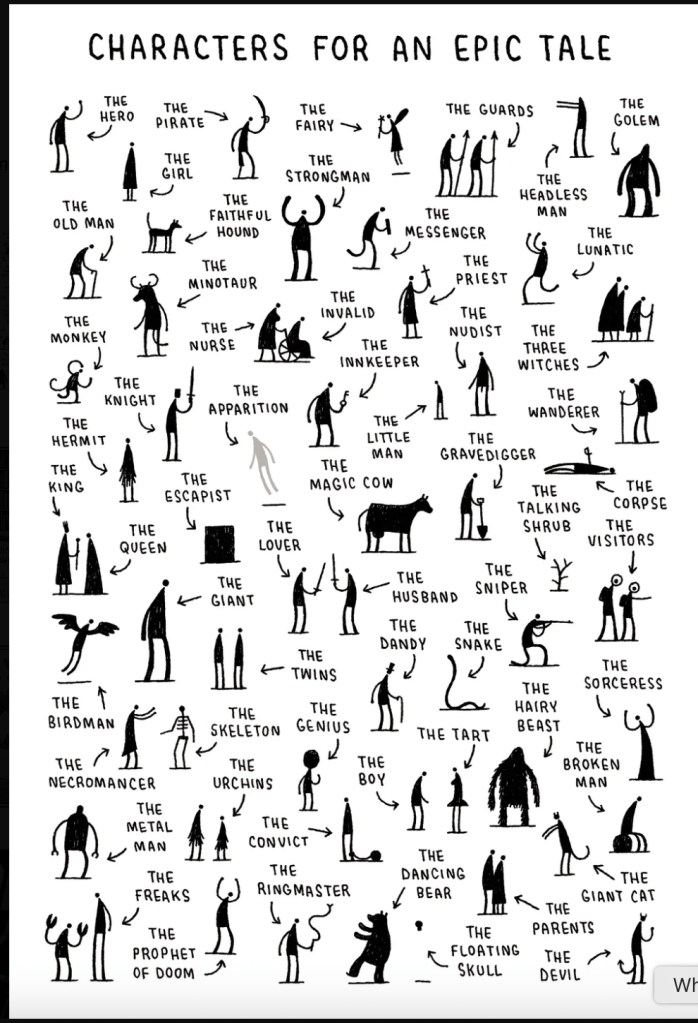
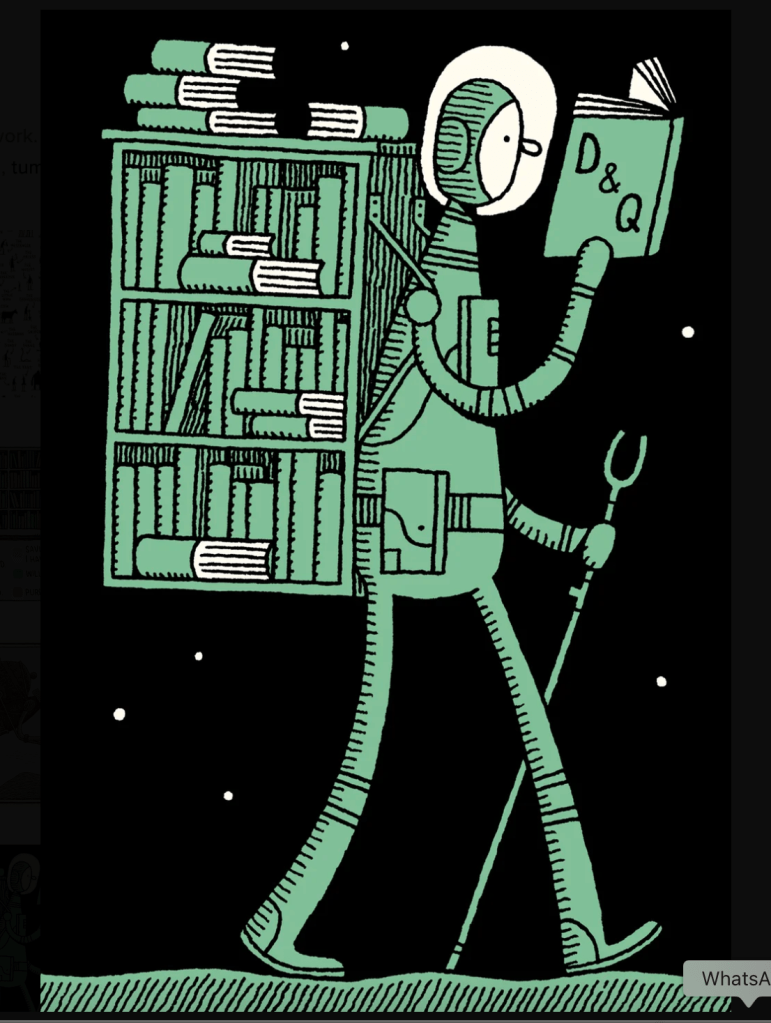
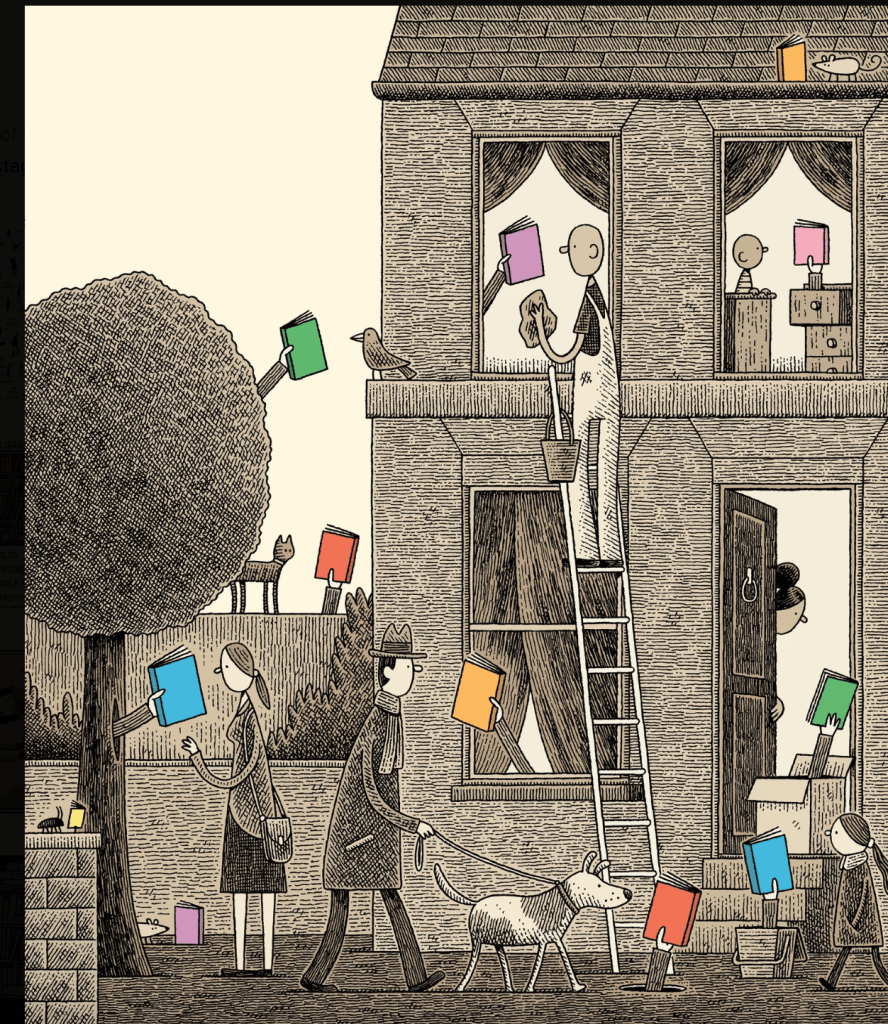
Teresa mentioned Tom Gauld and I did some more research on his work – I can’t stop looking at – he is such a good illustrator.
“Tom Gauld was born in 1976 and grew up in Aberdeenshire, Scotland. He is a cartoonist and illustrator and his work is regularly published in the The Guardian, The New Yorker and New Scientist. He has created a number of comic books. He lives in London with his family.”
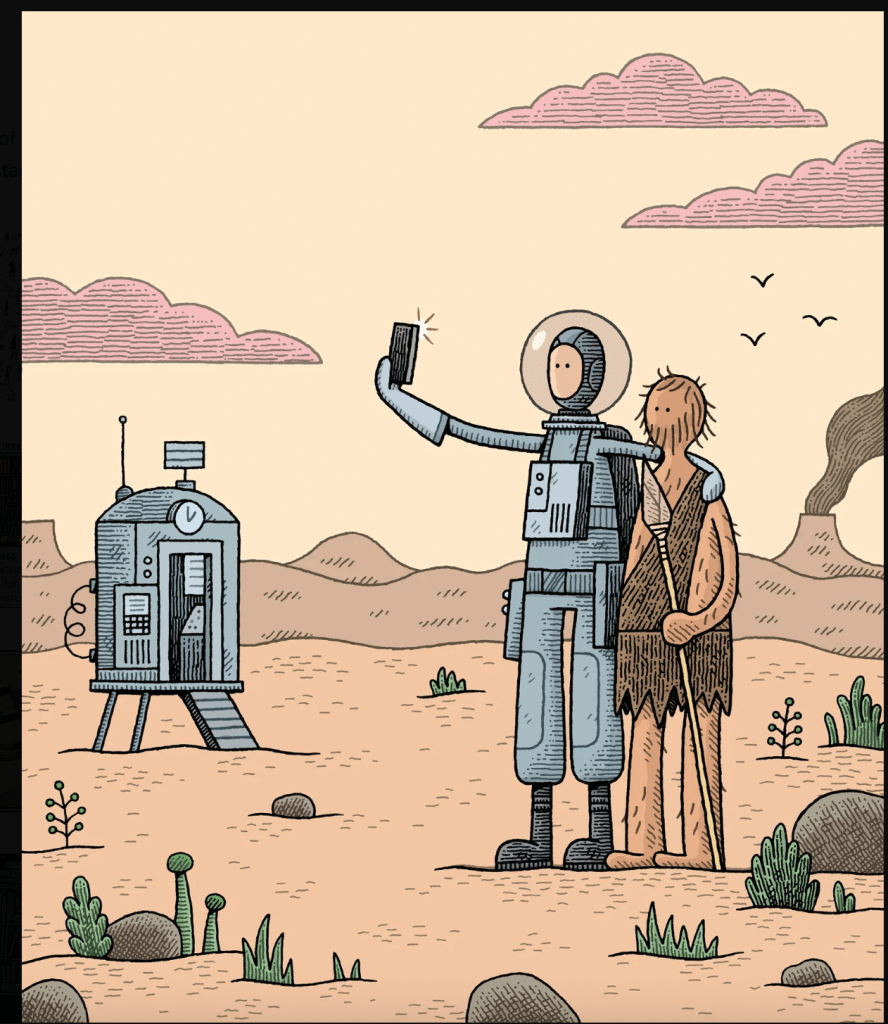
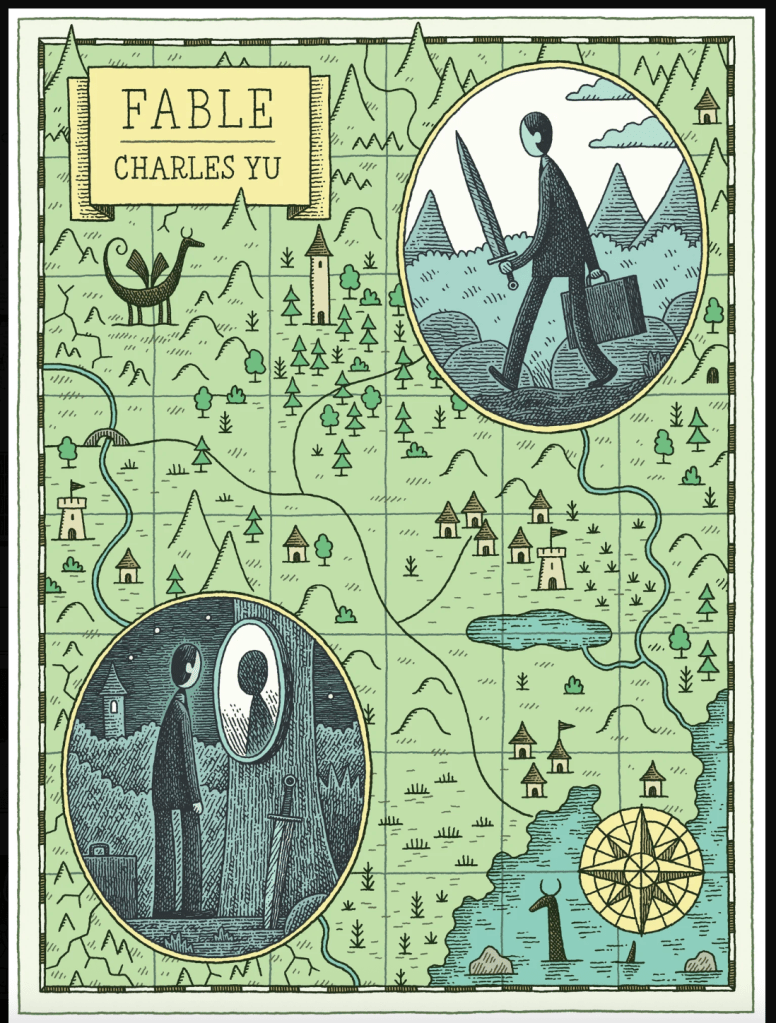
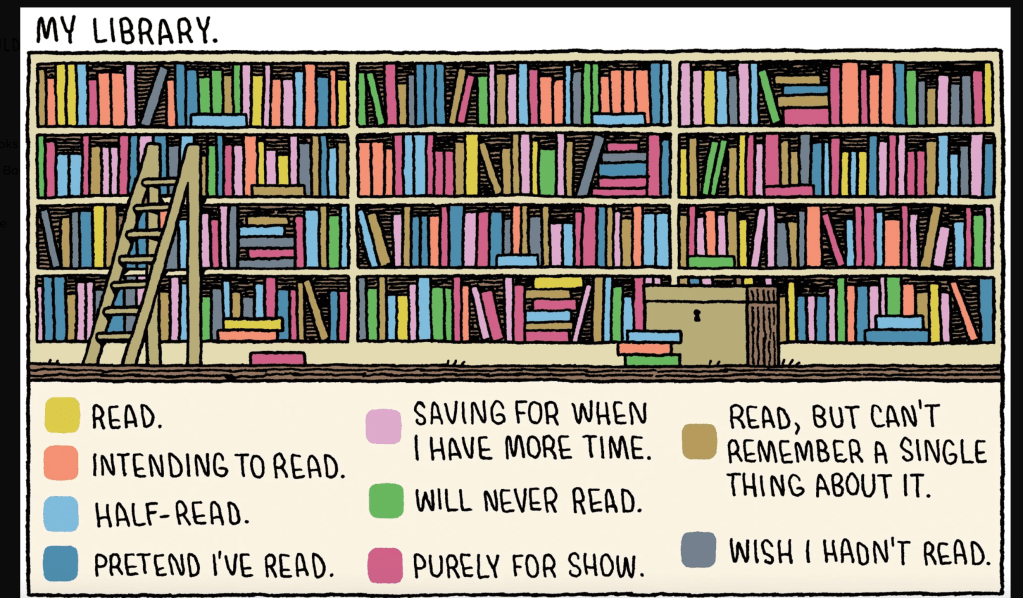
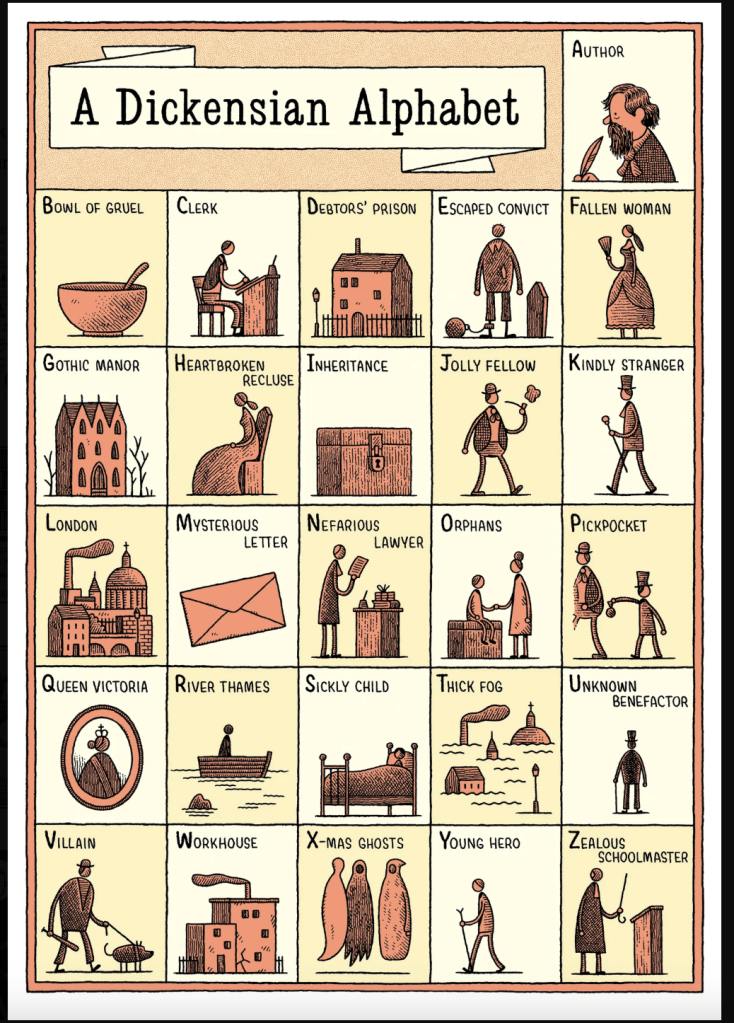
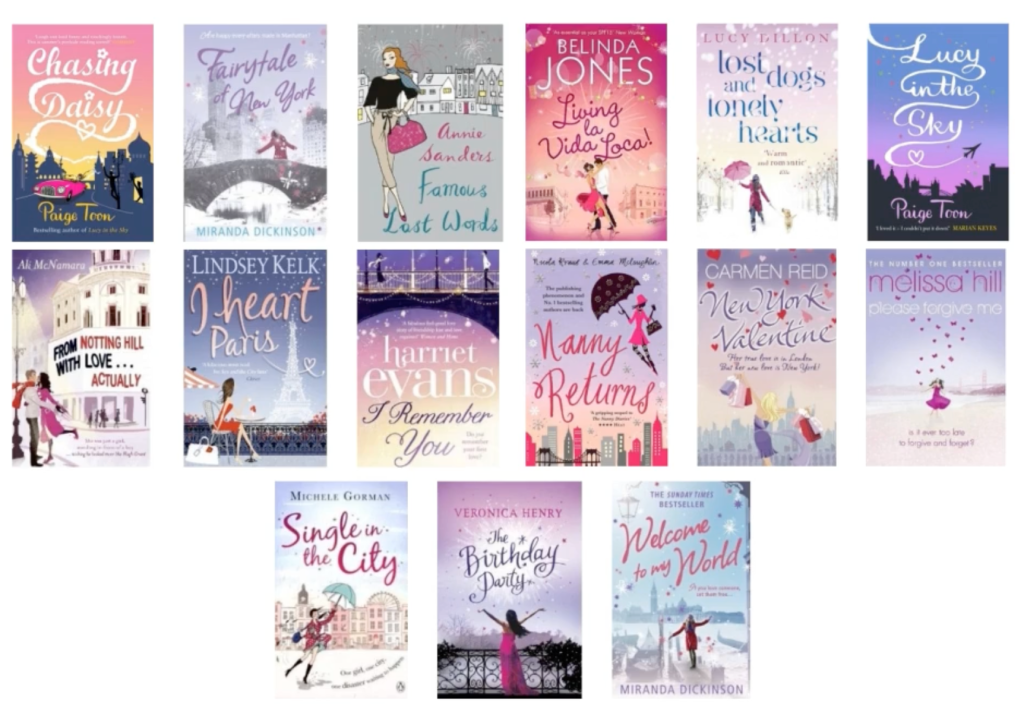
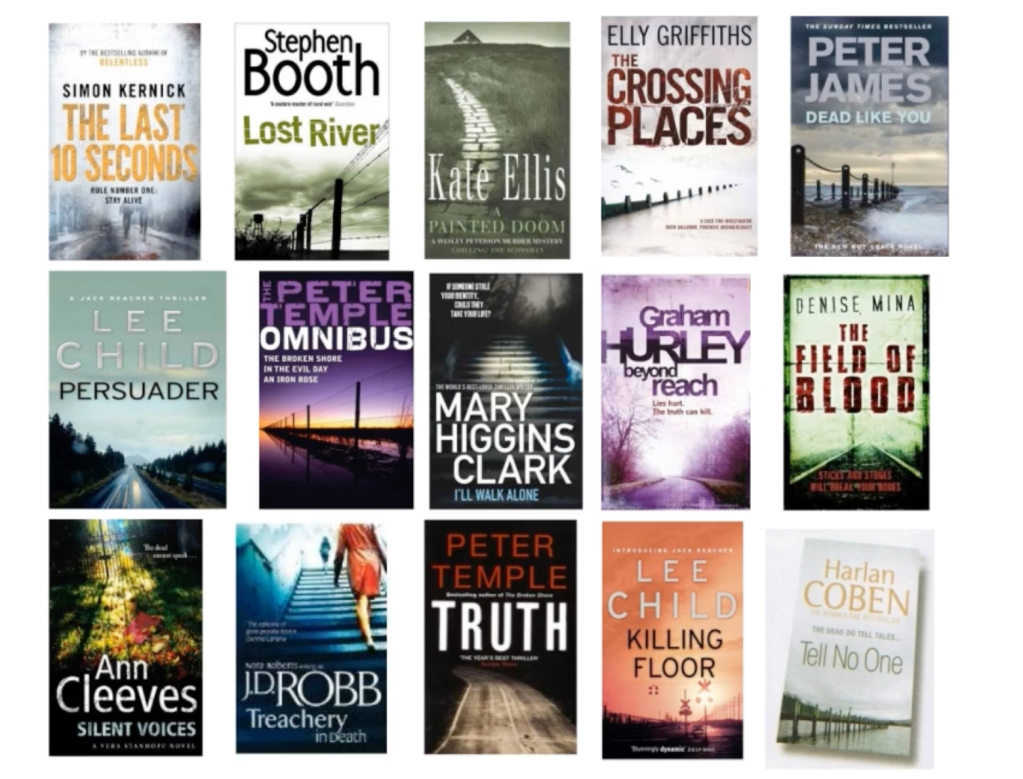
By looking at the covers you know in what kind of territory you are in – romance, thriller, action…
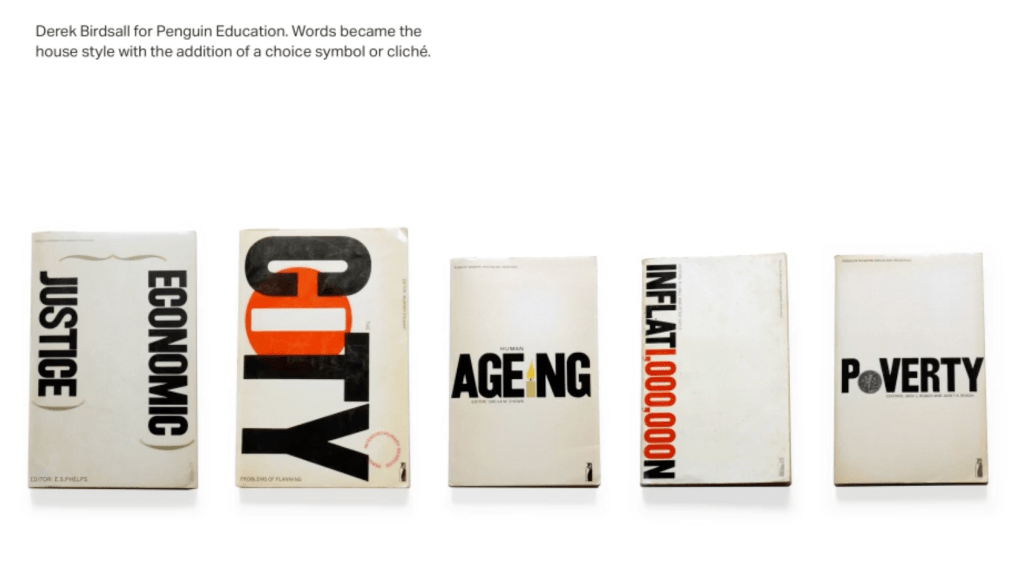
https://designreviewed.com/designer/derek-birdsall/
“Derek Birdsall was born in Yorkshire in 1934. His clients included magazines such as Town, Twen and Nova and numerous companies and organisations including British Iron & Steel Federation, the British Railways, Morphy Richard. Pirelli, Dorothy Gray, Penguin Books and the Mobil Oil Corporation. Birdsall was a member of the Alliance Graphique Internationale and the Royal Designer for Industry (1982), and won numerous awards including gold medal of the New York Art Directors Club (1987) and the Prince Philip Designers prize (2005)”
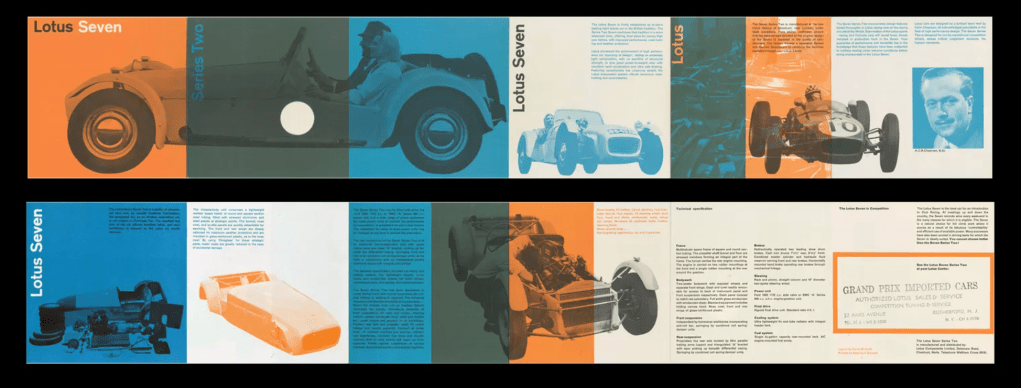

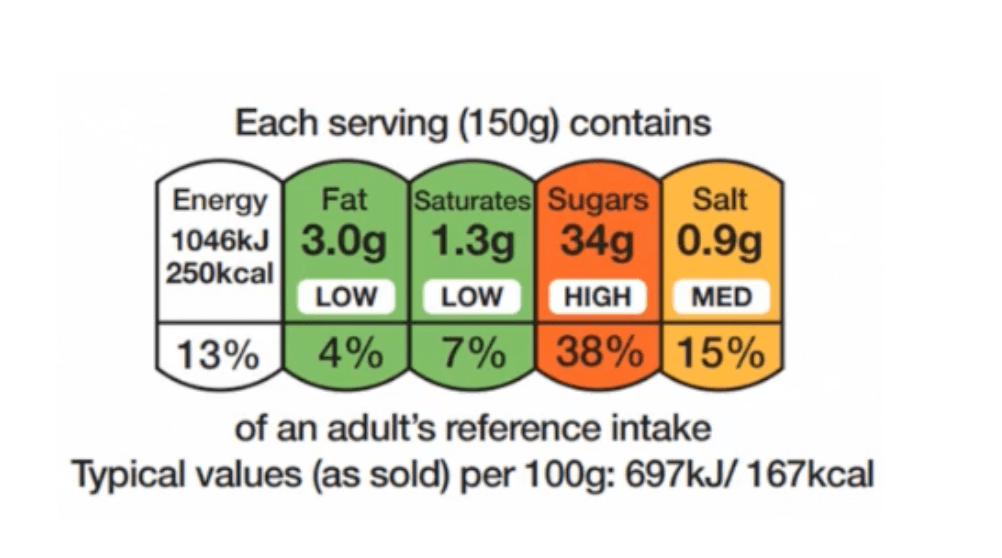
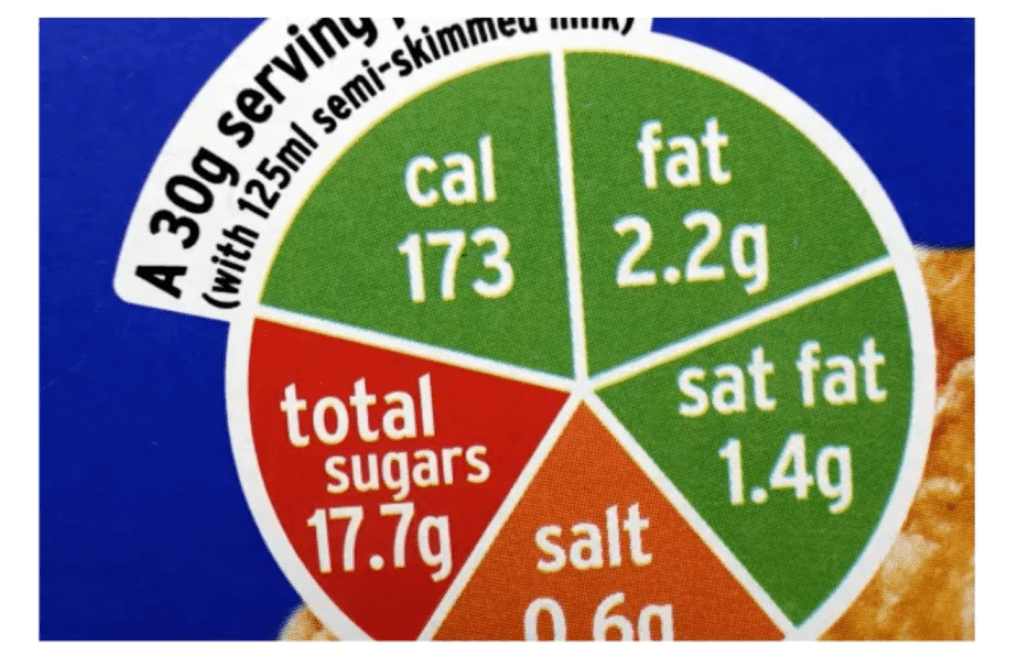
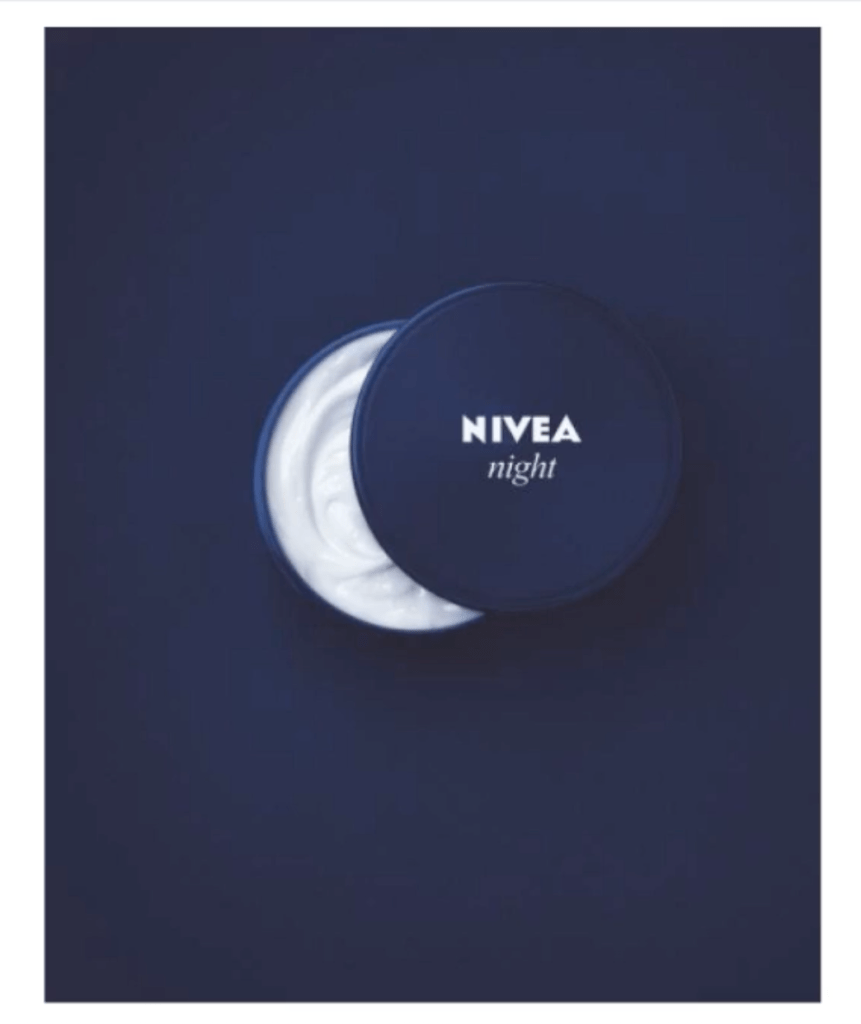
Beautiful design – they have overcome the cliche and created something unique. With the white cream they created the shape of the moon.
Minimalistic and simple but probably took them a lot of time and work to come up with this idea.
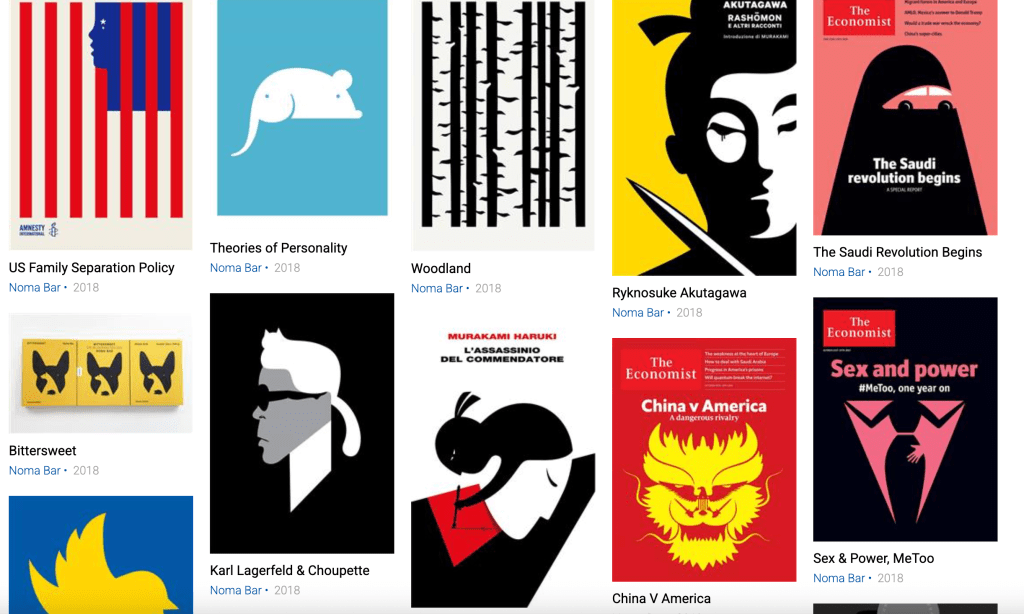
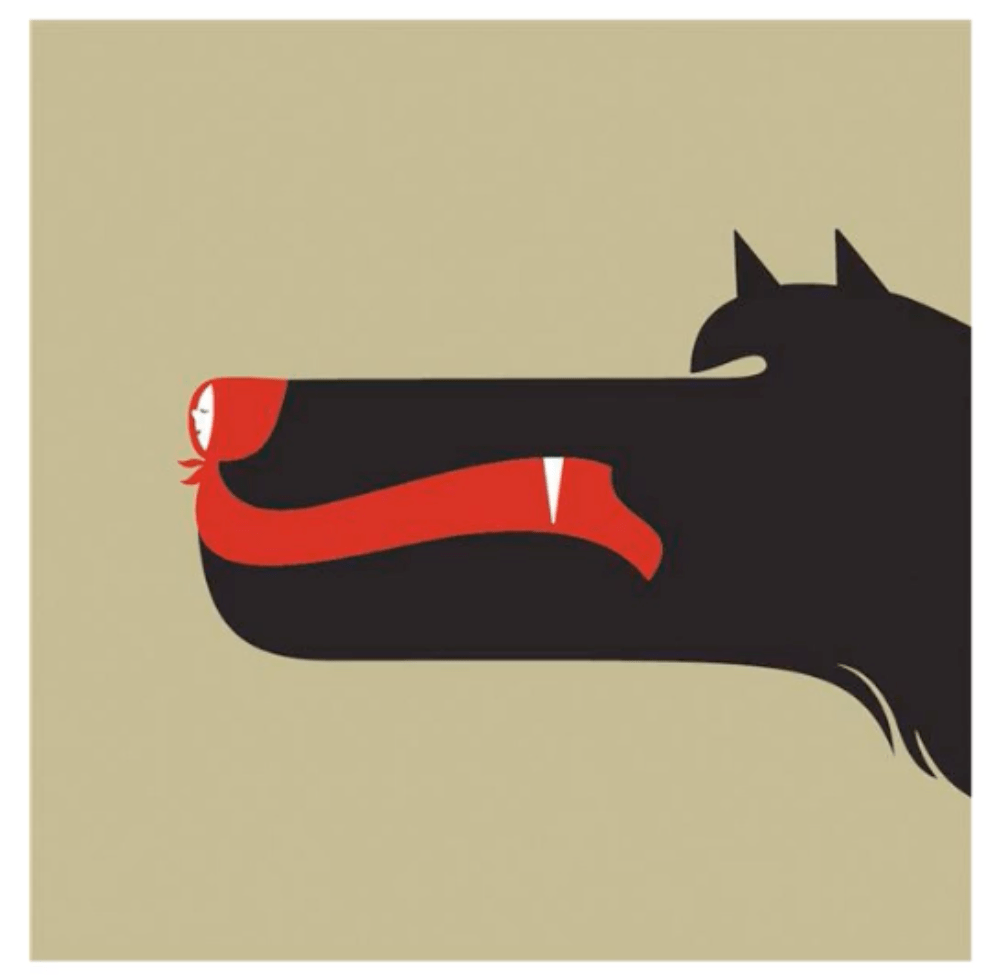
Noma Bar
“Noma Bar (born in 1973) is an Israel-born graphic designer, illustrator and artist. His work has appeared in many media publications including: Time Out London, BBC, Random House, The Observer, The Economist and Wallpaper*. Bar has illustrated over one hundred magazine covers, published over 550 illustrations and released three books of his work: Guess Who – The Many Faces of Noma Bar in 2008, Negative Space in 2009 and Bittersweet 2017, a 680 page 5 volume monograph produced in a Limited Edition of 1000 published by Thames & Hudson.
Bar’s work has become well known throughout the world, winning many industry awards; more recently a prestigious Gold Clio for his animation & direction work for the New York Presbyterian Hospital, a campaign to highlight new frontiers in cancer treatments. He has also won a Yellow Pencil award at the D&AD Professional Awards and his London Design”
https://www.wikiart.org/en/noma-bar
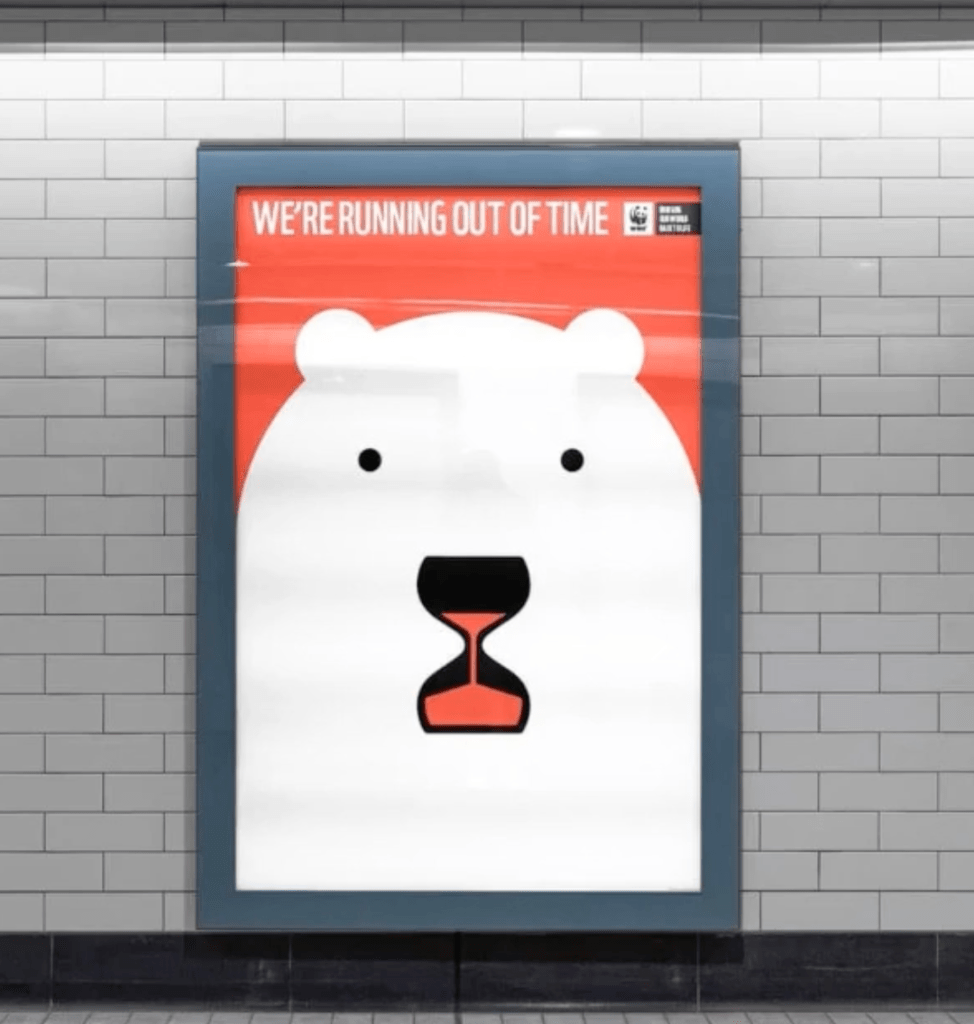

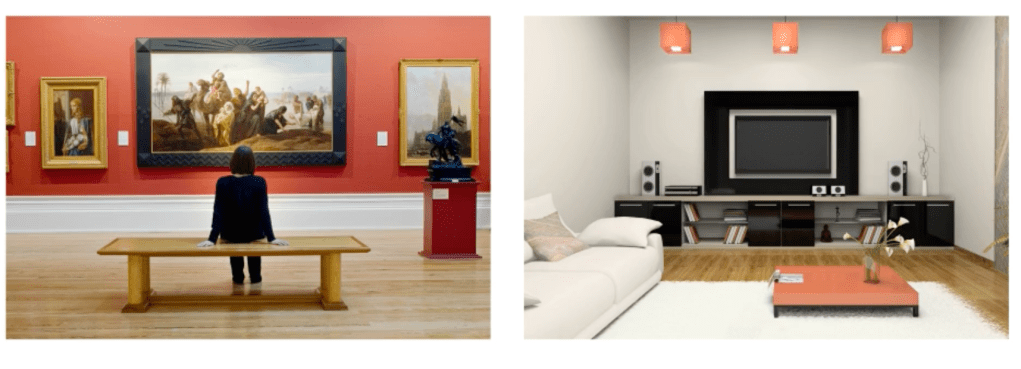
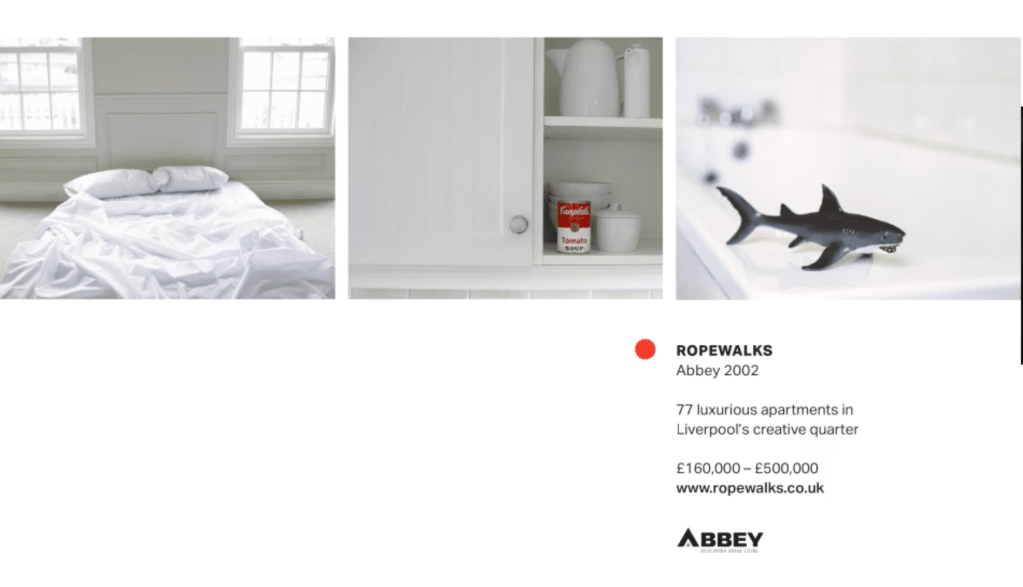
Teresa’s point was that art and apartment can find a common ground.

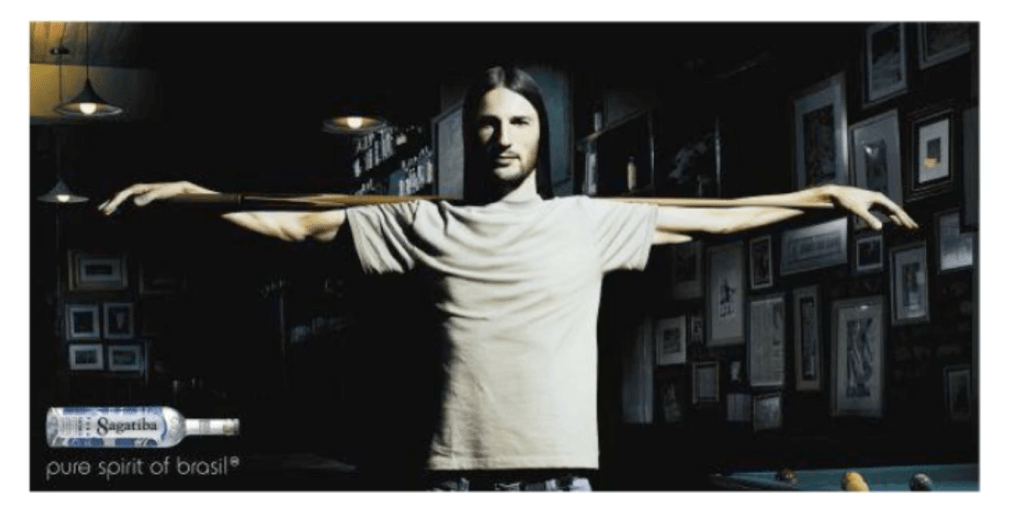
So, they had to go back to the cliche and use the Brazilian landmark.
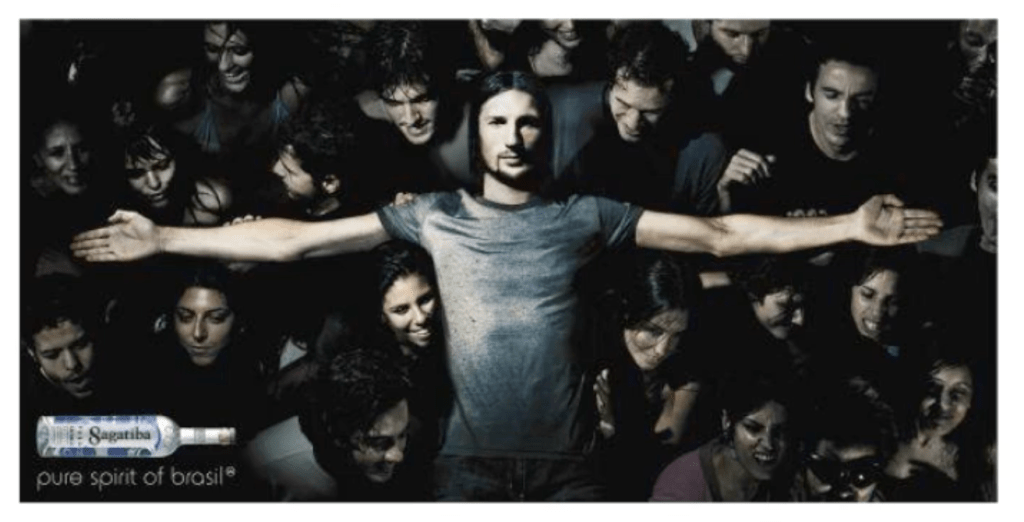
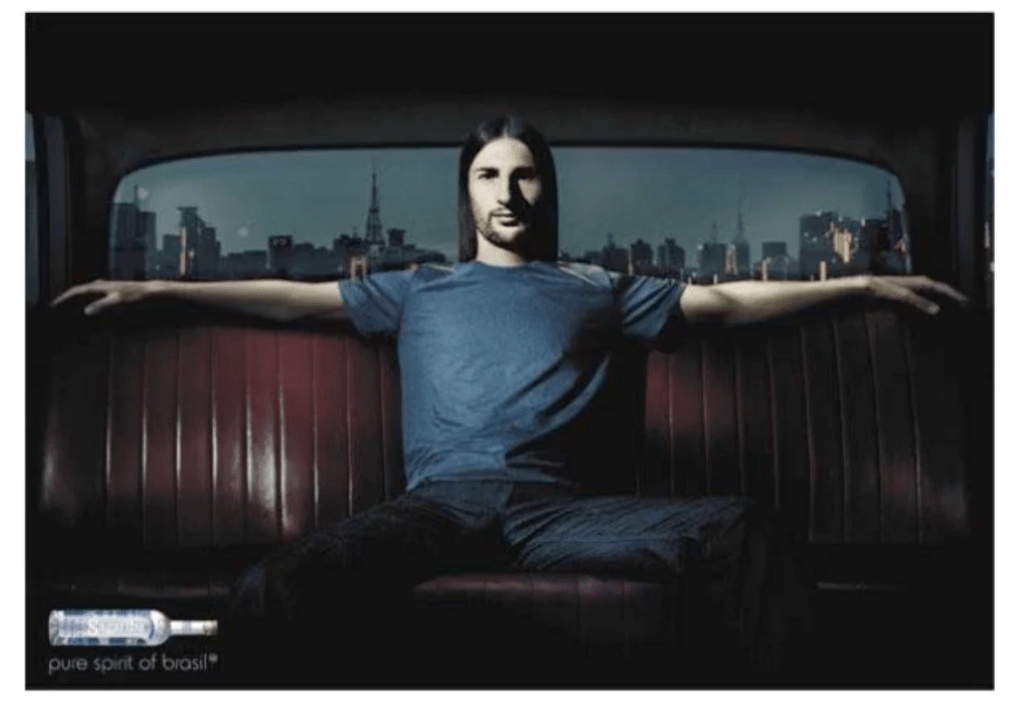


This week your research task is to explore a range of solo practitioners who have created self-directed works in a similar field to your own project.
Evaluate the strengths and weaknesses of these professional examples.
 Vicky Kafkaki - Graphic Design MA Falmouth University