
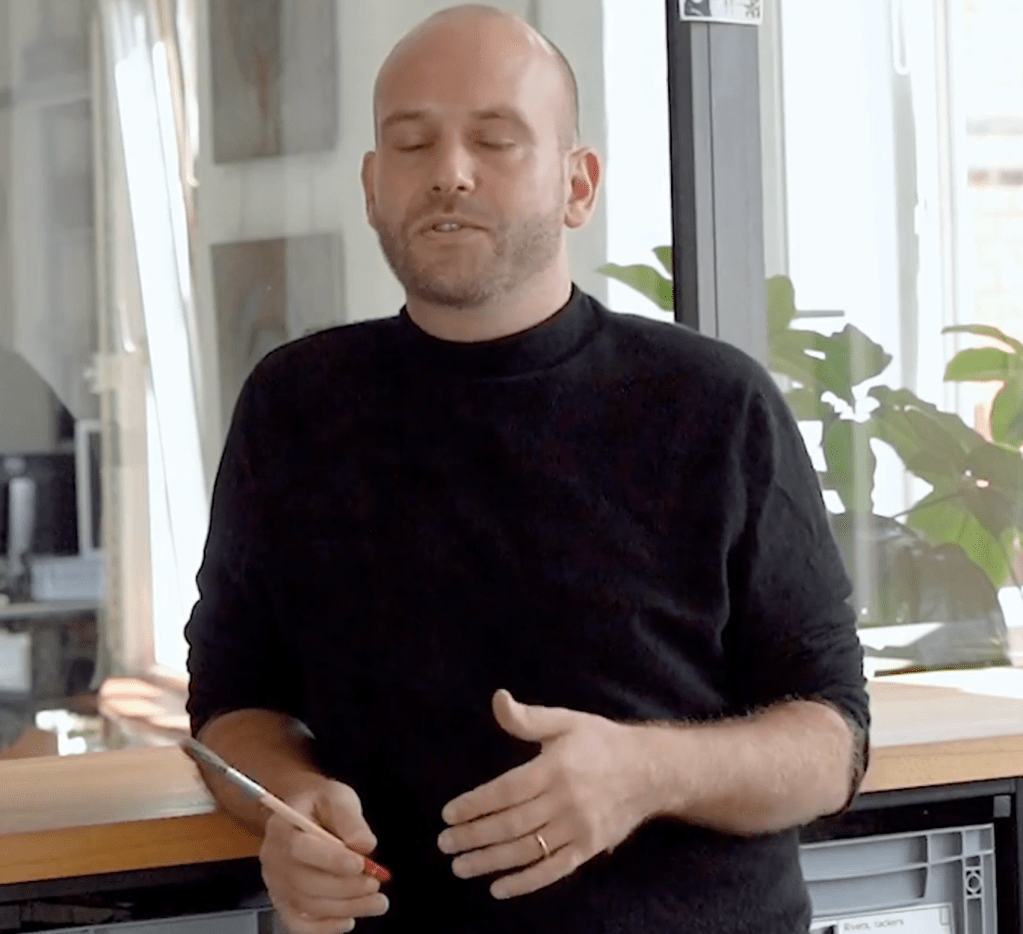
They said that is good to pick a project that is outside your preferences – you can do research for something new this way. You need to refresh your eyes and your brain.
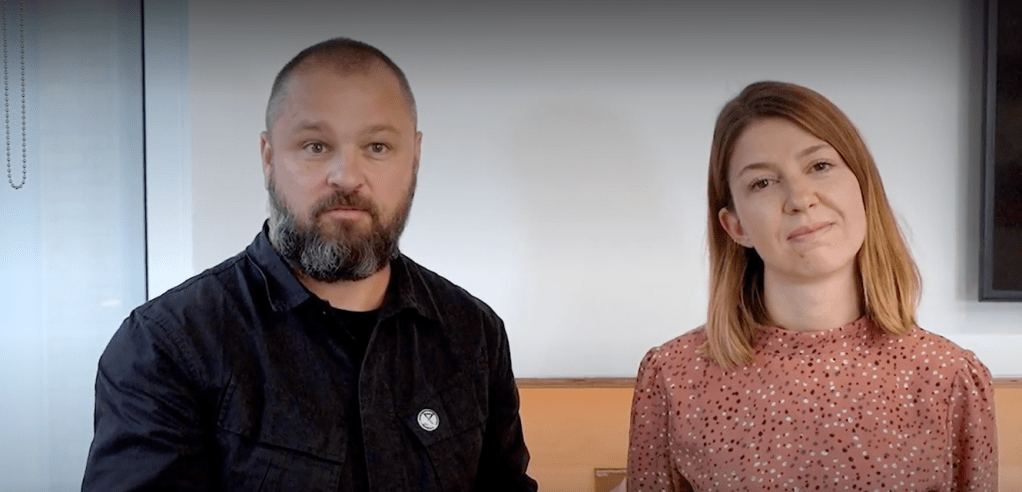
They advised us always to try to be on top with things.

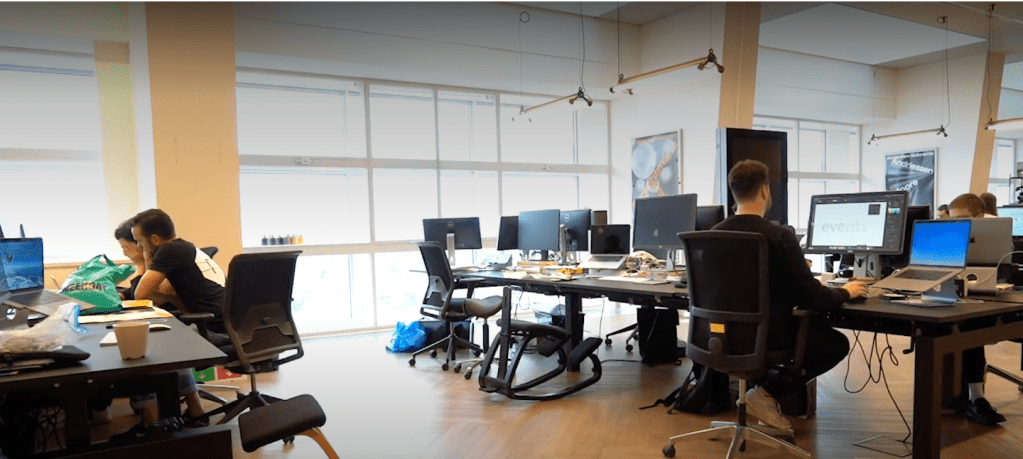
They are part of the new platform DEPT
https://www.deptagency.com/solutions/brand-media/
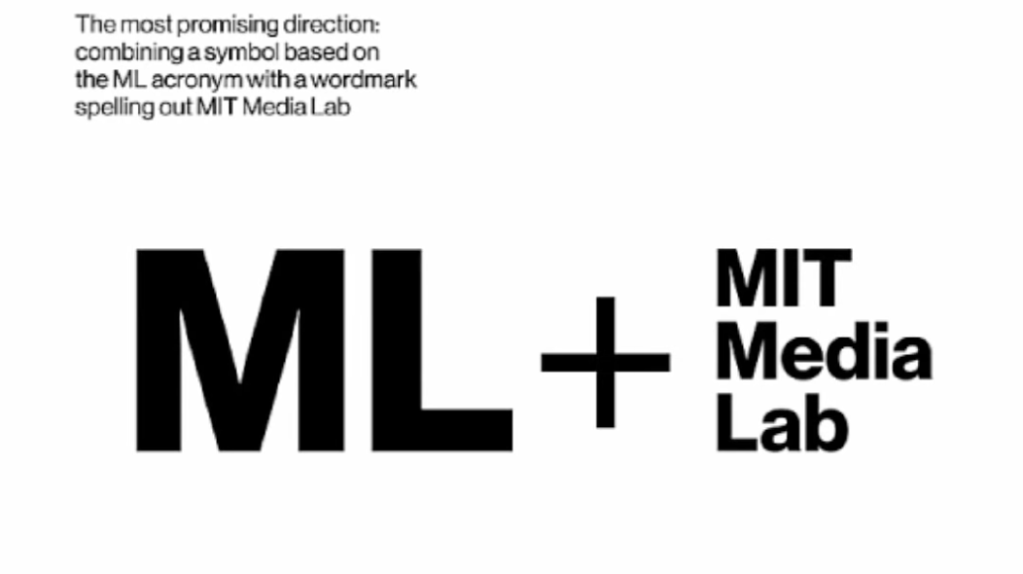
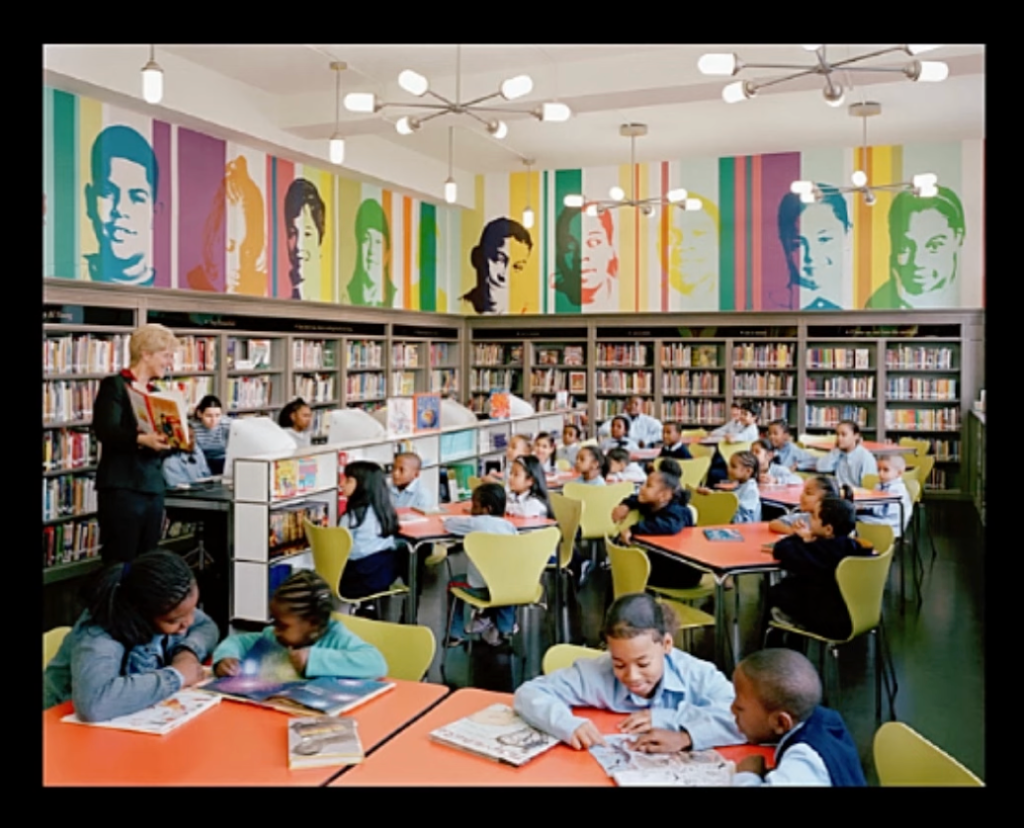
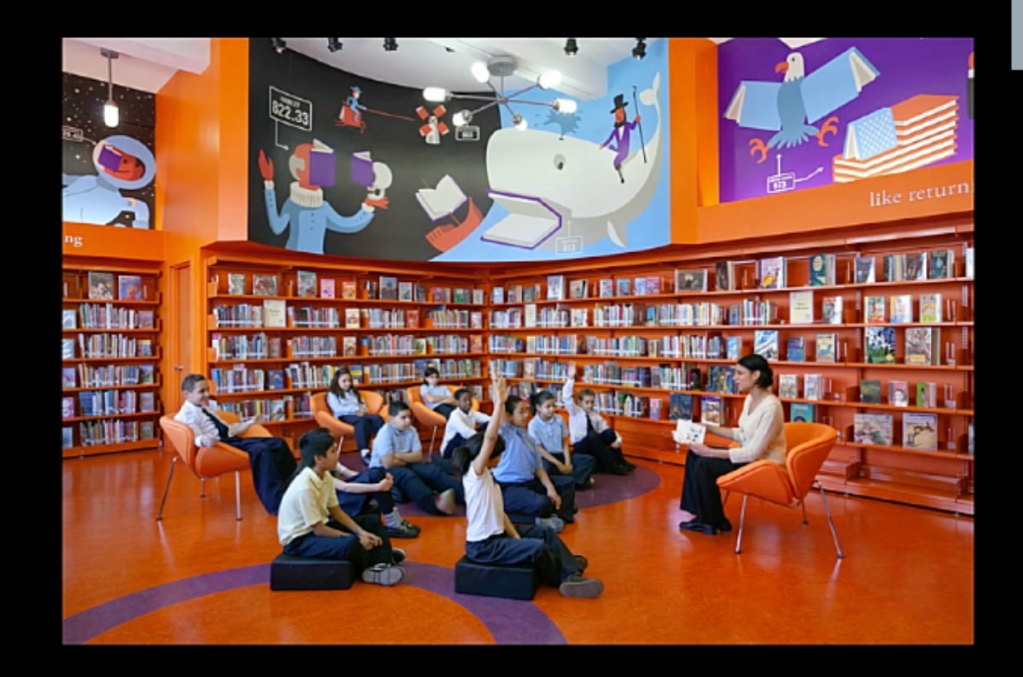
“New York-based graphic designer Michael Bierut – partner at Pentagram and long-time friend, supporter, speaker and emcee at Design Indaba Conference – took to the Conference stage in 2015 with some extra special news. Bierut announced the creation of his first ever monograph: How to: Use graphic design to sell things, explain things, make things look better, and (every once in a while) change the world.
The formidable volume, which comprises detailed chapters on the 35 different projects with sketches from Bierut’s notebooks and initial notes and ideas, was published at the end of September 2015. This conference talk, and the book it previews, is laid out in an entertaining “How to” format. “The thing that interests me the most,” says Bierut, “the real moments of pleasure that I have, are when you sort of get to see how someone did something. How did you do it? How did you get from here to there?” In the four decades Bierut has been working as a graphic designer he has gained a significant amount of knowledge and worked on some iconic branding and identities.
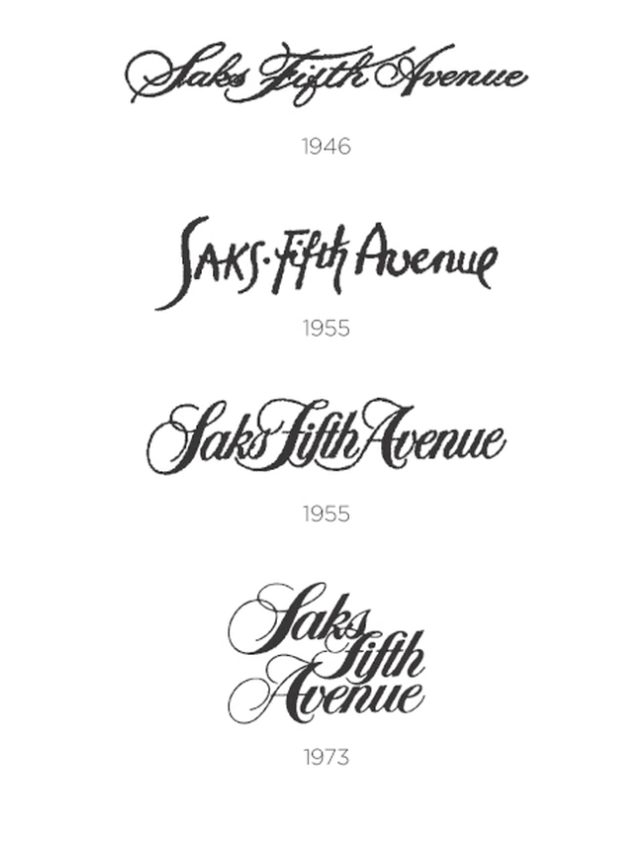
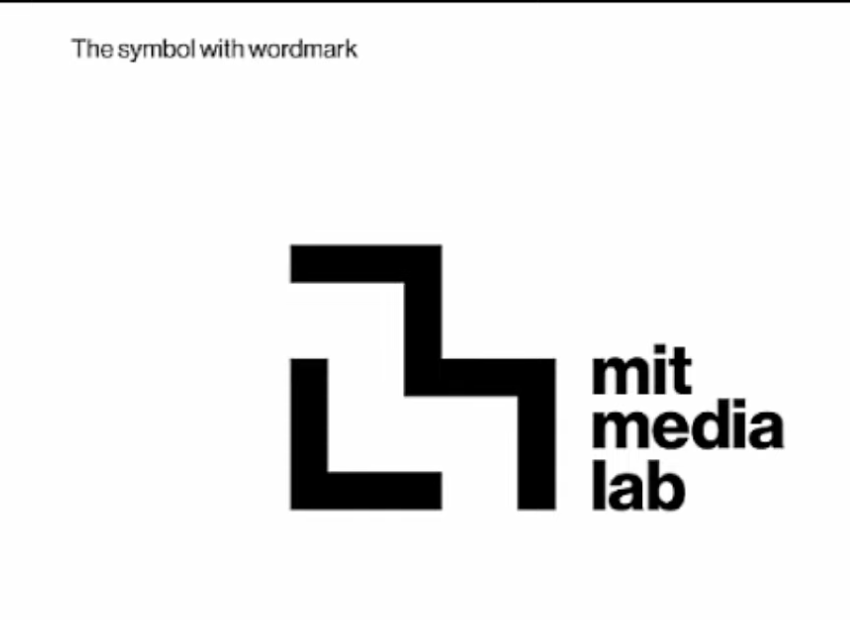
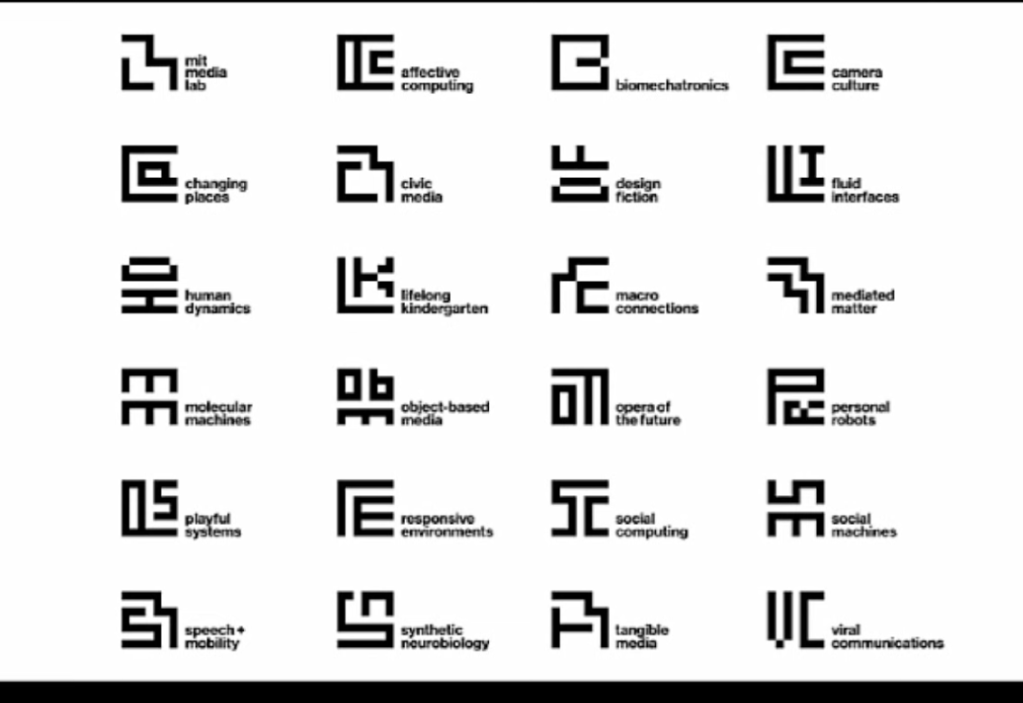
His clients include Saks Fifth Avenue, The New York Times, The Museum of Art and Design, MIT Media Lab, and the Department of Transportation of the City of New York. People say graphic design is harmless, people say it is ephemeral, people say it is cosmetic, people say it doesn’t mean all that much, but you can ruin the world with graphic design! Luckily Michael Bierut has never been guilty of that, far from it. This speaker talk is 40 minutes of Bierut’s humour, humility and insight.”




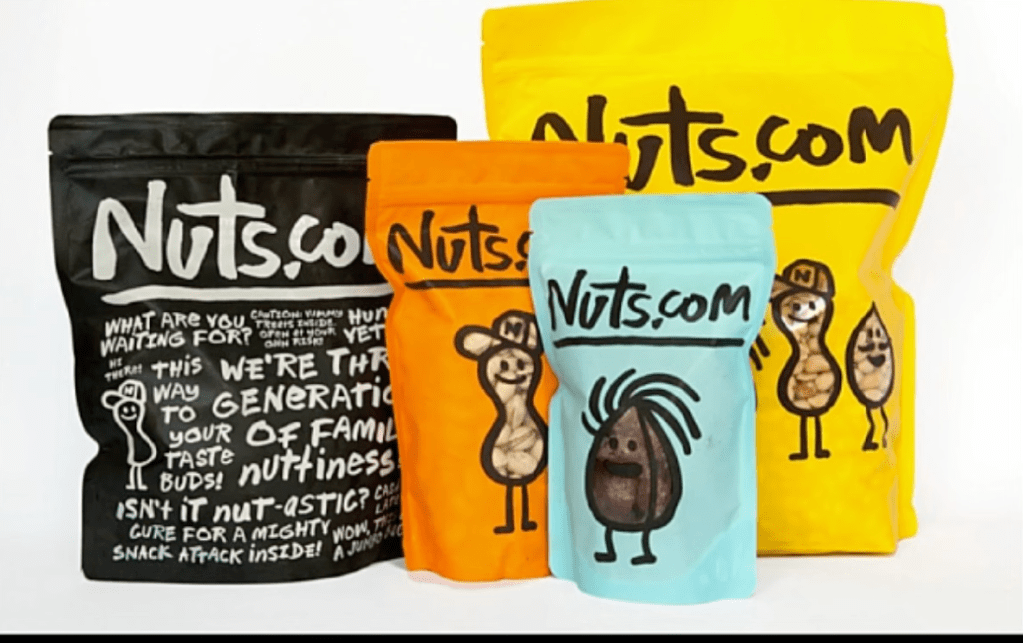



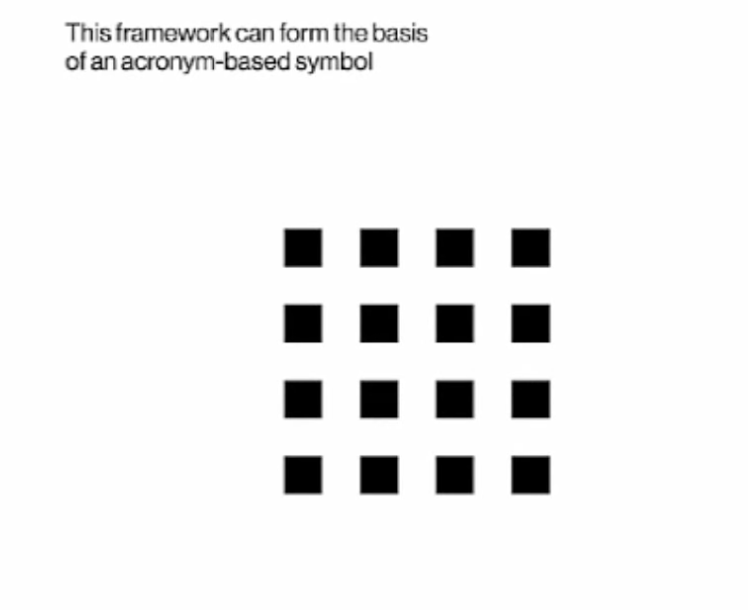
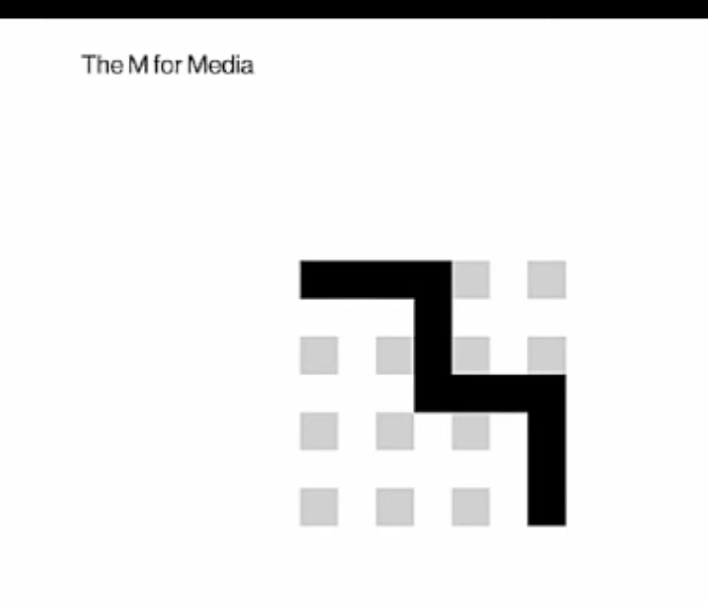
They divided the squire on 64 squires
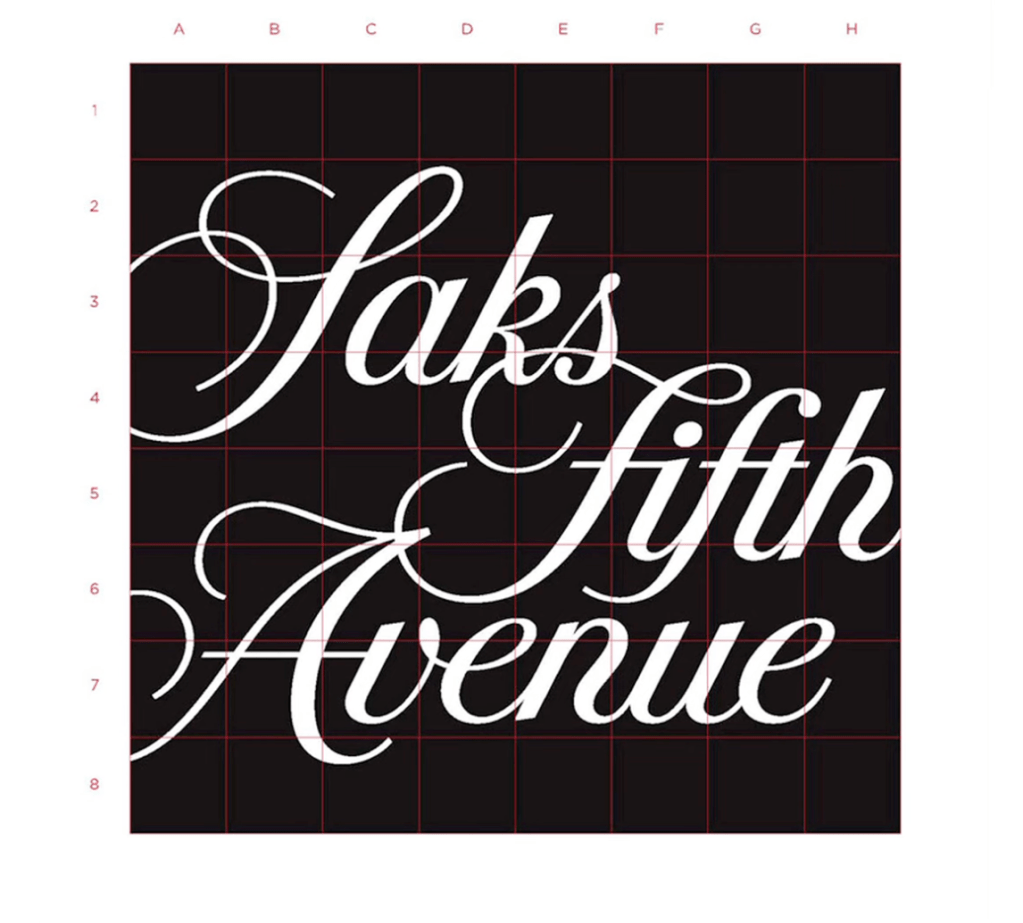
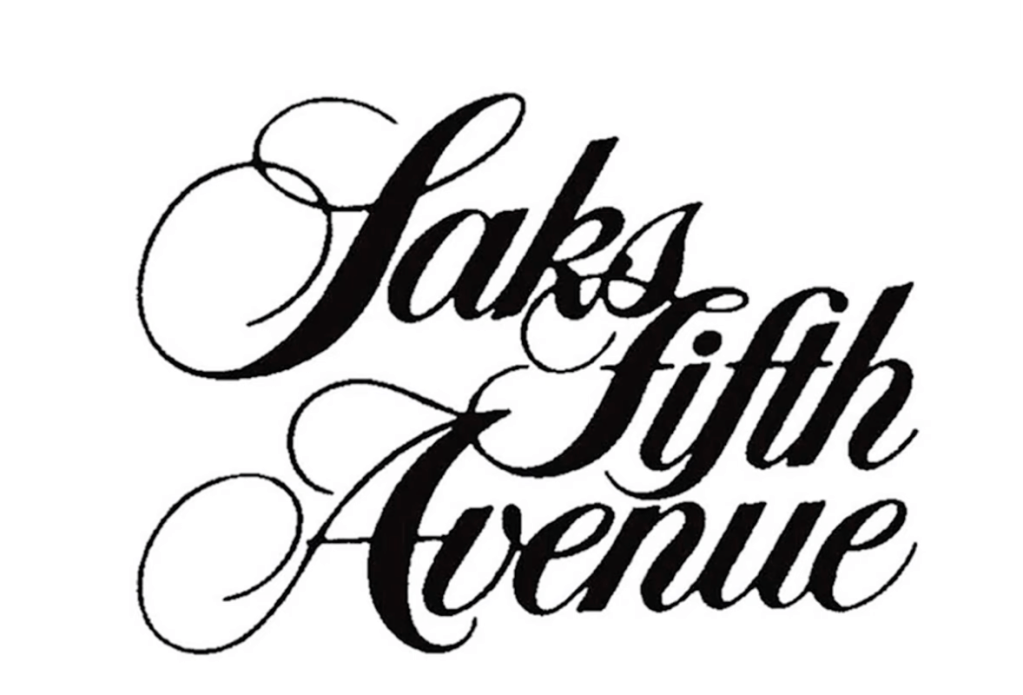
The logo looks classic, timeless and traditional – if you zoom in, you see modern art.


They got the old logo back but with new look


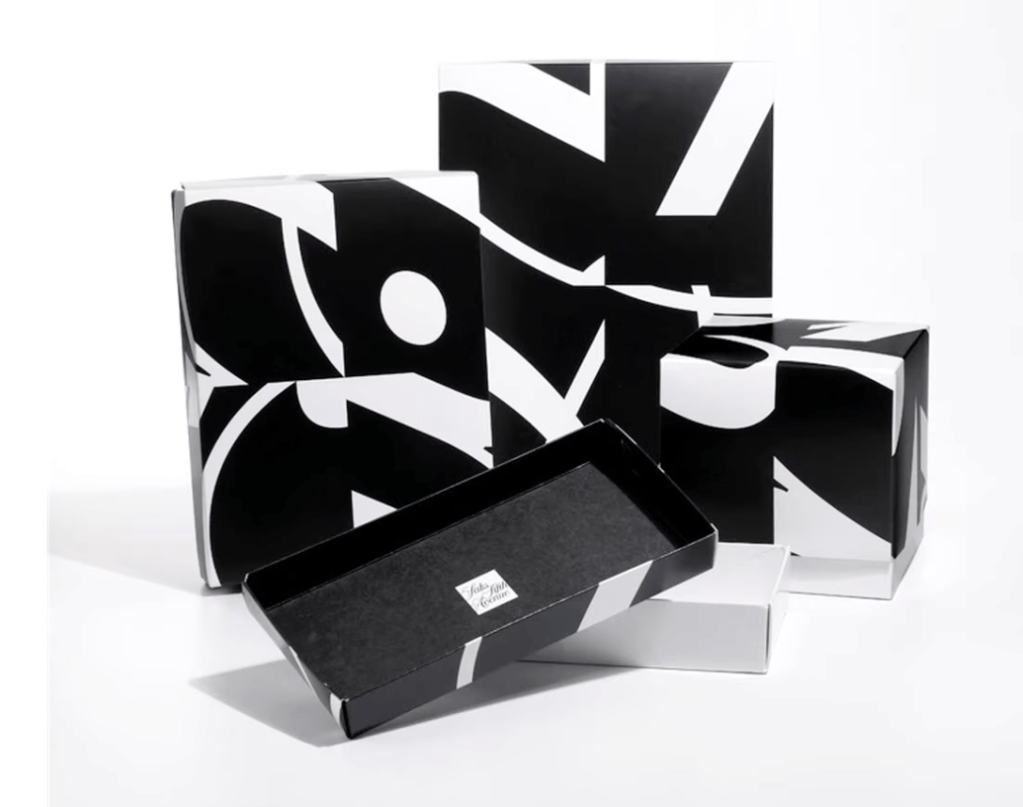
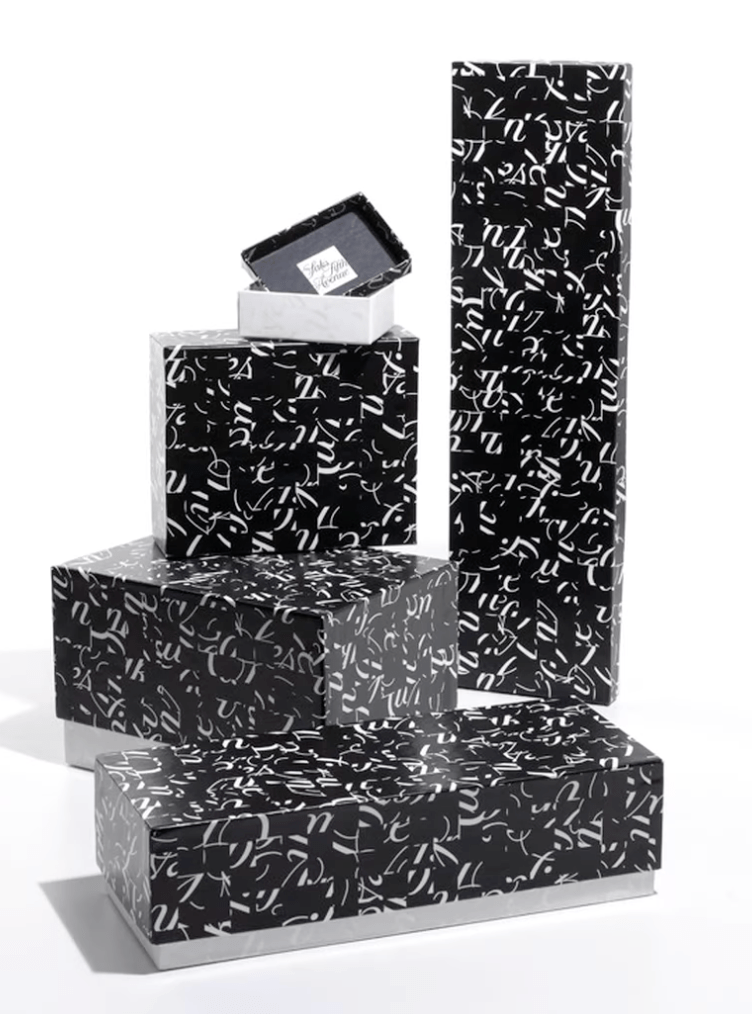
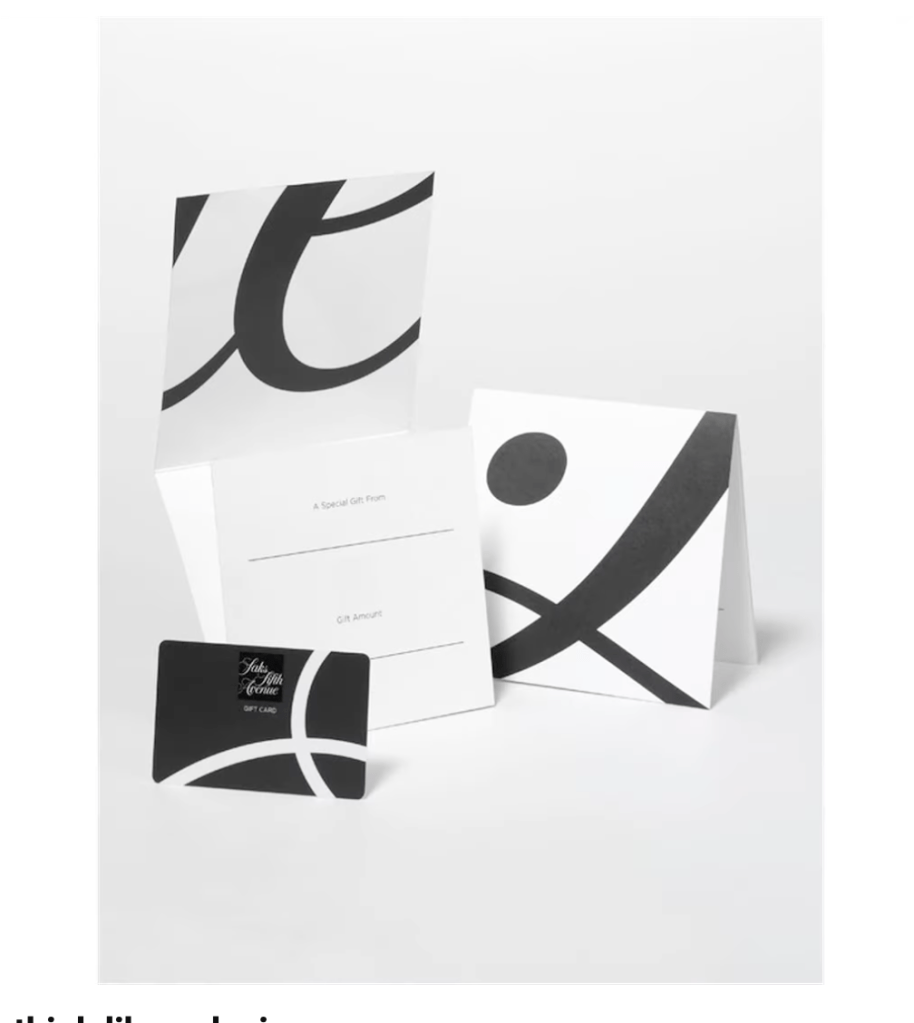

For the logo of the museum he decided to start with squire and circles




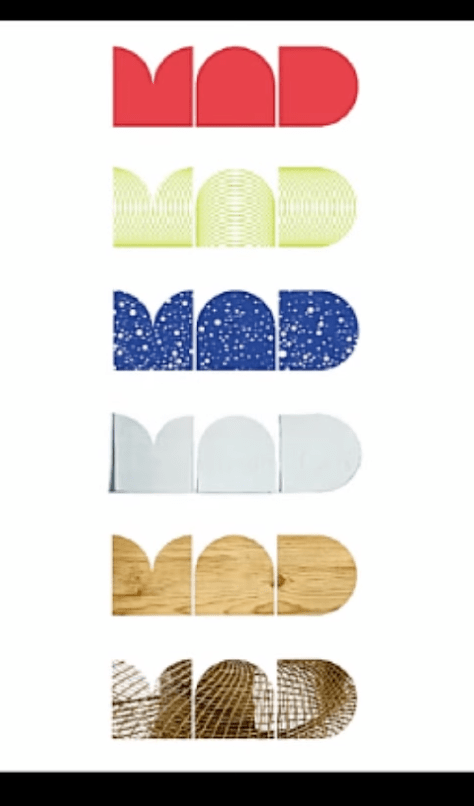
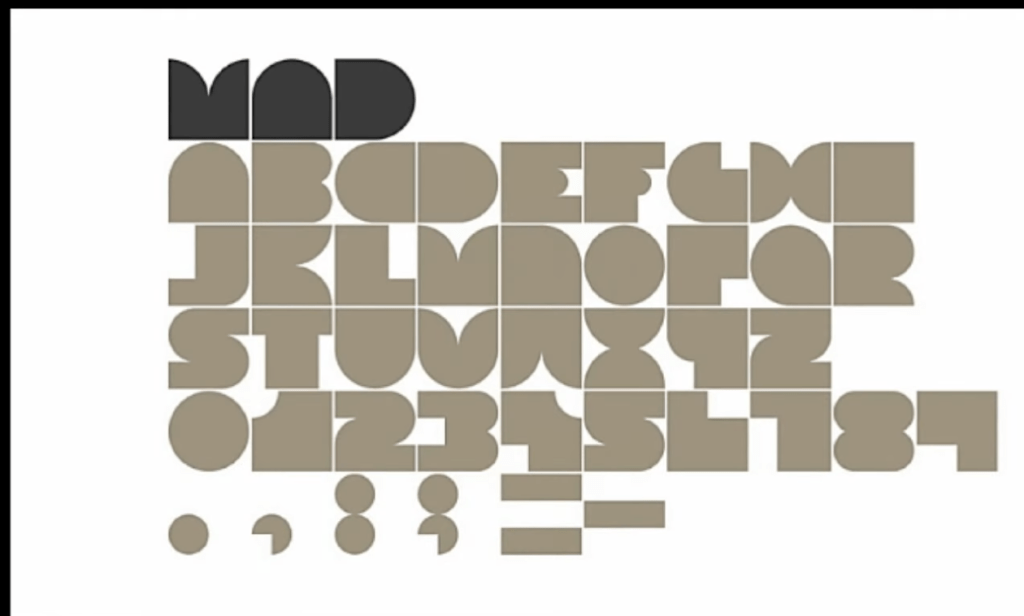
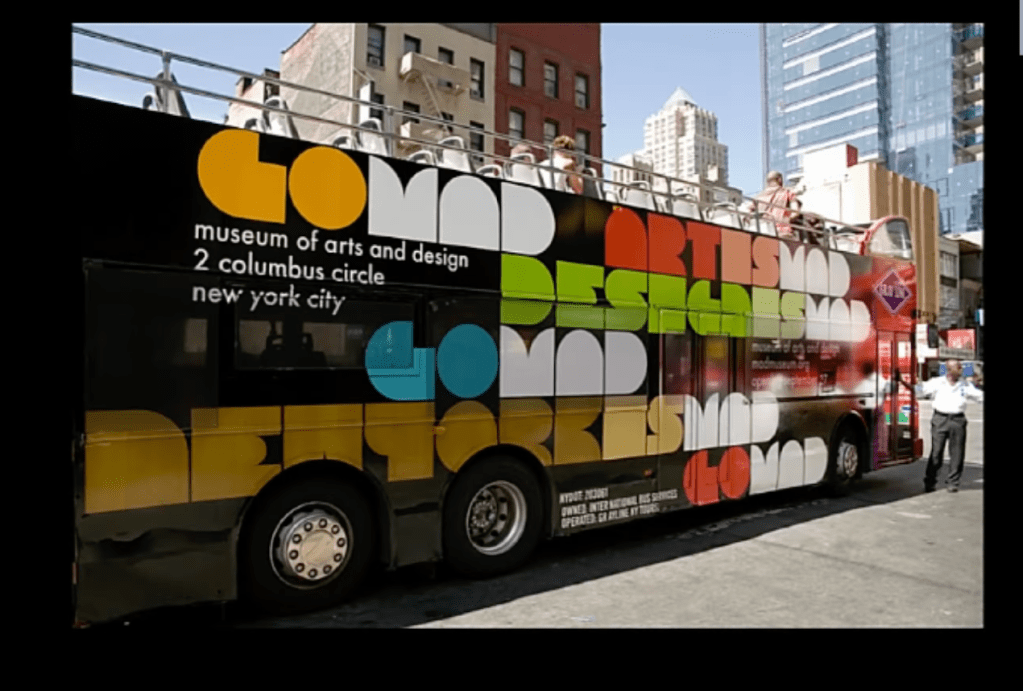
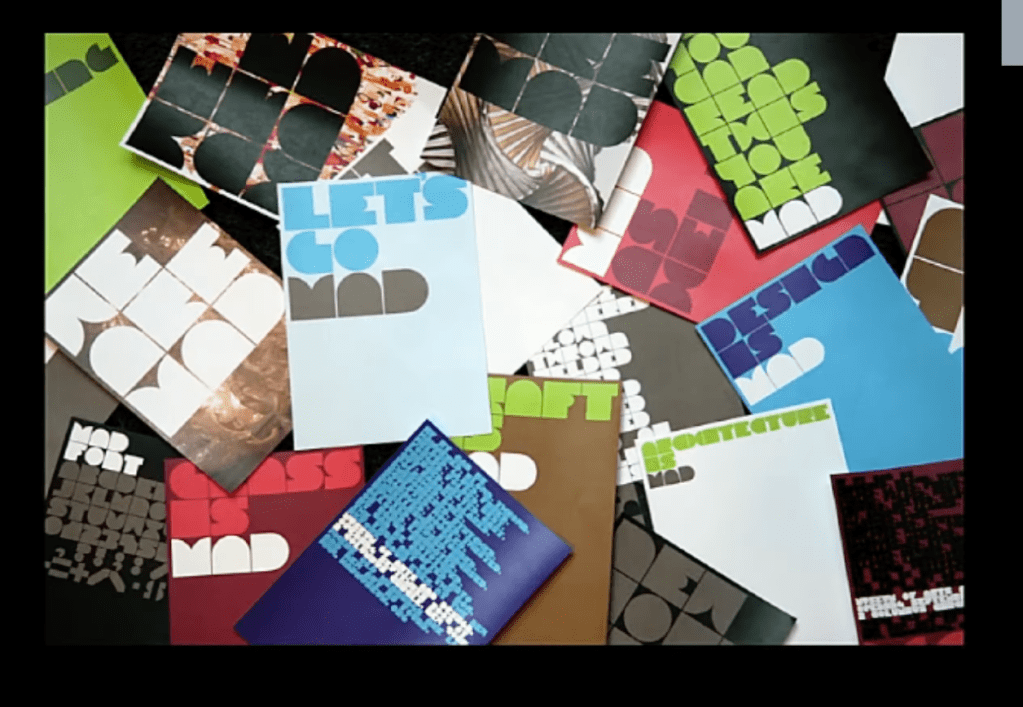



MITPress logo – it is simple, clear and surprising





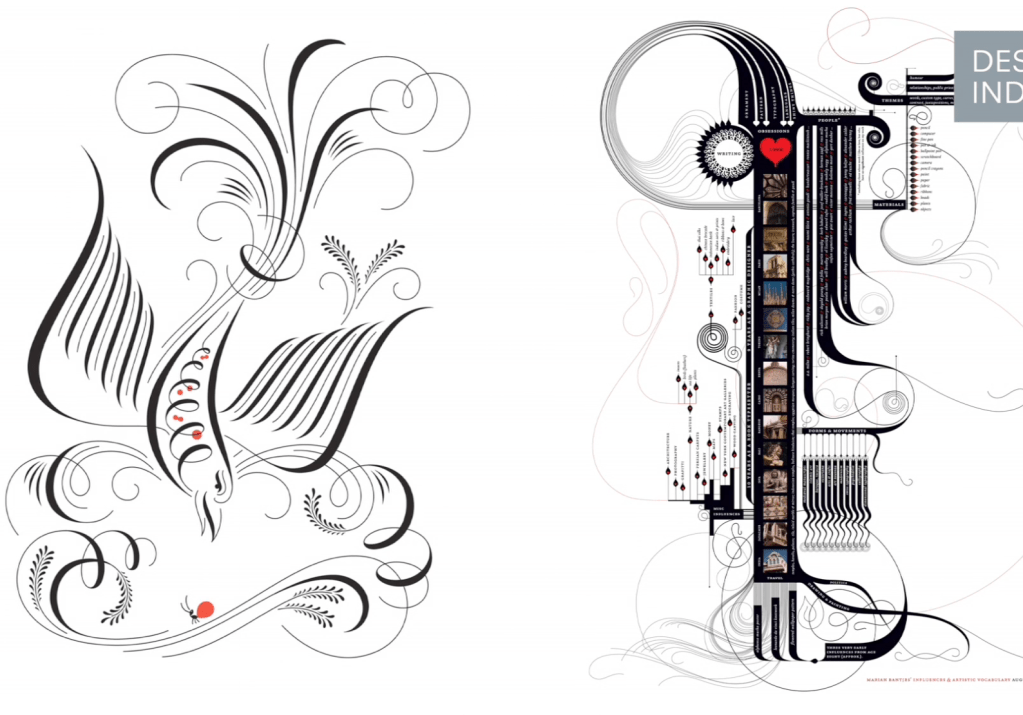
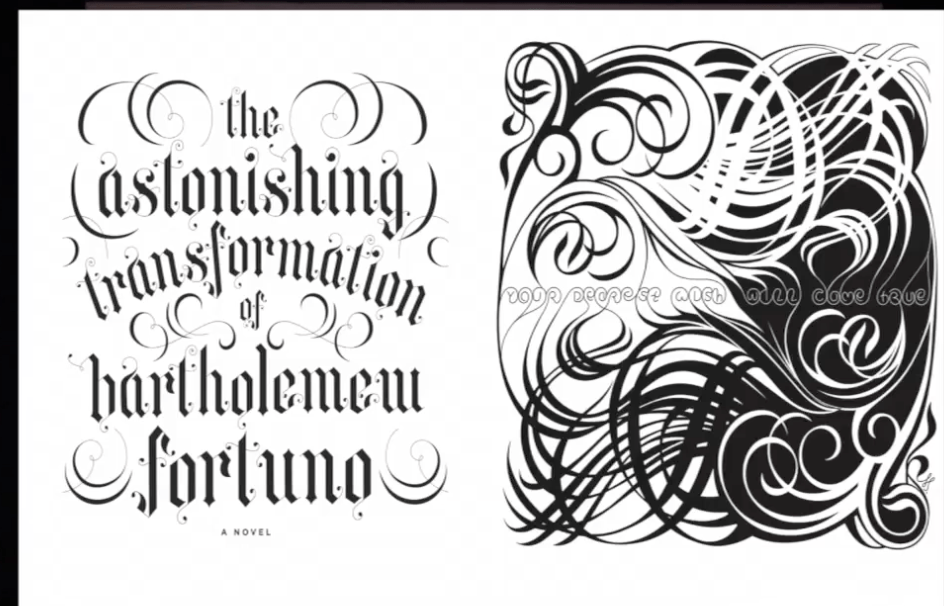
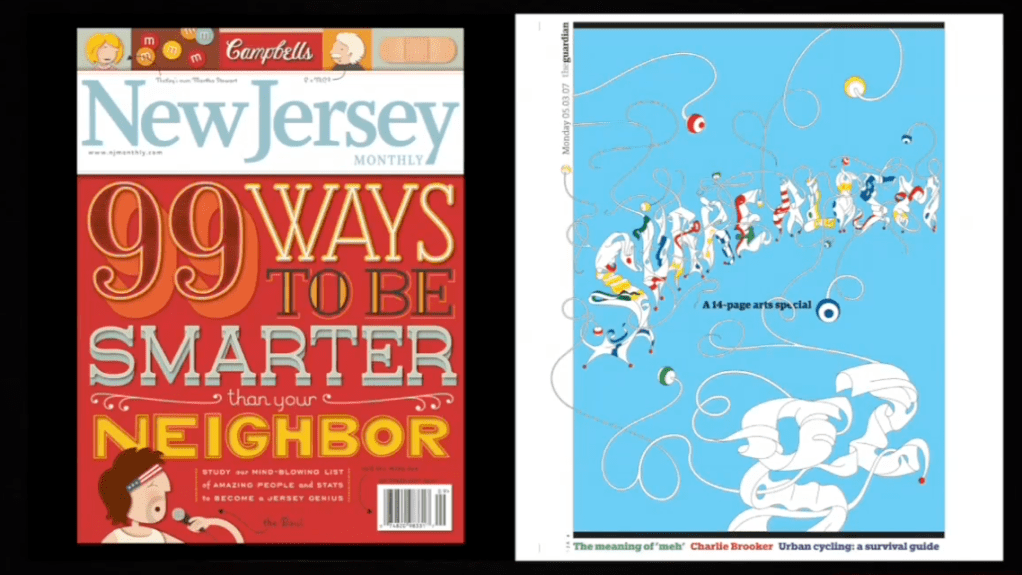
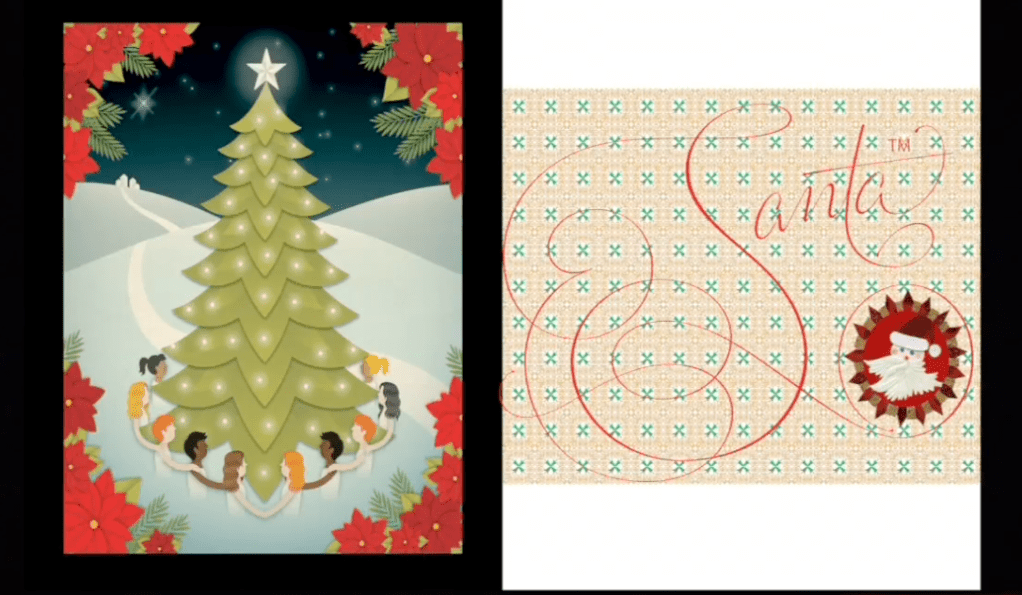
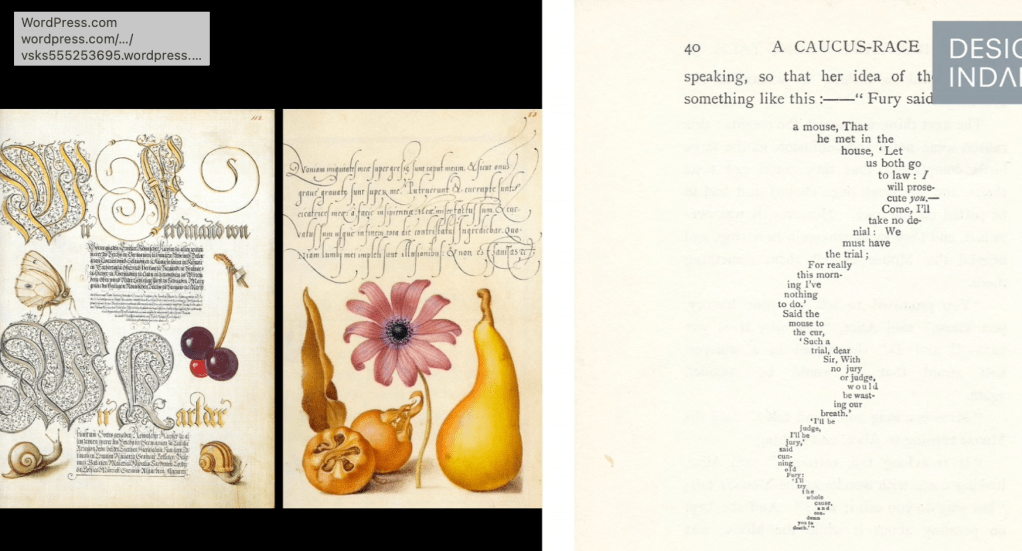
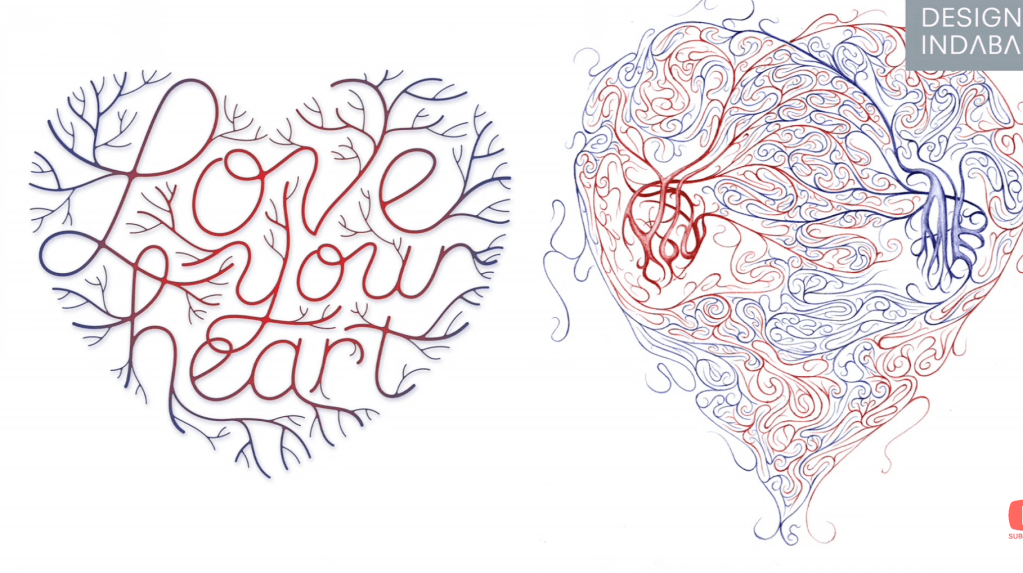
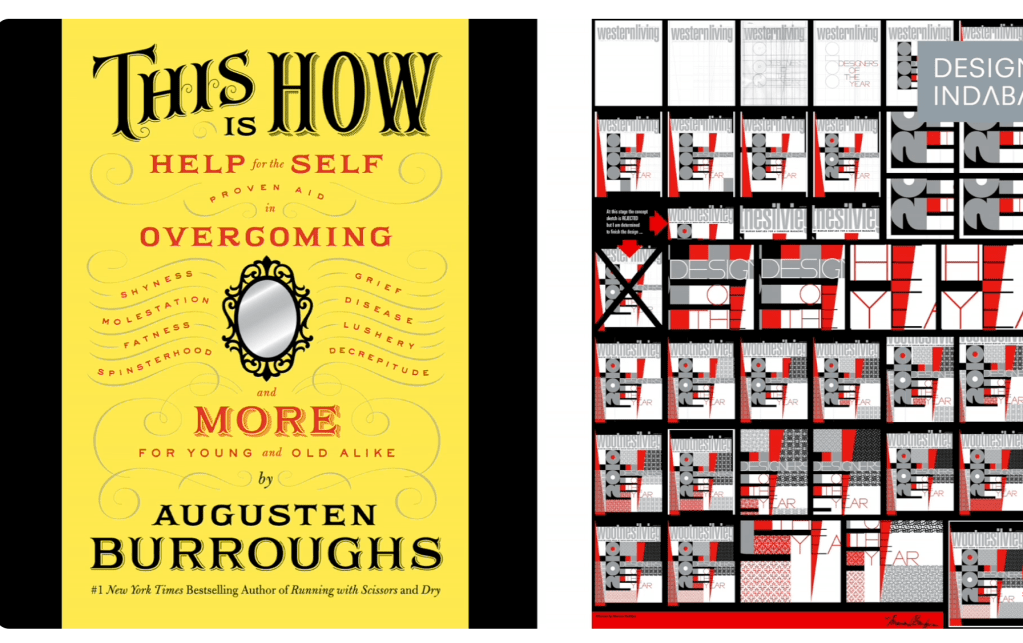
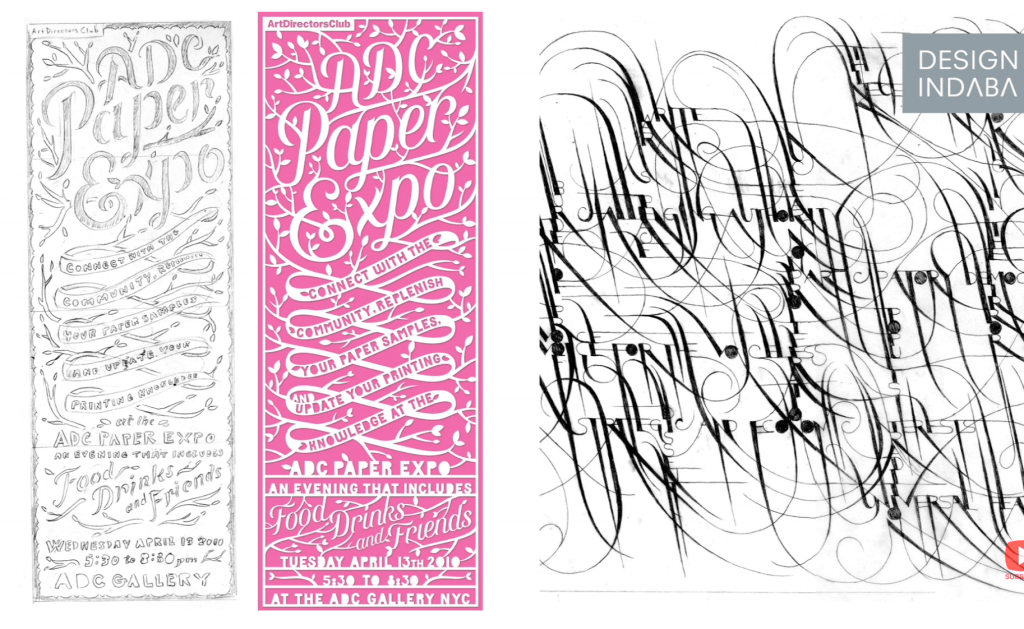
“At Design Indaba Conference 2013, Marian Bantjes and Jessica Hische speak about being accused of “ripping each other off”. A Twitter conversation turned into a real-life conversation when Canadian typographer, designer and artist Marian Bantjes and United States graphic designer and illustrator Jessica Hische shared the stage at Design Indaba Conference 2013.
One Tweeted to the other: “Hey, we could do an awesome collaboration together”. The other agreed. In a dialogue presentation, the designers speak about their education, inspirations, clients and being accused of “ripping each other off”. On the topic of education, Bantjes explains that she is a self-taught designer and often feels as though she missed out on not having a formal design education. “I regret not having a formal education but at the end of the day, education is what you make of it,” she says.
For Hische, education played a fundamental role in her design career. After studying at Tyler School of Art (at Temple Unversity in Philadelphia), she went on to learn further under a series of mentors, including famous graphic designer Louise Fili. “My whole career has been about mentorships,” she says. Feeling as though their work overlaps in terms of things in history that they both believe to be amazing, the duo explain how many of their inspirations are similar. For Hische, inspiration comes in the form of environments and being surrounded by people that have the right energy and enthusiasm. However, for Bantjes, being asked about what inspires her is a pet peeve. “I think the word inspiration is used in the wrong way,” she says. “When people ask me what my inspirations are I think they are referring to what influences arise in my work and what are my resource materials.” On the subject of success, both designers believe that it is not hard to become successful.
The challenge is to stay successful. Obsession is an important thing in becoming successful as a graphic designer or illustrator, says Bantjes. Watch all the talks from Design Indaba Conference on your tablet or smart phone while you’re on the go.”


week 5 – Summarise your creative progress from this week and reflect critically and analytically on your research findings.
Outline your thinking and working processes, elaborate on ideas and visual experiments.
Give consideration to any feedback that you may have received.
 Vicky Kafkaki - Graphic Design MA Falmouth University