This week we listen to how and why collaborative partnerships can result in impact and change. We explored a range of unconventional collaborations, studio models and collectives that represent innovative examples of contemporary design practice today.
Podcast
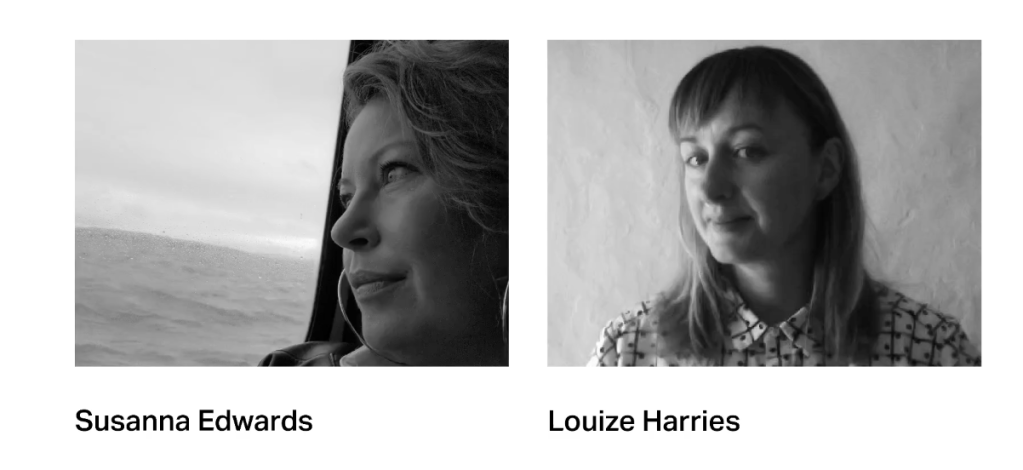
The podcast is with Louize Harries and Susanna Edwards. Louize has background in fashion textiles, more specifically knitting.
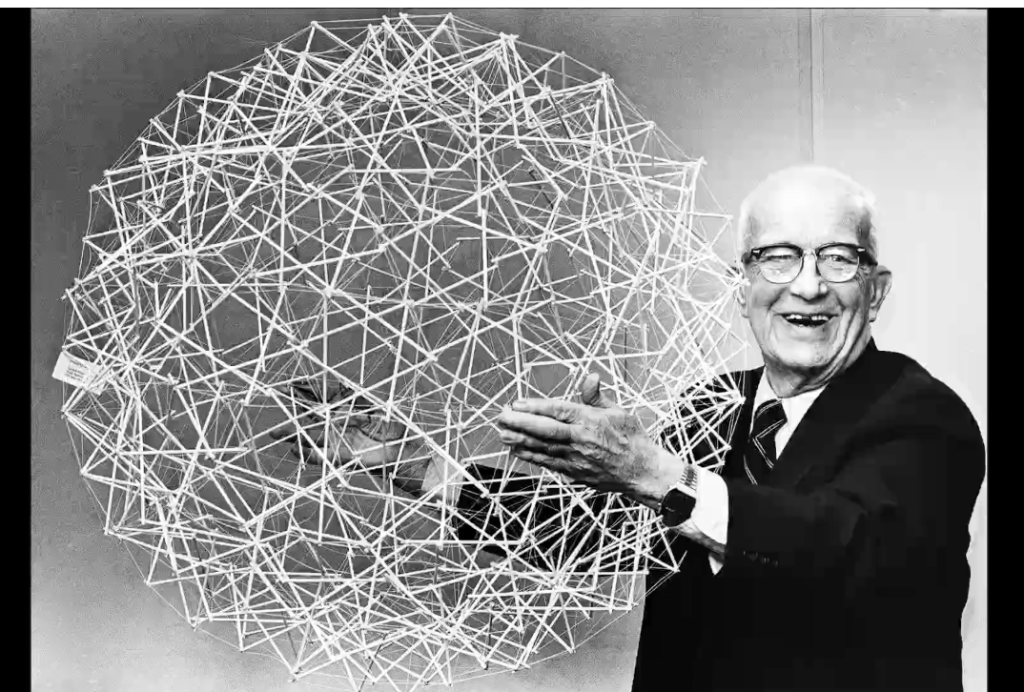
The story about Buckminster Fuller is very interesting – he was in stage of depression because of what happened in his life but he manage to put in the past and start doing more meaningful things for the society. His story is very inspiring – I think it comes to show us that even we have dark periods in our life, we can always find the strength inside us to overcome any obstacles.
“Operating Manual For Spaceship Earth” was published on 1969.
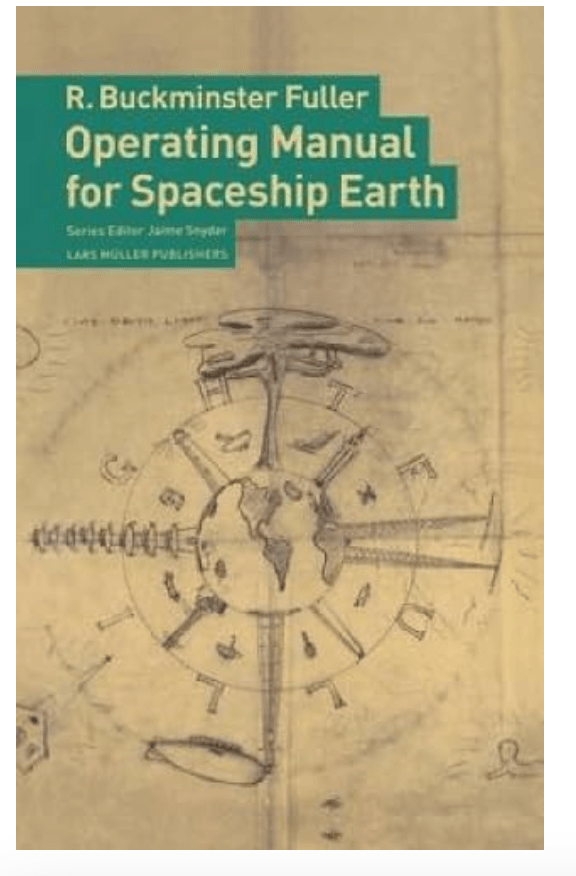
“The book relates Earth to a spaceship flying through space. Noting the lack of any user manual to help Earthians steward this ship, Fuller offers some reflections, prognostications, and guidance, based on contemporary concepts of linked relationships, that may help in the understanding, management, sustainment, and creation of a plan to preserve spaceship earth for the future of humanity. The spaceship has a finite amount of resources and cannot be resupplied.”
Susanne said that “Today we see extraordinary connections made between the arts and science that’s impacted not only on design partnerships, but also new genres of design specialisms, including biodesign, speculative design, service design and technological developments in VR, AR and AI.” I think that is amazing in how many fields the design gets involved.
The drone project (about a reaction to the legal levels of air pollution in London ) between Katie Mae Boyd and Louize Harries is example how important is the collaboration not only between the coworkers but also with experts on other fields and other places (or countries). Luize said that “As air pollution is invisible, we felt it was important to make a visual piece to communicate…
Basically, what we did is we designed a drone that triggered red rain to fall wherever pollution levels rose above the EU legal limits. Today’s pollution is particularly dangerous as it is invisible. It is caused by all the diesel particulates. It gets into your lungs. They’re so small, the pm is below 2.5, which means it can enter into your blood stream and then it effects of all your vital organs.”
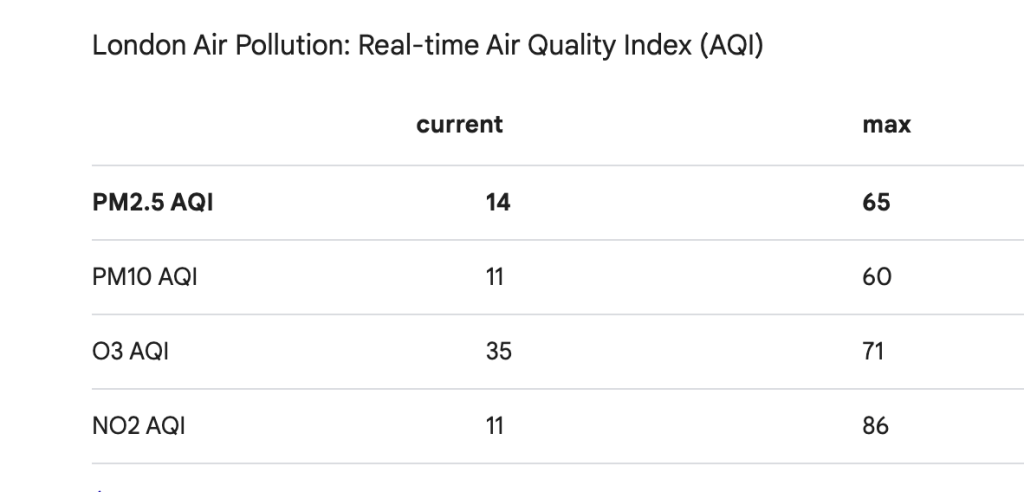
I did some research about the air quality in London today and seems not so bad – I guess the government is working on this issue.
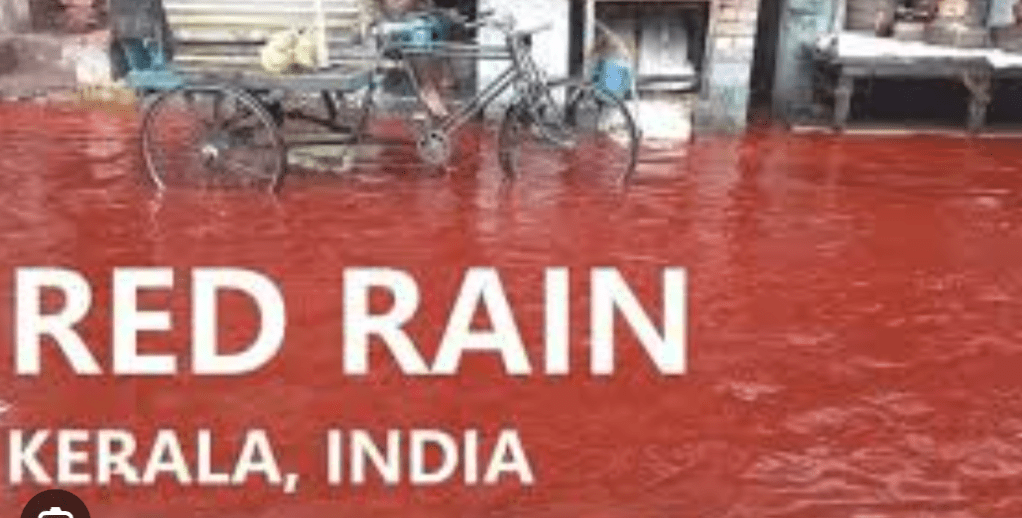
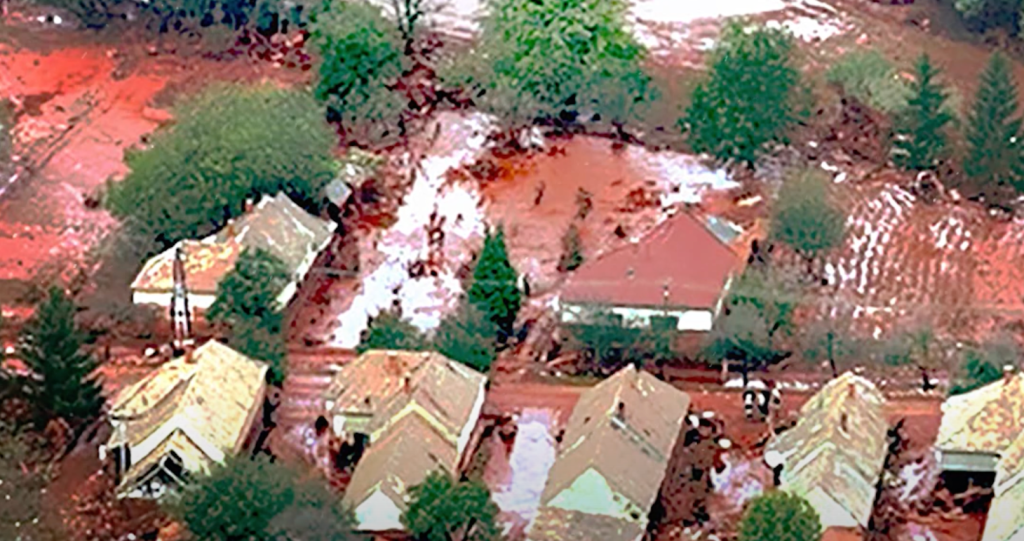
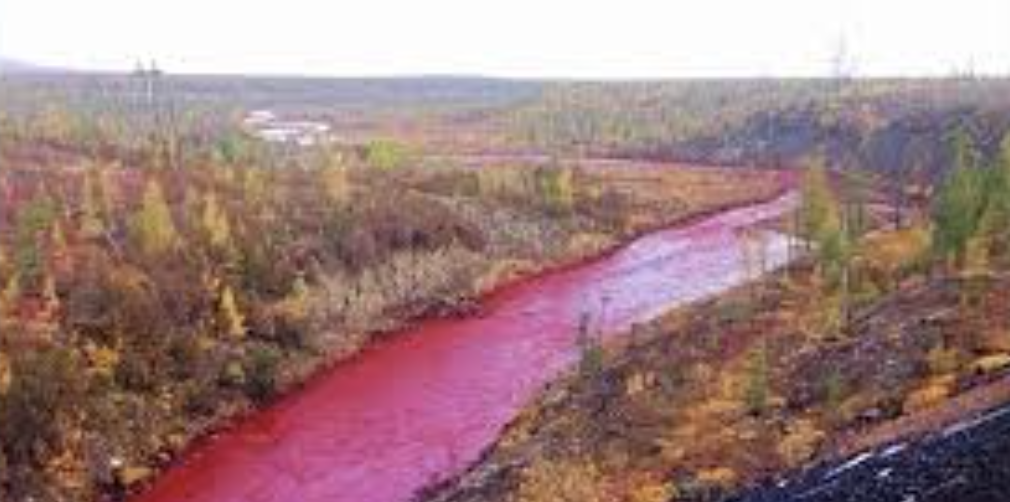
We see how collaboration helps the project to comes to life – with the help of scientist in India, they discover that there actually red rains happens:”The “red rain” phenomenon in Kerala, India, refers to a period of heavy rainfall where the rain appeared red, staining clothes and resembling blood.”
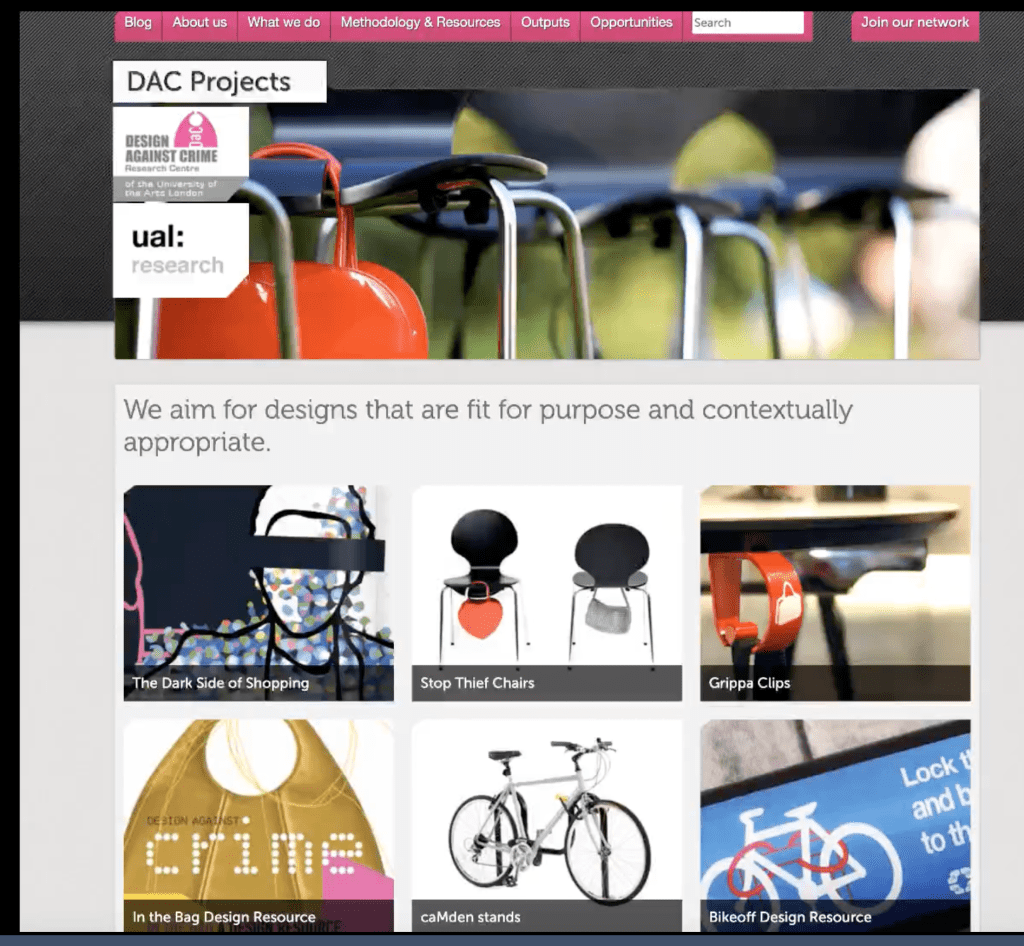
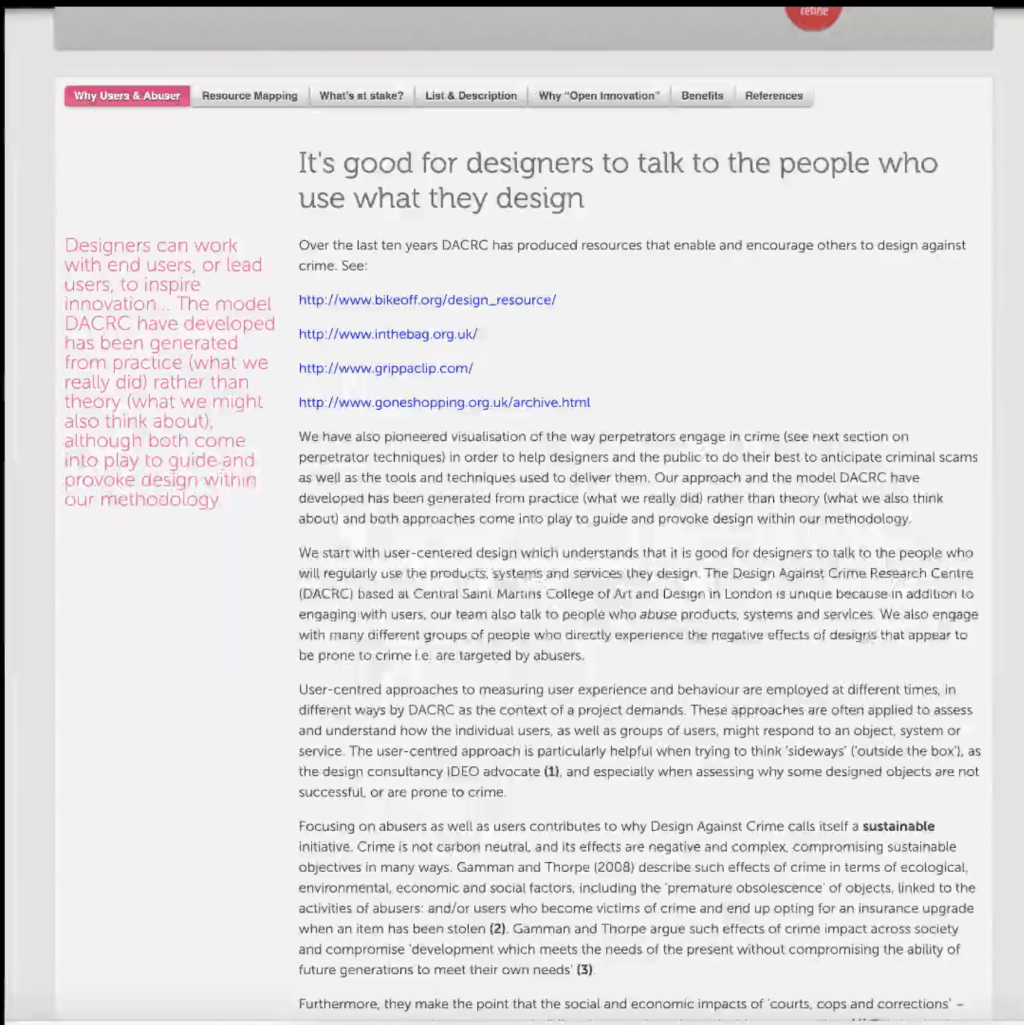
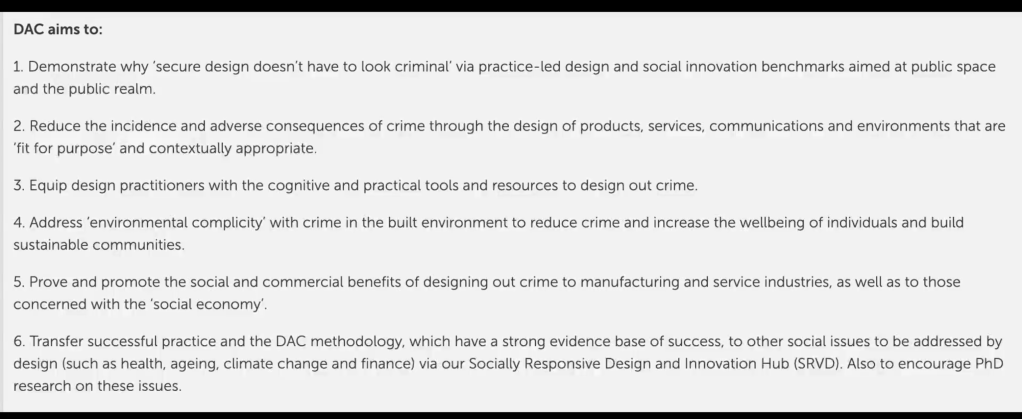
I find very interesting the website for Design against crime
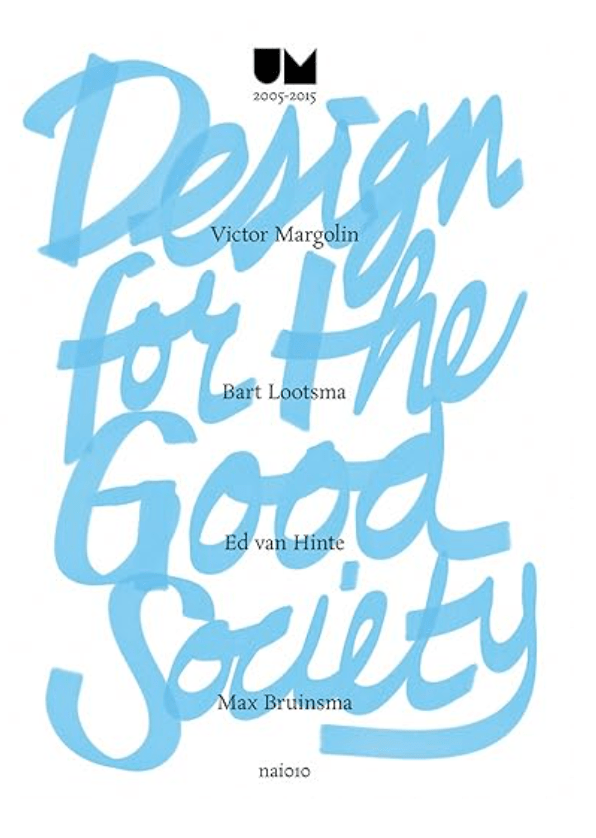
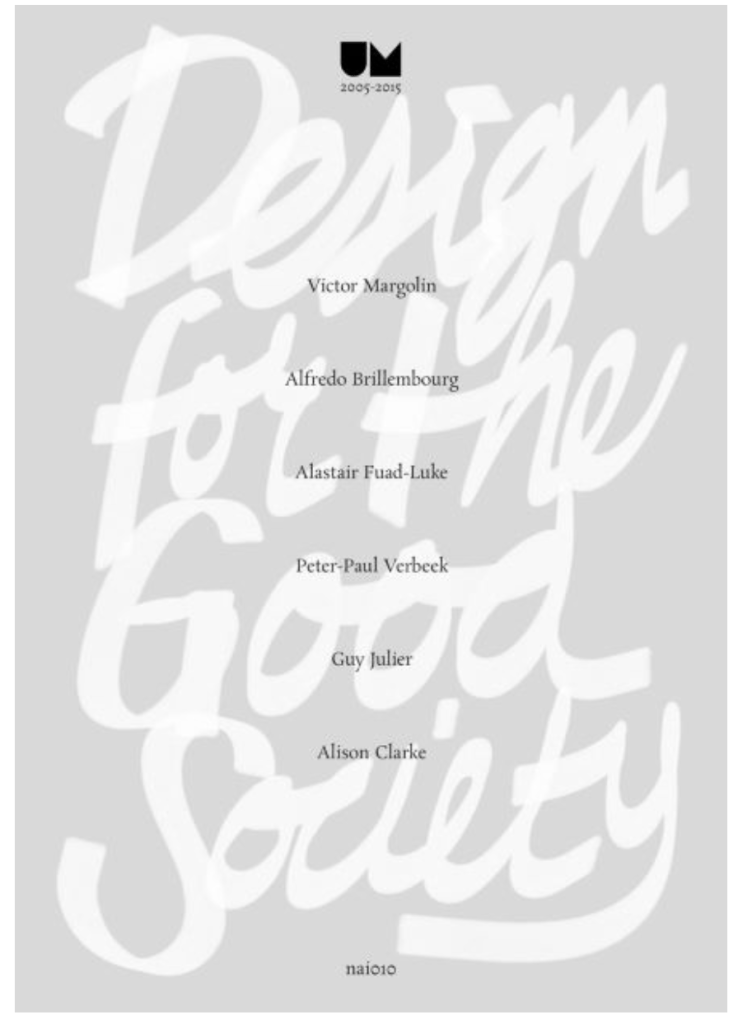
“Design for the Good Society
Utrecht Manifest 2005-2015
This book is the culmination of ten years of critical reflection on engaged design and the relation between design and society. The publication marks the conclusion of five editions of the Utrecht Manifest, the biennial event dedicated to the social aspects of design, which was launched in 2005. Against the background of the five biennials, an agenda for the future is laid out in essays and interviews by leading thinkers and practitioners in the field.
In this book, Victor Margolin, pioneering scholar in the discourse of social design, calls on designers, architects and educators to emulate the work of utopian visionaries such as William Morris, Walter Gropius and Richard Buckminster-Fuller and dare to envision what it takes to design for the Good Society.”
The interesting in this book is that there are examples proving that one person is too little for a important project – the success is determine upon collaboration between people with different expertise and knowledge.
I agree with Susanne that “But people don’t want stuff, they want experience in terms of the idea of retail and consuming in a different way.” I think that this is the selling point for many items on the market.

The textile waste is such a big problem:
“… I started off looking at a textile reclamation plant. In Britain we throw away, oh my goodness its something, exact figure, but it is billions of tonnes a year of clothing, of fabric, which is madness if you think about it. Also, in the next two years were shutting down most of our landfill sites, and at the same time, a lot of other countries, basically, theres no such thing as textile recycling. You cant make up clothes into new clothes. Textiles have to be broken down, its a very long, complicated process but quite often we bury it in landfill, or it gets sent to a different country. A lot of other countries are now refusing to accept it and more landfills are shutting down…”
I got curious about this issue and I did some more research:
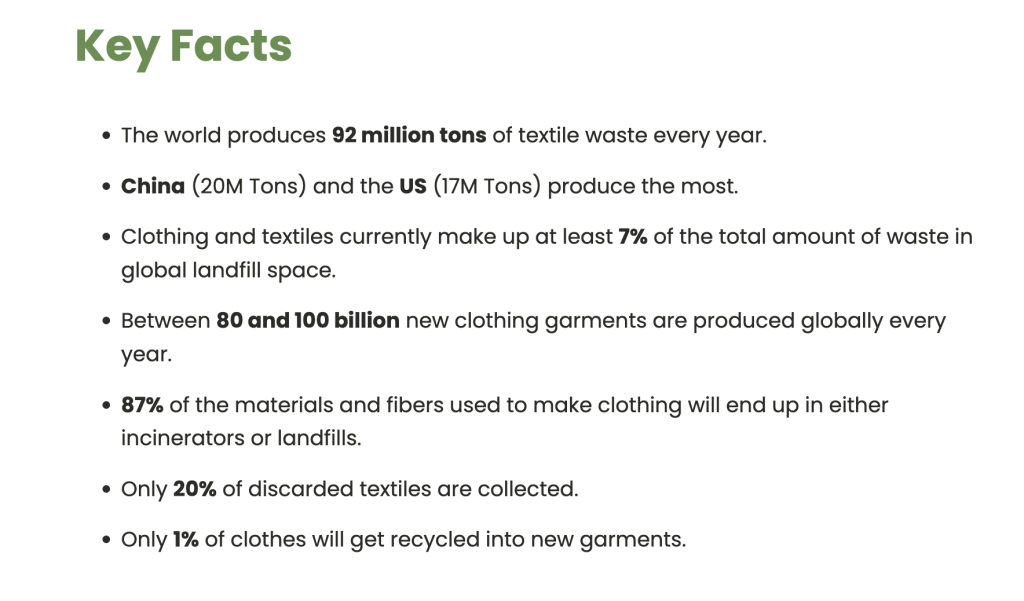
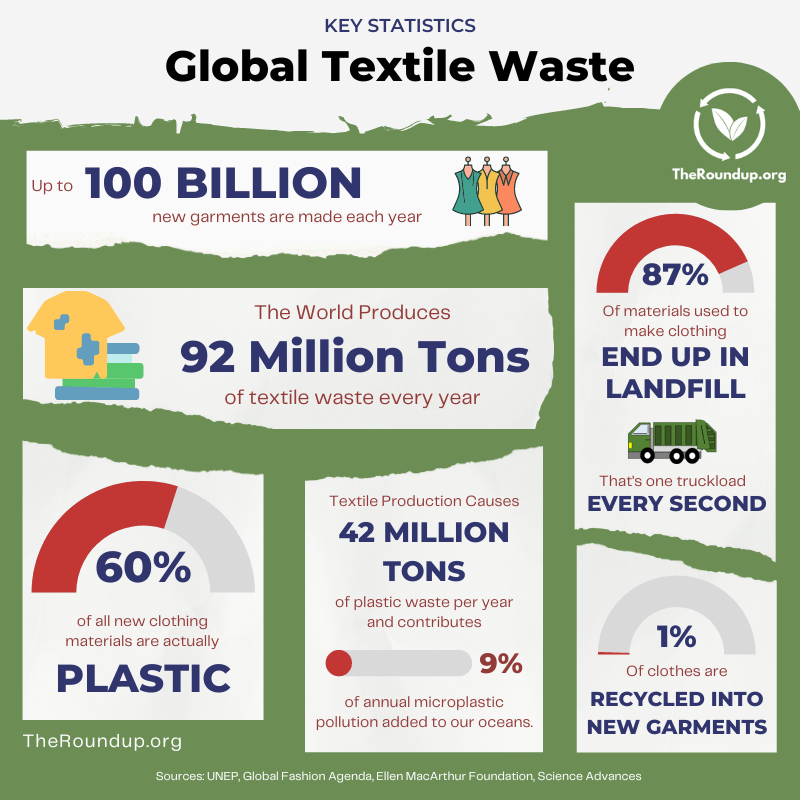
I agree with Louize that “the elephant in the room is consumption.” We tend to buy so many stuff that we don’t’ need!
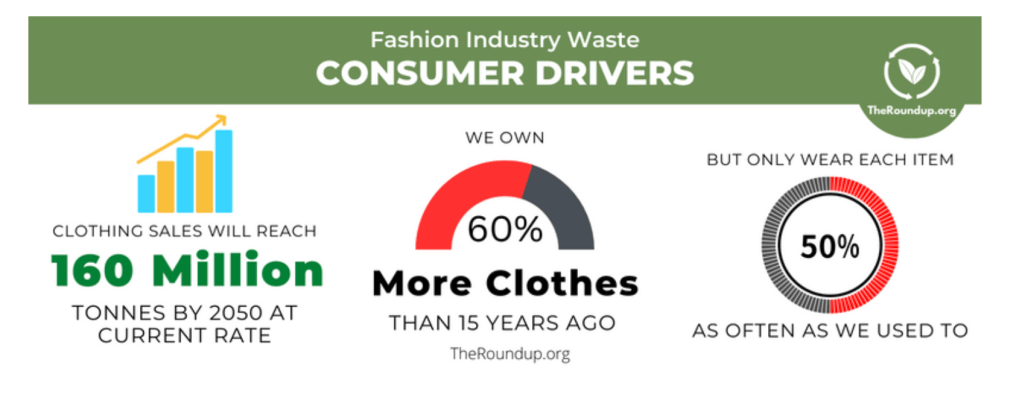
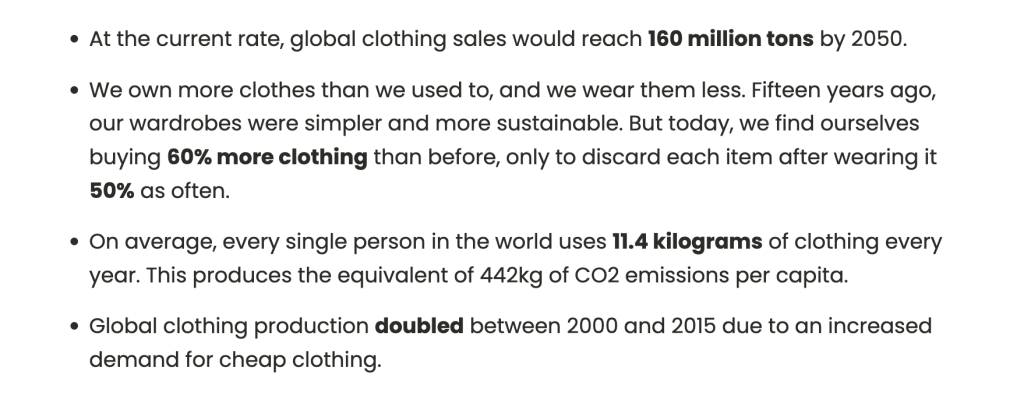
This is unbelievable!!!
So, what we can do?
“The main thing to remember is that as individuals and consumers, we drive the fashion industry. They produce what we buy, so by changing our habits we can force the textile industry to reduce fashion waste and produce more sustainable fashion…The production of textiles requires significant amounts of resources, including water, energy, and raw materials. When clothing is discarded instead of being reused or recycled, these resources are wasted.”
We should buy secondhand or recycled clothing, and sell or donate what we don’t need.
Neuromarketing aims to analyze the brain’s responses to marketing stimuli like advertisements, product packaging, and branding, in order to gain a deeper understanding of consumer preferences, motivations, and decision-making processes.
https://openpolicy.blog.gov.uk/category/policy-lab/
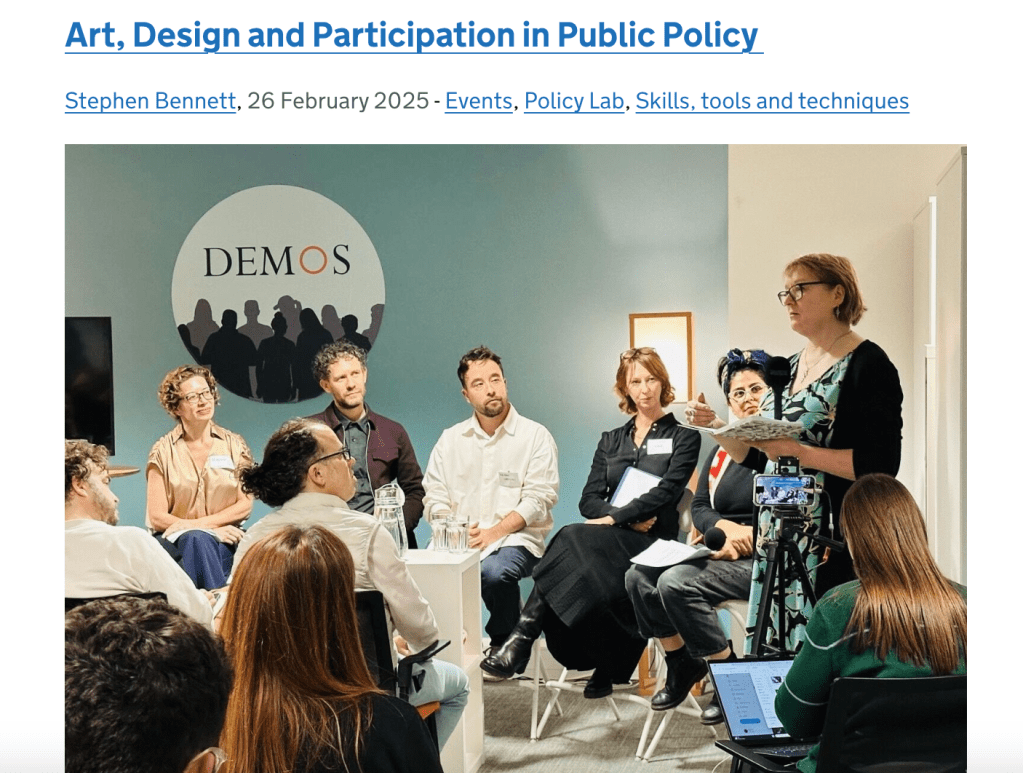
“Policy Lab mission is to radically improve policy making through design, innovation and people-centred approaches.”
https://www.amazing-designers-holiday-on-the-wonderful-island-of-gotland.com/
I looked at their project – they are interesting – especially the one for the bus stop
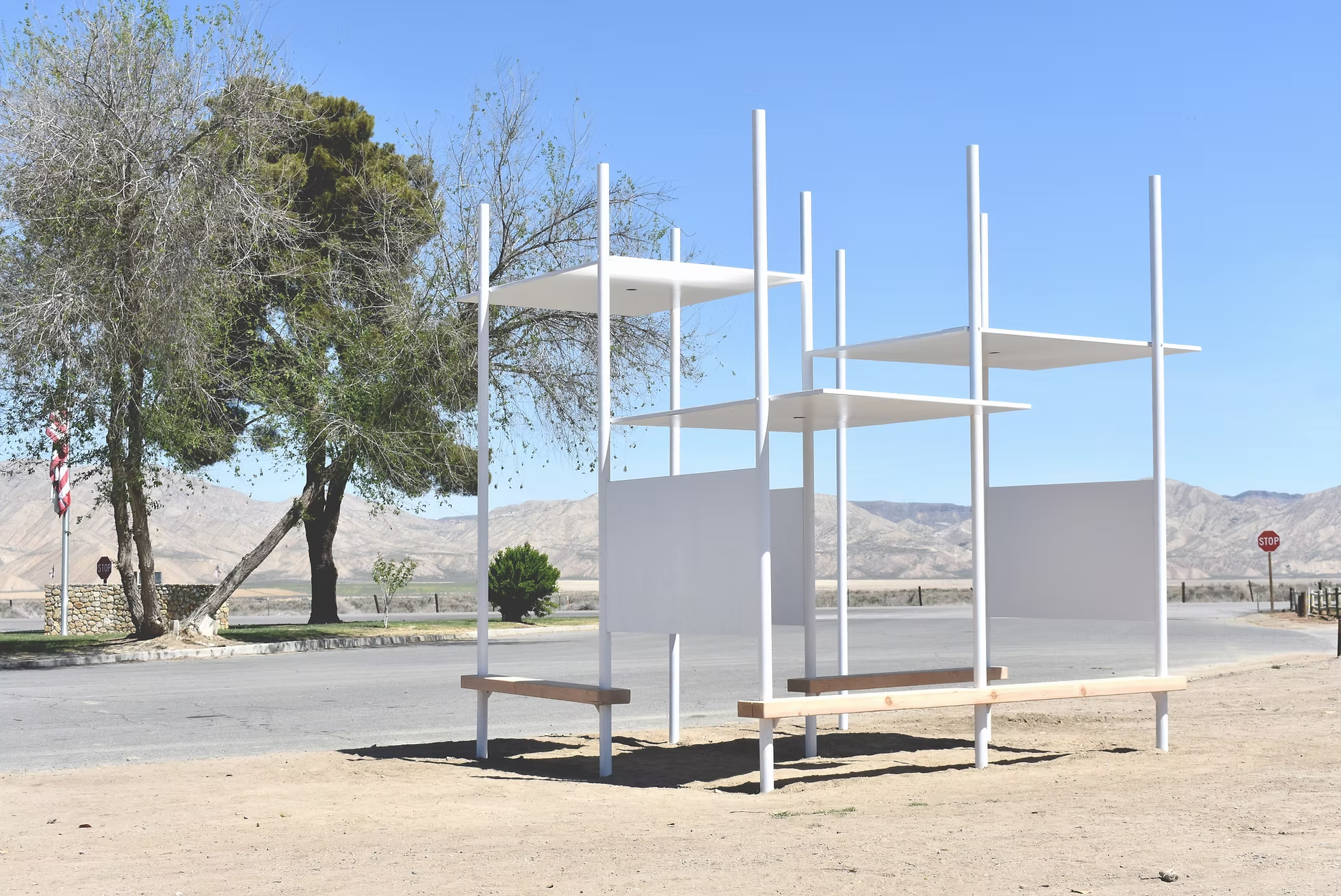
“DESERT BUS SHELTER
A part of the Blue Sky Center’s 5-5-5 residency in the high desert of California, this bus shelter was built for the 531 residents of New Cuyama. Until April 21st 2018 the town did not have a single bus shelter for children waiting for the bus in 100F+ of heat in the winter and 60mph+ winds and rain in the winter.
The shelter was fabricated using re conditioned oil pipes left behind from the oil industry that formed the rural town in the early 1950s and supplemented with other materials purchased with funding acquired by the Blue Sky Center.
Photos: Designers on Holiday “
https://community.preciousplastic.com/academy/intro.html
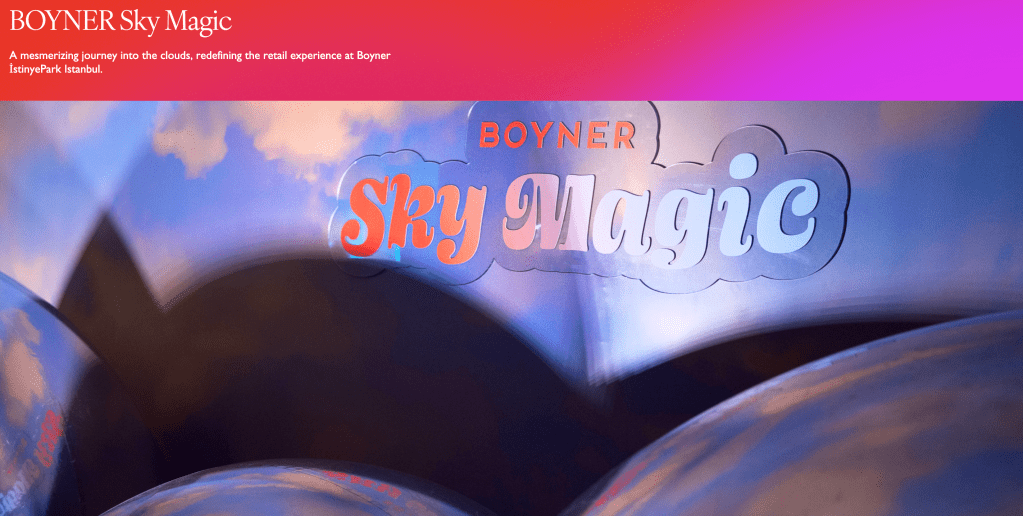
“An immersive, dreamlike encounter
Istanbul, 2024: Boyner Büyük Mağazacılık unveiled its reimagined store at İstinyePark Istanbul, introducing Sky Magic—a visionary fusion of fashion, lifestyle, art, and technology. Designed by Bompas & Parr, the launch event invited guests to step into a world where clouds became tangible, jelly embodied mystery, and the impossible became reality.
The experience unfolded as a voyage through interactive weather-inspired moments. Guests wandered through the Rain Room, inhaling the scent of fresh rainfall, and touched ethereal clouds, crafted to blur the line between imagination and reality. Each element—whether a jelly mirroring the mystique of the sky or an all-weather menu—was designed to spark wonder and delight.
The grand reopening welcomed leading figures from fashion, business, and retail to explore Boyner’s dynamic new space, spanning six thousand square meters. Redesigned by Toner Architecture, the store featured exclusive collections, artist collaborations, digital experience points, and sensory-driven spaces like a nail art bar and coffee areas.
Blending technology with enchantment, Sky Magic redefined retail as an immersive, ever-changing journey—where the skies come to life, and the unexpected awaits at every turn.”
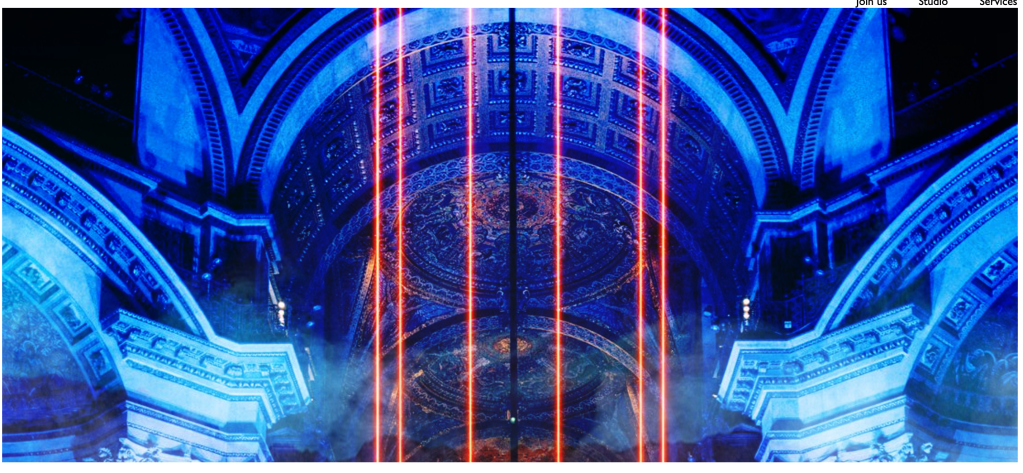
“Coming Soon: A vital new chapter of our Future of P-Leisure series
London, Tuesday 8 July, 2025: Bompas & Parr will present a vital new chapter of their Future of P-Leisure series, diving into the uncertain future of nightlife.
P-Leisure reimagines pleasure in the public realm – from museums to placemaking – and now turns to nightlife for the latest findings around what we do together in public. As 65 clubs closed in 2024 alone, this timely and urgent discussion is framed to decipher the emerging new forms of togetherness and ‘public leisure’.
Friends, experts and collaborators come together for an energising evening of insights and bold interventions asking what is next for nightlife. Drawing on cultural research and collaborative storytelling, this chapter of P-Leisure continues Bonpas & Parr’s mission to map how we gather, party and connect in the 21st century.”
“The University of the Underground is a free, pluralistic and transnational university based in the basement of nightclubs- with headquarters in Amsterdam and London- and actively working with both institutions and nightlife to modify power structures through events, engineering situations and experiences from within, whilst supporting and empowering countercultures-long term. As a charity, we support unconventional and decolonial research and experimental practices that apprehend and challenge the formulation of culture, the manufacture, and commodities of knowledge.”
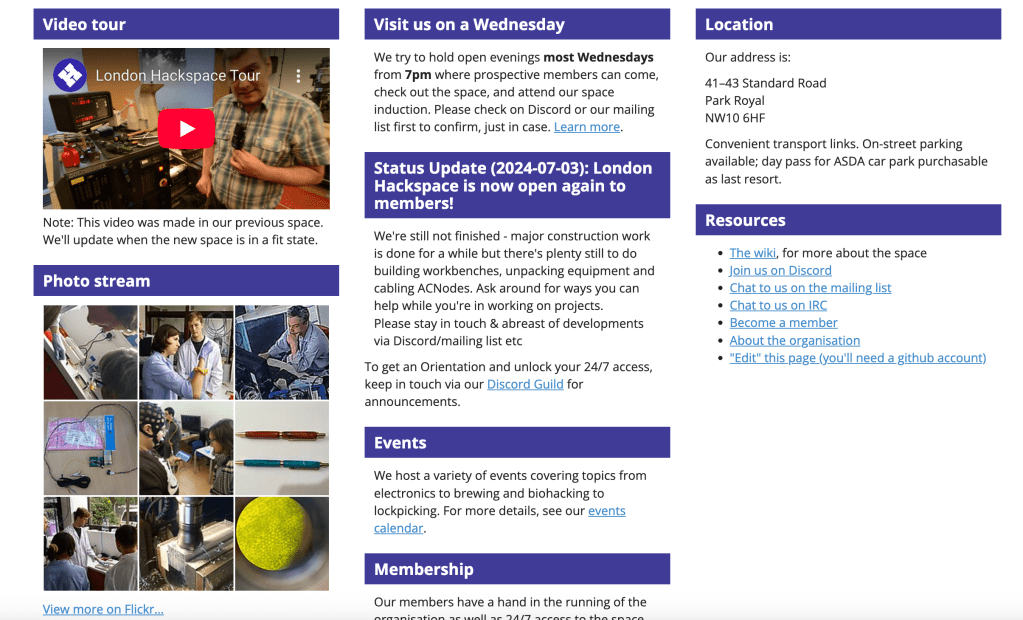
https://london.hackspace.org.uk/
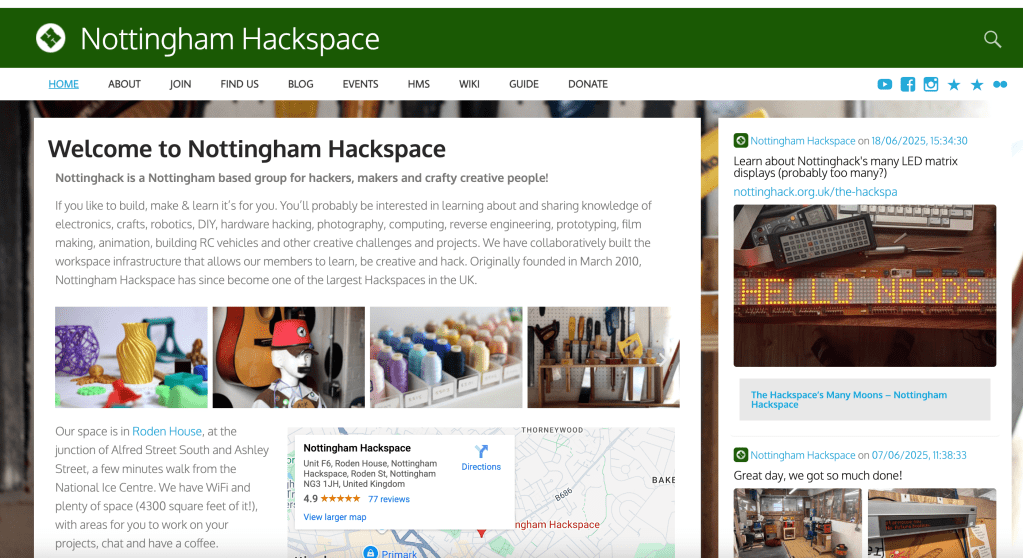
A non-profit hackerspace in London: a community-run workshop where people come to share tools and knowledge.
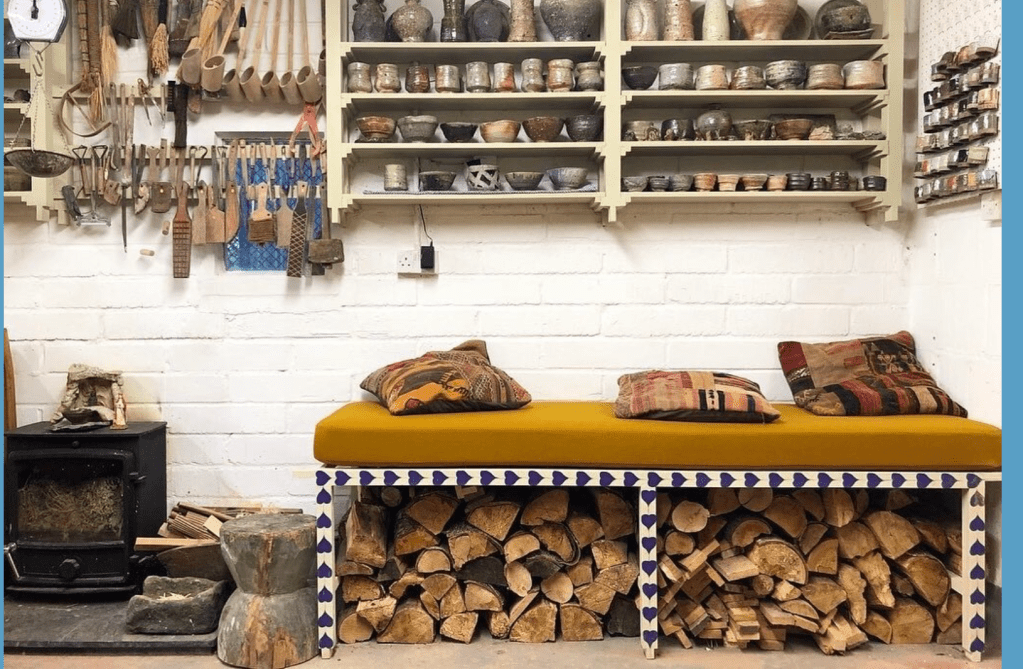
http://createlondon.org/new-projects/
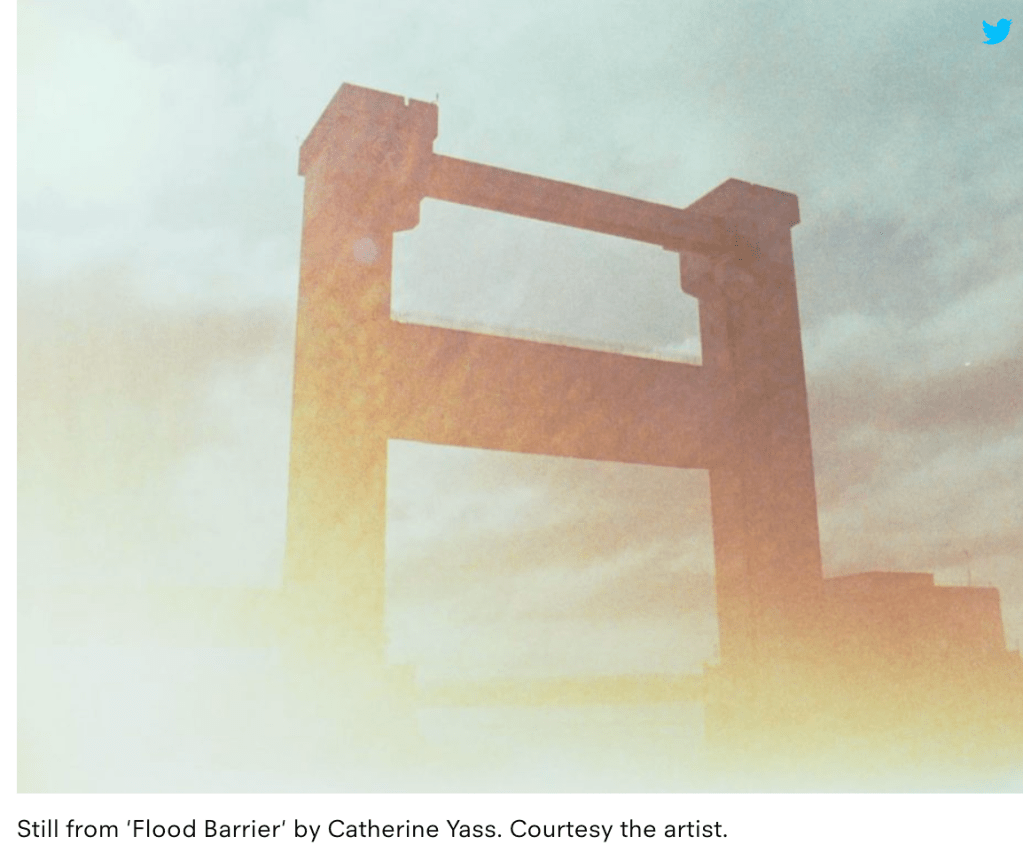
“A huge guillotine-like structure poised above the water, Barking Creek Flood Barrier has taken on a new and urgent significance in our fight against the climate crisis; with flooding in East London now predicted to become routine over the coming years (Climate Central environmental study, 2021).”
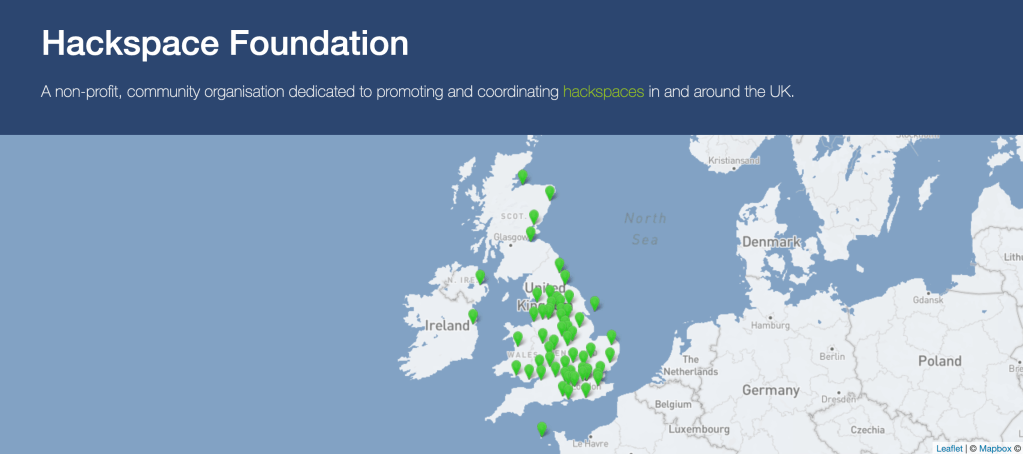
“Hackspaces are places you can visit to meet people, learn, socialise, and collaborate. A place to make your own projects a reality or help others with theirs.
There is a rich tradition of hackspaces worldwide. In January 2009, the Hackspace Foundation was formed in response to the lack of hackspaces in the UK. Since then, we’ve helped many groups create their own spaces.”
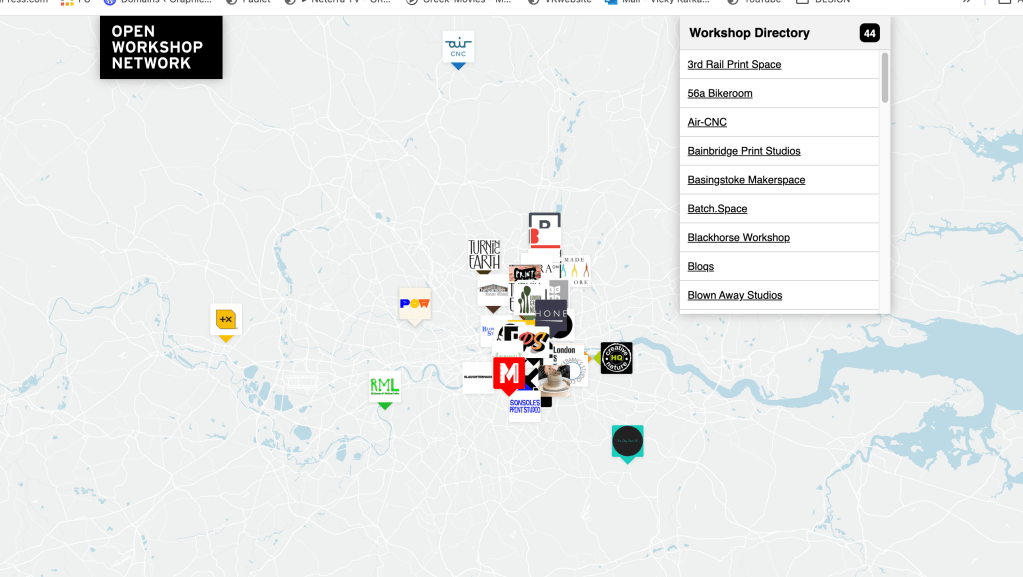
https://norwichfarmshare.ooooby.org/
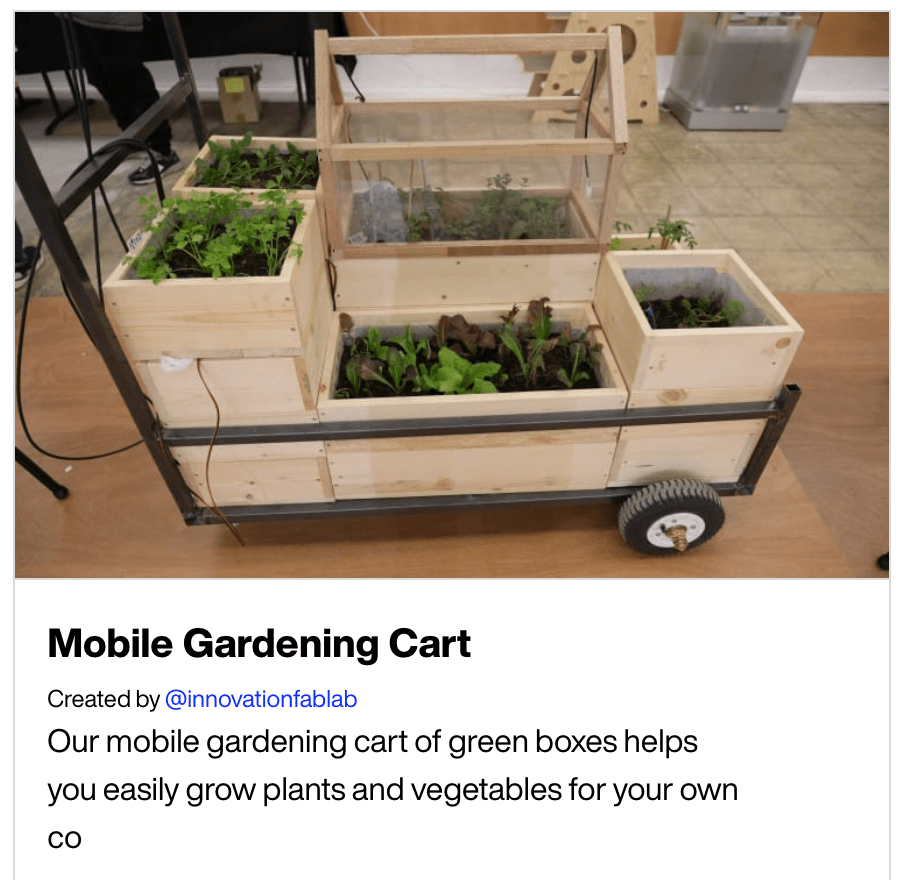
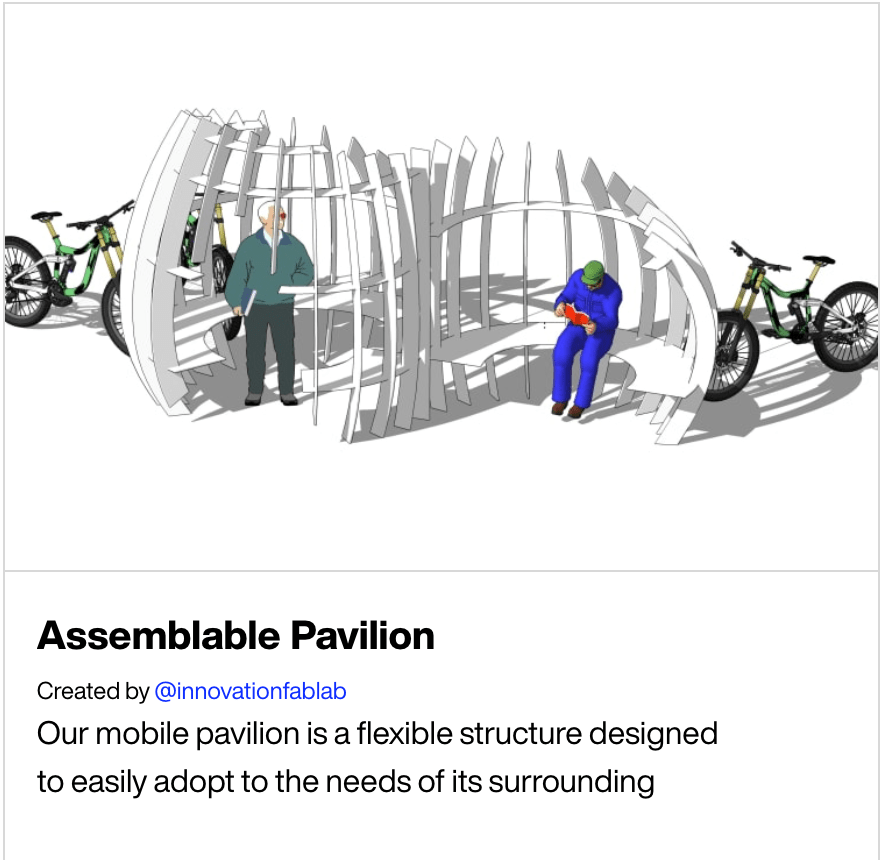
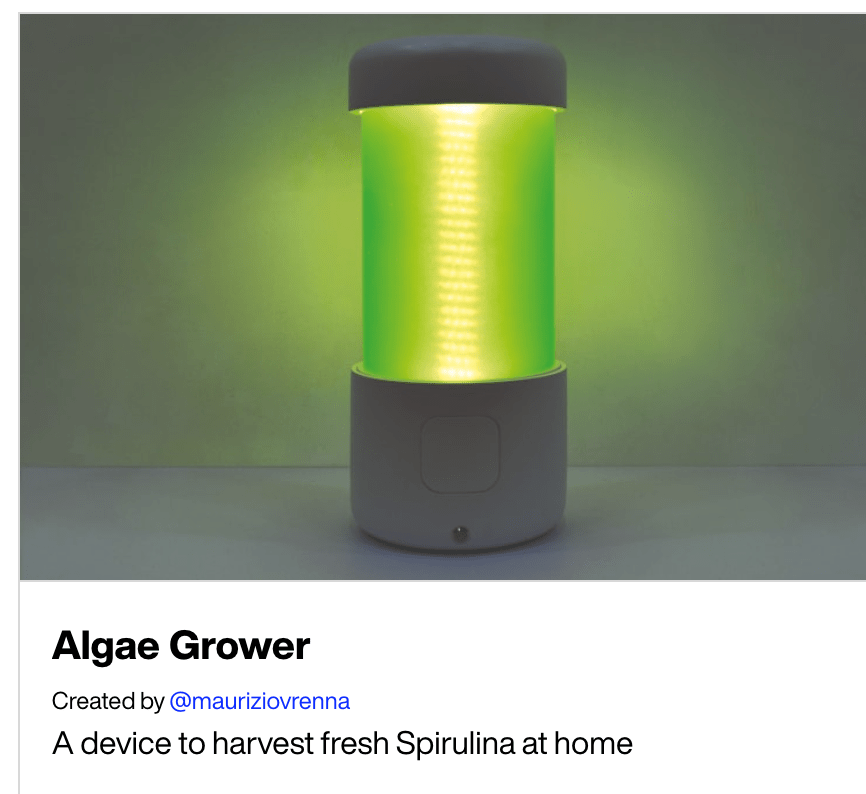
https://www.clear-village.org/category/machinesroom
https://schoolofthedamned.tumblr.com/
https://www.itsnicethat.com/articles/brighten-the-corners-annual-report
The website when you open it looks like this:
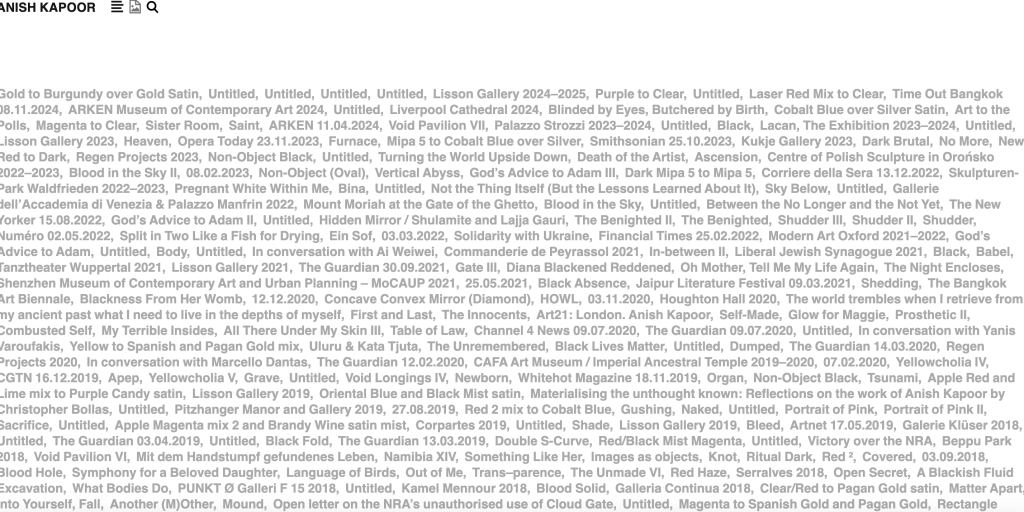
Once you click on work the projects name become red – this is so unique:
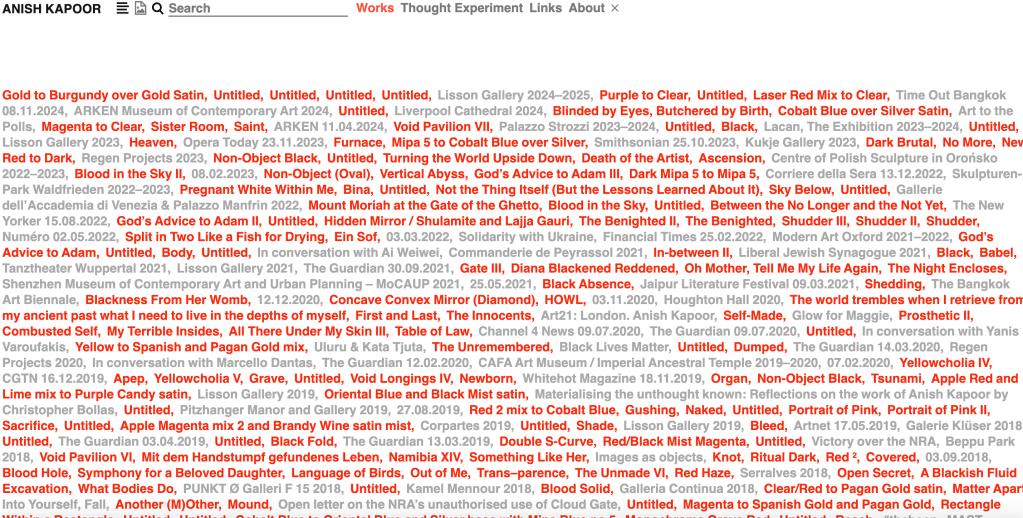
and when you click on each one of them, takes you to more information about it.
https://www.itsnicethat.com/articles/brighten-the-corners-anish-kapoor
“Troika is a London collective founded by Eva Rucki, Conny Freyer and Sebastien Noel who are widely known for their experimental practise, sculptures, installations and projects that provoke and employ a cross-disciplinary approach and intersect between sculpture, architecture, and contemporary installation.
They met while studying at the Royal College of Art and subsequently started their studio in 2003.”
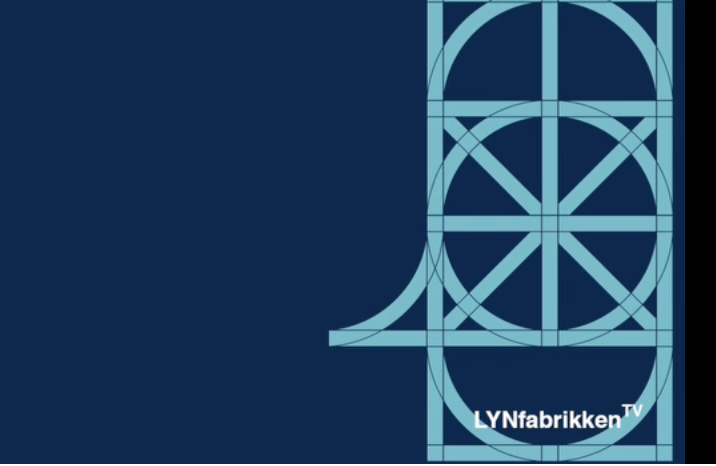
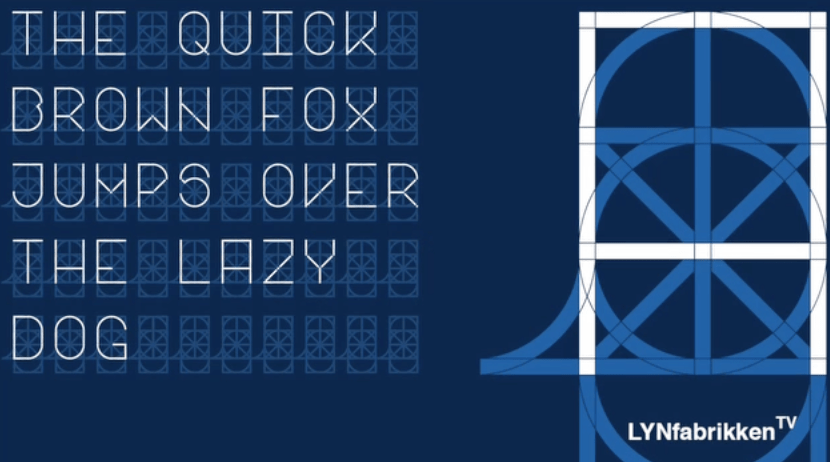
It is very interesting how they create the display of letters – they have a base with a shape that can produce any letter.
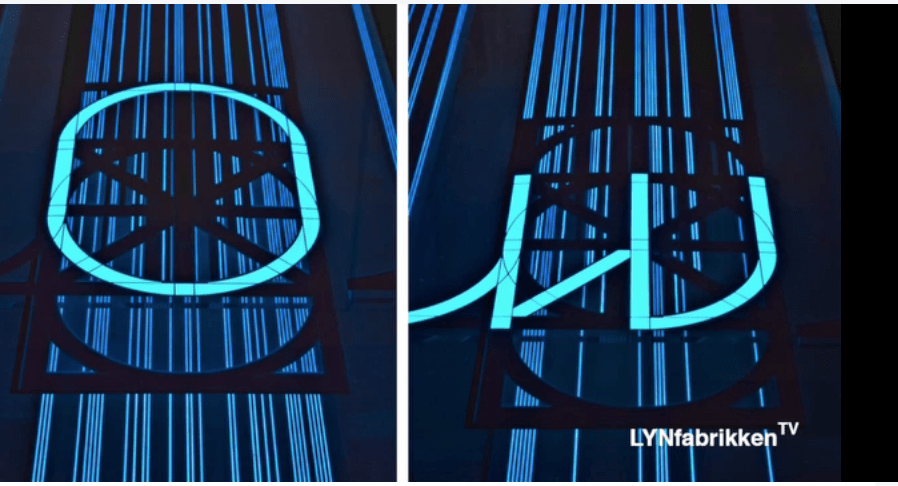
https://www.dandad.org/awards/professional/2009/digital-installations/17640/cloud/
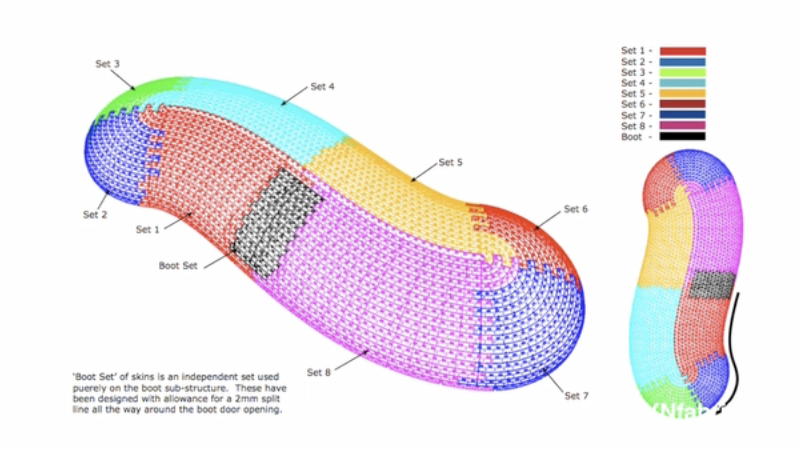
The project they did for the London airport took them 8 months but is amazing.
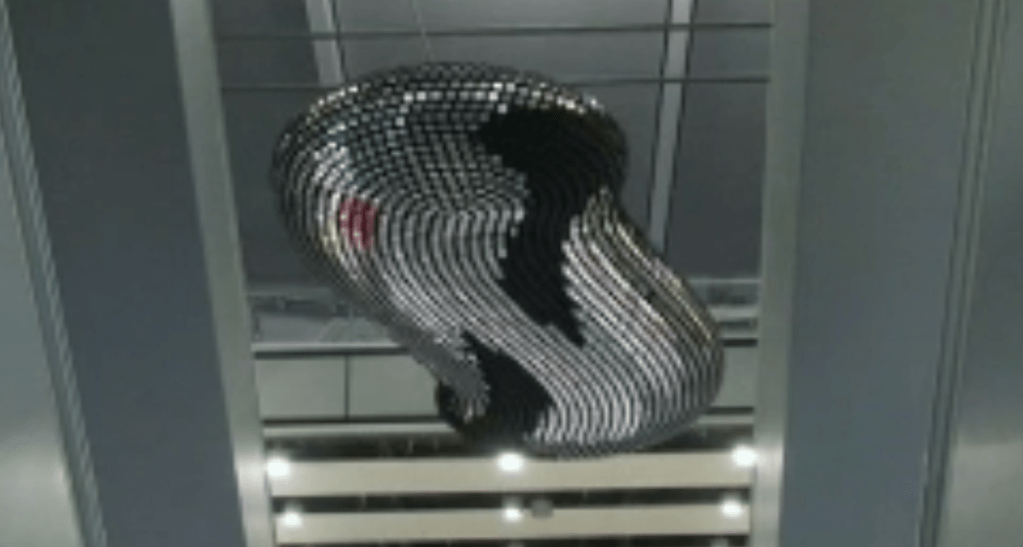

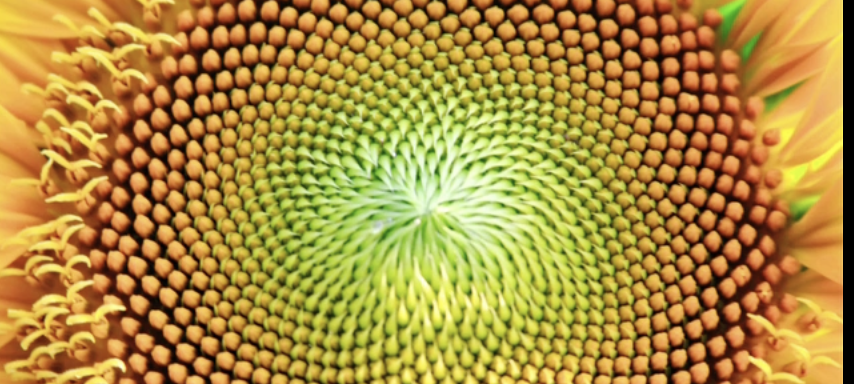
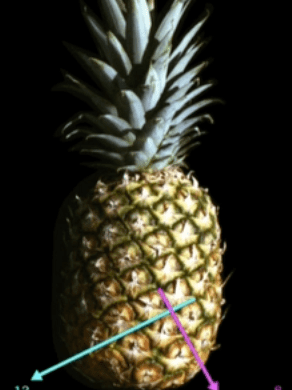
They took inspiration from the sunflower and the pineapple’s shape.

https://www.offshorestudio.ch/
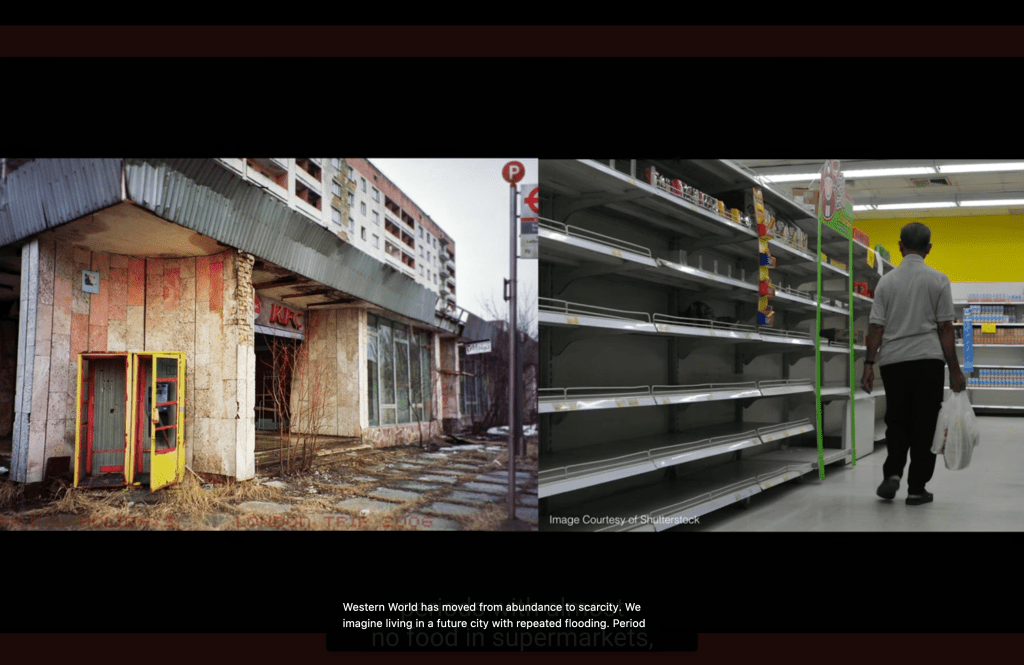
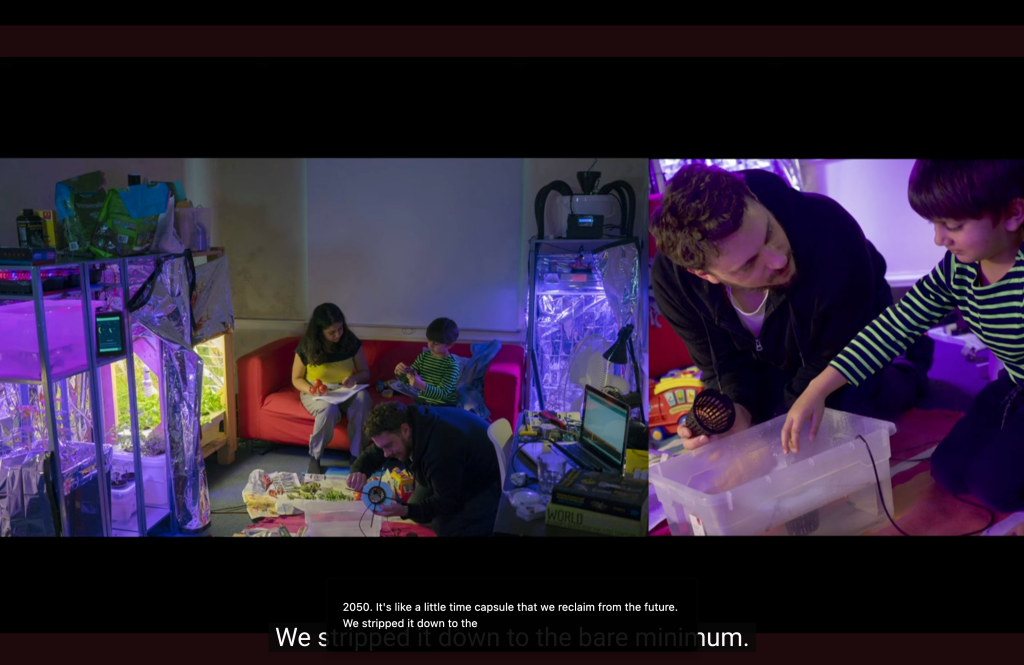
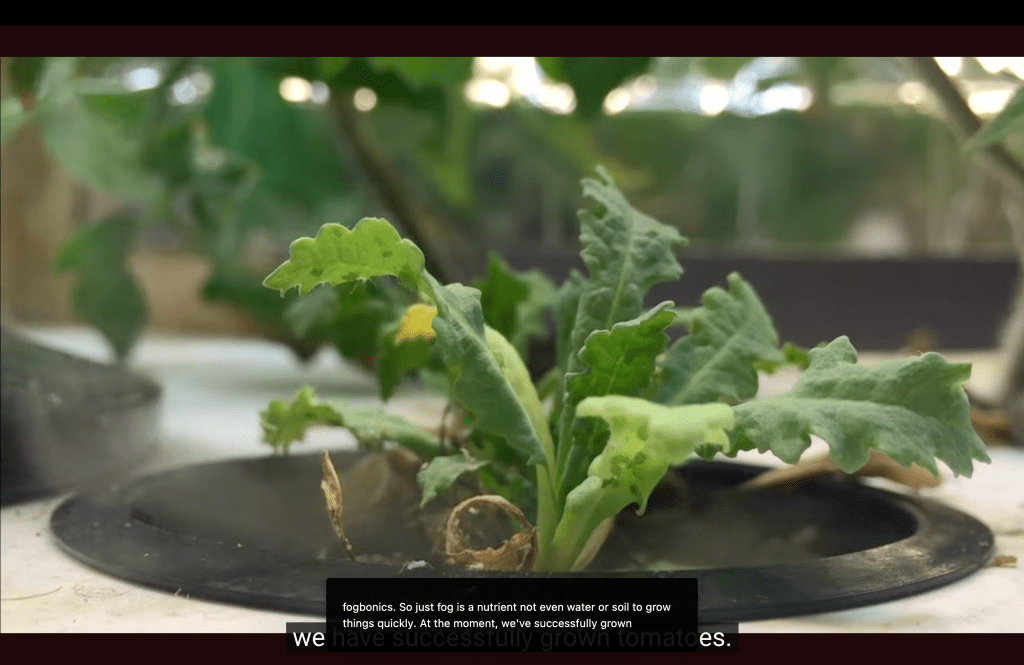
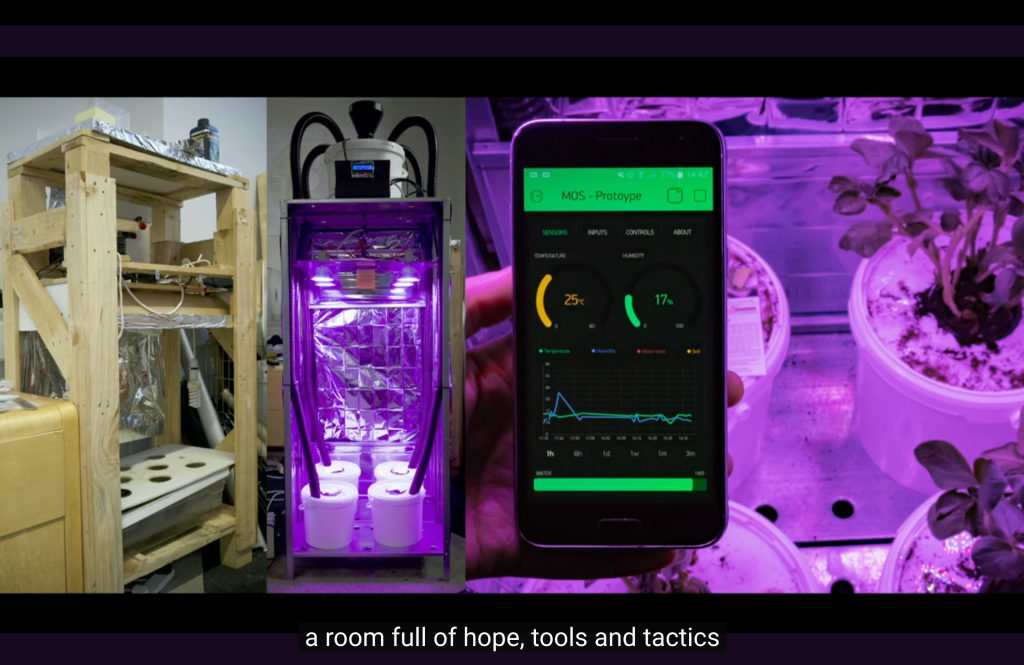
This video was made in 2017 – and the problem with climate change and warming up is becoming more and more alarming. My mom lives in Bulgaria – the last 2-3 weeks they have there extremely high temperature and no rain. People in small towns complain that they cant produce any fruit and vegetables if continues this way. And where I live, in the USA, is been raining almost every day for the last couple weeks. We have a lot of flooding. So, both situations are bad and affect the local producers. In the video, Anab is saying that is possible to be produce food in the room where we live and she also explains how else we will be able to survive. The way the climate is changing, I think this is not going to be so far of happening.
I am working on the project 1 and project 2
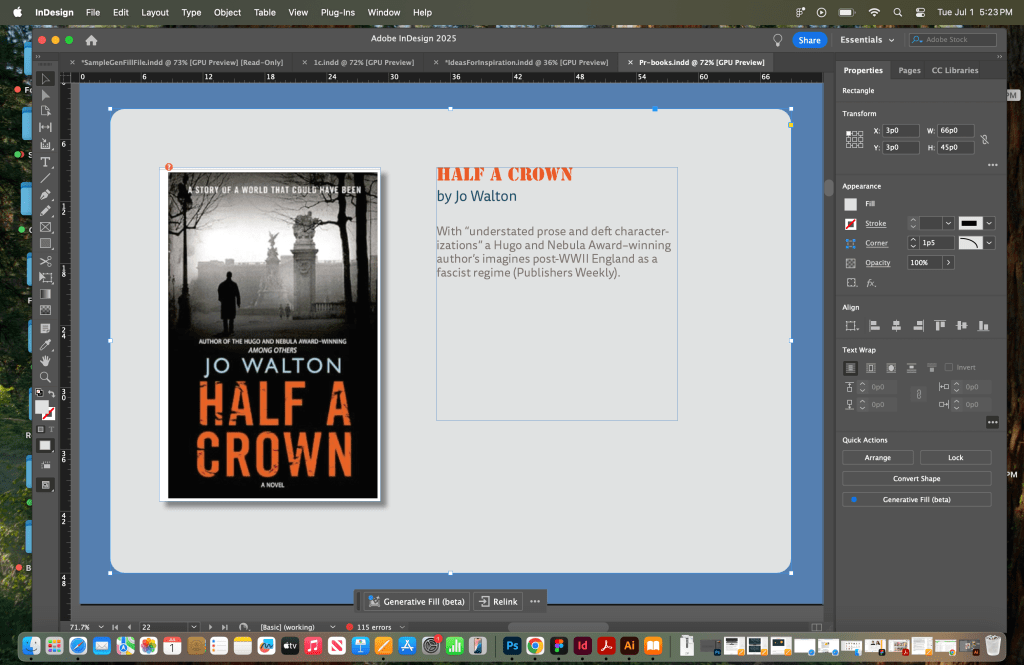
For project 2 I decided to make couple books (Inspiration ideas – is part of the website for project 1)
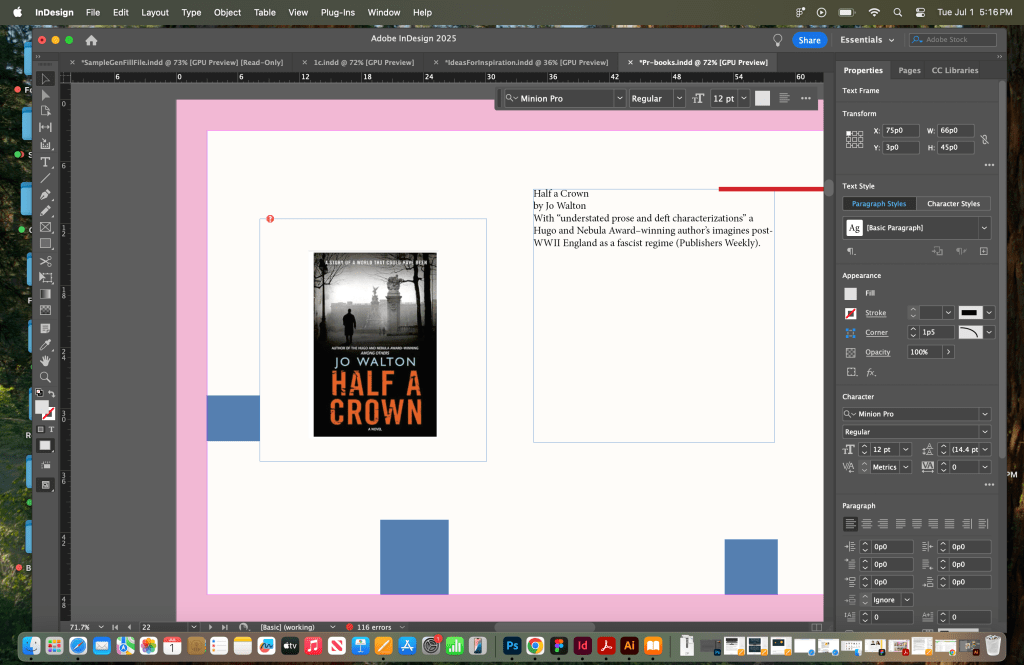
That is screenshot of how I started – and below is the screenshot after design the layout.
Week 6: Collaboration
Your personal research tasks are for deeper critical reflection and demonstration of your thinking and working processes.
These are the research tasks for this week, please share your findings on the ideas wall and on your blog:
- Research the various meanings of interdisciplinary collaboration and how such approaches can form exciting partnerships in graphic design.
- Brainstorm design ideas to encourage interdisciplinary dialogue and co-creation.
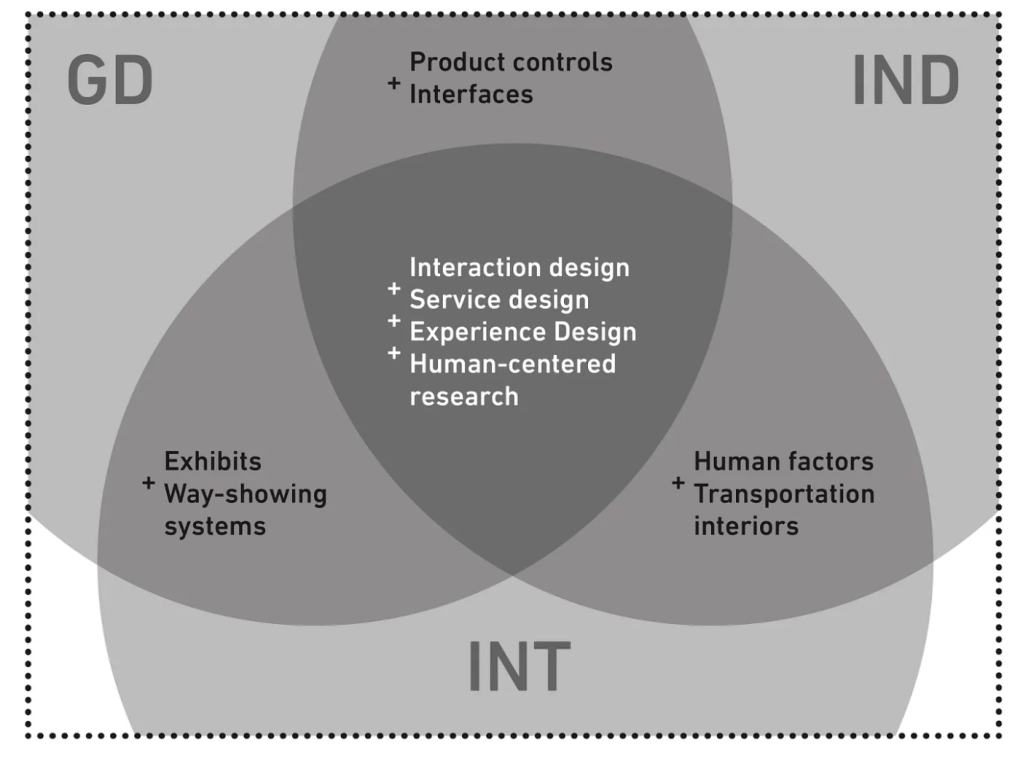
Interdisciplinary collaboration in the graphic design field mean bringing together professionals from different fields to work on a design project.
Combining different knowledge and helps to achieve innovative solution to a design project.
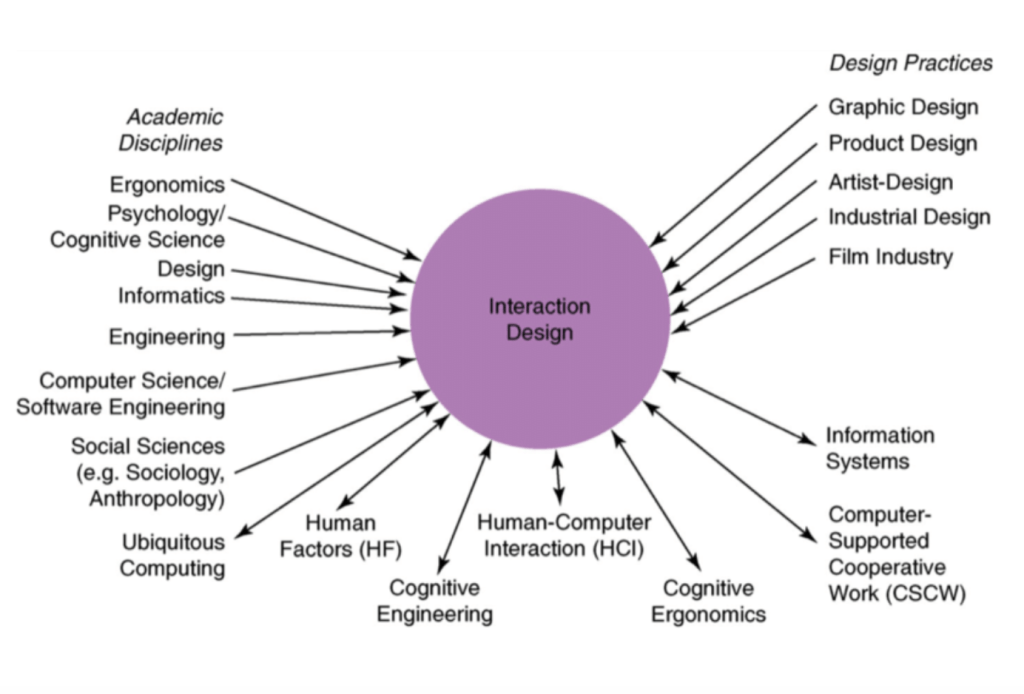
In a article of Medium is a good explanation of the difference between multidisciplinary and interdisciplinary
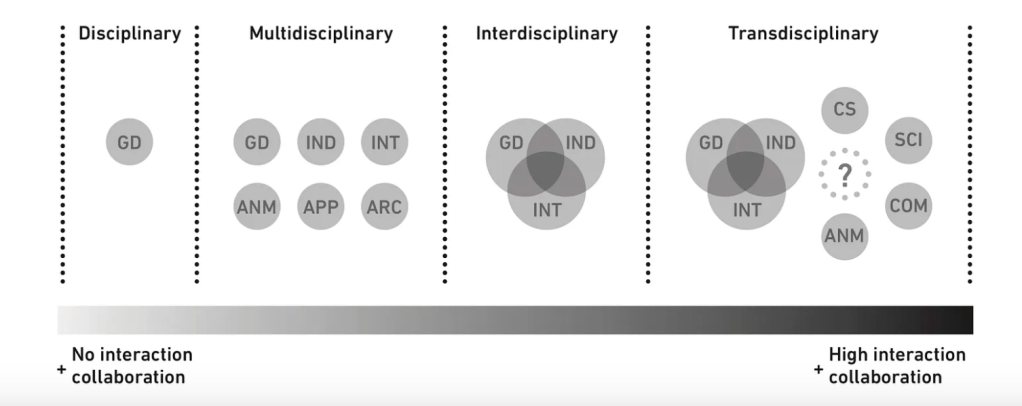
“Interdisciplinary design requires significant collaboration between disciplines, and often results in shared learning experiences that address overlapping areas of concern. “
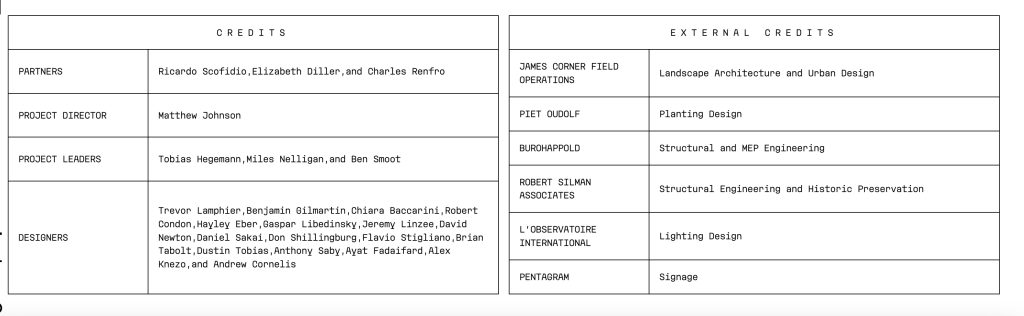
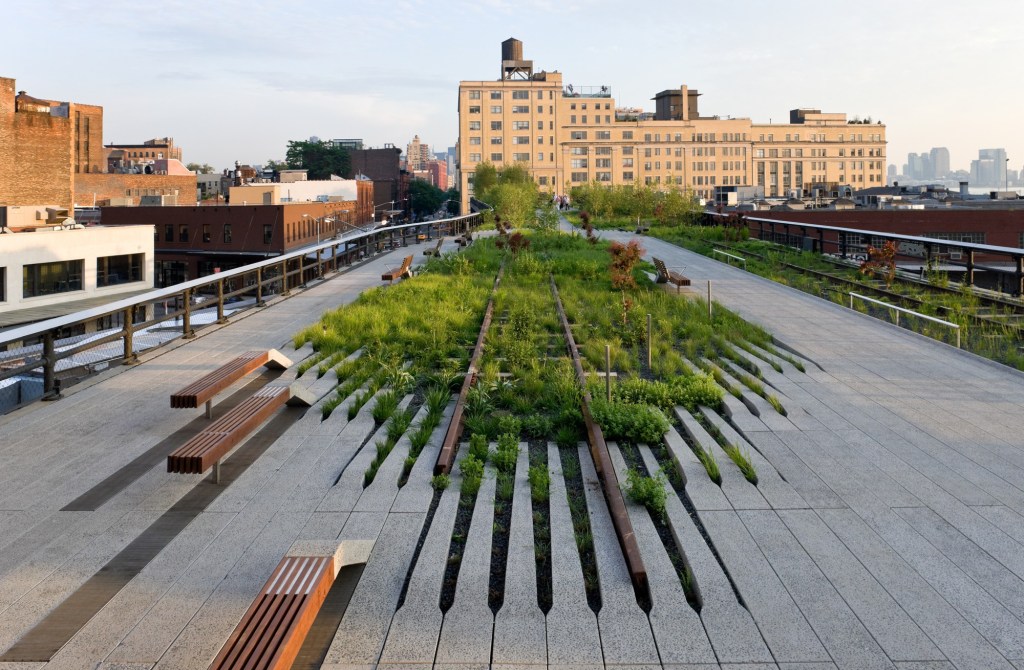
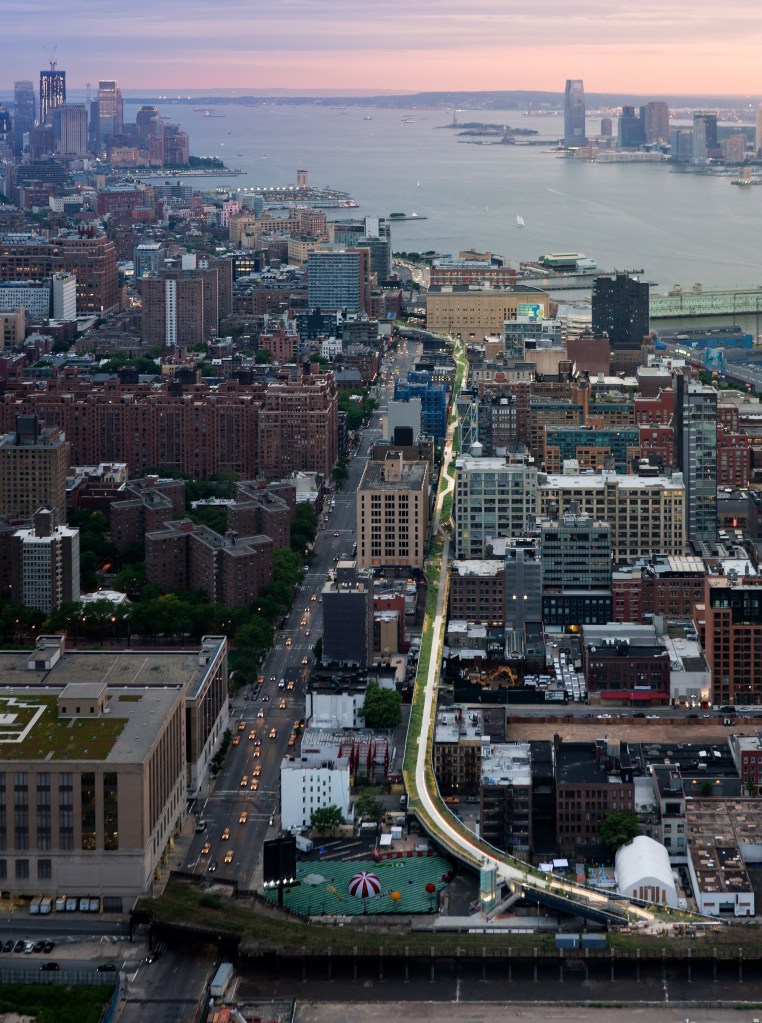
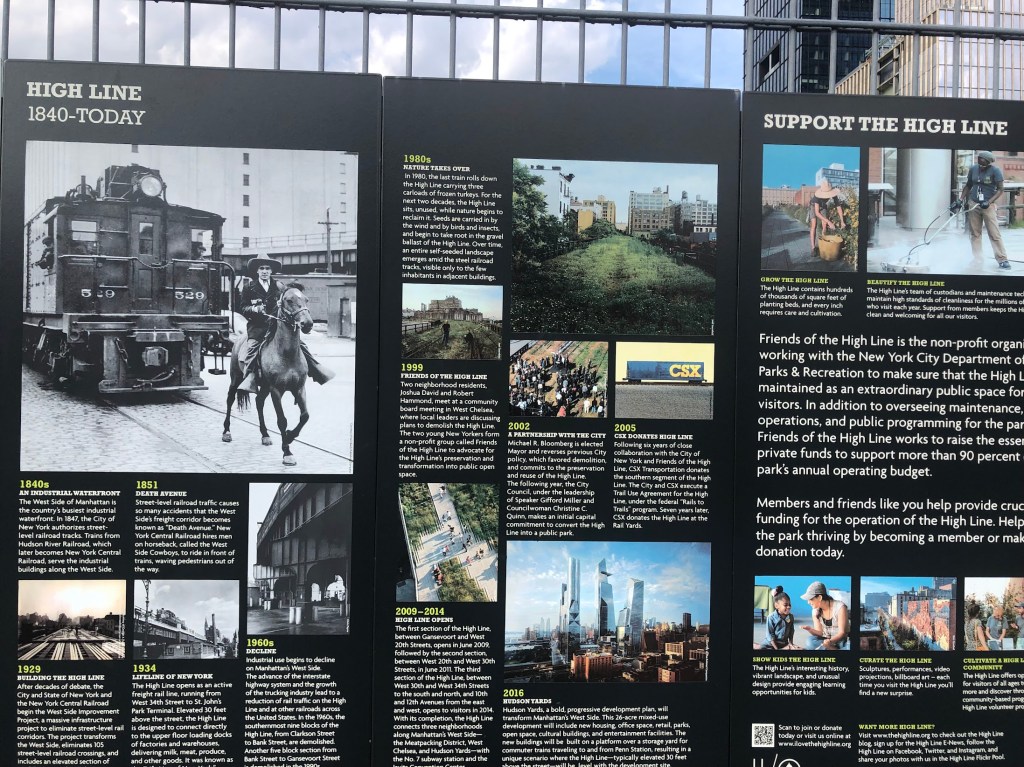
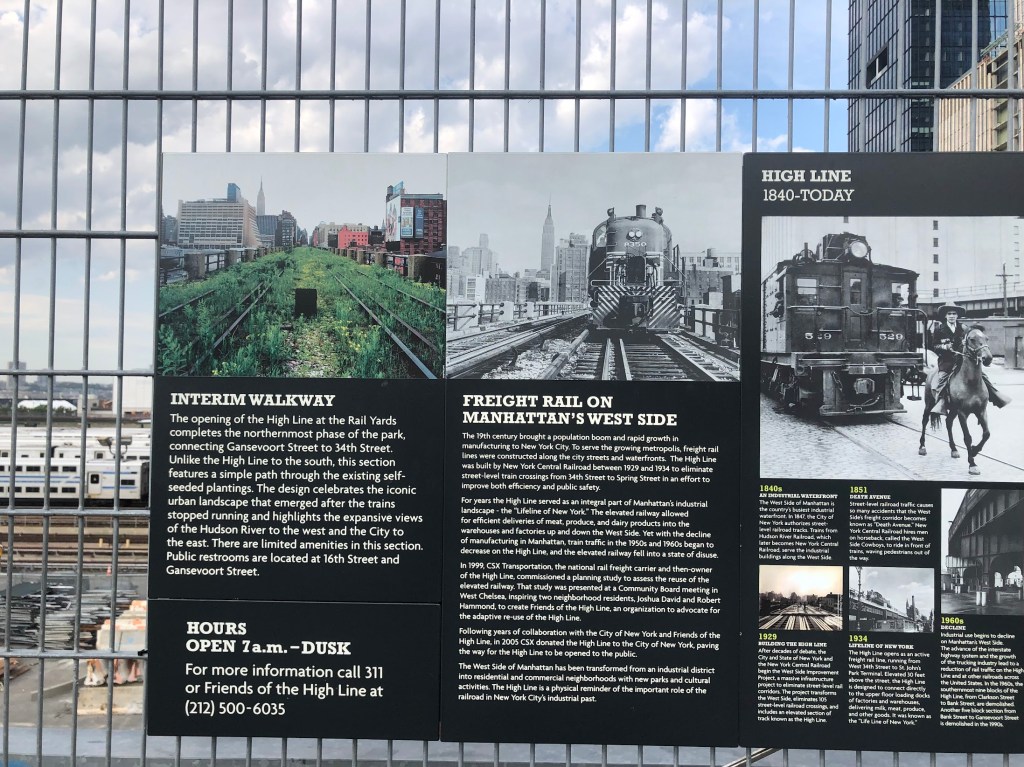
One good example of interdisciplinary design is the creating of High Line in New York. I have been there couple of times and I love the work that has been done with the collaboration of the wide range of expertise.
The impact of this project is huge – many other cities have decided to use abundant areas and transform them to a nice space for a family to relax, go for a walk, and play.
“The High Line opened to the public in sections, starting in 2009, with phased openings in 2011, 2014, and 2019. From New York City’s investment of $115 million USD, the High Line has stimulated over $5 billion USD in urban development and created 12,000 new jobs. Initially imagined as a singular, idiosyncratic, local solution, last year the High Line drew 8 million visitors and has “gone viral” as a global development model: over one hundred cities worldwide have been inspired to transform their obsolete urban infrastructure into public parks.
Design
Through a strategy of agri–tecture—part agriculture, part architecture—the High Line surface is digitized into discrete units of paving and planting which are assembled along the 1.5 miles into a variety of gradients from 100% paving to 100% soft, richly vegetated biotopes. The paving system consists of individual pre–cast concrete planks with open joints to encourage emergent growth like wild grass through cracks in the sidewalk. The long paving units have tapered ends that comb into planting beds creating a textured, “pathless” landscape where the public can meander in unscripted ways. The design addresses a multitude of civic issues: reclamation of unclaimed public space, adaptive reuse of outmoded infrastructure, and preservation as a strategy for sustainability. The park accommodates the wild, the cultivated, the intimate, and the social.”
(https://dsrny.com/project/the-high-line#:~:text=Design,the%20intimate%2C%20and%20the%20social.
You have to watch careful this video – down on the left is another video – so, on the one side is a life walk today showing how the project looks now and on the other side is a preview from before.
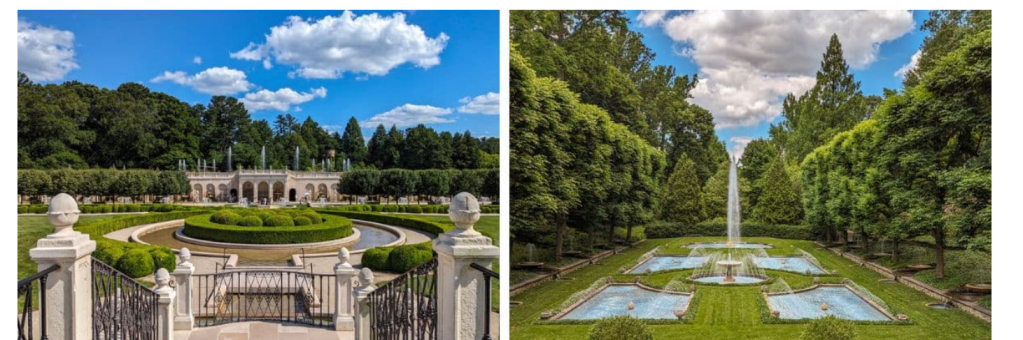
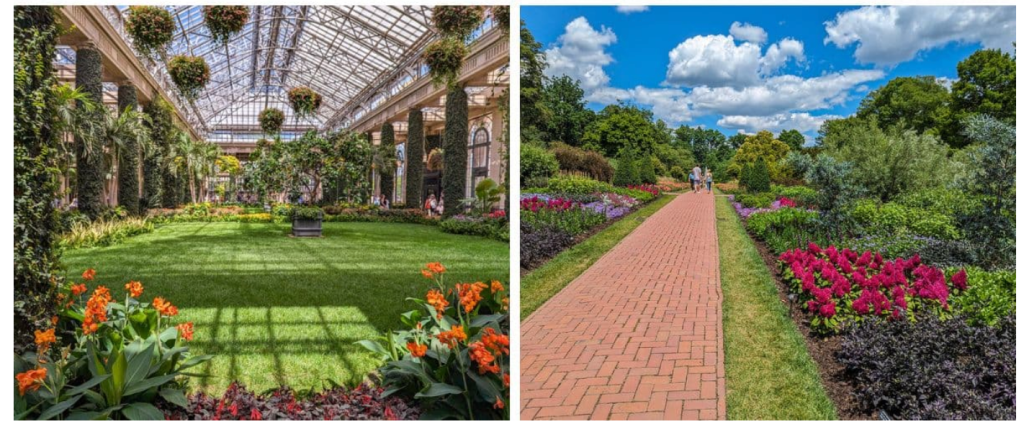
Another project that bring all kinds of design professionals, botanists, architects and many other is the Longwood Gardens
 Vicky Kafkaki - Graphic Design MA Falmouth University