What would you like to be doing that you are not doing in your work?
Simon Manchipp, SomeOne : So, the funny thing is, I don’t really think I would want to do anything else… I really like the radically different mindsets that are required for each of the projects… To give you an idea, at the moment I’m working on a billion dollar project in Mumbai, I’m working on a global telecoms project, a crazy tech start-up that wants to do something in about 15 minutes, a new way to manage energy and a top healthcare brand in the UK. And all of this stuff comes together, everything is completely different. Oh, and just one of the leading law firms in the world, I mean very bright people, it’s terrifying… What’s interesting about this is that you’re changing your mindset, you’re changing the way you think and you’re changing to adapt to each of these client’s demands and that’s really exciting, really interesting.
Sam Winston: The question of what would I do if I wasn’t doing what I was doing? I love what I’m doing, and I find it very hard to imagine not doing what I do.
Sarah Boris : I’ve been doing a lot of book projects recently and a lot of branding, but I found out that I really love to test other materials, more than just paper and the screen.
How important are side projects and are you currently working on any?
Simon Manchipp, SomeOne: Side projects are interesting and I can totally see the value of them, and throughout my career, working for other people, I have definitely had my side hustles going on. Whether that was just doing little identities for people on the side or helping out people with their wedding invites – never do that it’s always a nightmare – all of those sorts of things were always going on and just making a little bit of money on the side, so it was useful… But what is interesting is we are officially working on our own products. Actually creating our own products has been very interesting and we will be launching some of those things very soon. That’s what we’ve been doing, a journey of trying to discover things outside of just being a service.
Sam Winston: Side projects, how to make them. I think I’ve made a fulltime career from side projects, basically.
Sarah Boris: Side projects have always been a part of my practice. Sometimes the side project becomes a ‘to do list’ of side projects. Often, I sit with that list for about a few years and then if I still value the projects on the list, I’ll start doing one, and then another one. I feel they are really important for the practice. They really define you as a designer.
Julian House : I think that sense of something you’ve created, owned and put it into the world is an important thing, because you need it to work for the people.
Brian Eno (2017, April 5). How to Beat Creative Block
I like what he said that under pressure we forget all the good ideas – it is true. The panic pushes way your creativity. In pressure situations, you fall back on old solutions because you don’t want to take the risk.
Oblique Strategies is a card-based method for promoting creativity jointly created by musician/artist Brian Eno and multimedia artist Peter Schmidt, first published in 1975. Physically, it takes the form of a deck of 7-by-9-centimetre printed cards in a black box.
The School of Life (2017, September 21). The Importance of Vulnerability
Wee worry about how others see us, about where our career is going, and about everything important that we forgot to do in our lives.
…Despite of lack of surface evidence, everyone is on the end as wounded, aggravated, worried and damaged, as we are…
Admitting our vulnerabilities to others will humanize us in the eyes of others, will help us connect and developed friendships.
The School of Life (2015, March 23). Keep Going
“Don’t hurry. Do a little bit every day. Keep a timetable and stick to it. Work without hope or despair. When you work like this for days, months, years, even decades, one day, your talent will catch up with your taste, and you will do something incredible. So, just keep going“
Speculative Design: Thinking About the Future in Times of Uncertainty
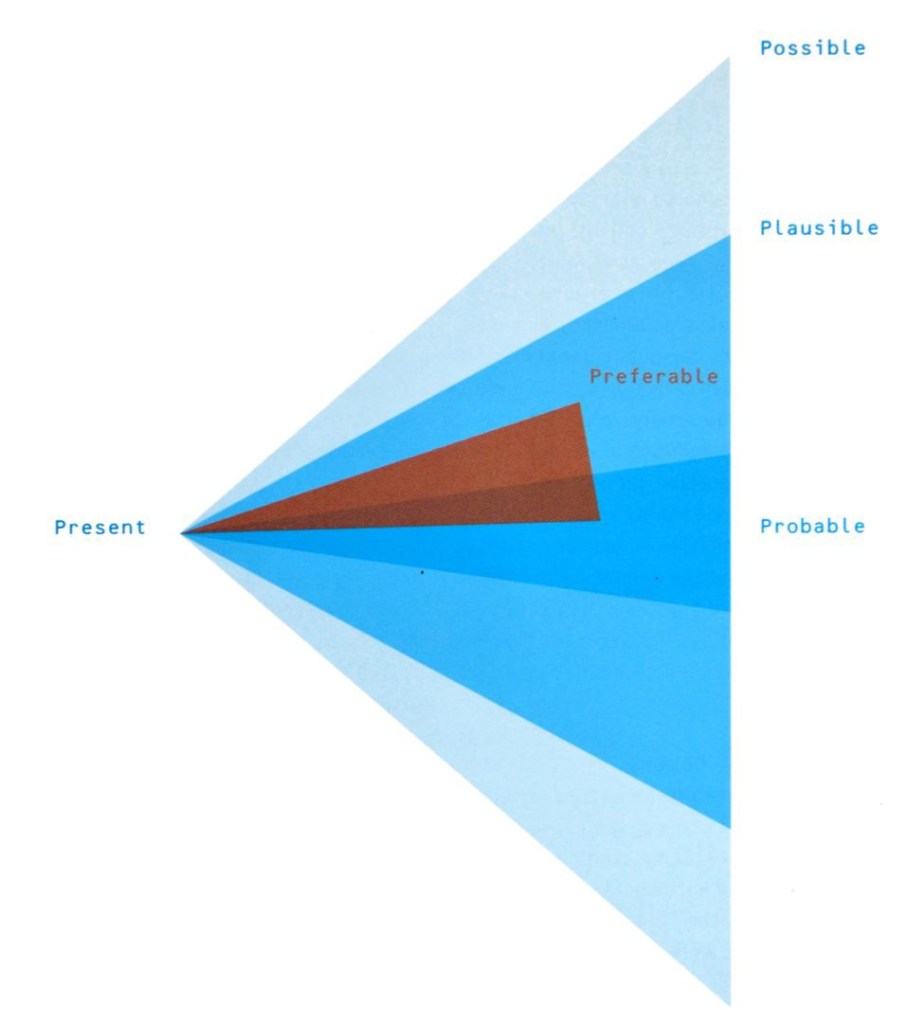
This diagram by futurologist Stuart Candy, redrawn by Dunne and Raby, illustrates an approach to the practice and vision of speculative design. Projecting from the present onwards, the diagram breaks the future down into 3 main cones according to the likelihood of their actualization.
- The Probable is where traditional design operates. It describes what we can assume will happen judging from how the world currently is.
- The Plausible begins to ponder further into the space of scenario planning and foresight. It describes alternative futures and the possibilities of could be’s and what if’s.
- The Possible goes beyond, to extreme scenarios of what is scientifically possible. This includes utopias and dystopias, while never crossing into the realm of fantasy or science fiction.
Somewhere between probable and plausible future scenarios exists a reality that is preferable. Whether or not the future we are heading towards will develop into a preferable one is the crux of the work that speculative designers do.
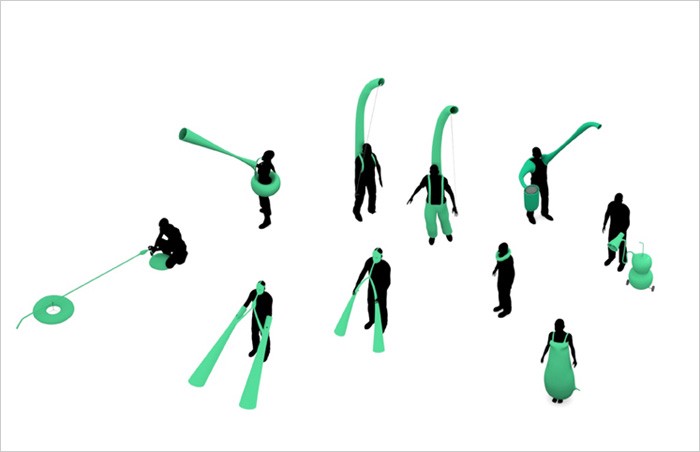
Song of the Machine (2011) is a short film produced by London based design studio Superflux that shows the world seen through a prosthetic device for people with reduced vision.
Emily posted this – is very interesting – if you allow the employees to work on something that they like, you will be surprise how creative they will be.
https://mashable.com/video/google-20-percent-rule
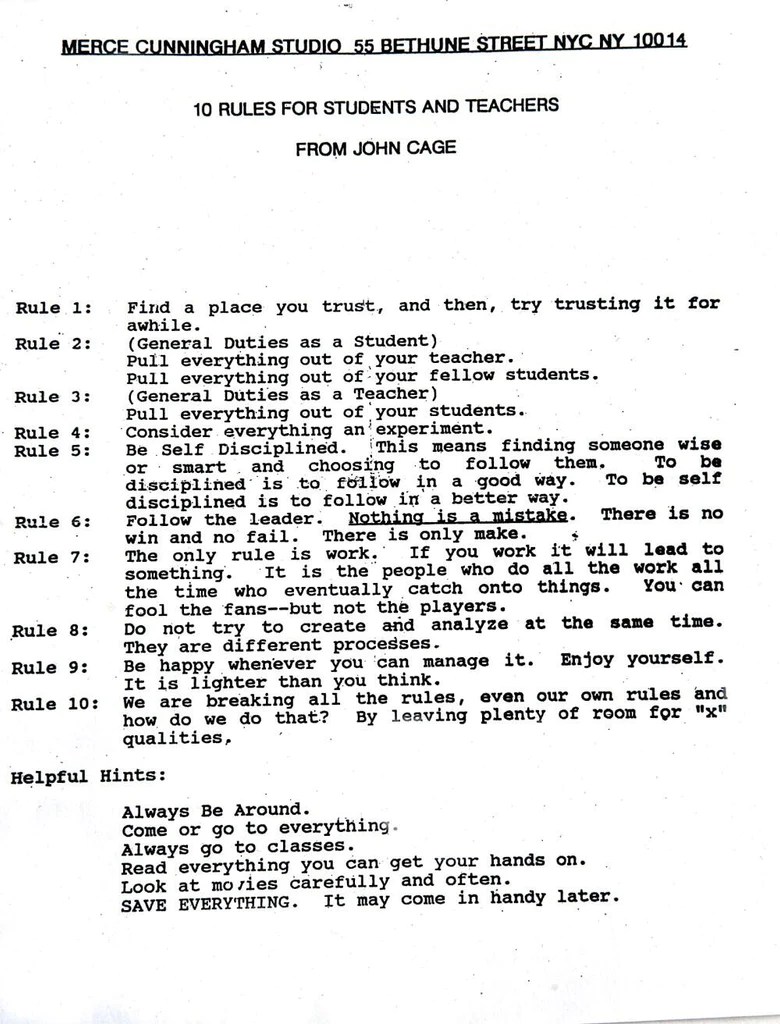
10 Rules for Students and Teachers from John Cage
’10 Rules for Students and Teachers’ is said to have been originally written by Sister Corita Kent, and popularized by Cage. The work engages viewers to understand the importance of constantly creating, learning and sharing. Corita Kent was a nun and artist in the 50s-80s. She taught art at Immaculate Heart College in Los Angeles for thirty years.
Our golden rule: The only rule is work!
Home
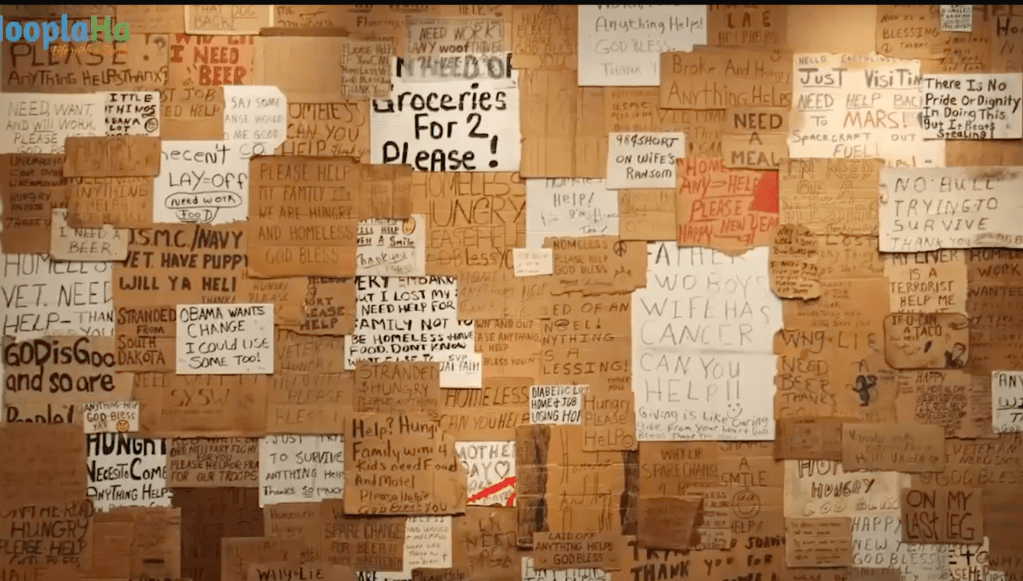
This is very interesting story – the “We are all homeless” project can teach us a lot.
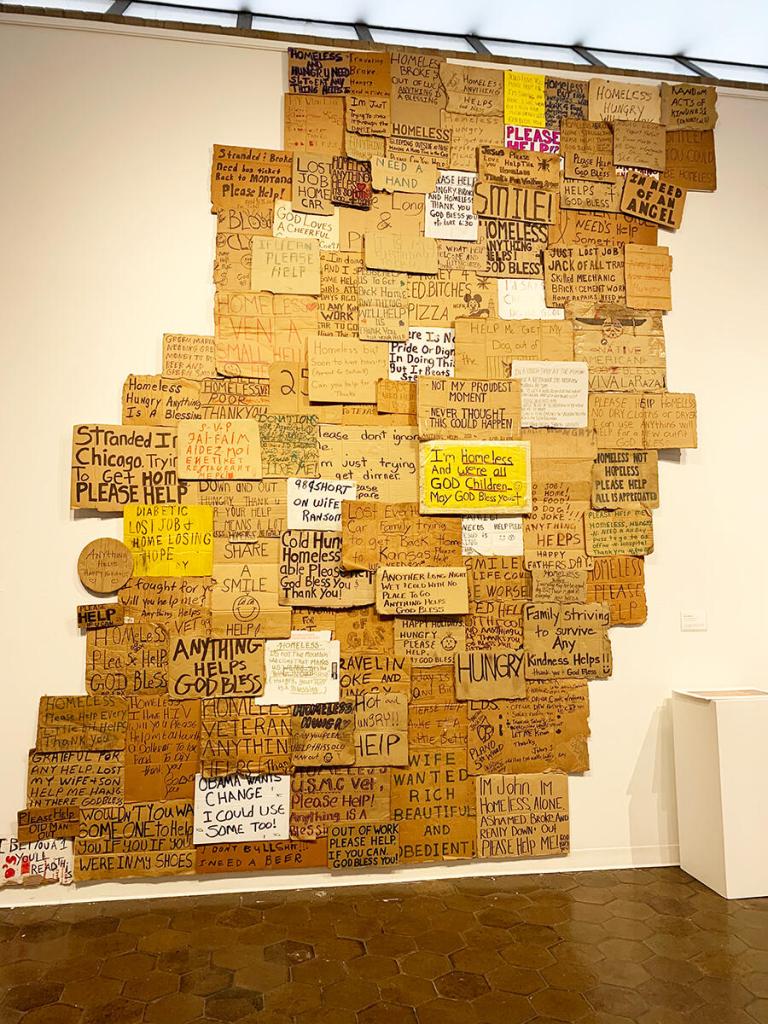
Willie Baronet, We Are All Homeless, 2022. Courtesy: Kingsborough Art Museum, New York; photograph: Brian Edward Hack
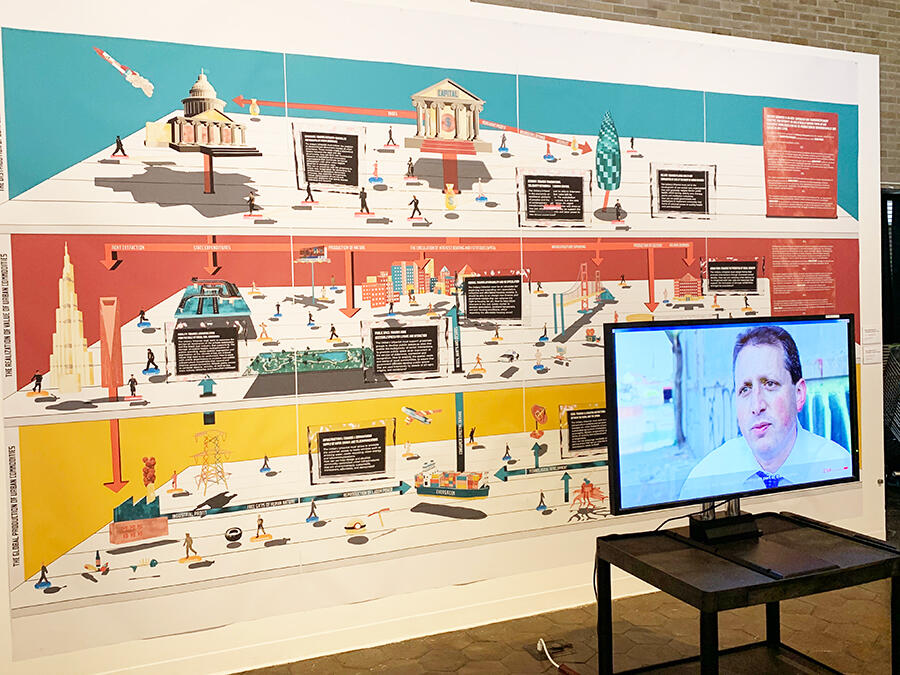
Challenge
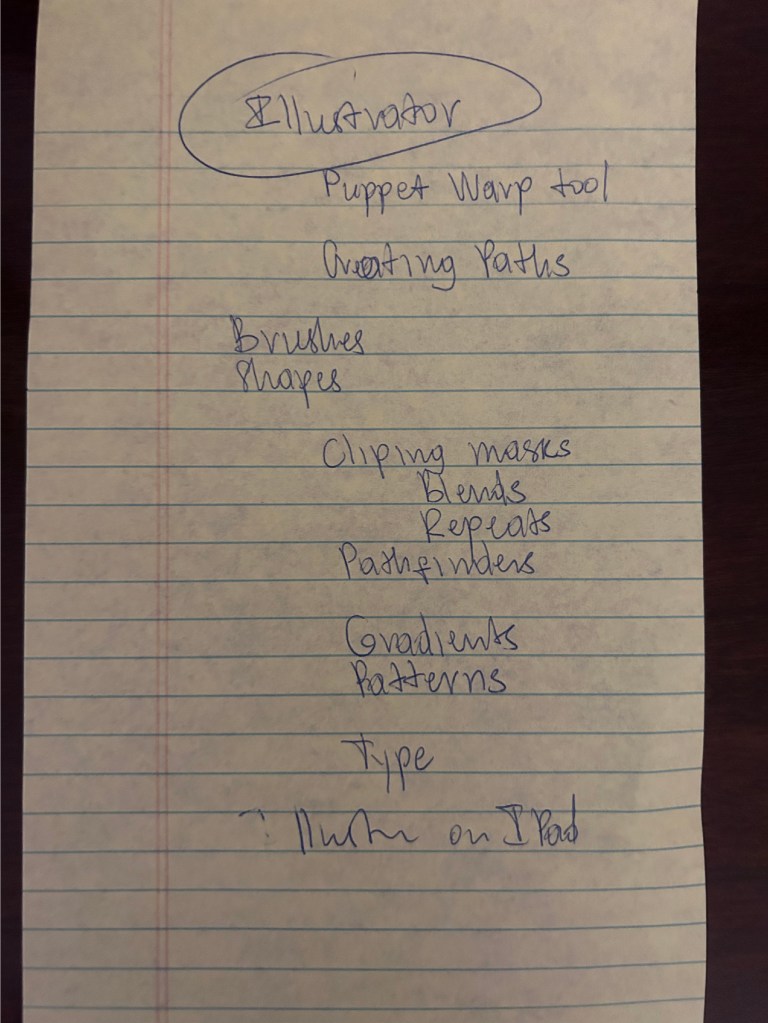
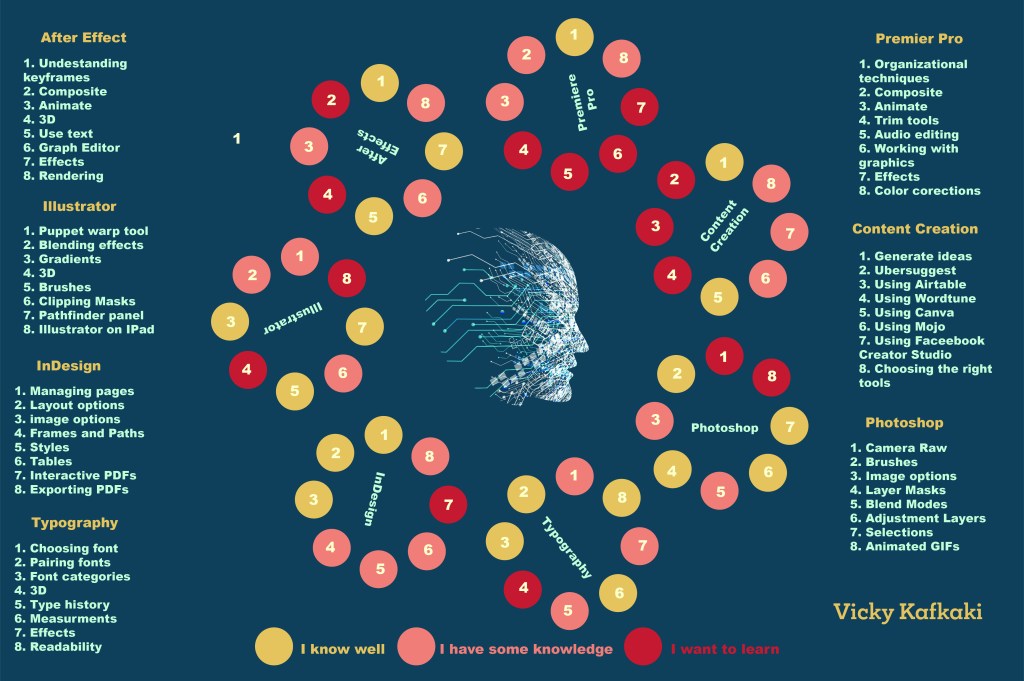
For this week we had to create a project, representing our current skills and skills that wee want to acquire. I first created couple lists:
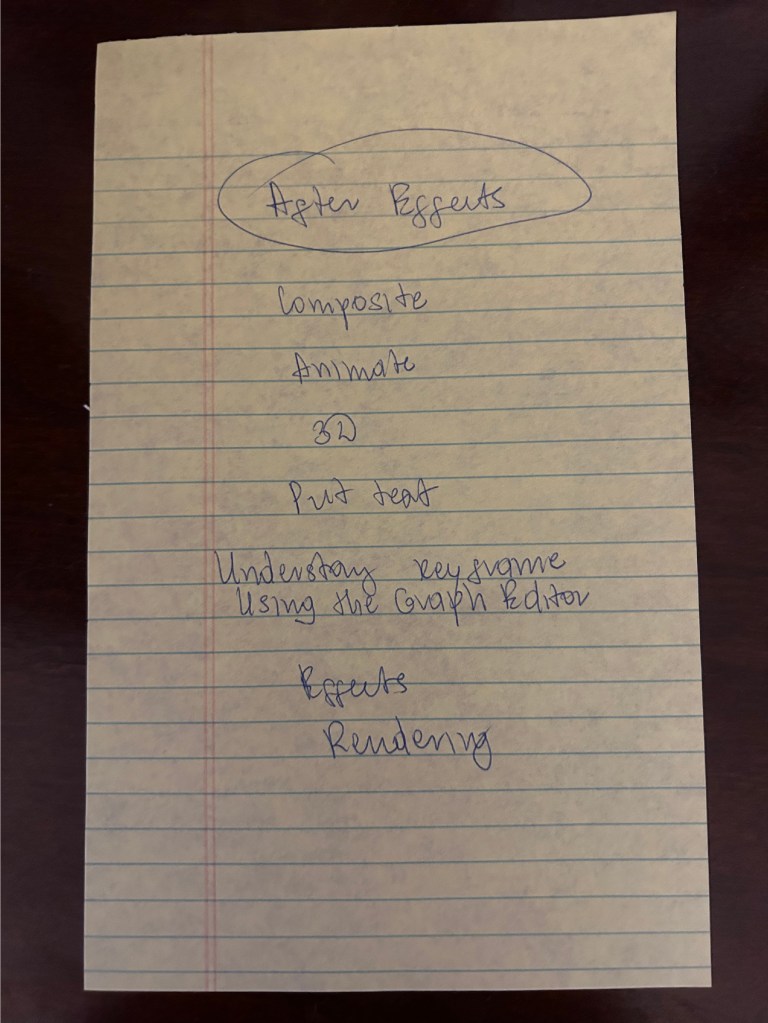
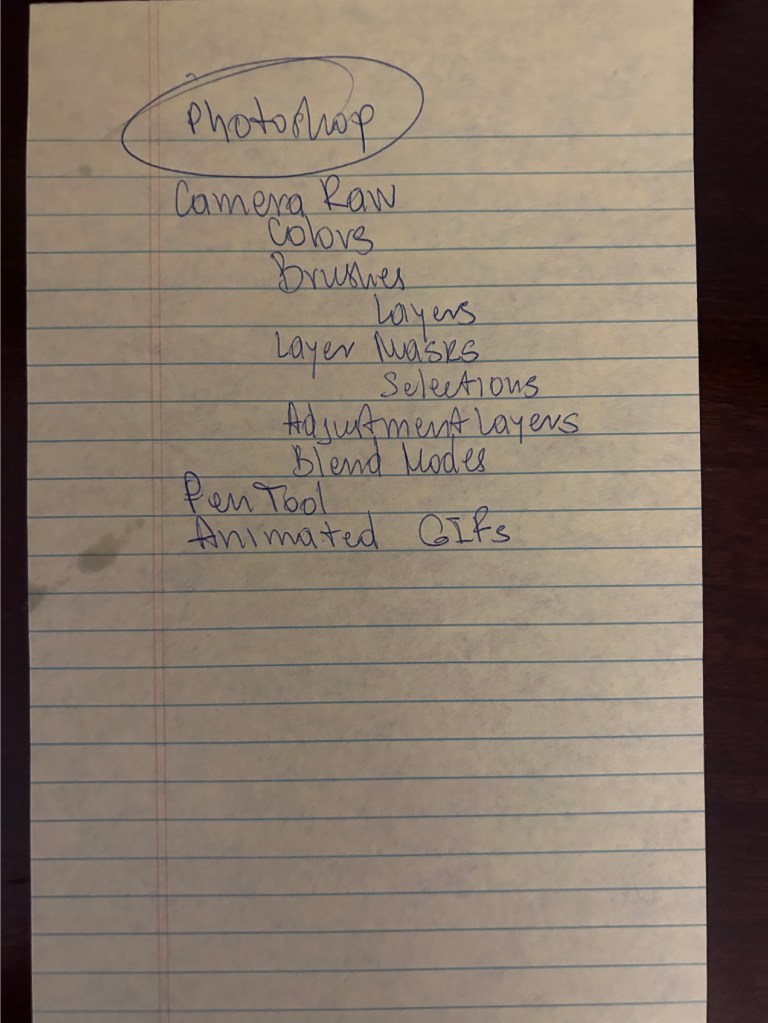
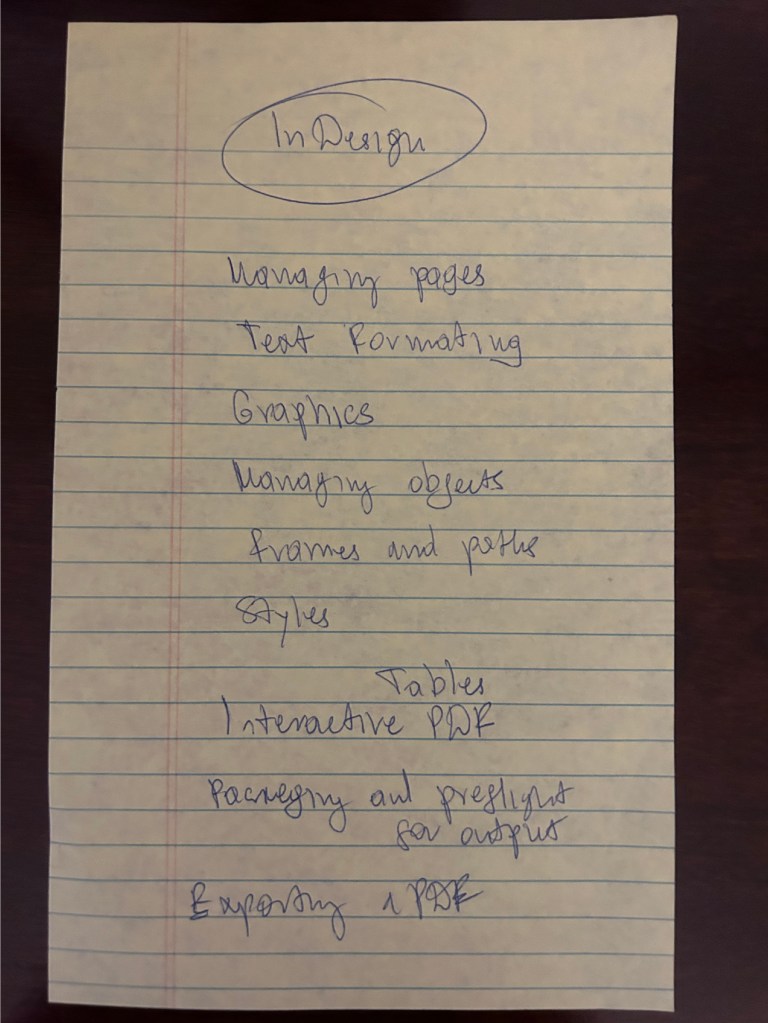
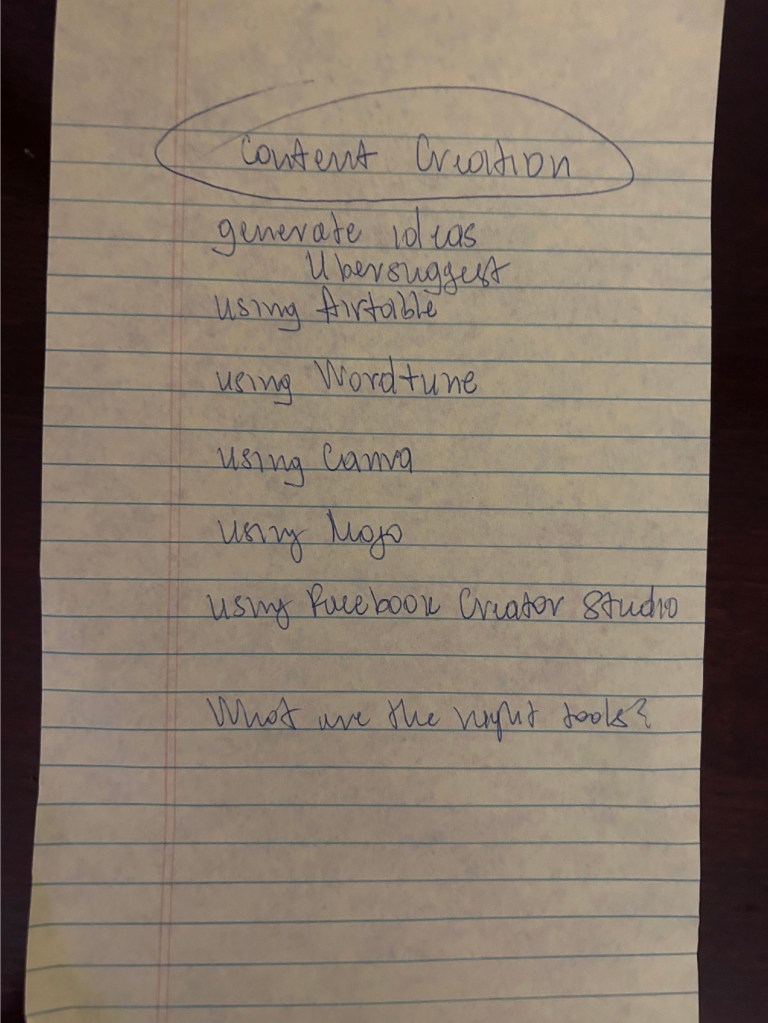
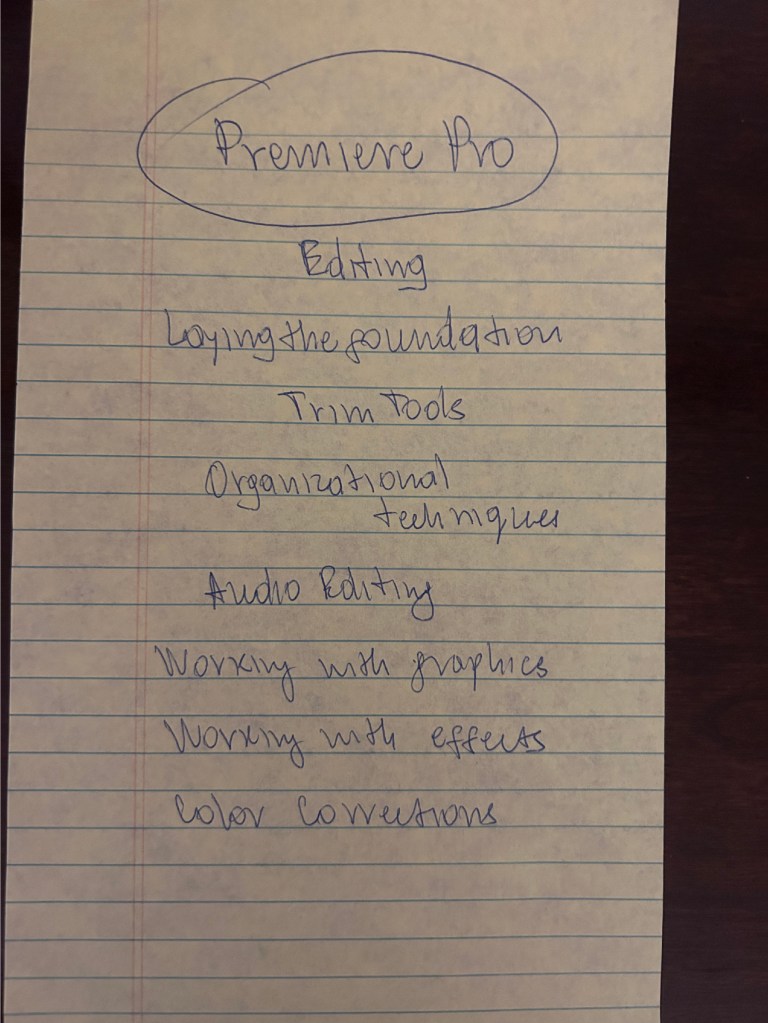
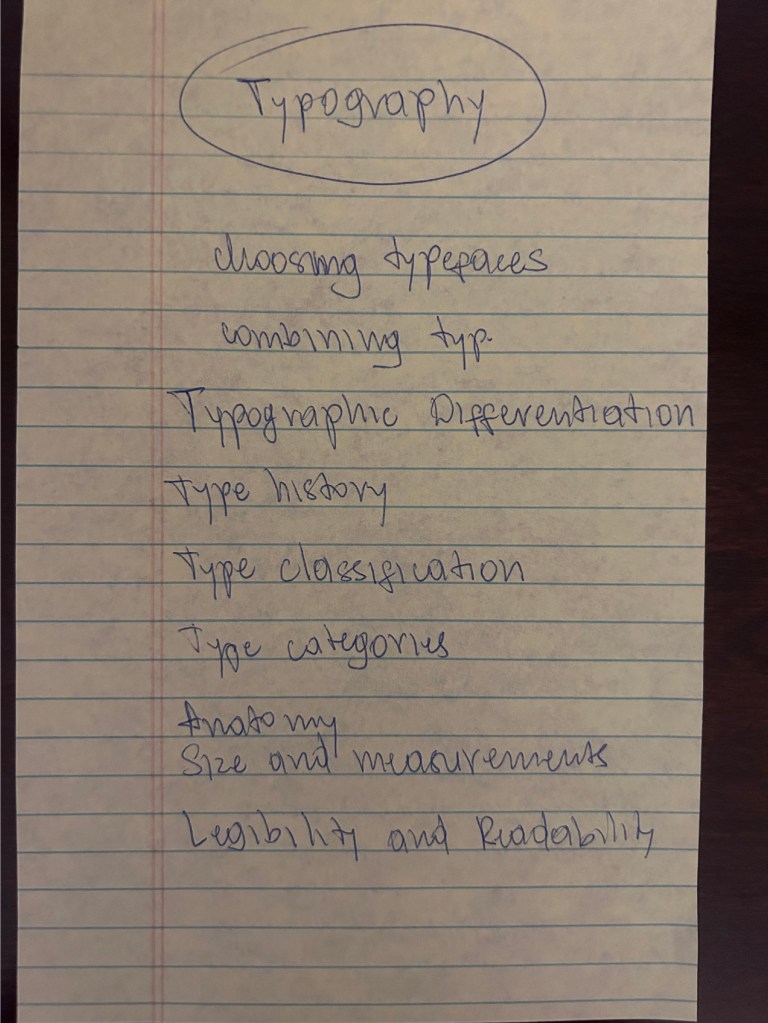
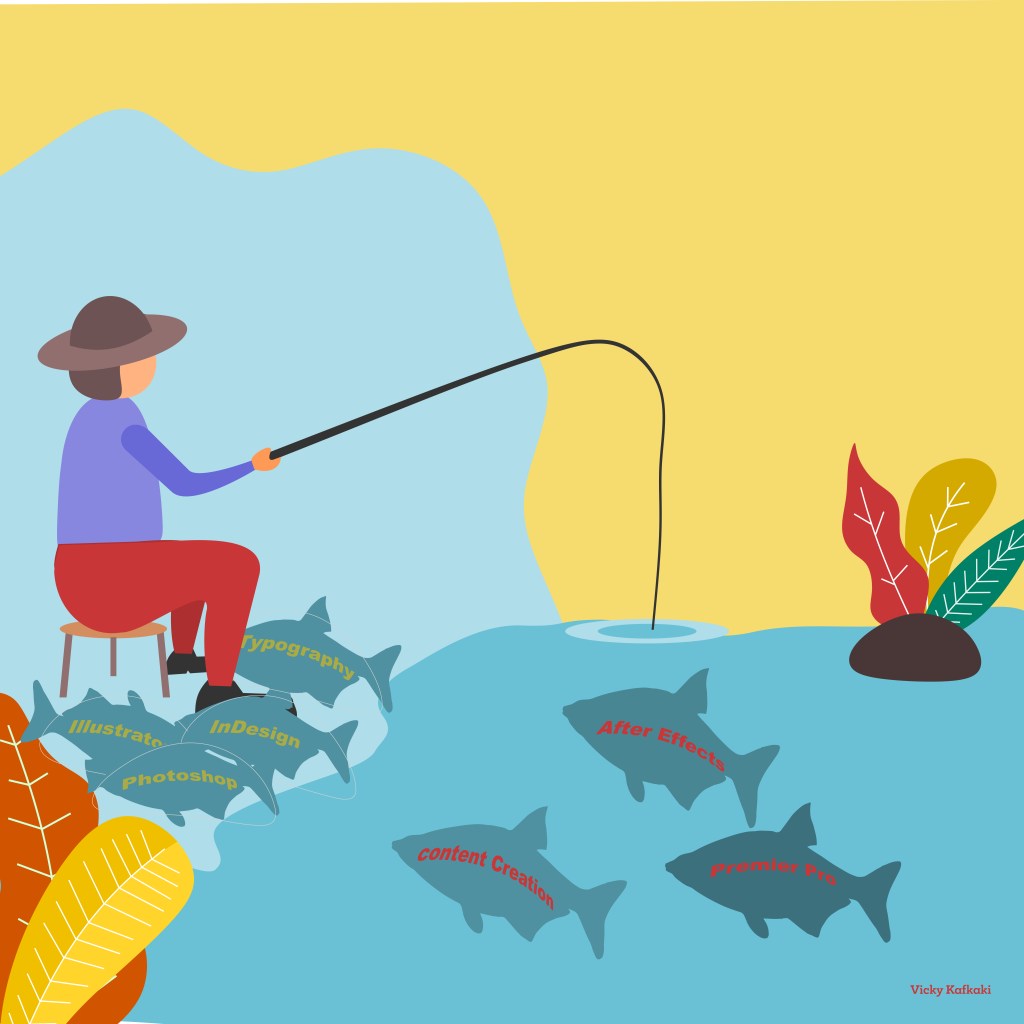
I created this image – I used couple fish – the ones next to me are representing what I know (“what I already caught”) – the ones swimming in the water are representing the knowledge that I want to gain
But this seems to simple so, I created afterwords this diagram:


Leave a Reply