Collaboration Around the Globe 1
Ken Kirton is one of the founders of Hato and Hato Press.
He said “For us, that word ‘community’ is defined by our field of practice, so other designers, illustrators, artists, as well as the immediate community around us geographically. We use that word in many ways, but it’s largely to define pockets of society, or people who are audiences of the brands, to followers of an artist or something, people who share a skillset.”
He also mention that he used risograph printer. I got curious what exactly it is and did some research.
https://www.keranews.org/TexasNewsroom – Stephanie Salas is explaining that this type of printing is getting popular because is faster, cheaper and more sustainable. It uses oil based ink and that’s why the colors are so vivid. The big ink plastic tubes can be recycled.
https://www.risopop.com/what-is-riso
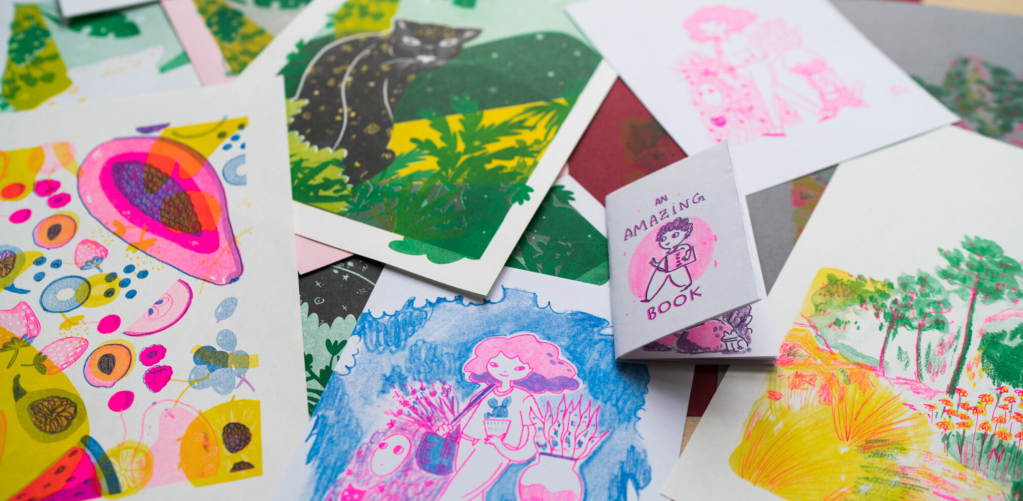
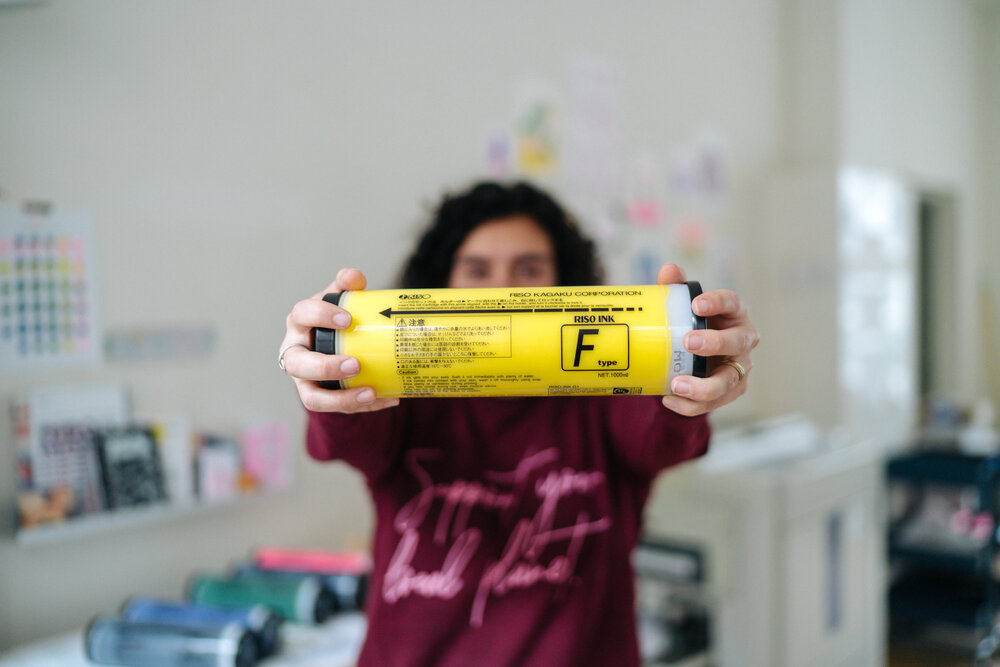
RISO is the name of both a printer and ink company from Japan. Noboru Hayama started his company in post-war Japan (in 1946), calling it RISO. The risograph and the development of soy-based ink, was a response to the expensive import on emulsion ink following the end of World War II. The name RISO means ‘ideal’ in Japanese, a poetic name that Hayama chose as he found it important that people should not lose their ideals during this period of despair.
How does RISO work?
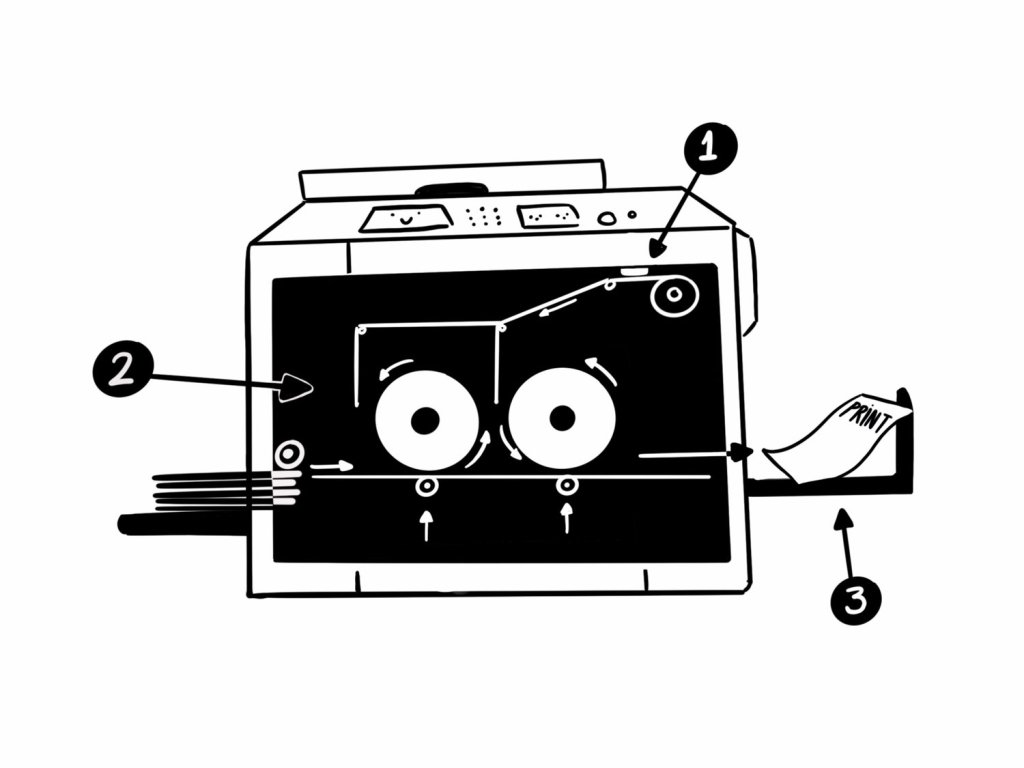
- When you scan or upload an image to the machine, it first makes a paper stencil and wraps this around the ink drum – these are called masters.
- Paper is placed on the feeder and passed through one or two of the ink drums.
- The machine creates a ‘digital’ stamp of individual colours (which are incredibly vibrant!) and together they create a colorful image.
“Asia is such an important part for us because ‘Hato’ itself means pigeon in Japanese”
Ken share that they don’t work like most of the other agencies – they try to bring the clients in the design process in early stages “What you’re taught at universities or in other studios, where it’s a little bit more of a five stage design process, where researchers submit a contact, you submit designs, you submit artwork and it’s very linear. We work in a much more circular way, which has its pros and cons, but it’s something that we prefer to get the maximum out of a project and also out of our clients.” I think that is very good approach because if there is a something that the client don’t like, can be addressed earlier and the project will be finish earlier.
They have 2 studios – one in London and one in Hong Kong. The communication is no problem – they are still trying to decide witch is the best way for it. They have bi-weekly catch-up for the senior team and monthly catch-up with everyone.
The Hato Student Society is such a great idea to help the students. They offer free portfolio reviews, free printing workshops in their space in London.
https://studentsociety.hatopress.net/
Collaboration Around the Globe 2
Rita Matos is based in Lisbon, Portugal. At first she was working in a studio but after couple years she does freelance design and still keep some of here local customers.
Axel Peemoeller created a studio in New York. He is originally German, studied in Germany then lived couple years in Australia and now he lives in New York.
“I’ve always believed in collaborations with different people on different projects…It was not my goal to start my own studio and all that kind of stuff, it was more like finding people that are thinking in a similar way, that are facing similar problems, like expansion and working with a team, but are still having the liberties and freedom of being somewhat of his own person but connected to the bigger network. Then last year New Studio shaped up with the idea of it being more like a conceptual group that works together over one studio, where there’s the normal things like payroll and all that kind of stuff, and nine-to-five, and you’re only able to work on projects that are within the New Studio collective. That’s been kicking off. Then towards the end of the year we tried to expand on the members that are part of the group, so there’s more diversity, from video to online, to product design. We’re obviously looking for further additions to the group, not just within graphic design but also from photography to 3D, to CGI, to architecture and so on, so we can also offer our clients a more rounded skillset. Not just the normal graphic design and identity…It’s more important to actually have people that are in some way or another committed and are looking out for the common good of evolving together…The key point about New Studio, at the beginning and still now, was to keep that individualism and keep the individual freedom…
I think the main communication tool that we’re using is Skype. It’s quick, it’s easy,you can share the screen, share files and so on…
Also having a team spread over these many time zones, you could work 24 hours, which can sometimes be a benefit”
From their experience I learn a lot. So, having a studio with people from different countries is not a problem. They can communicate and do the job. Like Alec said when they had more projects and the deadline was short, they got all together in London and did the job (Dimitri travel from Greece, Rita from Portugal and Alec from New York). So, distance is not a problem.
The way they split the money is very interesting: “We set up this to also diffuse to the max this rigorous classic structure. We also set the payment in a similar way. Let’s say we have 100% of this all over budget, than 10% always goes to the person who brought the find, or the project, and then the other 90% gets divided by contribution to the project, which is not necessarily time based, it can also be the intellectual contribution to it, or the organizational contribution to the project. Each project then gets divided, equally fairly to who’s actually involved in the project. That can be reassessed, like for example, Dimitris, Rita and I get started on a project, but I got sick and I didn’t even do anything. Then we can reassess that after the project and see like okay, your contribution was… actually way more than my contribution, so let’s arrange those percentages a little bit.”
Alek also said “I think for me the biggest advantage of it is working with amazing people from all over the place, people who have skillsets that I might not have. Or, having this interaction with amazing people, not just amazing designers, but amazing people, that’s for me the nicest thing out of it. Being able to reach much further than I could reach personally, by myself, that is for me the biggest advantage of this group of people.”
“Responsibility, self-engagement, transparency and honesty, those kinds of things are obviously, in a loose and fragile network, they’re really important. If you have a boss, if I am the boss and you do something or I don’t like you, then ‘go, you’re fired!’ But in a network like this, what is really nice is you’ve got to bring your part to the table and be responsible for your part on the table.”
I see that they have one more location on the website – Florida.
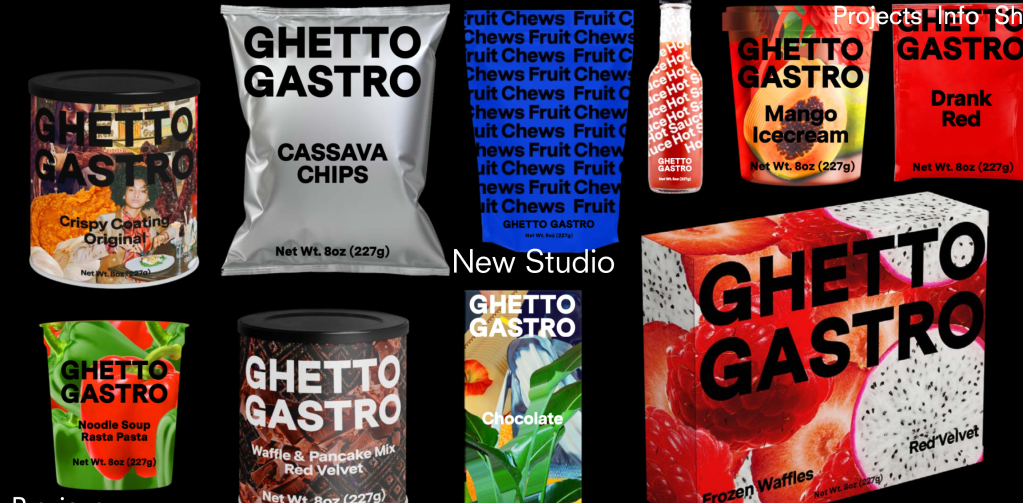
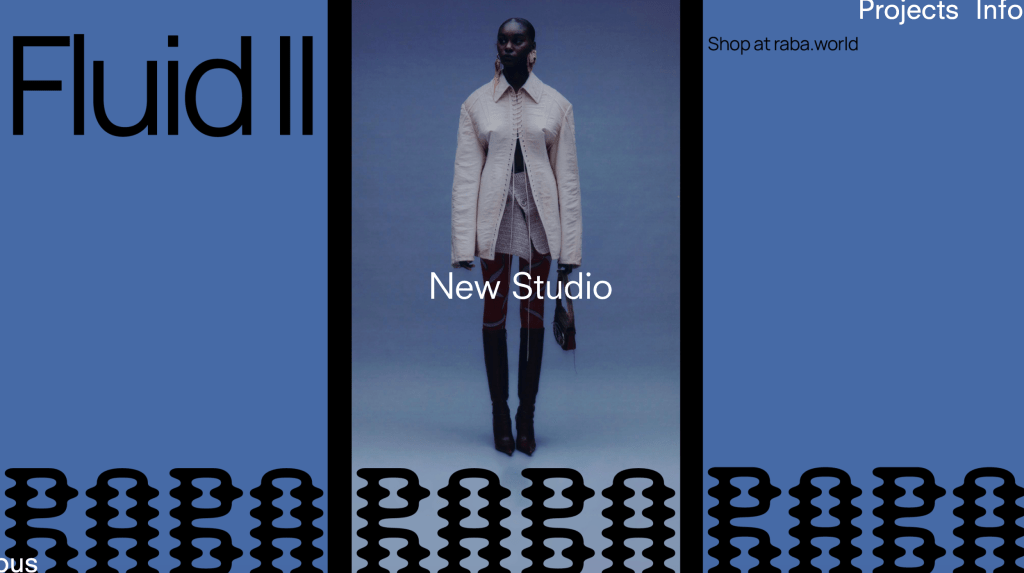
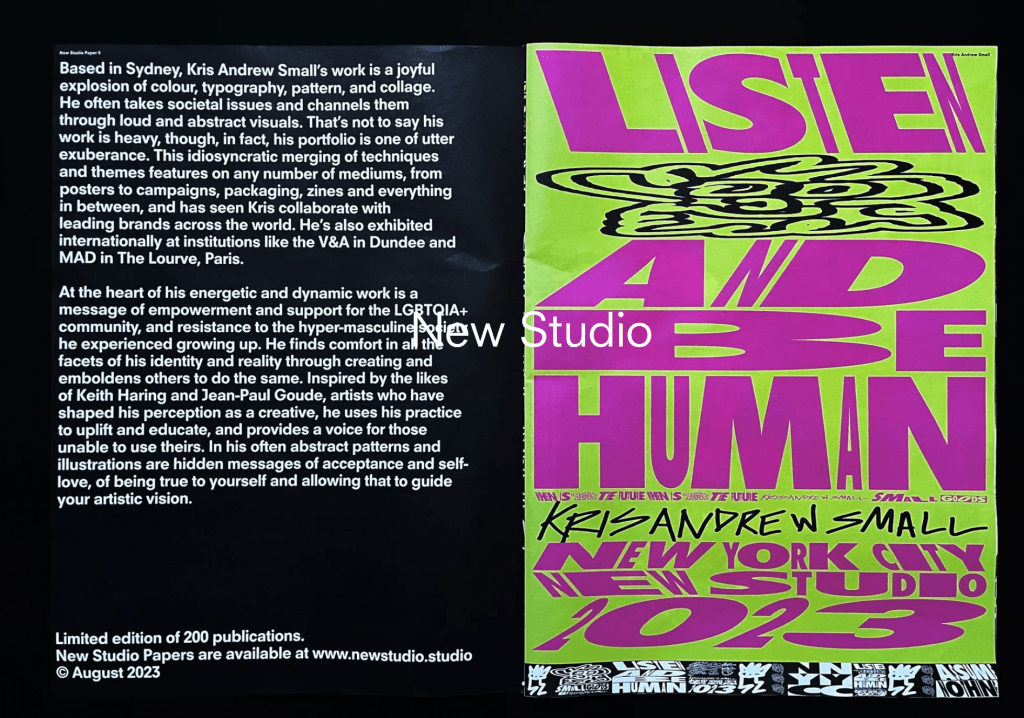
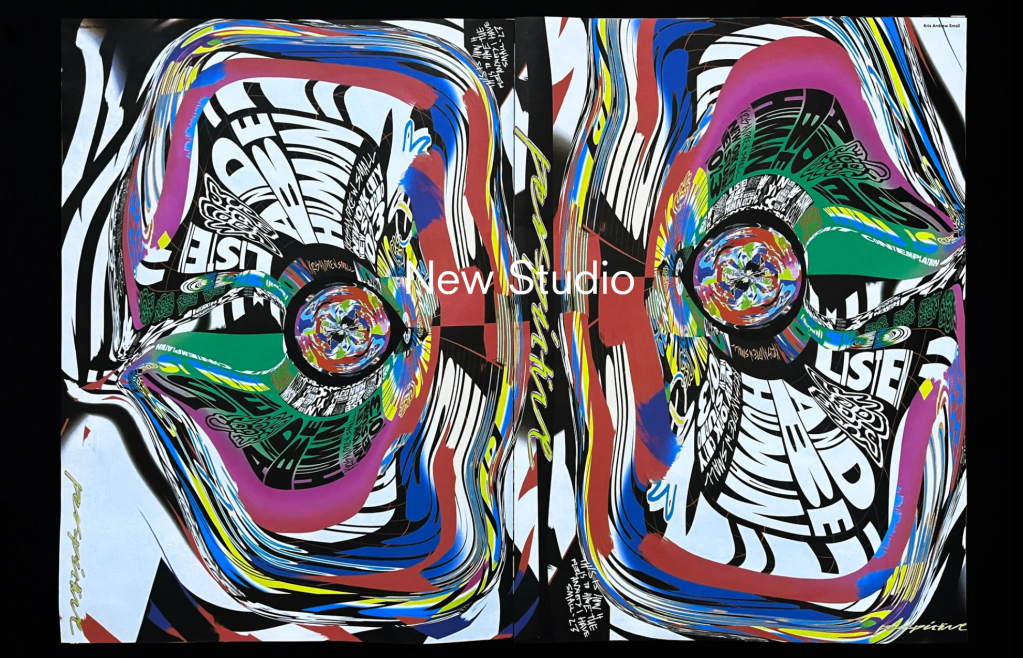
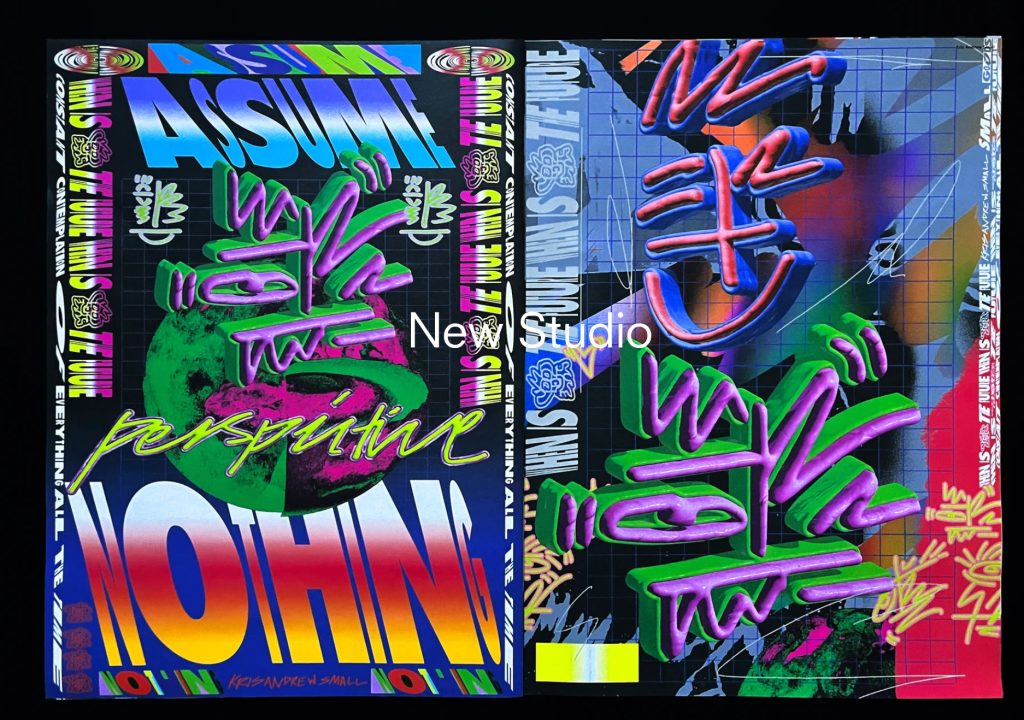
“New Studio is a creative studio in Brooklyn, NY and Miami, FL. We work on all strategic and creative aspects of branding and brand experience. New Studio started in 2018 with the desire to create passionate and purposeful work. We are now a team of curious and dedicated individuals with diverse backgrounds who constantly question and challenge the conventional to go beyond the expected. Our approach is highly collaborative within the studio and with our clients/partners. Our goal is to shape brands into meaningful icons of tomorrow.”
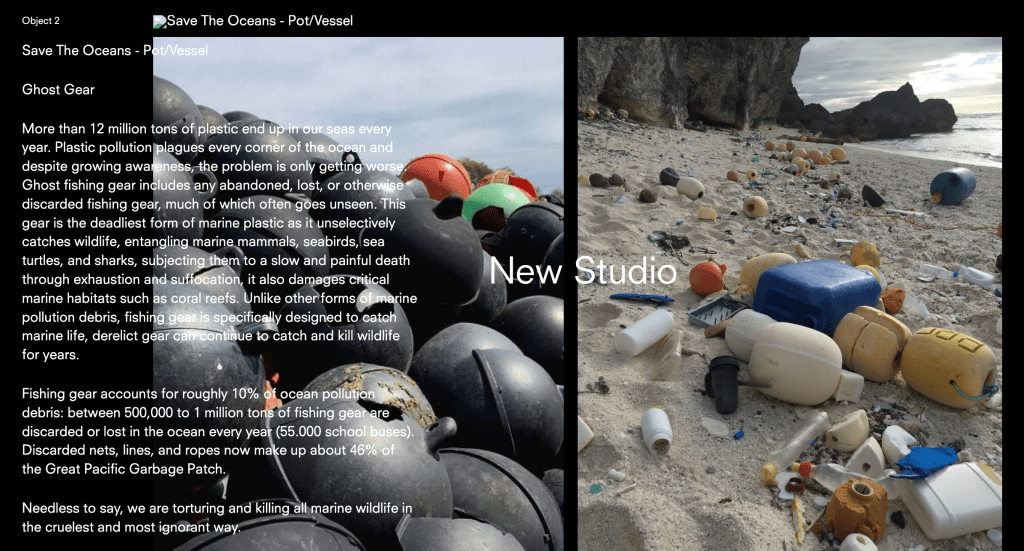
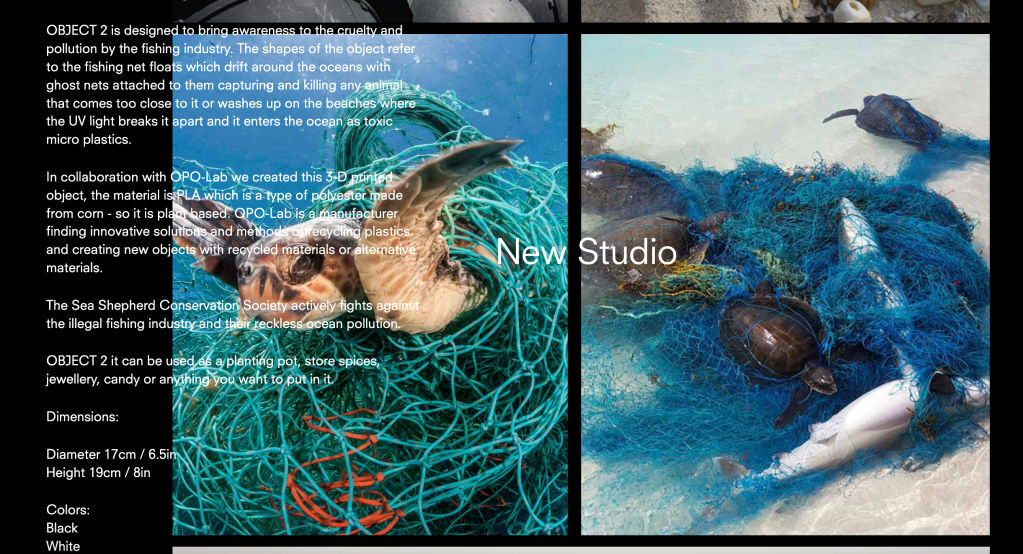
Simon said that globalization is essentially the idea that many people, who wouldn’t normally be able to see or come into contact with a certain idea or certain person, can now come into contact with that person. Also the opportunities are arising where ideas that are not traditionally within a design sphere or a creative sphere can start to positively influence the design and creative thinking. The idea of globalization means that we can see so many more exciting ideas coming from so many more exciting places that aren’t traditionally where you would find those ideas.
Sara said that she connects with a lot of people on social media and this way gets leads for work. Also when somebody form Peru (from her connections) came to London they met in person.
Julian said that the important thing of the college experience, is the different people you meet from different walks of life and the different way they see things. He recommends that we contact more often with each other, that we make cultural connections and exchange information about local stuff and ideas.
Mucho: A conversation with Rob Duncan and Brett Wickens
“Good design is as much about what you leave out as it is what you put in. It’s easy to through lots of stuff in. Knowing what should be left and what’s right is a very hard process. I think as designers and as craftspeople we have that integrity, that’s really crucial to me and crucial to everybody at Mucho.” Brett Wickers
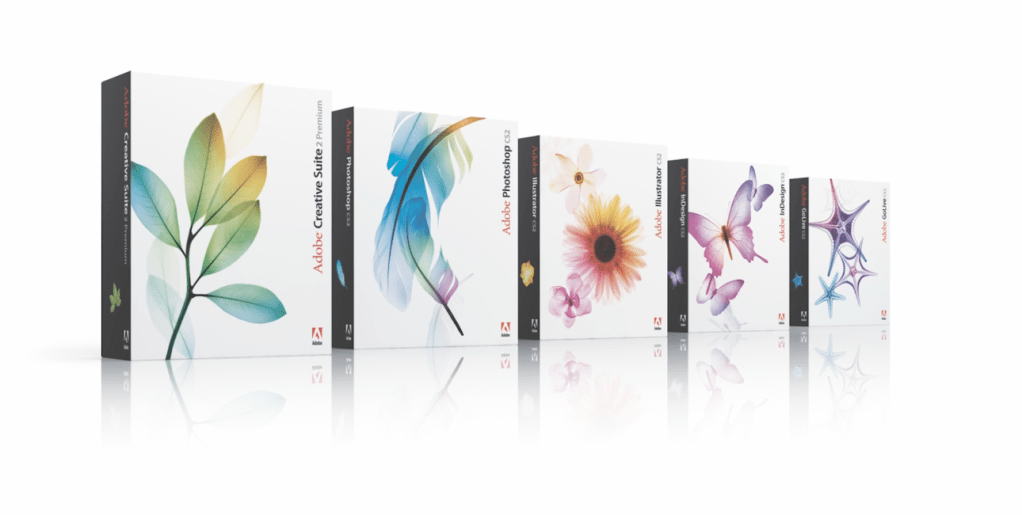
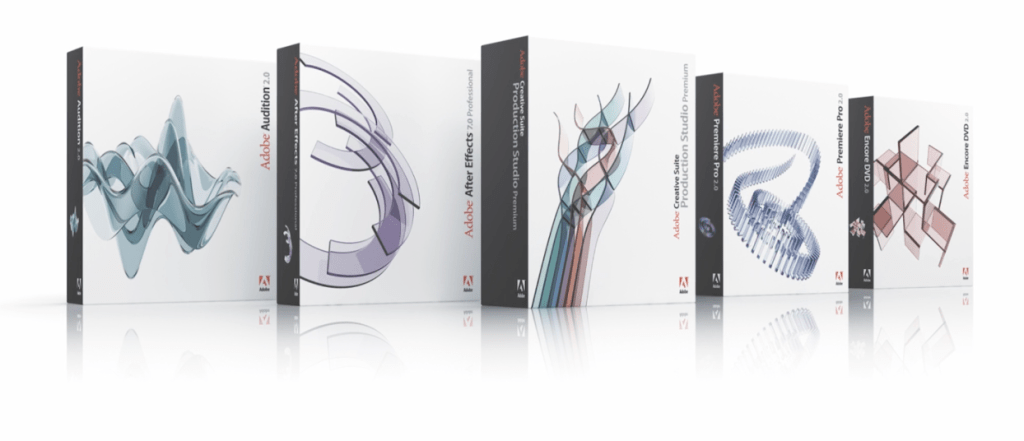
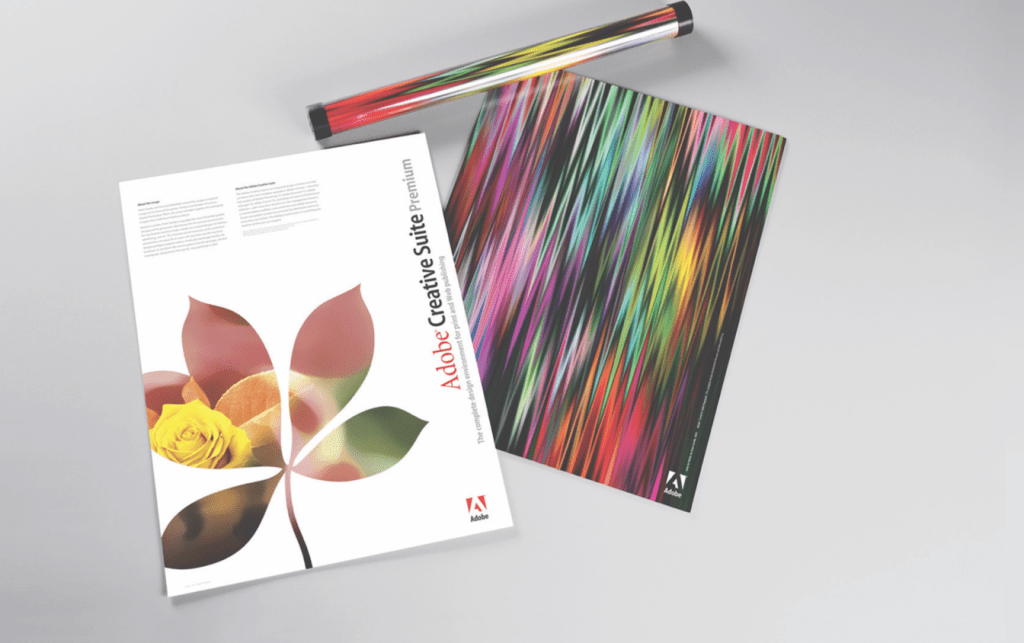
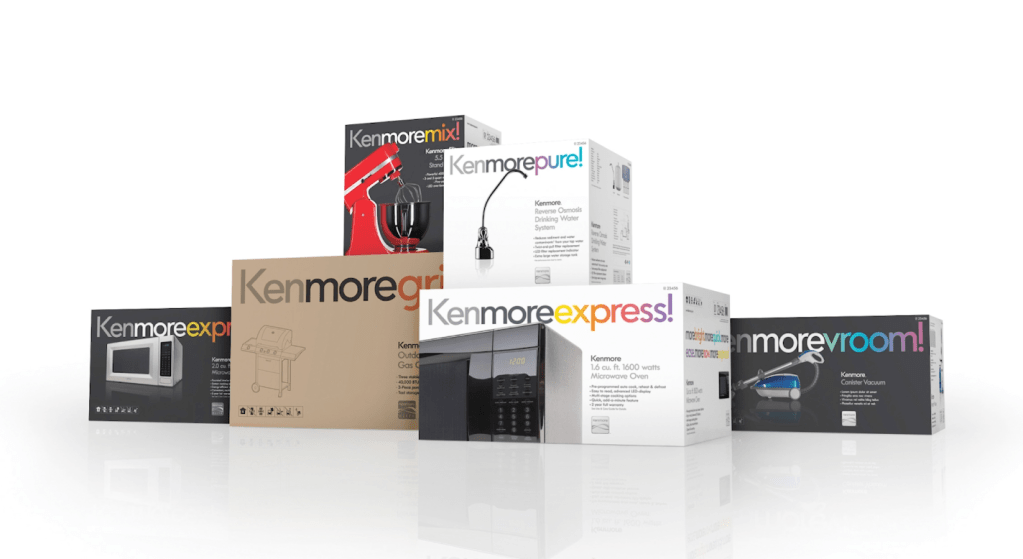
“The projects I enjoy most is when we are trying to help somebody who is trying to change something: change perceptions; change an industry. When Adobe was pursuing a strategy – the creative suite strategy – the idea that Photoshop, Illustrator, these independent things, were really one thing, they were a toolkit for creatives. I said to Adobe at the time, the problem is that the kinds of imagery and identity and stories you’re showing or telling, with things like Photoshop and Illustrator, there are no designers and photographers and illustrators out there in the world who are being inspired by the way these are being presented. Thus began a three or four year relationship working with Adobe to create essentially the communications layer, which was the packaging and everything. It was the understanding of those audiences. It was really wonderful to be there at that inflection point for them.”
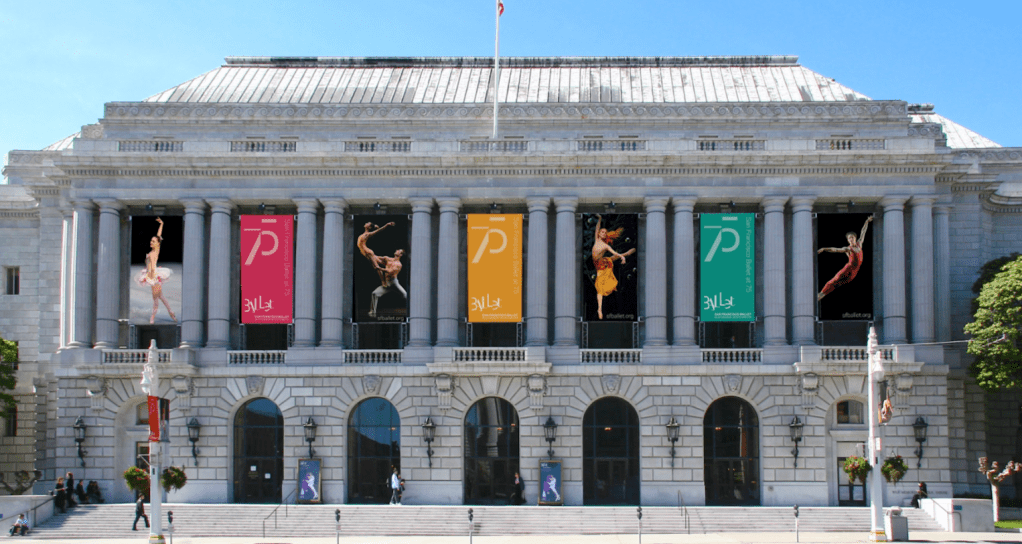
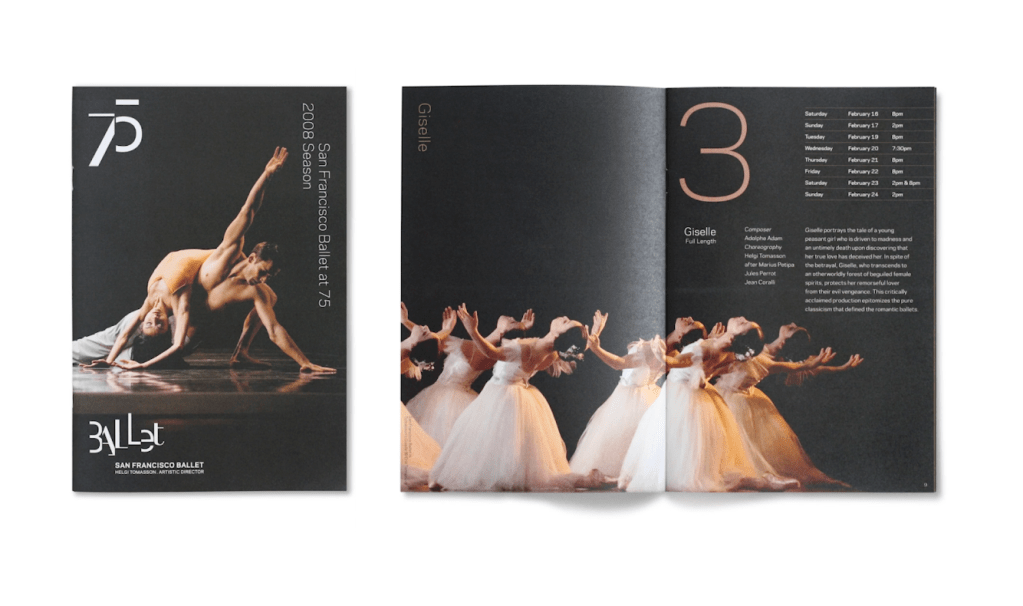
“I got a chance to work with Helgi Tomasson, who’s the artistic director of the San Francisco Ballet, to essentially design this rather unusual topography for the world ‘ballet’, that was sort of choreographed, it represented old and new, and then underscored by San Francisco. It is the world’s, if not the world’s, America’s oldest ballet company, so it is legitimate for them to own the word ‘ballet’”
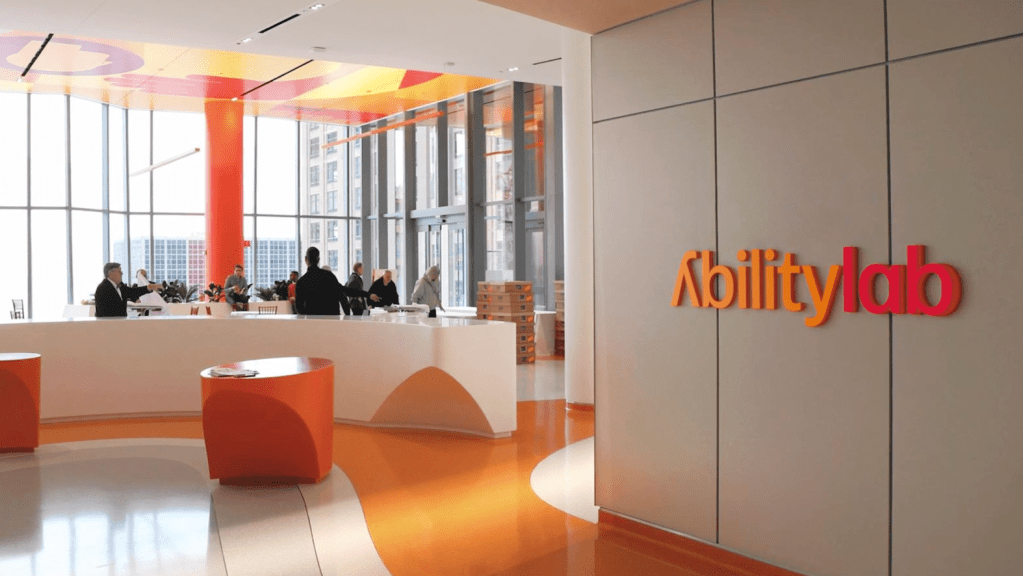
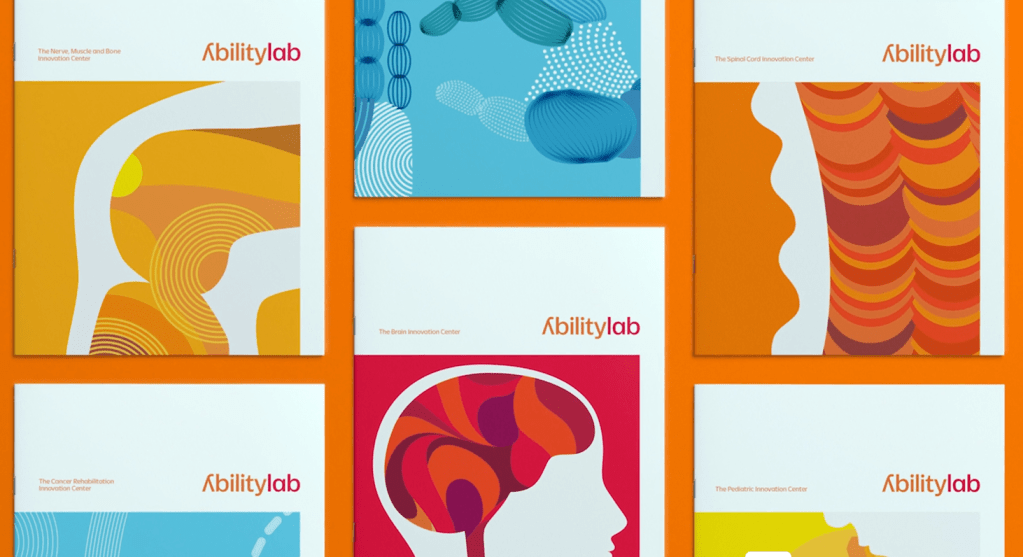
“A more recent project that I had a chance to work on was the branding programme for a thing called Ability Lab. It was formerly called the Rehabilitation Institute of Chicago, one of the oldest, world’s best, physical rehab hospitals. Joanne Smith, the CEO and head doctor of the hospital had this vision for a thing called Ability Lab, which was bringing the best in science and medicine and prosthetics and R&D and 2Silicon Valley, all together, to really create better outcomes for patients.”
Mucho is an international design agency; a collective of partners. Brett Wickers and Rob Duncan in San Francisco; Pablo, Mark and Tilman in Barcelona, and Lauren in Paris.
Rob said “We never grow for the sake of growth. We grow because we want to do great work and we want to work with great people and surround ourselves with great partners too. We’re always keeping our eyes out for opportunities for partners.”
Brett has experience in the healthcare and music industries. That helps in projects in that fields. He become drown to
the power of design through album cover design.
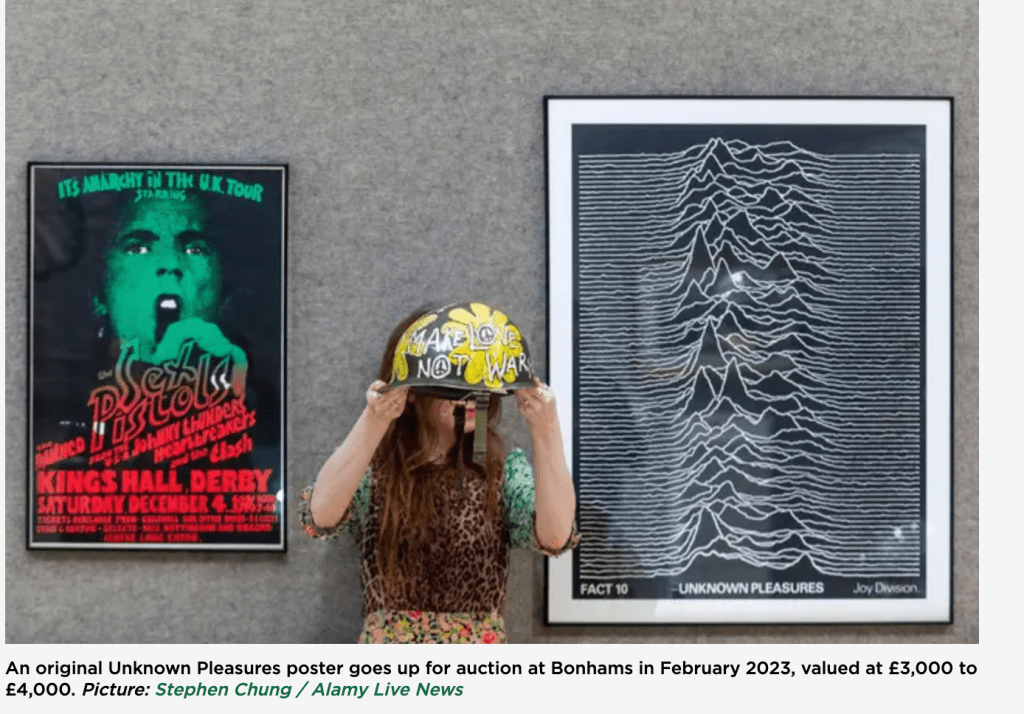
“The first album I saw that really caused me to pause and say ‘something interesting and different is happening here’ was the ‘Unknown Pleasures’ sleeve for Joy Division. I think that was the first time I’d ever seen an album cover where there was no type on the front. There was no band name, no title, it was a small image of a pulsar wave on a black sleeve. That probably was the seminal album that cemented my love of design. I looked into who had designed it, and then I noticed other sleeves by the same designer, Peter Saville, in the UK, and on the off-chance I wrote to him and asked him if I could intern with him, meet him, and I went to England. I started out as his intern and ended up as his partner at Peter Saville Associates. The music industry was a fascinating entrée into the world of brand identity design.”
I look up to find this design – it is so innovative
1. Mucho(2018) A Conversation with Rob Duncan and Brett Wickers
Links to an external site., [online video]. [Accessed 11 June 2019]
This is very interesting story. Michael mention the story where bad graphic design was accounted for the outcome of the election in the USA.
David Turner (turner duckworth) interview
Designboom is based in Milan, Beijing and New York and has gained a global reach of 3.5 million readers and 390,000 newsletter subscribers.
“designboom aims to bring together professional and young creatives from a diverse range of backgrounds. by publishing the latest news and key issues in the fields of architecture, design, technology and art, our mission over the past 20 years has remained the same: unearthing the best projects and curating a selection of the most interesting aspects of contemporary culture…before you can find it anywhere else. today, designboom is a comprehensive source with over 50,000 articles worth of useful information and insightful interviews, studio visits, documentation of new products, reviews of exhibitions and books, and historical surveys.
team of professional designers and architects ourselves, we work on a daily basis with creatives from around the world, seeking out the most innovative projects with an equal emphasis on influential studios and emerging, undiscovered talent.
designboom has featured news and inside reports to a community of architects, industrial designers, engineers, landscape architects, graphic designers, interior designers, press members, academics, and students interested in the industrial design field and the built urban environment. by curating this selective section, we also open our doors and inboxes to the public. 35% of content comes from our reader submissions, which invites creatives and makers — regardless of place, position, prestige, religion, nationality, or gender — to communicate their work to a huge, international audience. another 35% of our stories is based on in-house research, coverage of international exhibitions and fairs, interviews and studio and manufacturer visits. the remaining 30% is following breaking news and the daily reception of press releases.”
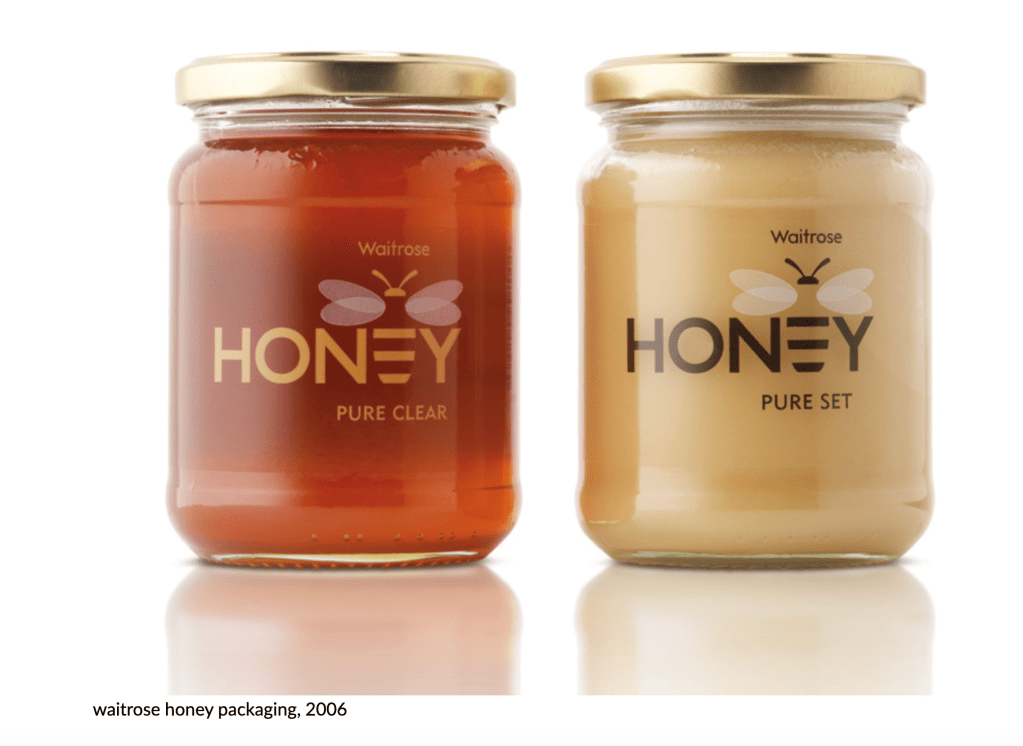
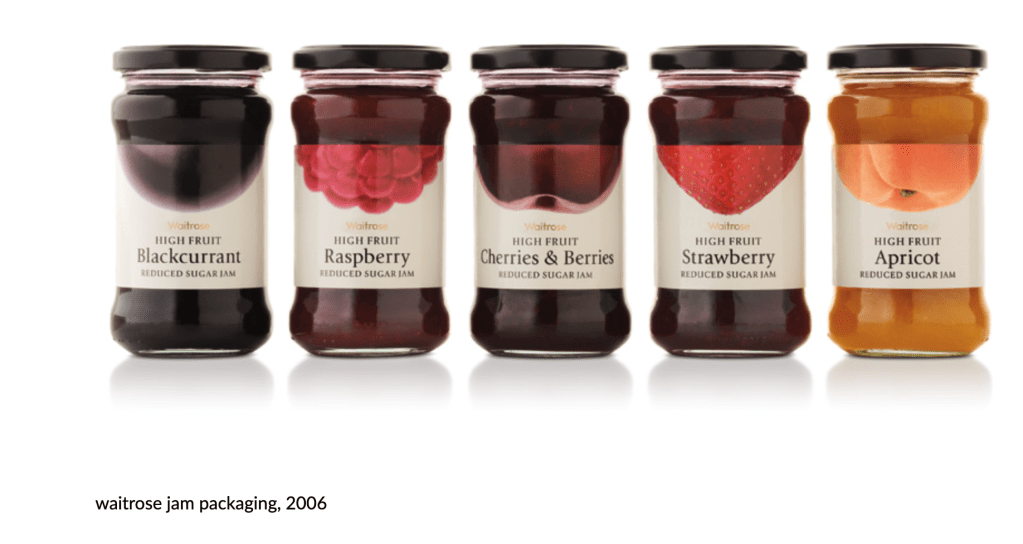

Week 7: Collaboration
Your personal research tasks are for deeper critical reflection and demonstration of your thinking and working processes.
These are the research tasks for this week, please share your findings on the ideas wall and on your blog:
- Find a variety of cutting edge, global examples of collaborative creative practice that push boundaries and take risks.
- Reflect on how you can work in new collaborative ways as a designer.
One example of collaborative creative practice is Sibling Rivalry studio. It has office in New York and Los Angeles. Mitch Monson is executive director, creative and partner.
https://www.siblingrivalry.com/
https://www.commarts.com/columns/monson
Mitch said that traditionally, “creatives” do not evolve into business development or partnerships roles within our industry. Things have changed today. Also visibility and involvement in the business’s PR/marketing and creative development aspects are incredibly valuable—it keeps us nimble, efficient and collaborative across our services…We feel incredibly fortunate for this ongoing partnership, which continually inspires our creative team. We have always believed that great clients lead to great work…Design is not just about aesthetics; it’s also about creating meaningful and lasting impacts on culture and society.
On the question “”Do you have any advice for designers starting out in their careers today?” he answered:
- Develop a strong work ethic. This is the cornerstone of success in any creative field. Be dedicated, disciplined and willing to go the extra mile in your work.
- Give 110 percent to every project. Regardless of the project’s size or budget, always put in your best effort. You never know how a project might resonate in the future.
- Embrace every opportunity. Say yes to as many opportunities as possible, even if you don’t have the required experience. You can collaborate with someone who does or conducts the necessary research to learn on the go. This will push you to grow, learn and improve constantly.
- Surround yourself with talent. Work alongside brighter and more skilled people than you. This will push you to stretch your limits, grow and continue learning.
- Read Paul Arden’s Whatever You Think, Think the Opposite. This book offers fantastic insights and is a great resource to keep on hand
- Learn from the best. I highly recommend watching Paula Scher’s 2019 presentation 10 Life Lessons from the Field of Design. It’s filled with invaluable insights for design students and professionals alike—a must-see!
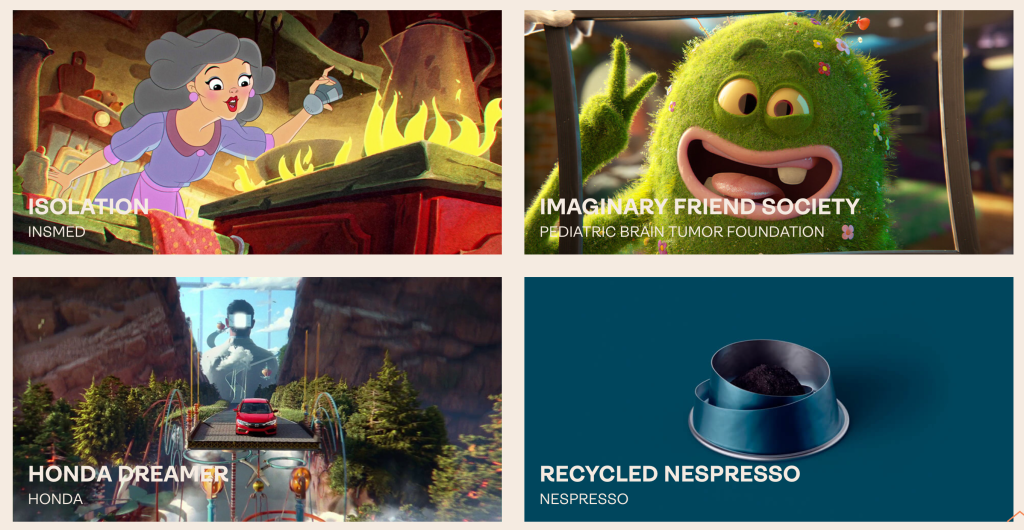
Another example is the Roof Studio https://roofstudio.tv/
“Roof is a team of creators and storytellers who drift toward the quirky, the whimsical, and the uncharted. We love to imbue emotion in every frame, and every color, to craft visual stories you can’t help but watch over and over.
Roof was founded in New York by two Brazilians that, at the peak of their careers, decided to start a new studio with a unique taste and pipeline focusing on delivering exceptional quality with a high level of detail. On the year of 2021, Roof was ranked the most awarded animation company in the US; today, we celebrate 10 years of building partnerships with brands and media-makers all across the universe.”
They work with people based in New York, Brazil, Portugal, London and Los Angeles. They all have different skills and background but they make it work. I think having a collection of different skills and people with different culture and vision, can be a fresh air for a project.

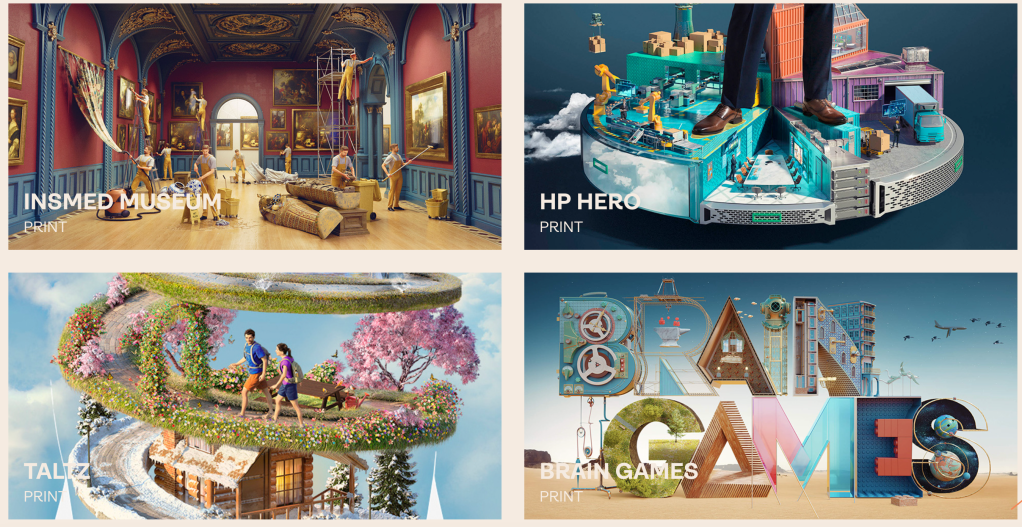
I can work in new collaborative way as a designer being more open to ideas from other people, creating network with people having similar interests and reaching out to some of them. I think that in the today world with so much information out there for one person wearing many hats is very difficult.
We can achieve better results by working as a team.
With the technology today, location is not a barrier for designing together from different places of the world.
About taking risk I want to share what Paula said in the video above, that if you don’t take risk, you will stay where you are.
Taking a risk is scary but is the first step toward something new and probably better.
I read what Louis had posted and I found out that Chriso’s work is so fascinating
Work on the projects
I have decided to change some things for project 2 – at first I wanted to create just one book with inspiration ideas but after thinking little more, I decided that one is not enough, there are so many resources for inspiration – so, I decided to include at least couple more.
So far I have created this:
Another resource for inspiration is looking at old stuff. I like visiting antic shops and taking pictures of unique stuff. The typography, the use of the colors and images is so interesting. I think we can get many ideas from antics and apply it to create something new. Here so far I have collected for the antics:
 Vicky Kafkaki - Graphic Design MA Falmouth University