We explored questions associated with the design authorship and we looked at some design studios that have embraced that challenges in some way.
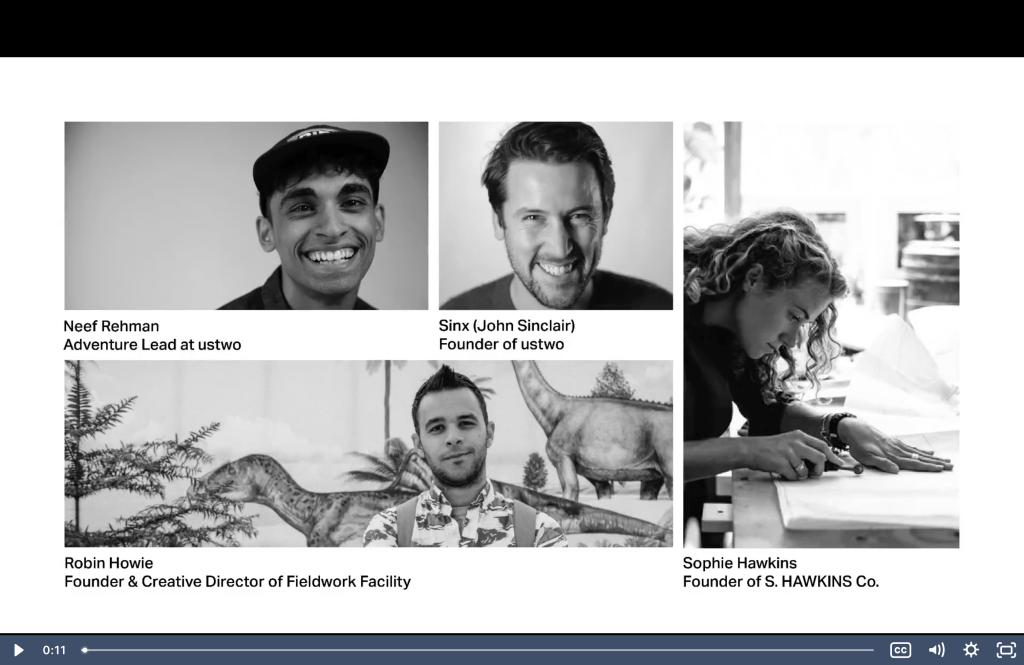
Neef Rehman said that opening a studio is going to required patience and confidence to get yourself client When he was studying MA in Graphic design, he realized that his calling is actually somewhere in between Communication, Art and Design, and Design Interactions.
He loves really unusual design challenges and the idea of just doing one thing really well both bore him and scares him at the same time.
“Five mark, that’s when I started waking up. Sure, I’d put in this tremendous amount of effort to become a better designer and do the kind of work that I’m proud of, but then there came a stage where like, I’m actually looking for bigger challenges and that means being able to configure the business in a way where it’s going to be able to take on those challenges.
Over the second half of the business so far, so years five to 10, I’ve put a lot more focus on how do you actually run a business? How can you configure a business where you do good work for your clients but also explore your own IP and other interests too?”
I learned from him the lesson that we have to put money on the side for that taxes so, not to get surprised in the end of the year and wandering how we can pay it off.
He said something very smart “It’s not rocket science, it’s just being good to people and doing good work and it all falls into place. I think rather than having an MBA, it is just having good emotional intelligence, how to work with people, how to treat people and making sure everything’s fair from the outset.”
I think the same – it doesn’t matter the degree that you hold when it comes to customer relationship – it is basic necessary skills to be able to communicate nice with the clients, treat them fair and try to do good work for them.
He talks about the project Queen Elizabeth Olympic Park: “We were given the task of encouraging children to find their way into a new playground, which was really fun. We designed urban interventions, which led children towards the playground – that sounds really being sinister [laughs] – that was really fun. Then we got to create a playground installation too there, like a legacy for the project.
More recently, we got a really interesting design challenge of reimagining community engagement. We collaborated with the NLA which is New London Architecture, and Southwark Council. We created the Museum of Us, which is a participatory exhibition and campaign featuring local people. It was really exciting to work on.”
On the question what he thinks of ethics when it comes to design and your design practice, he replay: “To be fair, I was being interviewed this morning by a magazine about how we seem to have social responsibility and environmental projects. It’s not something that we set out to do but it’s just I think a reflection of our personal interests and our personal ethics being represented in what the studio’s output work is. We do have an ethos in the studio that design is a role of citizenship. Basically what that means is before I’m a designer, I’m a person and I’m a citizen of London, of the UK, of Europe, of the world, but for me the idea of citizenship is way more interesting than a citizen. Citizenship, to me, really is more of an active role. You have to be proactive you have to do something. Design as a role of citizenship basically means to me that you don’t have to try and save the world with every single project, but what you should do is you should be leaving the world in a slightly better place. To have like a simple code of ethics, we try to act as a role of citizenship in all of our projects.”
John Sinclair was explaining that is very important to hire the right people – they will help your company grow.
Also I like what he said “A successful product isn’t just the design right, it’s the design, it’s the business, it’s the financing, it’s all these facets that need to be on track and working, the ideas, in order for a product or piece to be successful.
Design is really important but it’s only as important as the other bits of the business and they all need to work together, otherwise you’re not going to have a successful business, you’re not going to have a successful design, or you’re not going to break, disrupt …”
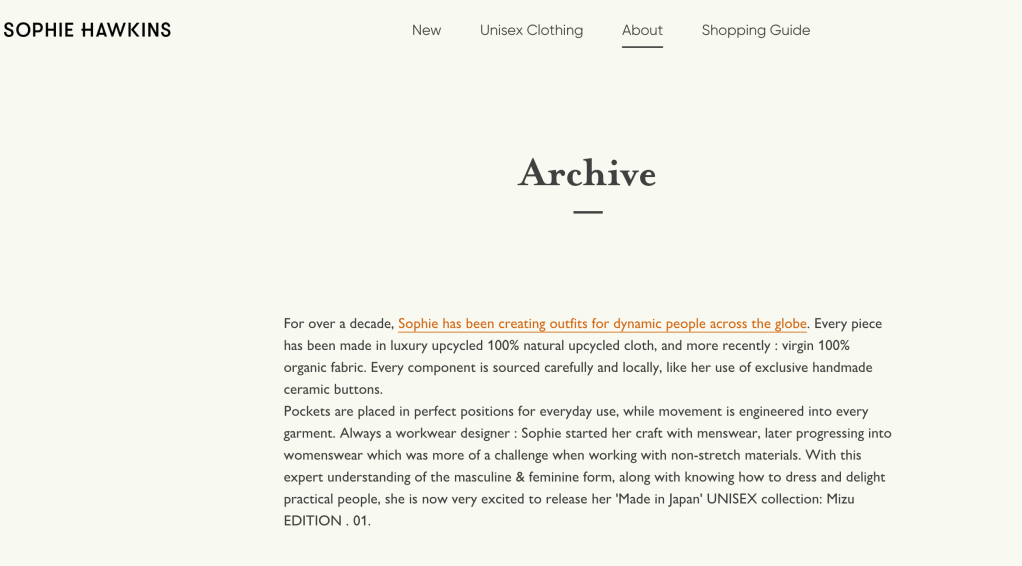
Case Study 3 (interview with Sophie Hawkins)
“I studied Fashion and Performance Sportswear and it was the second year the course had ever existed, so that was back in 2009. I was fascinated by dressing and designing functional clothing for laborers when I was at Falmouth, that was my final major project and that is actually what I’m still doing now but in more high-end sense – sole traders and artists and carpenters who are freelancers and work for themselves, that’s who I dress now.
It was very practical course that taught you the craft from start to finish. It was a quite commercial based course as well, so it prepared you to become a product developer, for instance, so then you would be able to just draw up lots of flat, CAD designs and you’d be able to pattern cut, sew toiles, the mock-up garments, and make the final things as well.”
He story is very inspirational – she went trough a grief of a her brother and feeling down to bringing the best of herself – taking the sawing machine out and creating a successful business.
She explains the challenge of being ecofriendly: “Being environmentally friendly is tricky because there are really amazing local companies doing beautiful, locally grown crops into fabric – hemp and flax and things like that – but their minimums are either really, really high or their price per metre is £16 and upwards, which is unheard of in the accessible clothing market. The two options there is to support a company like that and use your design skills to design something so high end and desirable that you can sell it to shops that have the market; to sell each piece for £400 – £500. Or you hire a few extra hands and do the upcycling thing, because that’s high in labour but low in price. That’s the two ways to be eco I would say.”
She uses accountant and photograph in her business. “I think if you’ve work with people you trust, then you can just let them do their thing.”
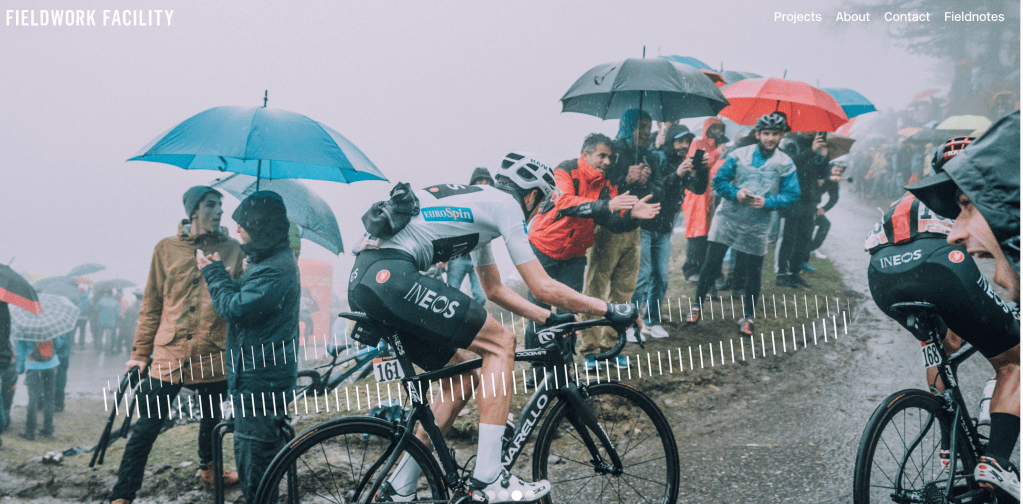
https://fieldworkfacility.com/
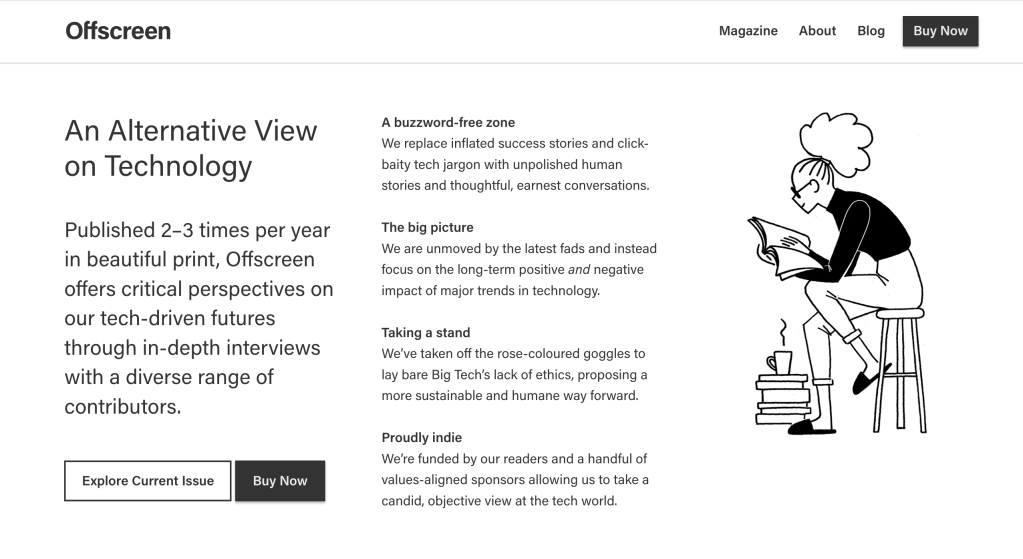
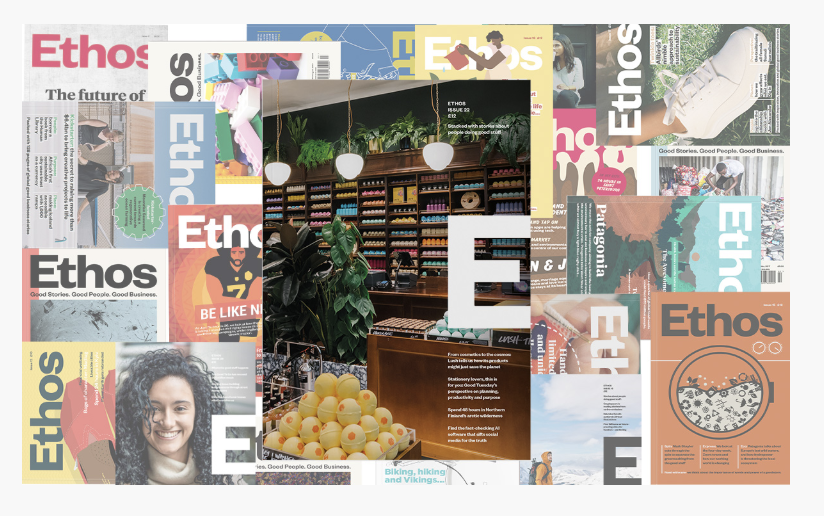
Best magazines about work, creativity and entrepreneurship:
https://creativelivesinprogress.medium.com/
“I believe that it should be a principle of all professionals in one way or another, to use their expertise for good”
“Filippos speaks of one client who runs a small bakery that isn’t necessarily developing fast and shares that his approach to quoting them a price would be very different to quoting a larger company. To Filippos, freelancing is an emotional practice, he is guided by both heart and mind when it comes to money, “I’m not really interested in gaining the last cent in design, I consider my time but after that, I really consider my feelings about the project and the people” he shares.”
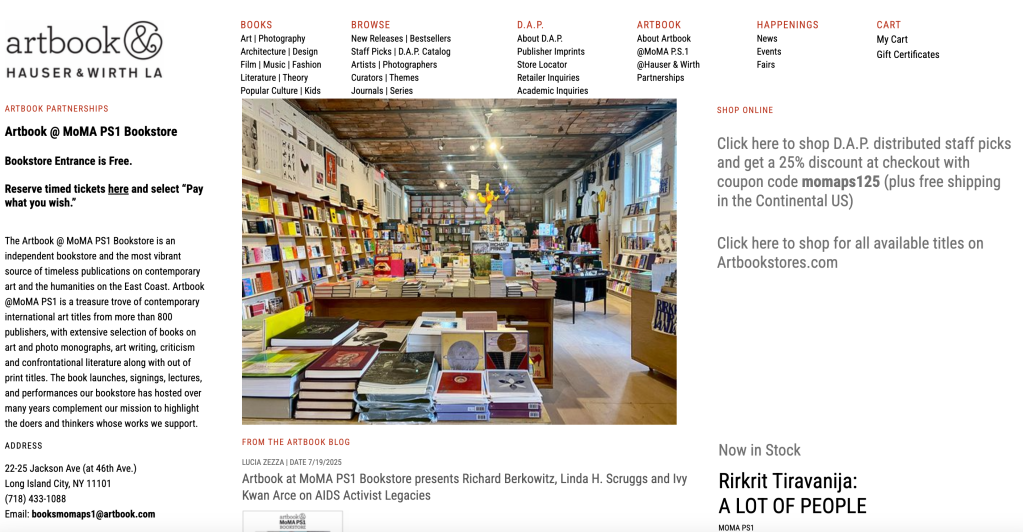
https://www.artbook.com/artbookps1.html
https://www.artsymagazine.com/
3. Wired, Jessica Alter,(2013) Designers make great entrepreneurs, they just don’t know it yet
Links to an external site. [online]. [Accessed 1 May 2019].
https://www.wired.com/story/designers-startups/

4. Frederick Harry Pitts https://www.frederickharrypitts.com/

4. Frederick Harry Pitts https://www.frederickharrypitts.com/
https://designmuseum.org/exhibitions/more-than-human
Week 9: Shop
Your personal research tasks are for deeper critical reflection and demonstration of your thinking and working processes.
These are the research tasks for this week, please share your findings on the ideas wall and on your blog:
- Research the various meanings of entrepreneurship, particularly within the field of graphic design.
- Find a range of definitions, descriptions or summaries of what it means to be a design entrepreneur today.
- Being freelancer – in this model you have to have good portfolio and market yourself. You have to handle everything – marketing, client relations, design work and pricing (and probably many more)
- Graphic design agency – you can be one person or more. Most of the time is more than couple people. The challenge in this case is that is going to need great leadership and team management. Work needs to be monitored and goals need to be clear. Another challenge is hiring the right people because their capabilities and personalities are going to affect the face and the reputation of the agency.
- Educational graphic design company – the focus is actually on education (most of them still do design work parallel with the teaching)
- Innovative – some designers are using their skills to contribute to the society, to solve a specific problem and create social impact.
“Entrepreneurship is the process of identifying, creating, and pursuing opportunities to develop new products, services, or businesses.” So, in the graphic design field this term include identifying problems in the society and come up with something unique that will contribute to the solving of it.
Working on the projects:
I am still working on the project 2
 Vicky Kafkaki - Graphic Design MA Falmouth University