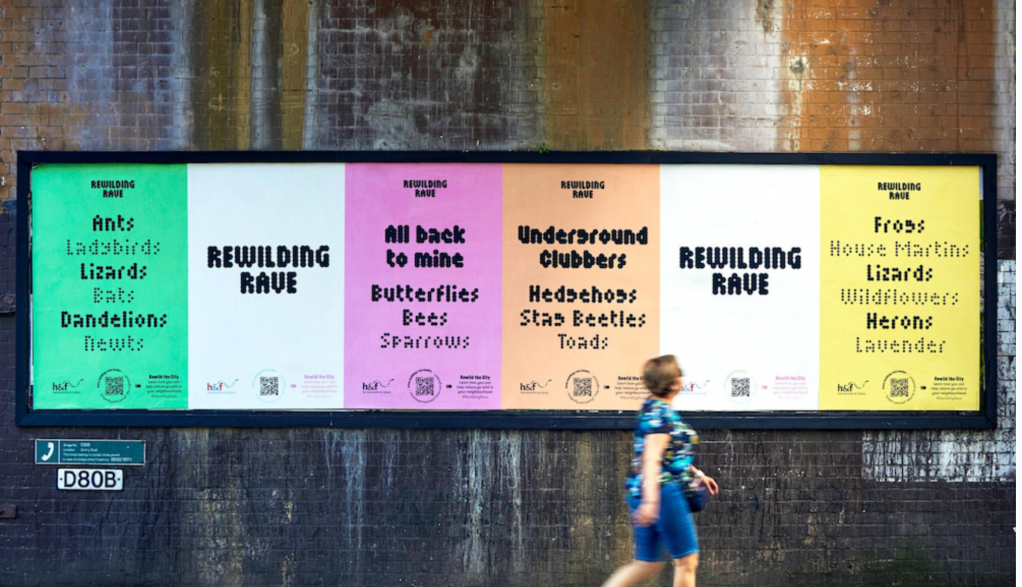
“With quantitative questions, having data is also invaluable in helping you get down into the right kind of root, to solving the problem and making something that people want…it’s key to be able to use both quantitative and qualitative, and your gut, to be able to point you in a direction that will help you build something and maximise that potential of your business or creative idea. With surveys,
Typeform or SurveyMonkey are great tools for questionnaires. There’s also a number of other ones on the market as well and as mentioned, the more people that you ask, the better.”
It is very important to filter the date on order to decide what kind of product the people need.
“The more people that you speak to the better, and throughout the journey of you building anything, you should always be talking to your customers and always be talking to your audience and building some sort of feedback loop so that you can improve your product, improve your service the whole way through. You will be surprised at how many people often launch something and then never speak to their customers, never speak to their audience, and then inevitably when something goes wrong, they won’t understand why…
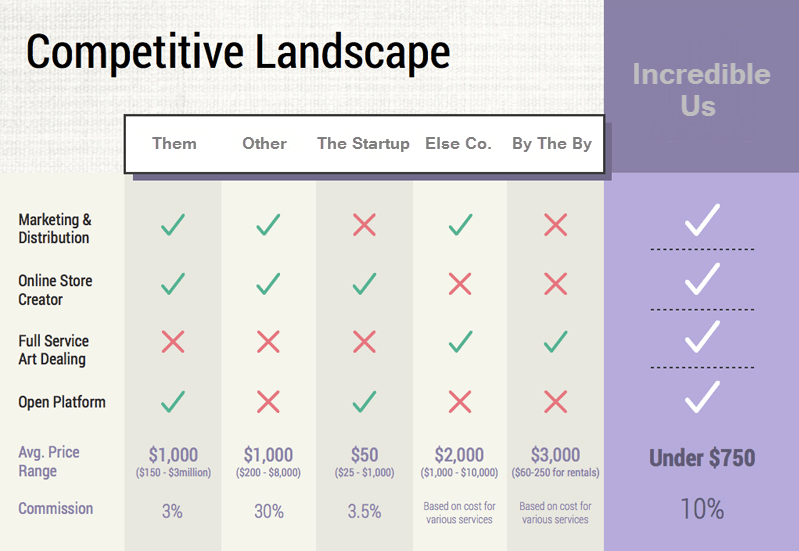
Depending on where your competitors sit on the graph, it allows you to see where these opportunities are, and then depending on whether those opportunities are big enough, or wide enough, or strong enough, you may need to redefine what your axes are to ensure that you are building something different to your competitors and of value.
A tool that you can use to be able to help you with your research is similarweb.com. That is similarweb.com and depending on the size of your market, it’s a really great tool for looking at that landscape and understanding where your competitors sit. Who your competitors actually are, you may not know, you may think that you know but as you go into a little bit more of the research you’ll be able to see a little bit more of the data and connected websites.
Similarweb is a really good tool for being able to start getting a better understanding of the marketplace and the landscape”
One of the best things to do is to join the group and just start talking to people, building up connections, adding value and then inevitably people will start asking you what you do, or come to value you as a good contributor, and then you could mention it in passing. People will find that authentic and it is. If you go in there and start yelling randomly about what it is that you want and do, people don’t like that, it’s like doing that at a party, no one really likes that.
Or you could create your own group.
You’ll be surprised at how willing people are to join groups and email lists. Instagram search.
Hashtags are a really quick way to search for things and find new audiences and find new sub genres of groups of people who are doing things that you may be interested in.
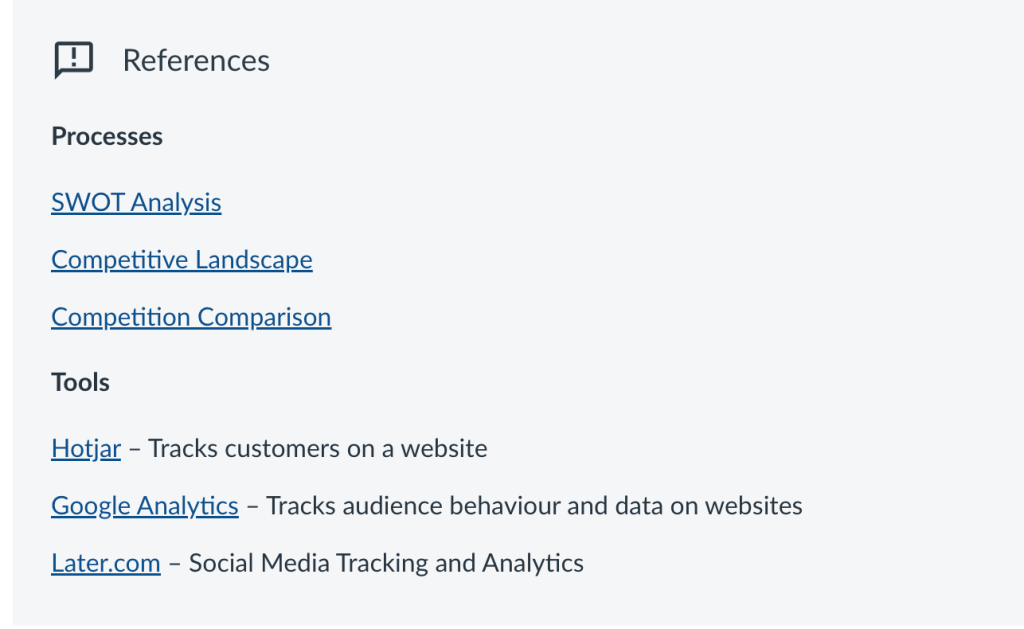
There’s a tool called Later, it used to be called Latergram, but it’s called Later.
It’s mainly used for scheduling Instagram posts but on the paid version of the platform, there’s a small part of it which allows you to be able to check which hashtags are large and check the number of posts that hashtags have. With that you can craft posts which have the optimum hashtags to be able to grow an audience, because hashtags are great for searching.
Buffer is a social media scheduling tool but when it launched back in the day, one of the ways that the main developer wanted to test whether people wanted it was by building a small, single page website that outlined the key problem, which was, scheduling tweets at a time was pretty much impossible
There’s another tool which is a really great tool hotjar, that’s H-O-T-J-A-R, and you can use it to do a screen recording.
It lets you build up screen records of people interacting with your website and heat maps of where people are going to. The first 300 views I think are free, which is more than enough often to be able to see whether you should change your product or service because people don’t understand things or people are going to the wrong place. For example, people may click on and land on your product or to your service and they may stay for a while but they may not purchase. By doing some analysis of the screen recording and also really maybe even trying to talk to some of your audience members and your customers, you will be able to understand why that is and then effectively again change some of the copy of that to make it more effective.”
https://wordpress.com/domains/manage/vsks555253695.wordpress.com
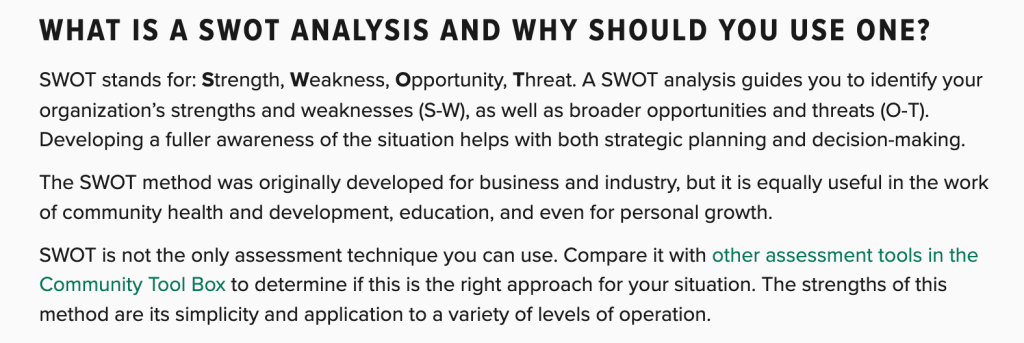
https://analytics.google.com/analytics/web/provision/?authuser=0#/provision
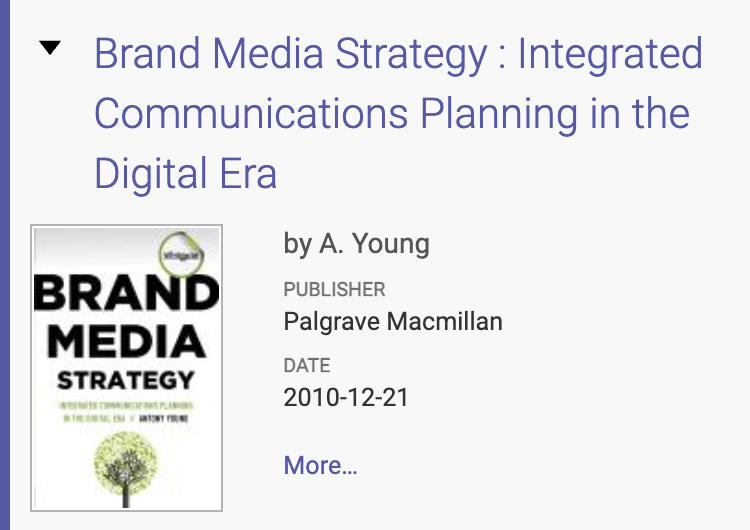
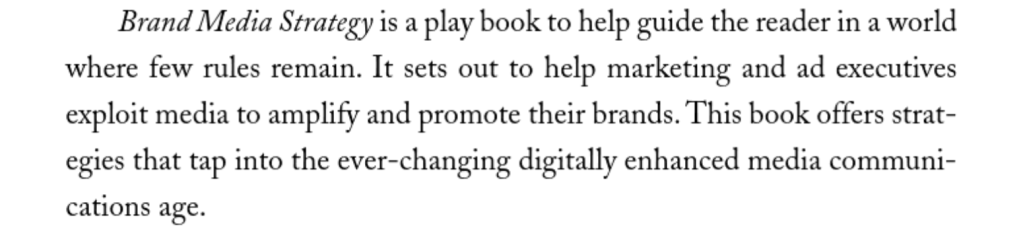
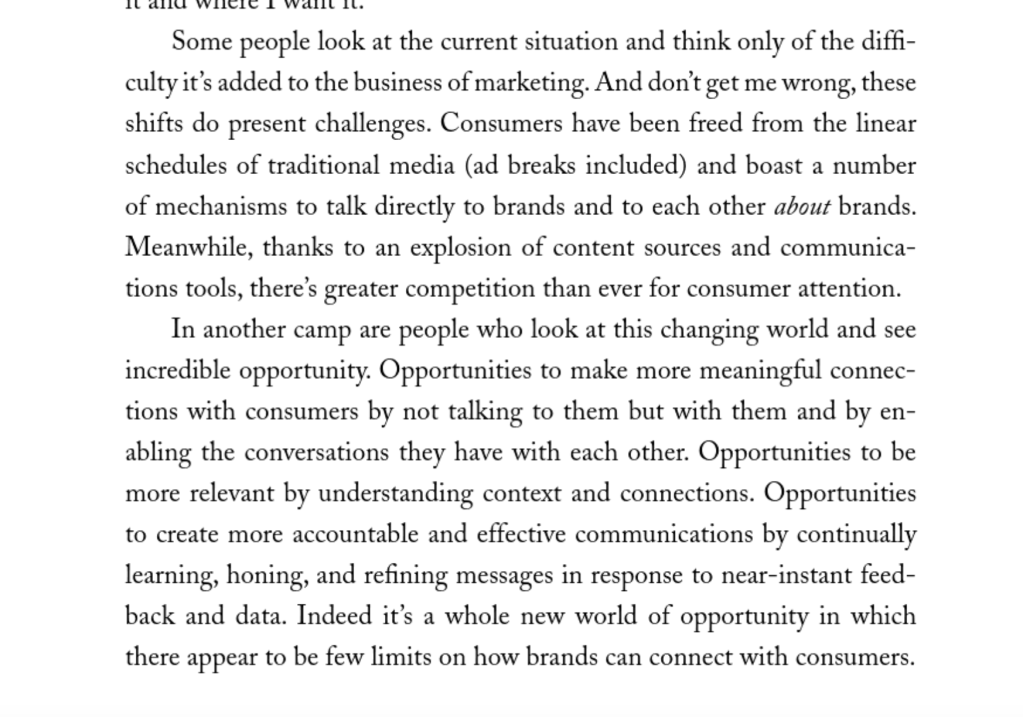
1. Young, A., (2011). Brand Media Strategy – Planning in the Digital Era
Links to an external site., New York: Palgrave MacMillan.
Work on project
I want to share some books that I created just for myself coupe of years ago – they are from different courses and classes that I have taken. I put them together for my own reference – that’s why the layout is not so well organized. But what I found out after making them, is that I actually enjoy putting together content for step by step exercises or explaining different tools.
2. https://indd.adobe.com/view/01a1d02d-5d30-461b-9d21-bff8cfcb052f
3. https://indd.adobe.com/view/8fdab642-c818-49eb-b054-369b32d1a64f
4. https://indd.adobe.com/view/8f447159-678b-4902-9270-5f7689b475fa
5. https://indd.adobe.com/view/b18e29d0-a6ca-4047-8c53-77ff9d85c5fb
6. https://indd.adobe.com/view/270edecb-4276-4f80-88ec-ca5d28cda508
Video for project 1
Pdf for project 1
I combine all 5 books together
Here the pdfs for project 2 separate:
For project 3 – Bookcovers for the 5 books





These are my 5 books for project 2.
For Project 3
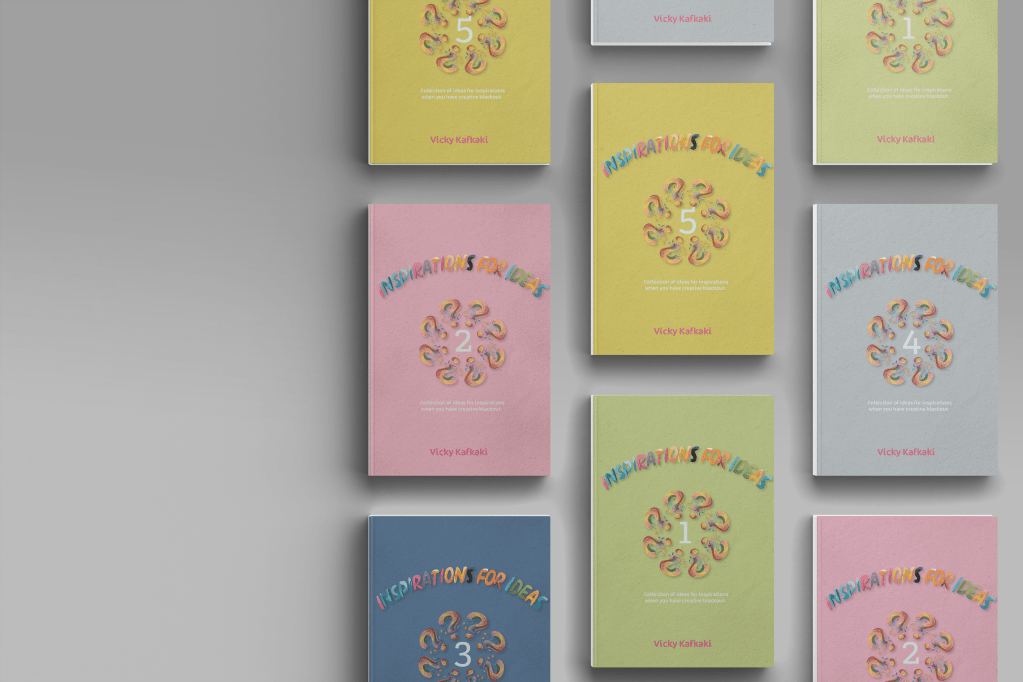


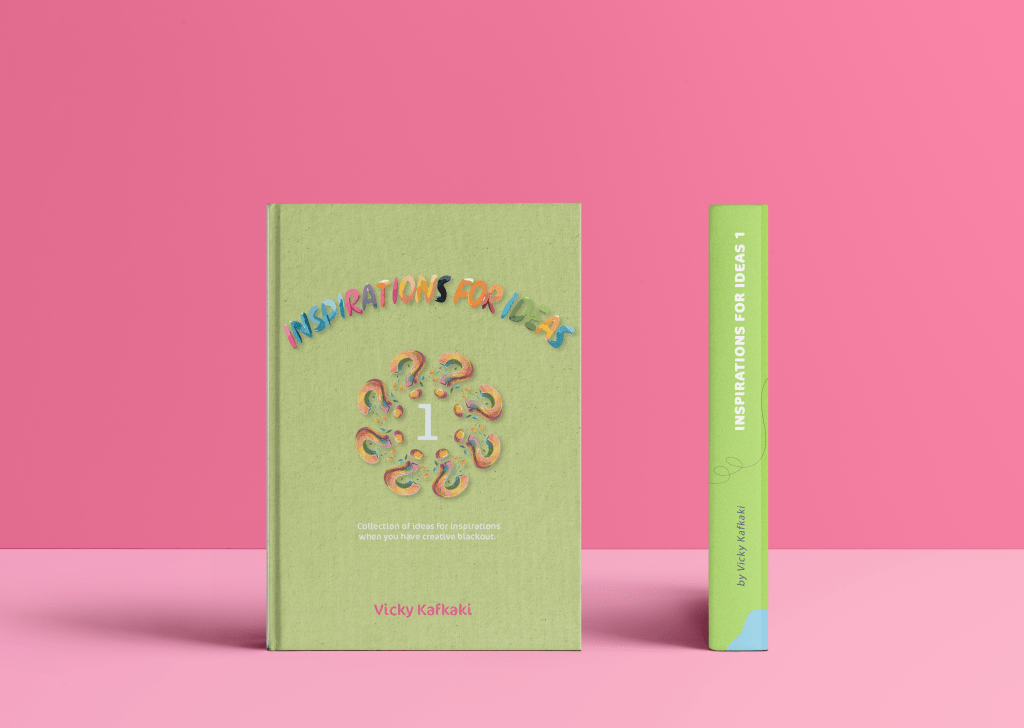



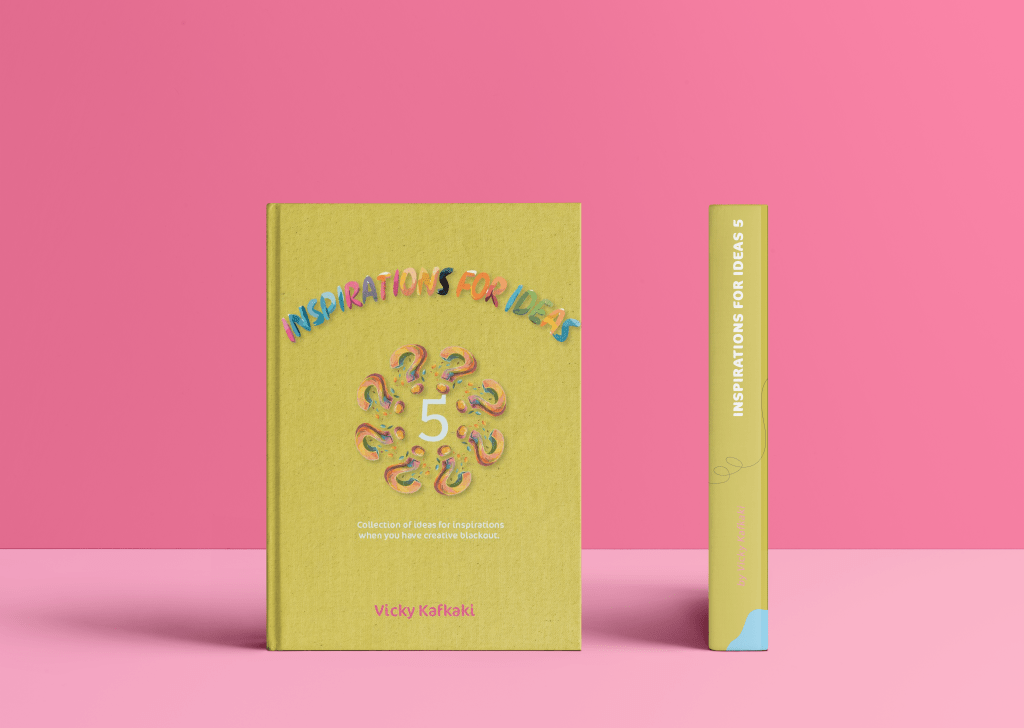
ad on you tube:
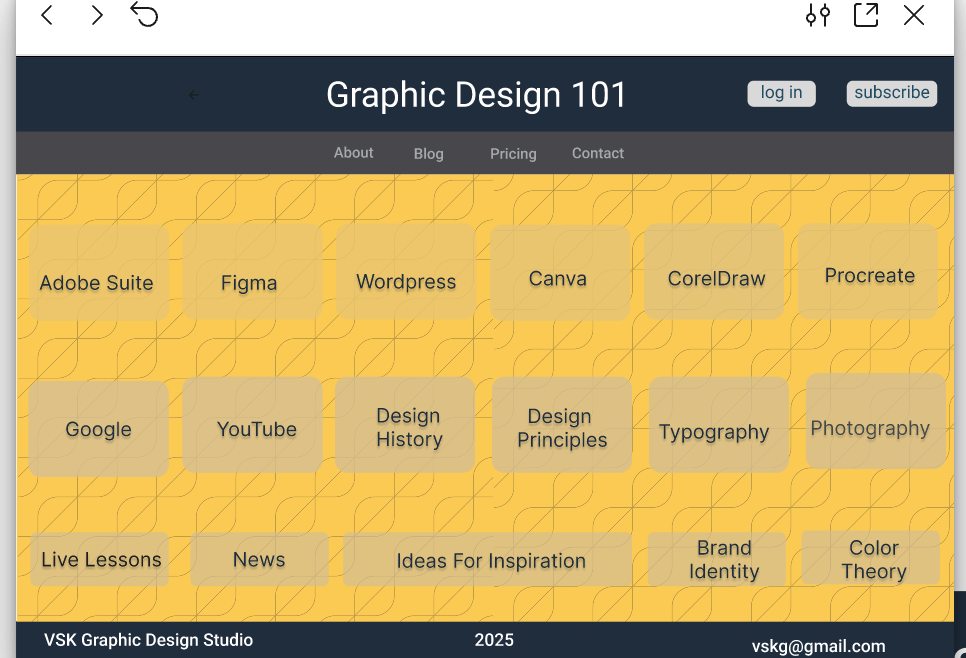
https://www.figma.com/community/file/1537043782833051963
I have never had problems with the Figma links before but for some reason they are not working today
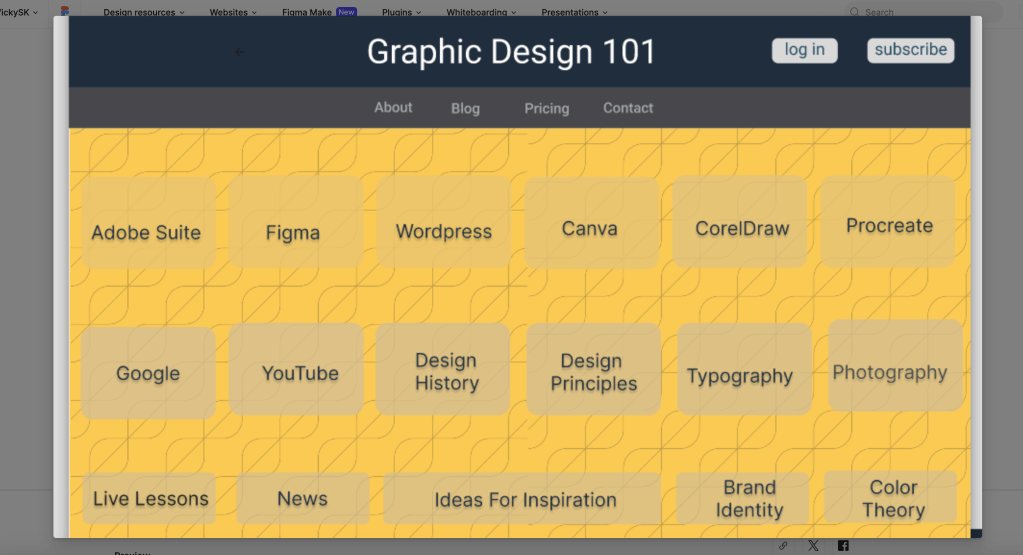
this is pdf of the figma file (the prototype)
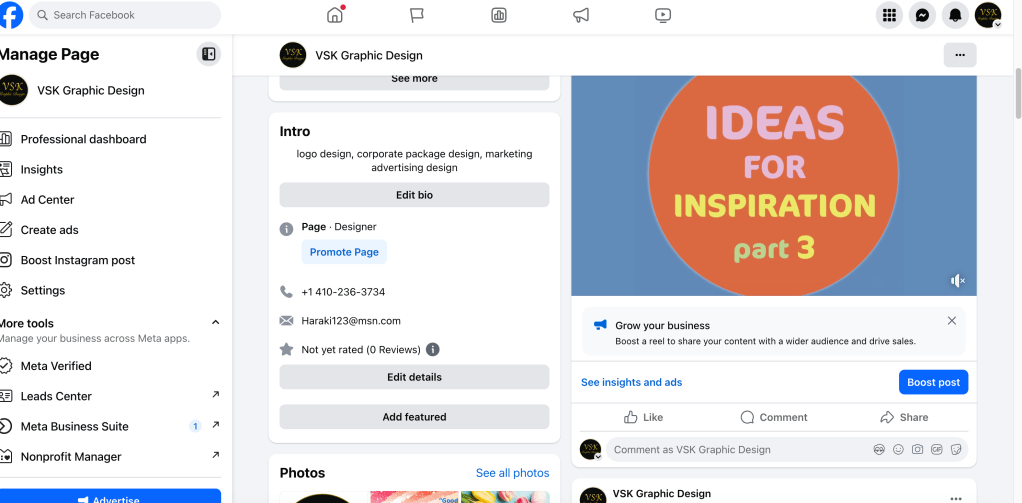
ad on facebook
https://www.facebook.com/profile.php?id=100063626464321
 Vicky Kafkaki - Graphic Design MA Falmouth University